Heritas
Basic information
Project Title
Full project title
Category
Project Description
Heritas – is a cultural heritage festival organized by a team of volunteers, happening once a year, covering themes of heritage knowledge, conservation and technology. The goal of the festival is to encourage people to take the leadership in initiating cultural heritage preservation activities as well as to develop a participatory approach to the cultural heritage preservation and maintenance. Our key tools for achieving these goals - communication, education and a strong, motivated community.
Project Region
EU Programme or fund
Description of the project
Summary
Heritas – is a cultural heritage festival organized by a non-governmental public institution “Heritas LT”. The festival happens once a year, covering themes of heritage education, conservation and technology. The goal of the festival is to bring together professionals, governmental, private, and public institutions and organizations, scholars, that work in the field of cultural heritage, public representatives, who are interested in preservation of cultural heritage, and to encourage their cooperation and more effective mutual communication.
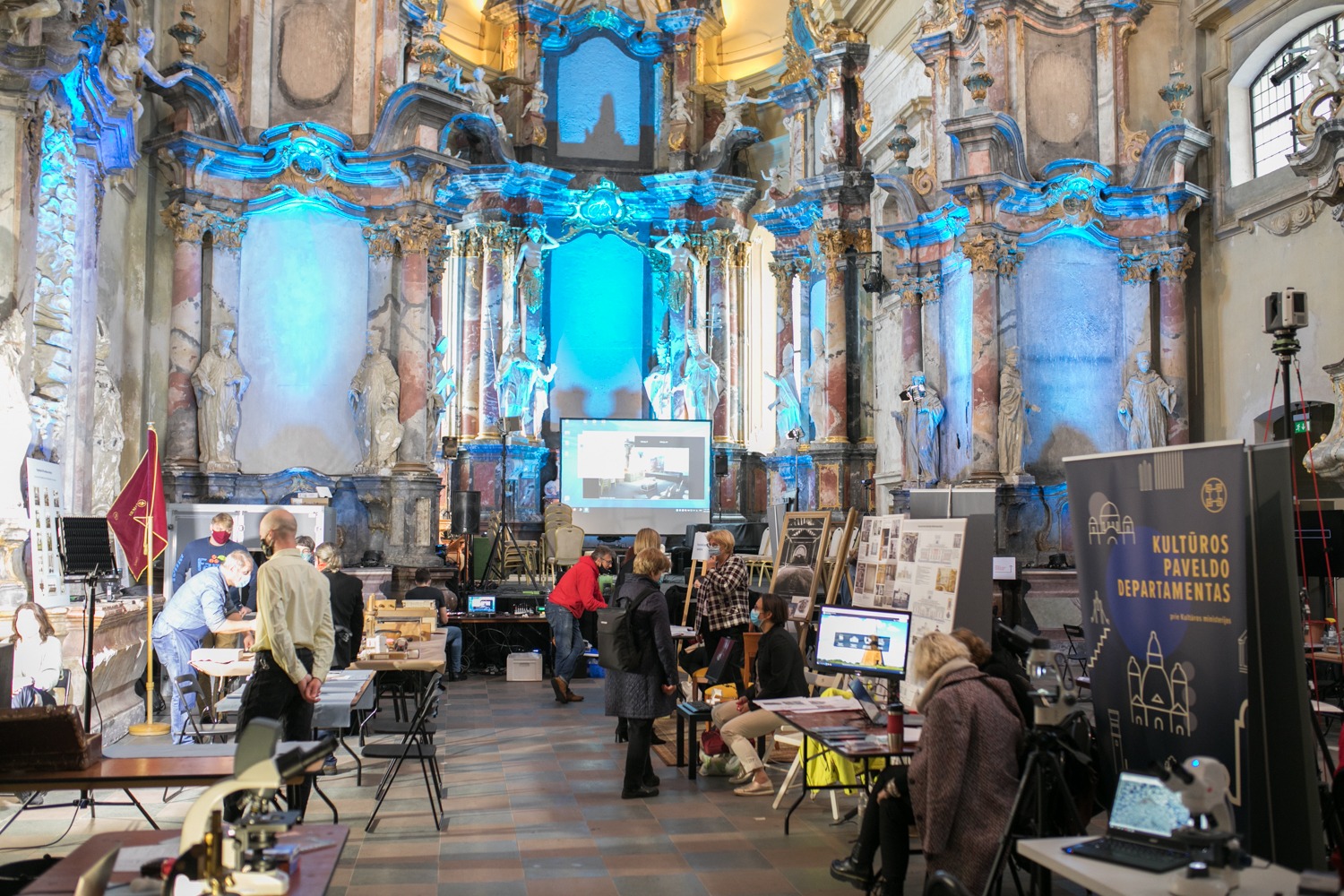
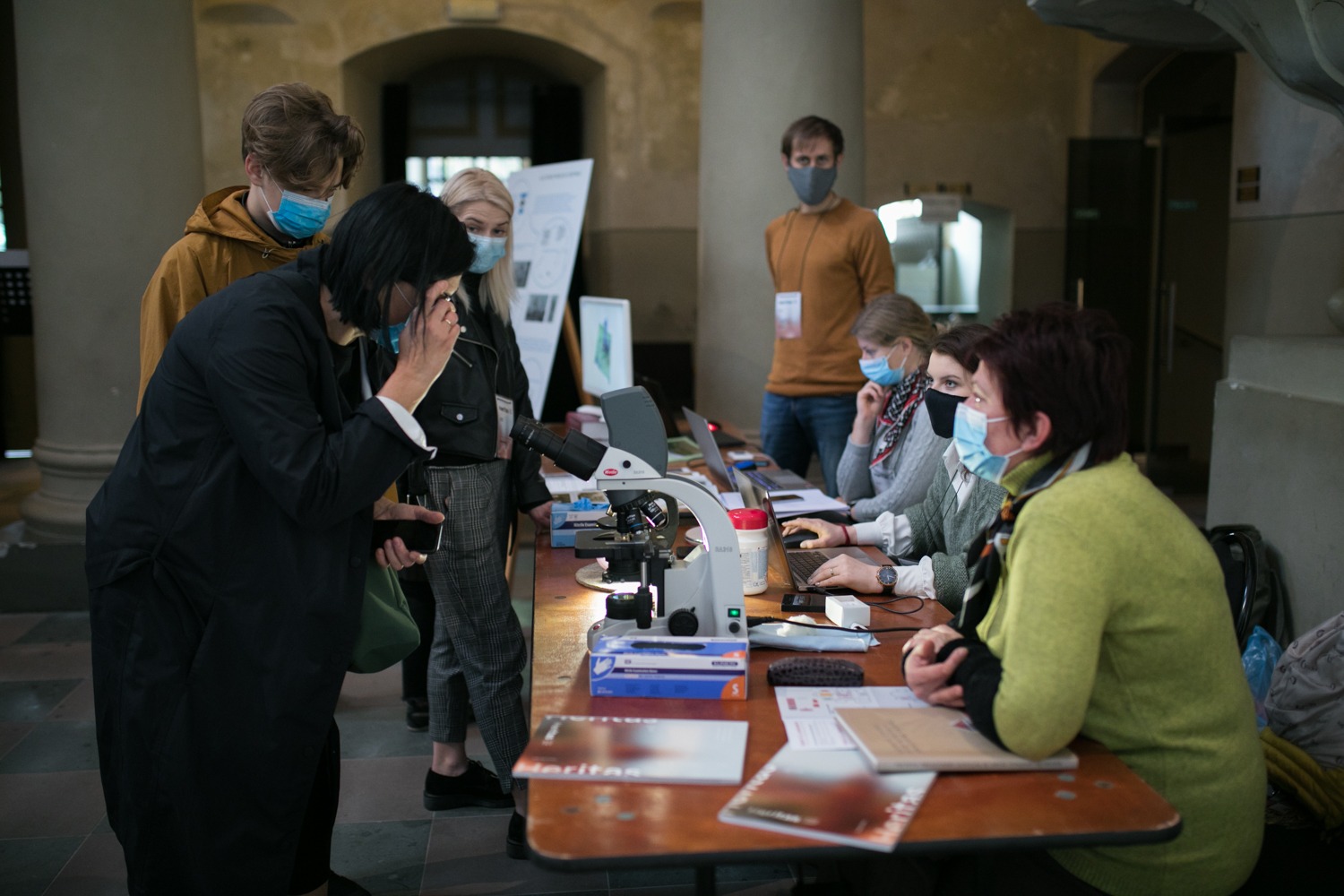
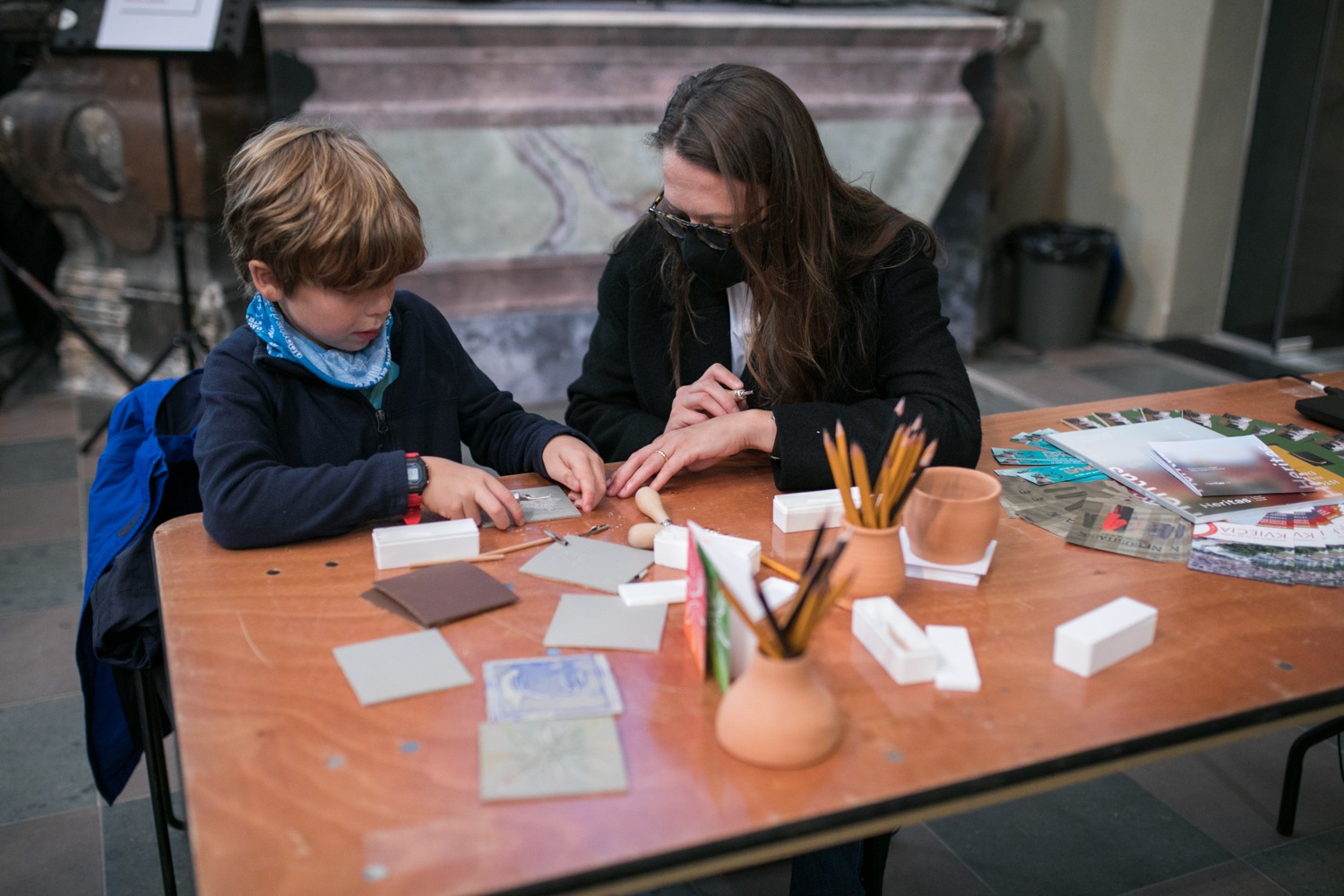
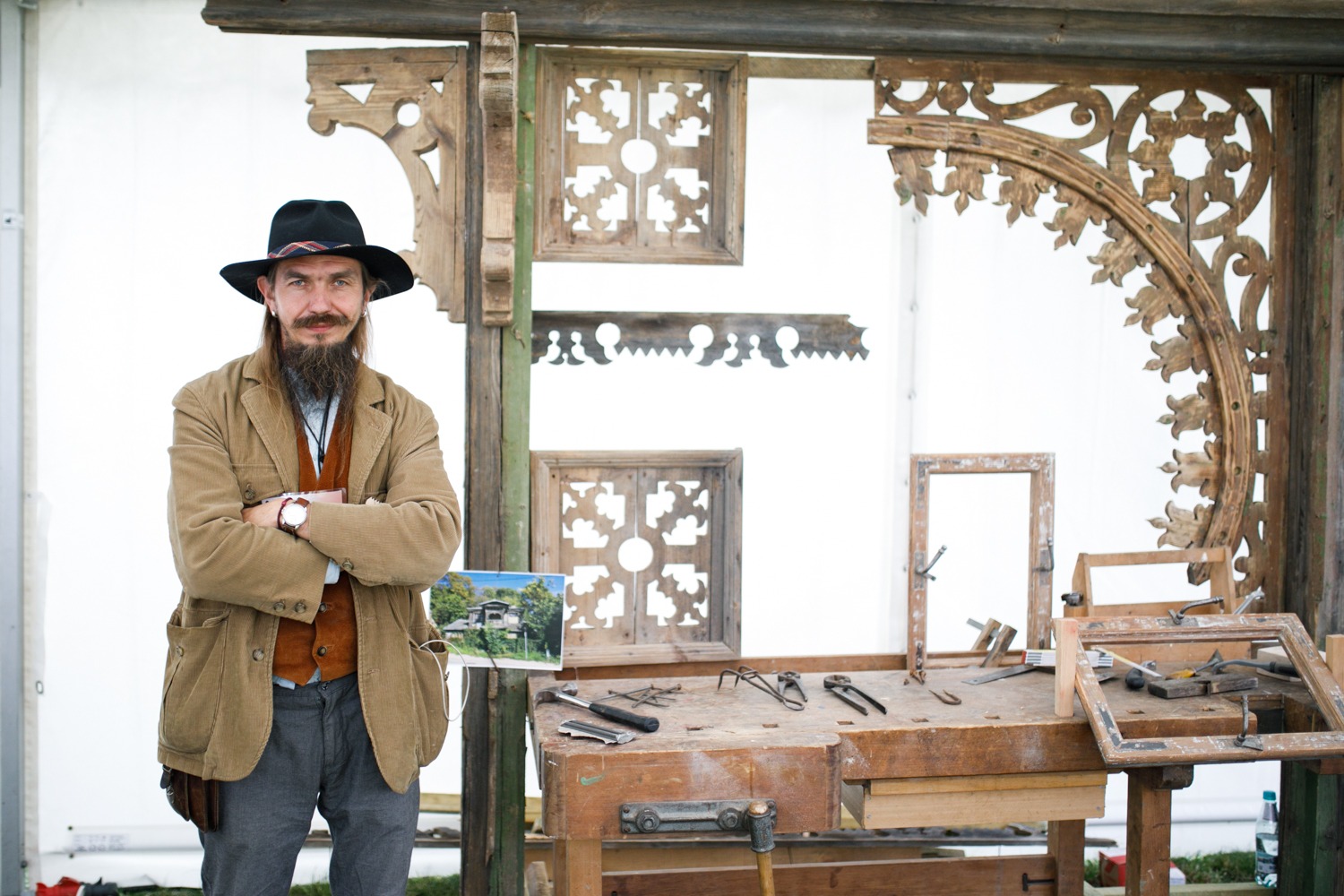
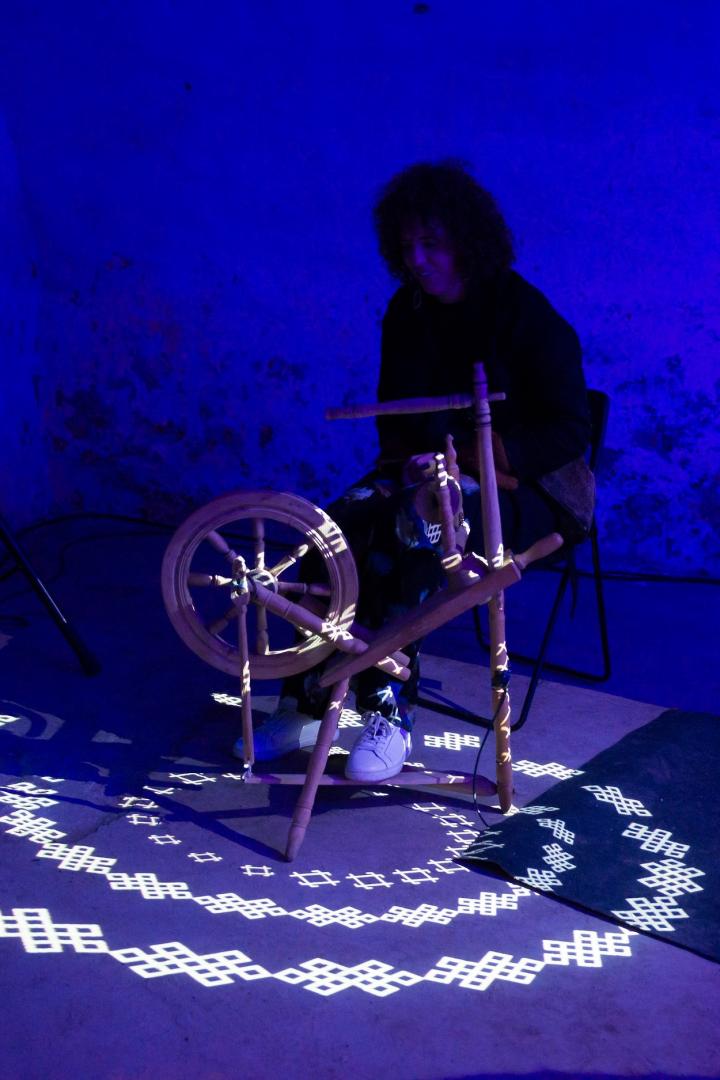
The festival offers active alternative discussions, a space for diverse creative workshops, consultations with heritage professionals, presentations on diverse topics, a space for activities of children and youth, heritage walks to cultural heritage objects that have not been discovered or opened for the public yet, also presentations by festival participants. Heritas is a place to establish new contacts, to learn and try something new and to get answers to various questions of concern. Heritas festival is dedicated not to a narrow range of cultural heritage specialists – most importantly, it is open to the public and heritage enthusiasts.
The festival is organised by a team of volunteers working in various fields of heritage management and conservation - heritage centres, museums, preventative maintenance projects, as well as heritage management students. The project has a wide range of partners, such as the History faculty of Vilnius University, Cultural Heritage Centre, Department of Cultural Heritage under the Ministry of Culture, National commission for Cultural Heritage, Lithuanian National Commission for UNESCO (patronage), Society of the Lithuanian Archaeology and other institutions, companies, working in the field of cultural heritage preservation.
Key objectives for sustainability
Festival initiates multi-stakeholder partnerships for mobilizing and sharing knowledge, expertise, technologies to support the reusing and renovating the objects of cultural heritage, to raise the awareness and provoke the discussions of sustainable development of urban heritage cities and sustainable living in general. This is achieved in part through theoretical discussions with academics and the wider public, delving into themes such as: “Heritage - a renewable resource”, “Heritage communication - a translator wanted”, “Heritage conflicts - harmful or helpful”, “How to “employ” cultural heritage? Adaptation challenges and opportunities”. Another festival activity, where sustainability takes a key role is the consultation session, where participants have an opportunity to hear about the compensation mechanisms of expenses for research, designing and preservation of cultural heritage objects. The speakers offer thorough and clear presentations not only on official but also alternative financial support sources and processes, provide tips on how to avoid the most frequent mistakes, as well as answer all questions of interest for the visitors on the issues of preservation and maintenance of cultural heritage objects. The practical side of sustainability is represented through our festival participants, who present their heritage preservation related products, ideas, research and good practices. Heritas festival creates an opportunity for visitors to find local companies, researchers and organisations that offer sustainable heritage education and preservation solutions. While planning activities of the festival special attention is devoted to the children and youth audience as awareness of young people about the importance and value of cultural heritage is a prerequisite for ensuring the sustainability of cultural heritage in the future.
Key objectives for aesthetics and quality
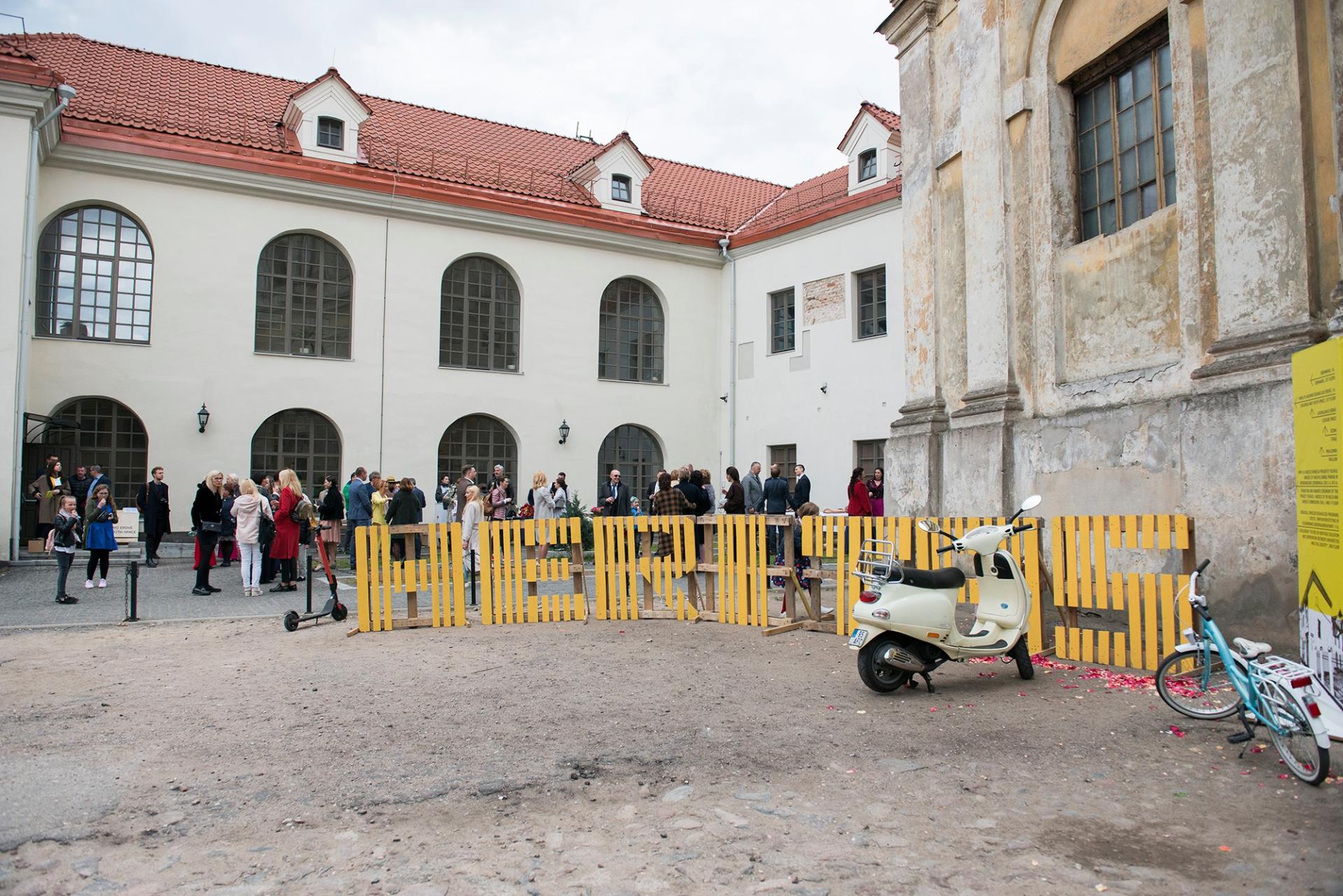
The criteria of aesthetics and quality of experience is met by choosing every single space for the festival activities. Each year Heritas invites visitors to see and interact with different places in Vilnius Old town and its historical suburbs. These interactions are made in the main festival spaces - St Catherine Church and Vilnius University (2020), Church of Our Lady of Consolation and European Humanities University (2018 and 2019), also in various areas, chosen for the heritage walks-guided tours. The participants have an opportunity to see little known heritage objects of Vilnius, to learn not only about their history but also about the subtleties of their restoration, the importance of a context and community, as well as about new opportunities for heritage as a valuable and reusable source. The quality of experiences is also met by participating in our workshops, ment for curious adults, families with small children and toddlers. All the workshops and presentations of companies, institutions are interactive and based on practice. Each participant has an opportunity to become an archeologist, restorer, craftsman, etc. and practically understand how cultural heritage is being preserved. Together with historians, writers, artists, artisans, photographers, craftsmen and restorers, visitors can enjoy making unique works, dealing with the tasks prepared specially for them, hearing about the processes of creation and birth of things and stories. Through a practical touch The main quality that we provide for the public is open access to places and workshops of artisan and artists, which are normally not so easily accessible.
Key objectives for inclusion
The main objective of Heritas in terms of inclusion is to make heritage and learning about heritage and its values accessible to as many people as possible. In terms of age - education of the young generation has been in the focus of the festival from the very beginning. We provide educational and entertaining activities for families with small children and toddlers. Young specialists and students are included into the alternative discussion space, held by Heritas and the Faculty of History of Vilnius University. In terms of gender – men and women are equal participants in the different festival activities: leading workshops and discussions, presenting research-based reports, representing organizations, heritage related businesses and crafts. In terms of communities and religious or national minorities in Lithuania – by including local communities (city communities, religious communities, such as Jewish community of Lithuania, Lithuanian Tatars, etc.) to various activities during the festival we seek to encourage raising and discussing their problems in an open and professional discussion or presentation setting, as well as to present their heritage by organising heritage walks or workshops. In the case of accessibility, we seek to share our festival not only with those capable of visiting it in person, but also to those living further from Vilnius or Lithuania, where the festival takes place, or to those who cannot visit for other reasons. The festival offers live streaming of the discussions and presentations as well as videos online for later viewing. In later projects we digitised various workshops and heritage walks presented during the festival for people to take part in by themselves and spread the collected knowledge even further. For those visiting the festival in person – all of the activities are free of charge. This has been the case since the beginning to encourage wider public participation.
Results in relation to category
One of the main goals of the festival overall is to bring together a community centered around heritage. A community that is curious, willing to learn, share, to openly discuss various challenges and problems that inevitably surround heritage, its management, conservation, and research. This is achieved by offering various kinds of activities during the festival, so that everyone can find a point of view that interests them – from theoretical discussions and presentations to very tangible workshops, consultations, tours. We see the same people returning to take part in the festival not only as visitors, but also as participants who have been taking part in the festival since the beginning and building their own relationships with the visitors. With the goal of creating a large integral community, we seek to involve smaller ones that have their own heritage, history or a relation to heritage, such as religious and national minorities, city communities, governmental and private organisations working with heritage management and conservation. An important aspect of a functional community is the ability to communicate well together, that is why we gather all of these interested parties in one place – with the goal of getting to know each other, start talking, discussing and finding sustainable solutions for problems that otherwise might lead to conflicts. Since heritage is often a sensitive theme, good communication and a strong community is key to reaching a common goal of preserving the marks of the past. Another important goal we pursue - educational mission. Cultural heritage education helps to develop the society's ability to identify cultural heritage values and raise awareness of the issues of preservation and adaptation of heritage objects to nowadays’ needs. Special attention is paid to children and youth in order to develop a responsible and close relationship with heritage from an early age and thus to foster a conscious and “heritage-aware” young generation.
How Citizens benefit
The criteria of citizens and civil society involvement is met by volunteering work - all of the organizers work on volunteering bases, moreover, the festival relies on the different groups of volunteers (local communities, students and school children) to help prepare before the event and during the festival activities. The experiences that the volunteers gain in participating are beneficial for them in different ways - they have the opportunity to meet cultural heritage professionals, to visit different places in Vilnius or to rediscover their own community environment, to gain additional credits from their schools or universities.
The festival is a free public event intended not just for specialists of cultural heritage, but also for the general public, families with small children and toddlers, groups of schoolchildren and their teachers. During the first two festivals (in 2018 and 2019) we invited kindergartens and schools and provided them with creative workshops for their informal education (in 2020 the idea was corrected by the global pandemic and safety restrictions). The vast majority of the workshops, led by professionals: historians, writers, artists, photographers, craftsmen and restorers, included cultural heritage themes and different aspects of crafts: creation, restoration, reuse.
One of many activities in the festival is public discussions, organized with Vilnius University Faculty of History. After short presentations, the participants as well as the public are invited to discuss presented research, their experiences, thoughts or questions they might have. The same form of public involvement is used in the consultations section: “Dos and don’ts: space for consultation and inspiration”. There the public is invited to ask questions and present the problems they face while living in a cultural heritage site or object, to gain knowledge how to seek help and what not to do while preserving their valuable property
Innovative character
The innovation of this project is shown by its main goal to bring cultural heritage to new life in a different and innovative way. Heritas seeks to encourage people to take the leadership in initiating cultural heritage preservation activities as well as to develop a participatory approach to the cultural heritage preservation and maintenance. At the same time, Heritas aims to bring together people, who work in the different spheres of cultural heritage preservation and to encourage their mutual communication, prompt the initiation of common projects and activities. As the cultural heritage preservation sector is highly institutionalized, the wider public is quite frightened of the cultural heritage preservation activities, which they do not understand properly. Heritas encourages to change this balance by promoting democratic, bottom-up approach to cultural heritage preservation, mostly through education and volunteering. Heritas team believes, that the most effective way of reaching the aforementioned goals and objectives is through education and experience: therefore, a best way to reach wide society is to organise a free of charge public event, where people, who work at the cultural heritage sector, could present their work by using creative and innovative solutions, and where the public can take part in cultural heritage preservation through participation and volunteering.