PROJECT_16
Basic information
Project Title
Full project title
Category
Project Description
PROJECT_16 began with a simple question: ‘How would you like art to engage with your city?’. Comprised of three site-specific projects in the streets of Lahore, São Paulo and London, PROJECT_16 collaborated with artists with participatory and social practices to reflect on questions of public space and its audiences. It offered a proposal of how to make and share sustainable art in the future, in order to encourage critical thinking, social change, as well as to create and activate communities.
Project Region
EU Programme or fund
Description of the project
Summary
PROJECT_16 is the first initiative of Translocalia, a no-profit organisation founded by European female art historians and curators Lavinia Filippi and Amanda Masha Caminals, registered in Barcelona and active globally. Translocalia is a network of artists, designers, architects, activists and audiences, a community of practice, that works mainly with female professionals, to challenge and transform the status quo and influence a systemic socio-political change through art.
Coming from the belief that the current systems of relations between art and public too often do not encourage critical thinking and social change, and could be more accessible and environmentally friendly, PROJECT_16 tested an alternative curatorial strategy that gives voice to different localities instead of representing them.
Comprised of three site-specific projects in the streets of Lahore, São Paulo and London and a website designed in Barcelona, PROJECT_16 collaborated with socially engaged local artists to reflect on questions of public space and its audiences in urban settings. In Pakistan we worked with the Awami Art Collective, a group of artists, activists, film makers and academics, in London with Emma Smith and in São Paulo with Paula Nishijima, while the website was designed in collaboration with developer Laura Quintana and digital artists Claudia Oliveira and Eva Domenech.
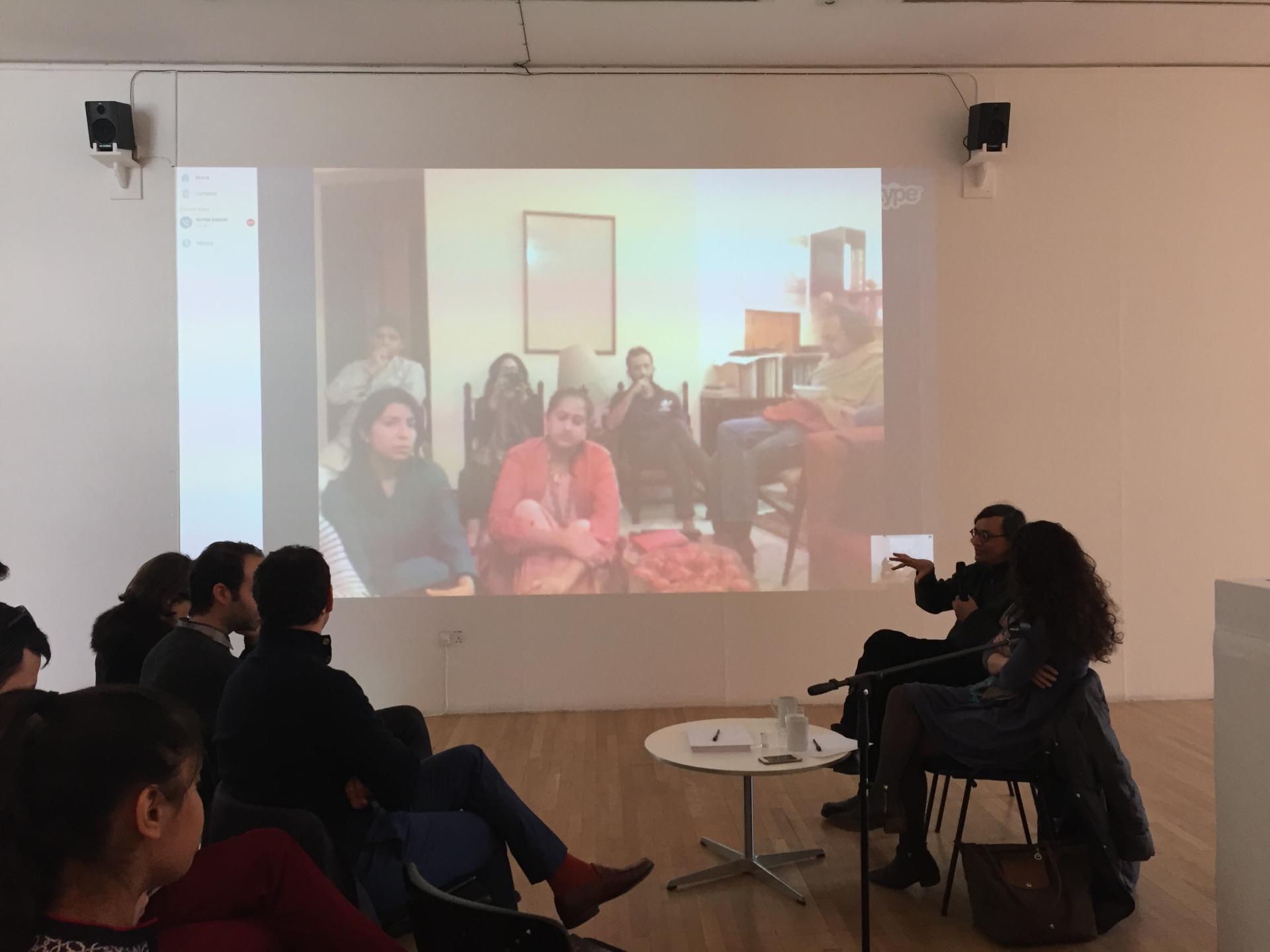
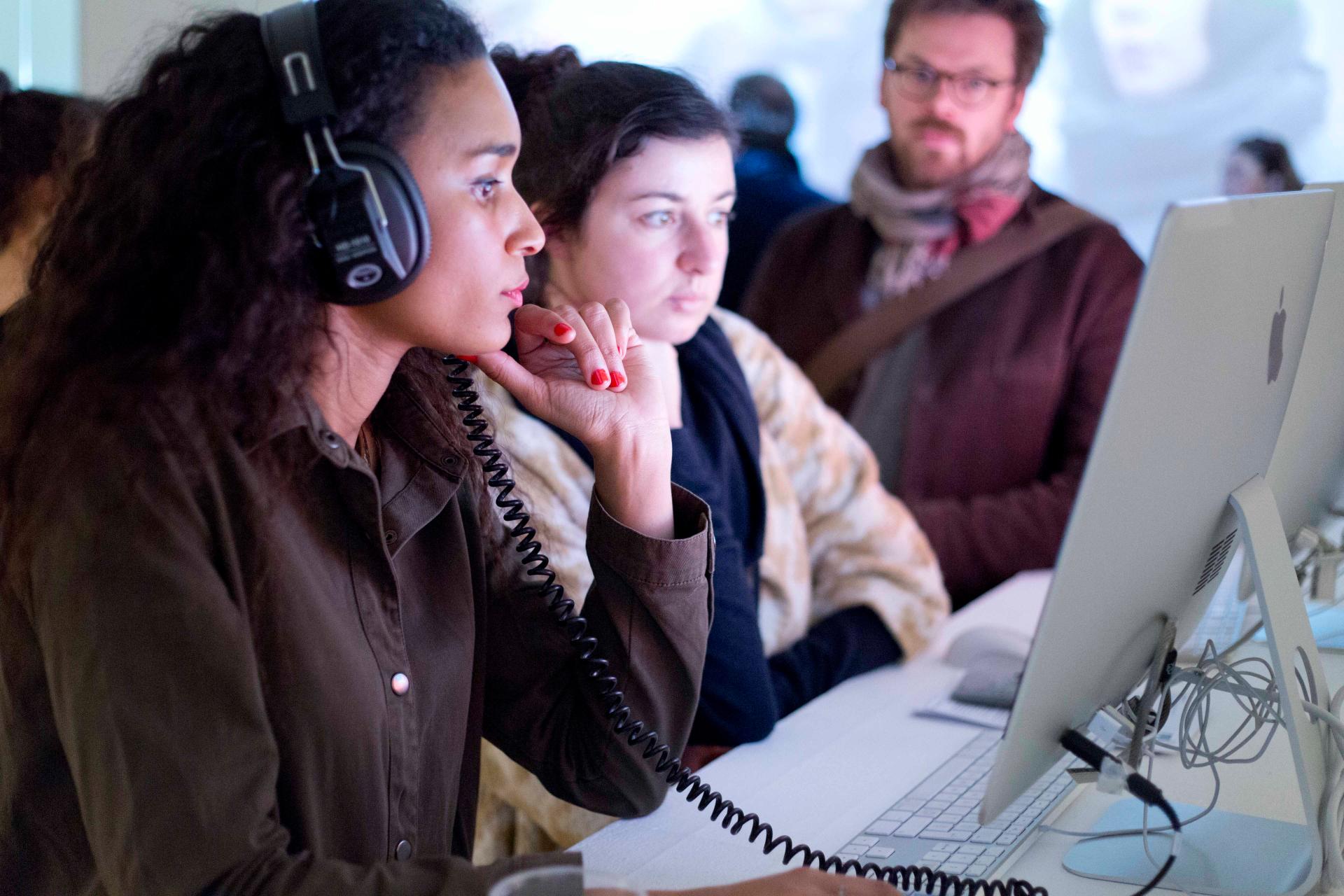
To generate a collective discourse around possible ways of making and sharing art in a more sustainable and accessible way, the website was created as an extended public domain that intertwined PROJECT_16's local projects. The dialogues also unfolded through a public programme, which included a series of translocal conversations, organised in collaboration with the Royal College of Art, the Italian and the Brazilian Cultural Institutes in London and MACBA Museum of Contemporary Art of Barcelona.
Key objectives for sustainability
One of PROJECT_16's starting points was the exploration of the symptoms that characterise the art world’s global condition in the age of Internet. The expansion of social and technological networks, of a global economy and the acceleration of migrations of people and ideas, encouraged the decentralisation of the art world. The need to stay on top of ever-changing local contemporary art scenes, contributed to the diffusion of a growing number of international initiatives, such as large-scale exhibitions, biennials, art fairs, all of which extensively mobilised artworks and selected art people for short visits around the world at great environmental and economic costs.
With its first initiative Translocalia wanted to test new ways of making and sharing art in a more sustainable and inclusive way, as an alternative to the mainstream international large-scale exhibition model. By proposing and testing a new curatorial strategy, that consist of giving voice to different localities instead of representing them in international contexts, PROJECT_16 reduced carbon footprint related to artwork transportation and art people traveling. Furthermore, the emphasis was on a collaborative long-term process that looked towards the future, not at producing specific products.
Having sustainability always in mind, the various commissions were realised with locally sourced materials and resources, further decreasing the environmental impact of PROJECT_16, whilst at the same time empowering local communities and creating international networks of common interests and shared urgencies.
Furthermore, the public programme connecting São Paulo, Barcelona, London and Lahore was conducted almost entirely online using different video conferencing tools, so as to ensure the conversation was horizontally shared without the need for the numerous speakers to travel.
Key objectives for aesthetics and quality
In order to attract new audiences to shared urgencies, PROJECT_16 aimed to present the outcomes of its collective research through high-standard, aesthetic and immersive experiences. The local projects and the website, as well as the set-ups for the public programme's events, were carefully co-designed and treated in great detail. Furthermore, the preservation of artistic and cultural heritage, as well as the creation of sustainable and beautiful public spaces were some of the main objectives of the project.
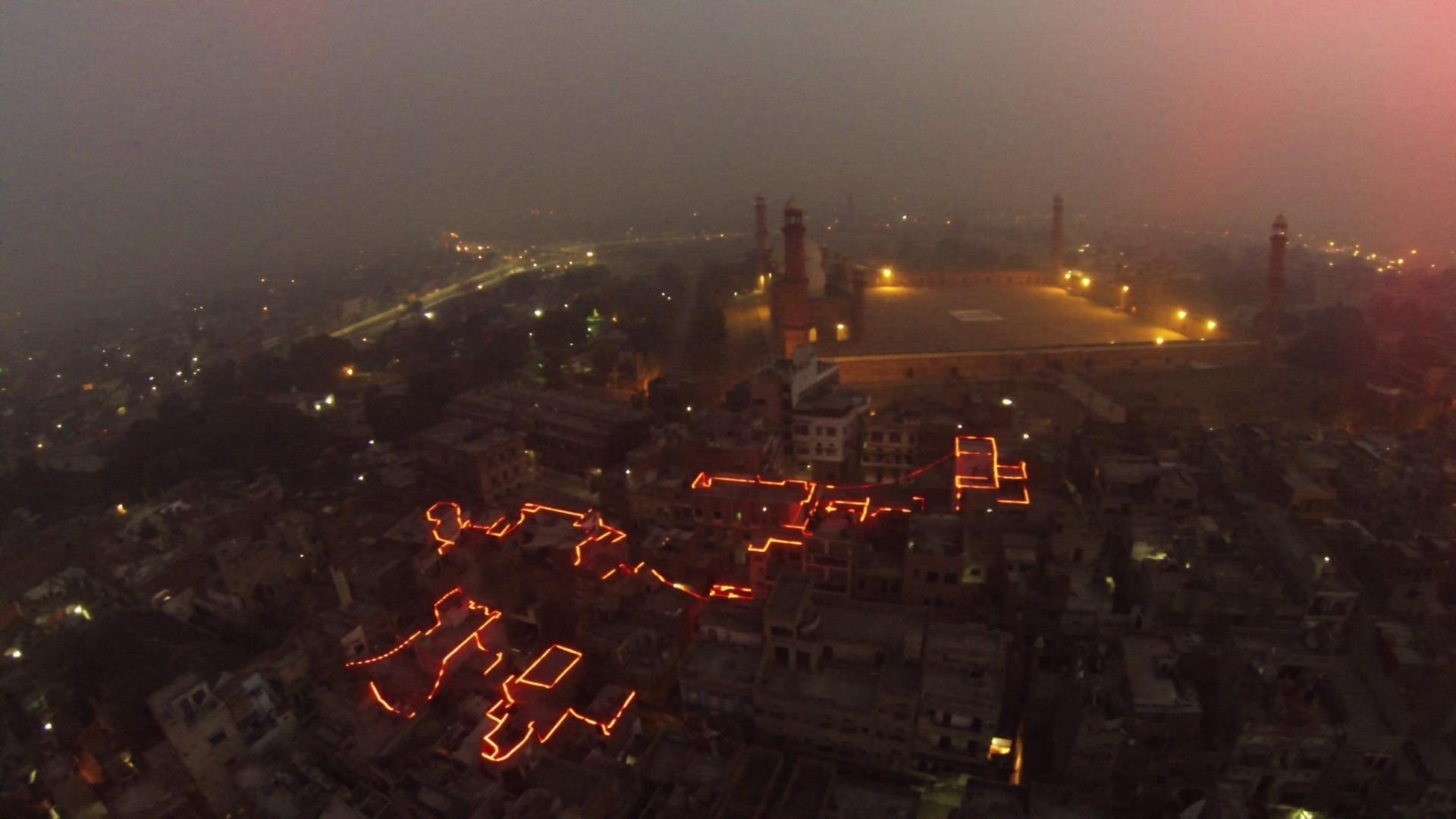
To respond to the questions put forward by PROJECT_16 and to raise awareness on the importance of preserving the old city's artistic beauty, the Awami Art Collective proposed Black Spring, a spectacular art installation in the historical centre of Lahore that consisted of a 2000m web of lights. The work connected the rooftops of the havelis of the Taxali Gate, one of the entrances of the Walled City that hosts the historical red light district. A film documented the process and the outcome of the project through breath-taking drone still and moving images.
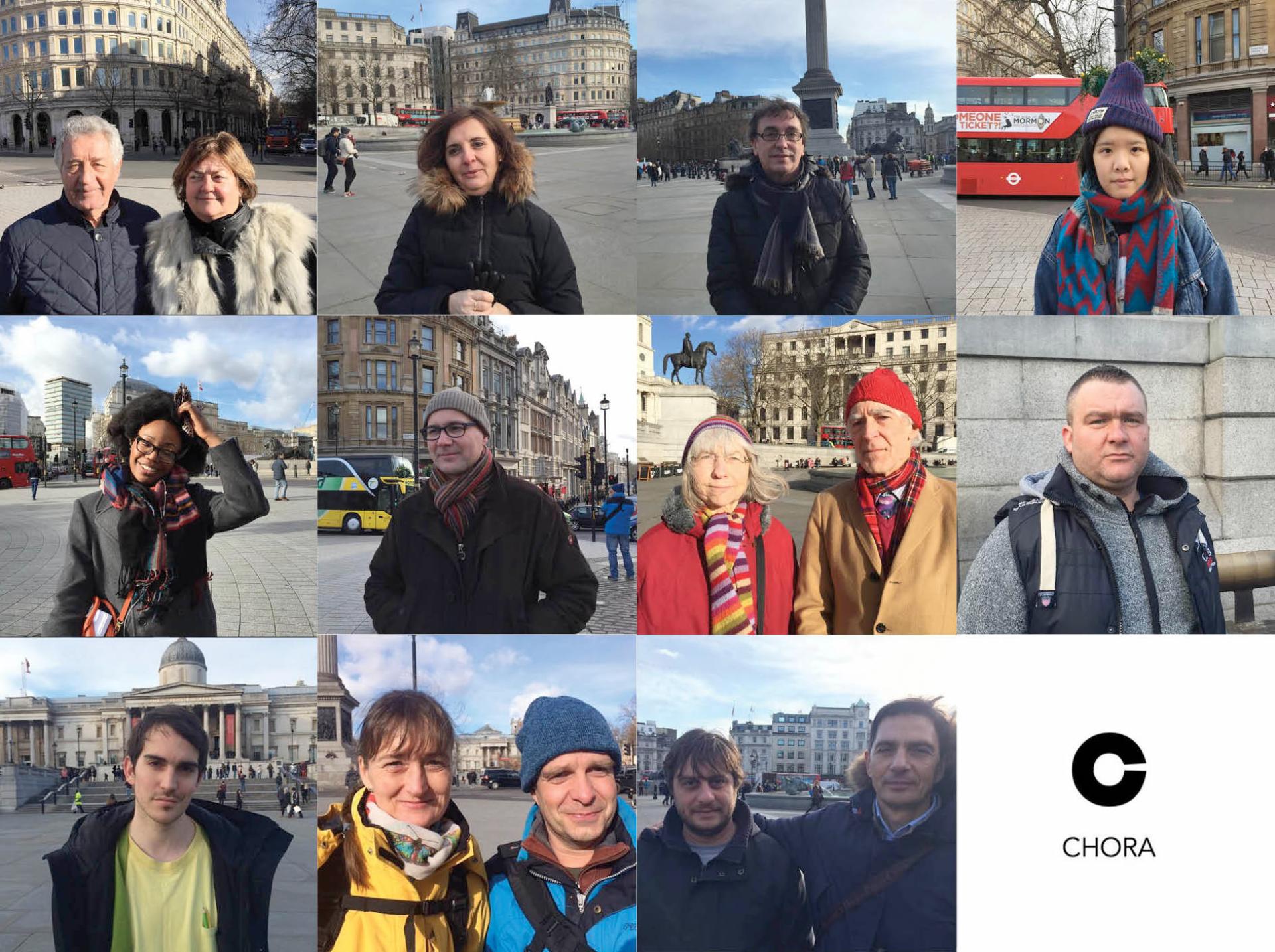
In London, taking the concept of cosmopolitanism as a starting point, Emma Smith proposed Chora. Composed of a performance in the streets of London, a workshop at the Royal College of Art and its online manifestation, the work was an invitation to reflect on our shared humanity. Chora was initiated in the iconic Trafalgar Square, the historic epicentre of imperial London from which all distances to other cities were measured.
In São Paulo, Paula Nishijima presented A project for people I don’t know. Composed of a two-days event around the exhibition Frida Kahlo - connections between surrealist women in Mexico at Instituto Tomie Ohtake and an experimental film that unfolds as Nishijima's personal account of the state of art and audiences in her city.
Key objectives for inclusion
PROJECT_16 aimed to influence systemic socio-political change by testing a new system of relationships between cultural and artistic contexts. To do so, it challenged the traditional international exhibition format, which by creating a hierarchized translocality often does not provide equal access to opportunities and resources to all the represented communities, nor to its members. To overcome these limitations, PROJECT_16's local events happened in the streets of the cities involved and were opened to everyone and free of charge, as well as the appointments of the public programme which were accessible both physically and virtually via social media live streaming softwares.
Together with sustainability and beauty, inclusivity was at the very heart of PROJECT_16 and has very much shaped the entire architecture of our work.
These key objectives of PROJECT_16 in terms of inclusion have been fully met:
- by creating a flexible and resourceful inclusive infrastructure that acts as a staging ground to test ideas
- by setting up a network of long-term collaborators to infiltrate and influence the current art system so as to enhance inclusiveness
- by building horizontal channels of knowledge exchange and cooperation between people from different disciplines, acknowledging the economic, technological and political aspects involved
- by bringing art outside of its traditional producer-consumer confinements to formulate projects that can affect change fostering greater accessibility for new and diverse audiences
- by working online to unify rituals, build relationships and make restrictions visible to address specific shared goals for the future
- by working mainly with women to give them visibility in the arts in relation to local and online audiences
- by raise awareness on gender inequality and contribute to a historiography attentive to women
- by empowering women in and through the arts
Results in relation to category
PROJECT_16 had a very significative impact in mobilising local culture, and using art and activism as a trigger to successfully reconnect communities that shared a locality and interests, but lacked opportunities to start a conversation and discover their common urgencies.
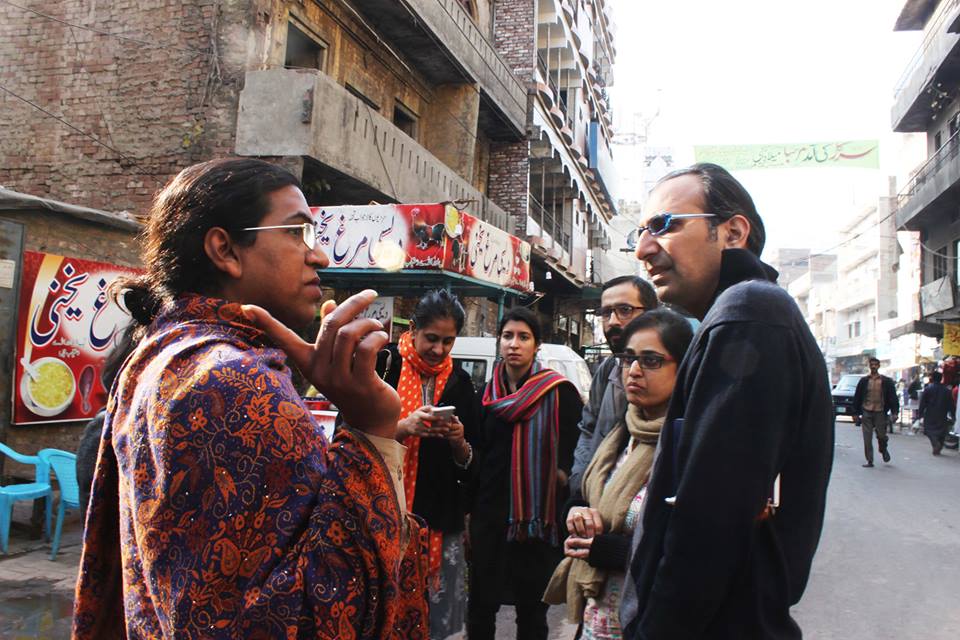
Black Spring in Lahore was conceived as an initiative to bring back the local community to the rooftops of the Walled City to remember the spirit of Basant, the popular kite flying festival officially banned for security reasons in 2011. To gain access to the rooftops the members of the Awami Art Collective gradually built relationships with the local residents, (that include very diverse and at time conflicting communities such as transgenders, Shia Muslims and merchants), who actively participated in the making of the work. The intervention became an opportunity to raise awareness and share concerns on the current urban development and shape government regulations.
Through her interpretation of the Platonic ‘Chora’, in London Smith proposed to found a new state, ‘a state of mind’, as a way of enabling the possibility for a global citizenry, free from conditions of citizenship, definition or border. Based on this notion, passers-by were invited to take part in the artwork by imagining what it means to them to be a citizen of the world.
For A project for people I don’t know in São Paulo, Nishijima chose the exhibition Frida Kahlo - connections between surrealist women in Mexico at Instituto Tomie Ohtake, with almost 600,000 visitors, to engage new audiences and address questions of the use of public space and the role of art. For a couple of days, people queuing to get into the exhibition were selected to talk to people leaving the show. Drawing on psychoanalysis, these conversations between strangers revealed the common expectations and anxieties of the people who form the queue, which became the staring point for socialisation
How Citizens benefit
Citizens and civil society were an integral part of PROJECT_16. Both its theoretical background and its practical outcomes were co-designed with local publics and virtual audiences. By working in collaboration with artists, activists and architects engaged in participatory and social practices, PROJECT_16 envisaged to directly involve citizens and civil society, both on the ground and through the digital realm, in order to promote peaceful coexistence and celebration of diversity.
By inviting the local residents of the Taxali Gate to participate in the making of Black Spring, the Awami Art Collective raised awareness on the urban development projects which risked to compromise the character of the ancient city and affect its inhabitants, and empowered the local communities. By exalting the value of beauty and cultural heritage as an instrument for social integration, the work also contributed to reshape the government regulations, as it led local leaders to review the intended development.
In London, shortly before the announcement of the Brexit referendum, passers-by were invited to reflect on what it meant to them to be a citizen of the world, by actively contributing to Smith's Chora. What does it mean to have a global citizenry based on difference? What is the role of the city space? Through this event, the meaning and actuality of the notion of citizenry became entirely dependent on each person thinking it and as numerous and various as its participants.
Finally, A project for people I don’t know, highlighted the audience’s unique position as a community in the public space and the potential for them to share thoughts while they were waiting. By deconstructing and reassembling the conversations between strangers in a new narrative, the artist amplified the project’s scope from the art and anthropological spheres to the political one.
Innovative character
In the past 14 months, because of the COVID-19 health emergency, the methodology we used to develop PROJECT_16, which shaped the entire work, proved to be a visionary and highly adaptable one. During the various lockdowns, in the impossibility to travel, gather together and meet physically, we have all found ourselves developing projects and exchanging ideas online, connecting from the most disparate parts of the world; having to deal with a much more limited real audience, but with a much wider virtual one.
Obviously, when we started co-designing PROJECT_16, we did not think about the eventuality of a global pandemic. The reasons that pushed us to look for an alternative modus operandi were rather environmental, economic, political, and of constructive protest against the large-scale international exhibition format that did not meet the canons of beauty, inclusivity and sustainability apt with of our times.
What is happening in the world today, confirms the validity of Translocalia’s experiment and the need to pursue its development as a flexible, resourceful and open-ended infrastructure. In the art world, but we believe also in general, the desire for a more direct, participatory, dialogic and affective approach has become stronger. There is more attention to the environment, to what we eat, to our neighbours and to all that surrounds us directly. At the same time though, we have never been so aware of the interconnections that bind us to other humans, animals, places, cultures, and of how we are all inextricably interdependent.
PROJECT_16's vision to formulate a project that could affect change, rather than commenting upon it, a platform with the priority of encouraging conjunctions between people from different contexts and backgrounds to co-design a beautiful, sustainable and inclusive shared future through art, today became a necessity.