Renovation of a public building
Basic information
Project Title
Full project title
Category
Project Description
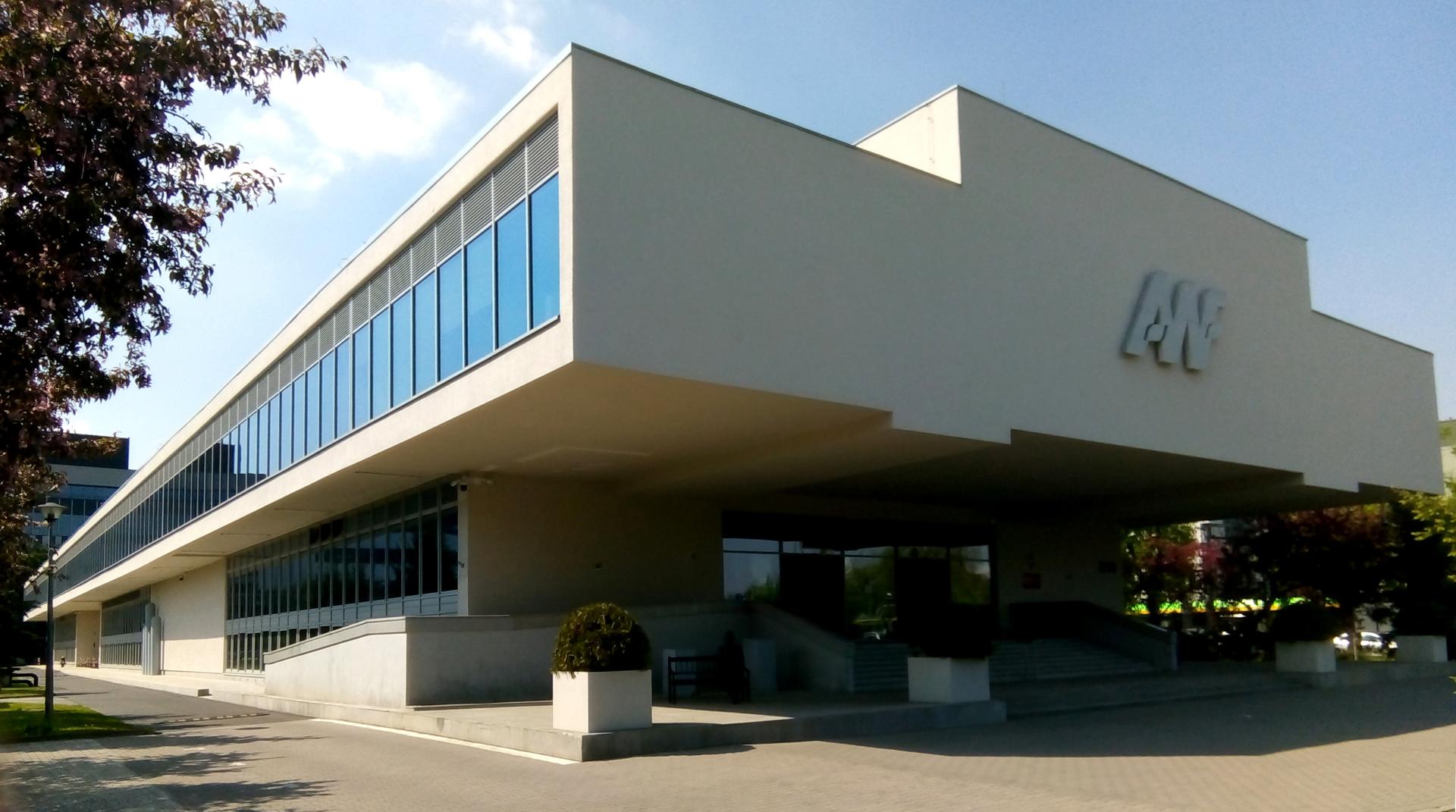
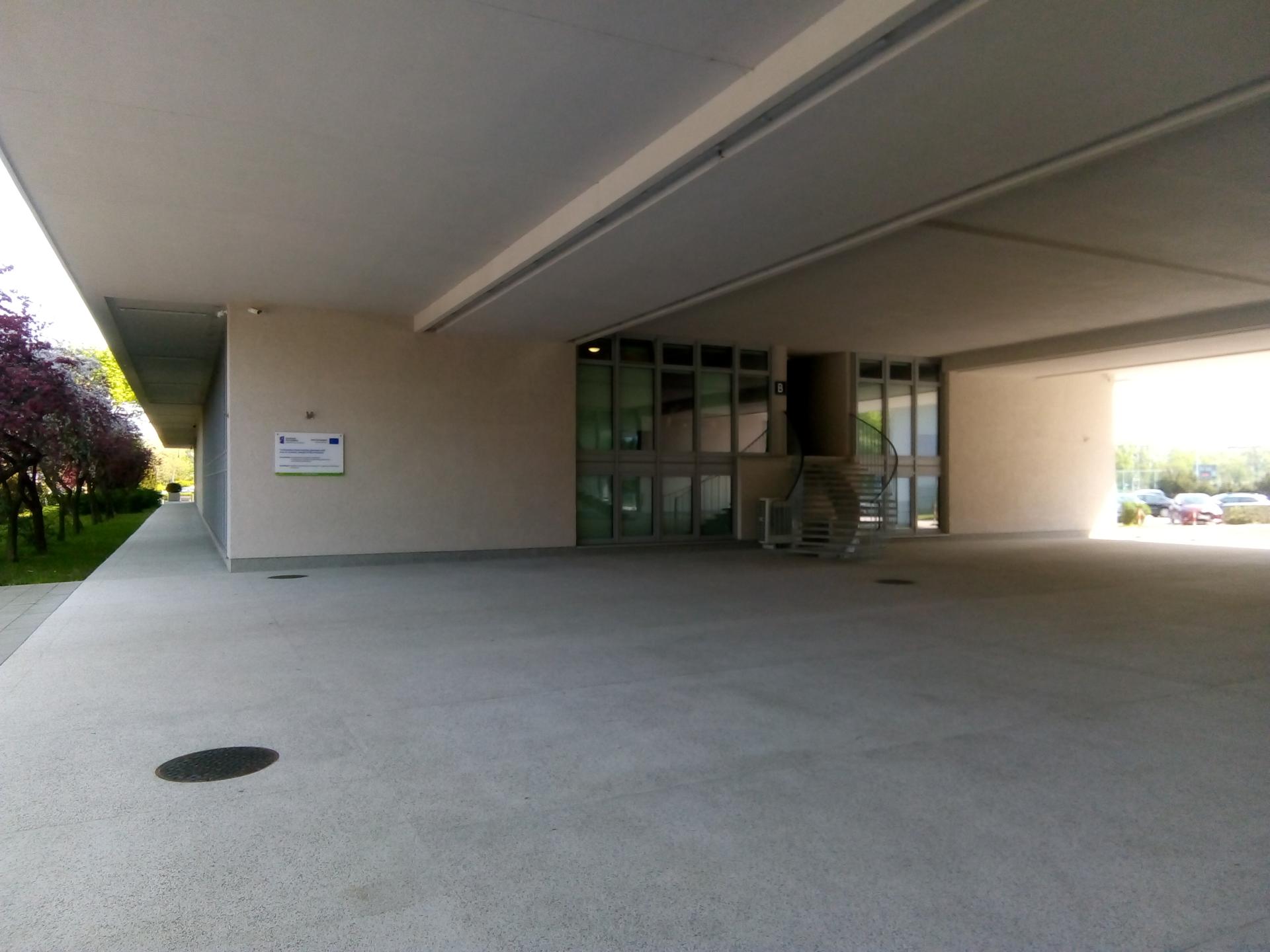
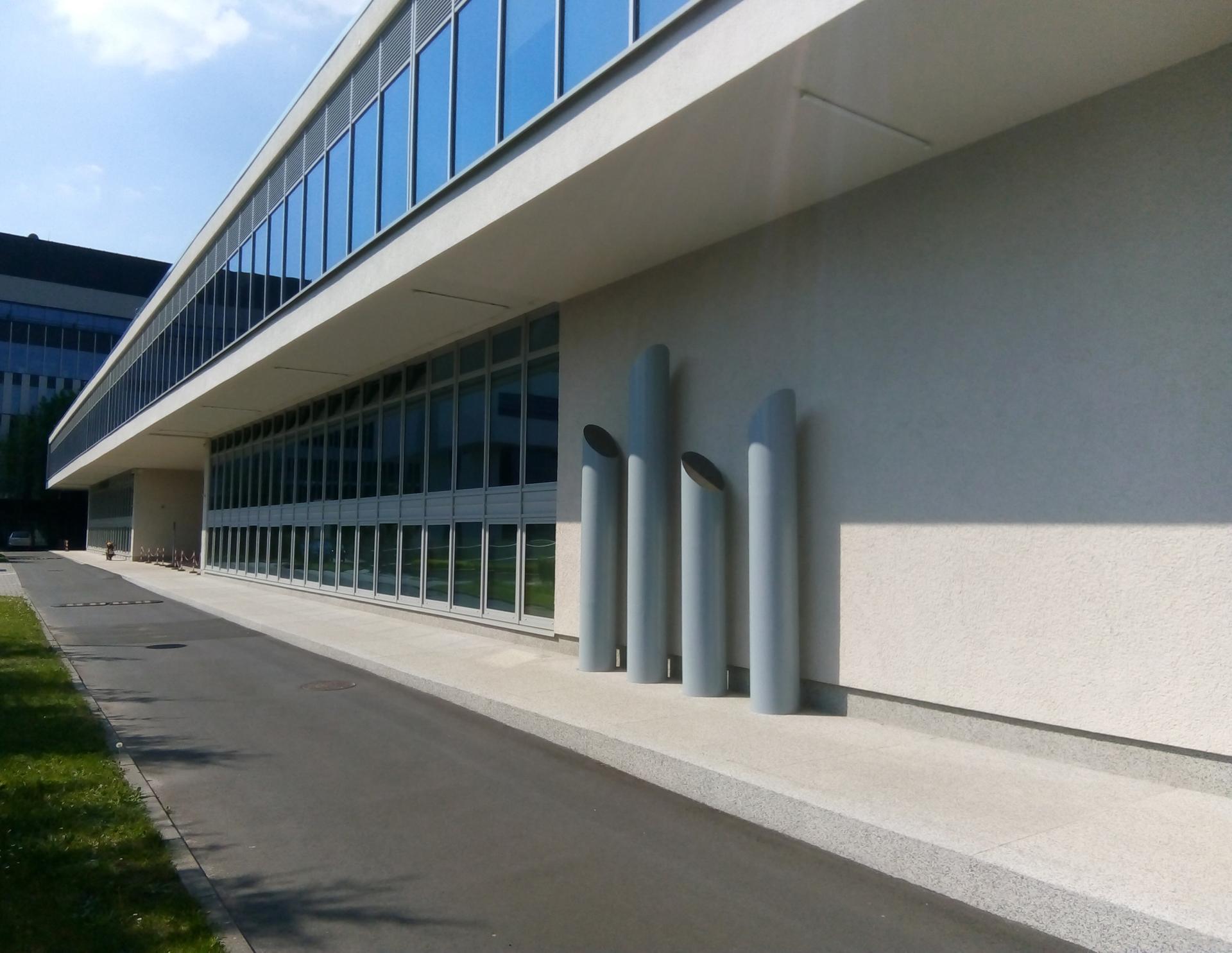
A splendid modernist building in Poznan, designed by arch. M. Leykam (1908-1983), erected in 1969. The dynamic horizontal silhouette, due to the overhanging upper floor and sequences of glass facades, makes the architecture very impressive, refering to the sporty character of the University. The project was aimed to give the building back its original architectural look and to adjust its thermal characteristics to the current regulations in spirit of enviromental protection and energy economy.
Project Region
EU Programme or fund
Which funds
Other Funds
The European Infrastructure and Environment Funds
The European Union Cohesion Fund
Sub-measure 1.3.1. Supporting energy efficiency in public buildings
Measure 1.3. Supporting energy efficiency in buildings
Priority axis 1 Low Carbon Economy
Infrastructure and Environment Operational Programme 2014-2020
European Cohesion Fund
Description of the project
Summary
The main building of the Poznan University of Physical Education is a splendid modernist building in Poznan. It was created and designed by Prof. architect Marek Leykam (1908-1983), one of the best polish architects and urban planners of the XX-tieth century. The building was erected in the late 60-tieth. It houses lecture halls, seminar rooms, laboratory rooms, research and development rooms, training rooms and the assembly hall of the University. The dynamic horizontal silhouette, due to the overhanging upper floor and sequences of glass facades, makes the architecture very impressive, refering to the sporty character of the University. The project was aimed to give the building back its original architectural look and to adjust its thermal characteriscics to the present regulations. The objectives of the project and planned results were: decrease in the annual energy consumption in public buildings, decrease in emissions of greenhouse gases, Heat Energy Economy. The works were performed under supervision of City Conservator of Monuments Office of Poznan City Hall. The works were accepted without any conservator's objections, with the emphasis on the high level of works carried out. The works were related to the filling of the plaster cavities, insulation of barriers with exact copying of the divisions and architectural details, replacing the aluminium glazing with exact copying of aluminium profiles, divisions and details, restoring the original elevation texture, painting the elevation according to the origin colour set up on the basis of stratigraphic tests results, restoring the cover of washed terrazzo on the base, on the pavement in the clearance, on the platform under the first floor overhanging. The key objectives were to preserve the sophisticated, subtle proportions of the facades, the dimensional relationships between the glass surfaces and the solid surfaces – and to decrease significantly the energy consumption used by the building.
Key objectives for sustainability
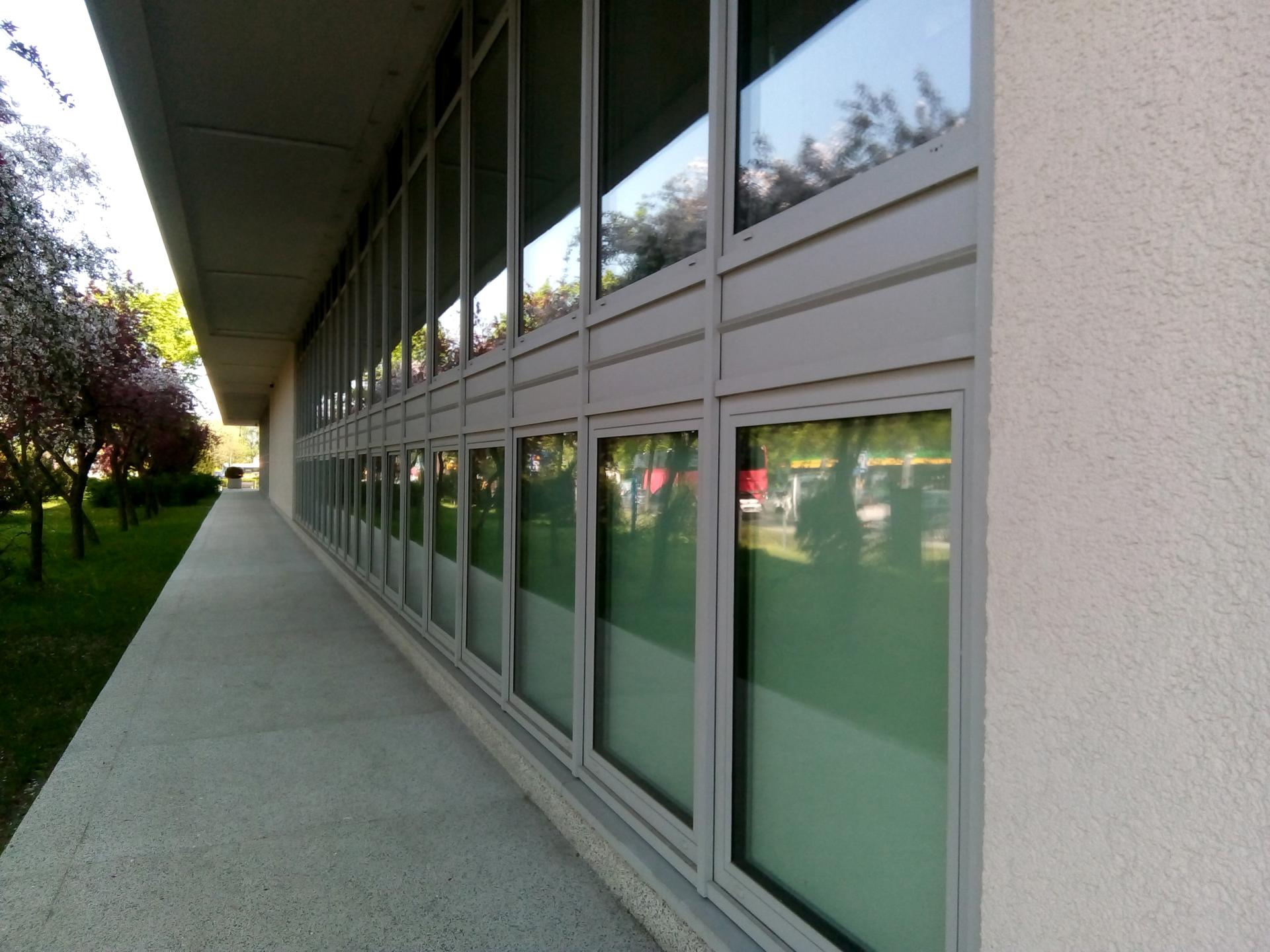
The key objectives in terms of sustainability were indicated in the description of the project, which was named: Thermo-modernization of the main building of the Poznan University of Physical Education. All the external surfaces of the building have been given thermal insulation corresponding to the present rules. According to it, the old glass facades have been replaced by the new, contemporary glass facades, with carefully reconstructed details and proportions and with contemporary thermal insulation characteristics. The walls and the roof have been given an additional thermal insulation, according to the contemporary regulations. Thanks to these treatments the demand for energy for heating has decreased significantly.
All these steps were taken to meet the sustainability objectives and planned results as follows:
1. Decrease in the annual energy consumption in public buildings.
2. Decrease in emissions of greenhouse gases.
3. Heat Energy Economy.
As stated in the independent evaluation, worked out after the implementation of the project and after the next heating season, energy consumption for heating has decreased significantly. The result of the thermo-modernization activity is the increase of the building`s energy efficiency. The amount of the utility energy saved is equal to 7052,4 GJ/year, which translates into final energy savings in quantity 11087,3 GJ/year. An additional effect of the measures taken is the reduction of CO2 emissions at the level 1368,1 Mg/year.
More detailed informations can be found in the independent audit ex-post. An excerpt from this document containing the most important conclusions, with translation into English, is attached.
Key objectives for aesthetics and quality
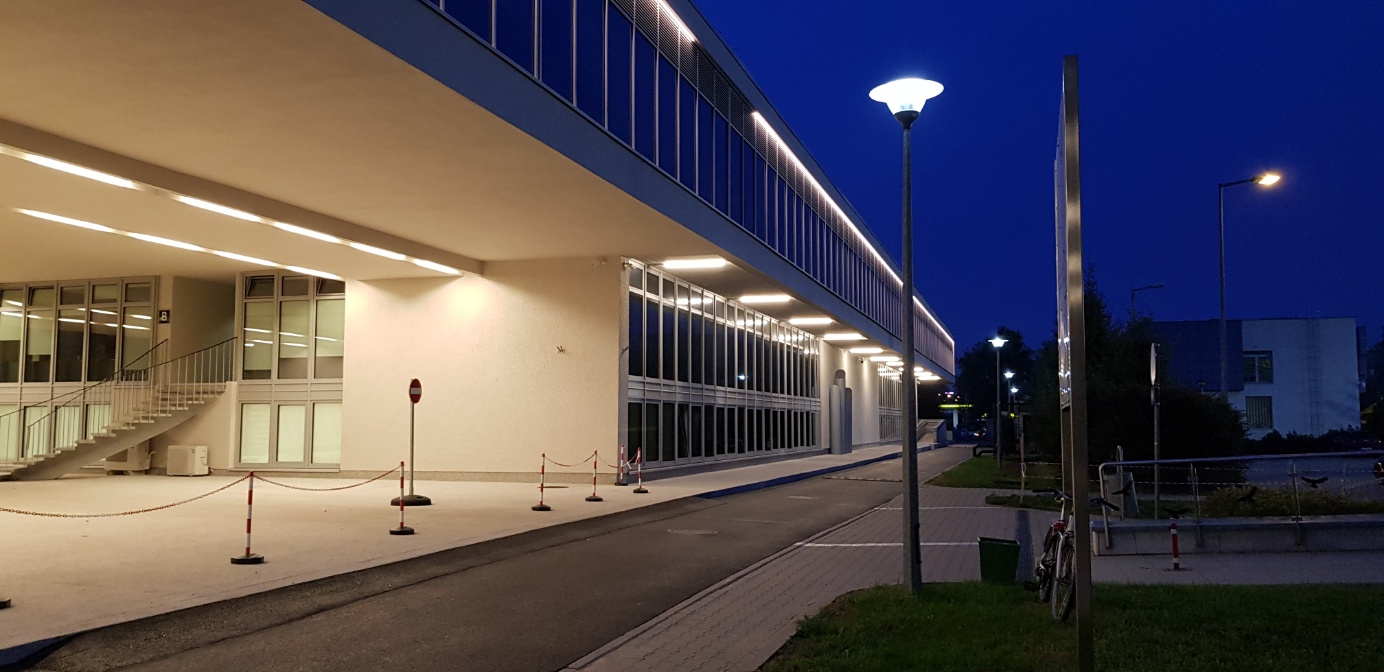
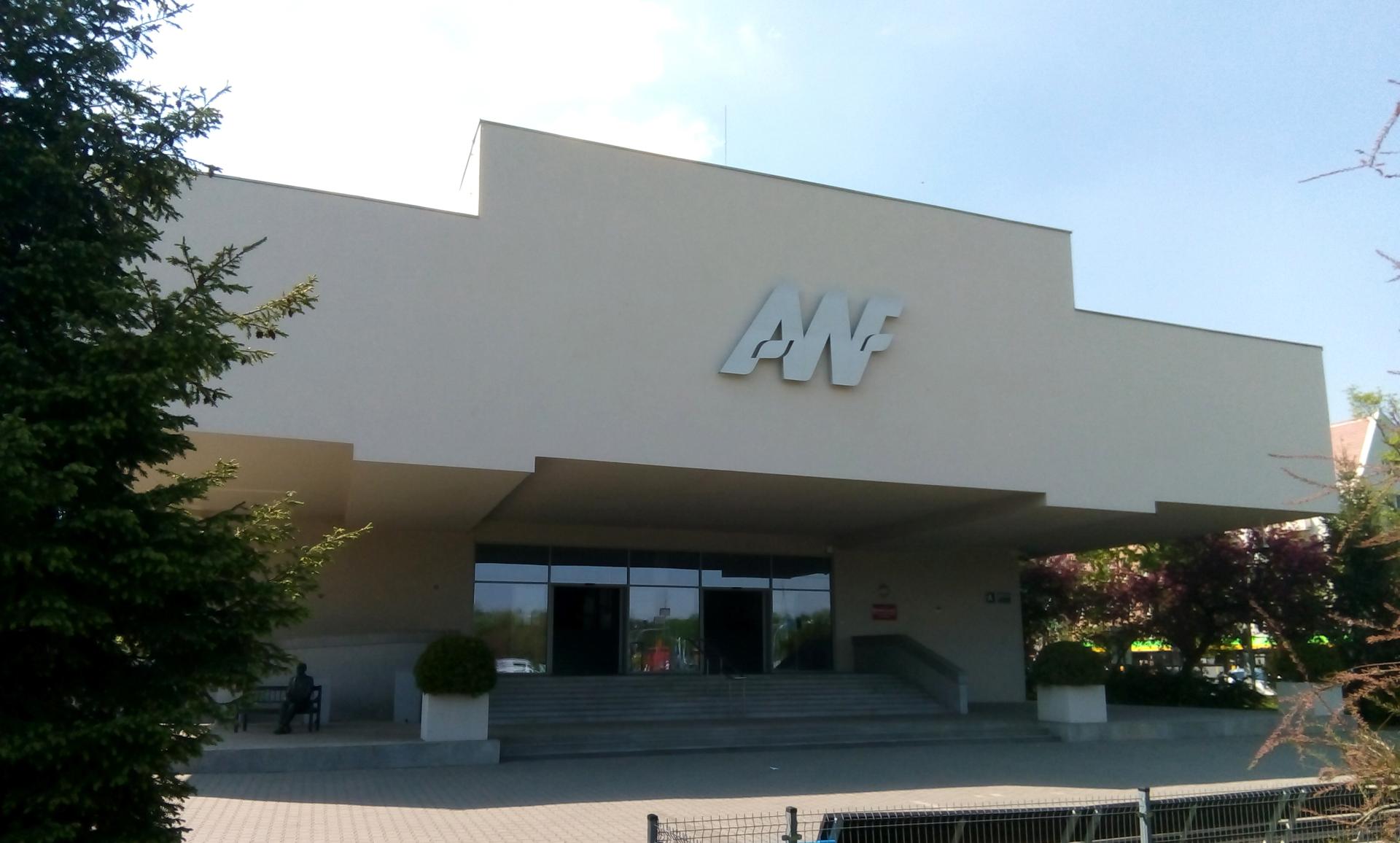
The architectural form of the building is very impressive. The building is formed horizontally and dynamicly at the same time. The dynamic character results of the well marked, bold cantilever overhangs of the upper floor combined with rhytmic lines of facade glazing and delicate longitudinal stripes over and under the windows. The secondary vertical sequenced division of the glass surfaces creates an impression of a pemanent movement. All these formal effects highlight the sporty charakter of the University. The key objective of the project in therms of aestethics was to preserve the sophisticated and at the same time very simle and proportional form of the building, despite the necessary removals and additions of and to key elements constituting the architecture. So, the old, technically outdated glass facades have been replaced by the new, contemporary glass facades, with carefully reconstructed divisions, details and proportions. The new location of the aluminium glazing has been estimated so as to preserve the original proportions between the glass surfaces and the plaster surfaces, to which new termal insulation has been added. The second aspect of the objectives in therms of aestethics was to give the building back its original, renovated and refreshed appearence, which faded due to the passage of time. So the works were related to the filling of the plaster cavities, painting the elevation according to the origin colour set up on the basis of stratigraphic tests results, restoring the original elevation texture, exact copying of the divisions and architectural details, restoring the washed terazzo cover on the base, pavement and platform under the first floor overhanging, replacing with partial removal of roof dome skylights, replacing the roof covering with heat-weldable roofing membrane, creating the University logo by 3d letters, external stairs renovation in the clearance, replacement of gutters, down-pipes and planking.
Key objectives for inclusion
After being completed the building became the architectural dominant giving the place of its location a new, important architectural significance. On the other hand the university got new, comfortable in those days, halls and rooms to carry out its statutory tasks in the field of teaching students and in the field of research. Over the years the building was getting old and gradually lost its architectural shine. Learning and working conditions were getting worse because of the progressive heat loss which caused rising costs for heating. These two negative effects were strengthened by the vicinity of new modern buildings, erected in the meantime in the neighbourhood, and by the pogressive tightening of regulations in the field of energy saving. So the building was gradually excluded both from its urban context and from fulfilling in the rooms and halls the expected social conditions of work and education. The key objectives of the project in terms of inclusion were two. The first one was to bring the building back its lost architectural shine and to include it back to the present urban context. This has been met by restoring the elevations and givig them back the architectural shine. The second key objective of the project in terms of inclusion was to improve social conditions of work and education. This has been met by thermo-modernization. The external building partitions fulfill now the present regulations which results in this, that the thermal working and learning conditions in the rooms and halls are now comfortable.
Results in relation to category
The category applied for is: „buildings renovated in a spirit of circularity”. As the project refers to a building which has been renovated, there is no doubt this is the proper category. The second part of the category descripion: „in a spirit of circularity”, however, should be understood is this case indirectly. In the proces of renovation some existing old materials and elements have been removed and the new ones have been build in. In the literal sense the project does not demonstrate the re-use and recycling of masterials. However there are two aspects of results / impacts achieved in terms of circulatity. The first aspect consists in the fact, that the old, outdated buildig has not been pulled down to make free place for erecting a new, modern building. So all materials left in the restored building have been given further life and in this sense they have been re-used. The second aspect consists in achieved results in energy saving. The energy economy, especially the heat energy economy combined with decrease in emissions of greenhouse gases and with decrease in the primary energy consumption reduces the consumption of building materials in other places, And that`s because less energy demand means less new energy investments. So in this aspect the project contributes to enviromental protection and this may be considered as one of the key aspects of circularity.
How Citizens benefit
When the social conditions of study and work in the building deteriorated over the time, professors, research and teaching Staff, as well as students complained, that it was too cold indoors in winter and too hot in summer. Additionally there was to noisy in rooms on the north side of the building because of the street noise. In some rooms it was almost impossible to work in many days in the year - due to the existing thermal, solar and acoustic conditions. So, the users of the building applied for a comprehensive renovation of the building. They expected an improvement in thermal comfort and a reduction in sunlight from the south, as well as an isolation from the street noise on the north side. These applications constituted very important factor in the effort to bring about this renovation. The users of the building contributed greatly to the elaboration of the program of the renovation. So the program included thermal insulation of the full partitions (walls, roofs and the overhanged floor palate), as well as window replacement with new glazing caracterized by high thermal insulation and additionary – on the south side - by high level of solar energy reduction, and on the north side – by high level of street noise reduction. At the request of the users, electrically operated window blinds were also installed (some of them are completely opaque, depending on the use of individual rooms). Even the method of controlling the closing and opening of the roller shutters was agreed with the users of individual rooms. So, the impact of the involvement of the building users on the project was significant. The citizens benefited from the project very much. The working, teaching, learning and research conditions in the building have been improved significantly.
Innovative character
The innovative character of the project is based on the effective implementation of thermal modernization of a modernist building, while respecting its sophisticated proportions and geometric relationships between solid surfaces and glazing, and with application of primary materials and technologies as far as it was possible. The impression of dynamics and lightness of the facades was successfully preserved. The original proportions, divisions and details of glazed surfaces and aluminium profiles were restored, with the use of contemporary glazing and profiles, characterized by new, much better thermal, solar and acoustic insulation – in accordance with current requirements and regulations. The re-use of the original, almost forgotten, washed terrazzo technology can also be considered as an innovative solution. The building is under the protection of the municipal monument conservator. The works were performed under supervision of City Conservator of Monuments Office of Poznan City Hall. As a standard, in such cases, the reconstruction of the architectural form and the impementation of the original materials has priority over adapting the building to current regulations in terms of thermal insulation. But in this case the fulfillment of strict conservation requirements has been successfully combined with the fulfillment of the current thermal insulation regulations. It seems that this achievement can be also regarded as the innovative character of the project.