The Community Land Trust Model
Basic information
Project Title
Full project title
Category
Project Description
Europe is in the midst of a housing affordability crisis. More than 26 million people across the EU are living in overcrowded and inadequate properties. Because this crisis strikes at the roots of economic and spatial inequalities, it threatens the social cohesion of our cities. Community Land Trusts (CLTs) offer an innovative and sustainable way of providing genuinely and permanently affordable homes.
Project Region
EU Programme or fund
Which funds
Other Funds
Sustainable Housing for Inclusive and Cohesive Cities - Interreg North West Europe - 2017-2020
Care and Living in Community - Urban Innovative Actions - 2018-2020
Description of the project
Summary
Europe is in the midst of a housing affordability crisis. More than 26 million people across the EU are living in overcrowded and inadequate properties. Because this crisis strikes at the roots of economic and spatial inequalities, it threatens the social cohesion of our cities. For the most fragile households, it leads to degradation in living conditions and economic opportunities.
Community Land Trusts (CLTs) offer an innovative and sustainable way of providing genuinely and permanently affordable homes. CLTs are non-profit, democratic, community-based organisations. They develop and manage homes that are affordable to low and median income households, as well as other assets that contribute to thriving local communities. They act as long-term stewards of these assets, ensuring they remain permanently affordable. This is achieved through mechanisms that ensure that any additional value generated is retained within the CLT.
Rooted in the US Civil Rights Movement, CLTs advocate for collective ownership of land. They allow communities to take control of their neighbourhoods and create a better future for everyone. They organise collective action by putting citizens back at the centre of urban development processes.They also provide inestimable social, economic and environmental benefits. Firstly, they empower residents by allowing them to become involved and by contributing to their capacity building. Additionally, they are embedded in local and circular economies, mobilising sustainable and long-term finance. Finally, they foster good-quality and energy-efficient projects.
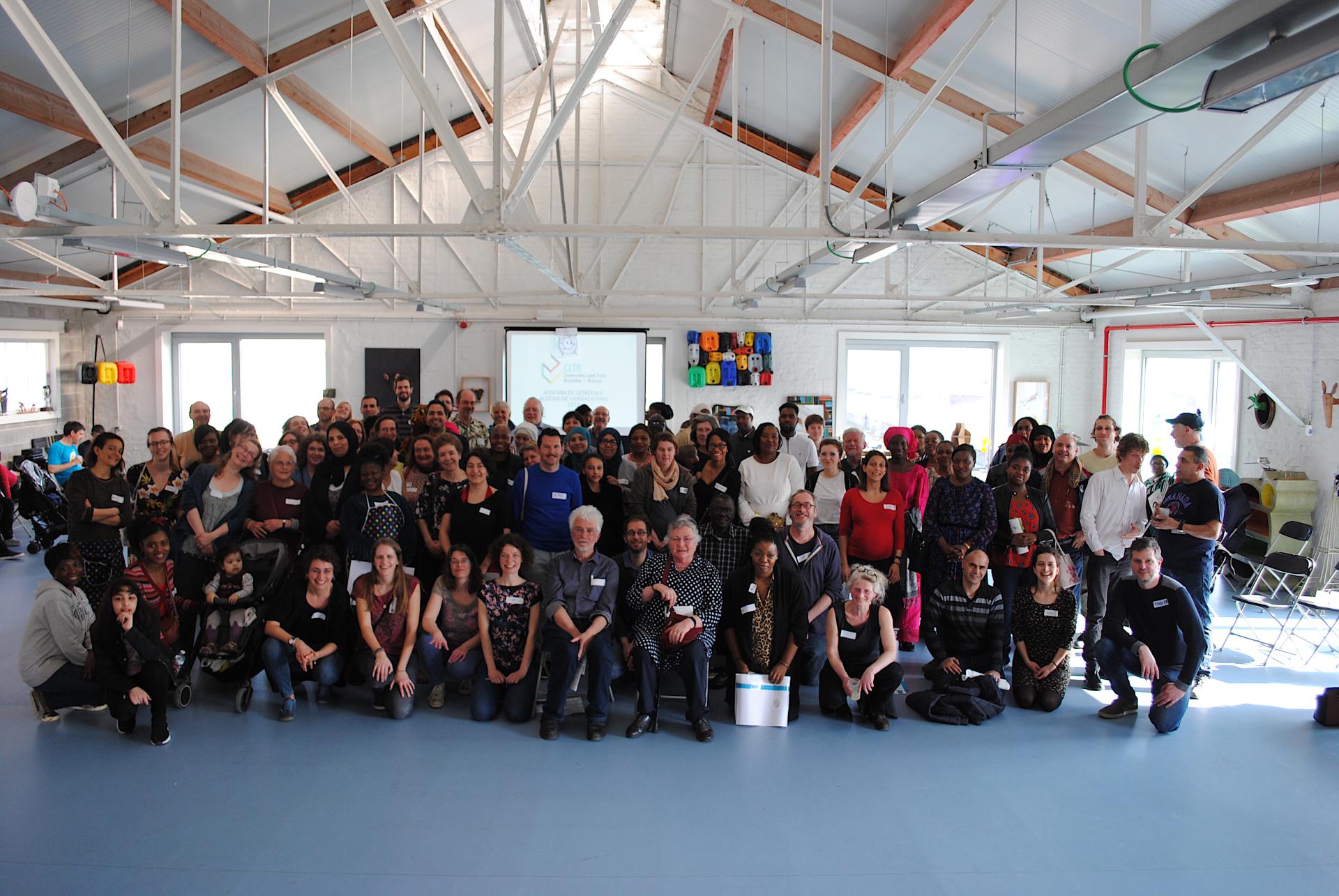
Existing CLTs and organisations supporting CLTs have come together for this joint submission. These organisations are: the CLTs of Lille, London, Brussels, Ghent, Amsterdam, and Berlin; the Global Fund for Cities Development; Self-Organised Architecture; and South of Scotland Community Housing.
Key objectives for sustainability
Sustainability is central to the CLT model. CLTs take a “forward-looking” attitude towards housing and urban development. They capture and protect wealth for multiple generations. Therefore, as they are designed to benefit several generations, CLT homes are built with sustainable materials and techniques, their impact on the environment is thought through from the onset, and their architecture takes into account the need for adaptability throughout the lifecycle of households.
In particular, energy efficiency is at the heart of the CLTs’ design process, as it helps to provide financial and energy security for the most precarious groups who often suffer from discomfort and high energy bills. CLT projects are thus highly energy-efficient buildings and include dedicated strategies and training for households to decrease and monitor their energy consumption.
In addition, many CLT buildings integrate renewable energy generation in their design. Not only does the energy generated benefit the households, but it also gives CLTs the opportunity to become hubs for local energy communities.
CLTs are an integral part of the circular economy. They create urban land-based commons, opposed to a linear and extractive mode of consumption. In addition to reusing construction materials, the resources mobilised by CLTs (land, but also social and economic values, etc.) are recovered and reinvested locally for the benefit of residents and local communities.
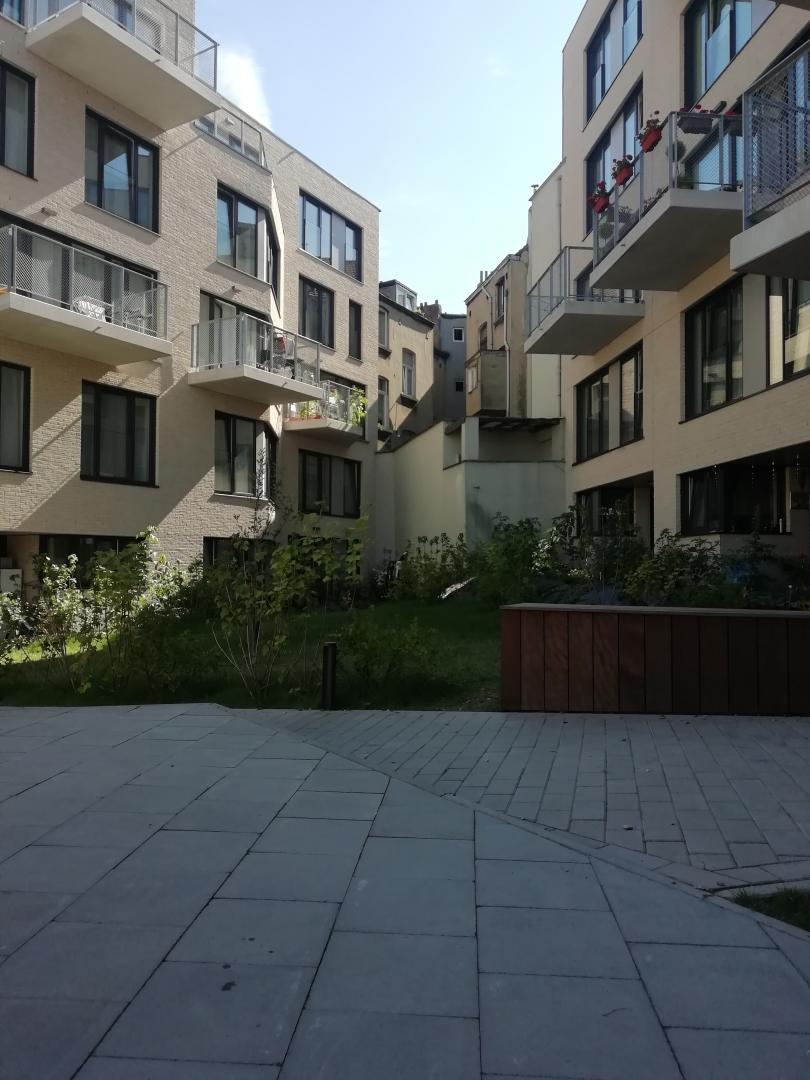
CLTs foster mixed programmes including homes but also productive and commercial and associative spaces, community centres, public facilities… In particular, many CLTs integrate green spaces in their projects, either as community gardens or small parks that are open to the neighbourhood. They thus contribute to greener urban areas and to carbon capture and reduction.
Key objectives for aesthetics and quality
CLTs were born out of a need to address unmet housing needs, in particular of the most vulnerable populations. Many of the residents involved in CLT projects have had a long history of living in substandard and overly expensive accommodation. In order to overcome this legacy of inadequate housing, the homes delivered by CLTs put a particular emphasis on quality, going beyond minimum requirements to develop spacious, well-lit, energy-efficient and beautiful homes.
In addition, CLTs typically involve future residents and local communities in the development process. This can be through various mechanisms such as community consultations, architecture workshops, online polls,... This ensures the homes and collective spaces they develop cater to the needs and the aspirations of their communities. CLTs thus become local hubs for community life, with spaces where local creativity and solidarity can thrive.
The CLT philosophy and these participatory processes are a source of inspiration for architects working on CLT developments. Architects submitting design proposals for CLTs put a lot of effort into translating the values of the model into the eventual buildings and spaces. This results in beautiful designs well-integrated in their urban contexts and adapted to the needs and aspirations of residents and the local community.
Key objectives for inclusion
CLTs have at the heart of their mission to provide genuinely affordable housing to households with low or moderate incomes. Many CLTs were born out of communities and local organisations campaigning for access to affordable and quality housing for all. These campaigns organise people from all kinds of origins, with large proportions of immigrant populations. Therefore, inclusion is at the very heart of CLTs’ mission.
In addition to housing supply, the CLT model contributes to strengthening the capabilities of its residents throughout the whole project cycle. This process creates value and social capital at the neighbourhood level, thus providing a concrete tool and a platform to enable the right to the city. Indeed, CLT development processes promote cooperation with future residents through community organising to access land and/or co-design practices. It involves residents in the governance of the organisation, in the management of the building (resident-led strategies) and in neighbourhood life (event organisation, job creation...). These processes put a particular emphasis on fostering intercultural dynamics, creating truly cohesive groups that cut across many different origins and social statuses.
In parallel, the model’s flexibility enables the creation of socially mixed neighbourhoods. CLTs typically aim to mix a diversity of tenure from rentals to affordable ownership, shared ownership or cooperatives. They thus improve access to housing for the least affluent sections of the population, and promote residential mobility. As cities are becoming increasingly expensive, CLTs provide suitable accommodation for e.g. key workers and their families as close as possible to their place of work.
Results in relation to category
CLTs are a model of community-based urban development. Their participatory and solidarity-based nature make them excellent tools for urban regeneration. Indeed, CLTs often redevelop difficult plots of land or renovate decaying buildings with little, or even negative, commercial value. The model makes it possible to fight against absentee landlords or enhance the asset value of fragile occupiers. Providing them with stability and security in neighbourhoods sometimes threatened by gentrification or, conversely, by abandonment, CLTs are used as a tool for fair and just urban renewal processes.
This is achieved through the wide variety of participatory and collaborative processes detailed in the current application. They ensure that urban redevelopment not only serves the needs of their communities at the time that they happen, but also for the generations to come as meaningful involvement of communities and residents is guaranteed in all aspects of the management of CLT homes and assets. They provide a protection against displacement and speculation, and ensure these neighbourhoods remain beautiful, inclusive and sustainable.
How Citizens benefit
Community involvement is central to the CLT model. Many CLTs are the result of campaigns to demand affordable housing. The community is involved in the governance of CLTs. Boards typically involve current and future residents, as well as community and civil society representatives. They take part in every decision.
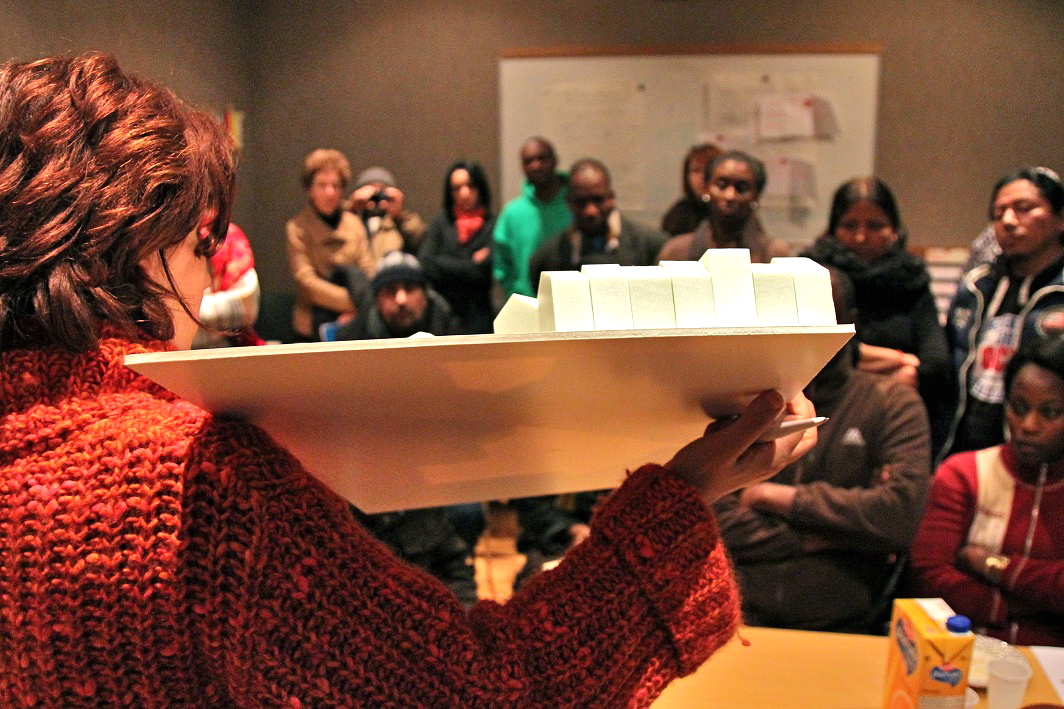
In addition, many CLTs involve future residents into the design of their housing projects. They co-design the project with architects, and are involved in every step of its implementation. They determine what resources will be shared between residents, as well as the purpose of the community spaces. Together with this involvement in the design process, resident support programmes developed by CLTs include workshops and training on issues such as energy consumption, building management, but also living together as a group through e.g. drafting a charter with principles they co-create. This ensures residents groups become well-managed and mutually supportive, as well as very engaged in their local communities.
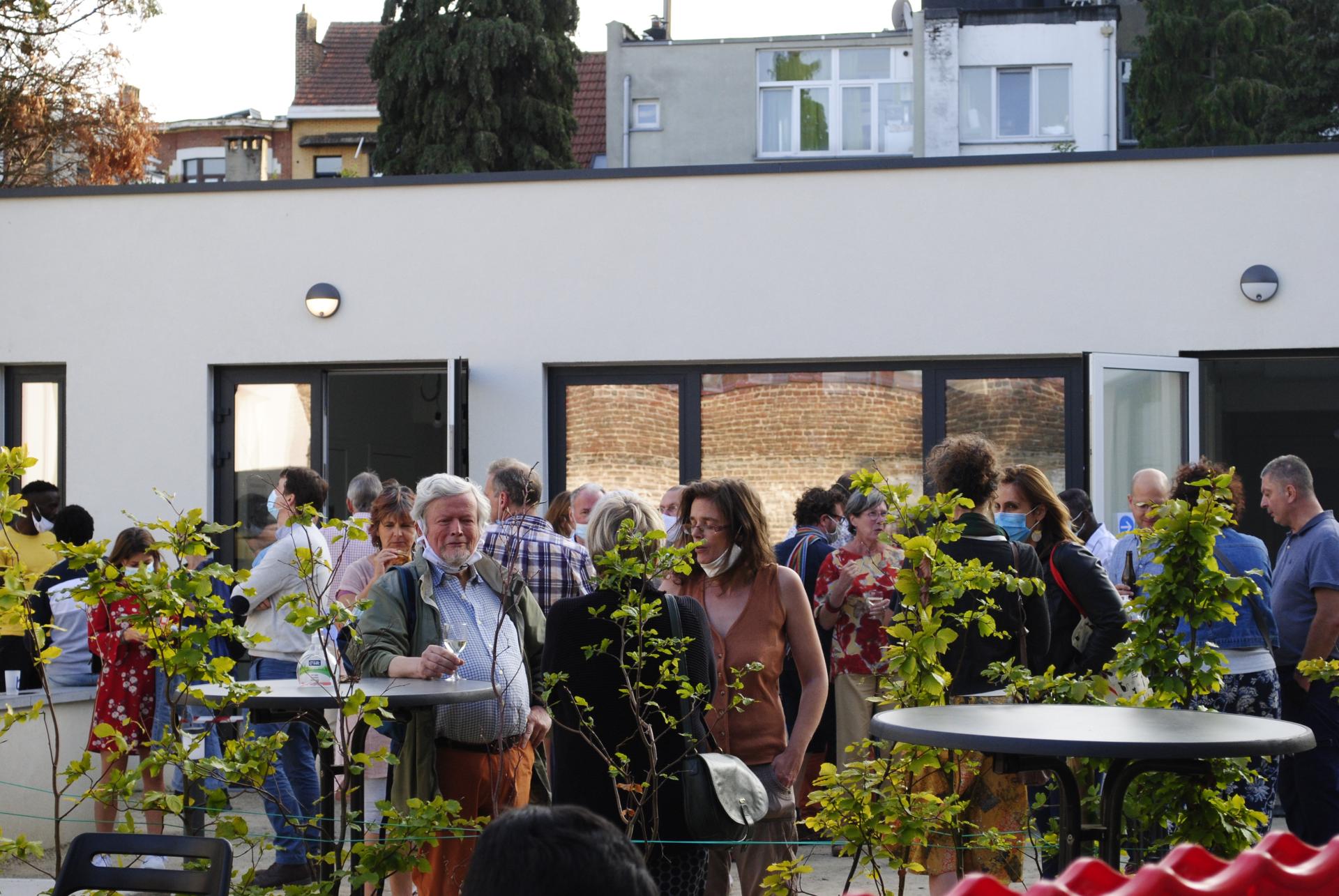
Local communities are also at the heart of the model. They are often involved in the development process, voting on design and architectural plans, and thus have a meaningful say in the development of their neighbourhoods, ensuring that the collective resources developed respond to their needs. This also creates affordable spaces for local social economy activities that benefit the community and retains income and employment within the neighbourhood.
CLTs are part of the broader collaborative housing movement, as well as of community initiatives inspired by the commons, i.e. of joint management of resources by citizens. These initiatives aim to renew democracy by allowing communities to actively contribute to a more social and inclusive society, and act as a partner of the government.
Innovative character
The innovation of the current joint submission is the focus on urban CLTs across Europe. Indeed, while the CLT model has existed in the US for 50 years, its implementation in urban contexts and in continental Europe is still very recent. The approach of the separation of land and building is still a challenge to existing conceptions of ownership, especially in countries that have a strong tradition of private property being an absolute right.
In addition, involving the community itself in the governance and (as is the case in many CLTs) the design of architectural projects challenges existing perceptions of the role of citizens in the provision and management of affordable housing. CLTs started from the assumption that this should not only remain a prerogative of the government, but that the community had to be involved.
More specifically, the model innovates in different areas compared to more traditional forms of social housing:
- The long-term land lease between the homeowner and CLTs includes a resale formula under which the homeowner can only keep a limited amount of the house’s increase in value, so that the homeowner builds equity while still keeping the price down for the next buyer, and so on in perpetuity. The model is much more cost-effective than traditional affordable homeownership programs, where homes are eventually sold on the private market.
- By focusing on the community and training residents, CLTs aim at the self-management of our projects by residents. This has an emancipating effect on residents and strengthens social cohesion in fragmented communities.
- By involving not only residents but also the rest of the community in the governance, CLTs guarantee broad support and decisions that find a balance between residents’ interests and the long-term interests of the wider community.