Cella
Basic information
Project Title
Full project title
Category
Project Description
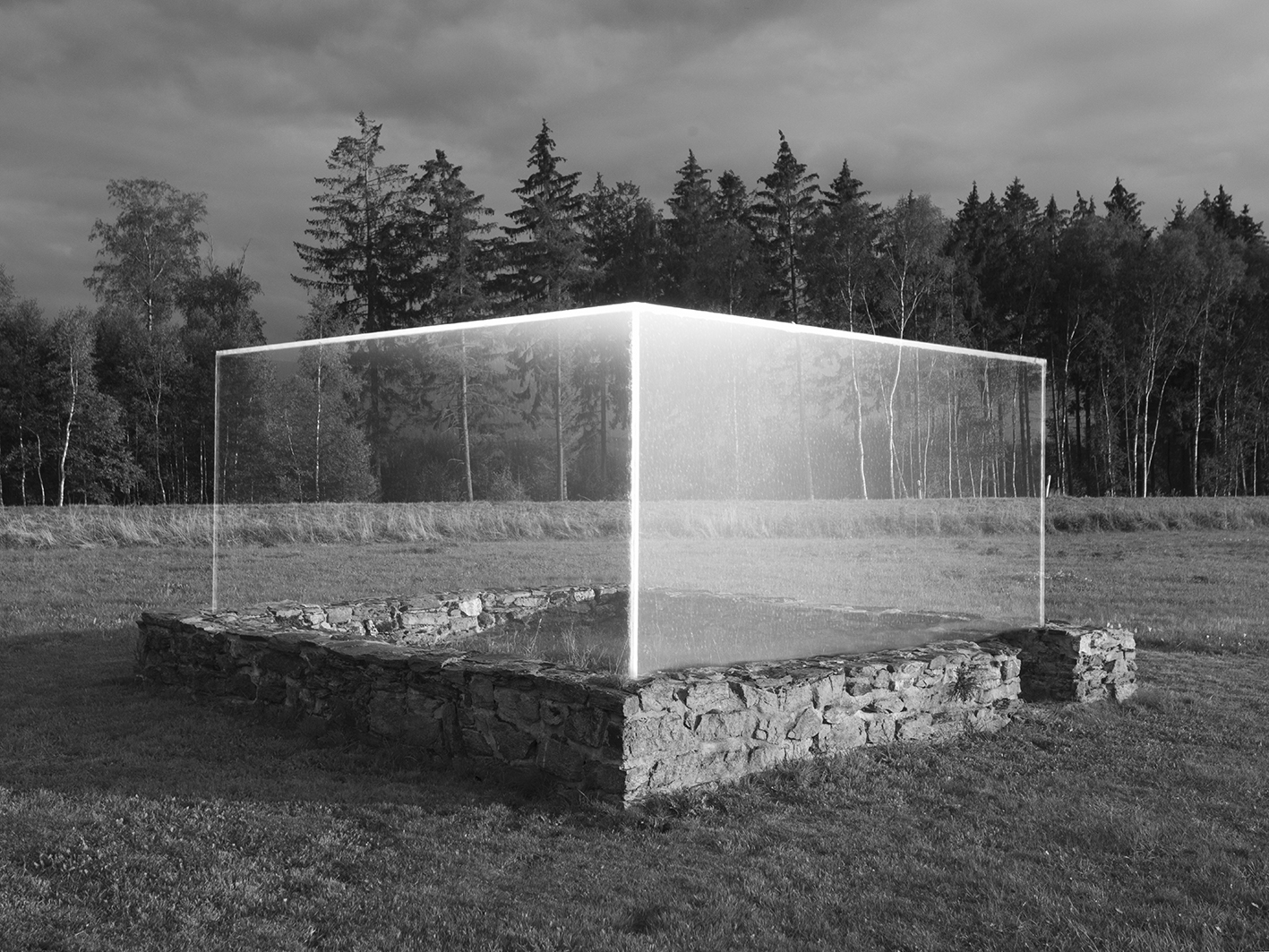
The project seeks to re-formulate representations of the archeological sites from the Gallo-Roman culture, looking to the relationship between archeology and the anatomy of space. The fragmented stratification of structural interventions should result in an overall structure that reflects on the different interpretations of history and shows a mediating discussion about the representability of the ruins, but also about the architectural heritage of the Western Roman Empire.
Project Region
EU Programme or fund
Description of the project
Summary
Structural remains from the Gallo-Roman culture are material evidence of the past and an important part of a memorial landscape. Research has not only designed the ancient ruins in a physical sense, but has gradually adapted their presence to political reality. Archaeological sites are places that leave the viewers associations through things that remain invisible. But how are spaces affected and questioned by the relation between the fictional and the real?
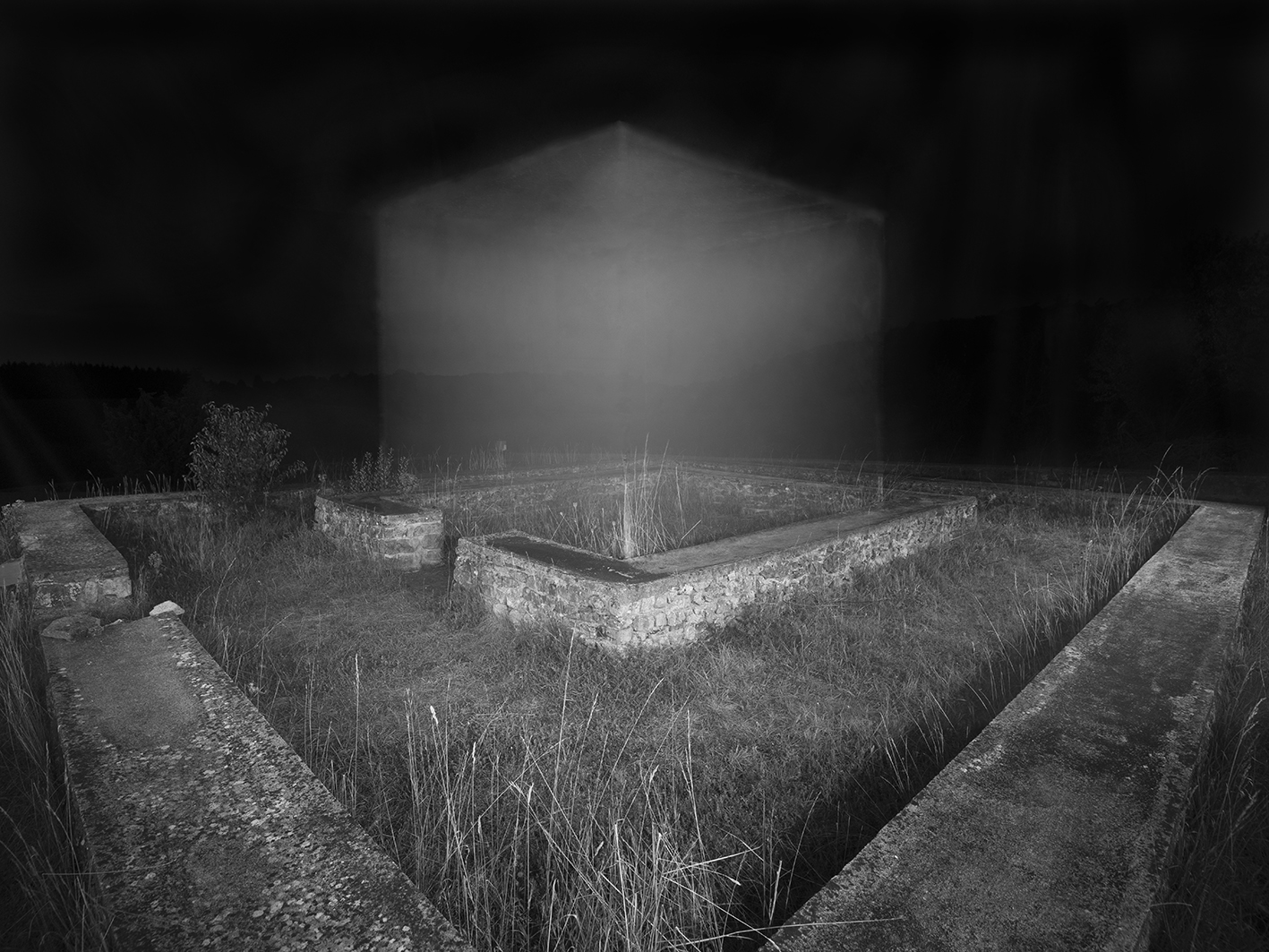
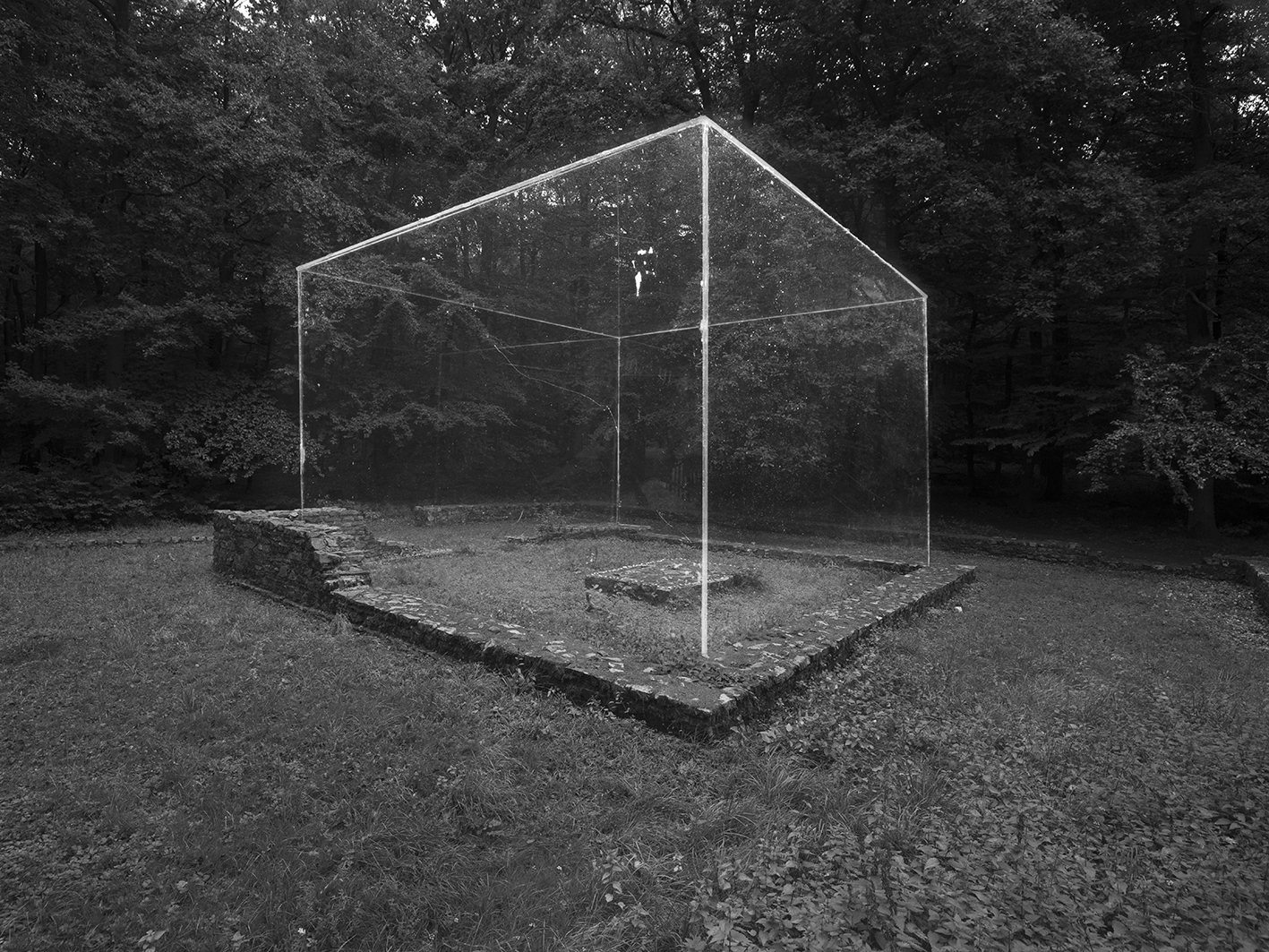
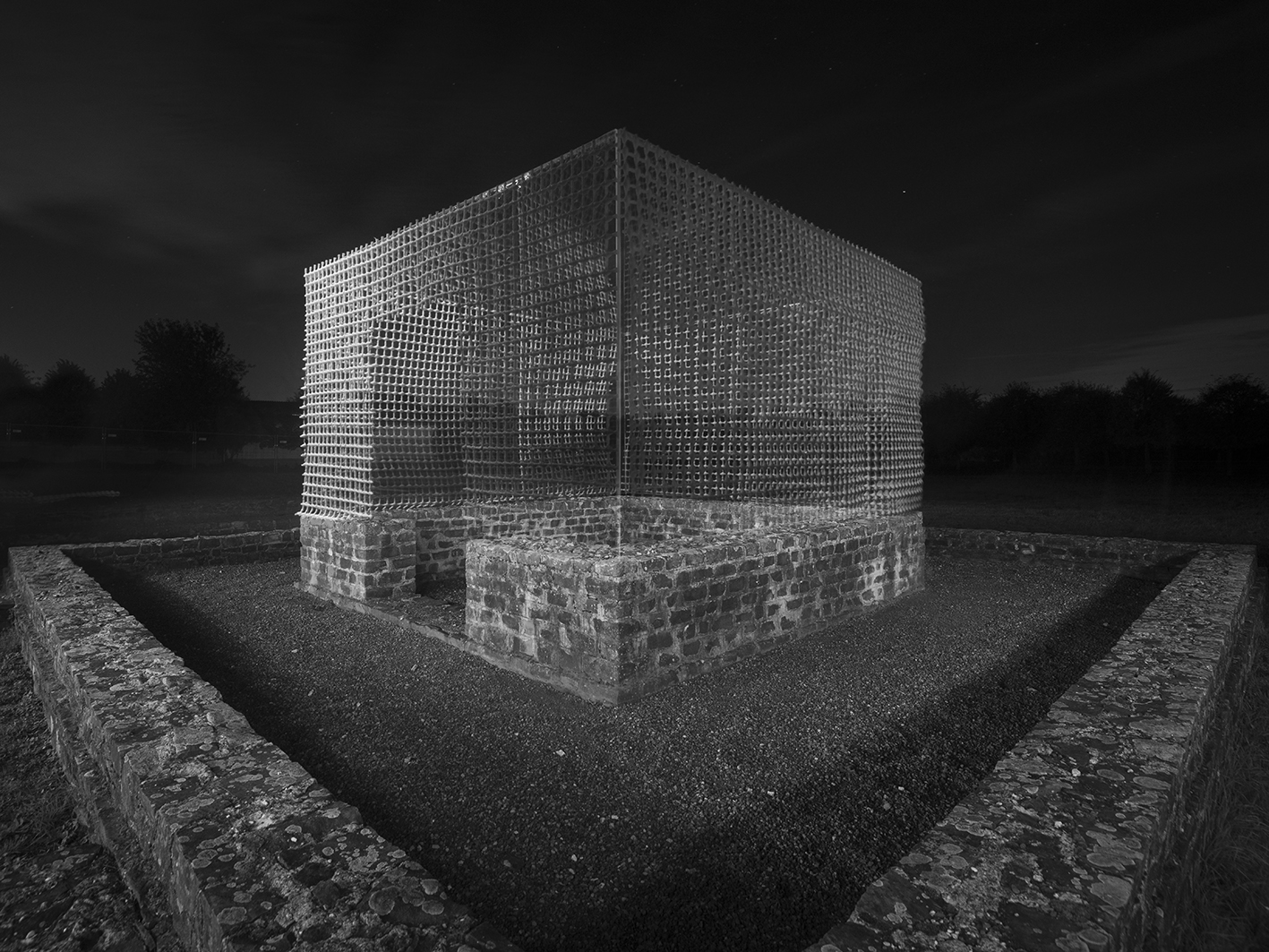
The prospective work circles around the interrelation of constructive models and authentic places, their mutual influence and interdependence. With the help of models made of different types of panels, exposed or refurbished floor plans are emphasized and spatially completed. The intervention, which appears to be temporary, has an articulating relationship to the existing ensemble of foundations, and provides visual contact with the installation site. An interrelation arises between the illusionistic representation of space and the relics, which constructs its own visual reality. A spatial boundary shows the possibility in which preserved can be expanded and moved.
Under the condition of overlapping layers of two analog images, environments and spaces are constructed through multiple identification points. They are simultaneously means of communication between inside and outside, the present and the past as well as agents of our architectural and human shell.
Key objectives for sustainability
The project pursues the idea of emphasizing the remaining traces and making them perceptible again. The focus lies on temple precincts that were part of larger cult sites from the 2nd - 4th century AD. The sanctuaries usually consisted of only one cult room ("cella"), which was enclosed by a perimeter wall.
For the intended project, the representation of buildings that no longer exist is indicated in the form of foundations or ground plan courses. For reasons of soil conservation, the course of foundation walls is either traced on the surface or disappears again under a layer of soil. Conservation is inevitably accompanied by the loss of what is actually considered to be a condition worthy of protection.
Key objectives for aesthetics and quality
The work "Cella" is discussing the investigation of the relationship between the perceived and the represented traces of structural remains of places of worship.
The project pursues the idea of emphasizing the remaining traces and making them perceptible again. With the help of models made of different panels, exposed or renovated foundation walls are highlighted and spatially complemented. The idea of assembling structural remains with volume models on top of each other follows the observation that floor plans are very well suited to visualize concrete spaces. These conglomerates could be the statistical basis for researching various sub-questions, for example, about the methods of transformation of art and architecture.
Key objectives for inclusion
The evaluation of architectural legacies from the Gallo-Roman culture not only involves a complex historical classification, but is also an essential part of a public social discourse. In art, which is the object of an aesthetic mode of action, architectural investigations should condition a qualitative and communicative involvement in order to declare their social, political and participatory character. For a participation-based hybrid between different concepts, the definition of a traditional character of formal aesthetic reflection is omitted. With the increasing inclusion of performative arts in the fields of architecture and urban planning, it becomes more and more important to foster a cooperation between these practices. In this sense, it is of particular importance to continue research in the field of heritage preservation in order to gain new insights.
Innovative character
Recognizing recurring features in the shape of structural relics can open up perspectives that enable us to describe historical places in a different way than the description of their history of use suggests. Even if the material remains cannot be preserved in perpetuity, they will never really disappear in spatial, historical, social, and political perception. The theme of memory forms the core of my working method and captures existing events that are linked between time and place. The found structural legacies mark a spatial logic that is already available as an opening dimension. Through the emphasized spatial cubature, something is to be perceived that is ultimately only an illusionistic copy of the given dimensions of a floor plan. These markings direct and conspicuously point to found spatial situations. It is only through the material intervention that a change in the attitude of the way of looking at a seemingly meaningless environment becomes apparent. The volumetric models do not represent a ruthless appropriation towards the remains in general, but rather draw attention to the corresponding subject matter precisely through the precise artistic treatment of the site.