LandArt
Basic information
Project Title
Full project title
Category
Project Description
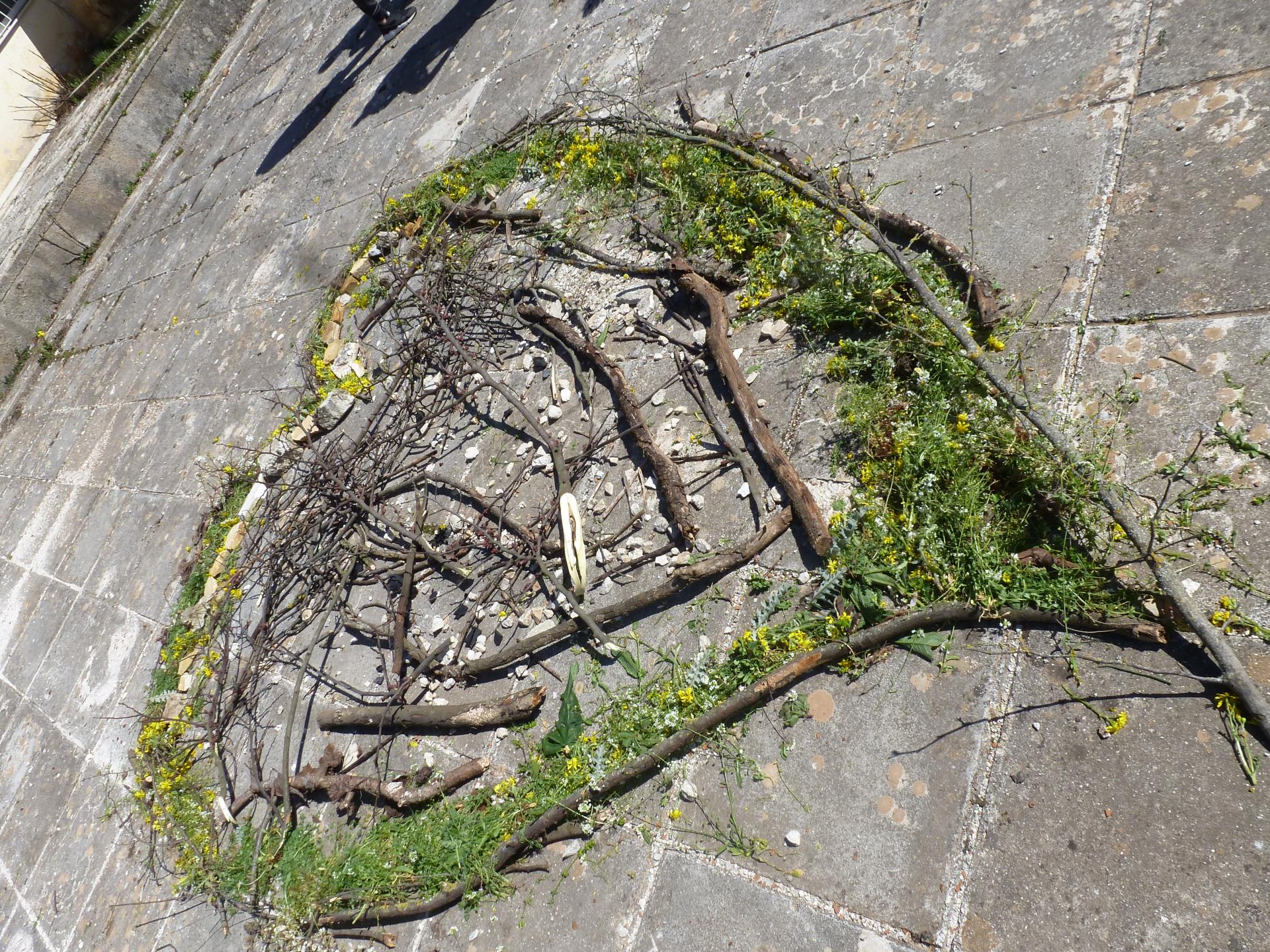
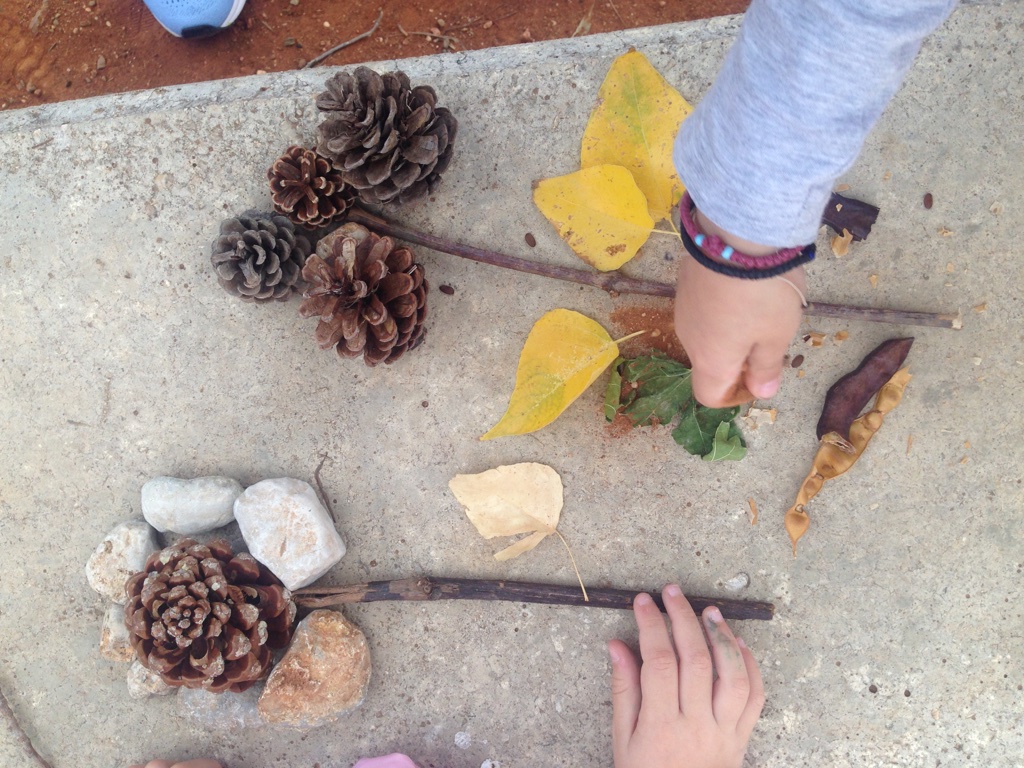
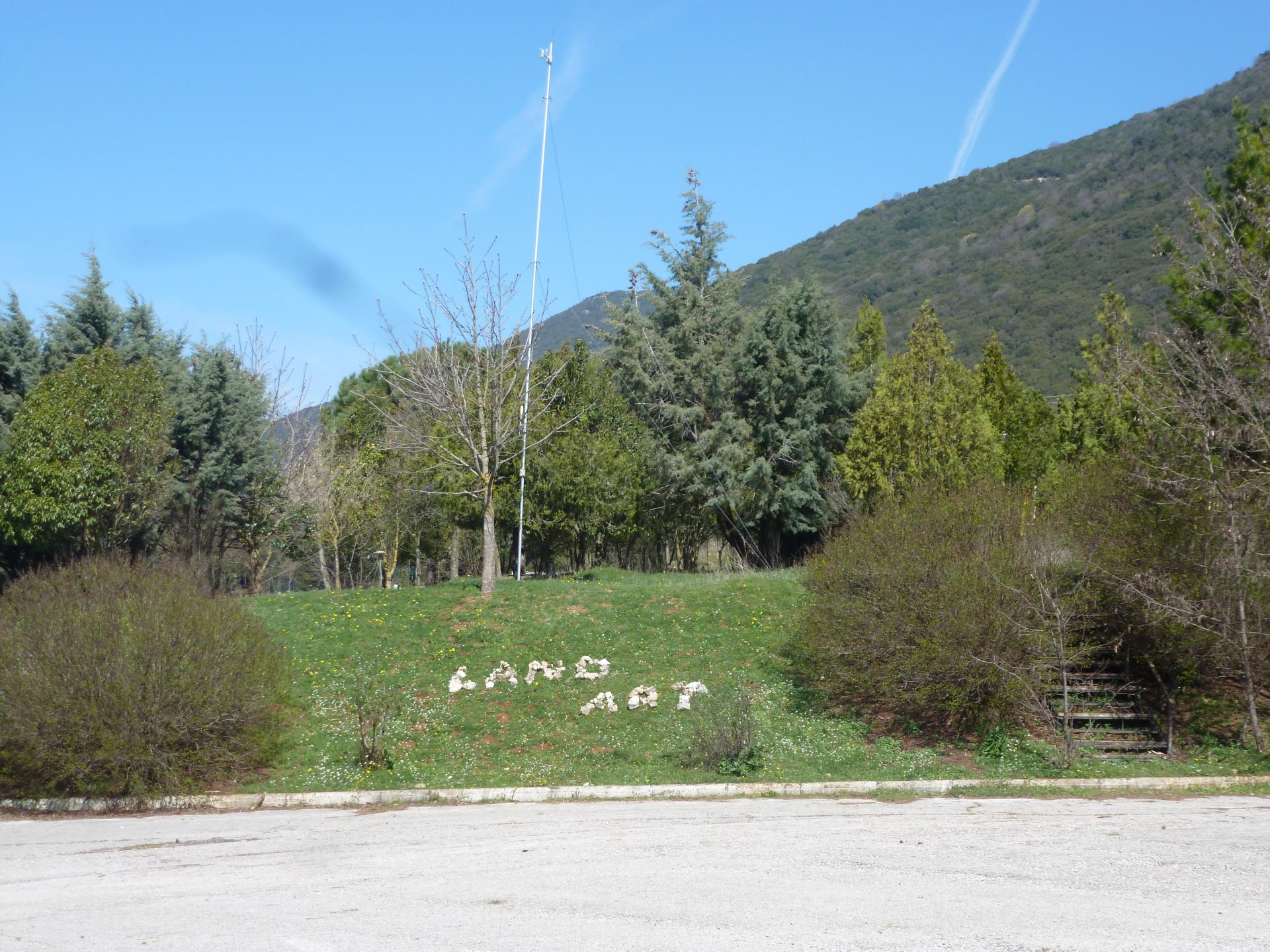
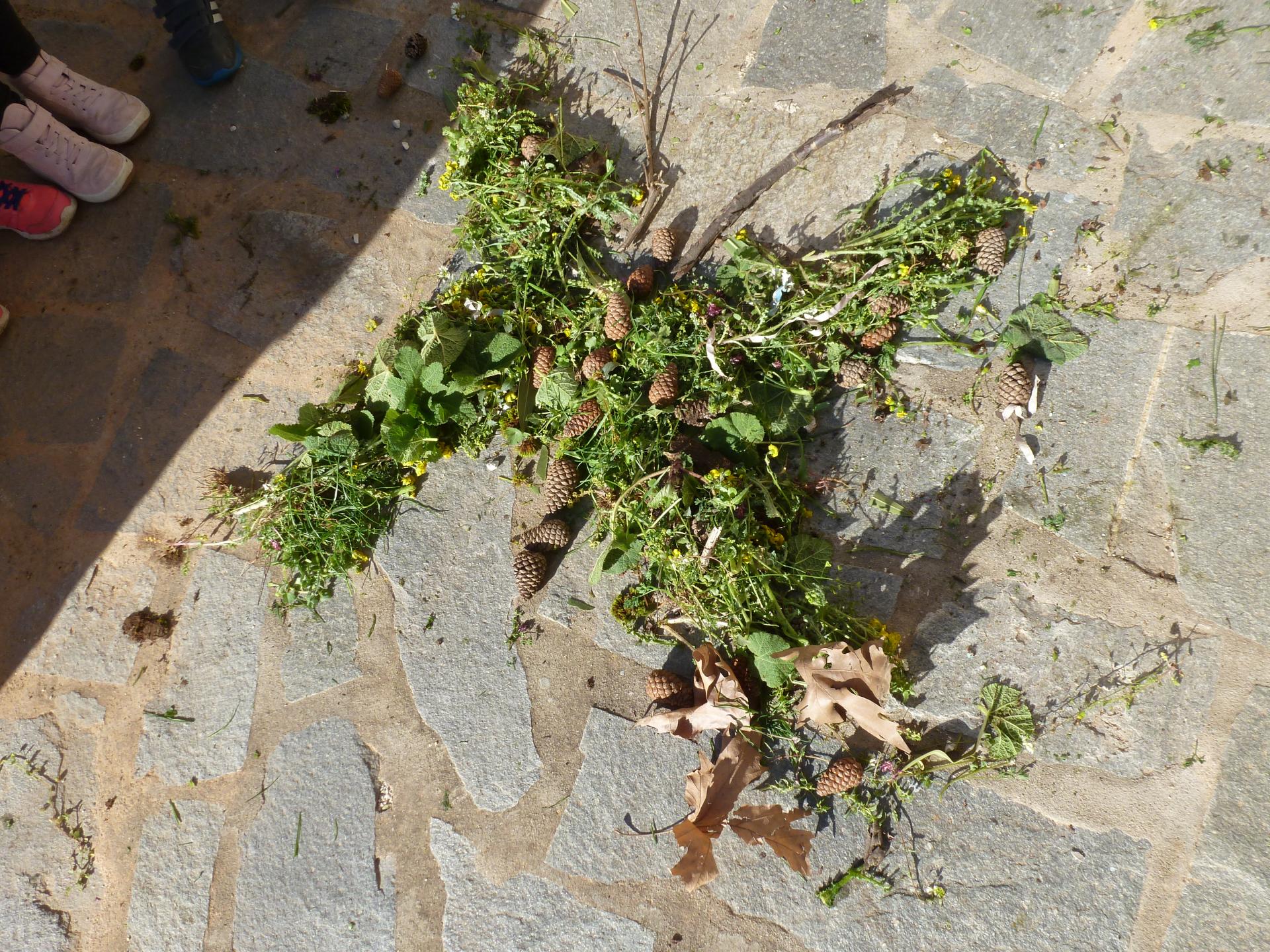
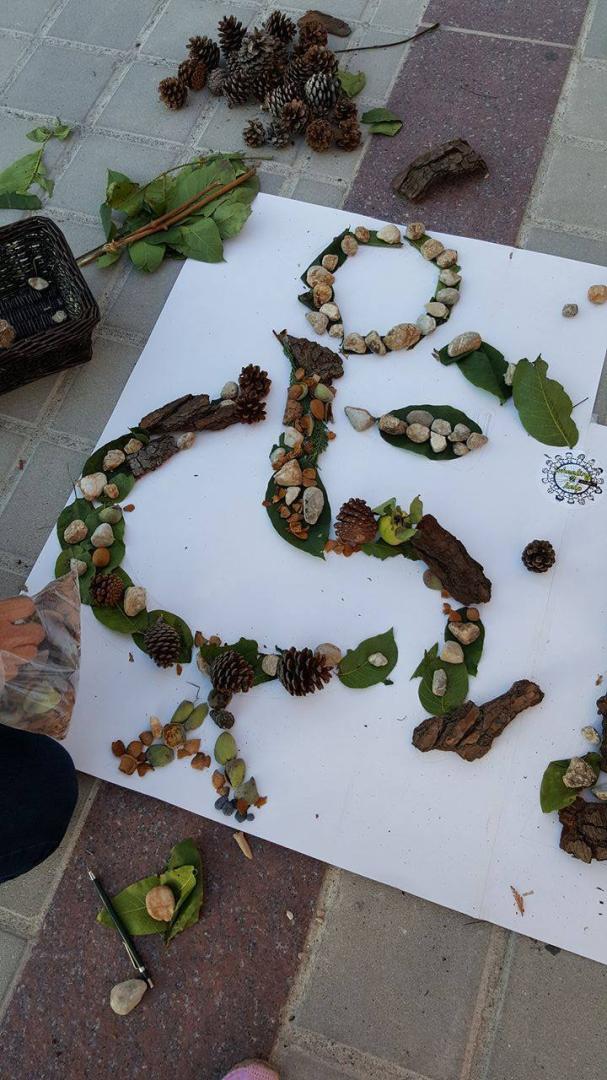
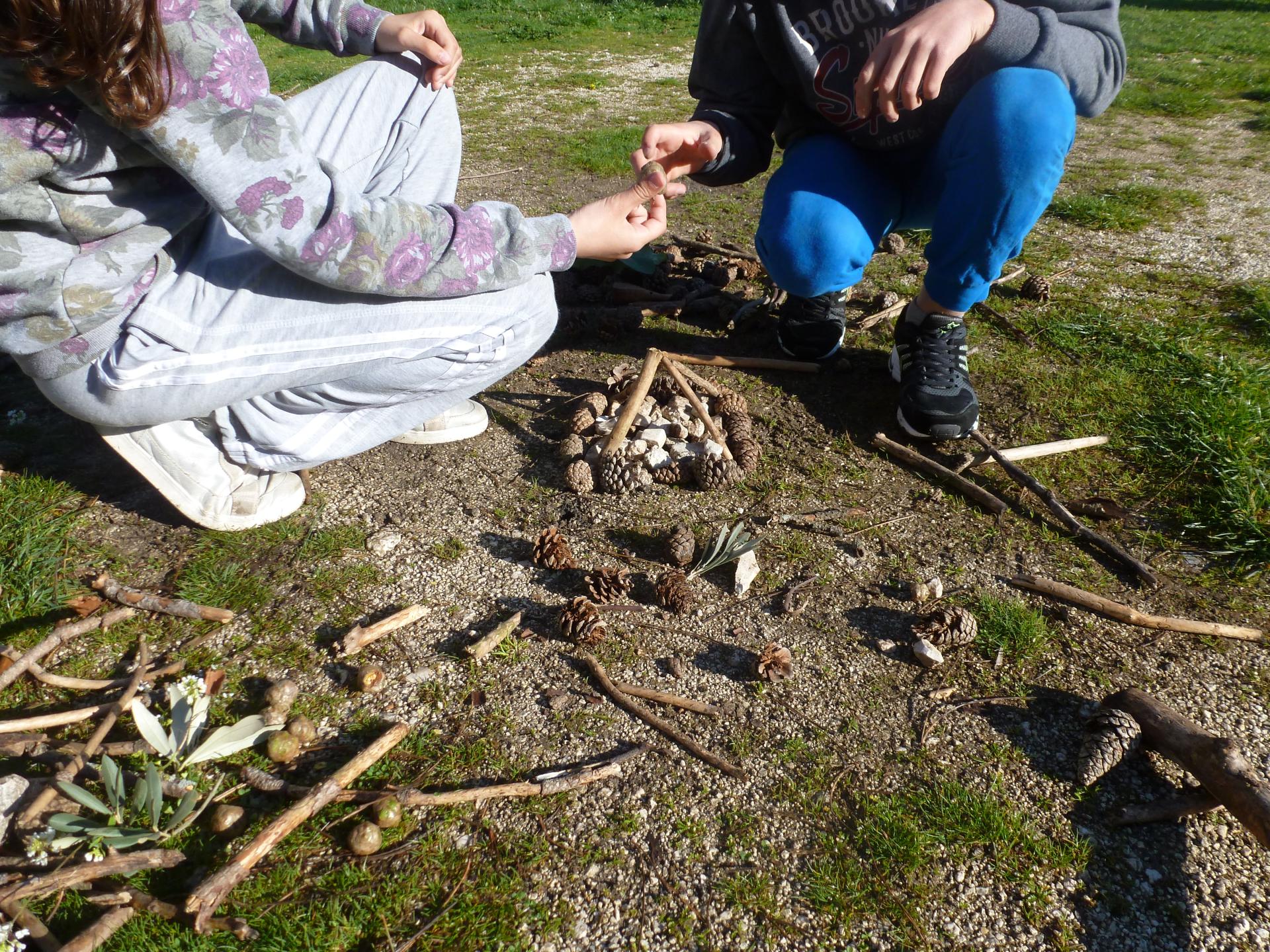
The LandArt programme is a non-formal educational programme. Youngsters get familiar with the land art artistic movement through a hands-on process cooperating to create with natural materials ephemeral artworks full of meaning and emotions. The LandArt programme’s goal is for youngsters to reconsider the traditional means and methods of art and strengthen their relationship with nature, ultimately developing a shared sense of ownership of the natural and cultural heritage.
Project Region
EU Programme or fund
Description of the project
Summary
LandArt is a non-formal educational programme designed and implemented by Peripatos sociocultural enterprise. It is taking place periodically from September 2015 until today in various areas, from the northern borders of Greece (Pindos region) to the urban environments of Athens and Thessaloniki, until the southern island of Greece (Crete). More than 2000 children (preschoolers - teenagers), along with their educators or other family members have enjoyed the programme. Considering the importance of sustainability for future generations, we designed the programme specifically for youngsters as they are the future of our societies and at the same time, they act as multipliers in family and school environment, and their communities.
The overall structure of the Land Art programme is simple. The programme starts with a brief introduction to the theory of the land art movement presenting case studies from all over the world. Then, youngsters get familiar with the land art creative method through a hands-on process. They collect natural materials without destructing the environment to create collectively ephemeral artworks that are eventually recycled by nature that gave birth to them. Having finished their artworks we engage children in a kinetic activity focusing on the concept of recycling. Two teams compete on correctly recycling a pile of garbage found in the area. Pupils need to collaborate and work as a team, either for the needs of the artistic creation or for winning the kinetic game.
This interdisciplinary and non-formal educational approach is of special value to school curriculums, like the greek educational system, that do not prioritise art education nor interaction with nature as means of learning and personal development. The LandArt programme’s goal is for youngsters to reconsider the traditional means and methods of art and strengthen their relationship with nature, ultimately developing a shared sense of ownership of the natural and cultural heritage.
Key objectives for sustainability
The LandArt programme’s framework of sustainability draws on and connects with many different disciplines and fields, and has tended to be problem-driven and oriented towards engaging youth in acting towards preserving the natural environment and cultural landscape. The focus of the programme ranges from contemporary pedagogical approaches and learning models, conscious artistic creation, and lifestyle to the sustainability of ecosystems, cultural heritage, local communities, even neighbourhoods, home gardens, and the school environment. The audience of the programme being the youngsters is one way we address sustainability as they are the future of our societies and at the same time, they act as multipliers in family and school environment, and their communities.
Another key objective of the programme is the familiarisation of early age with the concepts of recycling and circularity through the example of how the land art movement approaches artistic creation and materials. Artworks created in nature, by natural materials that grow along with nature are at the heart of the movement and our programme. Children collect natural materials without destructing the environment to create collectively, ephemeral works that are eventually recycled by nature that gave birth to them. Thus, they reconsider the traditional means and methods of art and they expand their horizons while having fun. Children are thrilled to get in touch with the land art movement, let their imagination run free, and get inspired by nature. They create art pieces full of meaning and emotions developing a shared sense of ownership of the natural and cultural heritage.
Key objectives for aesthetics and quality
The application of aesthetics in the LandArt programme focuses on bringing art into the daily lives of youngsters and their public space. The ephemeral character of the artworks provides space for experimentation and self-expression and thus enhancing learning and creativity. This approach is of special value to the greek school system. The curriculum does not prioritise, neither art education nor interaction with nature, as means of learning and personal development of pupils.
Moreover, Land art, as an art movement, develops aesthetic experiences within a landscape resulting in a new appreciation for the natural environment. Building on that, we designed the LandArt programme to be an aesthetic learning experience taking place outdoors -in a park, in a forest, by the sea- which satisfies the senses, smell, touch, sight, and hearing, to develop a positive and more personal relationship with nature. There is no need for pupils to have any prior knowledge or information to be able to participate; making it easier for them to engage, freely try without fear of failing, and cooperate
Key objectives for inclusion
The LandArt programme was designed from the ground up to be offered to every child, no matter the children’s age, language, previous experience, educational and/or cultural background, etc. In addition, all these unique children can co-exist and co-create as a team within the framework of the programme.
Furthermore, our intention was to travel around Greece to offer this programme to the less privileged children, in comparison to those who live in central urban areas, where the stimuli and chances for participation in such programmes are infinite.
All the above were achieved by our own efforts to reach remote areas, schools and pupils, as well as in collaboration with other organisations and institutions. The joint efforts lead us to offer the programme in remote areas; such as the schools of Pindos region, at Greece’s northern borders, as well as at schools located on islands, which are usually deserted during winter. Moreover, in the context of some programmes we were able to offer LandArt to children that live in hosting structures, away from their families and some neighbourhoods of the centre of Athens, which are characterised by multiculturalism, due to the large number of immigrants living there.
Finally, even though the LandArt programme was initially designed for school groups, we offered it to families as well, during which all the members of the family were able to participate equally, collaborate, spend some quality time together and live a shared experience close to nature.
Results in relation to category
The LandArt programme is taking place periodically from September 2015 until today, with the exception of the periods of lockdown. It has been implemented from the northern borders of Greece (Pindos region) to the southern island of Greece (Crete) and various places in between. LandArt has been offered to 27 school groups, 4 festivals/fairs (Wheeling2Help, 2016 Cultural Activities Fair, Lassithi sets sail) 8 Summer Camp groups, and 2 social programmes (The Open Schools programme of Municipality of Athens, The ABC of Ecoliteracy); in total to over 2000 children (preschoolers - teenagers), along with their educators or other members of their families.
No matter the context within it was offered or the age of the pupils, everyone always responded with enthusiasm and positive emotions.
Hopefully, if the restrictive measures for the confrontation of the pandemic will cease, we will implement it during summer 2021 in the context of the Summer Camps organised by various municipalities in Athens, as well as in the first EcoKids Festival, in September, which will take place in a central park of Athens with the auspices of the Region (Periphery) of Attica. Numerically this is translated to approximately 500 pupils during Summer Camps and 100 family members during the Festival, who we hope to embrace this endeavour.
How Citizens benefit
The central core of the LandArt programme is the redefinition of human's relationship with nature and therefore the respect of each individual towards the natural environment that surrounds us. In addition, our main audience is youngsters as they are the future of our societies and at the same time, they can act as eco-cultural ambassadors and multipliers in family, school environments and their communities. Moreover, the LandArt programme has been implemented in schools, festivals, summer camps, parks, etc.; exclusively from us, in collaboration with other organisations and institutions; and in the context of social programmes and the civil society sector, resulting in the expansion of the impact that could be achieved. Amazingly, there was not even one negative reaction to the participation in the programme and most of the times youngsters were so excited to express their willingness to continue acting towards the directions indicated by the programme. In fact, sometimes parents, teachers, etc. addressed back to us days or weeks after the implementation of the programme to share with us the excitement of the pupils to keep on working and finding alternative ways towards preserving the natural environment and cultural landscape.
Innovative character
The structure of the programme per se is not innovative; it is a non-formal educational programme out of the numerous that exist, which includes a brief introduction, an artistic activity, and a kinetic activity, during which pupils need to collaborate and work as a team, either for the needs of the artistic creation or for winning the kinetic game. Pedagogically, this is the simplest way of transferring a message. Precisely, due to the simplicity of the method we follow, we are able to convey valuable messages and innovative topics, always in relation to the reality that prevails in the Greek educational system and society in general. The environmental policy and mentality in Greece is still very poor, and as a result almost non-existent in the greek educational curriculum. In addition to the minimum interaction with nature, the curriculum does not prioritise art education as well; there are even thoughts of annulling all art classes from schools. Therefore, the innovation, in the Greek context, is to accompany pupils in nature, where they can learn, create, play and raise awareness regarding the environment and the artistic movement of Land Art, which -with no surprise- is almost unknown. The innovation is to use something as simple as the LandArt programme as means of learning and personal development of pupils.