RIAI Town and Village Toolkit
Basic information
Project Title
Full project title
Category
Project Description
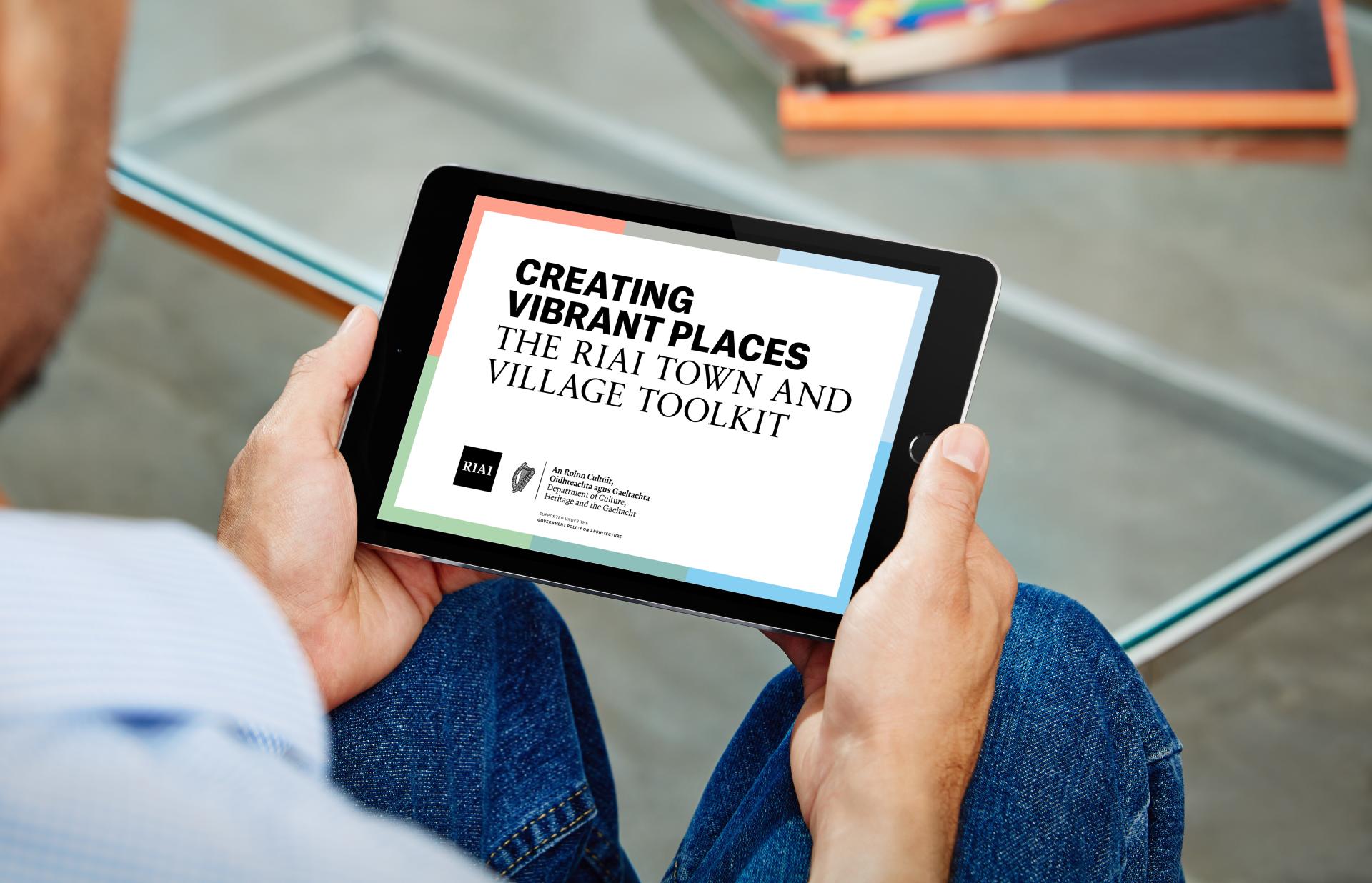
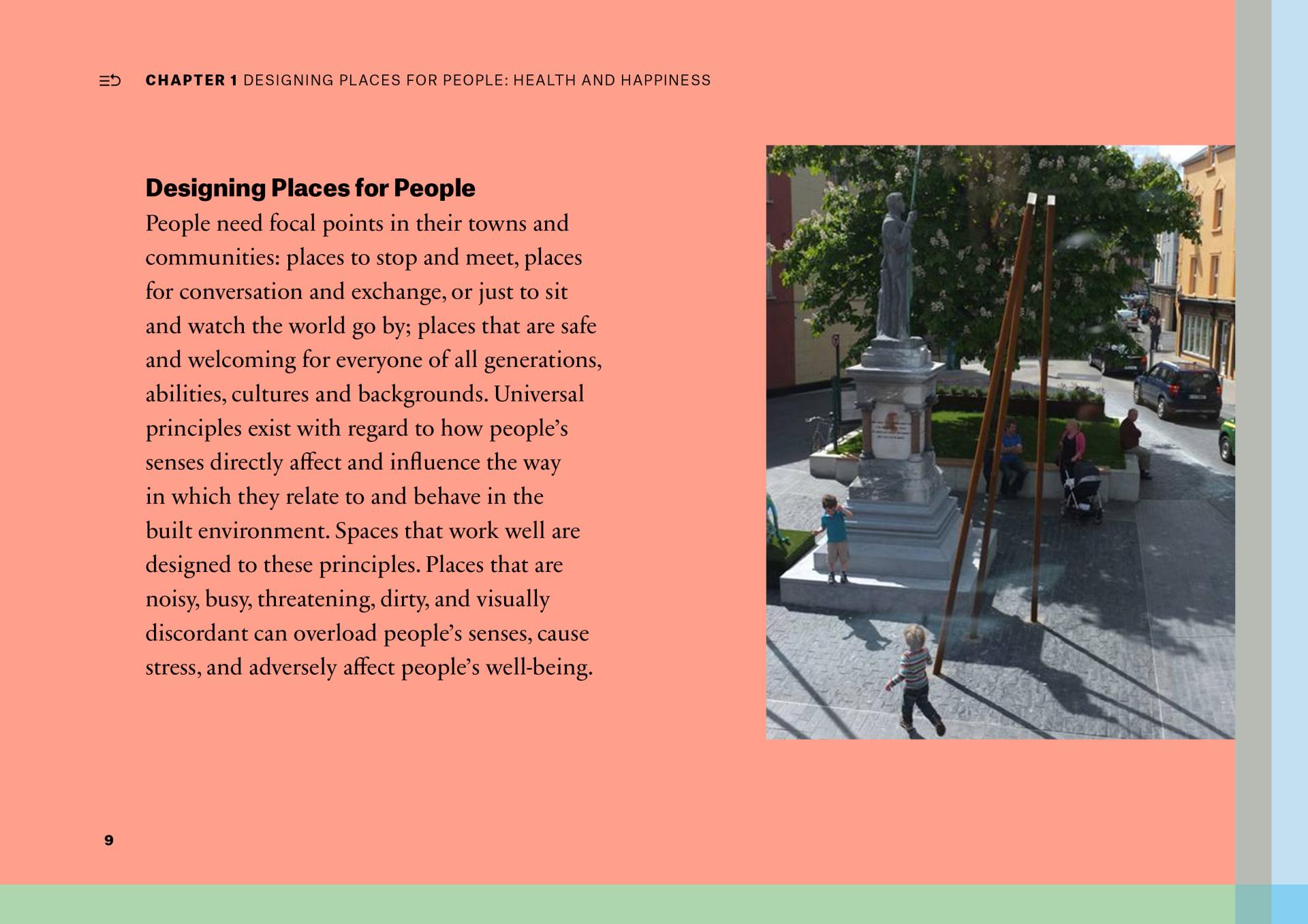
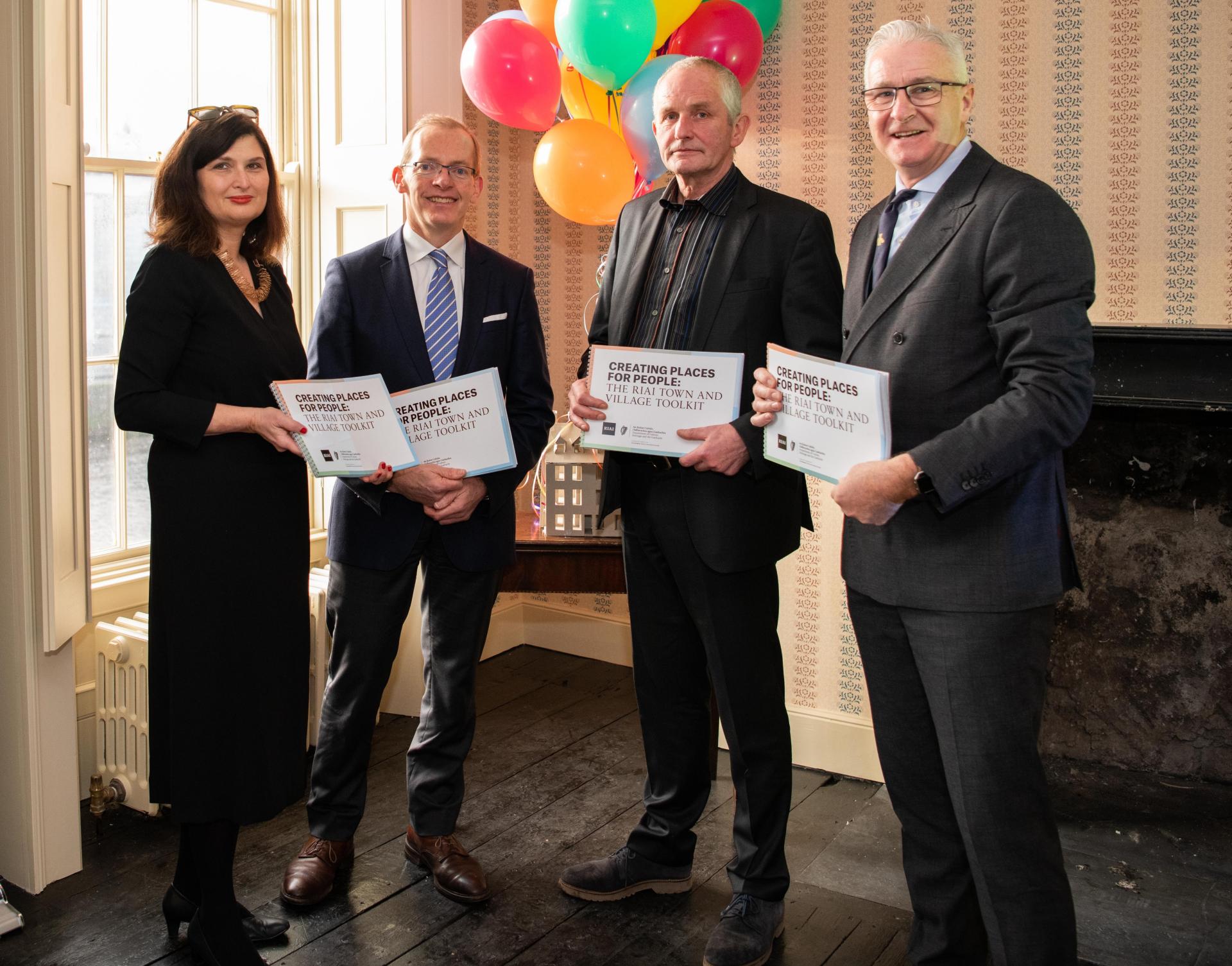
Towns and villages across Ireland have been integral to economic and cultural life for centuries. They can also be great places to live and work for modern lifestyles. To support those involved in towns and villages, the RIAI has launched this free online resource. The RIAI Town and Village Toolkit provides a practical toolkit, references and successful case studies of places that have been transformed with architectural guidance.
Project Region
EU Programme or fund
Description of the project
Summary
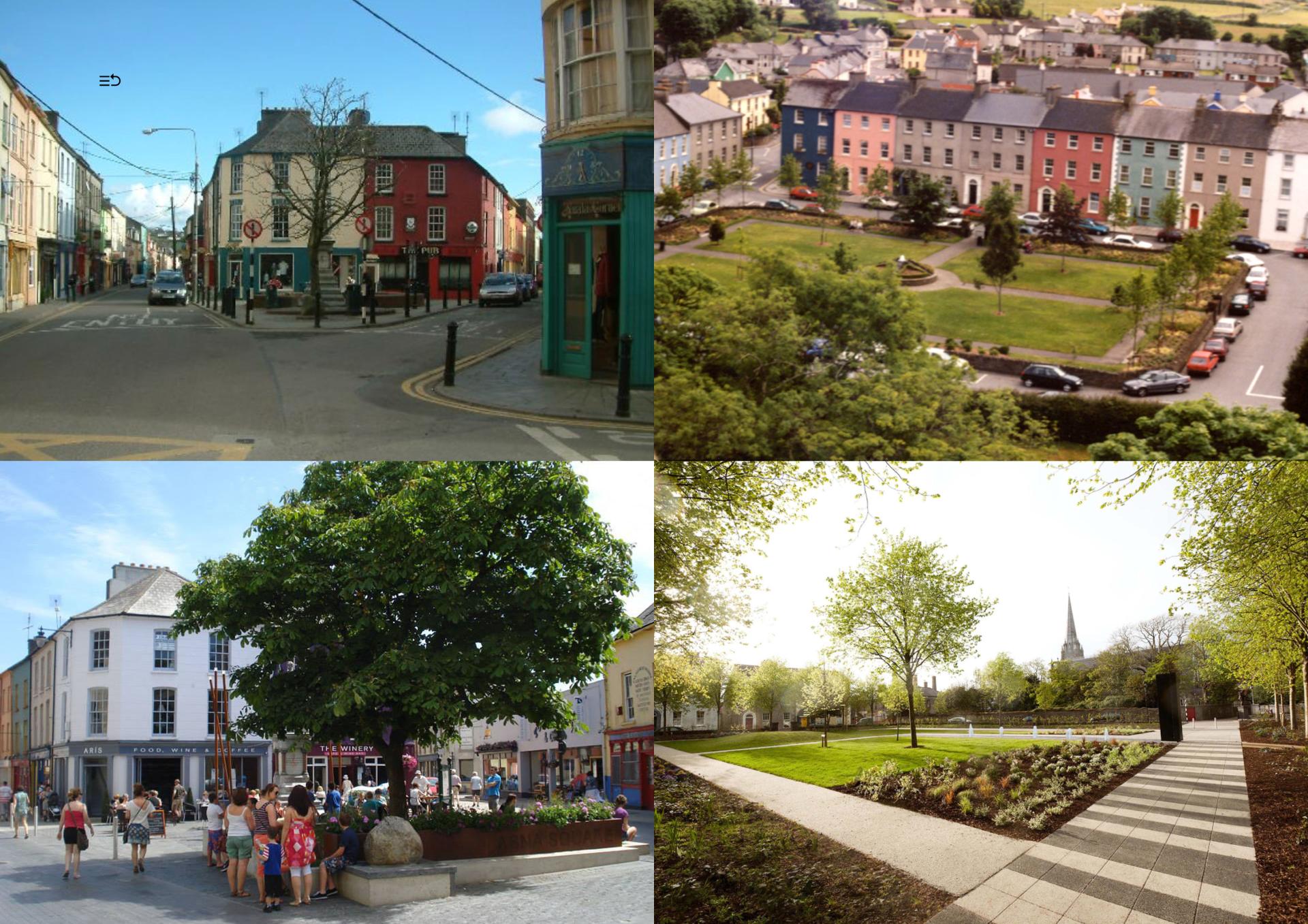
Towns and villages across Ireland have been integral to Irish economic and cultural life for centuries. They can also be great places to live and work for modern lifestyles. To support those involved in Irish towns and villages, the RIAI has produced a free online resource, ‘Creating Places for People - The RIAI Town and Village Toolkit’. It provides practical advice, references and successful case studies of places that have with architectural and urban design expertise positively overcome challenges. Case studies include towns, villages and urban neighbourhoods throughout Ireland, including Clonakilty, Cloughjordan, Westport, Tuppercurry and Waterford’s Viking Triangle. The toolkit is based on an extensive body of research and work developed by the RIAI and its Urban Design Committee, with funding from the Government Policy on Architecture. Public awareness of the toolkit is critical to its success and the RIAI is encouraging all those involved in Irish towns – from local authorities to community groups - to use the RIAI Town and Village Toolkit and provide feedback. It has been piloted by Enniscorthy town under the RIAI TidyTowns Awards and the Department of Health under the Healthy Cities and Counties programme. It is considered a key reference document in third level courses relating to urban design and urban regeneration. Available from: https://www.riai.ie/uploads/files/general-files/RIAI_TownandVillageToolkit.pdf
Key objectives for sustainability
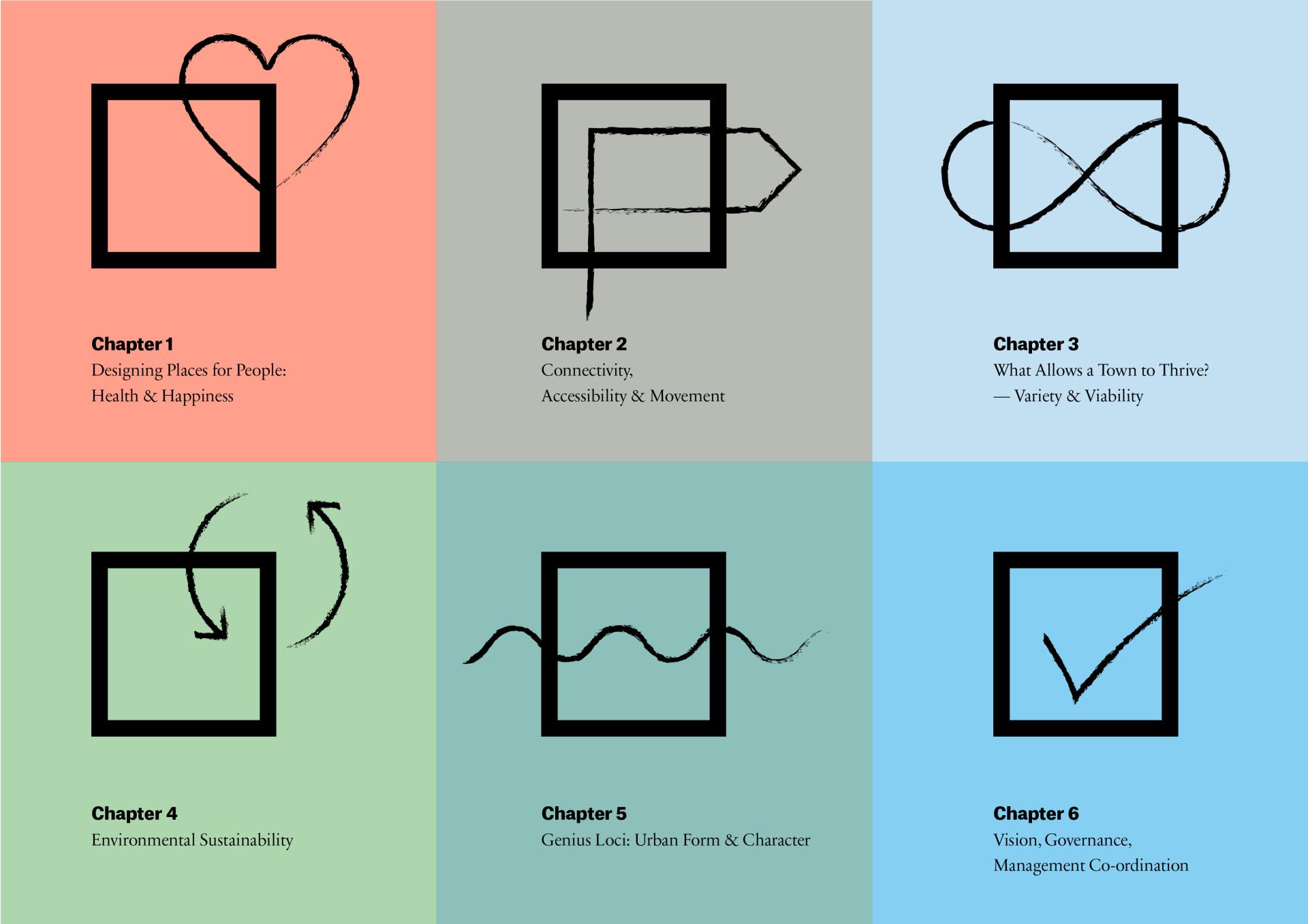
The quality of our built environment affects the quality of our everyday lives. It is vital that we make informed choices on how we use our existing places and spaces, our built heritage, landscapes and natural resources. ‘Creating Places for People: The RIAI Town and Village Toolkit’ has been developed in line with the 17 UN sustainable development goals. It identifies sustainable living as a key objective through-out the document. This includes designing and planning our towns and villages as healthy places to live (Chapter 1) based on active movement (Chapter 2), that can sustain the ever-changing economy by providing a variety of building types (Chapter 3) and flexibility in the planning and urban form of the town (Chapter 4). Chapter 5 specifically addresses ‘Environmental Sustainability’ while Chapter 6 relates to Governance and management measures for Implementation and delivery. Each Chapter includes reference case studies of how the objectives have been met.
Key objectives for aesthetics and quality
‘Creating Places for People: The RIAI Town and Village Toolkit’ focuses on how people experience places and what makes towns and villages attractive. It includes best practice examples of public realm design and building reuse in terms of urban form, massing and scale (block and plot sizes), etc. It is not a ‘design code’ book with a set of aesthetic rules – instead the it recognises that every town and village has its own cultural heritage, in terms of urban planning, scale, materials and finishes, that are the basic ingredients to work with in terms of aesthetic design. The toolkit is available here: https://www.riai.ie/uploads/files/general-files/RIAI_TownandVillageToolkit.pdf
Key objectives for inclusion
‘Creating Places for People: The RIAI Town and Village Toolkit’ identifies that everyone needs to be considered and involved in how we plan and design our towns and villages. This is implicit throughout the document – Chapter 6 emphasises that people should be fully represented and involved in the creative process, so that they have a sense of ownership. The case studies are representative of how an inclusive process can have successful outcomes with long-term benefits.
Much of the toolkit's content and structure was the outcome of an early co-design workshop with architects, urban designers and other built environment professionals as well as community representatives. Inclusivity in the toolkit design phase was further achieved through a peer review of the draft document, while an early workshop style presentation took place with the Academy of Urbanism (held as part of their 2018 Cork Congress. The feedback and ‘lessons learnt’ were included in the final document. The origins of the document were informed by two colloquia (involving professional experts, local representatives, public officials and any interested members of the public in Mallow and Drogheda).
Results in relation to category
‘Creating Places for People: The RIAI Town and Village Toolkit’ is gaining traction at Central and local Government levels, as well as with people living and working with the community at local level. For example it is being used to inform the Irish Government’s ‘Town Centre First Initiative’, Local Authorities are using it as a reference document in procurement of urban revitalisation studies (eg. Westmeath County Council), and organisations in the Business Community (Chambers Ireland), Community improvement Groups (Tidy Towns) and local cross-sectoral Town team’ organisations. The feedback we receive from those who have used it is very positive.
How Citizens benefit
‘Creating Places for People: The RIAI Town and Village Toolkit’ includes six case studies in which Citizens and Civil Society have been involved in preparing the plans for their towns. It recognises that full citizen engagement and participation creates a sense of ownership and stewardship and is a key ingredient to the ongoing vitality, care and attractiveness of every town and village as a place to live. The RIAI supports also three special awards – including a Town Challenge Award – in the Ireland’s long-running Tidy Towns Competitions which is organised by the Government Department of Rural and Community Development. The competition recognises and supports towns and villages across Ireland which have positively enhanced or developed their urban environment. The RIAI Town and Village Toolkit is an important component in this, as it can be used by the participating towns as their assessment and project development methodology.
Innovative character
‘Creating Places for People: The RIAI Town and Village Toolkit’ is innovative in that it brings together the key ingredients needed to revitalise our towns, villages and communities, based around the principles of the 17 UN Sustainable Development Goals. It is innovative in that it places the role of architecture and urban design as the key to unlocking many of the challenges and blockages in attaining these goals.