Breeze Chair - A biocomposite chair
Basic information
Project Title
Full project title
Category
Project Description
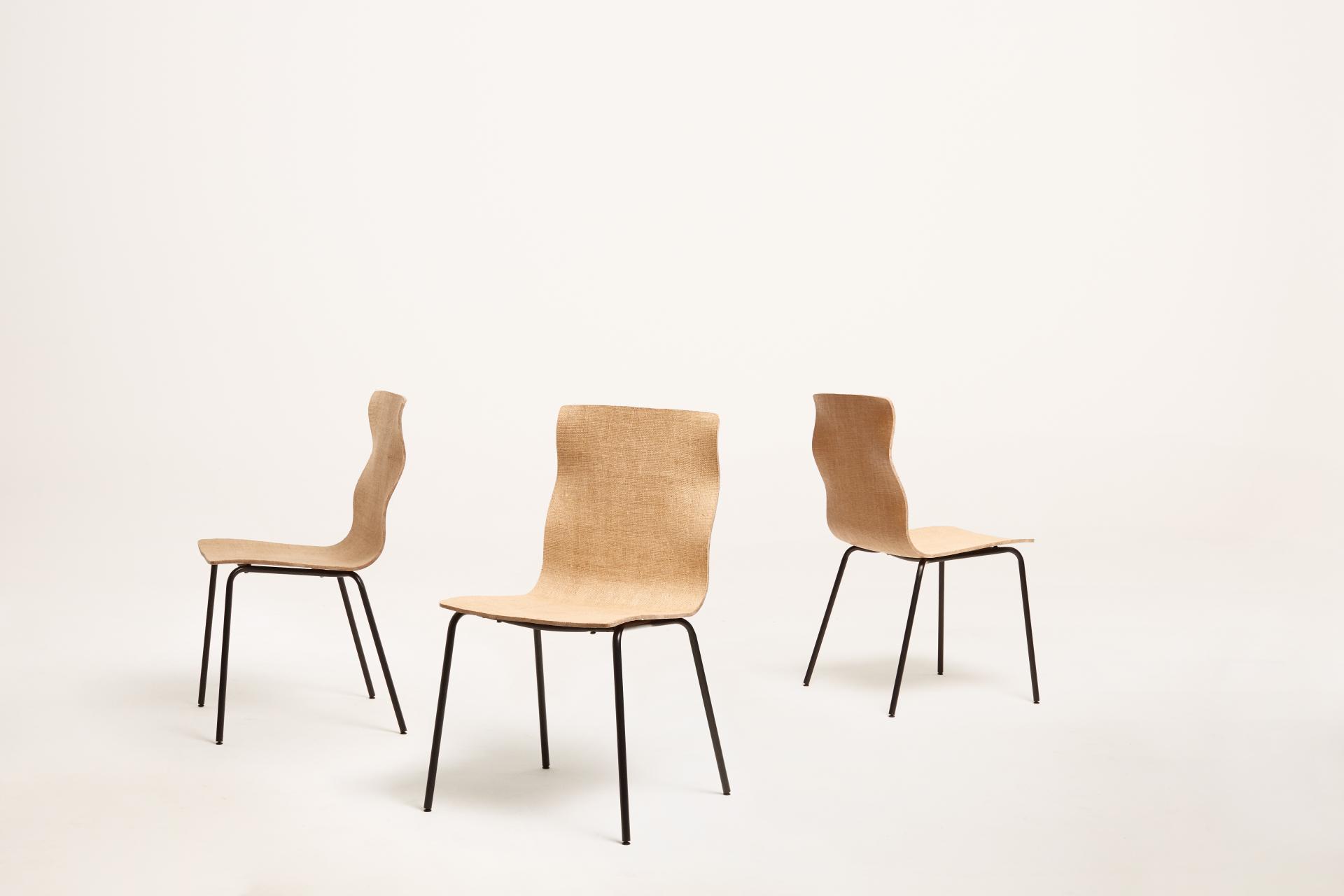
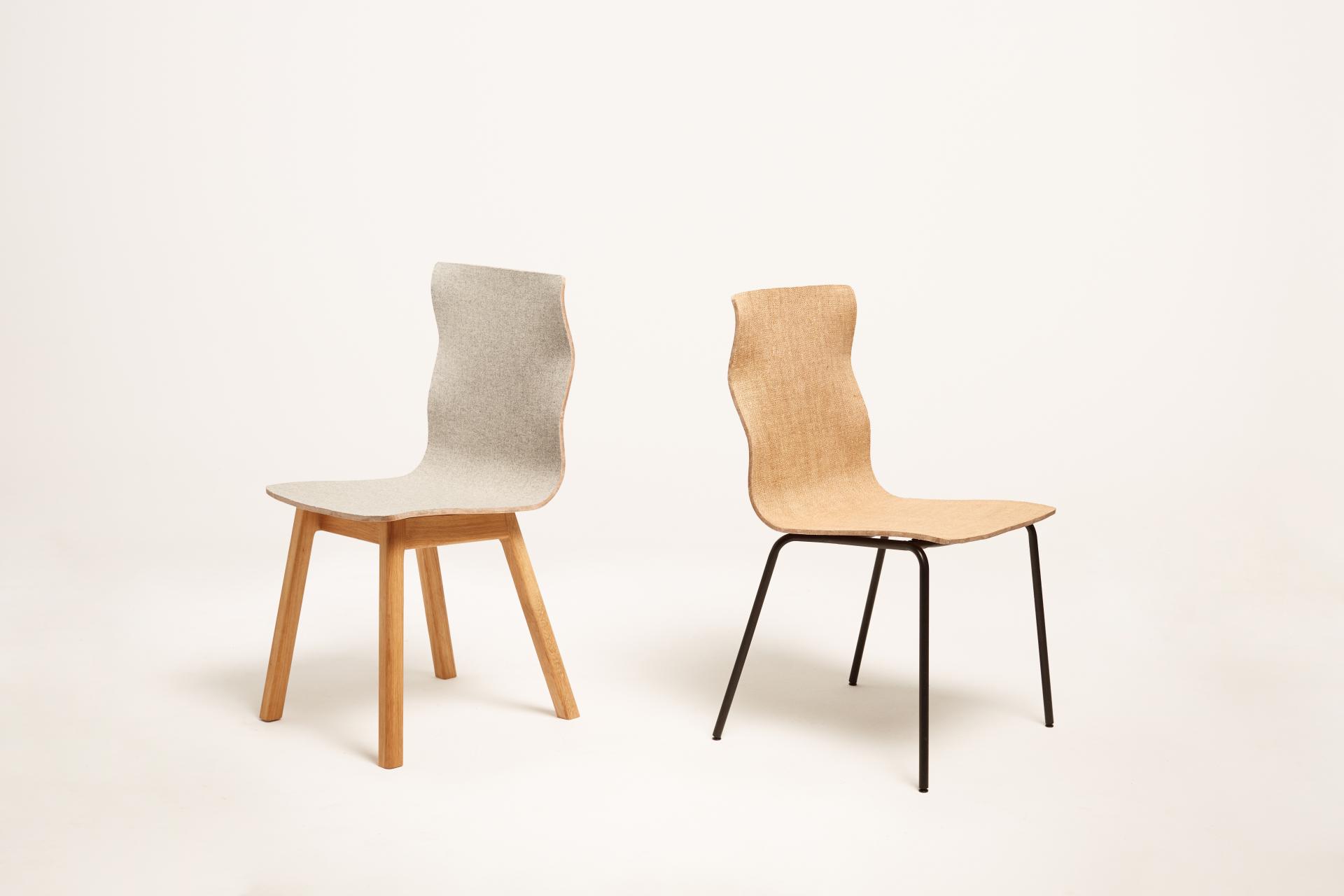
Breeze Chair is a 100% bio-composite based chair, inspired by the material developed with Meshlin Composites Plc. The concept is the result of many material experiments, where our goal was to develop a chair that emphasizes the mechanical and emotional properties of the biocomposite sheets. The chairs shape unites this double criteria making the concept a whole.
Project Region
EU Programme or fund
Description of the project
Summary
In the design project of his new chair collection Demeter Fogarasi decided to enter into cooperation with a domestic company experimenting with the potential uses of PLA, a degradable plastic. The designer’s concept was to create a technically viable chair meeting the criteria of traditional industrial design and – ideally – suitable for serial production. He envisioned a design that fits in with any interior thanks to its timeless elegance, while having an individual character and at the same time being easily distinguishable from its competitors due to its material and shape.
"Breeze Chair is a 100% bio-composite based chair, inspired by the material developed with Meshlin Composites Plc. The concept is the result of many material experiments, where our goal was to develop a chair that emphasizes the mechanical and emotional properties of the bio-composite sheets. The chairs shape unites this double criteria making the concept a whole.”
The project Breeze Chair was awarded by and realized with the support of Moholy-Nagy László Scholarship Program 2019.
Key objectives for sustainability
The greatest challenge of our age is how to reduce our planet’s pollution level, especially since this often directly clashes with the market interests of large corporations. At the same time, rising pressure from the public and growing awareness about sustainability is fortunately urging manufacturers to experiment with new materials and production methods, i.e. to look for new solutions that guarantee their profits and a sustainable future.
The aim of the project was to look for sustainable materials that can be used for producing high quality design furniture. Our goal was to find and develop a composite material that can be a better alternative for plywood regarding sustainability and mechanical properties.
We wanted to find a solution that is biodegradable, and uses natural materials that grow faster than wood, but could have the same or even better mechanical properties than plywood.
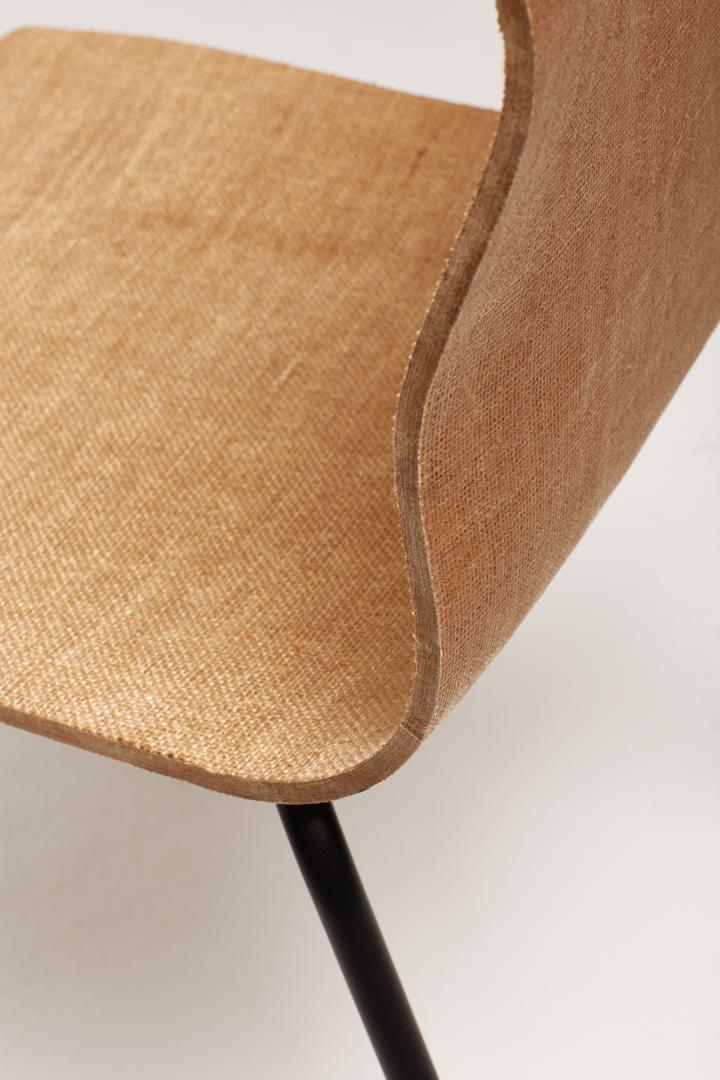
The solution lied in the technology developed by Meshlin Composites Plc., that was refined for the purpose of this project. The material is made by laminating PLA sheets with natural fabric, first prepregs (pre-laminated sheets), then combining multiple prepregs in multiple layers, resulting in premade sheets that can be thermoformed.
The developed material is a composite combining PLA with fabric made from Jute, a fast-growing and cheap material.
The result is a sustainable alternative for plywood, a material that is biodegradable, and has better shaping properties than 3D veneer.
Key objectives for aesthetics and quality
The designer’s concept was to create a technically viable chair meeting the criteria of traditional industrial design and – ideally – suitable for serial production. He envisioned a design that fits in with any interior thanks to its timeless elegance, while having an individual character and at the same time being easily distinguishable from its competitors due to its material and shape.
Breeze Chair is a 100% bicomposite based chair, inspired by the material developed with Meshlin Composites Plc.
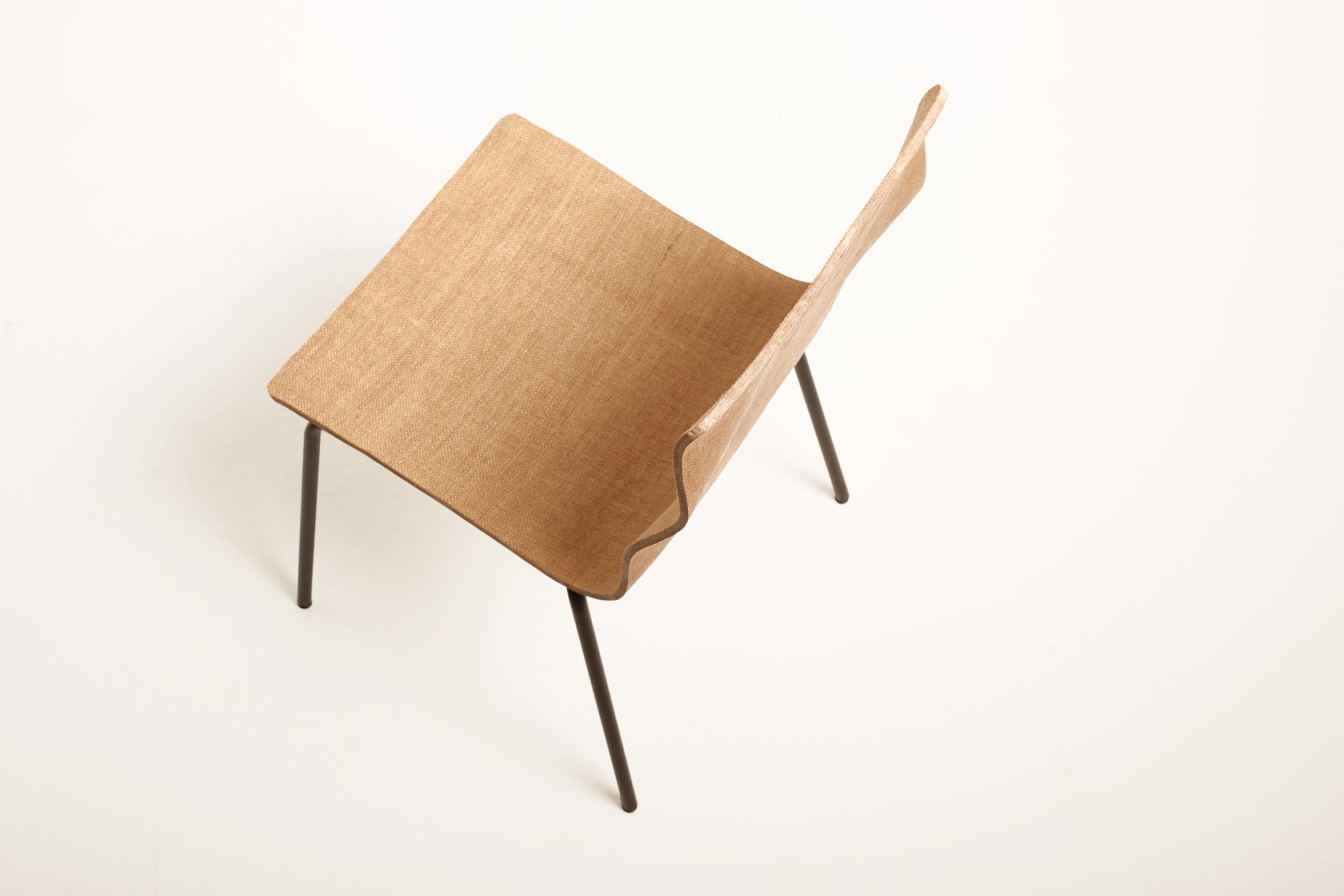
The material development stage was followed by form experiments based on the specific qualities of the material. The prototype that was made at this stage has an emotional effect too since it emphasizes the character of the new material: this is visually rendered by the undulating line running along the side of the chair. The product also meets all the functional requirements, simultaneously exploiting the rigidity and the flexibility of the material.
The concept is the result of many material experiments, where our goal was to develop a chair that emphasizes the mechanical and emotional properties of the bicomposite sheets. The chair's wavy shaped backrest, like a windswept sheet represents the softness of fabric, while the flexibility and rigidity of the shell comes from the same shaping, uniting this double criteria in one shape makes the concept a outstanding.
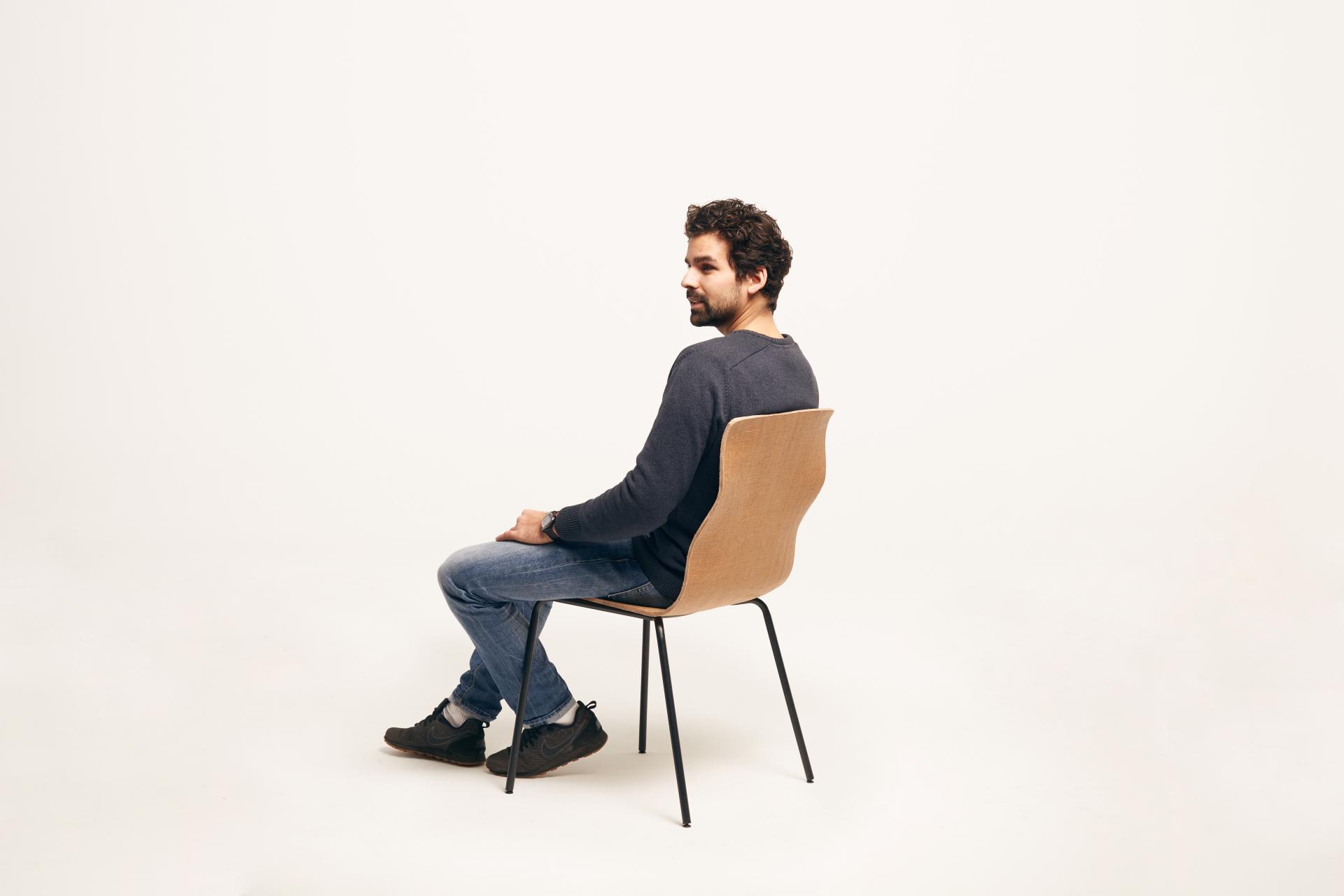
The chairs backrest due to the materials flexibility, results in a gentle rocking, making sitting more dynamic and comfortable. The outside layer of the seats material can be customized, without effecting the manufacturing process and structural properties. This so called „textile touch” layer is a new way of manufacturing upholsterd furniture.
Key objectives for inclusion
While this projects main focus is sustainability, inclusion was also an important aspect when developing Breeze Chair.
Firstly: good (sustainable) design should be available for everyone! Companies a lot of times exploit this value by overpricing their sustainable products. Our aim was to develop manufacturing techniques that result in a fair end price for customers, making design available for a wider range of people.
Secondly: The design-language and the material of the chair is inspired by nature, thus making it free from all cultural and social classification, so everyone can relate to it.
Thirdly: The ergonomics of the the design allows an active sitting that is not only healthier for the spine, but comforts people with ADHD, with it's rocking movement calming the user.
Fourthly: Tactility of the material and the shape of the design was developed concentrating on other senses rather than only visual, making understanding and appreciating the design accessible for people with impaired vision, and also for people in the autistic spectrum.
Results in relation to category
Products of the future have to be sustainable with no question. But can they be sustainable without any compromise? Or can they bring even higher values in other disciplines than regular products? - these were the leading questions regulating our product development, and the answer is yes.
The Breeze chair is a sustainable furniture product, without any compromise in aesthetics, and functionality. Even more the material developed during the design process is not only biodegradable, but gives a higher value in functionality with it's flexible mechanical properties, and also results in higher aesthetic value with it's ability to be able to create shapes that couldn't be made from plywood.
The aspect of the design is also to create awareness and to communicate and promote innovative and sustainable natural materials in terms of aesthetics and product development. Using natural jute fabric for the composite material without coating or hiding it in any way gives the design it's aesthetic value.
How Citizens benefit
Citizens and actually all people benefit from the Breeze Chair project both directly and indirectly. This is the beauty of it. The use of a well designed product results in individual happyness which brings collective well-being in the long term.
The direct benefit is the quality of life regarding ergonomics, comfort, and aesthetics. The Breeze Chair is a well designed chair for all. The flexible rocking backrest and the carefully thought out proportions of the chair result in a comfortable sitting position. While the aesthetics of the chair not only communicates sustainability, but can be a highlighted element of any interior, with it's gentle curves showing a calming sensation.
The indirect benefit comes from reducing the environmental impact of the product, thanks to the use of materials, and the sustainable approach to the products complete lifecycle. All materials of the chair (jute fabric, pla, steel) are natural and can be reused, recycled or biodegraded.
Innovative character
The core of innovation in this project is the material developed with Meshlin Composites PLC. Our focus was to develop a material that can be used in furniture production for multiple purposes. The main criterias were mechanical strength shapeability and flexibility, all to benefit application for a wide range of use.
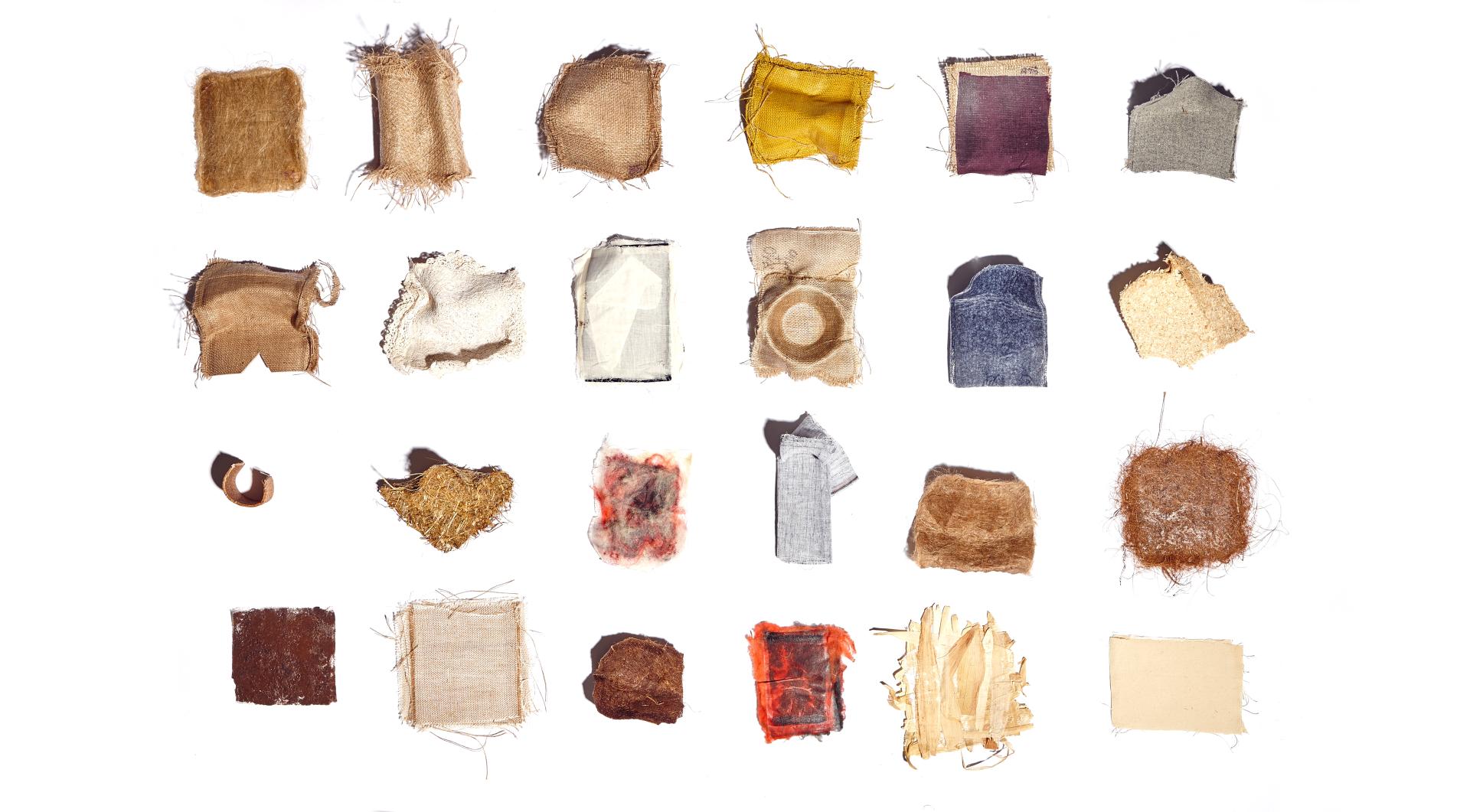
The final material is a result of many experiments with different natural fabrics, and production paramteres. Adjusting heat, pressure and the combination of layers, also the direction of woven fabric was crucial the have an outstanding result.
The concept is the result of many shaping experiments, where our goal was to develop a chair that emphasizes the mechanical and emotional properties of the bicomposite sheets.
The final product the Breeze Chair was developed to demonstrate all characteristics of the material, showcasing it's flexibility and shapeability. The highly flexible spring-like backrest was a surprise for the development team as well. This flexibility is not only the demonstration of the material, but an innovation for dining chairs. The backrest allows a 15-20 degree angle change never seen before in monobody shell chairs.
The designer’s long-term goal is to develop a modular system by combining various seating surfaces, upholsteries, and leg solutions that can be adapted to the widest possible range of uses, which could also serve as the first member of a future product line.