Education for Sustainability
Basic information
Project Title
Full project title
Category
Project Description
Mórahalom is located on the southern border of Hungary. There is a great demand for high-quality education in the native language of Hungary, with hundreds of children leaving every year to study in Hungarian cities, which in the long term breaks up families.
At the same time, the early development of young children born with disabilities is not being addressed in the region, depriving them of the opportunity for a quality adult life. Hungary's largest farmland is located here, and families oft
Project Region
EU Programme or fund
Description of the project
Summary
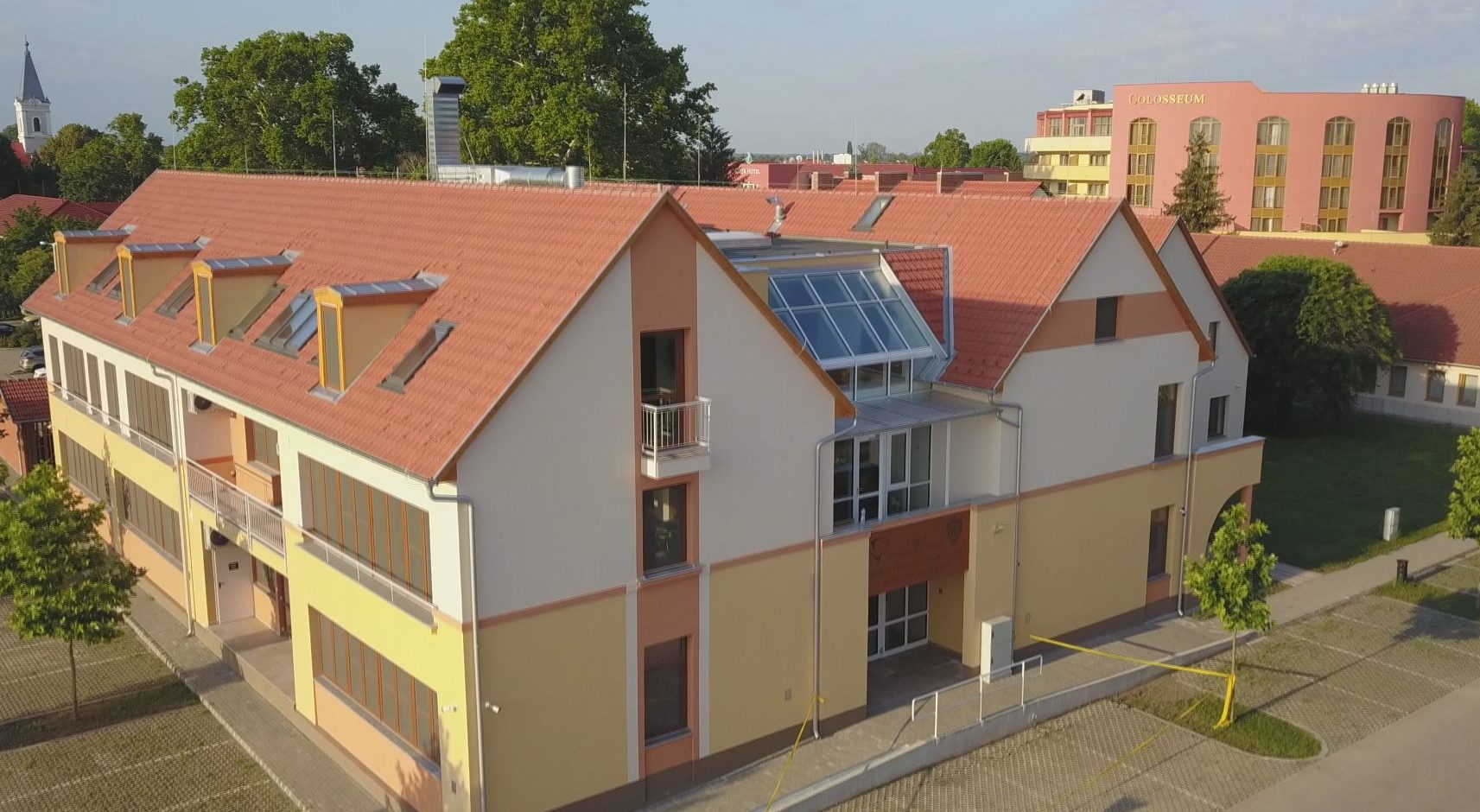
To achieve the school's project goals, a beautiful, modern building was built that blends in with the local landscape and the traditional townscape. The location of Mórahalom gives it a special advantage. The number of sunshine hours per year is 2050. The town lies geologically above a high-temperature thermal wetland. The town, therefore, has the conditions for a low-carbon school. The dormitory attached to the school is powered by solar panels. There are also plans to install solar panels on the school building. The heating system of the school is suitable for geothermal energy. The first steps have been taken to implement this. Together, this will soon mean that the entire heating, hot water and electricity for the building will be supplied from renewable energy sources.
The school, like all institutions in our city, has a separate waste collection system. Special care is taken to promote sustainability in all aspects of life, for example, the sensible, economical and environmentally friendly use of hygiene materials (hand towels, soaps, detergents) is taught to everyone in the institution. In this way, the principle of sustainability is not only implemented in the school but also passed on to the next generation of students.
A garden will be planted in the green areas around the school to supply the school canteen. We also plan to grow vegetables in the school garden. This will serve two purposes: to reduce the need to transport spices and vegetables from further afield. On the other hand, to teach students about the benefits of organic farming.
Our school has its bicycles. Our staff and students are inspired daily to use environmentally friendly and healthy transport.
One of the key goals of our education programme is to make sustainability a natural part of our daily routine.
Key objectives for sustainability
We believe it is important that in today's world, education should take place in a place that radiates calm, harmony and balance.
The style of the school, the building's forms and the design are typical of the traditional so-called "sunshine houses" of the Southern Great Plain. The predominant earth tones of the building are in harmony with the traditions of the Sandhills. The colours and materials used in the furnishings meet the comfort and health requirements of the modern age and draw on the love of nature of the people of the Southern Great Plain.
The school grounds are sunlit, with large expanses of glass replacing the walls on the top floor to create a connection with the outside. The local people, traditionally engaged in farming and grazing, are constantly outdoors, and this design creates a parallel. The aesthetics of the building and its harmony with its surroundings were key design consideration.
A harmonious, aesthetic environment is an ongoing educational and inspirational force. We are a vocational school, but our art education, integrated into vocational subjects, is aimed at enabling young people to enjoy and take pleasure in works of art. It is through aesthetics and art that a child's personality traits such as creativity and good taste are formed, but it is also the cradle for the development of all positive moral qualities. It is important for young people to enjoy reading a good novel, reciting poetry, admiring sculptures, drawings, paintings, music, plays and films. An important key to this is good reading comprehension. This is a priority area in our professional programme and is achieved through regular weekly sessions. We also organise film clubs, theatre visits and recitation competitions. We take young people to exhibitions and concerts. We develop their creative skills through craft activities.
Key objectives for aesthetics and quality
Due to the special situation of Hungary, many young Hungarian-speaking people living in the border areas have little or no access to secondary education in their mother tongue. Young people from many impoverished small settlements are sent to the mother country to study. The traditionalist environment we have here does not detach young people from the rural way of life. The school takes care of its vocational programme to help young people improve their mother tongue skills and also provides opportunities to learn Serbian.
The proportion of foreign students in integrated education is around 50%.
There are many young people with special educational needs among teenagers who, because of their problems, can only get a job with special support. We provide integrated education for these pupils and the building is fully accessible. At school, they are supported in their individual development by psychologists and special needs teachers. Our professionals also provide other educators with help and professional support in working with young people with disabilities and learning difficulties, through regular consultations and case conferences. We also teach teenage students to be inclusive.
A key idea in our philosophy is Carl Rogers' person-centred model of education, based on unconditional acceptance. Individual differentiation is of utmost importance, maximising the individual needs of each child, made possible through the collaboration of educators and the creation of an inclusive environment. It is essential that inclusion does not only mean learning together between the disabled and the able-bodied or between the native and the cross-border, but also full inclusion and optimal development of the children in the school community.
Key objectives for inclusion
The school was built in 2018. and 37 students started their first year of education. This school year we reached 300 students. Since 2019, adults have also been studying at the school. In spring 2021, we will be sending out our first graduates, 64 in total. A large proportion of both day pupils and adults were from abroad and both age groups had special educational needs. The drop-out rate during the training was minimal, below 5%, which is very low for a starting school with an inclusive approach.
As a vocational school, one of the main criteria for success in our training and teaching is that our students get a job or a suitable further education after passing their exams. We also support a successful start in life through career guidance. The majority of our students either stay in school for further preparation, obtain a school-leaving certificate or go straight into work. A few days ago, at the end of May 2021, the vocational exams took place, so we are still working on the fate of some young people who are looking for a job, but we hope that they will be successful in their careers. Many of the graduates have returned to Serbia equipped with professional knowledge and have found or are looking for work in their home country.
We believe that the longer-term results of our serious professional preparation and educational policies will be seen later. In the medium term, we are seeing that young people who have just graduated from our school are being sought and hired by employers. We are confident that, in addition to the professional skills they acquire, the positive moral qualities they develop will be strengthened. Returning home after completing their studies clearly shows that the work of educators, based on and actively transmitting social traditions, has made students sensitive to the values of the place.
Results in relation to category
The school was built in 2018. and 37 students started their first year of education. This school year we reached 300 students. Since 2019, adults have also been studying at the school. In spring 2021, we will be sending out our first graduates, 64 in total. A large proportion of both day pupils and adults were from abroad and both age groups had special educational needs. The drop-out rate during the training was minimal, below 5%, which is very low for a starting school with an inclusive approach.
As a vocational school, one of the main criteria for success in our training and teaching is that our students get a job or a suitable further education after passing their exams. We also support a successful start in life through career guidance. The majority of our students either stay in school for further preparation, obtain a school-leaving certificate or go straight into work. A few days ago, at the end of May 2021, the vocational exams took place, so we are still working on the fate of some young people who are looking for a job, but we hope that they will be successful in their careers. Many of the graduates have returned to Serbia equipped with professional knowledge and have found or are looking for work in their home country.
We believe that the longer-term results of our serious professional preparation and educational policies will be seen later. In the medium term, we are seeing that young people who have just graduated from our school are being sought and hired by employers. We are confident that, in addition to the professional skills they acquire, the positive moral qualities they develop will be strengthened. Returning home after completing their studies clearly shows that the work of educators, based on and actively transmitting social traditions, has made students sensitive to the values of the place.
How Citizens benefit
From the very beginning, the school's teachers and educators have been at the centre of attention.
In 2019, a foundation was set up to support school work, students and teachers. The Foundation organises creative fundraising events for the school. One such event is the Foundation Ball, which donates a significant part of its proceeds to specific school causes. The ball is also an opportunity to strengthen cohesion between the school's students, parents and the town. Building and strengthening relationships is key to the integration of the institution. The Foundation also supports the school's work by submitting proposals and implementing projects. One such project is financial education for pupils. Young people from disadvantaged communities and from across the border are financially illiterate. They find it difficult to navigate the banking system, credit and savings and have to learn to manage their finances. Through its financial education project, the Foundation provides important support to students.
Parents of pupils attending the school have set up a parents' association. The members of the parents' organisation are involved in the running of the school through their strong and constructive opinions and activities. They comment on the school's professional programme, participate in the organisation of events and support the school's enrolment process.
The success of the life of a municipality depends to a large extent on its institutions. Families are no longer primarily determined by the geographical location of the workplace, as much can be done remotely. However, the presence of a doctor's surgery, a kindergarten, a school, a secondary school, etc. in a settlement is an important factor. In this sense, a successfully functioning, inclusive and innovative school, integrated into its environment, can have an impact on the life and development of the whole municipality.
Innovative character
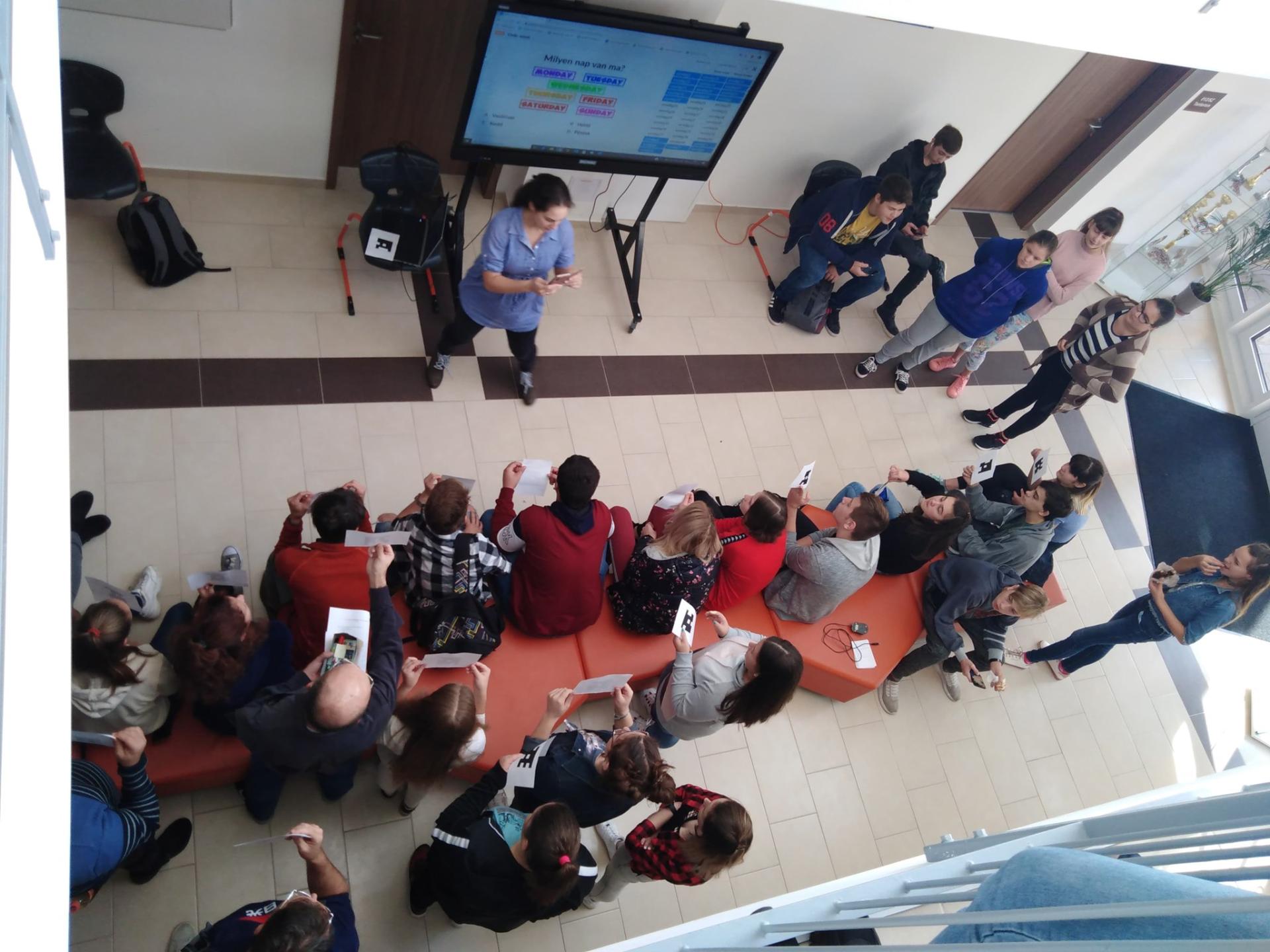
The János Tóth Vocational School is an innovation in itself, as there are no other secondary schools in the municipality and the sub-region. Its educational methodology is based on tradition, yet it has a new approach and uses tools that offer opportunities for young people from the local area and beyond. Its daily practice of inclusive, person-centred work also provides opportunities for young people who are lagging.
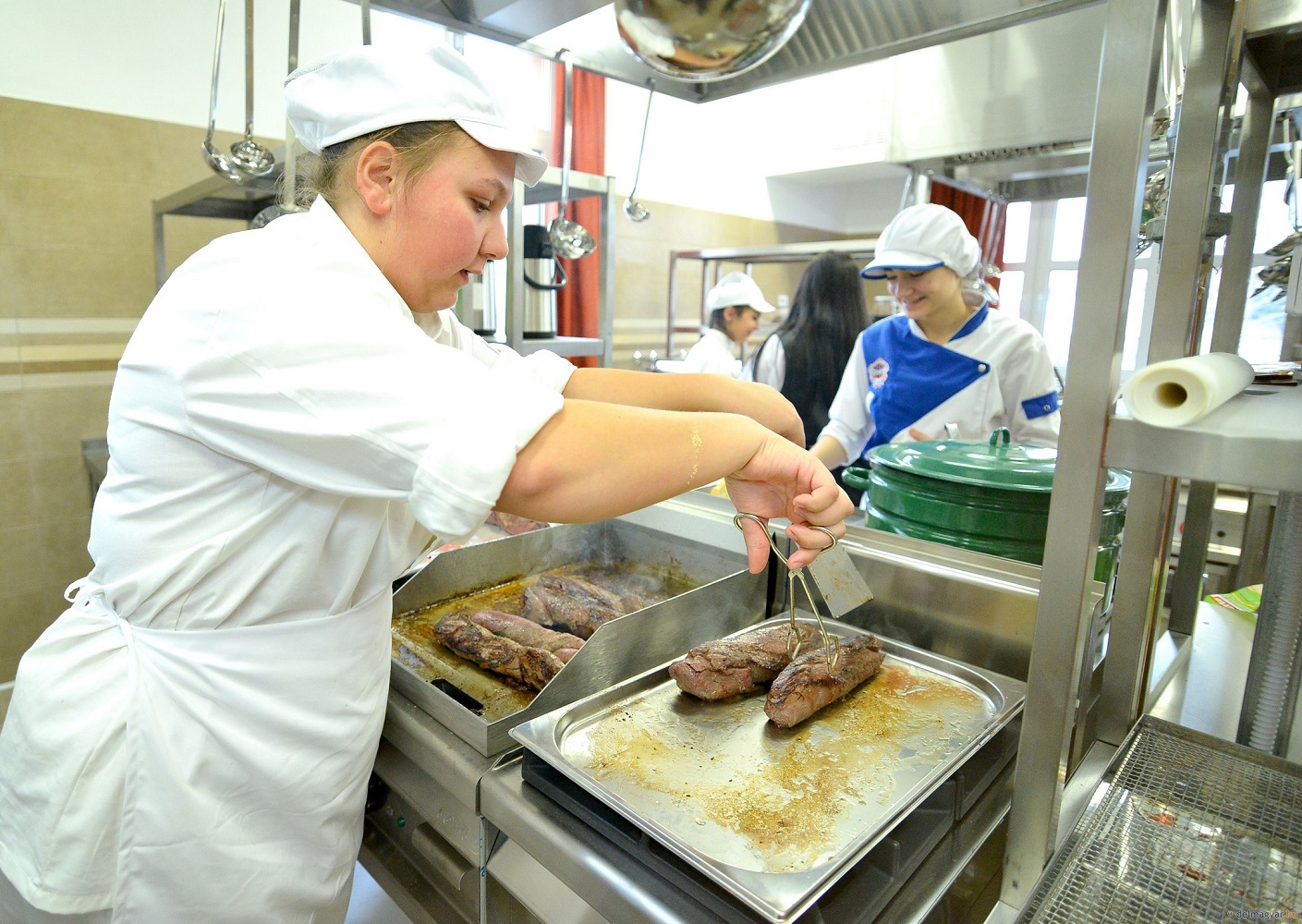
The school's teaching methodology is characterised by a dual training approach. We have developed several collaborative partnerships. We are a Microsoft Innovative School. We are a member of the Oracle Academy, Cisco Academy, we cooperate with the University of Szeged, the Technical College of Subotica. Our partners include the Auchan supermarket chain, Accent Hotel. Our activities regularly appear as national good practice, such as the online career guidance free room, our European good practice "Eco Go" financial awareness game.
Although small and new, Mórahalmi Vocational School has gained a reputation for its activity and its role in community programmes. In 2020, we were the most active institution in Europe during the European Vocational Training Week, with the most programmes undertaken and implemented.
The school's management is going from strength to strength after three years of operation. We are constantly working on shaping the school's vision, expanding the scope of its activities, finding financial resources and using them effectively. Our aim is to provide our pupils with the best possible added value.
A year ago, we started working on a professional document that will systematise and transform our concrete innovations in the fields of sustainability, environmental awareness, inclusion, aesthetic education and digitalisation into an educational programme. This document will be ready by 31 August 2021 and will serve as a basis for our work in the near future, as a starting point for further innovations.