Cork toys
Basic information
Project Title
Full project title
Category
Project Description
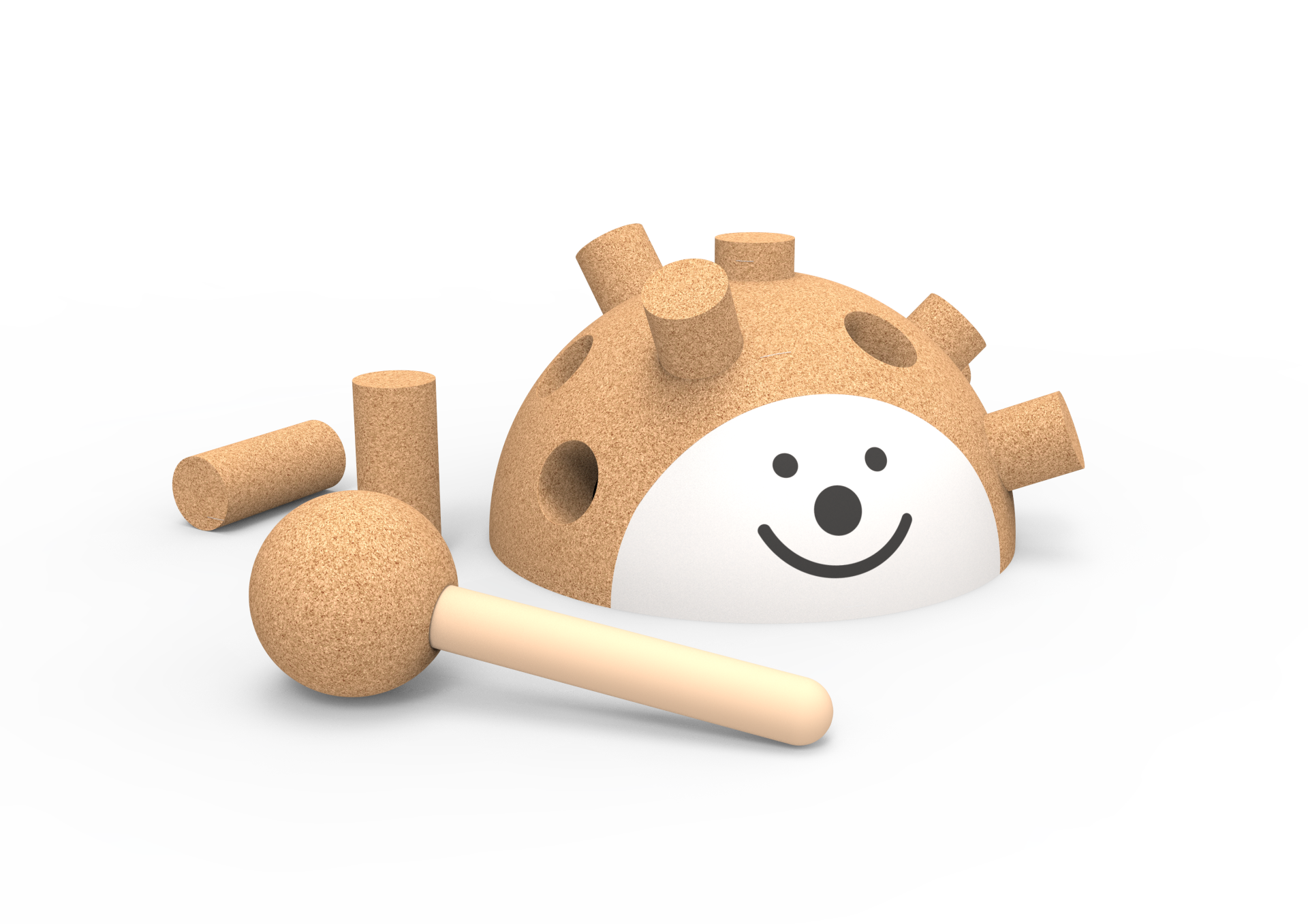
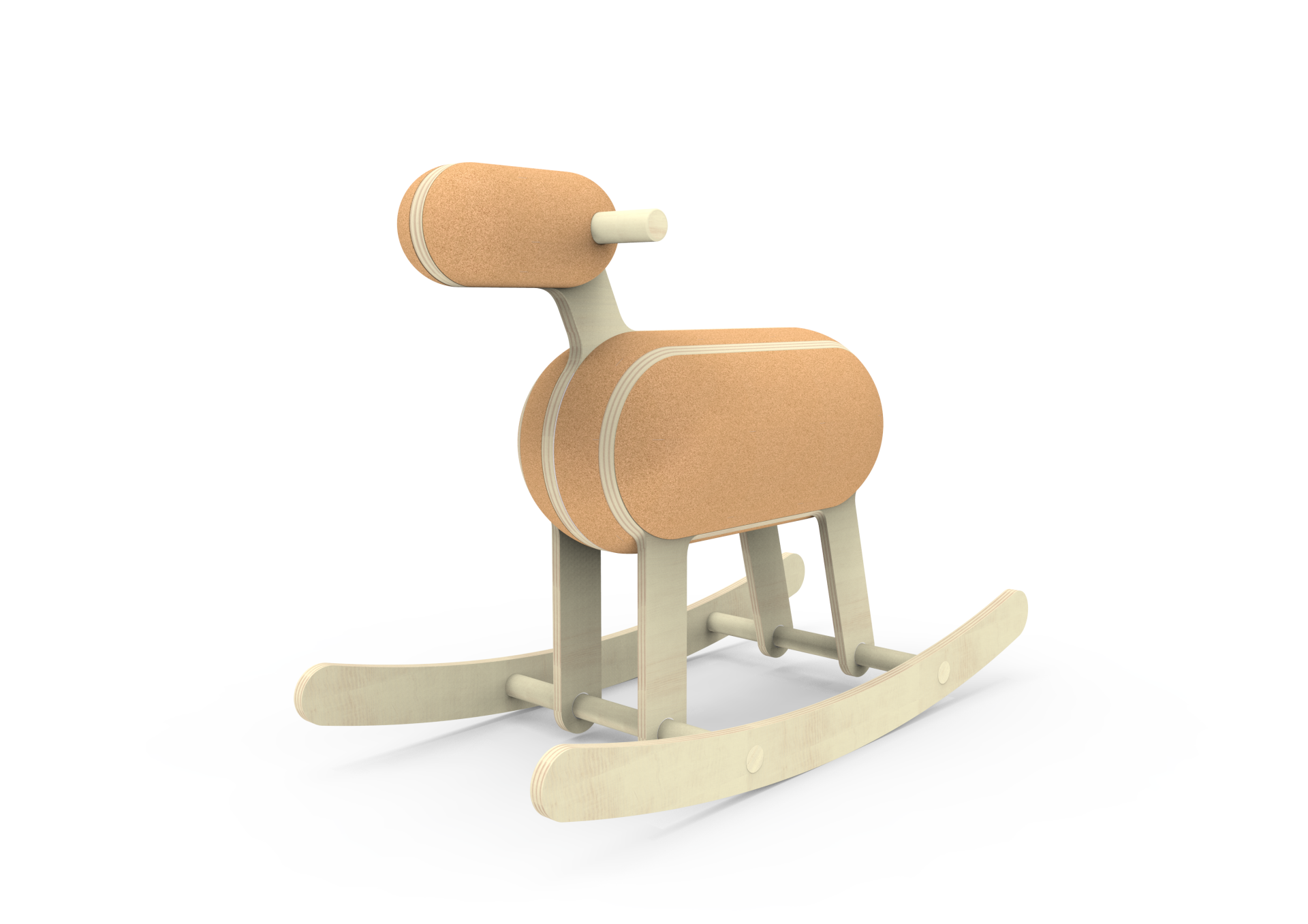
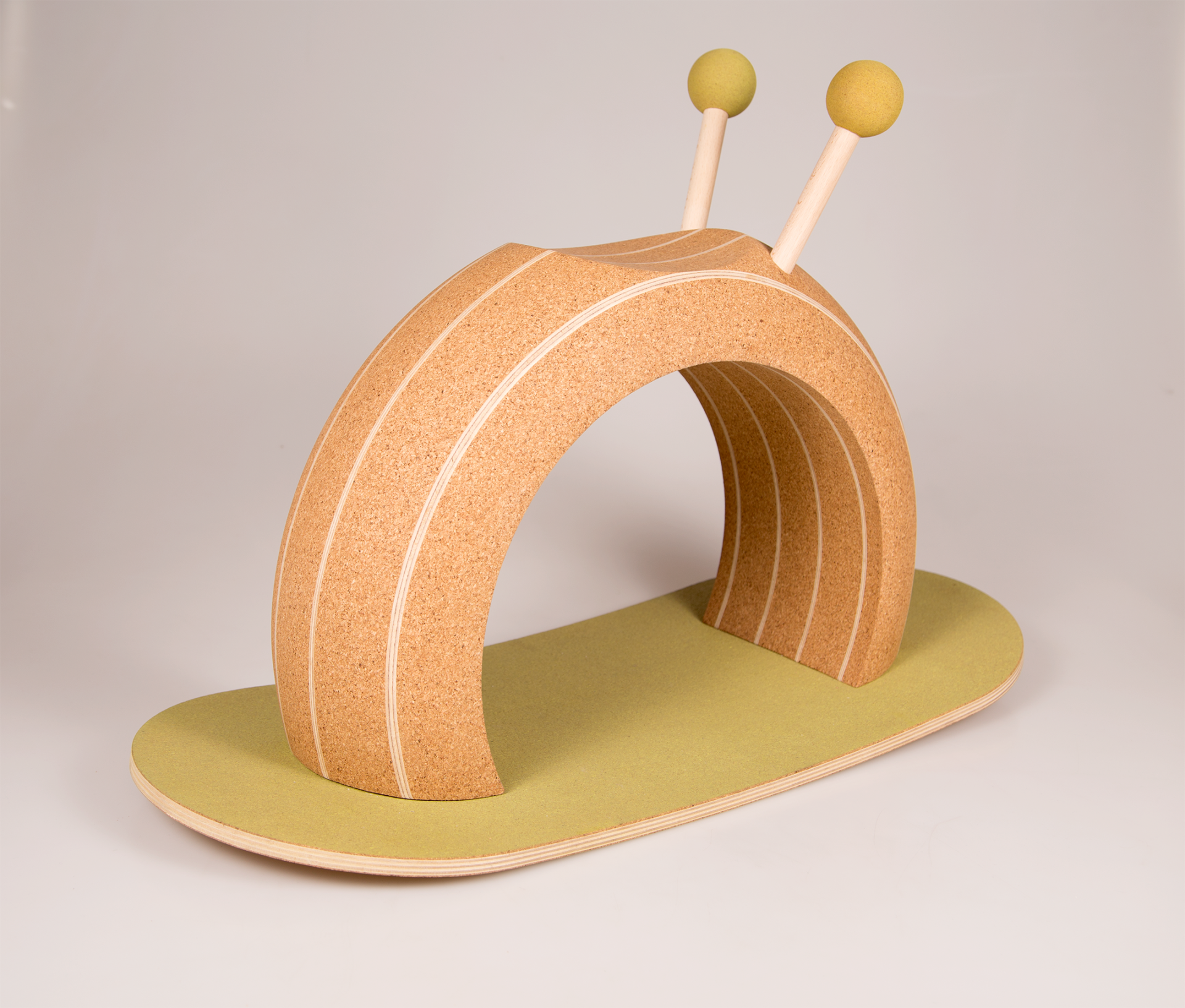
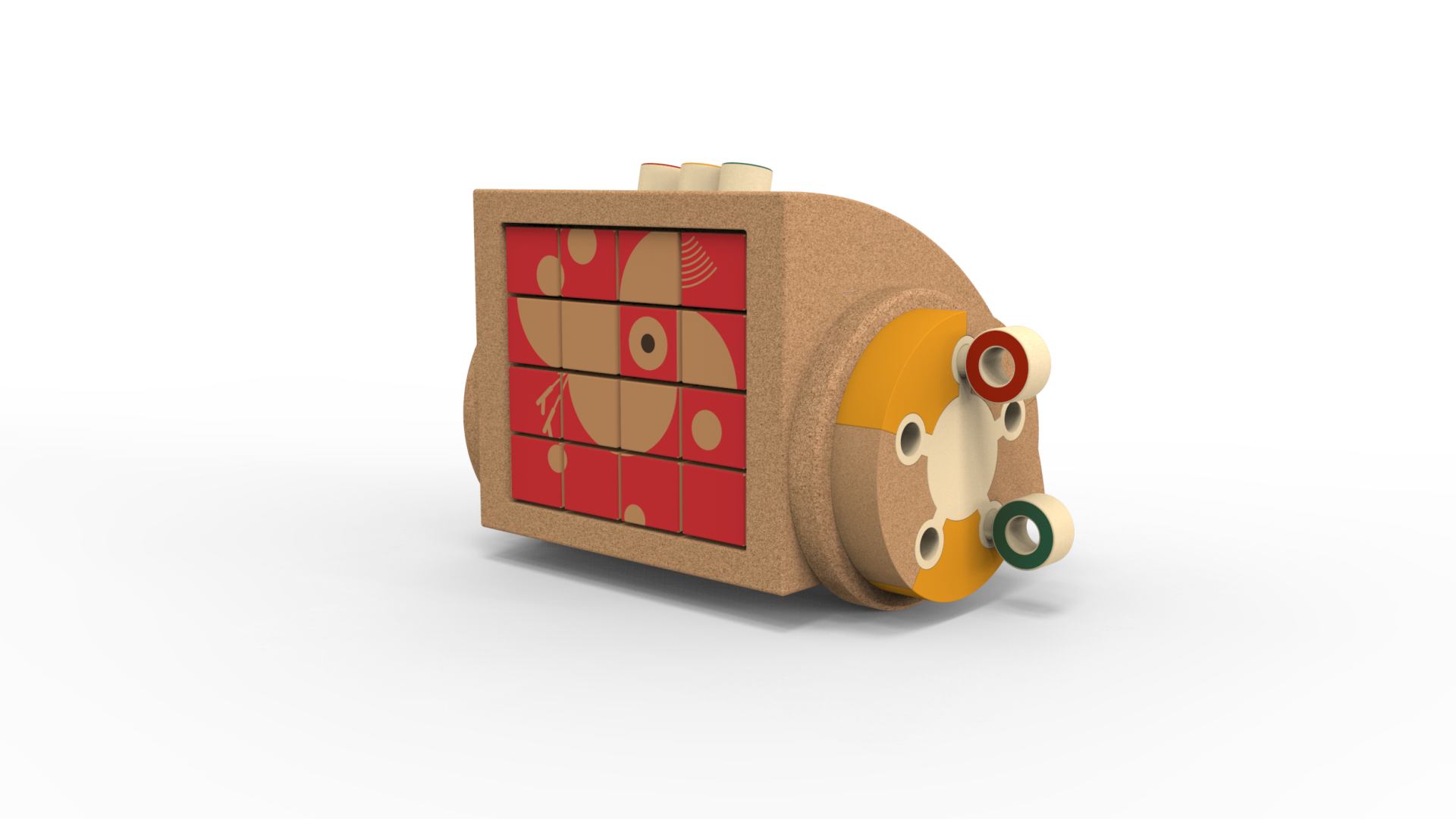
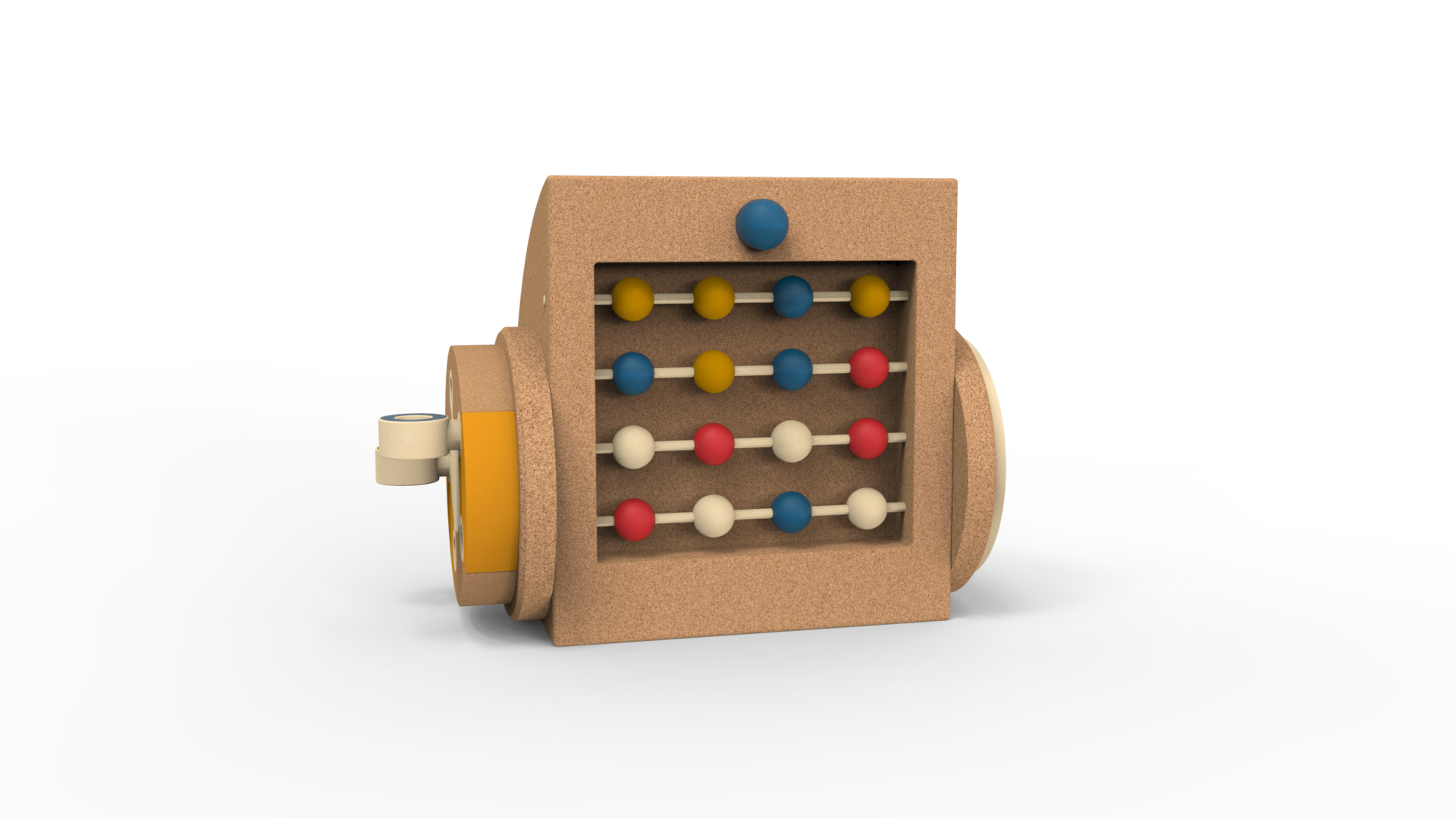
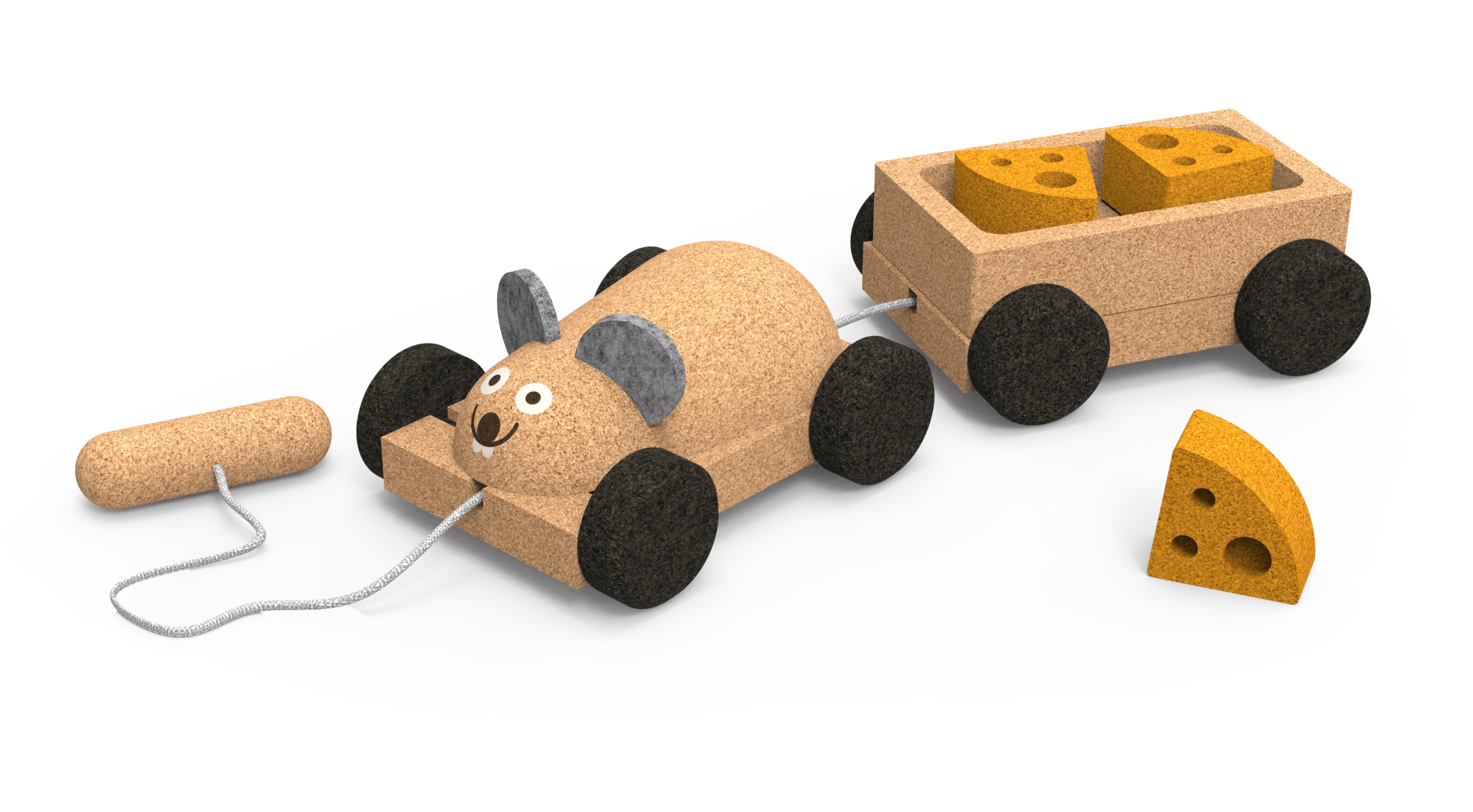
Technology, computing and programming have invaded the current toy offer, making it sometimes a very complex object, both in manufacturing and assembling and in the act of playing. Elou® is a collection of cork toys that aims to stimulate the child’s imagination through objects and little figurative or even abstract illustrations to imagine different worlds with the same object. These are very simple experiences that is explored within the Elou toys.
Project Region
EU Programme or fund
Description of the project
Summary
cPlay under its two essential forms of sensory-motor exercise and symbolism, is an assimilation of the real to its own activity, providing it with its necessary food and transforming the real according to its multiple needs. That is why active methods of educating children require everyone to provide children with a convenient material so that, by playing they come to assimilate the intellectual realities that, without it, remain external to children's intelligence. Innovative technologies are embraced by children in a natural and spontaneous way. However, today's children still need the same primary needs as those of past centuries and their healthy development still involves running, jumping, manipulating objects, stimulating the senses and socializing. Technology, computing and programming have invaded the current toy offer, making it sometimes a very complex object, both in manufacturing and assembling and in the act of playing. However, a simple piece of wood can be used as a horse for running or a sock for a puppet. These are very simple experiences that has been explored within the Elou toys. The design approach was based on contemporary classic toys and children’s play, finding a balance between technology and spontaneity, imagination and creativity.
The project was developed with the collaboration of local cork manufacturing companies through an innovative and competitive manufacturing process of cork transformation (thermoforming), adding value to the products and also to the brand. Although this process is not new, its application to cork is recent and it is still in an improvement stage, in which the mixture for each product requires adaptation of mechanical and chemical requirements. However, it has already acquired sufficiently satisfactory characteristics (proven with toys in the market) to make an investment in tools for industrial production.
Key objectives for sustainability
The toys were developed considering innovation and sustainability principles, these last ones based on four values:
Cultural - Cork harvesting and transformation activities are deeply rooted in Portuguese tradition. So, by bringing a whole new approach to the industry, it is an objective to value Portugal, the raw material itself and the whole surrounding culture;
Social - To promote equality of opportunities to all individuals, the manufacturer (https://www.eloucork.com) offers resort to institutions dedicated to support social inclusion of people with motor and cognitive disabilities;
Economic – the company offer intends to promote the growth and recognition of the cork supply chain and is mainly sustained in the primary and secondary economic sectors, contributing to economic development;
Environmental - By proposing a 100% natural and recyclable offer, it is intended to minimize our ecological footprint and grant children an early touch with nature.
Key objectives for aesthetics and quality
An investigation on the mechanisms of how children acquire knowledge in the first years of life is essential for the conception of any toy, because “play is our brain’s favorite way of learning”. The key objective was to use cork as the main material for the development of a collection of toys that would have the characteristics to transmit purity and simplicity. The brand (Elou) would have to transmit a uniform and coherent language to establish memories through the toy designed and should also convey the feeling that space is respected, not promoting all the valences just at once without saturating the look. The aesthetics of the toys was designed to essentially stimulate the playing to help the child to develop fundamental elements of their personality through learning and testing situations, organizing their emotions, processing information and building autonomous actions.
Key objectives for inclusion
The toy must be an element of inclusiveness - it must allow for an inclusive education, it must be a vehicle to integrate and cover everyone without exception. The nobility and principles of inclusiveness must be passed on to children from an early age and the characteristics of the toys can help to bring children together from different social strata, different races and with different characteristics such as the autism spectrum disorder or with special educational needs. The Elou toys have differentiating characteristics through the formal and material language that is not pedagogically exclusive. These are products that contribute to a sustainable, attractive and inclusive lifestyle for children. To promote equality of opportunities to all individuals, the company (https://www.eloucork.com) who manufactures the toys offers resort to institutions dedicated to support social inclusion of people with motor and cognitive disabilities.
Results in relation to category
Children's learning is done through playing and the developed toy collection allows for playful, spontaneous and natural learning, of an exploratory nature. Through play, the child expresses his fantasies, his desires and his real experiences in a symbolic way, where imagination and creativity flow due to the playfulness that these toys allow. In this sense, Elou toys are tools that have impact and contribute to the child's body, affective and cognitive formation through playful characteristics, it becomes more attractive and efficient in their development, stimulating their personality and intelligence. Unfortunately, due to the actual pandemic situation, it was not possible to collect information regarding the results/impact of the project.
How Citizens benefit
Citizens, particularly parents and educators of children, benefit from the project because the developed toys have interesting pedagogical characteristics that can have a significant impact on the child's development. Civil society may be directly and indirectly affected by the results of the project. However, it was not possible to assess this impact because the pandemic situation in which we live has prevented this study from being carried out. As soon as conditions permit, the project team will carry out the study.
Innovative character
The innovative character of the project is related to the main material used – cork. Cork (100% natural and 100% Portuguese) is the main material used to manufacture the toys and the design process was developed considering inherent design constraints present by this type of material. Cork is a very light natural material obtained from the outer layer of a cork oak. It is a hypoallergenic material, compatible with all stages of child development, whose main attributes are its soft texture, lightness and shock resistance and absorption properties. Five characteristics have been addressed for the toy’s collection: the cube (which later covered basic geometric figures), building blocks, balance toys, stacking toys and free play toys (it was considered at the time the rug and gymnasium, later associating others that fit the same philosophy). These characteristics supported the creation of different product branches, combining concepts of:
1 - Movement: toys should encourage the child to move;
2 - Learning: toys are created in a free play perspective, including a pedagogical and learning character;
3 - Creativity: interconnected with free play and must be intuitively developed;
4 - Touch: cork is the material that stimulates the touch, with the possibility of applying different textures, in addition with other materials such as wood and natural rubber;
5 - Safety: all toys must meet European standards.
Experimental models made with paper, cork, wood and polystyrene were used for visual and physical analysis. The objective was to understand how the geometric dimensions and related proportions, colors, textures and illustrations were suitability for the child and for the feasibility of building and operating the toy. The elou® toys brings a new approach to design with cork as a theoretical-practical discipline that does not refuse poetic suggestions, and combines physical-chemical characteristics of the material with sensorial and aesthetic characteristics.