TANKTURM
Basic information
Project Title
Full project title
Category
Project Description
The TANKTURM stands for the preservation, renewal and realignment of architectural heritage for contemporary culture, art and society:
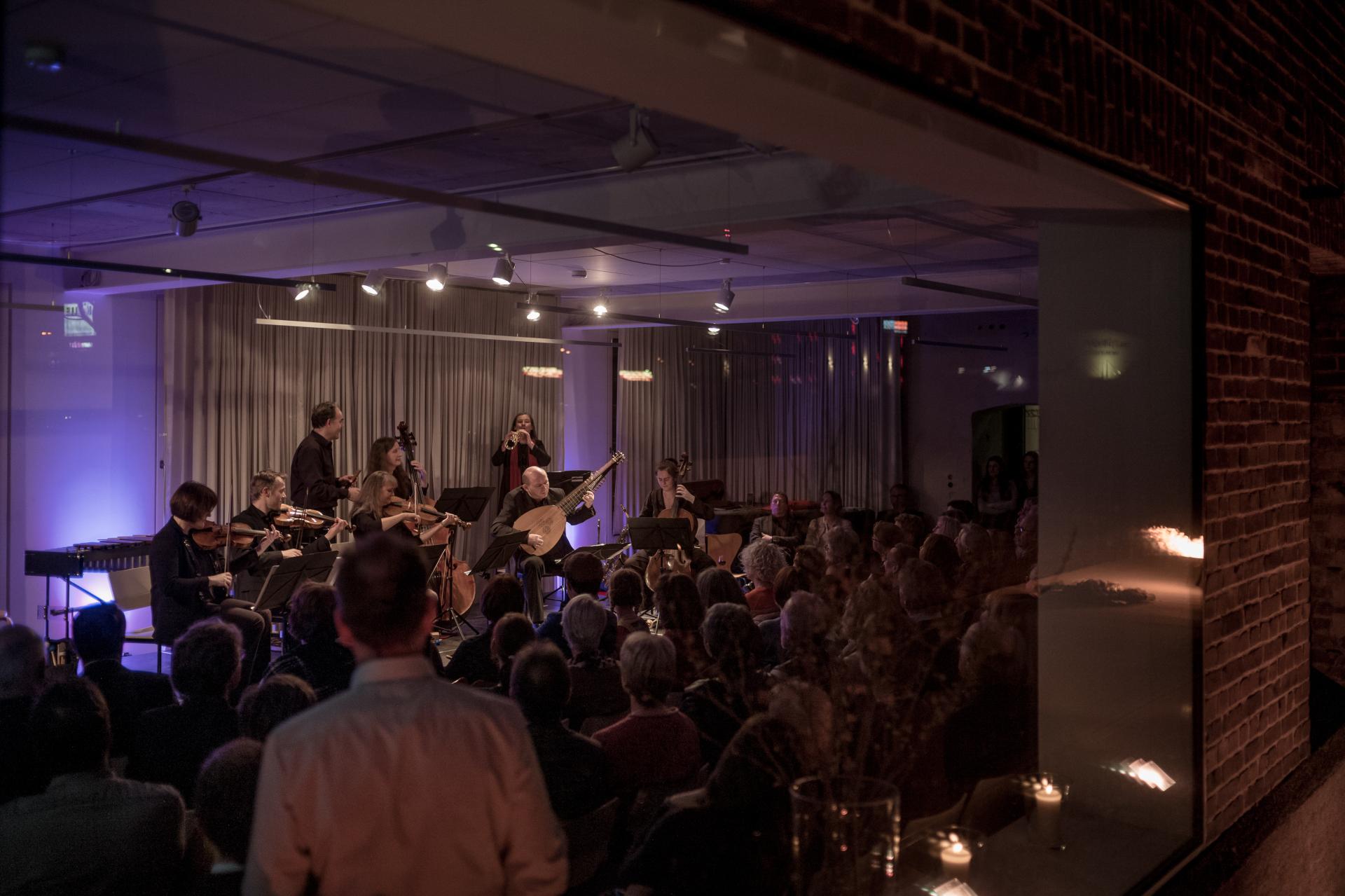
A popular office- and event-center was developed from an abandoned industrial monument, which gives an authentic and inviting new impetus to an emerging district of Heidelberg.
The pioneering, low-tech approach to the historical building fabric is exemplary for many such threatened buildings and offers diverse approaches for the community.
Project Region
EU Programme or fund
Description of the project
Summary
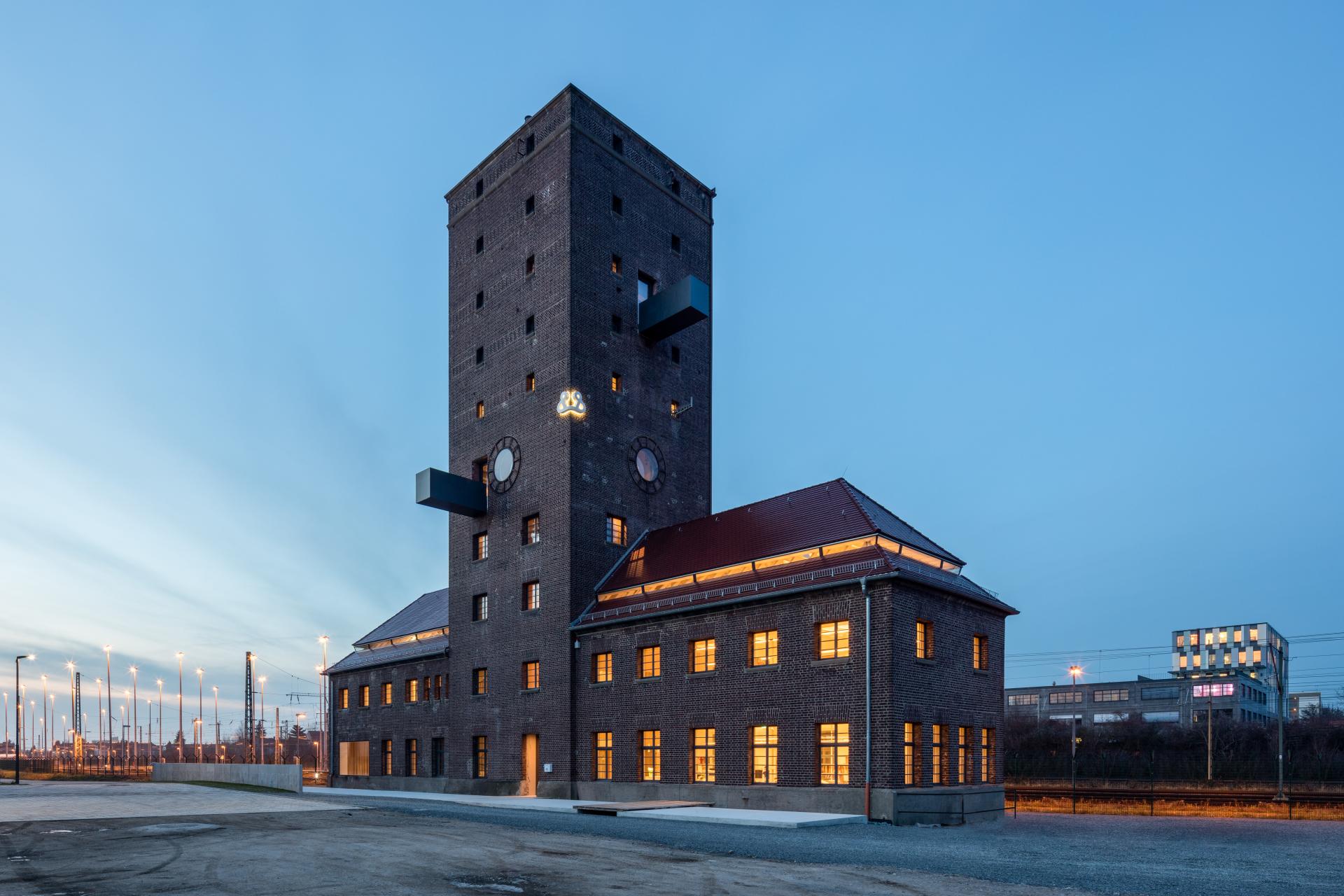
The historic, listed former railway-water-tower offers a unique spatial quality and special rooms, which were taken up during the renovation and further developed, so that the building could be relived as the new “TANKTURM”.
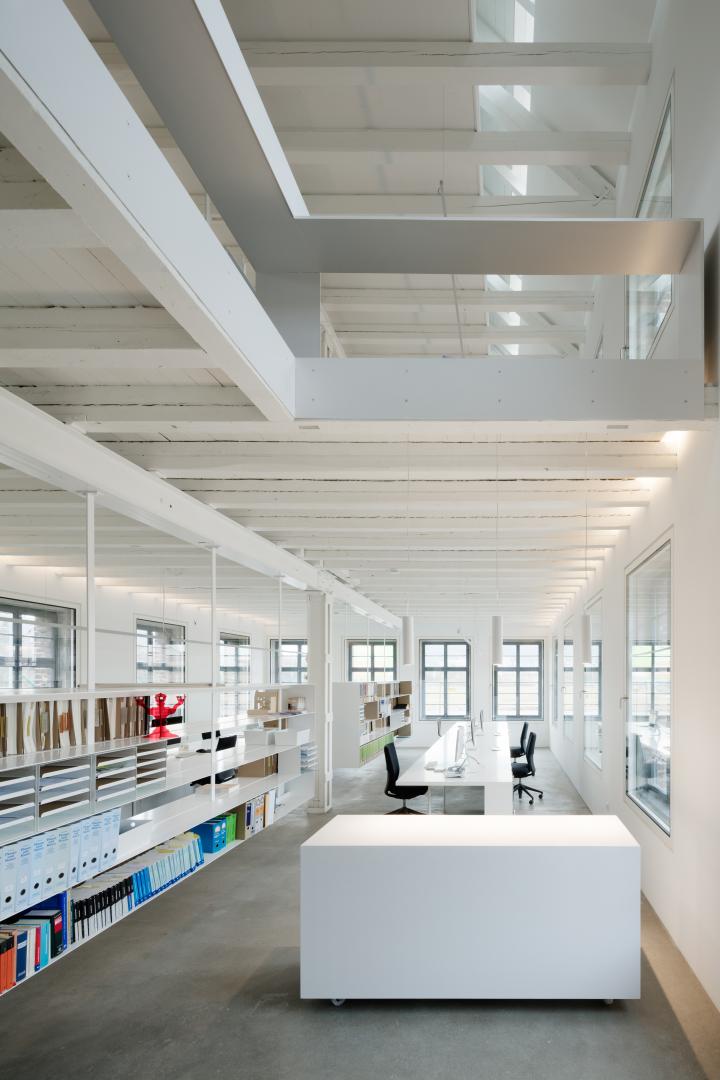
The ground floor and first floor of the former training workshop were converted into offices and event rooms.The two roof storeys were not in use and converted into office rooms with the suitable ribbon windows.
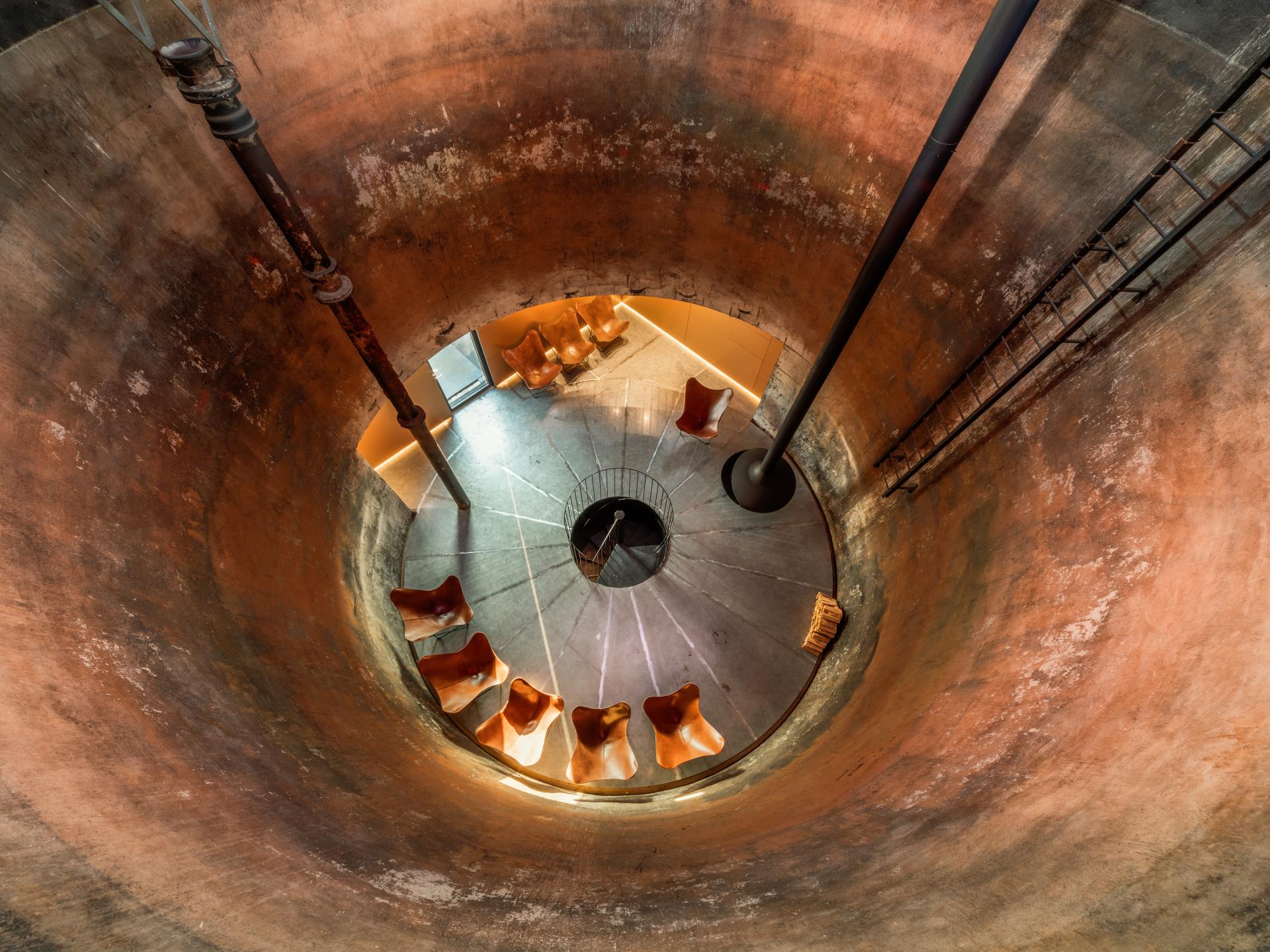
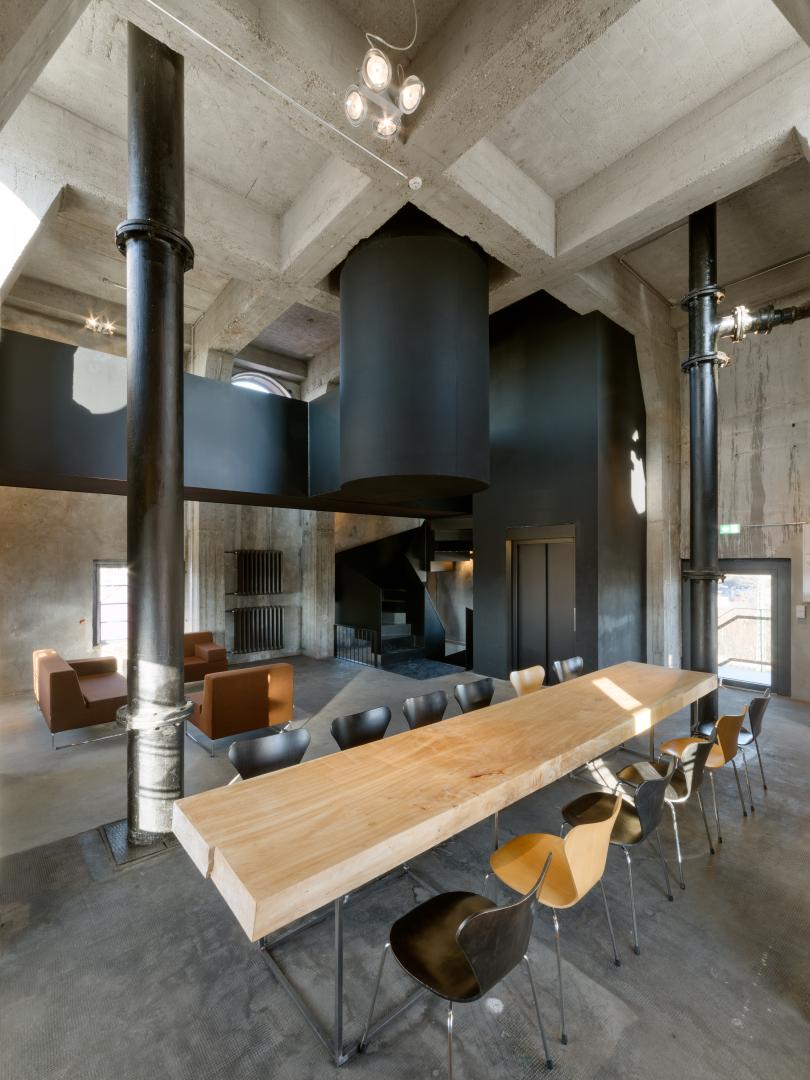
The 3 tower levels are particularly characteristic rooms that have been upgraded with just a few interventions in terms of structural engineering and fire protection law, so that they have become very special event- and seminar-rooms, in which the sculptural stair- and corridor-components play a formative role as a contemporary ingredient (tank, cathedral and the arched level in between). Especially the two cantilevered emergency-balconies strengthen the emerging role of a citywide landmark.
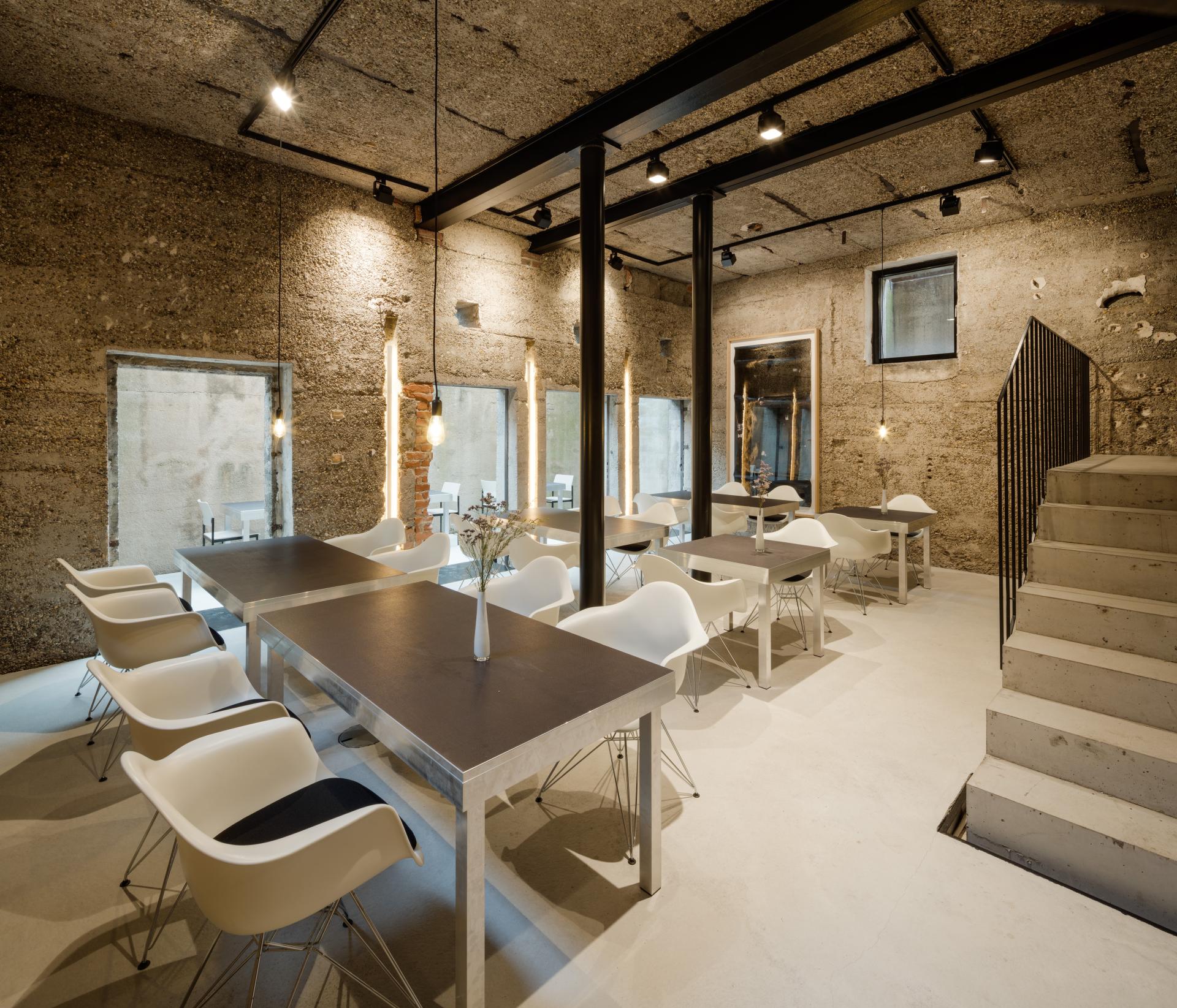
In the basement, the former transformer station and heating center became an authentic trend location and canteen for employees and guests (one of the best in Germany 2021).
It is particularly important to treat the historical materials and surfaces with respect, some of which have been exposed and strengthened and which contribute significantly to the attractive and sensual character of the entire building from 1927.
The combination of the historical materials with the cautiously but precisely used complementary contemporary fixtures made of concrete and steel enrich the overall impression, which is also continued in the outdoor facilities and furnishings.
Key objectives for sustainability
The listed building was renovated to the extent that both monument protection and sustainability can be met. Few new building materials were used, and special attention was paid to recycled or recyclable materials. Insulation from the outside is not possible due to the preservation of the exposed masonry. For this reason, the historical components that were shaped by the construction were not insulated, but the grooved windows in the tower were improved with appropriate, listed insulating glass panes so that the historical appearance is not disturbed.
The walls on the two storeys of the side wings were given internal insulation as a dry construction shell and new, large-format windows, which are invisible from the outside and provide a thermal barrier and allow a view of history from the inside with unchanged wall surfaces and the original windows.
The roofs were built with cellulose between and above-rafter insulation, so that a very sustainable insulation thickness was achieved with an ecological recycled building material without disturbing the historical appearance.
Complex technical systems were dispensed with, only the large hall was equipped with a ventilation system with peak load cooling and heat recovery.
The heat supply through the local district heating with very good efficiency values rounds off the energetic concept optimally.
In addition, the tower is an important nesting site for listed kestrels and the created open spaces are home to protected lizards and insects.
Key objectives for aesthetics and quality
The main goal in the renovation of the Tankturm was the restoration and perception of the genius loci of an industrial monument from 1927 with its spatial and material qualities. The ability to experience these qualities for visitors and users of the house in their everyday life is particularly important to us. Therefore, the original substance always had the higher priority, exposing it and making it visible was the first step. Furthermore, the spatial organization should be preserved and strengthened and made tangible through the additions.
What was special here was the staging of the vertical development, which is an essential part of a tower. We succeeded in integrating this into the existing building without causing major interventions and losses by concentrating on a central, small elevator that travels through the various phases of the tower's construction history as if in a time-shift journey.
The additional stairs are placed in the historical rooms as uncovered black steel stairs like sculptures and strengthen the spatial richness of the existing building through the subtle contrast.
The characteristics of a workshop were also in the foreground when designing the interior fittings and furniture: Suspended shelves made of steel, joint plates with lighting, new metal frame doors at the ends, surface mounting of the electrical installation, restrained colors that relate to the material colors of the existing building.
Rusty steel and exposed concrete and graying wood were used in the outdoor area and create a harmonious overall impression that underlines the industrial heritage.
Key objectives for inclusion
For an office building, but especially for an event venue, barrier-free access is essential.
For this reason, all floors except for one floor were made barrier-free and handicapped accessible, only the tank and parts of the basement are not accessible by the elevator due to structural and monumental framework conditions.
All doors within the monument are free of thresholds, the main entrance is equipped with a motorized door. All users of the house use the same access elements, so that no exclusion or special treatment is required and therefore the essential requirement of independence has been met. Appropriate sanitary facilities and outdoor facilities are also available.
Results in relation to category
The decisive factor for the preservation of a monument like the TANKTURM is its use or reuse; this is the only way to ensure long-term preservation of its substance.
Strengthening the flexibility of use and attractiveness in particular ultimately serves to protect and preserve the monument.
Here, the comprehensibility and appropriateness by its users is important, because they ensure that such a building as the tank tower is animated and preserved and has a permanent place in the collective memory of urban society.
That is why its use is so important, on the one hand, as an everyday place of work and, on the other hand, as a venue for events and culture, because it gives it its raison d'etre every day and is integrated into everyday life.
In the implementation, the authentic and genuine play a decisive role in the materialization, because this is understandable and accepted for different user groups, cultures and generations. The experience that we have had with all visitors to the house for 6 years confirms this approach, which is why both the respectful handling of the existing building and the resolute contemporary addition without historicizing imitations are decisive. The historicity that can be experienced as a result makes it credible and interesting.
How Citizens benefit
During the project development, the municipality attached great importance to the creation of a “public” place at this point in the new district. Particularly in connection with the monument as one of the few historical buildings there, a place where citizens can identify with their district should be achieved. This subsequently turned out to be very important, as the tangible story represents a connecting element for different generations and sections of the population. In addition, business people and artists, seminar guests and musicians, architects and personnel developers, politicians and citizens meet in the TANKTURM to work and perform there, which cannot be overestimated based on current experience.
Innovative character
Contrary to the previous developments of cumulating the requirements more and more, with the TANKTURM we have managed to reduce this excessive demand, especially of a 90-year-old monument, by consistently questioning whether all requirements are absolutely necessary or perhaps even dispensable. In particular, we have reduced the building services systems to a minimum and have used the supposed aesthetic perfection in favor of the patinated surfaces and original materials only cautiously. A new, innovative approach is developing from this: The desired quality and the important renovation option and financial feasibility consists precisely in the reluctance and frugality in the use of funds, here really less is more!