COLLAB
Basic information
Project Title
Full project title
Category
Project Description
Finding answers to complex global challenges such as climate change or gender equality requires interdisciplinary research collaboration. While interdisciplinarity enables innovative solutions, it also requires a good understanding of each other within a team. Therefore, we invented COLLAB, a game that helps to playfully reflect and improve the communication in research teams. By playing COLLAB you can train your interdisciplinary mindset and focus on developing innovative solutions together.
Project Region
EU Programme or fund
Description of the project
Summary
We, Silja Klepp, Professor of Human Geography and Artistic Researcher Johanna Barnbeck, have been working in interdisciplinary contexts for many years. While setting up an interdisciplinary artistic-scientific research project together, we realised again that there is little methodological guidance helping to achieve successful interdisciplinary collaborations. Let alone for projects that combine artistic and (social) scientific endeavours in a meaningful way. This is how the idea for COLLAB was born: to develop together a playful, educational framework that improves communication in interdisciplinary settings.
Our boardgame COLLAB creates a space for both artistic and scientific researchers to reflect and speak about challenges they experience. By now, the game proves to be a valuable tool for interdisciplinary teams to discuss and bring together different disciplinary perspectives, cultures and practices before or when starting to work together. Different expectations and practices become visible and thus can also be addressed more easily throughout the project.
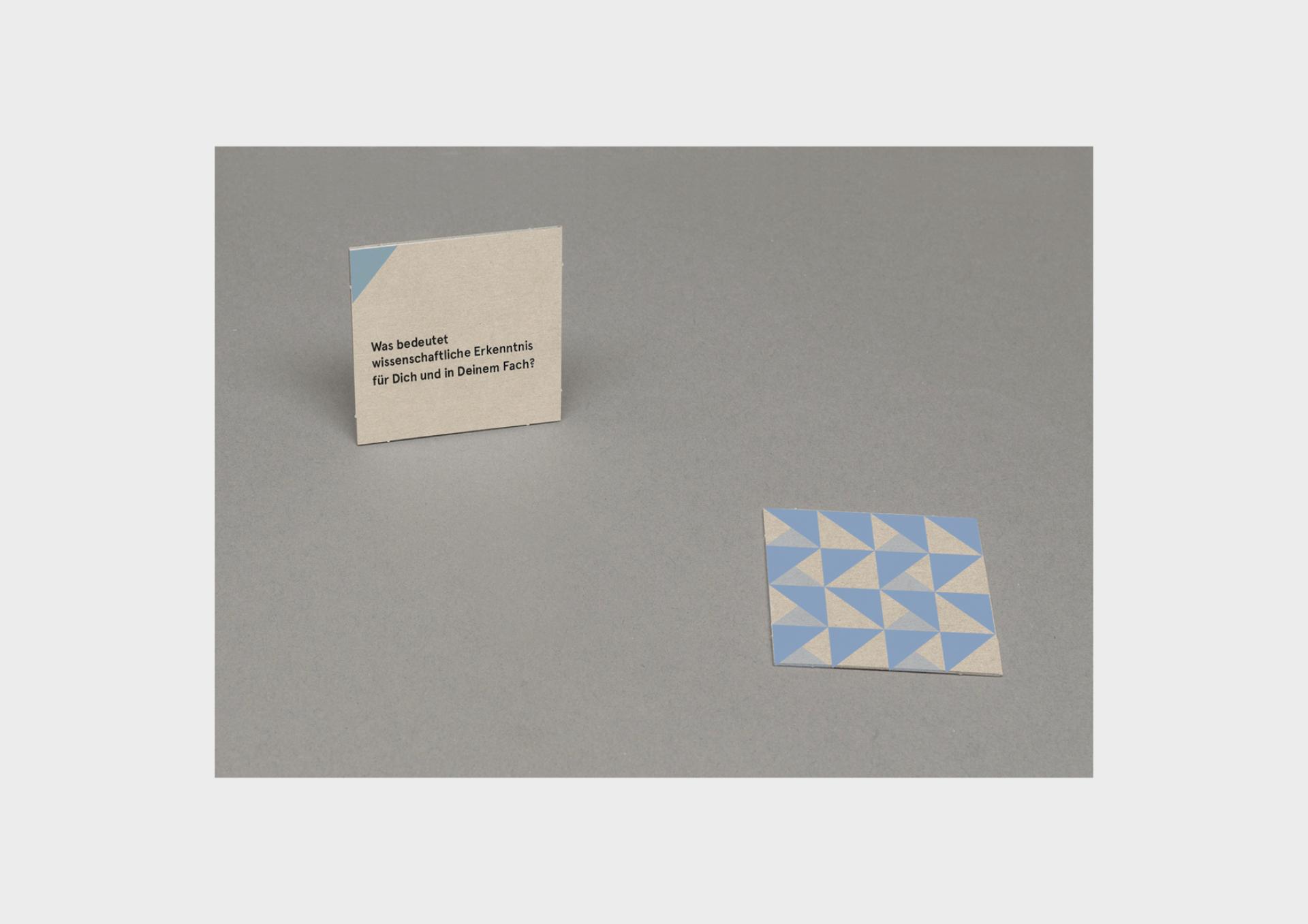
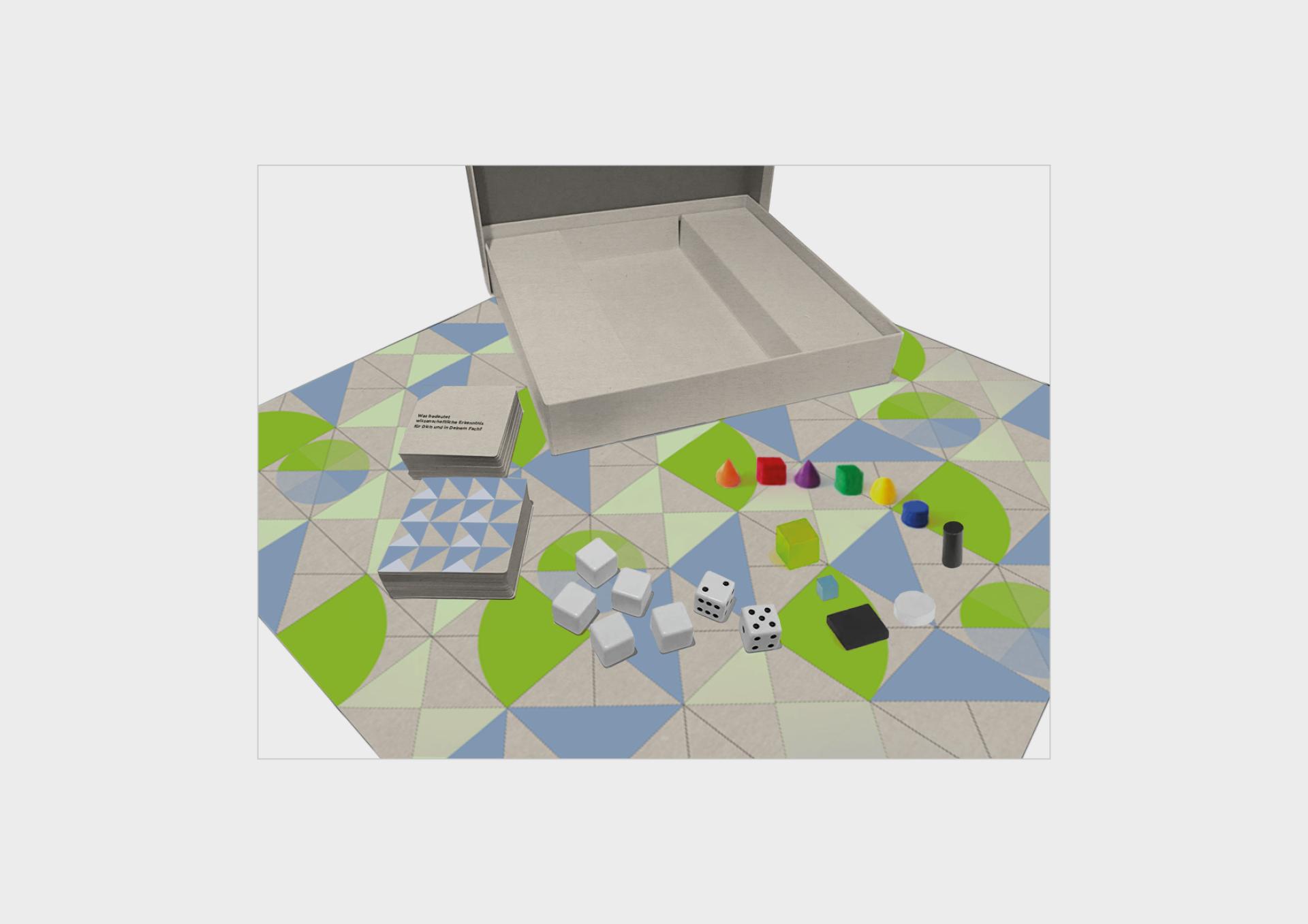
During the game questions such as “What does ‘scientific insight’ mean for you and your discipline?“ or “How is science´s role in society discussed in your field?“ are being addressed. New insights, open questions and important points are transferred for later.
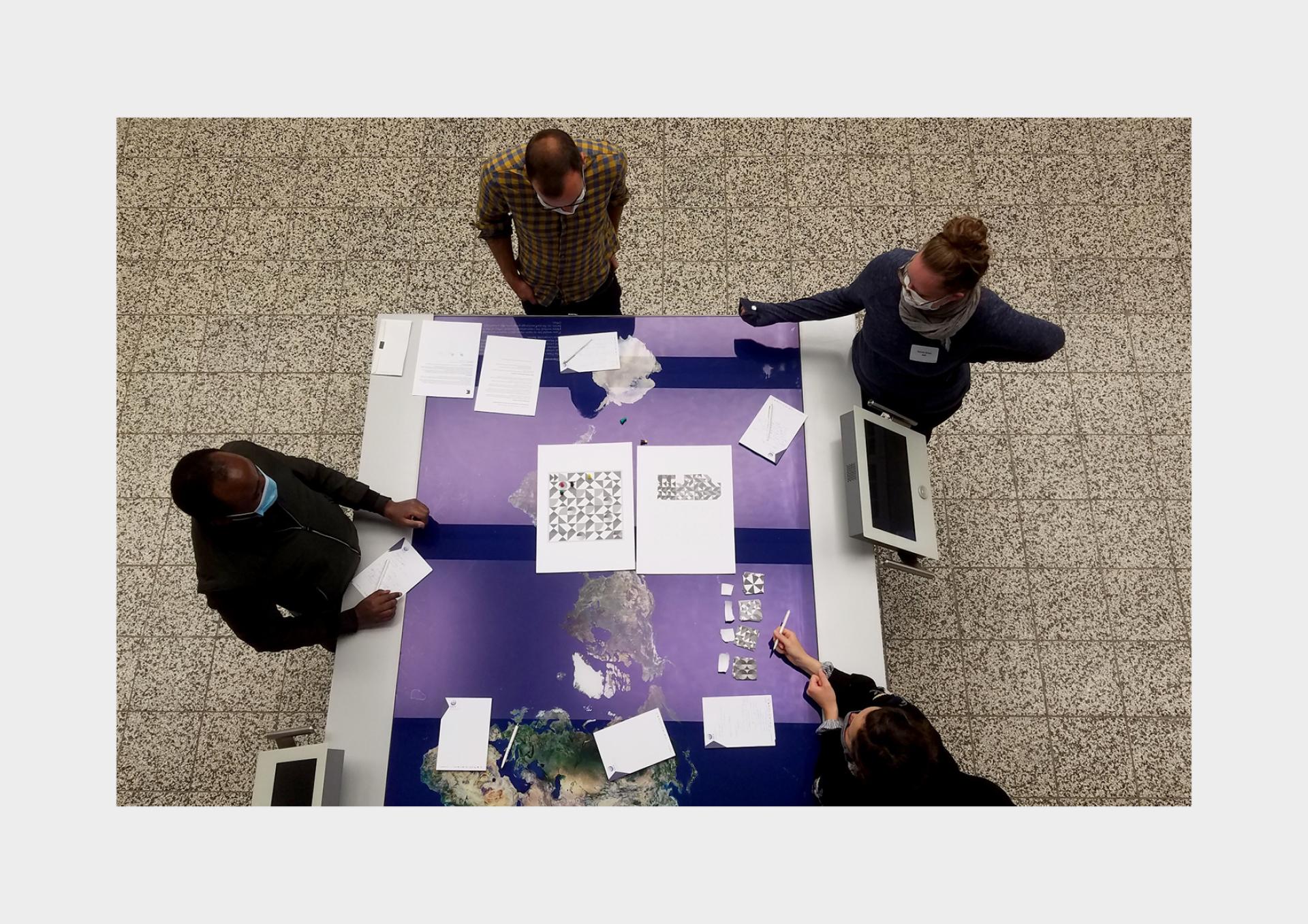
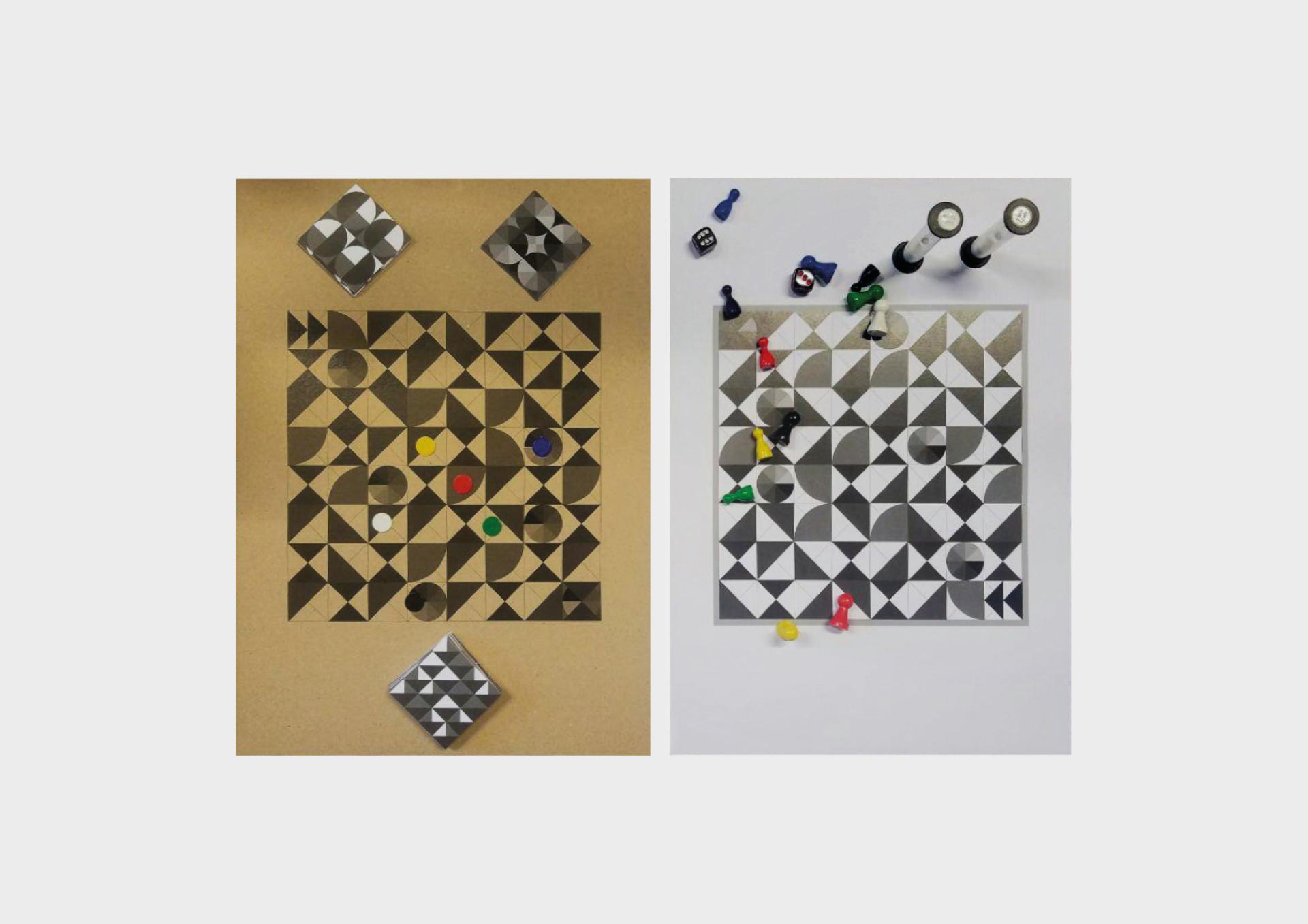
The questions have been formulated in a co-creative process during which each prototype was tested in different groups (Fig. 3). The iterative game development resulted in publishing the final version of COLLAB in autumn 2020 on the project’s website.
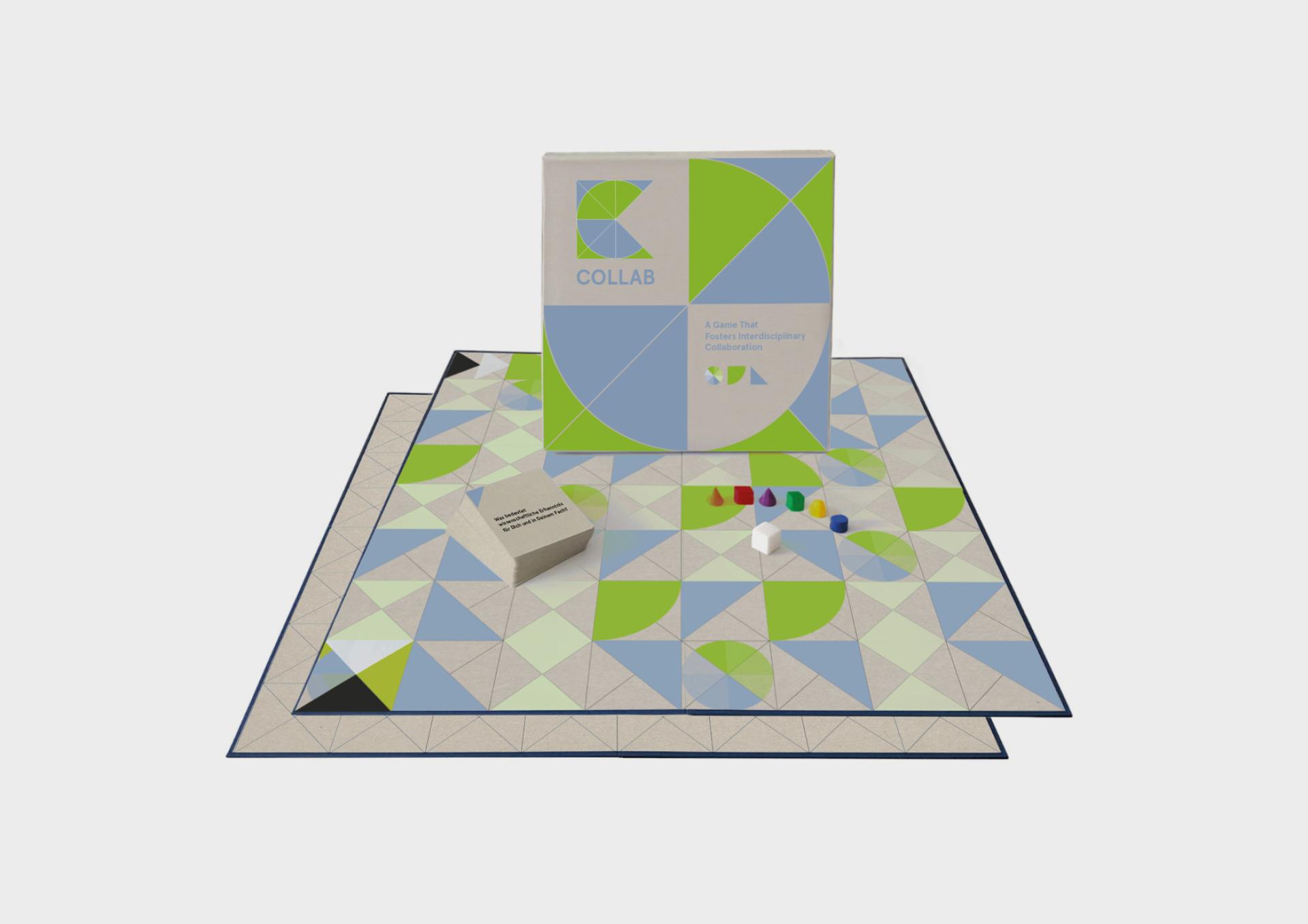
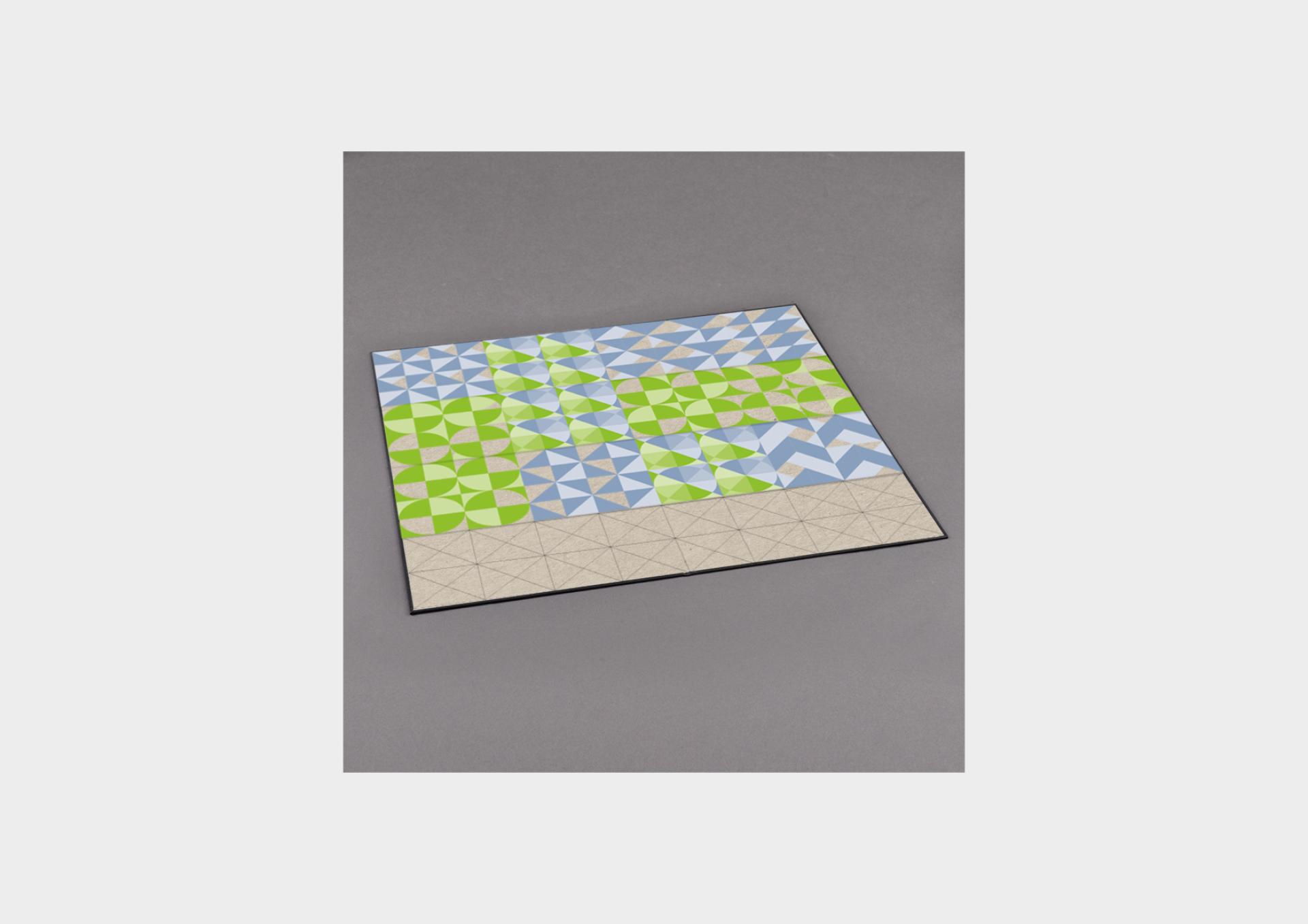
In order for COLLAB to be as accessible as possible for different research teams around the world, a self-print package (Fig. 4) has been published under a Creative Commons license (CC BY-NC-ND). Additionally, a box version for purchase at cost price was being produced (Fig. 1, 2 +6). Due to Corona, a way to play COLLAB online through an interactive collaboration board was developed too.
Key objectives for sustainability
Sustainability lies at the heart of our project in several ways:
Sustainability in the game production: All the materials used for production are either re-used, recycled or produced in an eco-friendly carbon neutral way. When travelling, we used the train and where ever we left a carbon footprint, we compensated for it.
Improve the sustainability of interdisciplinary research: We consider interdisciplinarity to be key when facing complex challenges nowadays. Therefore, the more effective an interdisciplinary research process can be implemented, the fewer resources are being used.
Different disciplines have different understandings of how research should be done and use different epistemological and ontological standards. In our experience, due to limited time and communication between research partners when setting up a project, they might face obstacles later on. COLLAB helps to identify potential challenges already in the process, and thus to use fewer resources. Therefore, COLLAB establishes sustainable working structures which will produce better outcomes in the long-run.
Improve interdisciplinary research on sustainability issues: Finally, one of our objectives was to strengthen successful research on topics regarding sustainability. Sustainability is a wide field of studies and most sustainable challenges our society is facing are very complex and interdisciplinary in nature. Therefore, it requires interdisciplinary approaches to find suitable solutions and answers for the problems we have to solve - but interdisciplinary cooperation is still not a common practice at many universities and the teams who attempt it, are often confronted with many challenges.
COLLAB aims at tackling these challenges on a personal level and indirectly also on an institutional level. Enabling better conditions for (young) researchers to work in sustainability fields and research which will ultimately also create innovative sustainable solutions.
Key objectives for aesthetics and quality
As one of our aims was to also bring artistic and scientific research closer together, the aesthetics and quality of experience played an important role for us. COLLAB was designed in admiration of the inherently interdisciplinary tradition of Bauhaus. The design process took place in a co-creative, close cooperation with Dutch artist and graphic designer Erris Huigens.
Furthermore, the design of the game allows for an aesthetical visualisation of the playing process. On a second game board all the played cards are placed during the game. Each of the cards is unique and has a slightly different look from the others. By that, a visual representation of the game flow is created. (See figure 5)
This visualisation adds to the aesthetic experience of the game and at the same time enables the players to take this visual representation of their game home. The visualisation can be hung, for example, in the researcher´s office and therefore be integrated into the everyday life of the players. It serves as a reminder of the new insights created within the game and aims to inspire creative thinking through its aesthetics.
Next to the aesthetic experience of the game, the quality of experiencing playing the game was also an important objective in designing the game. As the game also stimulates a personal reflection, the emotional component of playing the game is truly relevant. Therefore, creating a safe space in which the game can be played was crucial in the development of it.
This quality of experience and ethical implications are reflected in “A manifesto for good interdisciplinary collaborations” (to be found on our website).
Key objectives for inclusion
Our main objective was to develop the game in a way which allows for everyone to play it. Therefore, it is made accessible under a Creative Commons license for free on our website as a downloadable print-package. This makes it both affordable and accessible also for younger researchers, students, or other interested parties with less financial means. Furthermore, the game can be played world-wide at universities or other interdisciplinary institutes and is not only limited to university teams. As it can also be played online, it makes it easier for people to take part and play with team members who are not at the same institute or in the same country. This makes COLLAB a very inclusive game.
COLLAB also aims at giving a space for reflection for all researchers of the team and not only the most influential researchers of the group. It aims at bridging hierarchies and giving equal voice to all researchers and disciplines. This is another way in which COLLAB is designed to be inclusive.
Results in relation to category
From the moment we started developing the game, there was a broad interest in the project from different communities as no other comparable game or tool for interdisciplinary research settings exists.
So far, it has been played in different academic settings around the world such as Summer/Winter Schools, Graduate and Early Career Workshops, at interdisciplinary institutes and conferences - and also from new research teams as a kick-off event or for teambuilding purposes. We collected and received valuable feedback, that underlines how helpful COLLAB was for their interdisciplinary endeavours.
We are thrilled by all the positive insights, that people provided us with so far and confident that we developed a highly useful tool, bridging a methodological gap for interdisciplinary research.
Even though we don’t have a marketing budget to promote the game and distribute it more widely, it is being downloaded and ordered via our website more frequently than we expected.
Researchers and team members will continue to benefit from the project as it will improve communication and collaboration in interdisciplinary teams. This also means that COLLAB indirectly creates impacts by supporting interdisciplinary teams in their work which will enhance their outcomes.
Additionally, we have been approached from institutes and organisations to both develop more tools that support research teams or to transfer COLLAB for different target groups to i.e. transdisciplinary settings.
How Citizens benefit
There hasn’t been any involvement of the civil society in the development of the game as the target groups for this first interdisciplinary tool were members of academic settings.
However, the civil society will hopefully benefit from more inclusive and innovative interdisciplinary research projects in the future. COLLAB brings to mind, that communication is important.
As the expert communication between researchers improves when playing COLLAB, we also hope that their science communication towards the public improves.
Innovative character
COLLAB offers a unique possibility to enhance and reflect upon interdisciplinary research. There is no comparable game or tool, that allows researchers to address their interdisciplinary work environment in such a structured way.
Especially the initial phase of an interdisciplinary (research) project determines how the future communication and collaboration will work and consequently how successful the project will be. Most interdisciplinary projects do not allow enough time in this initial phase to reflect on the differences in the cultures of knowledge of the involved disciplines. Other teams simply might not know how to approach such an interdisciplinary project in a structured way. COLLAB supports interdisciplinary teams in taking the time to reflect in a structured and guided way to find a common ground for the future collaboration. COLLAB provides here an innovative new method.
Furthermore, interdisciplinarity is similar to, for example, teamwork. A skill people have to learn. There exist many methods, games and approaches to improve and train teamwork competencies. In contrast, there are hardly any approaches or method to allow for teams to work on their interdisciplinary competency. COLLAB is therefore a pioneer in this field.
COLLAB also allows for and strengthens a better cooperation between disciplines which usually do not often work together- such as social and natural sciences or art and science. In providing a new and innovative way for these fields to create better communication and collaboration, it indirectly fosters innovative approaches to existing problems which are created in bringing together the different perspectives of the disciplines in a productive way.