A-Place
Basic information
Project Title
Full project title
Category
Project Description
“A-Place” is a platform for the creation, debate and experimentation about the sense of belonging and identity which groups from multiple backgrounds and cultures hold within their social and physical environments. Through site-specific art, creative spatial practises and cultural projects, a diversity of stakeholders -residents, artists, architects, students, policy-makers- were engaged in a process of reflection about place and placemaking.
Project Region
EU Programme or fund
Which funds
Other Funds
"A-Place. Linking places through networked artistic practices" is a four-year project, co-financed by the CREATIVE EUROPE Cooperation Project Agreement number 607457-CREA-1-2019-1-ES-CULT-COOP2. We are presenting to this contest the work done in the first two years of the project.
Description of the project
Summary
“A-Place” is a platform for creation, debate and experimentation about the sense of belonging and identity which groups from multiple backgrounds and cultures hold within their social and physical environments..
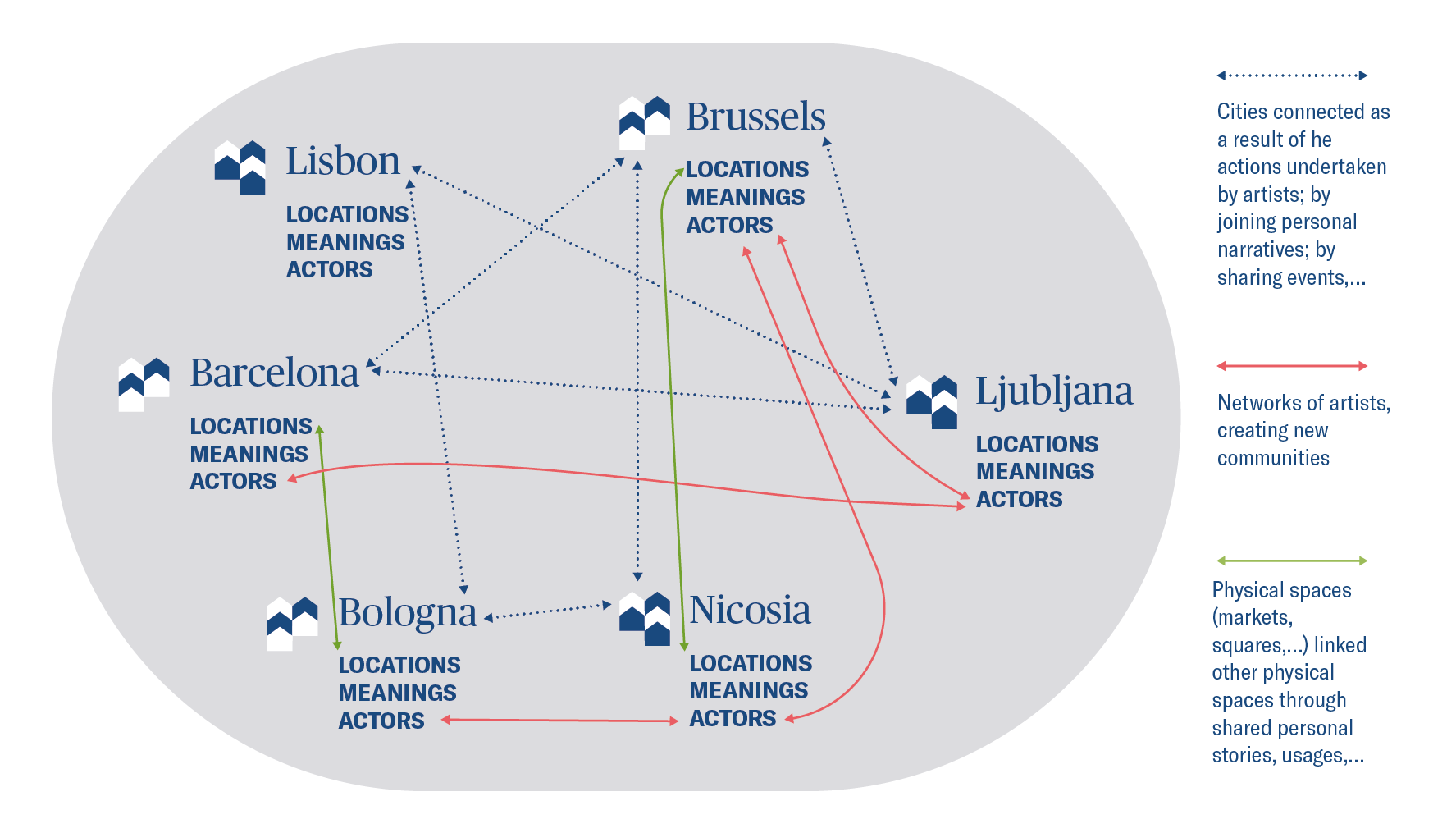
In our multicultural societies, the notion of place is not limited to a given space and time, but crosses spatial and temporal boundaries. The purpose of “A-Place” is to design and implement art-centred placemaking activities in six European cities –Barcelona, Bologna, Brussels, Lisbon, Ljubljana, and Nicosia– to foster community cultural development by connecting meanings and experiences associated to places. Through site-specific art, creative spatial practises and cultural projects, “A-Place” engaged a variety of stakeholders -residents, artists, architects, students, policy-makers- in a process of reflection through actions about the meaning of and value of creating places.
Contemporary spatial production has rendered a plethora of non-places; spaces, in which people feel unable to create meaningful links. Non-places can be seen as a result of globalisation, gentrification, alienation, migration and mass tourism. To counteract these trends, “A-Place” engaged creators and communities to actively reinvent notions of place latent in sociophysical environments in order to reconnect people with places.
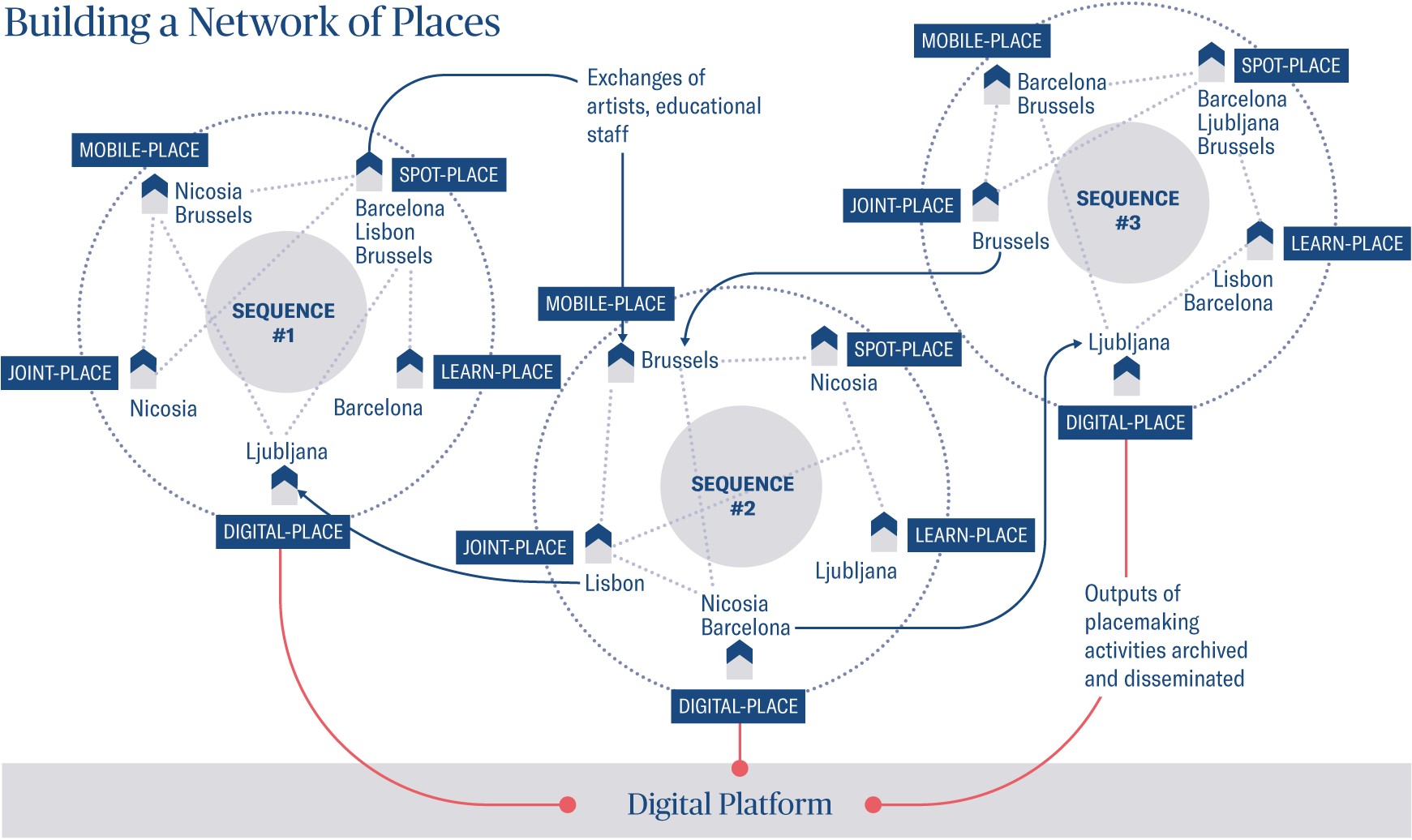
The creative spatial practices contributed to bringing about meaningful places with better, more inclusive and supportive communities. A series of creative interventions in public spaces, exhibitions and video art works were conducted over the last two years, adopting site-specific research that examines the role of artistic practices as a catalyst to enhance and connect communities. The placemaking process carried out simultaneously in the partners’ cities involved multiple stakeholders, which gradually generated a network across distinct disciplinary, cultural and geographic boundaries, namely, a network of places.
Key objectives for sustainability
Increasing people's awareness of sustainability - social, economic, environmental - is a established objective of placemaking. On a social level, community arts help to unveil the essential features of a place, those which might remain hidden or forgotten after the passing of time, thus contributing to maintaining cultural traditions and reinforcing the character and quality of places. With regard to the economic dimension of sustainability, creative placemaking’s aim is to contribute to the economic development of neighbourhoods by making them more liveable. Finally, concerning the environment, participatory arts and community-based educational programmes engage residents from diverse academic levels and social groups in debates and actions which contribute to increasing their awareness of the preservation of natural resources. A variety of activities were carried out in different communities to strengthen these three dimensions of sustainability:
- Sharing the meanings that people give to the places they inhabit to foster a better understanding among community members, as well as social cohesion and mutual respect. We have promoted an understanding of the urban and social territory collecting testimonies of dwellers in interviews and forum discussions (“A Weaved Place”), city walks (“A Calm Place”) and producing video stories (“A Delicious Place”).
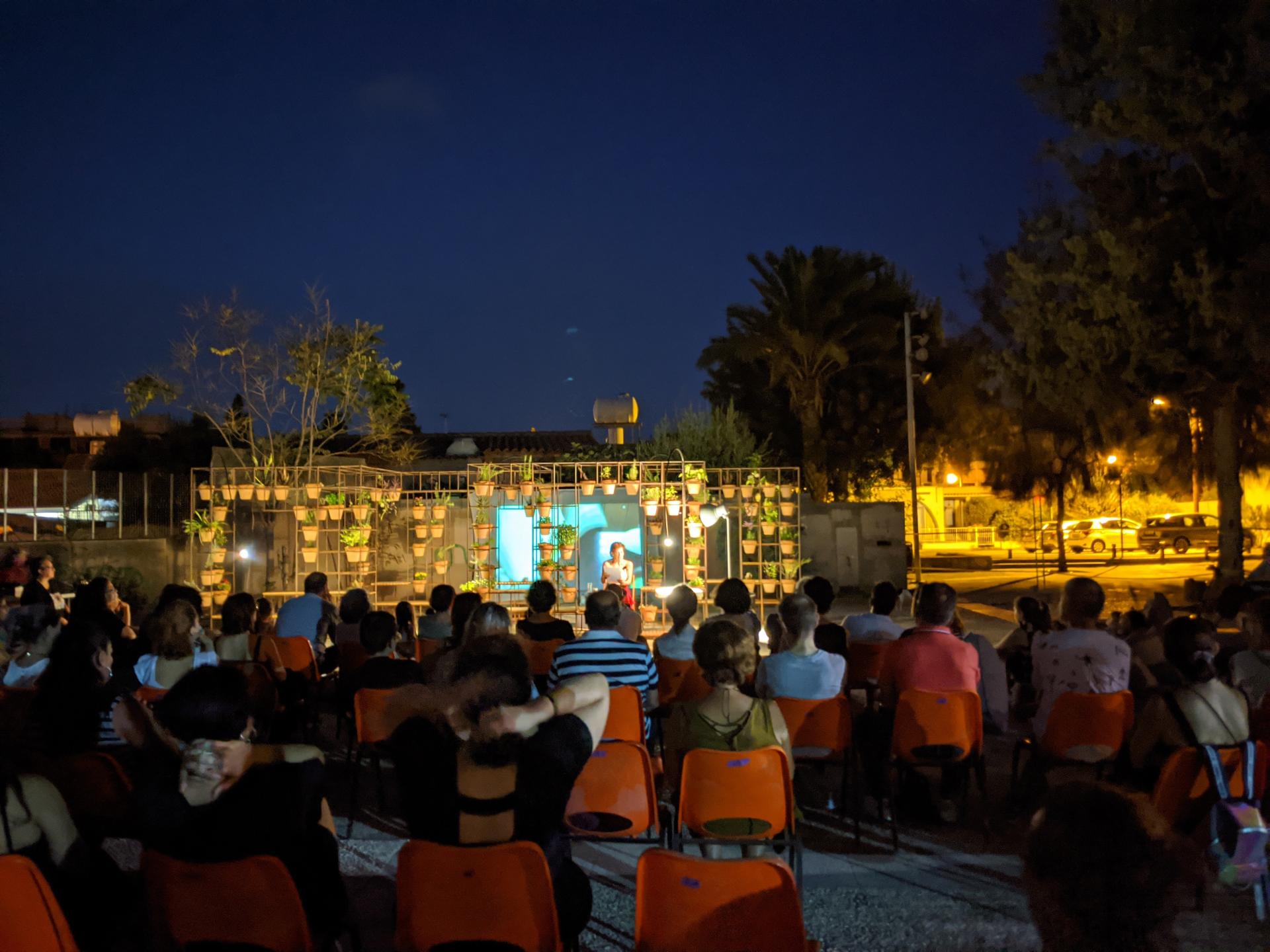
- Discovering new usages for public spaces. We have promoted the use of public spaces in different ways, transforming parking lots into performance stage or English school (“A Visionary Place”), and giving new life to a square with a collaborative planting action (“A Delicious Place”).
- Promoting environmental education as a transversal activity that cuts across disciplines and educational levels. We have facilitated lifelong learning about natural resources, fauna and vegetation among communities, and increase their awareness about the need to preserve them (“A Hidden Place”, video “TERRAPOLIS: Puig d'Ossa")
Key objectives for aesthetics and quality
As territory for artistic creation, public spaces are open to the imagination and creativity of artists and communities. Creative placemaking can contribute to creating better places for those who already live there. Ideas and experiences were expressed and disseminated through visual productions and performances which exploit the communicative dimension of the public sphere, including both its physical and virtual dimensions. Some of the productions include:
- video artworks, to foster research on placemaking practices implemented in a specific territory, and to reveal the impact that those practices might have at the physical, cultural, historical or social level. They focused on the integration of immigrants in European societies (“Città dentro ”; entries to the “Urban Visions Festival”); and invited their audiences to observe the city from open, inclusive perspectives, as caring, diverse, metabolic and emergency city (“TERRAPOLIS”).
- photography, with visual analysis and representation of the domestic and public spaces in times of confinement (“A Confined Place”), and as visual expression of a personal relationship with a place (contest “Share your experiences of places”).
- mixed-media, with artworks done with analogue and digital media, expressing the changes undergone by public space in the times of lockdown (open call “A Confined Place”).
- sound pieces, with compositions inspired in the soundscapes of a Lisbon neighbourhood (“A Sound Place”).
- short films, focusing on the transformation of the public space during and after the confinement, and the integration of displaced communities (film competition “Urban Visions”).
- ephemeral and permanent installations in unused (“A Calm Place”) or forgotten (“A Hidden Place”) public spaces. Plastic works and mobile artefacts to be spread over the cityscape (“A Weaved Place”).
Key objectives for inclusion
The multiple meanings embedded in places are not always perceived by all members of a community. The lived experience of individuals coming from other cultures and economic situations, either migrants, tourists or workers, leads them to perceive and understand the places where they settle -temporarily or permanently- in different ways. Artistic practices can act as catalysts to unveil the multiple meanings underlying places, to make them perceivable to others; links which can give rise to a new sense of place beyond social and cultural boundaries. Residents, students, artists, academics and guest critics; municipal authorities, cultural organizations, primary and secondary schools, and activist groups, have all participated in the project activities:
- Creating spaces to bring together people from diverse origins, ages and conditions. A session in the Loop Barcelona festival was dedicated to the perception of the city by visually impaired persons and their access to video artworks; the short film “Città dentro” portrayed the story of a young blind man, from Ethiopia; representatives of migrants associations participated in a debate about cultural integration and representational spaces (“A Weaved Place”).
- Fostering place identity. The contribution of migrants to local culture was explored through music and sounds (“A Sound Place”), dedicated film competitions (“Urban Visions Festival”), and food culture (“A Hidden Place”, “A Delicious Place”).
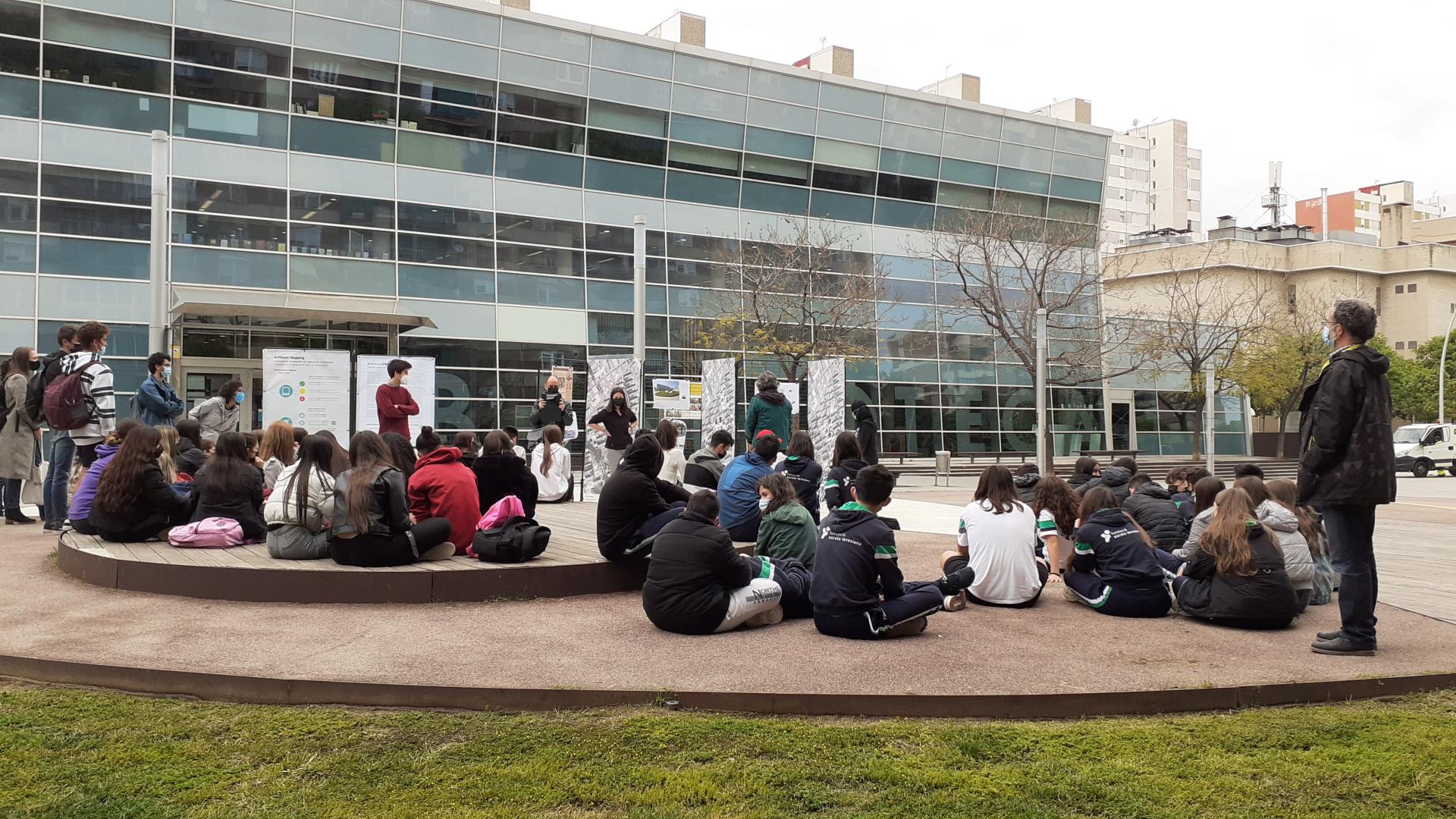
- Creating learning spaces embedded in the urban life to foster interaction across education levels and blur boundaries between academia and society. High school students participated in joint learning activities with higher education institutions, adult students and social workers to analyse the meanings people give to places, and collaborating in the design of installations in public space to reinforce the sense of place (“A Weaved Place”); residents attended English courses in a parklet (“A Visionary Place”).
Results in relation to category
Local communities, encompassing different groups (young and elderly, migrants) participated in community workshops, ethnographic research, community dinners, local walks (“A Calm Place”, “A Delicious Place”). Due to the restrictions imposed by the pandemic, some of the activities were conducted on line (“A Confined Place”), and in a blended format, combining physical and digital spaces (“A Weaved Place”). These activities contributed to community building, to reinforce the ties between people and places and to highlight the spaces in cities which require public attention (“A Hidden Place”).
Artists contributed as creators and as educational staff, sharing their works in interdisciplinary contexts, beyond closed artistic circuits: debates with architects about the representation of the territory through videos. Three filmmakers were commissioned to create a video art work to be displayed in the Loop Barcelona festival.
Students were able to propose well-tailored solutions (interventions and on-site events) to attract and interest wider audiences, based on their thoughts as well as on the opinions and expectations of the people they contacted, while considering the various potentials and limits of the place itself. Around 250 students of architecture and arts were engaged in the educational activities in the participating cities.
Digital media was exploited during the lockdown to develop spaces for the creation and dissemination of artistic productions. The open call of “A Confined Place” on the creation and dissemination of art works received 96 entries from 19 countries; and the short film competition 335 films from 59 countries. The category “Migrants, refugees and displaced communities” of the Urban Visions festival received over 350 films, from all over the world. The online contests on artistic productions around the sense of place created an exchange beyond geographic boundaries.
How Citizens benefit
The project events facilitated the fusion of people from a diversity of cultures and ages who participated in the preparatory and execution phases of the activities.
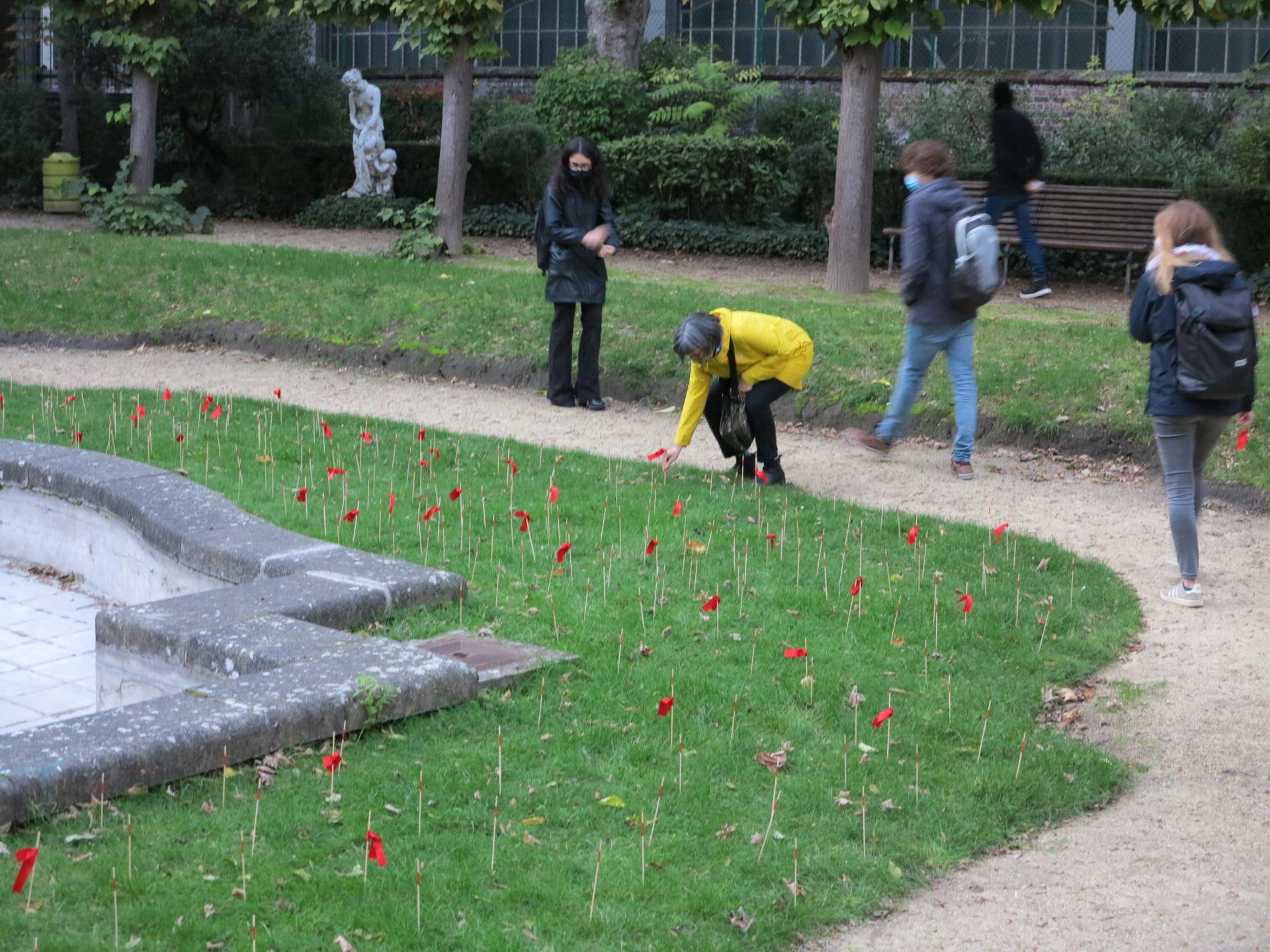
Architecture students organized participatory processes (“A Calm Place”), conducted surveys and interviews with local actors in order to involve them in the decision-making about the spatial interventions (“A Hidden Place”), and arranged forum discussions about the value of public space in the construction of a sense of belonging which were disseminated through social media (“A Weaved Place”). Music students composed music pieces inspired in the soundscapes of a neighbourhood, which were then performed in the place (“A Sound Place”).
The activities about reusing public spaces raised awareness about socio-spatial themes and their complexity, such as civic empowerment, spatial justice and environmental awareness (“A Visionary Place”). Citizens were engaged in the transformation of public spaces: to water, maintain and care for the plants (“A Delicious Place”). They also became the protagonists of stories recorded in videos which gave life and visibility to some intangible community assets (“A Calm Place”, “A Delicious Place”, “A Hidden Place”).
Scholars, filmmakers, artists, art curators and activists, as well as a diversity of audiences, online and offline, participated in the A-Place section of the three partner festivals – Loop Barcelona, Pame Kaimakli, Urban Visions. These festivals aim to develop knowledge-sharing between people and places through the production of films, and to promote intercultural dialogues as part of public space research and practice. In this context, films are the means to promote artistic productions and foster debate about public space, exploring urban humanities through an interdisciplinary approach and supporting experimental bottom-up practices in the public realm with local communities (video productions made by artists and residents in “A Delicious Place"
Innovative character
The ultimate goal of “A-Place” is to create a network of places which overcomes disciplinary, territorial and geographic boundaries. It is an open space for the interaction and exchange of experiences and knowledge; a fabric that is woven as a result of the actions undertaken by the protagonists of the experience of place: people, in their living (and learning) spaces. Life and education become inextricably interwoven in the construction of this network; itself a lifelong learning process.
Artists, and creators from multiple disciplines, using a variety of forms of expression, participated in events taking place in various contexts: musicians and composers ("A Sound Place"), dancers in some of the entries of the open call and short film competition in "A Confined Place", and bands in the parklet of Bologna ("A Visionary Place") and in a square in Brussels ("A Calm Place"). “A Confined Place” was a creative response to the limitations imposed by the confinement, and opened up new spaces for the participation of citizens, students and artists in activities aimed at the construction of places, conducted entirely in digital space and on a global scale.
A variety of strategies were applied to create learning spaces that lie at the intersection between academia and community, involving students, faculty and artists from a range of disciplines. In "A Weaved Place", learning activities which facilitated knowledge exchange between students and community members about the perception of public space were co-designed by artists and architecture staff; in "A Calm Place", students and residents participated in exploratory walks and on-site workshops on furniture building; in "A Hidden Place", workshops brought together professionals from architecture, urban design, sociology, geography, and arts; and in "A Delicious Place", a process of documenting local histories was carried out jointly with community members and professional artists.