Munoa Project
Basic information
Project Title
Full project title
Category
Project Description
The Munoa state and its villa have gone from being the summer resort of an old tycoon to being a space for citizen use and enjoyment. It is a space that has been turned into a place of recreation for citizens and that has been valued by making it a place much loved by the people of Barakaldo. The Barakaldo City Council's primary objective is to open this jewel to knowledge, culture, art, and citizenship.
Project Region
EU Programme or fund
Description of the project
Summary
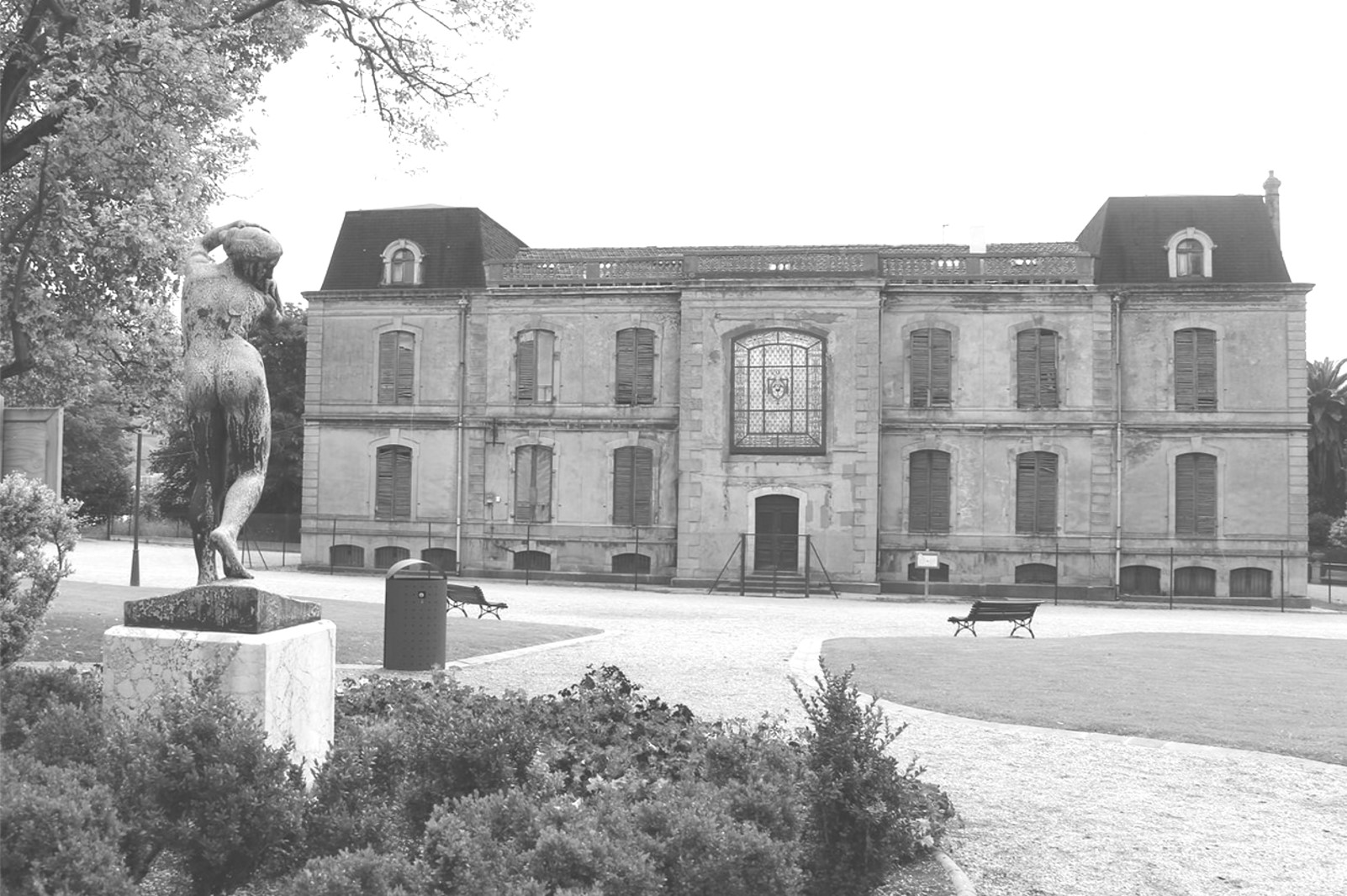
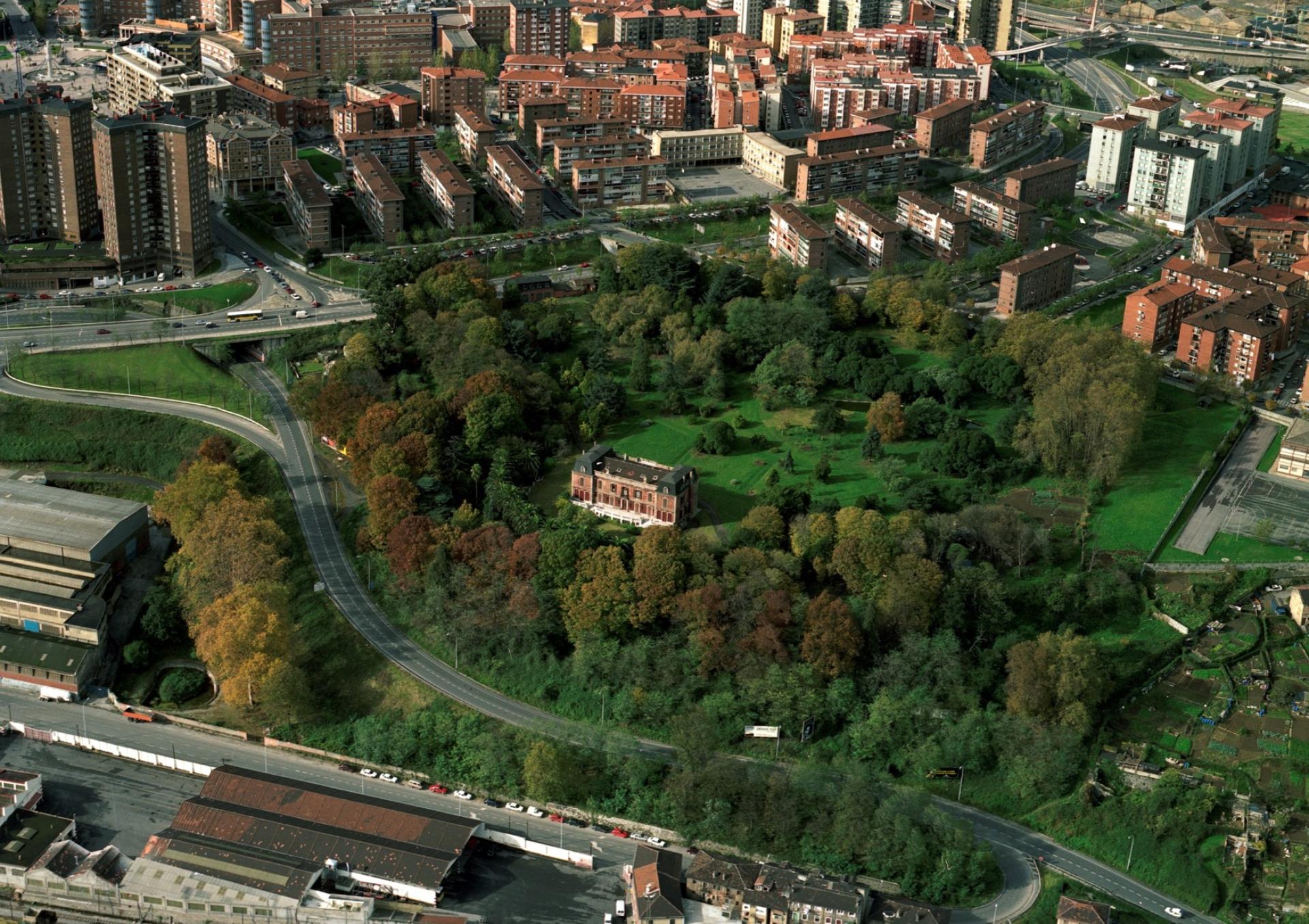
The Munoa estate is home to a villa built in 1860 as a summer residence by Juan Echevarria La Llana, twice mayor of Bilbao, the main city of the Basque Country, on a small hill overlooking the Ibaizabal-Nervión estuary and set in extensive gardens between the neighborhoods of Cruces, Burtzeña, Llano and Lutxana, in Barakaldo.
It stands in a green space made up of an English-style garden covering over 60,000 square metres, with more than 600 trees which open out before the front of the palace. The building is one of the few French-style constructions that survive in the Greater Bilbao area, a notable example of middle-class family architecture.
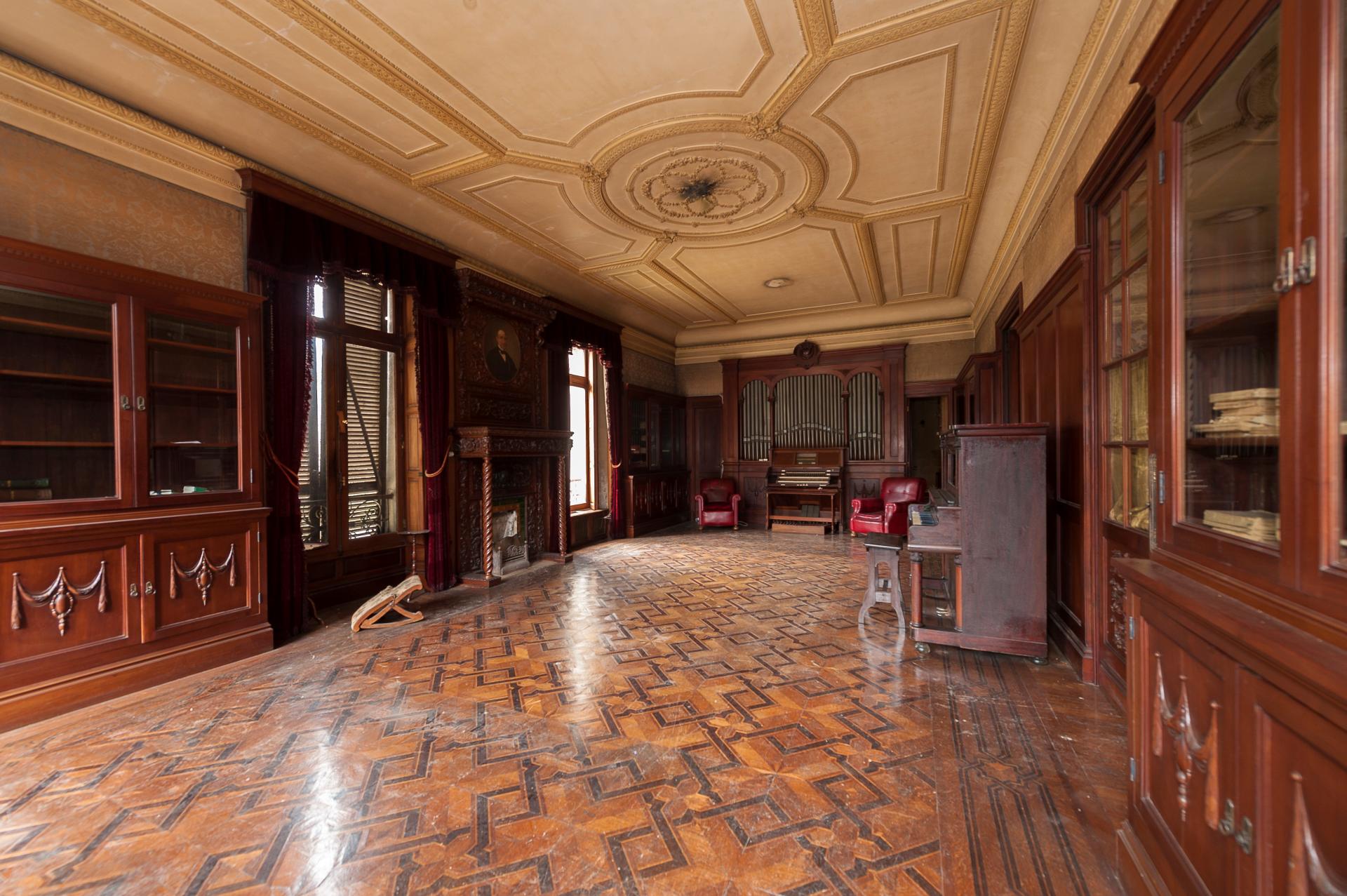
In the course of its history it was the headquarters of the Basque government health department during the Spanish Civil War and subsequently the home of Horacio Echevarrieta until his death in 1963. The interior of the Munoa villa has remained the same since then, taking visitors back half a century.
Since 2014 it has belonged to Barakaldo city council and since then studies, rehabilitation works, cultural activities and enhancement have been carried out to promote knowledge, participation and enjoyment of a recovered monument for society.
The Basque government listed the Munoa estate as a "monumental site" in 2017, as it constitutes one of the most interesting and complete strategic points within the Left Bank cultural landscape and, consequently, one of the key places in history that has led to the configuration of the current Basque Country.
To the historical, architectural and stylistic richness of the Palace, a totally unique natural and landscape space is added, due to the beauty of the gardens and arboreal spaces, but also because of their link to the entrepreneurial trajectory of those who promoted it and, by extension, to the lives of the people of Barakaldo and Bizkaia, who participated in those times of industrial and human transformation that identified the region at the end of the last century.
Key objectives for sustainability
Environmental values
Munoa is a botanical garden next to the main hospital in the Basque Country.
The 625 trees and shrubs of one hundred different species from the five continents make the Munoa Garden an extension of the Barakaldo Botanical Garden. A place to which historical and artistic values are added, which make the Historic Garden a unique place with its own identity.
In 2019, the project “Inventory, status and identification of the trees of the Finca Munoa” was carried out, inventorying all the trees and shrubs of the Finca Munoa with, at least, their name in Latin, Spanish and Basque. The objective was to highlight the protected trees.
The Barakaldo City Council and the UNESCO Chair of Cultural Landscapes and Heritage (Basque Country University) collaborate in the recovery of Munoa and in the optimization of its use and destination as a citizen space.
Key objectives for aesthetics and quality
Architectural values
In this section, the singularity of Munoa stands out as a house of the upper bourgeoisie of the 19th-20th century where the domestic use of its spaces is made visible. A good example of the residential architecture of the upper bourgeoisie in Basque Country from the 19th century and the first decades of the 20th, of which we hardly find examples with such a high degree of conservation in Spain or France.
Artistic values
These values are evident in the 100 years of interior design in the Basque Country, which are present in a tour of the decoration and movable heritage of the Munoa Palace. Marquetry, damask drapes, gilded with plaster of gold leaf, woodwork, glasswork ... in short, a catalog of crafts and traditional techniques and trades that give Munoa an outstanding furniture value, an example of quality and innovation in Basque furniture design, of sustainability in interior design projects or of wood as a sustainable material in architecture.
Its role as a unifier of Basque artists of the early twentieth century. The interest in the art of its owners turned the Munoa Palace into an artistic gallery of innovation and creativity of the main Basque and international figures of the early 20th century: Ricardo Bastida (1878-1953), architect; Valentín Dueñas (1888-1952), sculptor; Paco Durrio (1868-1940), sculptor, jewelry designer and ceramist; Francisco Iturrino (1864-1924), painter; Aurelio Arteta (1879-1940), painter.
In 2018, the project "Let's Enjoy Munoa" was carried out, to enhance the landscape and cultural elements of the estate, through a landscaper.
Key objectives for inclusion
Social values
- Its social perception as an urban oasis for family recreation in the natural environment.
- Reinforcement of the social identity with its heritage, generating citizen pride towards a good that is part of the common wealth and prestige and external recognition towards the values and good practices in the municipal management model.
- Munoa is a first-rate cultural asset that undergoes a rehabilitation process. Thus, in order to seek the maximum social return on the investment, a program of activities focused on different types of public has been created, with a social, educational and recreational purpose, which enriches people's lives. It's a program focused on knowledge tourism, which offers culture, training, research, image of the city and therefore also economics.
Urban values
Munoa stands out as a point of articulation of the urban fabric. It is located at the confluence of four historic neighborhoods of Barakaldo to which it offers the opportunity to articulate at an urban and functional level.
It is also evident the improvement of the quality of the urban environment and the consolidation of an open and public space at the service of Barakaldo, from the beginning of the integral recovery and throughout the process.
Configuration of a singular, evolutionary, sustainable and compatible cultural tourism resource with neighborhood enjoyment, from the beginning of the process.
A collaboration agreement during 2019 and 2020 between the Barakaldo City Council and the UNESCO Chair of Cultural Landscapes and Heritage (Basque Country University) promotes a collaboration framework to carry out future actions that promote design, development and application of models in the study, intervention and management of the Munoa palace, the estate where it is registered and its surroundings, along with the heritage, tangible and intangible, that houses its municipality, while promoting the recognition, appreciation and socialization of it.
Results in relation to category
When the opinions and proposals of citizens in relation to Munoa are analyzed, concepts such as "oasis, haven of peace, must-see, green lung, space for a walk, ideal to go with children ..." are found.
The evaluations of Munoa made by those who live, visit and enjoy it, highlight precisely the natural and cultural values that the space offers, in the day-to-day life of the population of Barakaldo. In short, its character as an extraordinary cultural landscape.
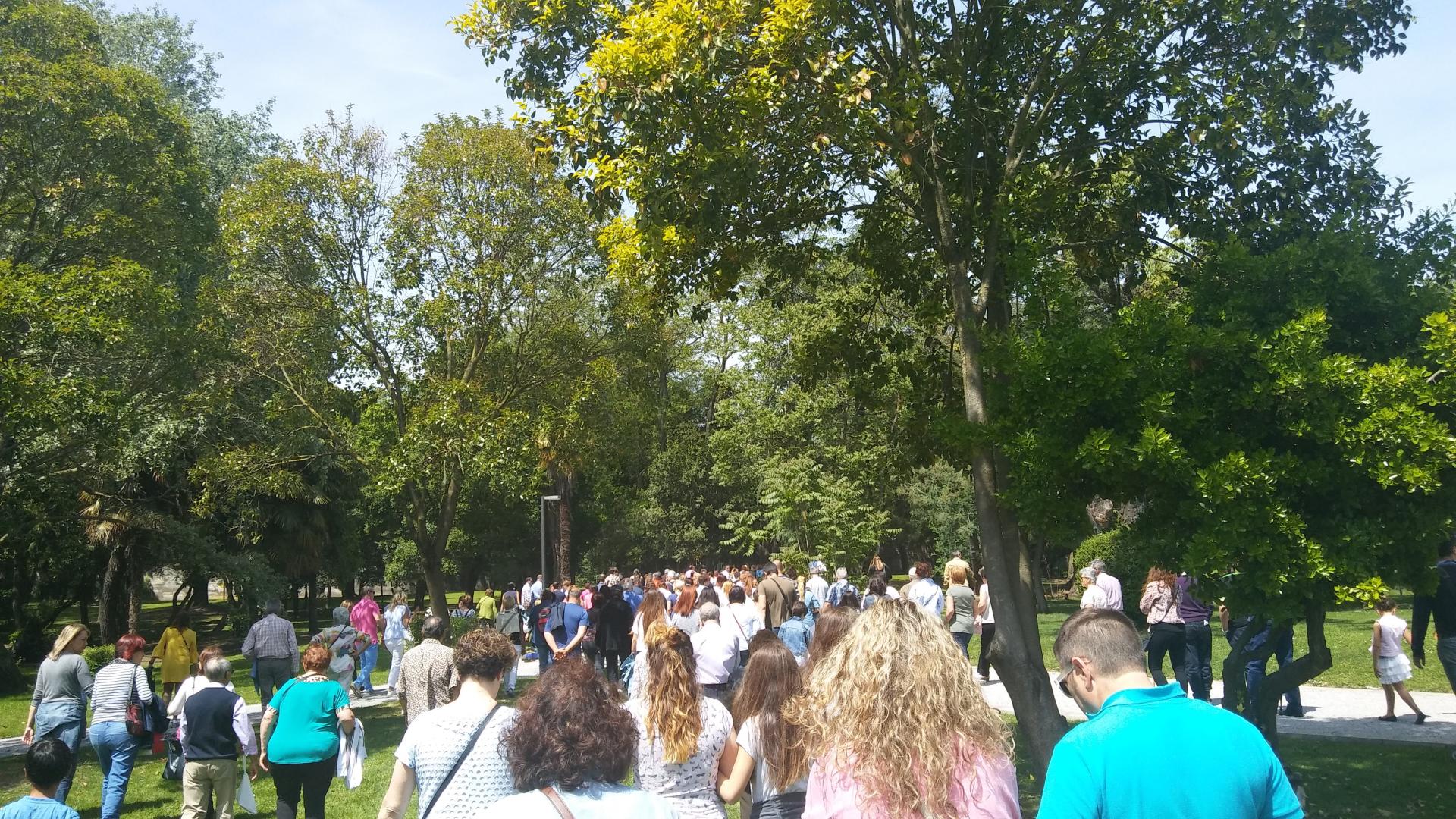
Likewise, there are numerous initiatives that have been developed and that have contributed to the environmental, aesthetic and social impact of Munoa being extended to the entire metropolitan area and its citizens. Among these initiatives we could highlight:
- Botanical guided tours for groups, associations and schoolchildren
- Heritage Days
- Munoa Barrutik: guided tours inside the palace (main floor), and children's workshops outside
- Exhibition "Munoa estate: its relationship with Horacio Echevarrieta"
- Photographic exhibition, “Révélations”, within the European Program of Singular Routes
- Photographic exhibitions within the Barakaldo BAFFEST Photography Festival and the European Singular Routes Program
- European Program of Singular Routes: sound and light show, botanical guided tour, family workshops and theatrical historical visit
- Astronomical observation
- European Music Day: concert by the Symphony Orchestra of the Municipal Conservatory and various performances by students.
- Night cinema
- Classic Cars Concentration
- Open House Barakaldo: International Festival of open doors to buildings and sites of architectural and heritage value, with guided visits
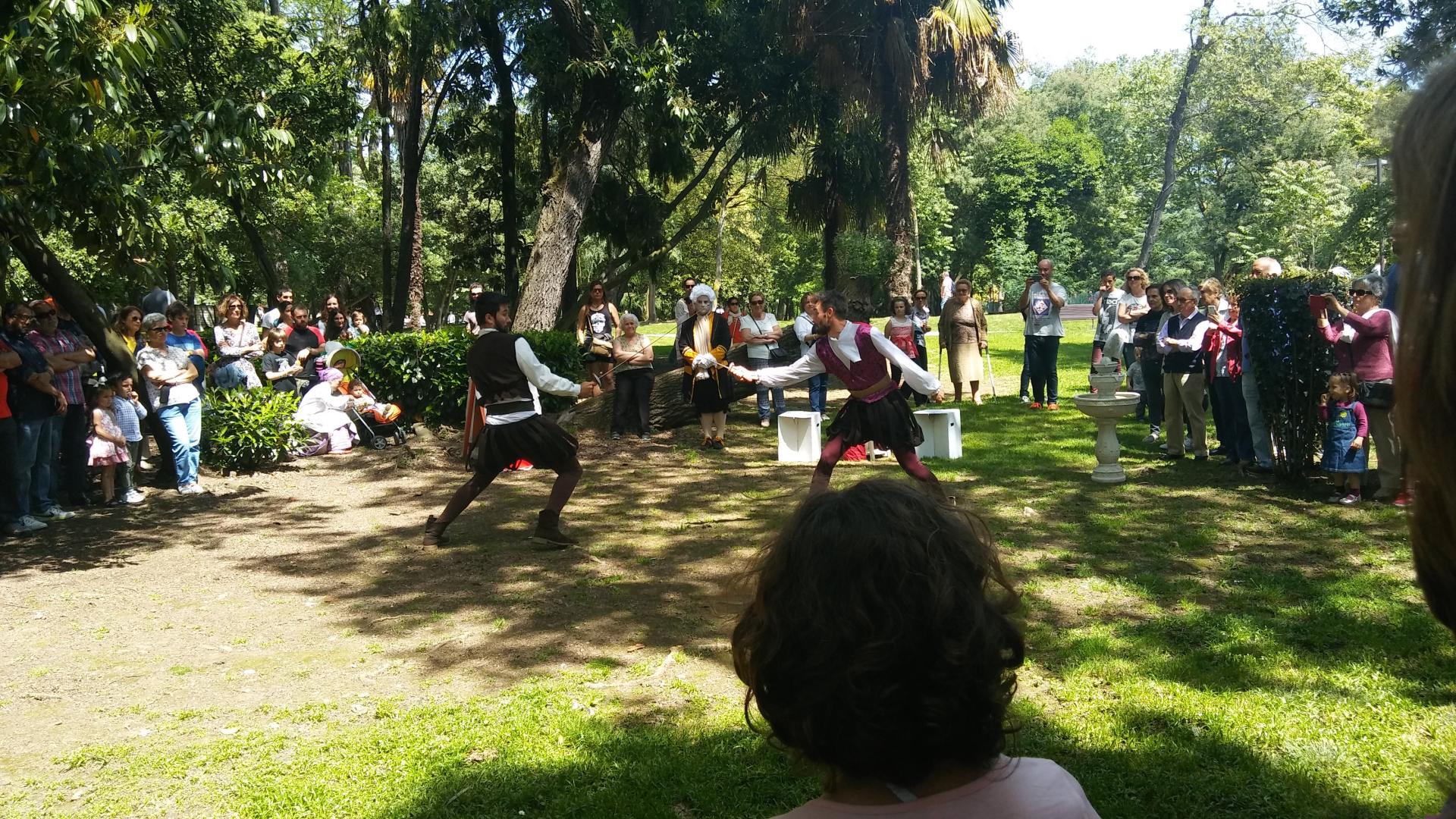
- Munoa Bizi: Artistic and cultural festival that turns the Munoa garden into a privileged scenic space in which an attractive cultural program will take place, configured based on the most varied expressions of art and culture: dance, theater, dance, music, po poetry, reading, circus, gastronomic workshops, night movies, etc.
How Citizens benefit
This project has been welcomed by the citizens of Barakaldo with great enthusiasm since it was opened to the public in 2015; since it had been a mysterious place that had been closed for more than a century, containing in its interior a great botanical and patrimonial wealth, which has caused it to be declared a Monumental Complex. It is for this reason that the public from the first moment has been involved in this project to enhance the value of the Palace and the Munoa Estate. And proof of this is the great participation of the various activities that are organized in the place, and in the case of some such as the guided tours inside the Palace (Munoa inside), the invitations sell out in hours. Likewise, we can also verify the involvement that citizens have had with this project in each of the editions of Participatory Budgets in which actions have been chosen such as replacing the exterior wall with a fence that allows to see the farm from the outside, creating the festival "Munoa Fest" (later called "Munoa Bizi"), provision of public toilets, improve accessibility and lighting. All these actions have been carried out in Munoa thanks to the fact that the citizens have proposed them and voted for them in the majority in the Participatory Budgets of Barakaldo.
In 2019, the “Remember Munoa” project is developed, with the aim of highlighting the history generated by Munoa estate. It is about contacting citizens who have lived in the surroundings of the Munoa estate and in some way have related to it and have memories of that place. The transfer of these memories together with an urban and natural environment have contributed to generating an intergenerational, intercultural dialogue, with a great emotional impact on citizens.
For all these reasons, we consider that the Munoa project is a project of all the citizens of Barakaldo and that makes the people of Barakaldo so proud of it and consider it as our jewel.
Innovative character
The Munoa estate constitutes one of the main patrimonial treasures of Barakaldo and one of the vectors of its history throughout the last centuries, of the transition from rural to industrial and the configuration of the municipality as we know it today.
Curiously, its innovative character is derived from the history of the space itself. The unique character of the characters with whom he is linked: Bilbao mayors, innovative architects, great collectors, leading Basque artists, unrepeatable businessmen and, above all, the population of Barakaldo itself. The history of contrasts that it represents: from an inverse point of view to the usual one (one that focuses on the Monumental Complex and forgets its surroundings), the Munoa palace and garden, in its urban and industrial context, also represent the complete process of the industrialization that Bizkaia experienced in the late 19th and early 20th centuries.
The determining historical events that housed its walls at key moments in the history of the Basque Country, such as its use as the health headquarters of the Government of Basque Country during the Civil War. The Barakaldo City Council's primary objective is to open this jewel to knowledge, culture, art, and citizenship. Thus, from the beginning of the intervention, through a phase called "Open for works", the actual performance in the Palace has become a focus of tourist attraction.
In the same way, the objective has been established to value and disseminate the heritage wealth among society with the creation of a wide program of activities focused on different types of public, with a social, educational and recreational purpose.
Munoa, a cultural landscape of its own and extraordinary character in Metropolitan Bilbao whose cultural and environmental values must be preserved.