Politico Poetico
Basic information
Project Title
Full project title
Category
Project Description
Politico Poetico is a pact between the city of Bologna, the theatre institutions, and the students. An innovative educational model was designed to integrate secondary school courses with an immersive journey aimed at discussing the 2030 Agenda Goals and how these are declined into local actions within the metropolitan area. Through workshops, games, shows, and the involvement of local associations and institutions new generations were given the tools to raise their voices for future actions.
Project Region
EU Programme or fund
Description of the project
Summary
Politico Poetico involved young people aged 14 to 20, integrating secondary schools’ training courses with workshop actions aimed at both discussing the challenges of sustainability and at developing a theatrical restitution of the revealed students’ proposals for future action which have been presented to the institutions of the city.
The project was started as part of a wider drawing Così sarà! La città che vogliamo implemented by Emilia Romagna Theatre Foundation and co-financed by the European Union - European Social Fund, within the framework of the PON 2014-2020, promoted by the Bologna Municipality. Teatro dell’Argine, together with Fondazione Innovazione Urbana, Bologna University, Unipolis Foundation, and ASVIS, has been collaborating with 17 local secondary schools structuring the project in two actions.
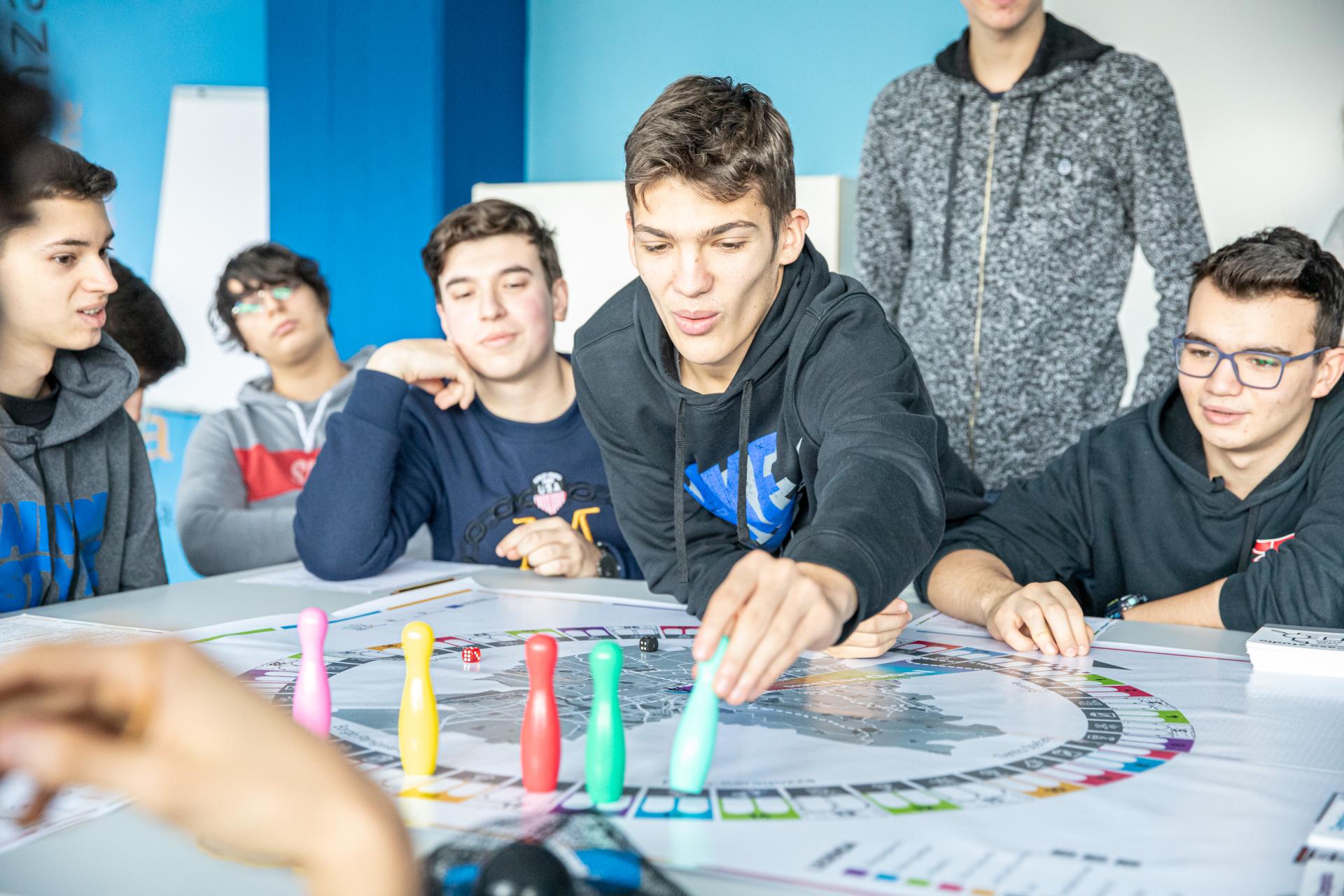
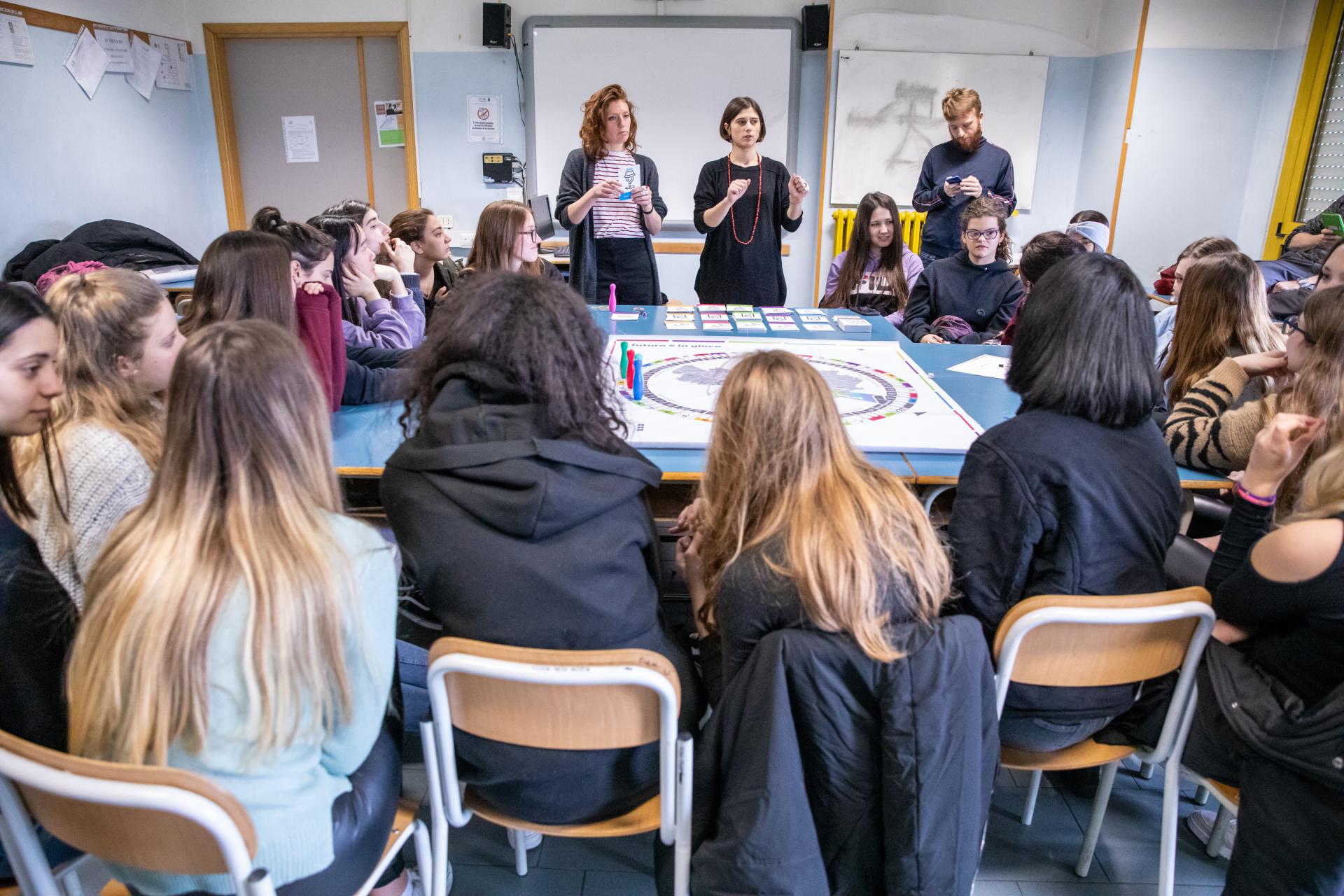
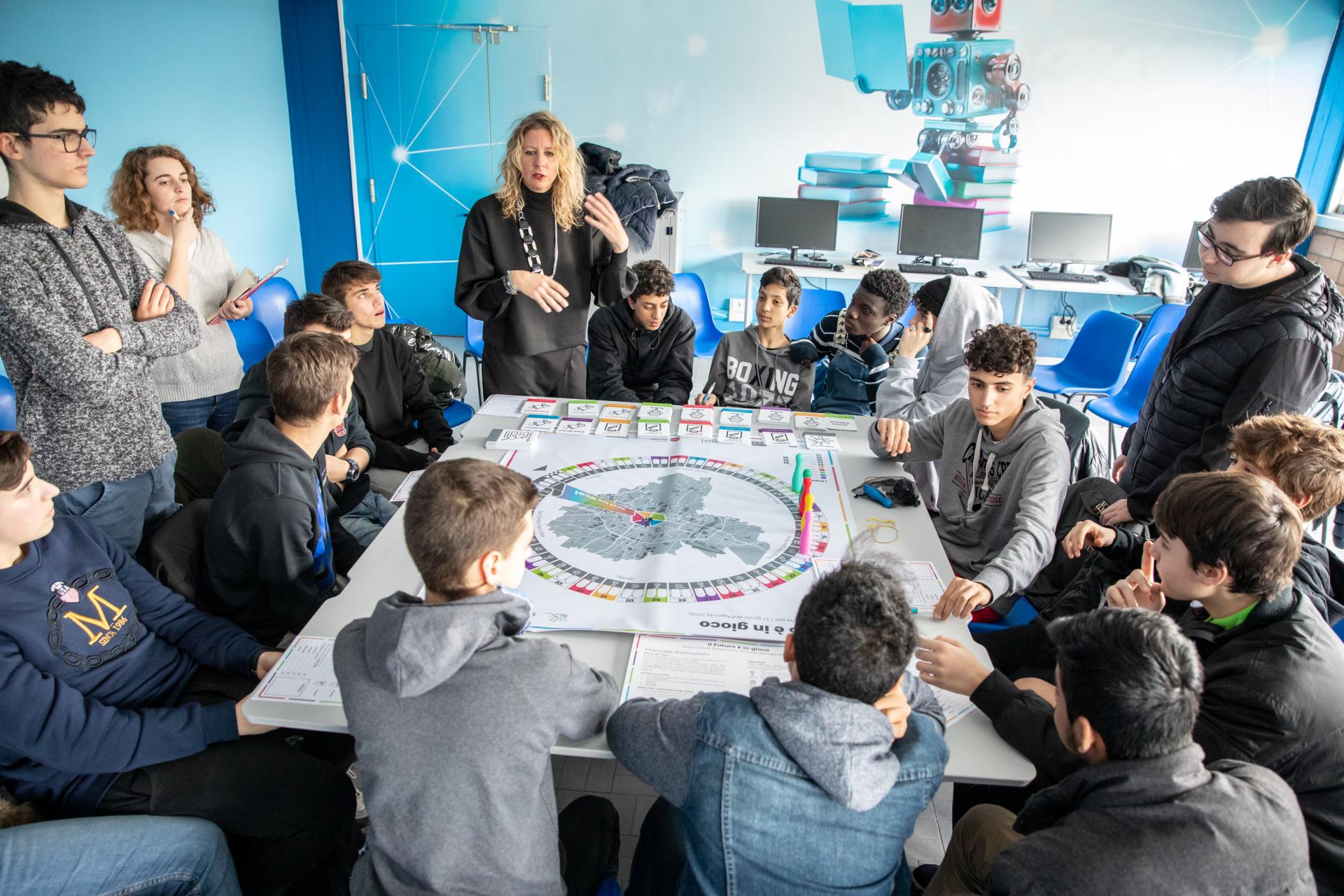
The Parliament, an active citizenship workshop on the themes of the 2030 Agenda was designed through thematic tables, conferences, speakers’ corners, and public events of advocacy. This 1st action was made more stimulating and engaging thanks to the board game The future is at stake created by the Foundation.
The 2nd action, The Labyrinth, is an immersive show in VR, realized by Teatro dell’Argine to tell stories of teenagers coming from the most disadvantaged communities or contexts, realized through interviews with local organizations.
The project was publicly launched in November 2019.
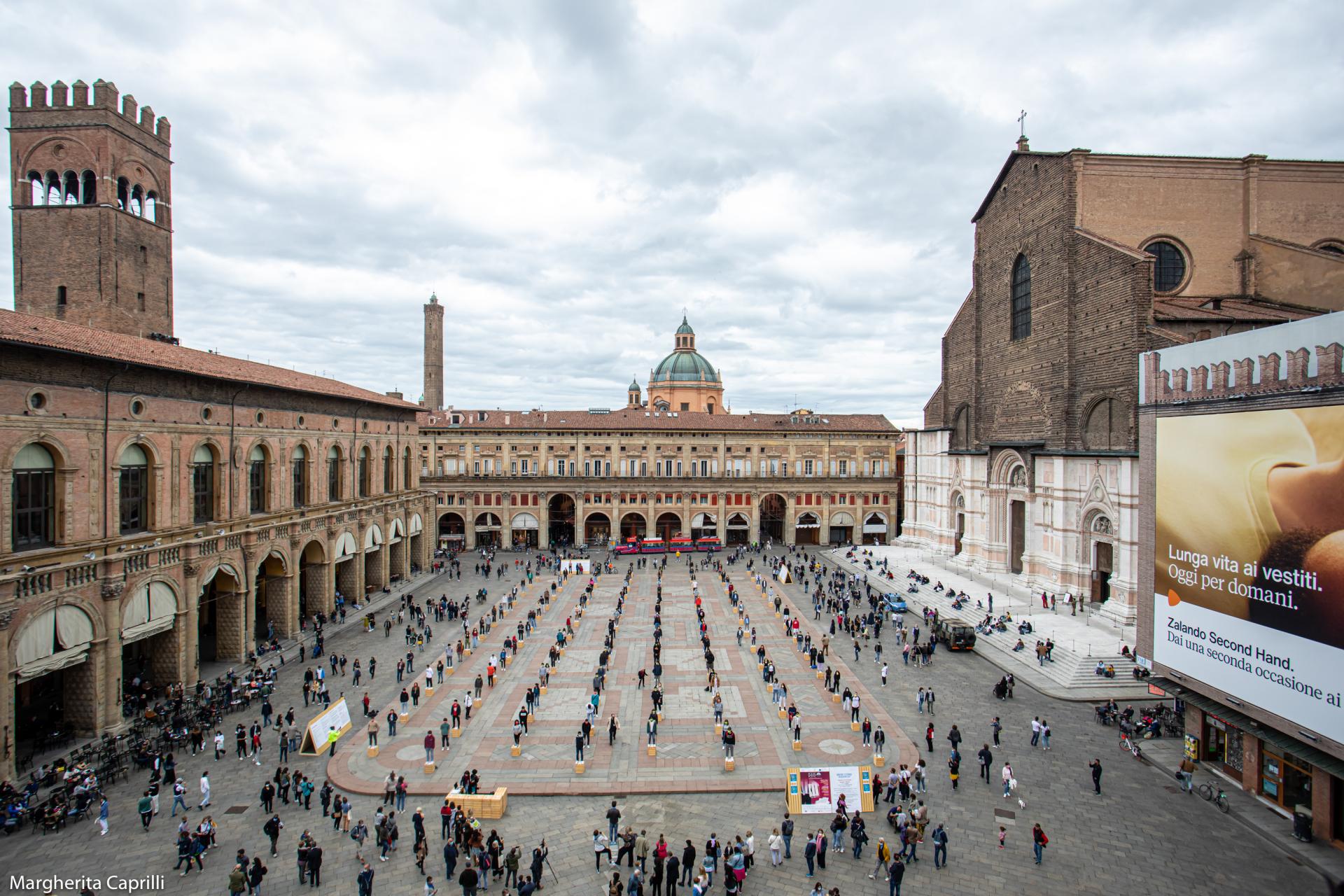
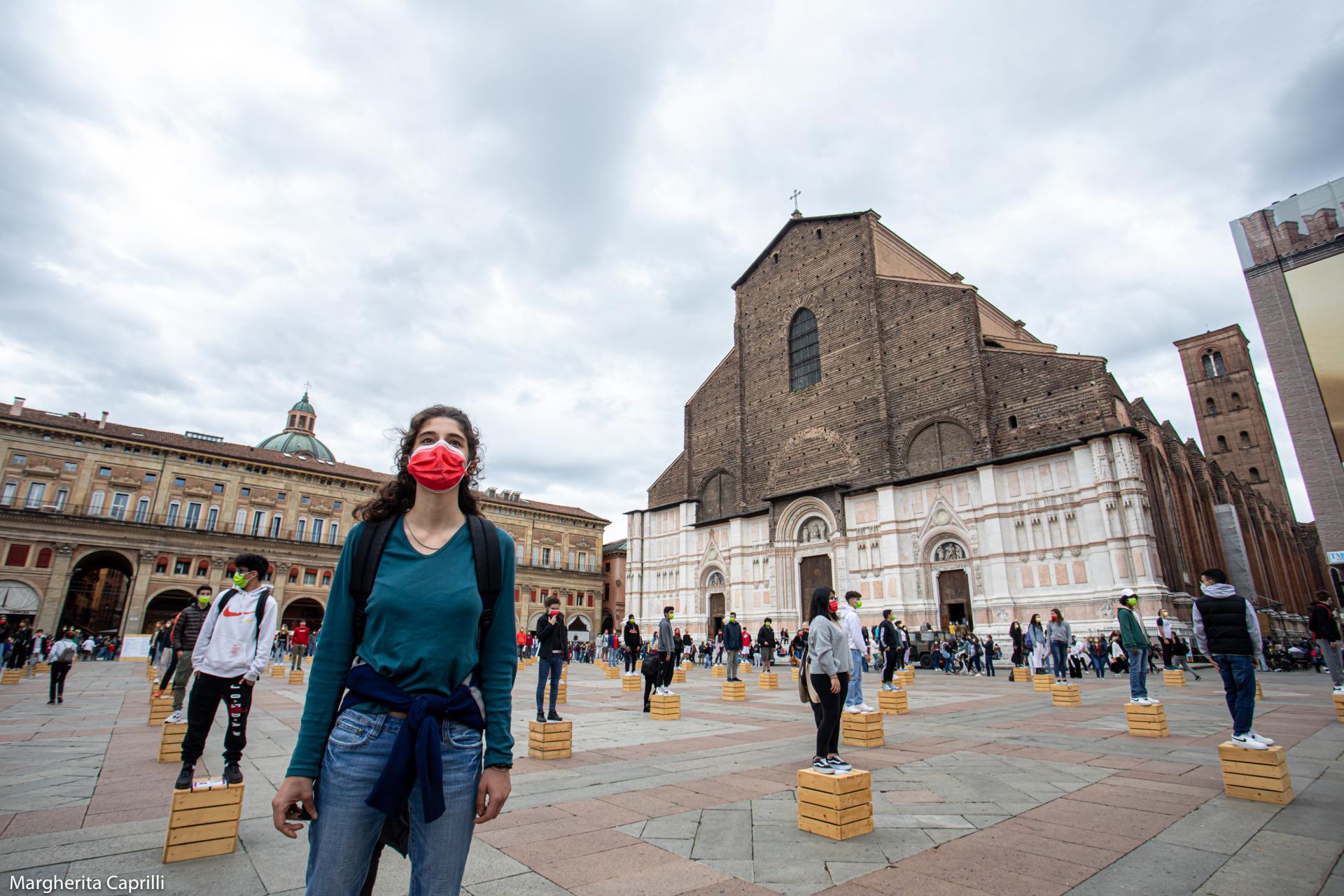
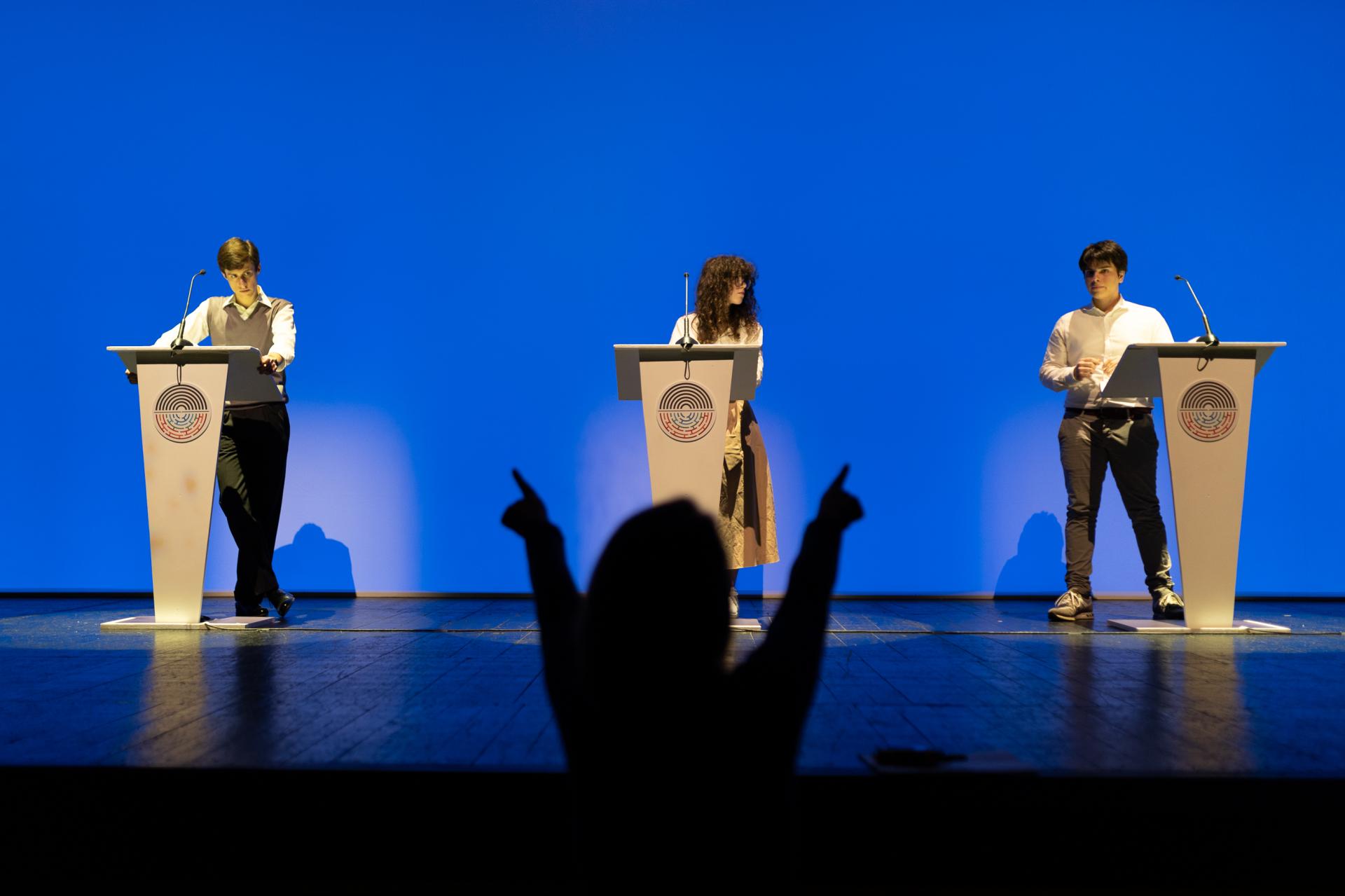
Due to the pandemic emergency, the process was temporarily suspended and restructured through video-conference meetings from November 2020 onwards. On May 16, 2021, the students gathered in Piazza Maggiore to be visitors and guides to the installation containing their video performances. On May 17, 2021, the Parliament ended with a final event at Teatro Arena del Sole, where 14 students, elected among others, presented in the form of a letter to local institutions the challenges the city has to face.
Key objectives for sustainability
Politico Poetico integrated secondary schools' learning process with an open discussion on the themes of the UN 2030 Agenda for Sustainable Development. The key objective was to raise awareness on social and environmental issues among teenagers and to communicate these urges through their voices to decision and policymakers and to all the other citizens and stakeholders involved. The stated objectives in terms of sustainability were met by enacting both an informative and a performative action conceived as a two-way multidisciplinary educational process.
In the 1st phase, students had to reflect on the challenges that they perceive as their own and to project concrete solutions for the city of Bologna and its citizens to tackle these issues. Gamification methods were used by the Foundation. Thanks to the board game, students firstly challenged each other with Q&A on how the 17 SDGs are being achieved by the city, and then they were called to role play as Mayors, Managers, or Councillors and present their own proposals to be voted by a jury. To facilitate the understanding of the themes, the SDGs were divided into 5 macro-themes and integrated with a selection of related ongoing projects in the city of Bologna: Environment, Work and Economy, Inequalities, City and Community, Peace and Justice.
Teatro dell’Argine then carried on several meetings using both facilitation and theatrical methodologies and practices (e.g. world café, debate, impros), providing the students with the tools and the performative knowledge to put into place individual projects and a collective performative action meant to narrate the training process and present future proposals. The events Speakers’ Corners and The Parliament Meets the City aimed both at raising awareness among citizens and institutions about sustainability issues, as well as emphasizing how important it is to involve new generations in decision-making processes so as to guarantee long-term strategies.
Key objectives for aesthetics and quality
As part of the wider project Così sarà! La città che vogliamo implemented by Emilia Romagna Theatre Foundation, Politico Poetico was designed by Teatro dell’Argine theatre company and its partners in 2019 to be a multidisciplinary learning process staging new generations’ ideas for the city’s future.
Within this project, the theatre becomes a tool to explore the value of proximity, the synergies within the territory, and to empower adolescents through innovative paths of participatory beauty. The key objective in terms of aesthetics was to build upon performing arts students’ opportunity to step out of their comfort zone building new relations and more sustainable habits and speak up for their future. To enhance the quality of students’ learning experience and engage citizenship participation through an attractive demonstrative action, Politico Poetico's second phase was designed to translate the active citizenship workshop experience into a performance.
On May 16th, 2021, 100 wooden boxes filled the square of Piazza Maggiore, symbolically representing the stages from which over 500 protagonists should have the possibility to make their voices heard. On each box, a QR Code gave access to the 370 video monologues created by the students. Thus, by moving between these stages, which became a temporary installation right after a demonstrative action, citizens had the opportunity to look at the future through the eyes of the new generations. The theatrical restitution Parliament meets the city was also the means by which the selected representatives presented the five visions for the future in the form of letters to the city, involving public institutions, organizations, associations, policymakers, schools, peers, and citizens. Although the pandemic suspended and changed the project, as well as the 2030 Agenda Goals in the first place; where the lack of perspectives kills any possibility for sight, the theatre might be the real and allegorical place to foresee action.
Key objectives for inclusion
Politico Poetico project was designed to achieve two main objectives in terms of inclusion.
At a micro level, the project goal was to raise awareness among as many young people including among the partner schools also two training institutes (CEFAL and FOMAL) for early school leavers. To meet this objective the project was structured into actions aimed at making complex contents accessible to all ages, backgrounds and educational levels. By translating and transforming the thematic investigation on 2030 Agenda into a game the Foundation was able to integrate the schools’ learning program with a topical track on sustainability both at a global and at a local level. Moreover, this initiative represented a great opportunity for the targeted group of students living in different neighborhoods to dialogue upon the administration policies currently enacted within the overall city of Bologna, as well as on the various activities carried out by the districts. Content accessibility was further enhanced through the use of performing arts tools and paths thanks to the contribution of Teatro dell’Argine.
At a macro level, Political Poetico was aimed at enhancing the voice of the new generations on crucial issues such as environmental sustainability, by both empowering this age group through training and giving them the possibility of accessing the decision-making processes by collectively sharing their own territorial strategies and proposals. By informing and updating youngsters on contemporary challenges as well as on the ongoing policies in Bologna, the project was designed to provide students with the necessary tools to develop their own proposals for future action and include their needs in the city’s forthcoming solutions for sustainability. Moreover, Speakers’ Corner performance in Piazza Maggiore and the public event at Teatro Arena del Sole allowed the students to open up a direct dialogue with the local public institutions.
Results in relation to category
Politico Poetico has involved over 700 students aged between 14 and 20 and a potentially expandable local network has been built establishing the basis for future collective action.
As in a real parliamentary process, a group of students, elected as representatives for each school group, discussed the proposals and revised them in the form of 5 letters to the city, one for each macro-theme. The proposed ideas ranged from neighborhood collective orchards and artistic exhibitions on the busses to promote greater care of common goods, to educational activities with reception and rehabilitation centers and city mappings application to promote more virtuous supermarkets and shops.
The Speakers' Corners demonstrative action and installation were attended by numerous citizens and all the organizations involved. A live broadcast was realized from Palazzo D’Accursio in order to narrate the process. The Parliament Meets the City was also streamed. Both broadcasts are available on Politico Poetico's Facebook channel and on Teatro dell'Argine's YouTube channel. This event was attended by 1500 people among which the Director for the cultural sector and the municipal culture councilor staff, the President and the Vice-President of the Region Emilia-Romagna, the Regional Education Officer, the University and the Municipality of Bologna, by representatives from the social sector (e.g. anti-mafia NGO, association pro-LGBTI+ rights, cooperatives for people with disabilities inclusion), and from businesses engaged in sustainable development (e.g. Impronta Etica).
At a national level, the Minister for Education Bianchi and the Minister for ecological transition Cingolani answered the final events invitations and stated their willingness to take part in the project by reading the letters and structuring an interview to engage with the younger generation on these urgent issues.
How Citizens benefit
Politico Poetico project was carried out in cooperation with seventeen local secondary schools, involving more than 700 boys and girls, but it also allowed for the co-participation of different organizations, institutions, and stakeholders operating in the metropolitan area of Bologna. The initiative represented a great opportunity to bring together different perspectives, addressing students with the responsibility and the right to connect these dots according to their own understanding of future city solutions. Workshops were implemented thanks to the close collaboration with ASVIS the national alliance for sustainable development, the environmental association Legambiente, the arcigay provincial committee Cassero, the association of social promotion against mafias Libera as well as with experts and prominent figures such as the director and television presenter Pierfrancesco Diliberto (Pif).
The city's main witnesses of 2030 Agenda implementation and operators of the field, were interviewed to collect information on experiences and projects currently implemented by local actors to reach the 17 goals. The interviews were then used to create the content of the playing cards to be drawn by the students during the first part of the board game.After the suspension of activities, the Foundation decided to invite to the following meetings several local organizations and associations so as to discuss with the students how their activities and projects were impacted by the socio-economic crisis linked to the pandemic. By engaging the civil society and supporting a compulsory reinterpretation of the 2030 Agenda goals in view of the transformed global situation.
Local public institutions, such as the Municipality of Bologna and the Emilia-Romagna Region, as well as the overall civil society, were involved in the last phase of the project through the two performative actions implemented by Teatro dell’Argine. A complete list of all the partners at www.politicopoetico.it
Innovative character
The innovative character of this project can be traced to two elements: multidisciplinarity and engagement of new generations in public policies.
Politico Poetico's aim was to integrate secondary schools curricula with new and engaging tools for understanding sustainability challenges, as well as with expressive means by which to take and promote action. The cooperation between Teatro dell’Argine and Fondazione Innovazione Urbana has made it possible to provide students with a totally new educational pathway. On one hand, the Foundation’s know-how in civic imagination tools and participatory practices has made it possible to rethink the thematic analysis of complex matters, re-processing information, and data into board games, and role-play for students to internalize sustainability goals by having fun. On the other hand, the artistic direction and long-term experience of Teatro dell’Argine in using theatrical tools and practices to enhance dialogue and inclusion and foster individual participation and collective action among people of all ages and backgrounds facilitated the students' creativity and communication skills.
This experience stems from the realization that in order to create long-term solutions, the needs of those who will implement them in the future must also be met. The close cooperation between public institutions, local authorities, representatives of the cultural and performing arts world, associations, and schools made it possible to involve the younger generation in the city's decision-making and awareness-raising processes. Thus, Politico Poetico has been a great opportunity to creatively integrate local policy-making actions and sustainability strategies with matters younger people consider important as well.