SAMURAI standard project proposal
Basic information
Project Title
Full project title
Category
Project Description
STAR team aps is proposing a standard project development methodology
SAMURAI standard project proposal contribute to addressing the needs of territories , communities and individuals via transformation and regeneration of abandoned spaces and their quick adaptive reuse following the "bottom-up" / "design for all" approach.
SAMURAI project proposal embrace the all 4 categories and NEB principles
SAMURAI standard project proposal grants easy replicability
Geographical Scope
Project Region
Urban or rural issues
Physical or other transformations
EU Programme or fund
Which funds
Description of the project
Summary
STAR team aps is proposing a standard project methodology to develope intervertion that incorporate the NEB principles Beautiful-Sustainable-Inclusive plus Efficiency and Replicability
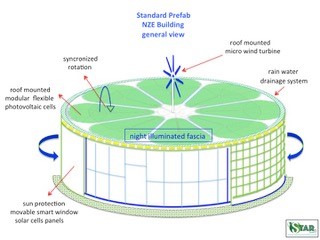
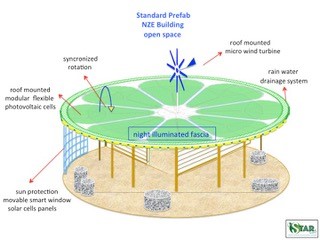
· SAMURAI project development ensure the adoption of all energy saving technologies and materials, the extensive use of prefab components minimasing in situ works duration, reducing exposure to safety risks with overall cost savings.
· SAMURAI project proposal adopt all materials that minimise maintenance cost and will be fully reclycled at the end of project life time.
Key objectives for sustainability
SUSTAINABILITY ----> SAMURAI project proposal is addressing also to:
- reuse existing abandoned spaces to reduce soil consumption and eliminate urban vacuum
- use technical solutions and materials tha grant low operations emissions / pollution
- grant always lowest energy intensity intervention - self sustained consumptions
- ensure / expand adoption of greem materials to meet NZEB recommandations
- use natural recycled materials for internal / external furnitures and equipments
- choose construction materials that will be recycled at the end of project life time
>>>>> rest of informations in the attached files
Key objectives for aesthetics and quality
AESTHETICS -----> SAMURAI project proposal is addressing also to :
- prioritise adoption of efficient aesthetical technical solutions
- combine different styles to support sharing of beauty concepts and messages
- plan common ares to favor/ spread different cultures and traditions
- ensure respect for diversity / habits providing full scale of assistance ( info, signage,advertising etc)
- choose tints and paintings to transmit full integration with nature
- adopt colors for internal paving / ceiling to give continuity to the extenal green grass forecourt
- plant low maintenance and evergreen trees to maintain constant environment view
- install forecourt tree shape lighting poles to add intensive green looking ambient
>>>>>> rest of informations in the attached files
Key objectives for inclusion
INCLUSION ------> SAMURAI project proposal is addressing also to :
- adapt project /new spaces to local communities needs following "bottom-up"/"design for all " approach
- ensure that final uses of regenerated spaces will be available to all citizens
- make each citizen feel owner and protector of the readapted space
- incorporate cross age tutoring ambients / facilities to favor cultural transition
- identify final uses that also generate potential new jobs / employment
Results in relation to category
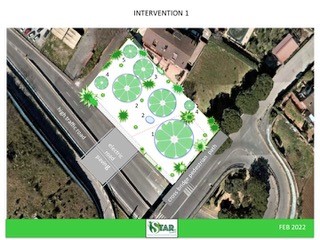
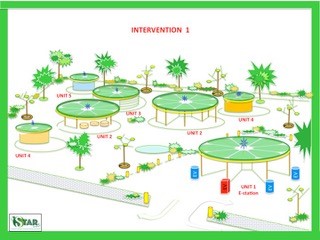
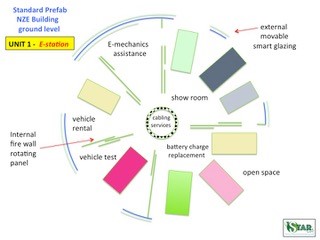
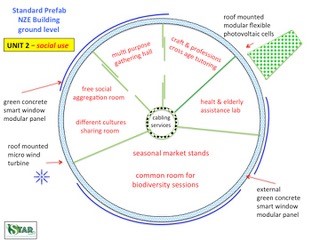
SAMURAI standard project proposal because of its modularity and multi unit flexible configuration allow interventions to perfectly respond to local space shape and the full integration with existing surroundings
How Citizens benefit
STAR team has already elaborated and proposed 21 different interventions in Italy 2 of which in the city of Rome that are illustrated in the attached files.
Following the project development methodology all territory parties ie communities,local administrations, sponsors, media, other organizations have been involved, since the very beginning, in the process in accordance to the "bottom-up" / "design for all" approach - this process proved to be successful and crucial for the complete adherence of the reuse destination of the regenerated space to the people needs and expectations.
Physical or other transformations
Innovative character
SAMURAI standard project proposal because of its modularity and multi unit flexible configuration allow interventions to perfectly respond to local space shape and the full integration with existing surrounding
Learning transferred to other parties
SAMURAI standard project proposal is based on the strong standardization and replicability . This approach allows easy and quick implementation of any size of intervention every where.
As a result, the application of the methodology favors the use of prefab components minimazing on site works, reducing exposure to safety risks, cutting the duration of field activities, optimising operations overall costs, granting a quick return of the regenerated space to the communities.