Coconat – workation retreat
Basic information
Project Title
Full project title
Category
Project Description
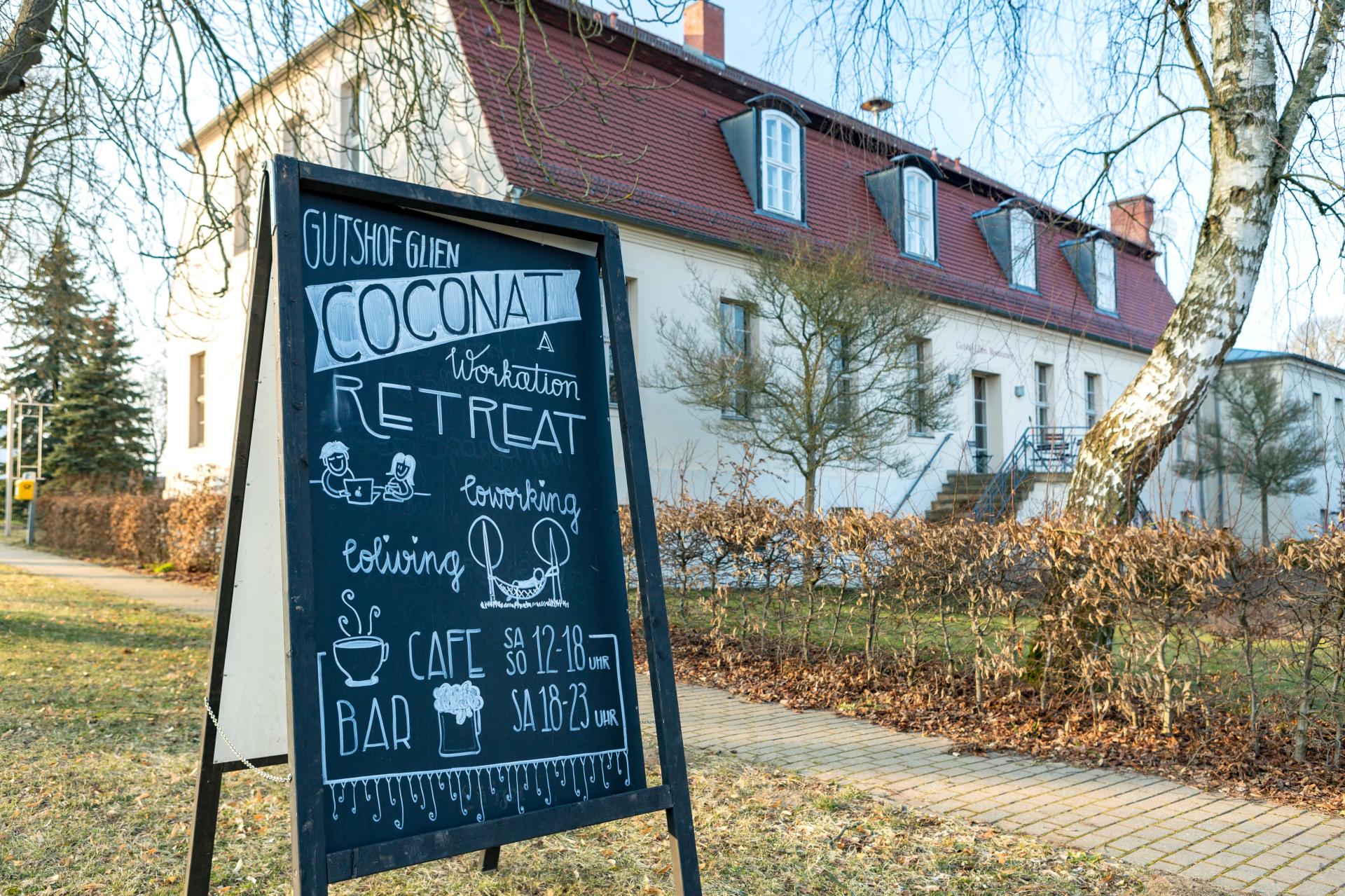
Coconat stands for Community and Concentrated work in Nature.
We are an impact driven company and base our value on our positive impact rather than capital growth. We achieve this through our innovative model of tourism, which combines workation, coworking, coliving, and special projects focusing on rural development.
Coconat is a fertile, bricks and mortar hub connected to a multitude of international and local networks.
Our purpose: Inviting. Inspiring. Inventing sustainable stuff.
Geographical Scope
Project Region
Urban or rural issues
Physical or other transformations
EU Programme or fund
Which funds
Description of the project
Summary
Coconat was created by four founders and nowadays is based on a permanent team of 20 as well of hundreds of supporters.
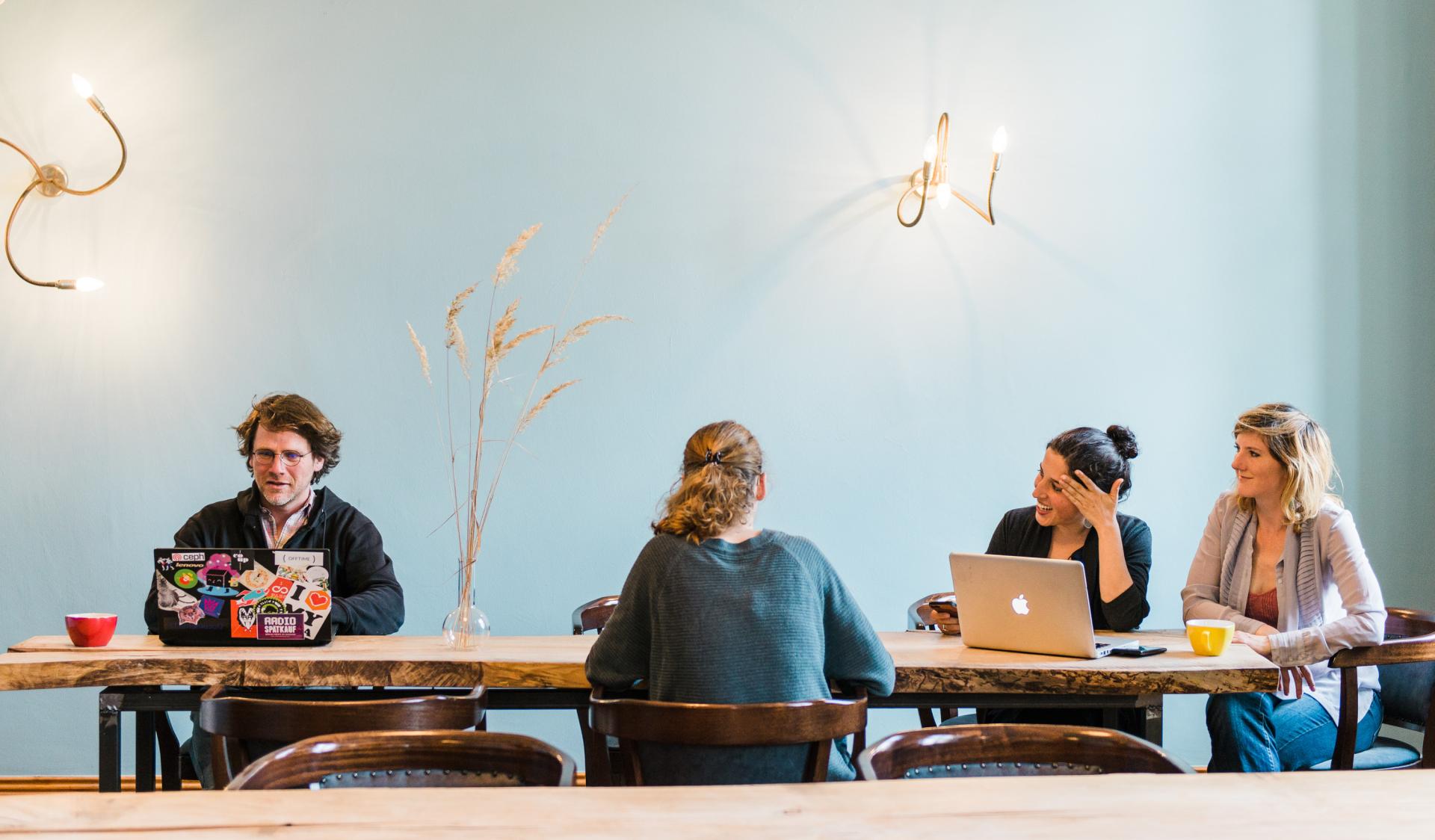
Simply spoken we run a coworking space combined with a country-side hotel, a rural creative hub, but Coconat is much more than this. We strongly believe in the future of the countryside and wanted to found a creative community which make use of the possibilities which digital Information- and Communication Technologies offers to rural areas. Our plan was to create a community which is based on a sustainable business model, financially independent from public money. Coconat intends to be strongly integrated into the local community, it should not be an UFO, but develop together with it´s neighbourhood and transfer learnings to other regions.
Coconat would not work without being part of a huge, worldwide network of great people and organisations. We initiated the Smart Village e.V. to make the Fläming region 'the place to be' for creative technology-oriented people who are eager to set up their own projects and/or move to the region. The Netzwerk Zukunftsorte e.V. (Network of Future Places), of which we are a co-founding member, practises, tests and further develops the possibilities of collaborative living and working in rural areas.
We started Coconat in 2013, had two pilot places in 2015 and 2016, and in 2017 we found our final home in a historic manor house where we physically built up our project. Our ‘foundation phase’ ended in 2021 with the purchase of our neighbouring property, the opening of our restaurant, and the finalization of our first residency programme. In this first phase we strenghtened a sense of belonging in the region and used sustainability, aestetics and inclusion as our guiding values.
Nowadays, in phase two, we are addressing new challenges in a hopefully soon post-corona-epoch with building up a makerspace, a mobility station, a local energy cooperative and a social housing tiny house project in the upcoming years.
Key objectives for sustainability
Ecological, social, and economical sustainability are the foundation of our work, if we refer to the Millennium development goals.
We run our business as climate-friendly as possible. Our three daily vegetarian meals we try to prepare with local, organic ingredients, and a zero waste policy, reusing left-overs. We grow herbs, berries, and fruits in our garden. Three of our 15 on the ground companies work in the field of sustainable food. We host many seminars of environmental and social non-profit organisations. With our own non-profit organisation, Smart Village e.V., we are part of an initiative called Klimawerkstatt, aiming to develop a local climate protection strategy. Our media projects support environmental and filmmaking activists with media training and a free editing suite. With a wilderniss school and the Naturpark Hoher Fläming we cooperate in nature tourism projects and environmental education.
We have implemented car-sharing and bike rental, consult our clients on sustainable travel, and offer coworking spaces to the locals to reduce commuting. For building, we prefer long-lasting local materials and facilities. We try to run as energy-efficiently as possible, i.e. we don´t iron our bed sheets and inform the guests about the reasons. We also ran a seminar in the Berlin based university Hochschule für Technik und Wirtschaft (HTW) about social entrepreneurship.
Social sustainability means for us to manage our team in an appreciative way and to avoid burnouts. Therefore we follow a code of conduct and an employer value proposition as the base of our work. In 2020 we conducted an external team development to offer support in times of a pandemic and address challenges in our management structure.
For financial sustainability our financing is based on our community (crowdfunding and small loans), we grow from own resources instead of using grants, and diversify our business model to create a more solid foundation instead on relying only on tourism.
Key objectives for aesthetics and quality
Our purpose is to invite, inspire and create sustainable stuff. To co-create such a fertile ground we, most importantly, include our community. In the first 2 months, more than 80 helpers supported us preparing the historic building to receive guests, since we have organised numerous subotniks, community actions, for special building projects.
For the beginning we created a design-collective with 10 architects, to create our own open source hardware furniture and provide an inspiring experience for our guests. We also have great results from various design projects with different universities. Our rooms are very individual and often very flexible (e.g. furniture on wheels, or tables which can be turned into flip charts).
We emphasize the historic heritage of the 1822 building and treat it with respect, but also create disruptions, e.g. by placing an old S-Bahn waggon (a 17 meter long, regional train from Berlin) as a work space onto the historic yard or having a steampunk-welcome-robot in the oak-dominated reception area. We have special interest in turning former agricultural infrastructure, like barns, silos or greenhouses, into contemporary architecture.
We try to use local available resources, like wood or fieldstones and historic materials like lime plaster or clay paint, but work with modern production tools (i.e. cnc milling machine or laser cutter) and have many upcycling projects on-site, often using stuff we found on the grounds.
Nature plays a crucial role in the aesthetics, we include our park and the surrounding nature reserve into our product by building outdoor furniture and constructions like stages, fire places, hammocks, a tree with hanging chairs, a raft, a lake terrass, and hanging and glamping tents.
We work a lot with local designers, run arts and crafts markets, host a craftwork-café on ground and develop in cooperation our own design products like a ´chicken that cowork` calender or a line of mobile office furniture for digital nomads.
Key objectives for inclusion
Promoting diversity is of high value for us. We take care that the communications of Coconat is inclusive and inviting for PoC and LGTBQ+. A core topic is the adequate representation of women where we are fighting specially against the tendency in the media to reproduce the picture of a male founder and the fact that women are extremely under-represented in expert panel discussions.
More than 50 % of our clients and our team are non-native to Germany, we run an international work-exchange programme, and cooperate with the local refugee organisation to raise the numbers of international team members. English is our first language which creates a barrier to the local community so in our public relation we take care to translate all terms into German.
In a historic manor house it´s a challenge to reduce architectural barriers for people with disabilities and we try as much as possible.
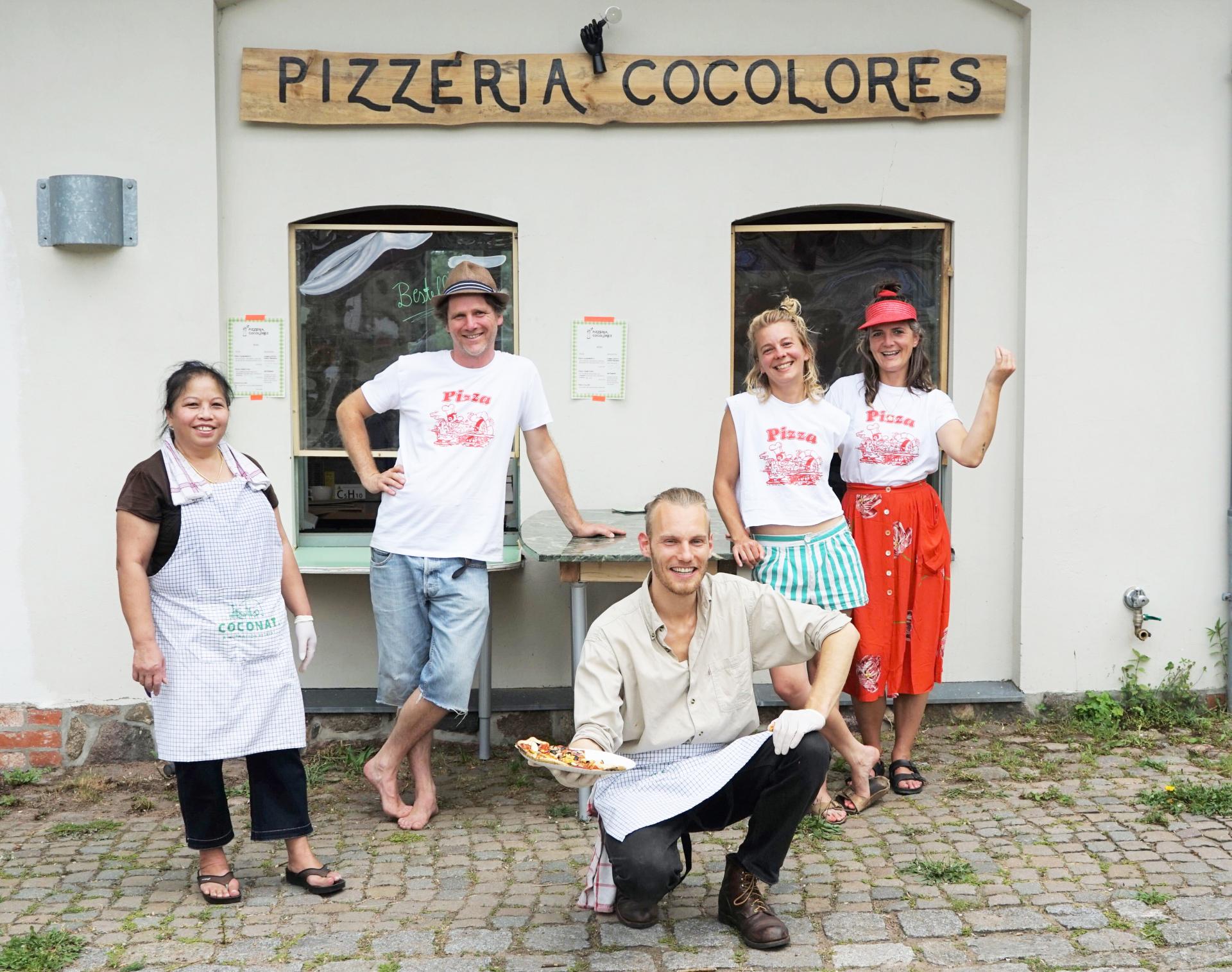
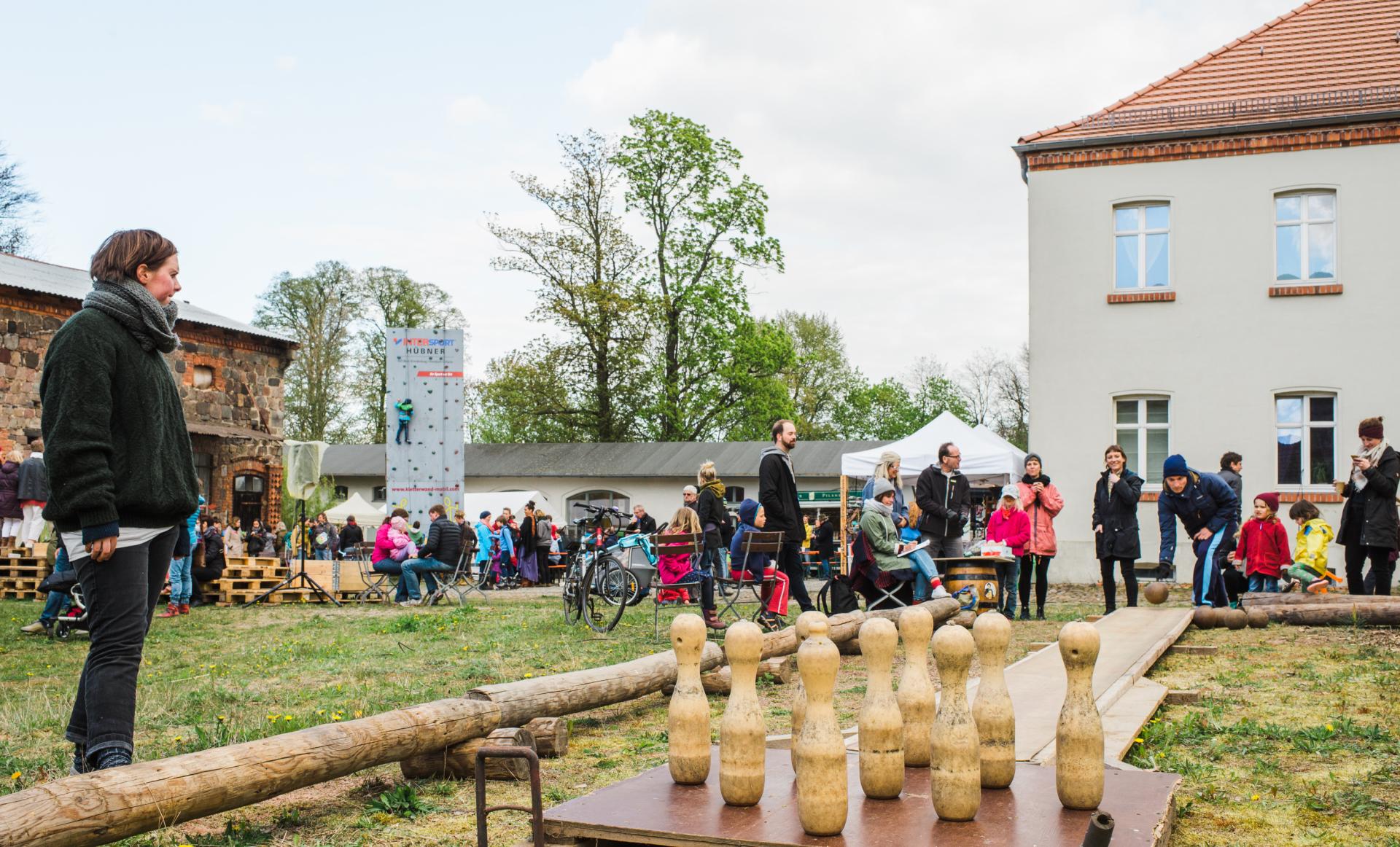
Although, our target groups are mainly digital working with a higher education, we make Coconat also a place for people of all socio-economic backgrounds accessable with easy to access concepts like a pizzeria, films, and concerts with local bands in the unused village church. Our annual creative festival, Fläminger Kreativsause, is combined with another festival to invite an older demographic (over 70s) to create an intergenerational exchange. We also bring our ideas directly to the people by having booths on fairs or the town party in the historic quarter of Bad Belzig.
The affordability is another big topic for us, we aim to be a place where people from different incomes are able to meet which is often rare in the rest of society. Therefore we offer different sleeping categories from tents and sleeping pods to single rooms, but the public space is the same for everyone. We also offer free/cheap space for young entrepreneurs or local initiatives, work exchange possibilities for low-income guests, and scholarships for artists.
Results in relation to category
We are located in a historic manor house in a village of 170 people in the state of Brandenburg. One of the emptist areas in Germany, 70km from the capital Berlin, 50km from the original Bauhaus in Dessau; the population is still declining. The manor house was built in 1822 by a noble family and used as a farm until the end of WW2. During GDR-times it hosted a small shop and a kindergarten and was home to German refugees from the East. After reunification, inhabitants left the building abandoned. In the late 1990s it was converted to a hotel but never reached profitability and was empty since 2014.
In 2017 we managed to convince the city hall to sell it to us and turned it into the worldwide first workation retreat by installing coworking, a community, and temporary living spaces.
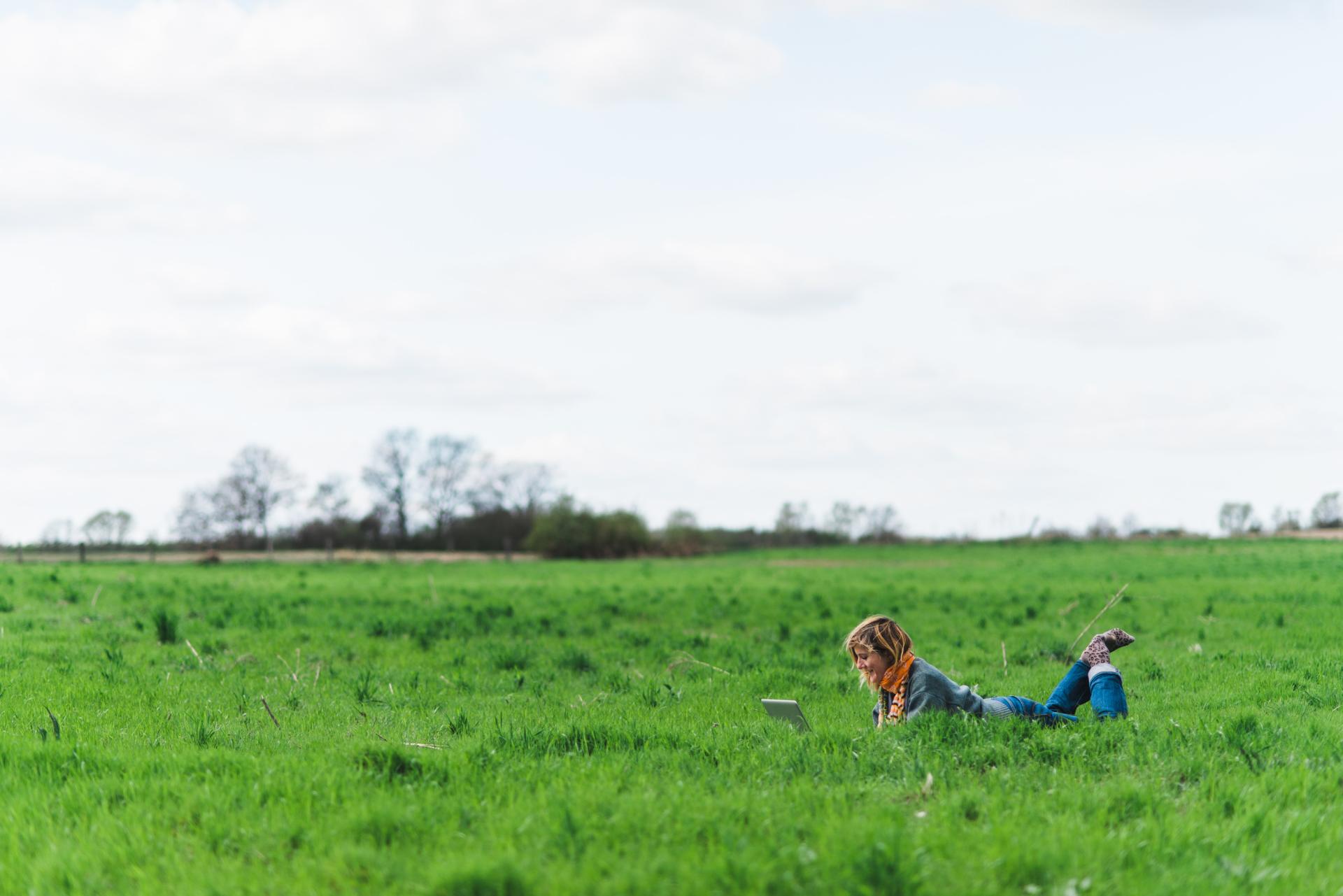
Coconat is a space for the region where people come for coworking, found companies, run projects, enjoy good coffee and a pizza, and attend cultural events. It´s a quiet country-side place but at the same time a vibrant, diverse and international hub with start-ups, which merges urban and rural lifestyles. Our aim is the empowerment of the countryside, promoting the search for new solutions in our region instead of waiting for innovations from the cities.
The small village of Klein Glien made it into global media and our neighbours are proud that some visitors skip Berlin and the only thing they know from Germany is this tiny village in the middle of no-where. It became a hybrid space, bridging different worlds. Nowadays young people come back or stay in the region, work for Coconat, open their own start-ups, make friends from around the world and appreciate their home. Coconat serves as a community centre for the village, the local pensioners are happy to have a place to enjoy their Christmas dinner, and the citizen media projects celebrate the local identity and make people proud of their region and strengthen the feeling of belonging.
How Citizens benefit
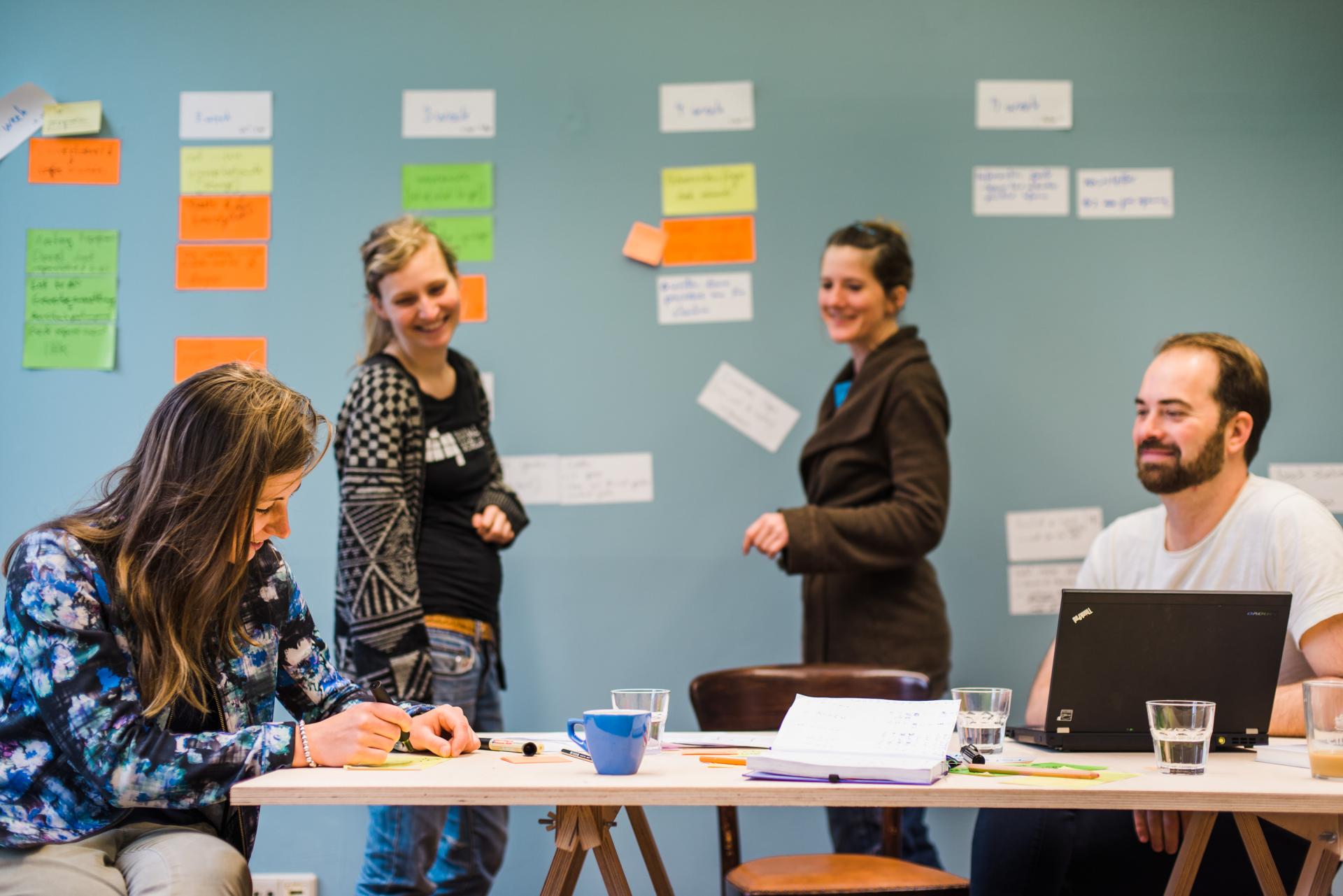
Before applying for the property the founders joint the annual village party. After that first impression of each other we invited the neighbourhood to a design thinking workshop about the property development. Most the ideas brought in by our neighbours were implemented afterwards. For example, the political and the civil society meetings, the elections, and the village party take place on our grounds, the voluntary fire brigade has their own building on site, and we speak new projects through with the village representatives. We finance small investments or develop projects together. The neighbours are employees, service-providers, and bring their talents in.
To accelerate the possibilities to get engaged and the effect of the measurements in 2017 we founded the non-profit organisation Smart Village together with the neighbouring municipalities, the local newspaper, the Naturpark Hoher Fläming, and other active associations and people from the region. Smart Village serves as an umbrella organisation for a multitude of initiatives and projects which create jobs and brings benefits to the region.
Another strong component of possible involvement are our media projects. We run the citizen journalist project Wirzulande (We people from the country-side) to encourage people to write articles for the citizen online magazine, participate in our online TV show, and/or present their thoughts and ideas in our podcast and reach out to a wide audience. The open source Smart Village App, which we co-initiated, and has more than 2,500 downloads until now (around 20% of our community). We believe media plurality and media competence are very important for fighting right wing tendencies in societies.
Each year we did run many participatory events where neighbours are participants or co-organisors, e.g. at our last Makers-Christmas market two of our neighbours offered 3D printing try out sessions. The events also create long-lasting outcomes like a local audio guide.
Physical or other transformations
Innovative character
Coconat had been the first place worldwide who made the combination of work and vacation (workation) a bricks and mortar start up by creating a retreat. This idea follows historic ideas of creative and concentrated work in nature like artist colonies, artist residencies, or monasteries, places to escape from the distraction of the city. The innovative idea was to take the existing idea of coworking and merge it with this historic tradition to create a completely new touristic concept. Mainstream practises would be business hotels, urban coworking spaces, seminar houses, or village community centres which all miss elements of the Coconat workation retreat.
When we started the project we tried to apply for innovation-grants but the office of economic development rejected us because there were no examples to proof our business model could be financially sustainable. Now, after managing to implement the project without financial support from the government exactly these institutions like to present us as a best practise example for an innovative company from a rural area.
Since we opened Coconat got mentioned in hundreds of publications, including leading media like El Confidencial, ZEIT, Spiegel, Wall Street Journal, New York Times and Le Monde. Researchers and students wrote in dozens of scientific papers and public studies about the phenomena of a new empowerment of country-side, naming Coconat as the pioneer and most well-known project in this field. The founders are invited to a multitude of congresses for rural development, innovation, real estate development and digitization like re:publica, Zukunftsforum Ländliche Entwicklung or the Expo in Dubai.
In the last years additionally, Coconat won several awards for tourism, including the highest national tourism award, the German tourism prize, and awards for creative industries, demographic projects, and even the international Famigro award for our innovative concept to contribute to rural economy and environment.
Learning transferred to other parties
The Coconat idea has been used a lot as a blueprint to transfer the projects´ results to other regions. Many new project founders stayed at our place to get inspired, we presented on stage in many congresses and other events, researchers analyse our work and publish papers about us. The Smart Village app we initiated is used in 22 other communities in Germany, many of them much bigger than Bad Belzig, which makes many people here very proud. As a ´best practise project` we also took part in some European networking projects like Creative Accelerators for Sustainable Tourism (COSME), MaC Village (Intereg) or AGARE (Europe for Citizens), as resource people..
At one point the outside interest in the concept of Coconat became so big that it exceeded our capacities. We are always happy to share our ideas and believe that the market is big enough for all so we don’t see other places as competitors but we needed our worktime to run our own business. As a consequence we co-founded the network Zukunftsorte Brandenburg as a non-profit organisation to support other founders of similar places. Nowadays the association has four employees and a couple of regional spin-offs, and consults mayors and offices of economic development in the development of rural innovation hubs and maches empty properties with interested founders. Coconat also support the cooperative CoWorkLand which promotes the development of coworking spaces in rural areas. In our little area there are already four coworking spaces, that´s more than many cities have.
We are convinced our model is very replicable, there is a big need of communities and potential founders and we developed adequate methods to fulfil the demand.