EDU international student workshops
Basic information
Project Title
Full project title
Category
Project Description
International student workshops of costume design, fashion and textile design and art criticism / essays.
Geographical Scope
Project Region
Urban or rural issues
Physical or other transformations
EU Programme or fund
Which funds
Description of the project
Summary
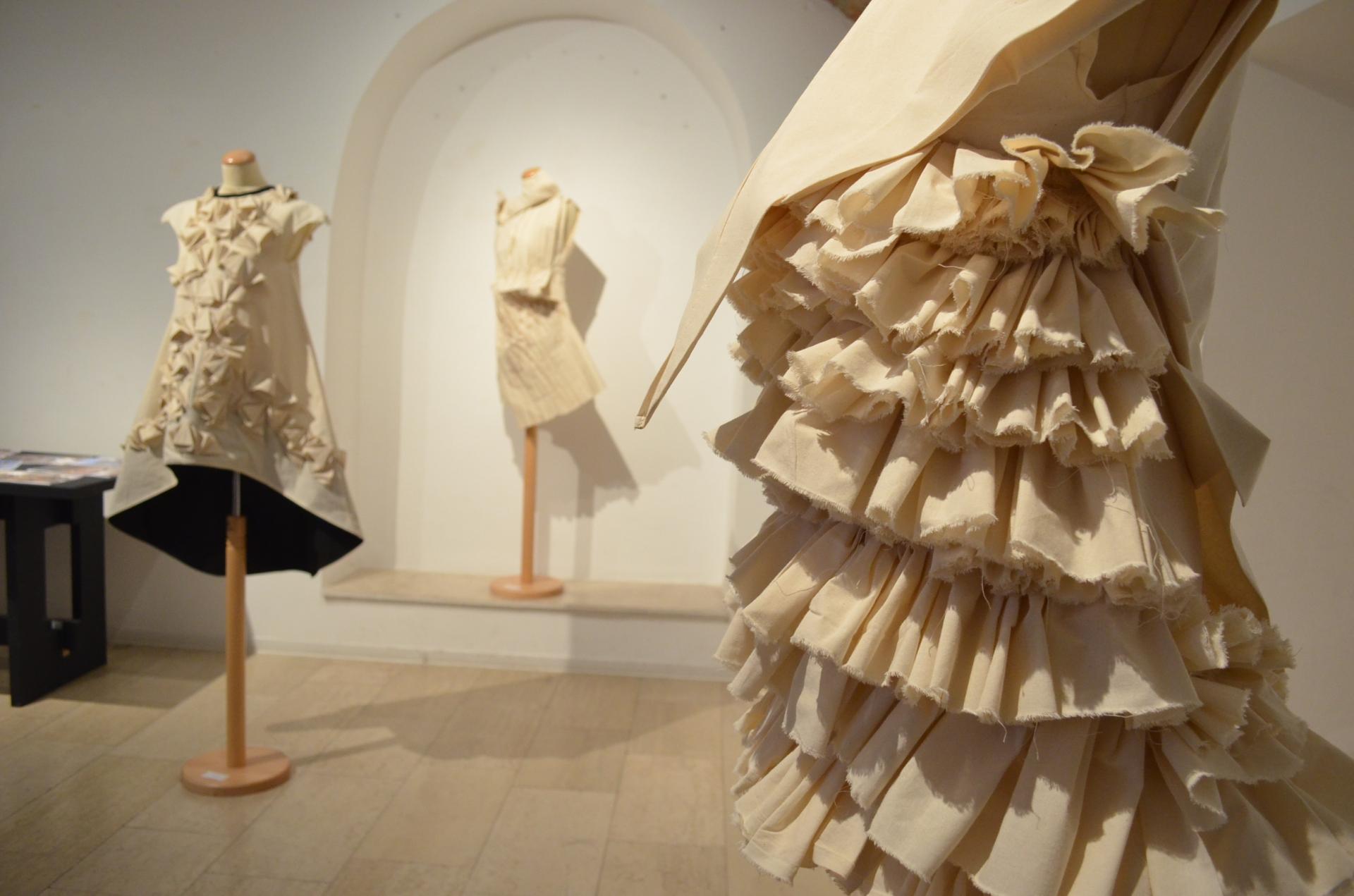
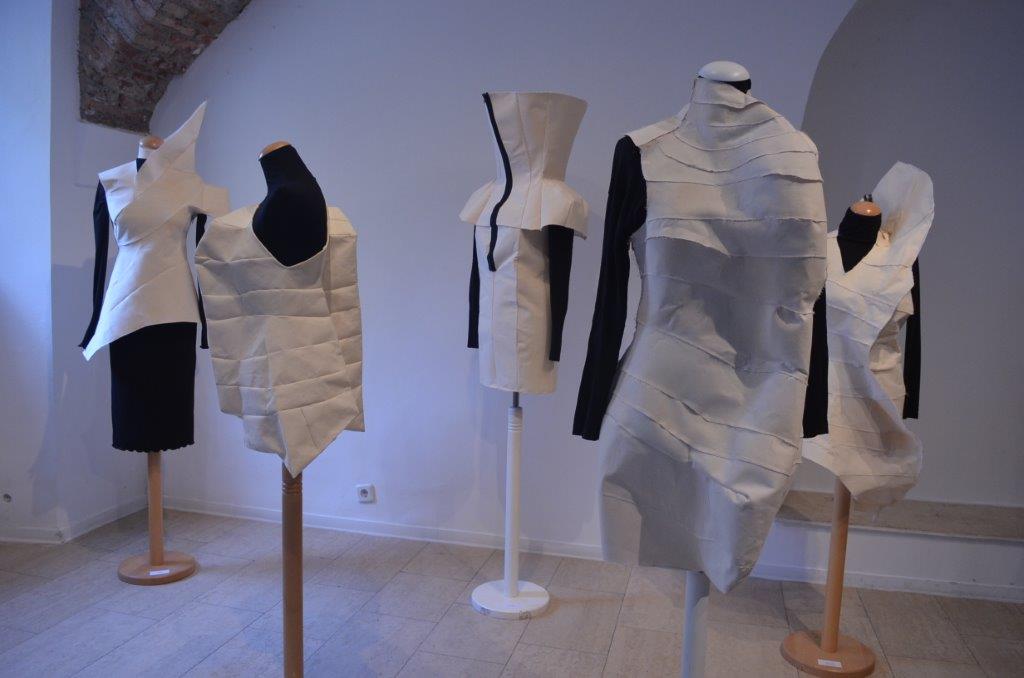
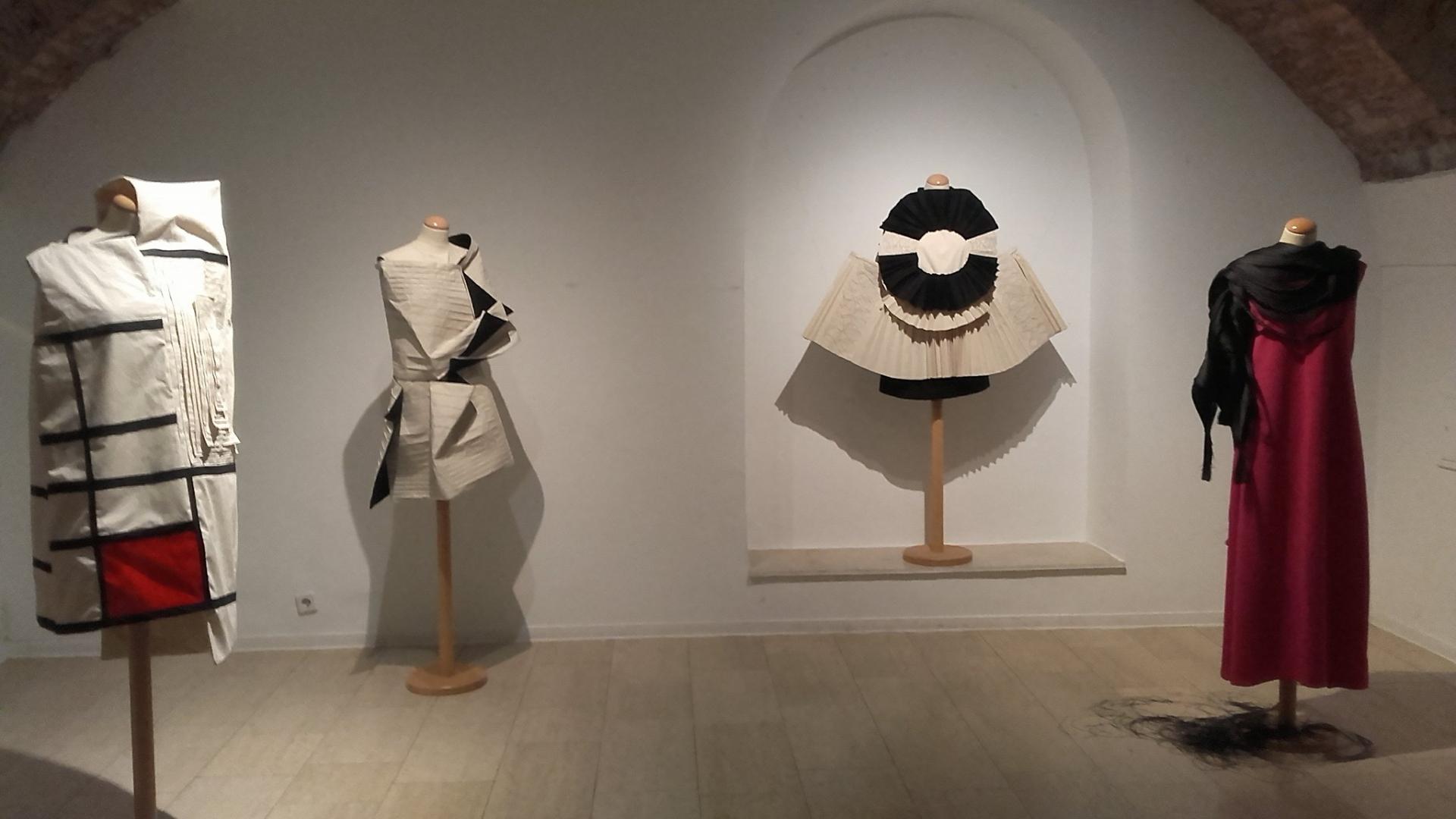
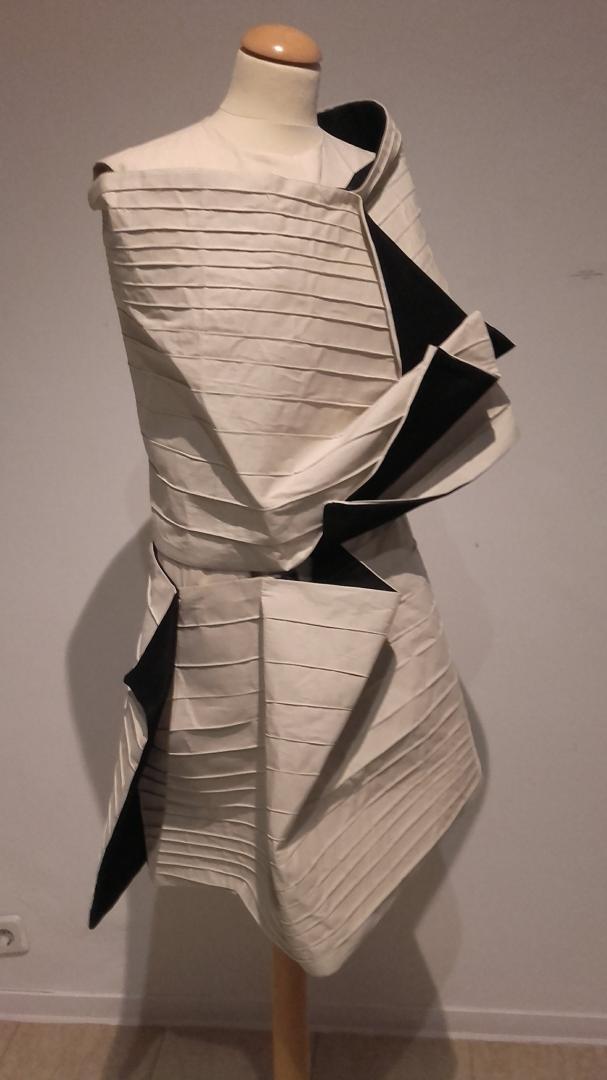
The EDU project of international student workshops has been continuously organized since 2013. These are international student workshops of costume design, fashion and textile design and art criticism / essays in which students from the country and the region participate (through an invitational competition at related faculties). The goal is to acquire, through annual workshops with students and exhibitions of their work, specialist knowledge and improvement of creative and individual approach as a supplement to the curriculum. The project provides many applicable solutions for better organization and results of the educational system in artistic higher education institutions through the synergy of lecturers / workshop leaders and students / workshop participants. The authors of the project are Ivana Bakal and Silva Kalčić. More than 40 students from the country and the region will participate in the workshops (through an invitational competition at related faculties from the region). The project is rounded off with exhibitions of final works of students in Zagreb, with the possible hosting of the exhibition abroad. The aim of the project is to acquire the artistic skills of the participants of the workshops and to connect higher education institutions from the country, the region and beyond.
Key objectives for sustainability
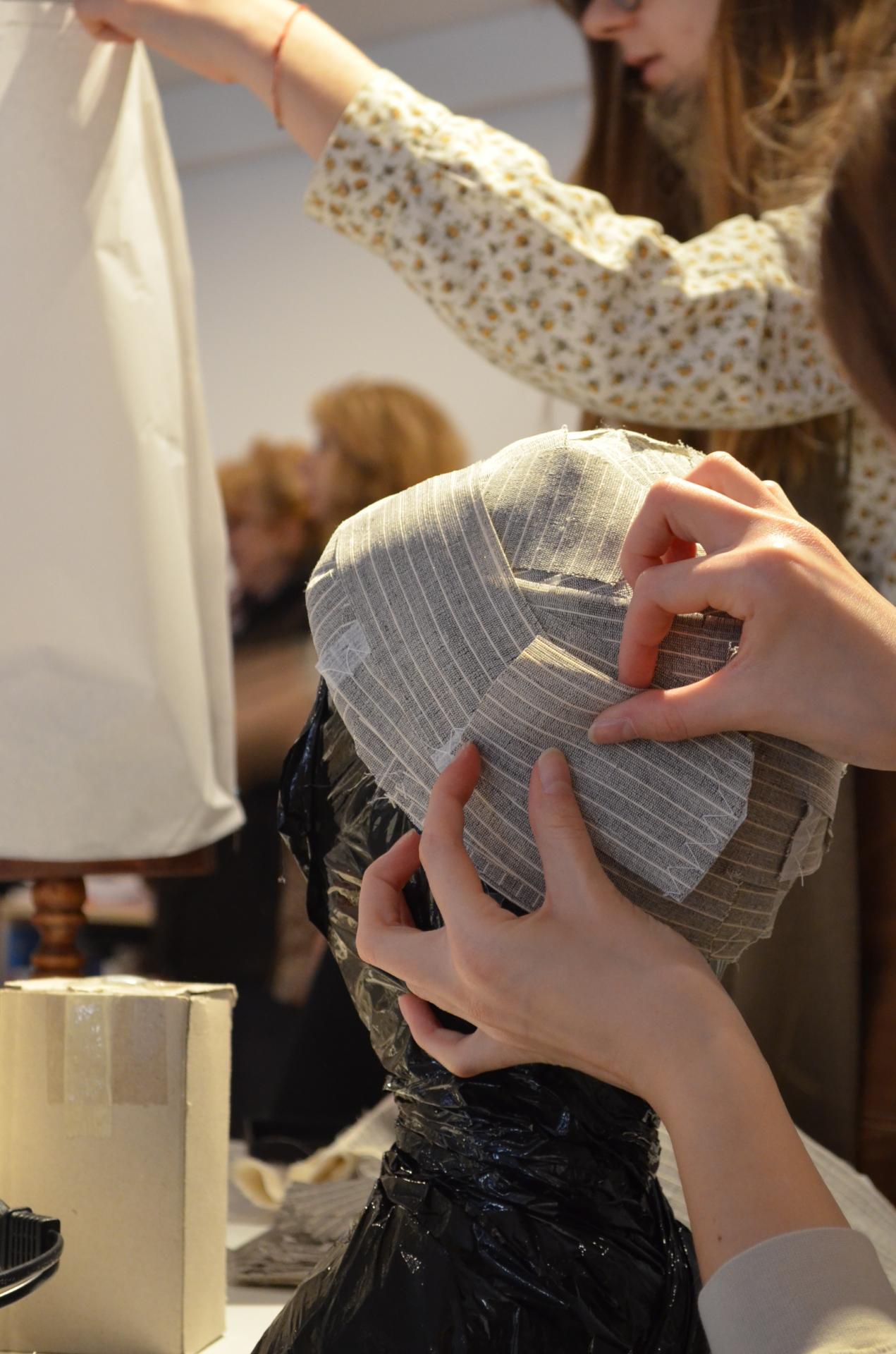
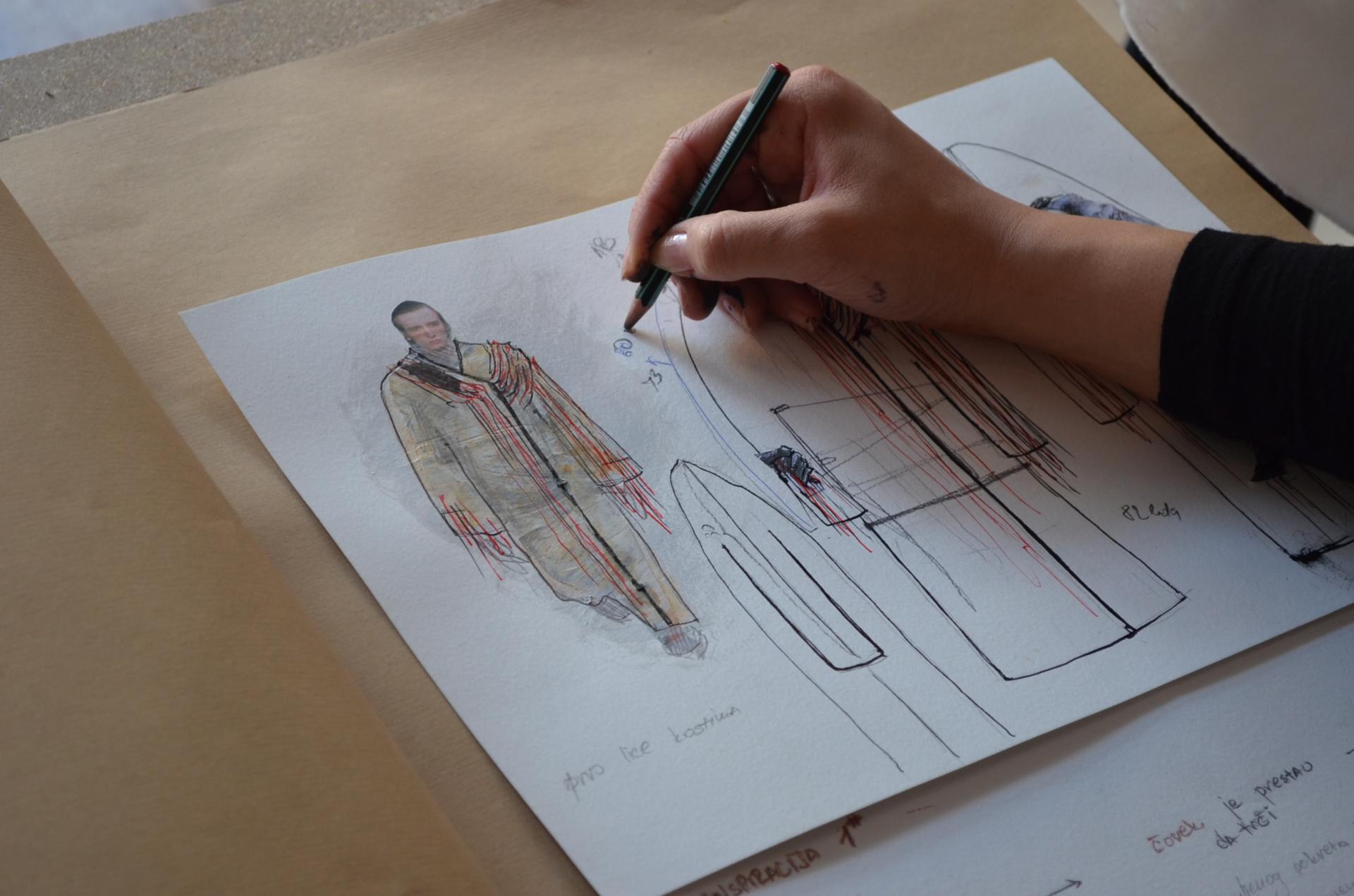
The cycle of workshops is designed in a way to show sustainability in art from recycled materials through young generations of artists and their new and fresh thinking. The cycle of workshops primarily refers to Bauhaus workshops which were based on two mentors, an art mentor and a master mentor. Thus, the students in these workshops had their own art mentors, professors of costume design and design, and master mentors in the form of clothing engineers.
Key objectives for aesthetics and quality
The main goal of the workshops is to achieve innovation in the educational system and innovation in artistic practice. Young artists and designers are encouraged to use discarded items, reused materials, use innovative techniques in creating and processing new works and costumes.
Key objectives for inclusion
Students / workshop participants are selected through invitational competitions conducted by workshop leaders at their home faculties. From 2021. the results of the workshops are presented on the Ilica Project. The Ilica Project (Projekt u Ilici) originated in 2000, with the Community Art project and the founding of the Community Art (Umjetnost zajednice) organization initiated by Aleksandar Battista Ilić. Project activities included various cultural and artistic interventions and practices that produced socially engaged forms of art in the community, with a vision to initiate cultural artistic production in interaction with the local community, in order to communicate with the society and the moment of its creation, and attempt to provide mechanisms that will be a driving force in the processes of amplifying the neglected sociability and culture in the community.
In 2021, the Ilica Project also hosted a workshop on painting Adiddas sneakers, where sneakers were painted and turned into an original work of art, thus creating a distance from industrial production.
Results in relation to category
The project is sponsored (in terms of work materials) by various Croatian companies working with textiles. The intention is to use old materials (recycling), in order to sustainably and to create a new scene of fashion design in Croatia. In this way, an attempt is made to save the textile industry, which was almost shut down in Croatia in the 1990s after the war. Today fast fashion has created a mentality instant pleasures - new fashion trends that quickly reach out to customers and take turns on others in a constant search for profit whereby cheap versions of garments high fashion is becoming a hot consumer commodity. The fashion industry is forced to reconsider patterns of production and distribution of their own goods by facing the consequences overproduction, depletion water resources, environmental pollution and low cost of labor. Gradually, the awareness grows stronger of unsustainable paths and new aesthetics with ethics pave their way to the consumer. There are more socially aware customers who adhere to the growing movement of "slow fashion ”, which focuses on sustainable materials and on transparent, ethical work and production. In that environment and with this and many other changes in mind, the guiding thought of EDU workshops is evolving.
How Citizens benefit
Students / workshop participants are selected through invitational competitions conducted by workshop leaders at their home faculties. By the end of the project there is an open exhibition where citizens and civil society can se the results of the workshop and get all the information about it. The project is also presented on the Ilica Project, project that includes various cultural and artistic interventions and practices that produced socially engaged forms of art in the community in the Ilica street in the center of Zagreb, Croatia.
Physical or other transformations
Innovative character
The main goal of the workshops is to achieve innovation in the educational system and innovation in artistic practice. Young artists and designers are encouraged to use discarded items, reused materials, use innovative techniques in creating and processing new works and costumes. The cycle of workshops is designed in a way to show sustainability in art from recycled materials through young generations of artists and their new and fresh thinking. The goal is to acquire, through annual workshops with students and exhibitions of their work, specialist knowledge and improvement of creative and individual approach as a supplement to the curriculum. The project provides many applicable solutions for better organization and results of the educational system in artistic higher education institutions through the synergy of lecturers / workshop leaders and students / workshop participants.
Learning transferred to other parties
The EDU workshops are public and open to all participants. Encouraged by the EDU workshops ULUPUH - Croatian Association of Artists of Applied Arts, also created the Creative 54+ Project, which connected older people to the workshops. The student workshops also served as an incentive for the series of workshops for eg. Zagreb white city 1920 held in Klovićevi dvori in Zagreb in 2017. This cycle of workshops was attended by visitors and art students under the mentorship of craftsmen (shoemakers, hatters, costume designers).