Kolonistugan (The allotment)
Basic information
Project Title
Category
Project Description
Kolonistugan is an artistic development work within the framework of my research with a focus on local cyclical resource flows. The design touches on areas such as local non-toxic food supply. Strategies for an "of the grid" existence. Architecture with local cyclical resource flows, biodiversity and urban cultivation.
Geographical Scope
Project Region
Urban or rural issues
Physical or other transformations
EU Programme or fund
Which funds
Description of the project
Summary
Kolonistugan is an artistic development work within the framework of my research with a focus on local cyclical resource flows. The design touches on areas such as local non-toxic food supply. Strategies for an "of the grid" existence. Architecture with local cyclical resource flows, biodiversity and urban cultivation.
Key objectives for sustainability
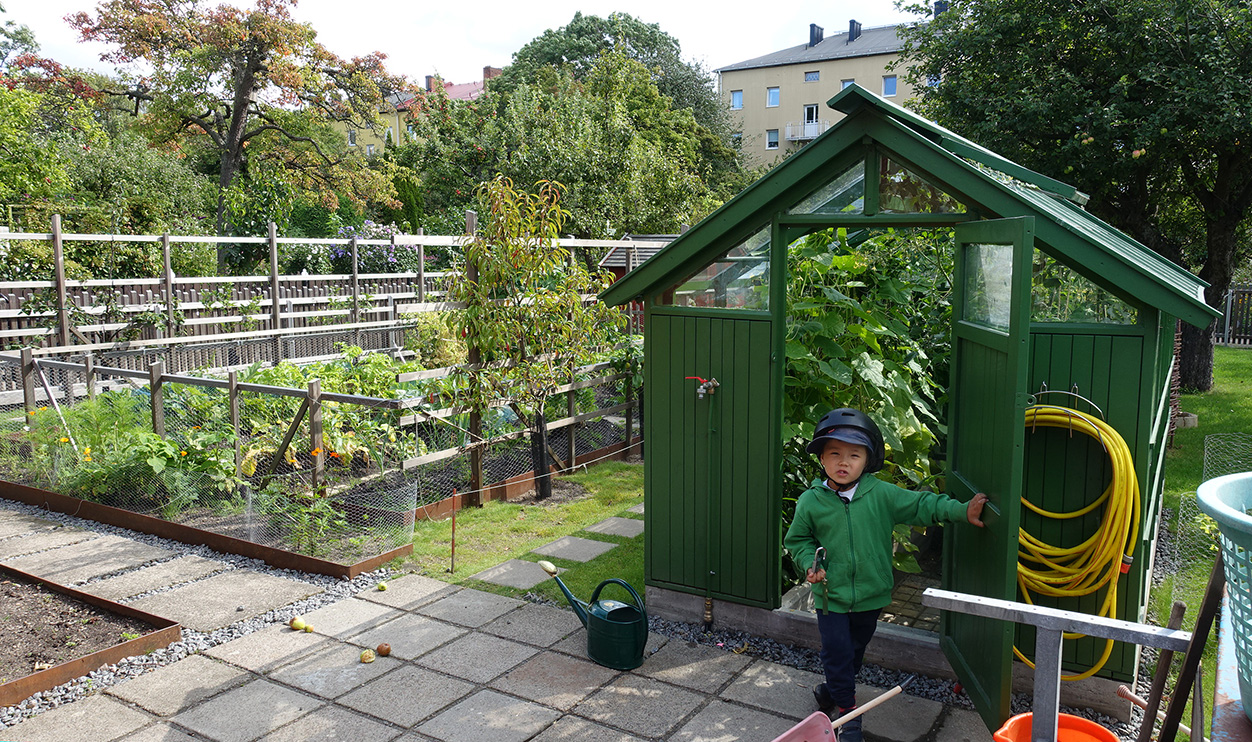
The overall aim with this project was to visualize a local cyclic food-chain, providing our family with organic vegetables, fruits and berries within walking distance from our home, while not generating any toxic waste or emissions in the process.
Key objectives for aesthetics and quality
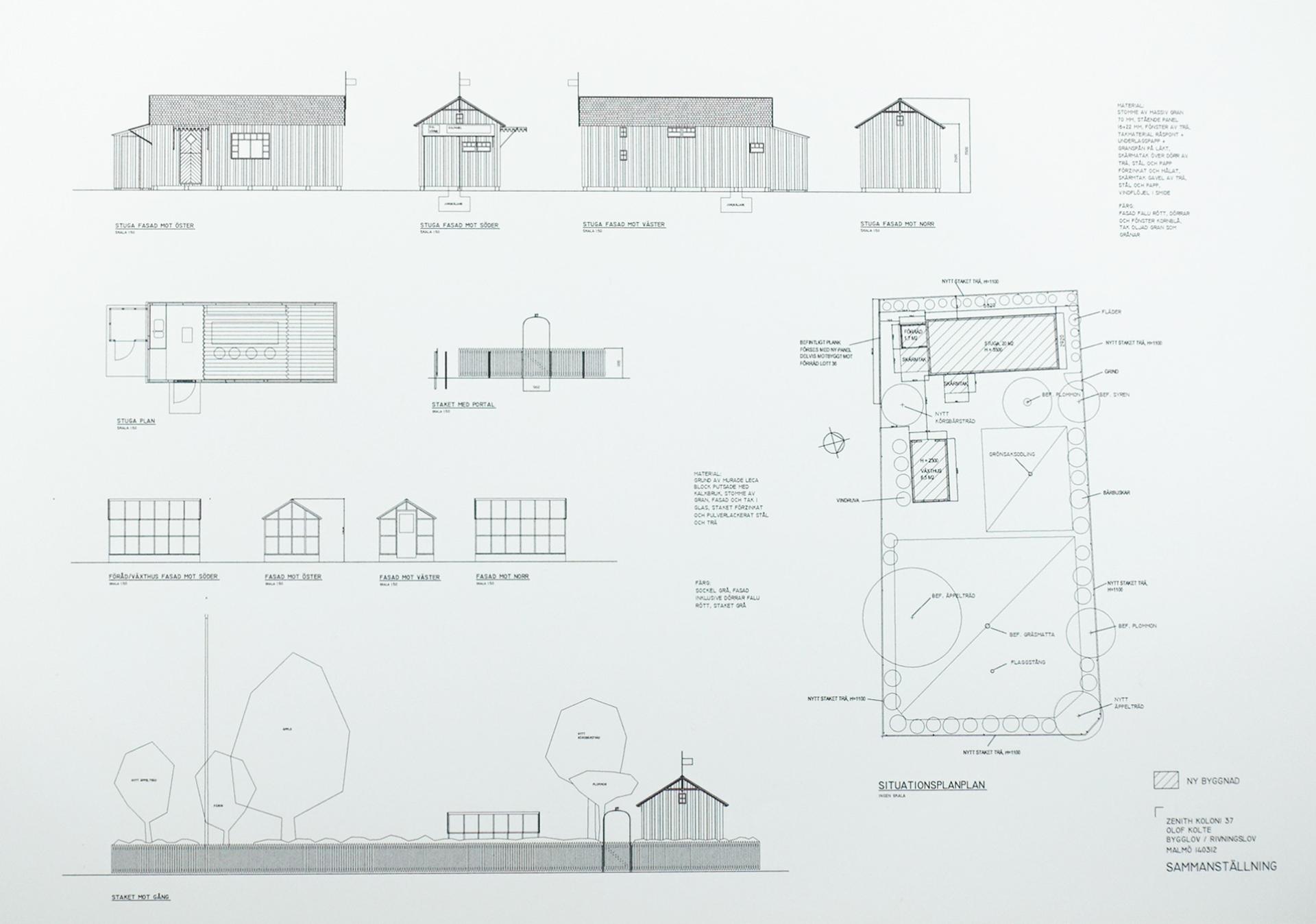
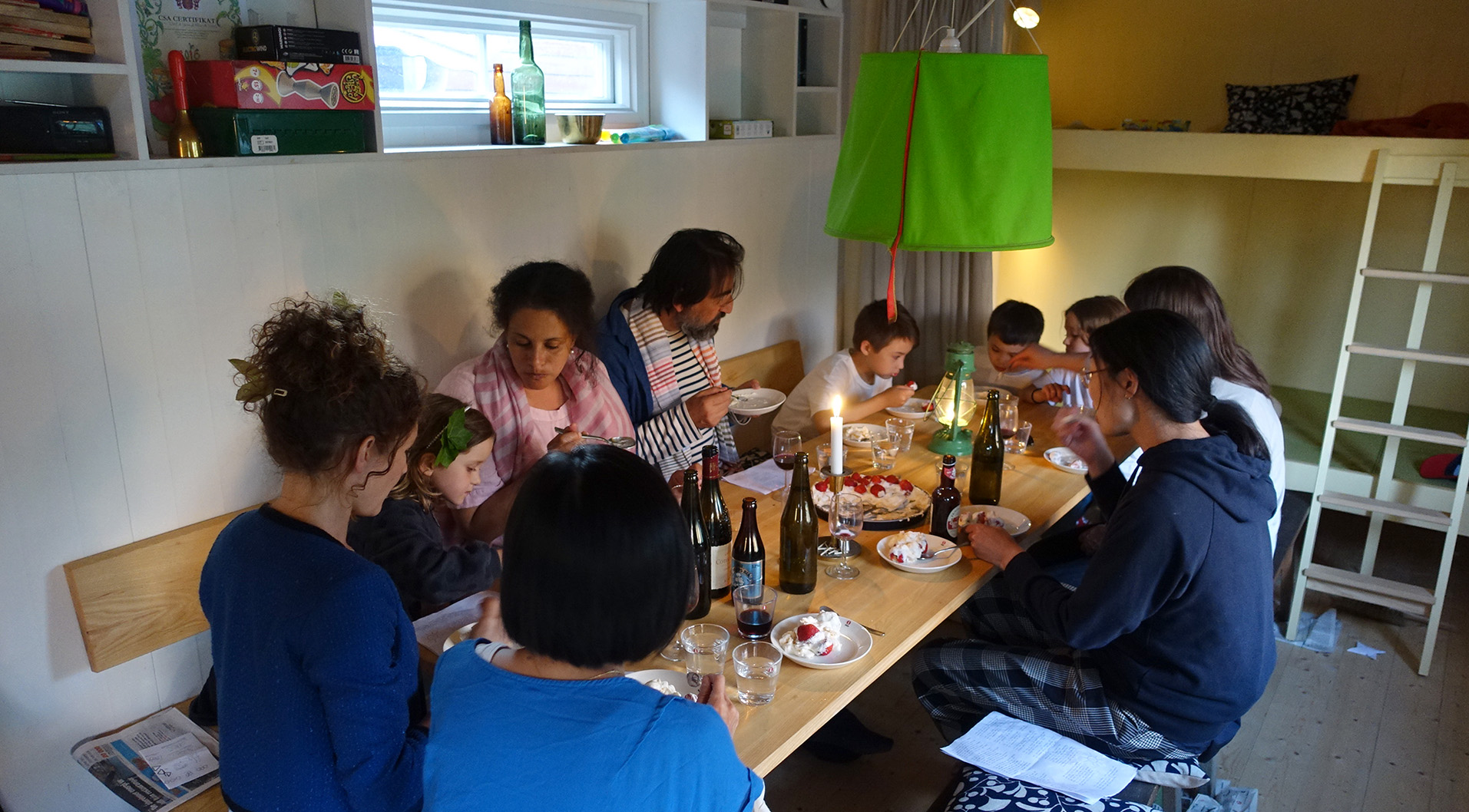
I decided to work with mainly natural materials and choosing workmanship good for an unheated building that will be possible to maintain with little effort and very little environmental impact. The materials are solid wood for the structure, roof of split wood shakes, roof-insulation by flax. Surface treatments is linseed oil paint (windows/doors, inside walls), iron vitriol roof/fence and “Falu Rödfärg”, the traditional red mud paint used since 1600-eds in Sweden for walls outside. Floors treated by Floor soap. I have advised on cyclic building methods to several neighbours.
Key objectives for inclusion
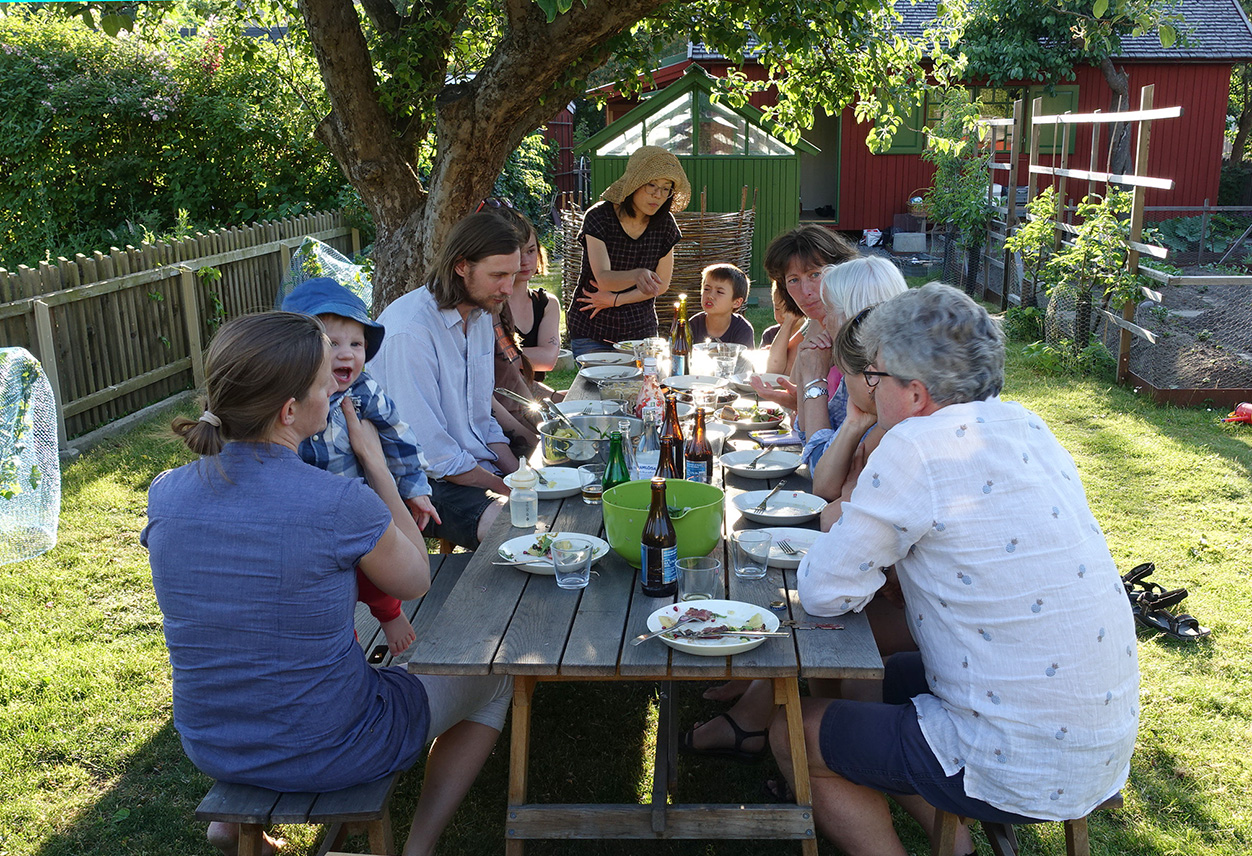
Growing in the local community, together with others, is a way of strengthening the social fabric of the city. The subject of growing unites every culture and makes it easy to connect over social and cultural differences.
I have participated in several public event such as “A thousand gardens” and Southern Sweden Design Days 2021 to engage the public in the issues related to our food system. My teaching at Lund University has revolved around our food system and the allotment have helped me to relate to the issues related to growing on a small scale.
Results in relation to category
The project has received media-attention in local and national media and Television. I have in several lectures at Malmö- and Lund Universities lectured about the project to a new generation of designers and architects.
How Citizens benefit
The building process was long, nearly 3 years, and many visitors and passes by followed the development of the project, and many interesting discussions took place during this time. Many friends, neighbours and children from the neighborhood was involved in various stages of the project.
Physical or other transformations
Innovative character
Few projects involves an holistic approach where cyclic thinking has been guiding all decision and design solutions, making the project unique in that sense.
Learning transferred to other parties
I am writing a book about the project that will be published soon. The book covers the philosophy behind all the decisions taken in the development of this project.