The FunDAMental Change
Basic information
Project Title
The FunDAMental Change
Full project title
The FunDAMental Change
Category
Reconnecting with nature
Project Description
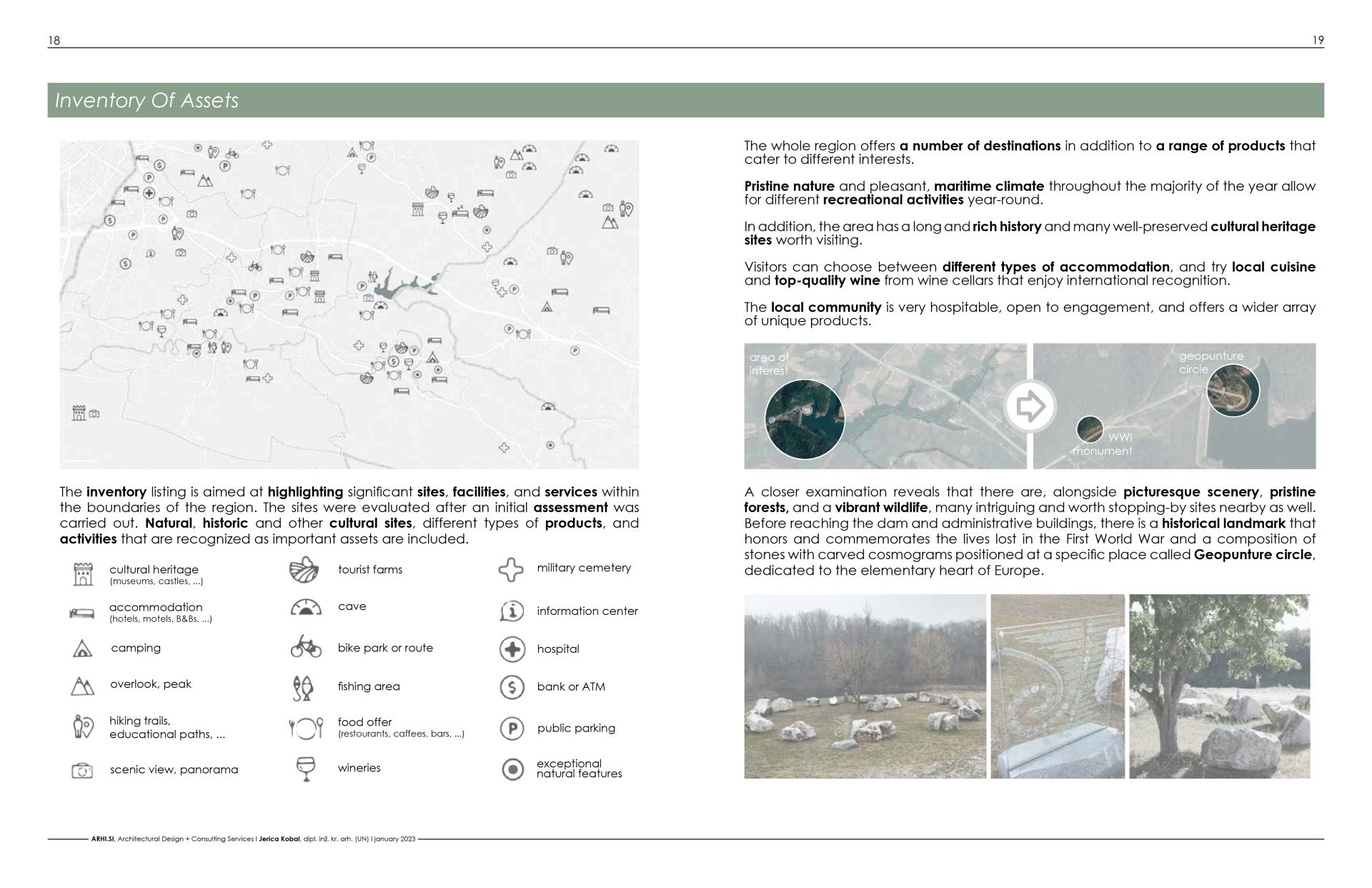
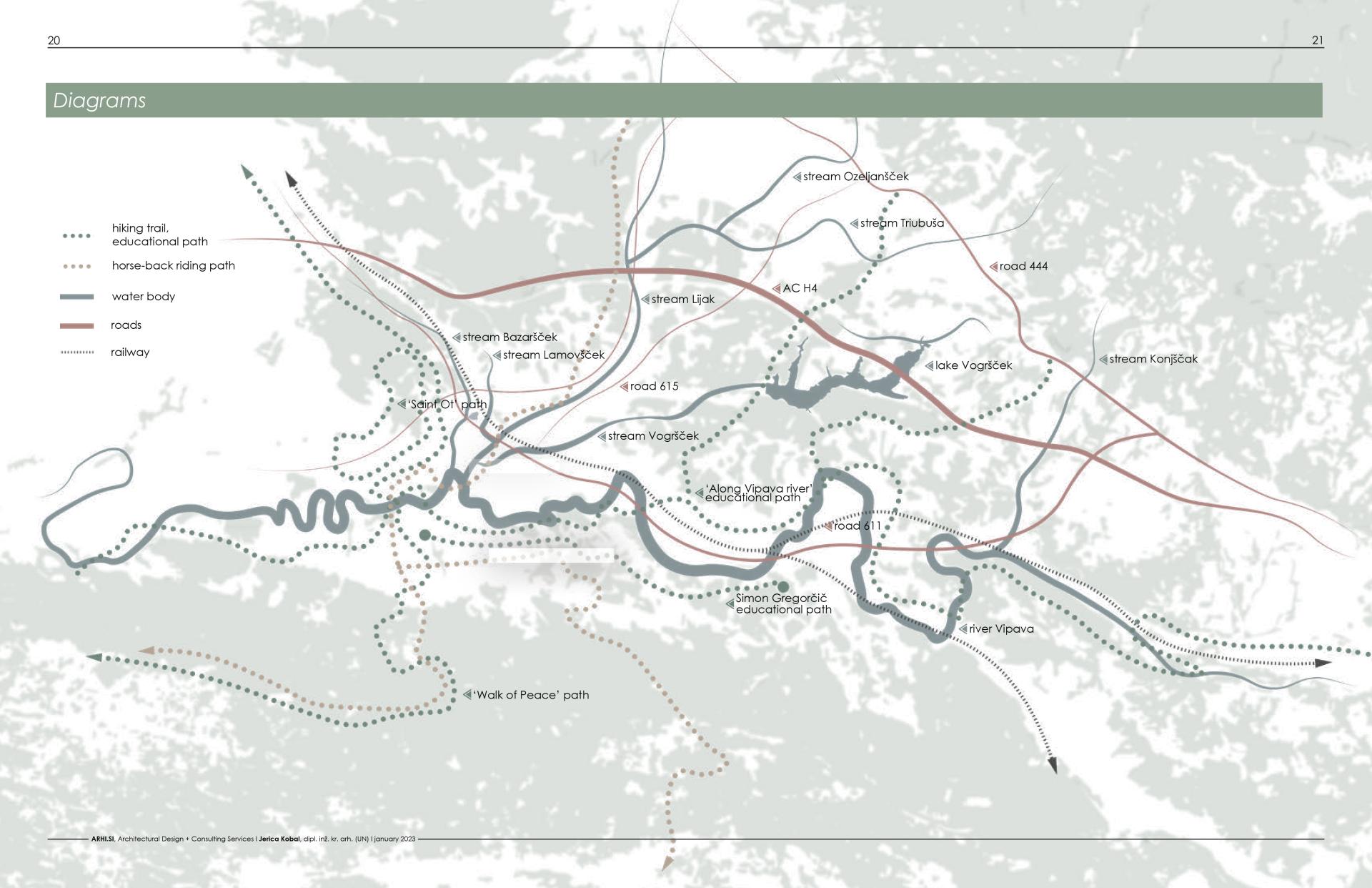
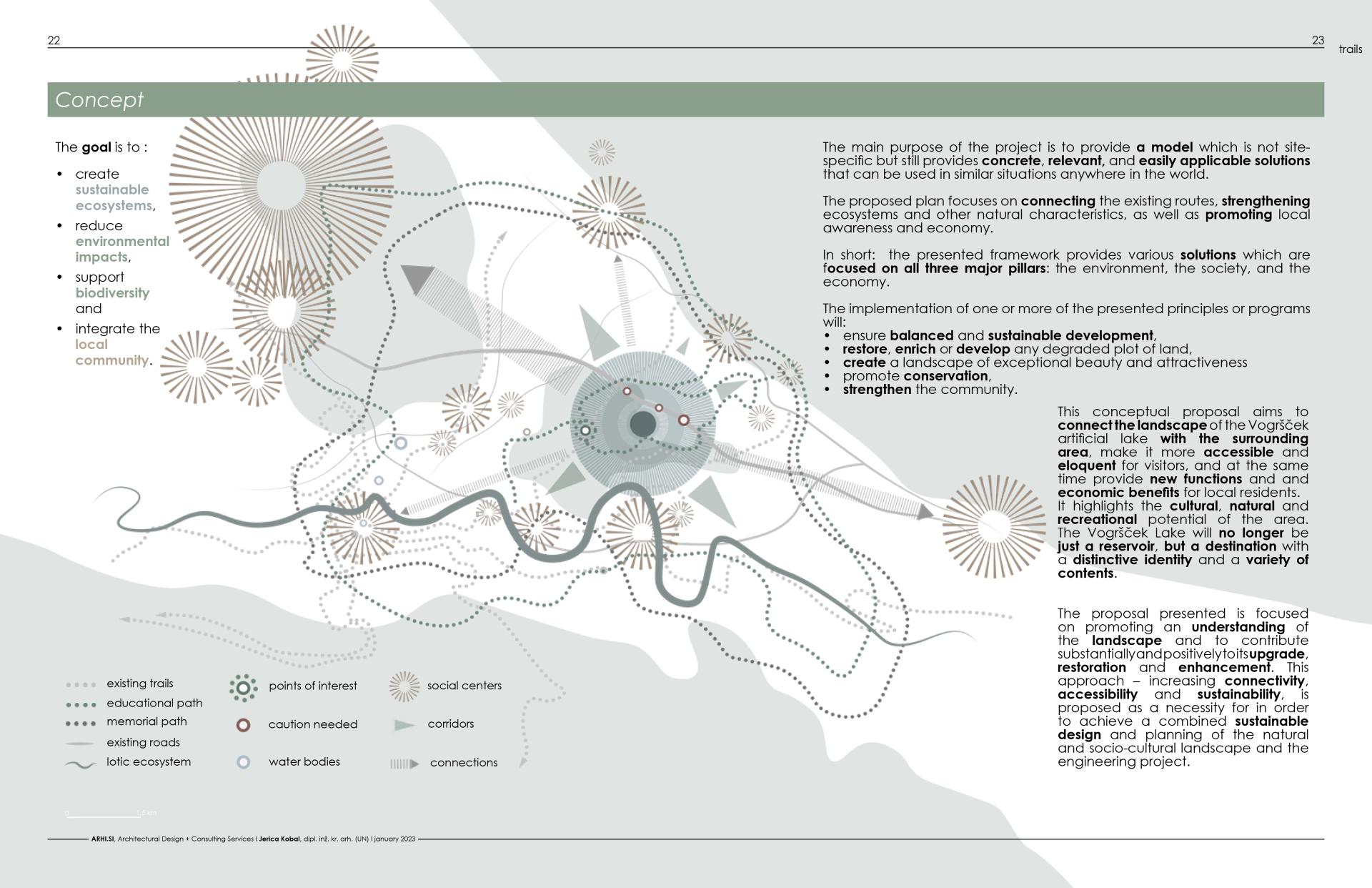
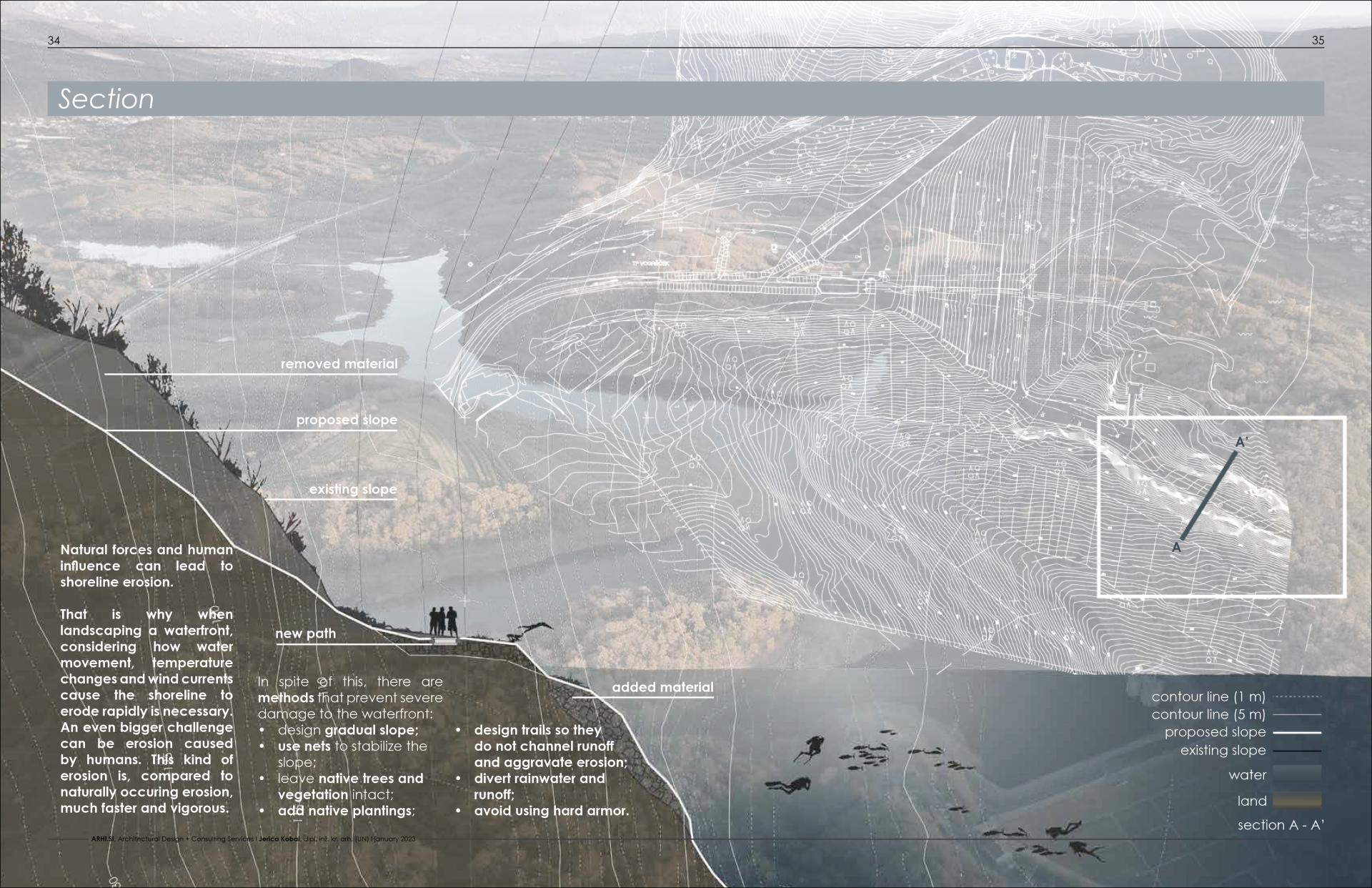
After years of malfunction, the Vogršček water reservoir has finally been repaired. This proposal imagines a future where any natural landscape in proximity to water that has been neglected or abandoned can be recovered and re-naturalized in a similar manner. The main focus is put on re-establishing the ecosystems and developing a more sustainable and efficient relationship between people and the landscape while fulfilling the needs for further development.
Geographical Scope
Local
Project Region
Goriška region, Slovenia
Urban or rural issues
Mainly rural
Physical or other transformations
It refers to other types of transformations (soft investment)
EU Programme or fund
No
Description of the project
Summary
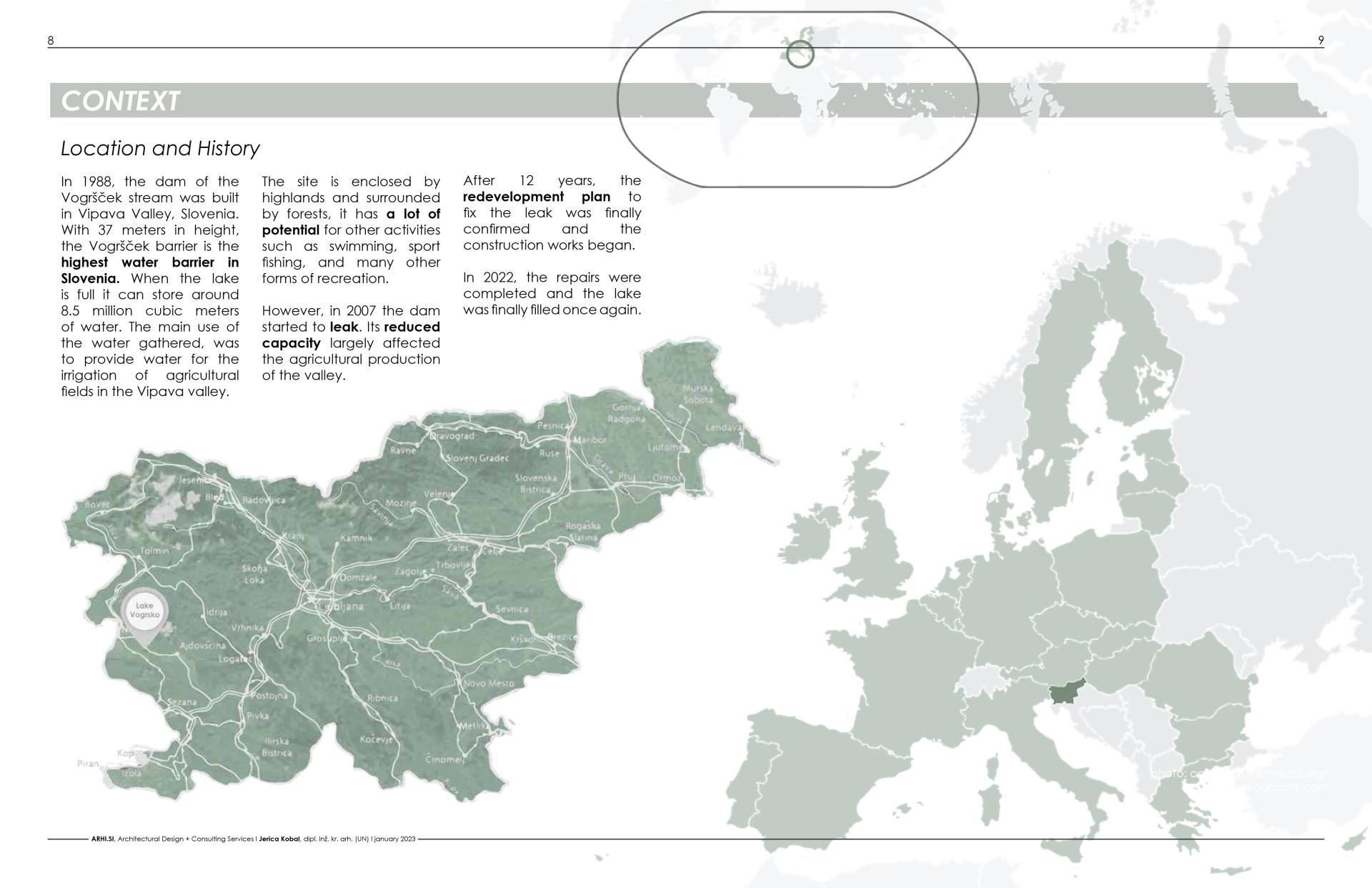
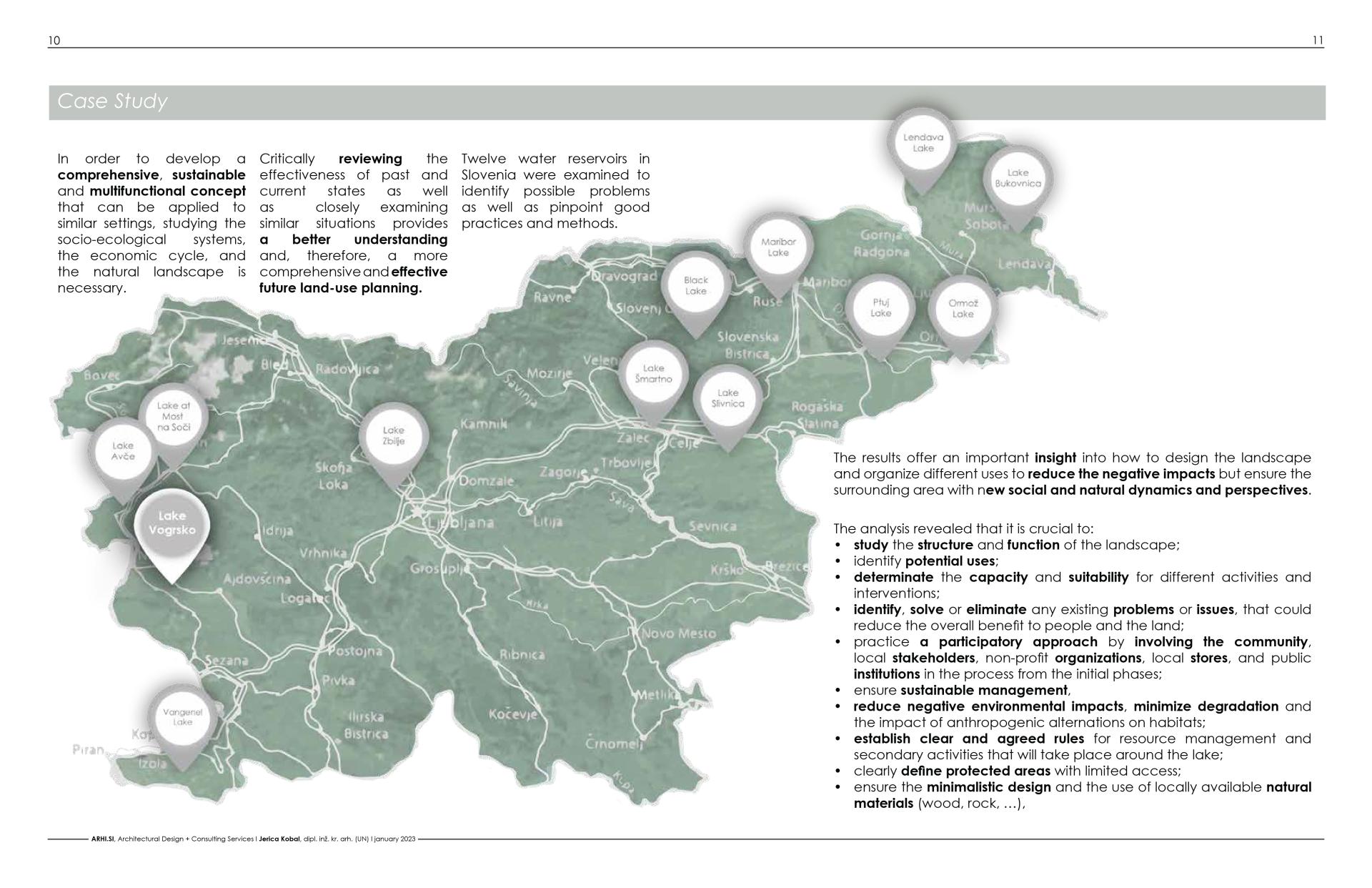
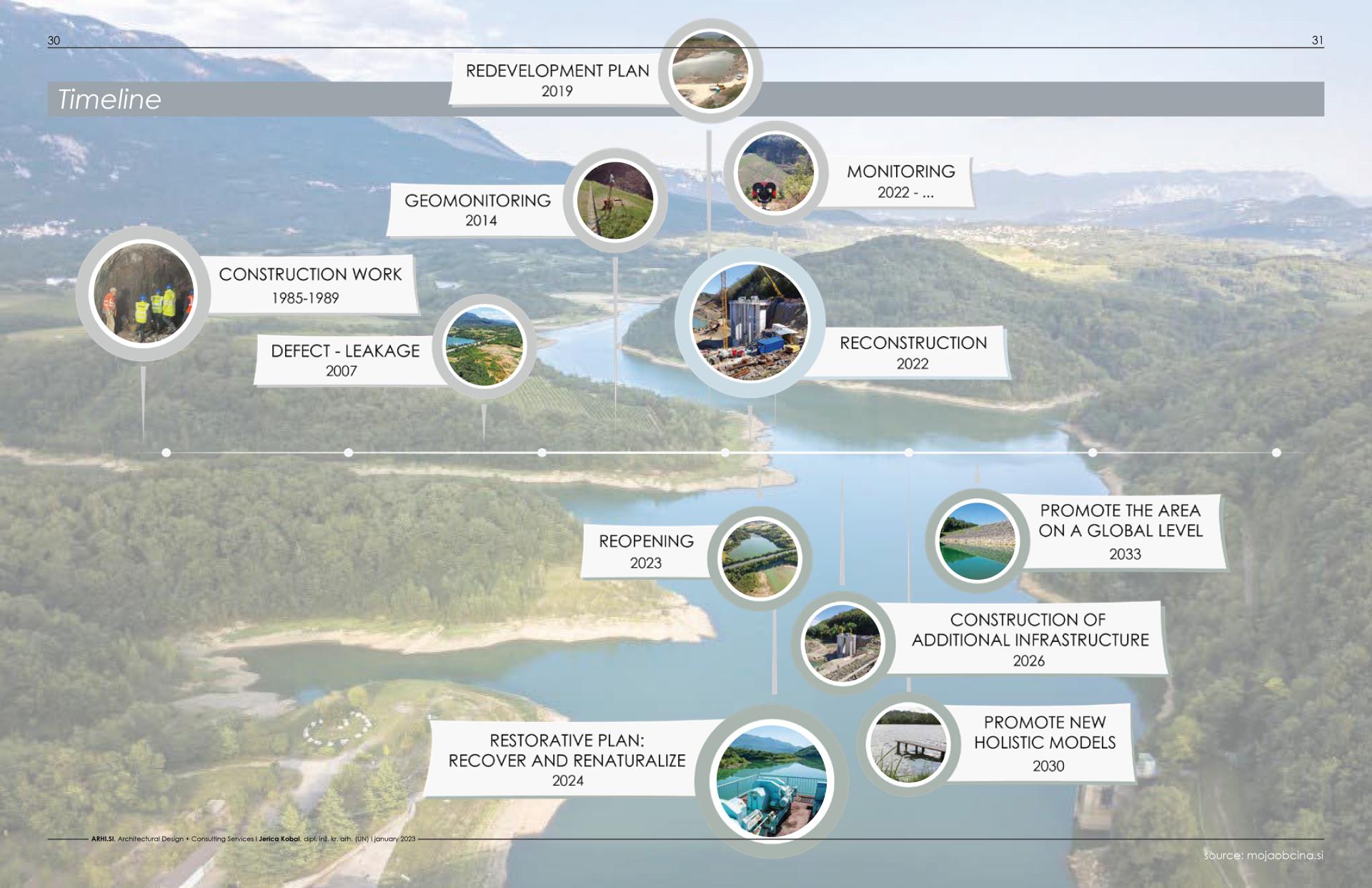
After almost 15 years, the reconstruction of the Vogršček water reservoir located in Slovenia, Goriška region, has been completed. The dam has been re-established, however, it has not yet been re-opened to the wider public. The inauguration of the area will take place on the 22nd of March 2023.
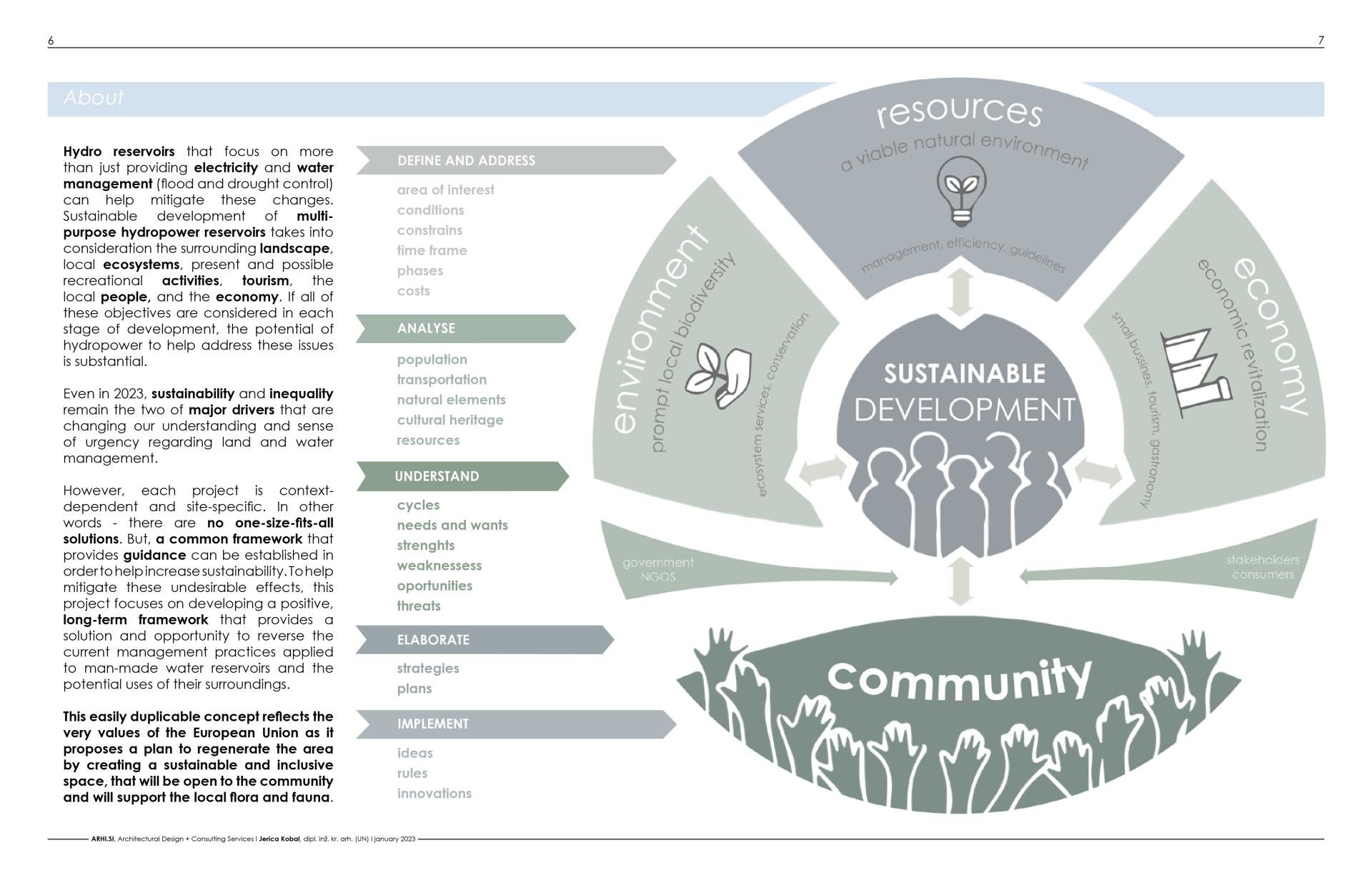
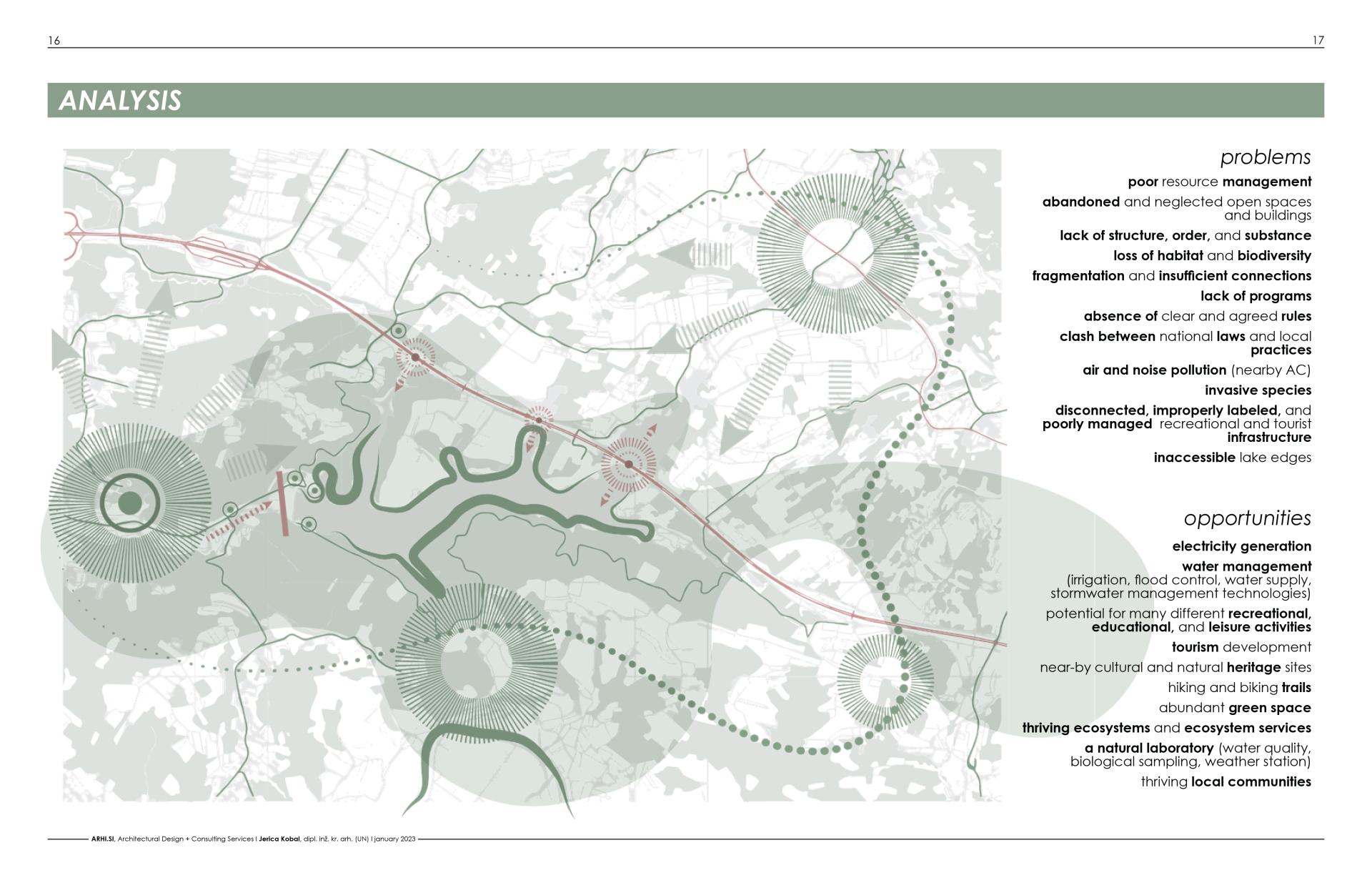
Because such projects are context-dependent and site-specific, there are no one-size-fits-all solutions. However, a common framework that provides guidance can be established in order to help increase sustainability. That is why this proposal provides a plan to revive the area and a framework for effective planning, and management of similar projects.
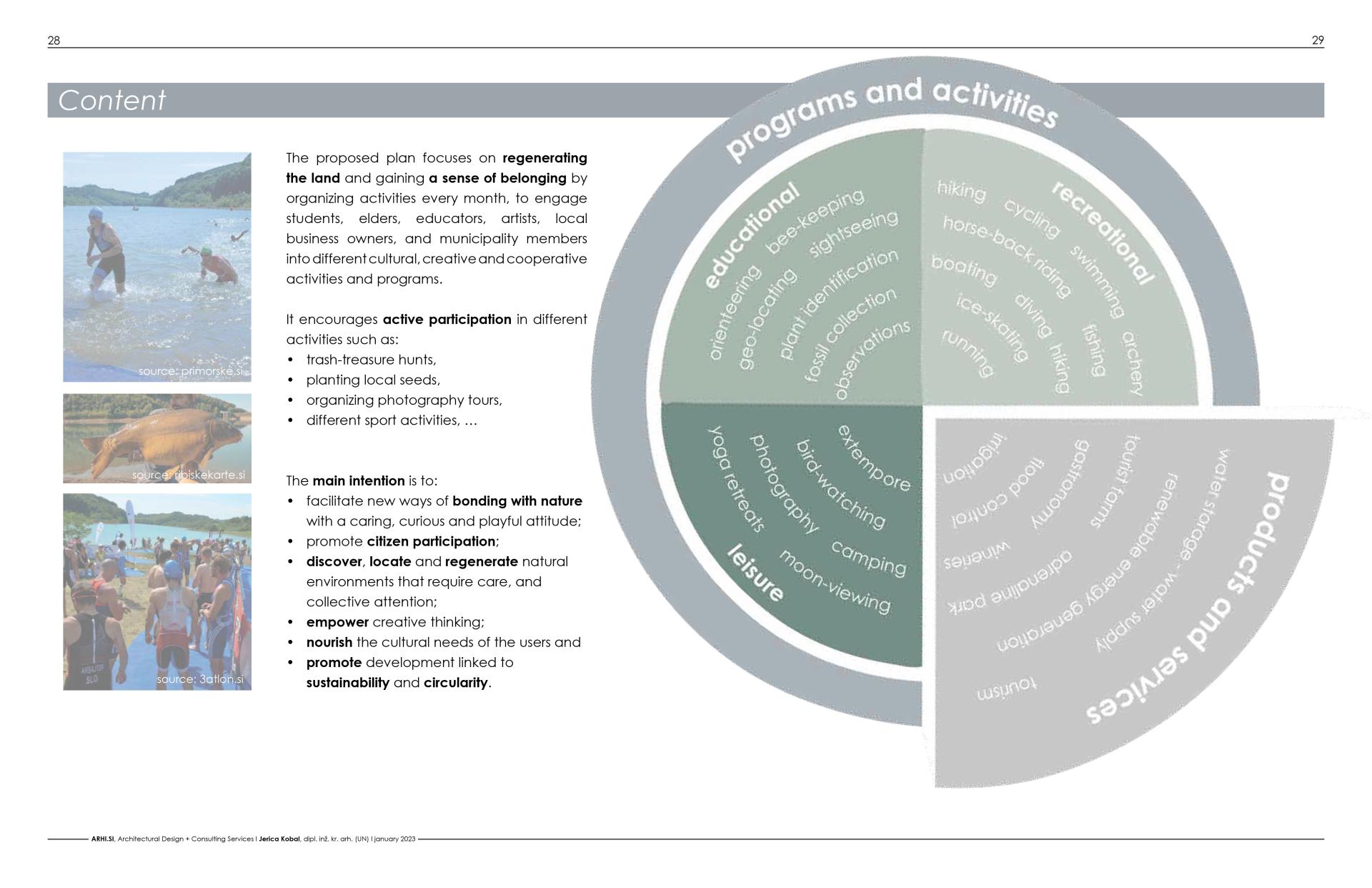
Such a plan is needed as nowadays, water reservoirs rarely serve only for their primary functions which range from irrigation, energy generation, and flood control, but are also a resource for residential leisure activities and a haven for local flora and fauna. Therefore, the development of multi-purpose hydropower reservoirs must take into consideration the surrounding landscape, ecosystems, present and future recreational activities, tourism, the local people, and the economy.
Because such projects are context-dependent and site-specific, there are no one-size-fits-all solutions. However, a common framework that provides guidance can be established in order to help increase sustainability. That is why this proposal provides a plan to revive the area and a framework for effective planning, and management of similar projects.
Such a plan is needed as nowadays, water reservoirs rarely serve only for their primary functions which range from irrigation, energy generation, and flood control, but are also a resource for residential leisure activities and a haven for local flora and fauna. Therefore, the development of multi-purpose hydropower reservoirs must take into consideration the surrounding landscape, ecosystems, present and future recreational activities, tourism, the local people, and the economy.
Key objectives for sustainability
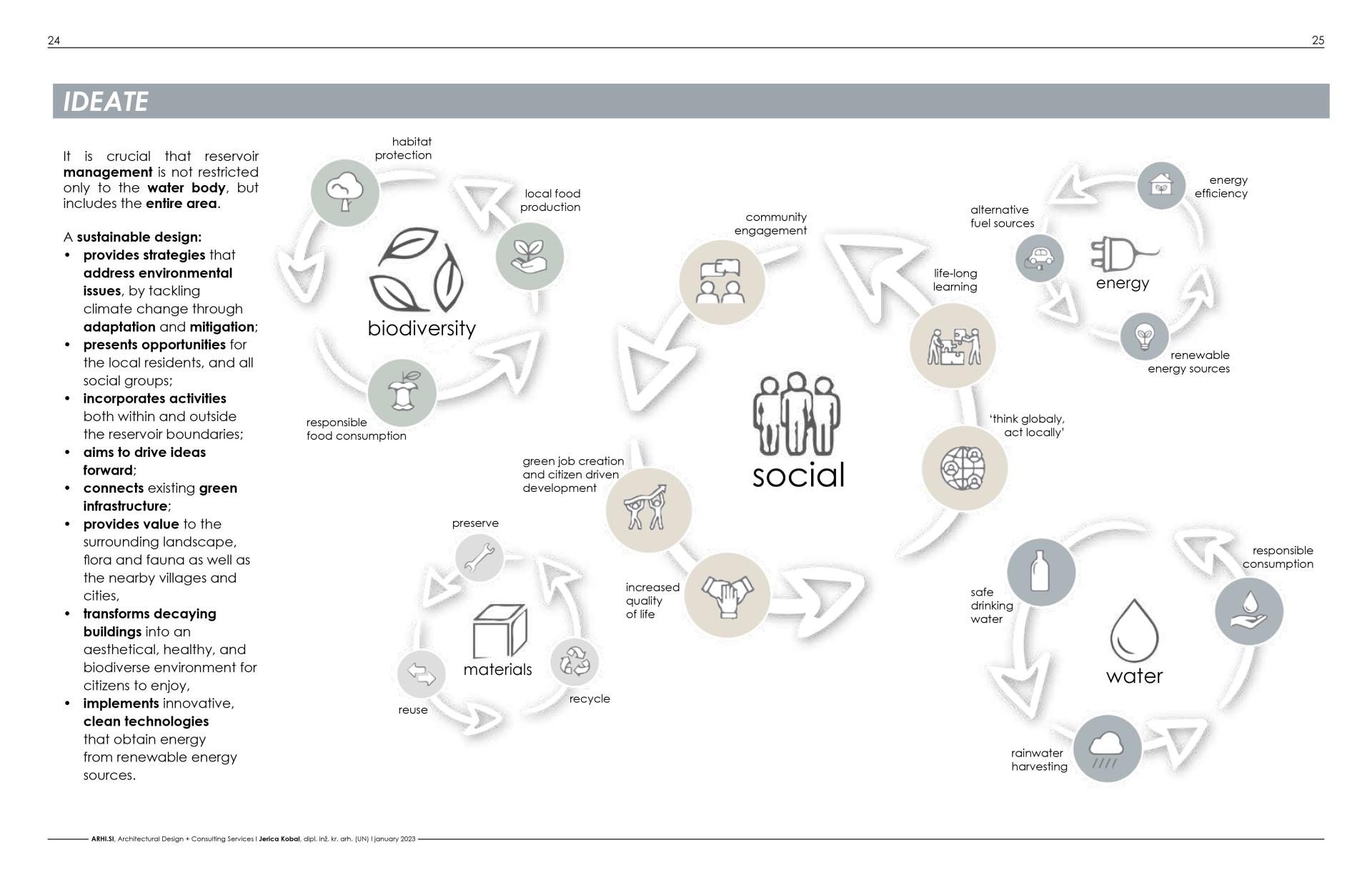
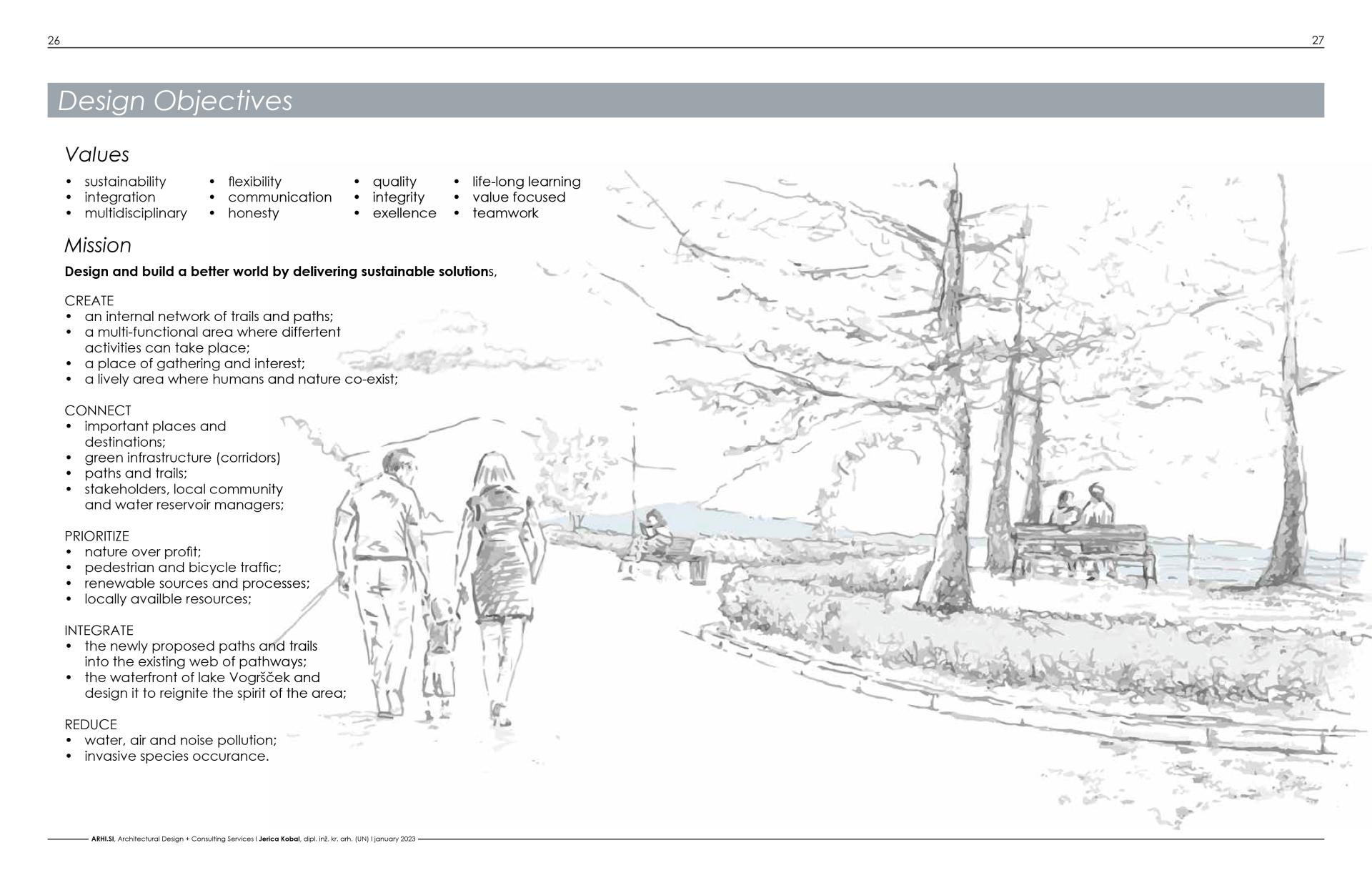
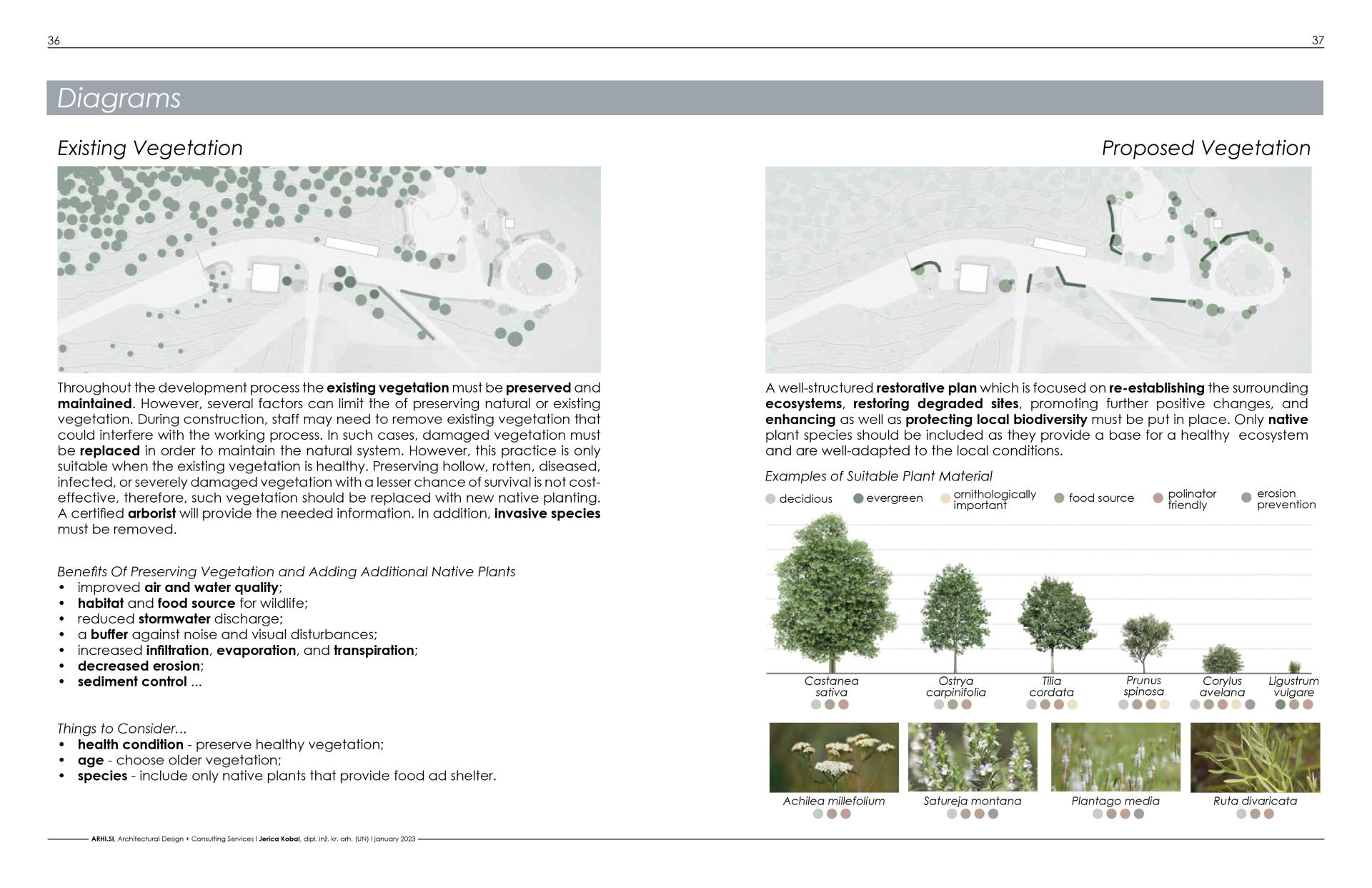
The proposal goes beyond conventional development models and focuses on ecological restoration by preserving the pristine natural landscape around the lake, involving the community, and fostering conditions for economic development. The main purpose is to rebuild degraded poorly managed land into a green, lush area enriched with a wide range of different programs by preserving valuable and vulnerable places and developing public green infrastructure. This scheme is designed for the effective and efficient implementation of proposed principles that are focused on adding value, generating conditions that enhance and protect biodiversity, improving the quality of life, and creating a more resilient local economy.
Key objectives for aesthetics and quality
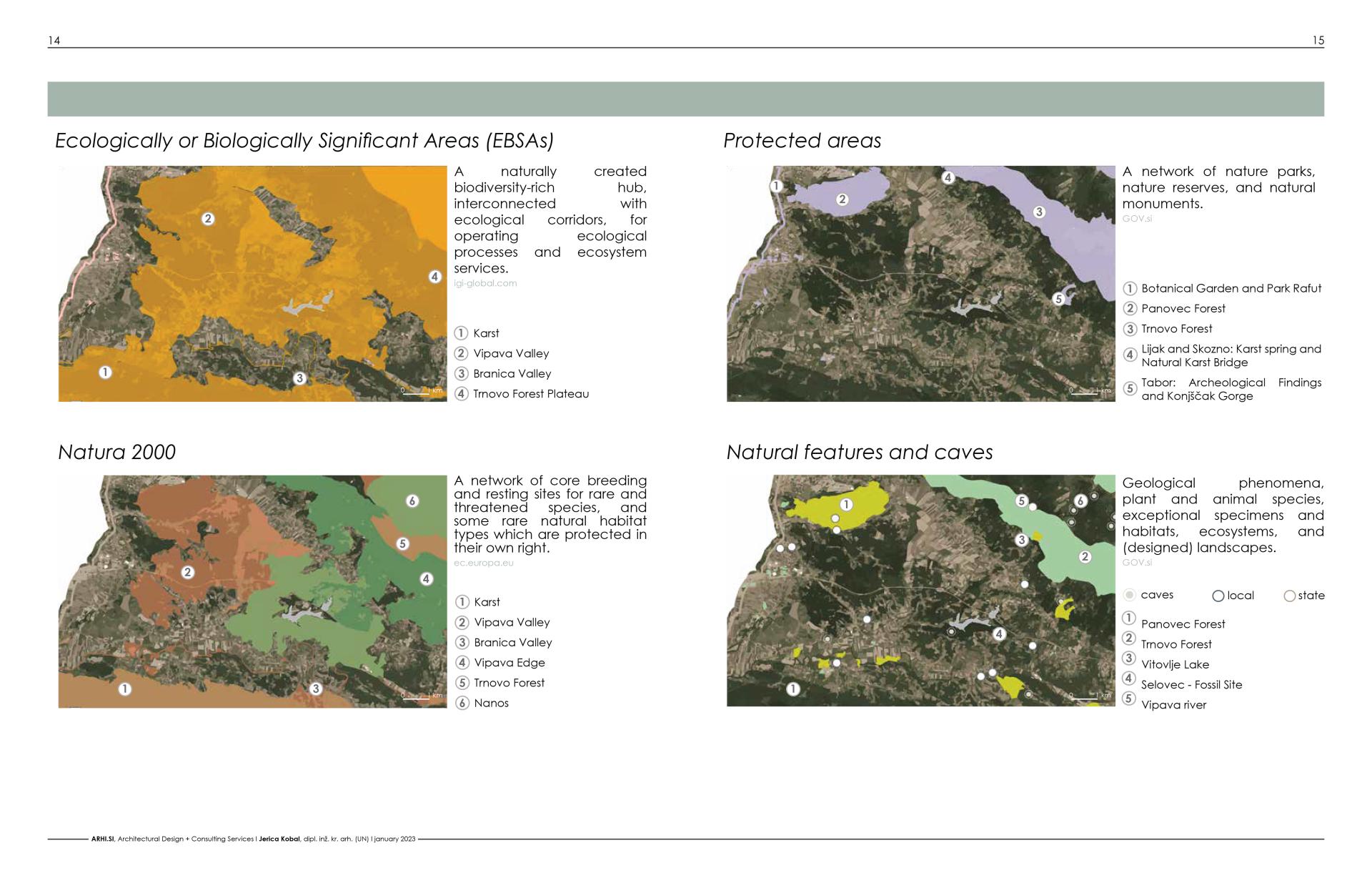
The area has unique natural values and specific historical and cultural heritage values. Therefore, the proposal focuses on ecological conservation as well as economic development, all while preserving the pristine natural landscape around the lake and increasing the significance of cultural heritage.
The mission is to:
- re-establishing a connection between the man-made reservoir, the surrounding landscape, and the local community;
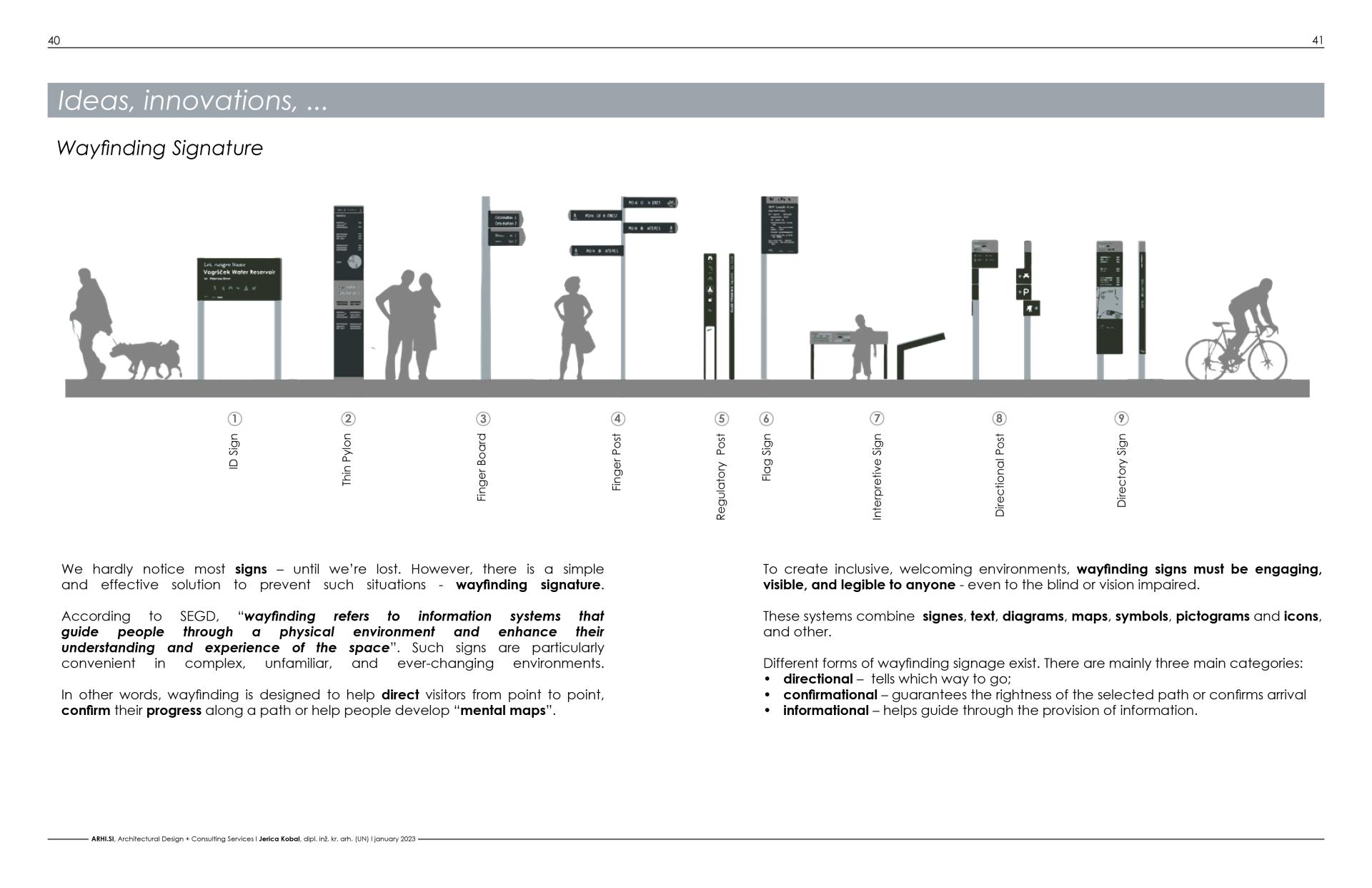
- provide accessible and diverse public spaces, and
- support inclusion, health, and general well-being.
The mission is to:
- re-establishing a connection between the man-made reservoir, the surrounding landscape, and the local community;
- provide accessible and diverse public spaces, and
- support inclusion, health, and general well-being.
Key objectives for inclusion
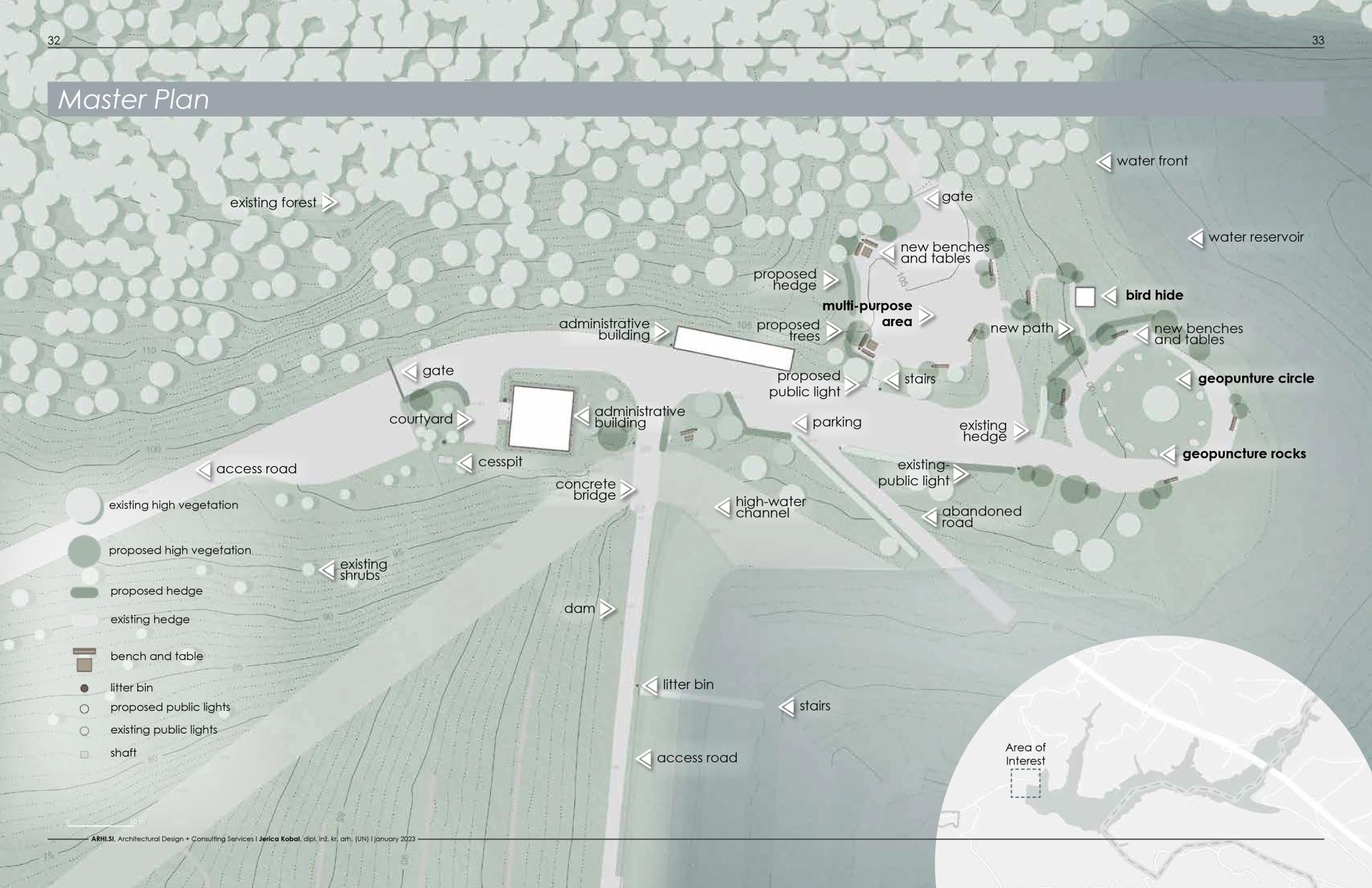
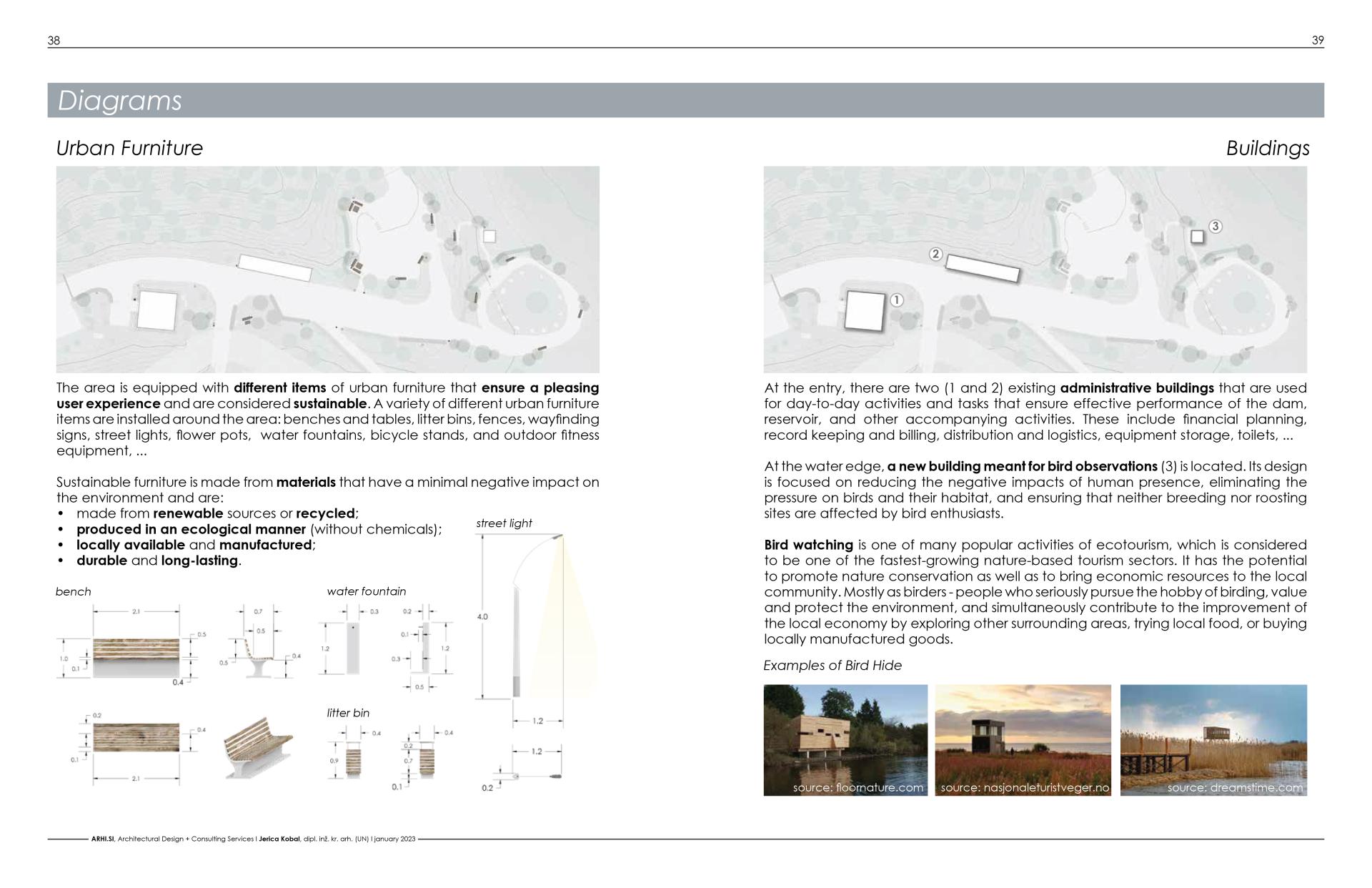
In addition, this proposal acts as a catalyst for further positive changes as it addresses environmental issues, promotes local values through community action, and ensures opportunities for all social groups while fulfilling the needs for further development. Furthermore, the proposal focuses on guaranteeing water safety and environmental quality by providing strategies that address environmental issues as well. The project opposes segregation and strives to make the area accessible and comfortable for local residents, recreational enthusiasts, researchers, nature lovers, and tourists. The goal is to create a place where people can relax and explore the natural world as well as to incorporate existing administration buildings and new facilities such as recreational and tourist infrastructure in a manner that will neither threaten nor jeopardize the natural world.
How Citizens benefit
It is important to implement an adequate model that fosters equity across users and ecosystems. It is essential to provide flexibility and adaptability in the way water is allocated among users so that the reservoir will provide an overall benefit to people and the land.
That is why this plan:
- promotes social cohesion and responds to the needs of the inhabitants,
- focuses on balancing project impacts, and generating long-term, self-sustaining benefits for the land and people;
- enables the local people to adapt to the changes the newly fixed dam will bring,
- promotes sustainable tourism development as incorporating tourism can help meet the needs of local socio-economic and cultural development, and
- ensures access to the land and lake to the public in ways that are compatible with the law and other established rules.
That is why this plan:
- promotes social cohesion and responds to the needs of the inhabitants,
- focuses on balancing project impacts, and generating long-term, self-sustaining benefits for the land and people;
- enables the local people to adapt to the changes the newly fixed dam will bring,
- promotes sustainable tourism development as incorporating tourism can help meet the needs of local socio-economic and cultural development, and
- ensures access to the land and lake to the public in ways that are compatible with the law and other established rules.
Physical or other transformations
It refers to other types of transformations (soft investment)
Innovative character
The proposal imagines a future where equivalent situations can be recovered in a similar manner. How? By taking existing assets, introducing new ones, and fusing all of them together, therefore creating a greater whole which results in more than the sum of individual parts. The main goal, beyond the rehabilitation of the area, is to promote overall well-being and provide access to an inclusive public green space where people can enjoy fun and relaxing activities through an ecological and pro-social design.
Disciplines/knowledge reflected
The project is interdisciplinary - the initial phases which were focused on re-establishing the primary functions of the water reservoir included civil engineers, architects, and land surveyors. Now, that the construction works had been completed, state officials, landscape architects, service providers, different clubs and associations as well as the local community will be included in the further development of the area. It is essential to develop effective and well-structured governance mechanisms and a common language among all of the listed disciplines to provide guidance for continuous improvement. Thus, these tools are vital for achieving the long-term success of the project.
How stakeholders are engaged
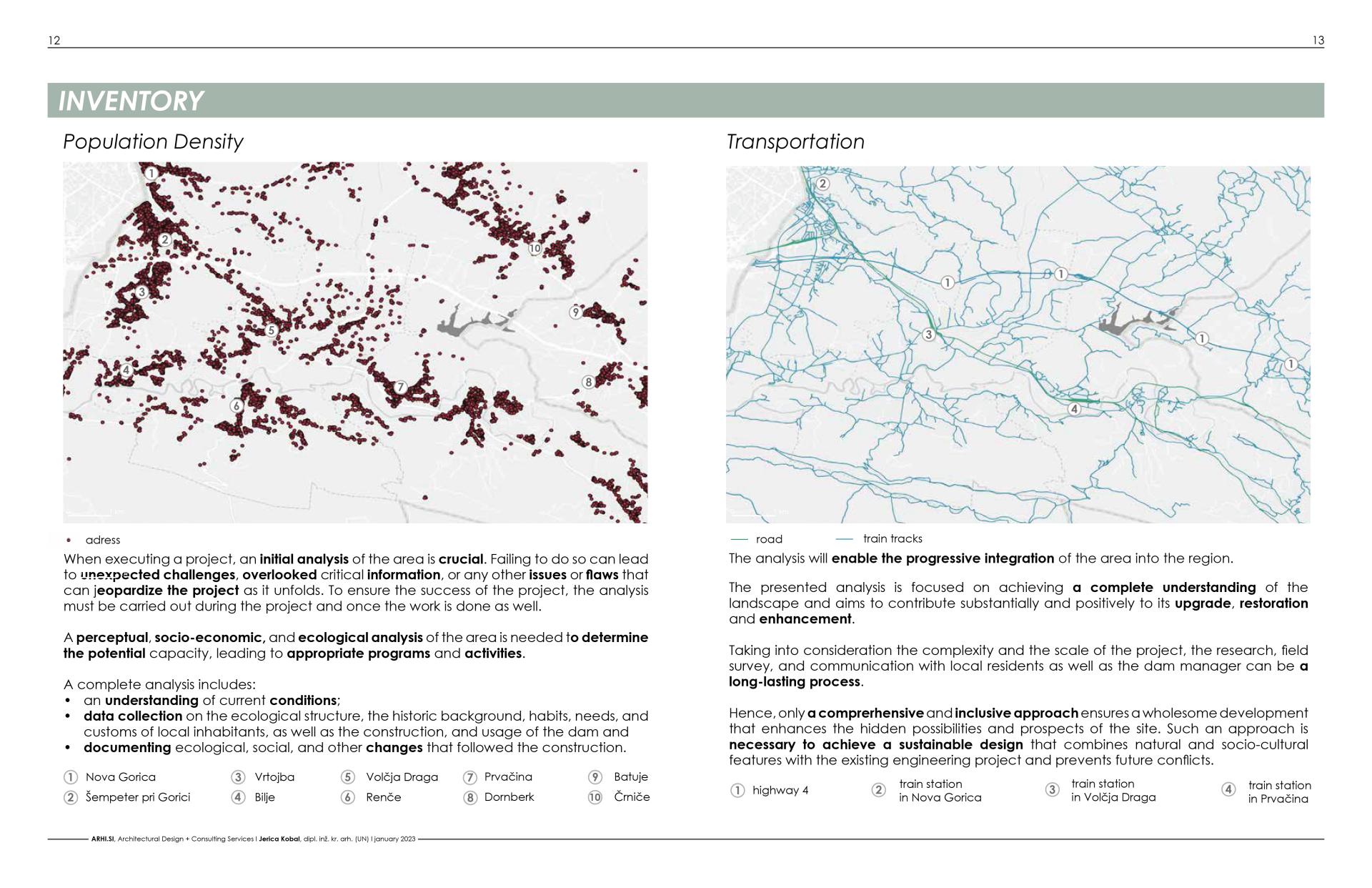
Identifying stakeholders that might influence the development of the area or be affected by it is critical for the success of such projects. It is important to establish a dialogue and engage stakeholders in the early stages to participate as they can influence the course of the entire project. In this case, stakeholders range from local residents, non-profit organizations, local stores, public institutions, and water reservoir managers. Most of them may not even be informed about the course of the project or understand its perspective, therefore it is useful to raise awareness among them. For good communication, establishing clear leadership within the community and across stakeholders is key. Equity, transparency, and accountability should be prioritized, however, coordination and diplomacy are essential. Providing and making all pieces of information accessible, and understandable, while strengthening relationships is vital for achieving effective multipurpose reservoir management.
Global challenges
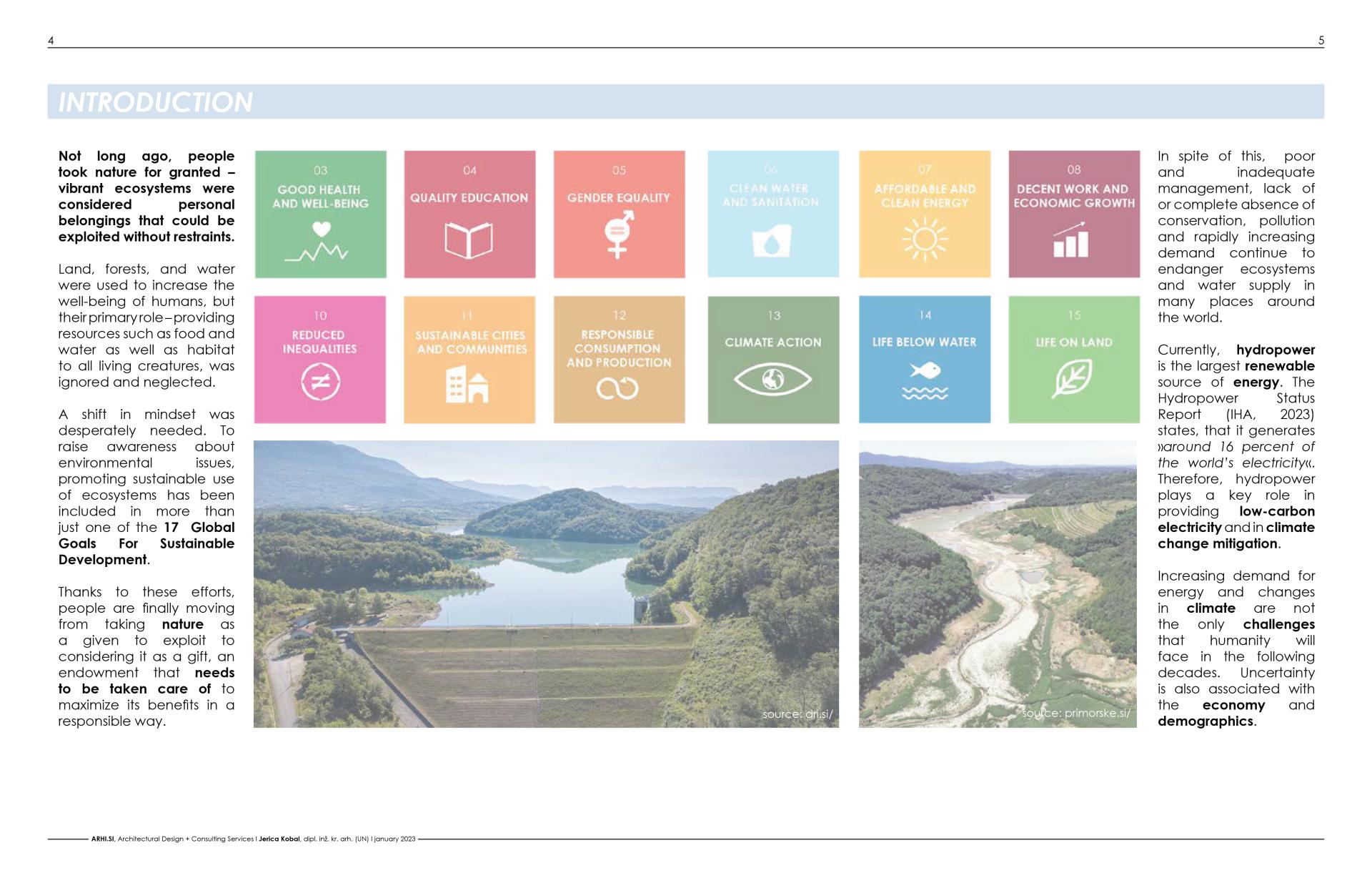
Nowadays more and more people have come to realize how funDAMentally flawed their former outlook on the natural world is. However, in spite of this, inadequate management, lack of conservation, pollution and rapidly increasing demand continue to threaten ecosystems and water supply in many places around the world. Therefore, sustainability and inequality have become two of the major drivers that are changing our understanding and sense of urgency regarding land and water management. To help mitigate these undesirable effects, this project is focused on developing a positive, long-term framework that provides a solution and opportunity to reverse the current management practices applied to man-made water reservoirs and the potential uses of their surroundings.
This easily duplicable concept reflects the very values of the European Union as it proposes a plan to regenerate the area by creating a sustainable and inclusive space, that will be open to the community and will support the local flora and fauna.
This easily duplicable concept reflects the very values of the European Union as it proposes a plan to regenerate the area by creating a sustainable and inclusive space, that will be open to the community and will support the local flora and fauna.
Learning transferred to other parties
This plan offers concise actions that can also be utilized to re-naturalize other similar situations anywhere around the world where natural landscapes in proximity to water had been neglected or abandoned. It envisions a connection between the reservoir, the community, and the landscape while focusing on developing a positive, long-term framework that provides solutions that address core issues such as future development, water safety, and land degradation. If these objectives are considered in each stage of development, the potential of hydropower reservoirs to help address these issues is substantial.
Keywords
landscape
water reservoir
sustainable design
change
green infrastructure