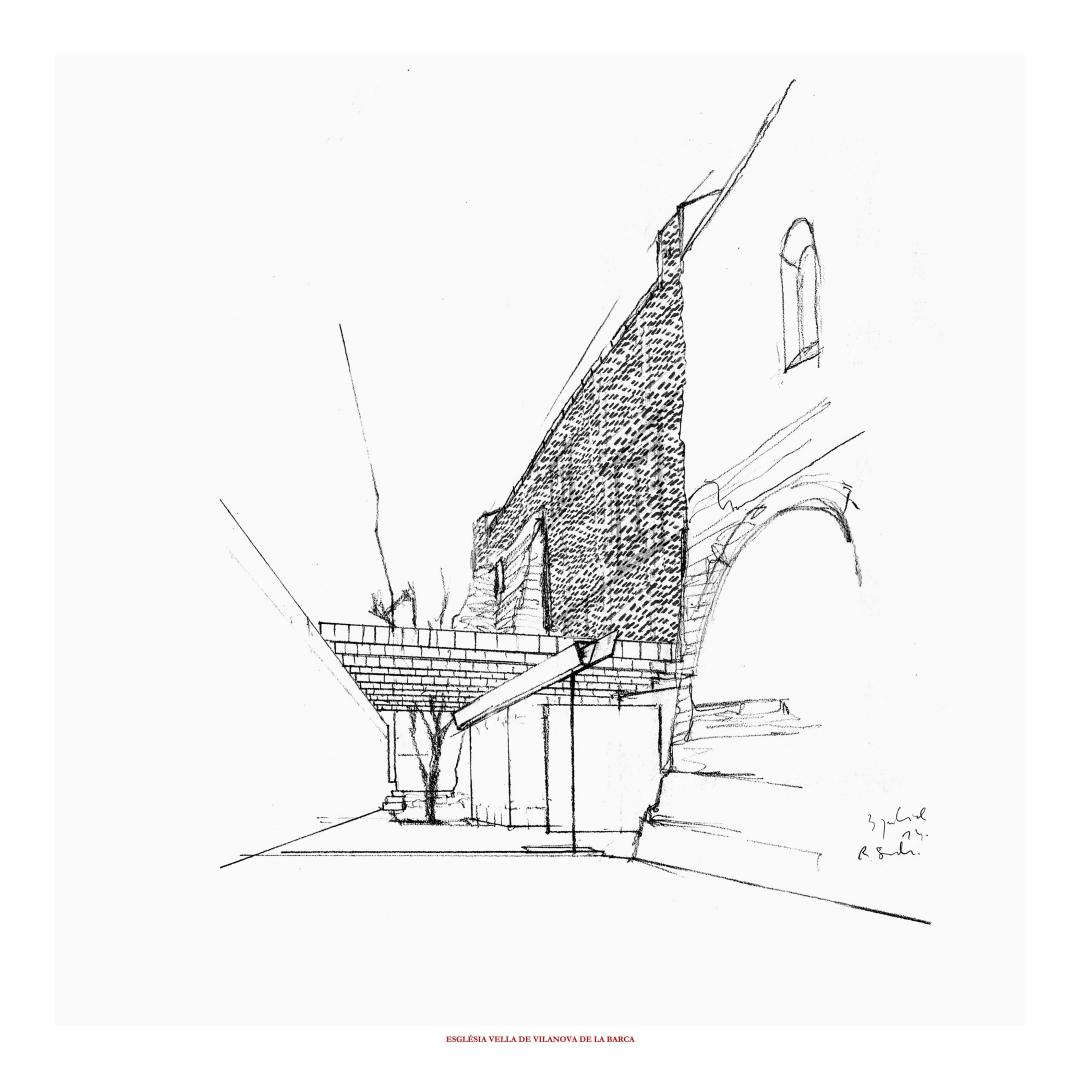
Ancient Church of Vilanova de la Barca
Basic information
Project Title
Ancient Church of Vilanova de la Barca
Full project title
Intervention on the Ancient Church of Vilanova de la Barca
Category
Regaining a sense of belonging
Project Description
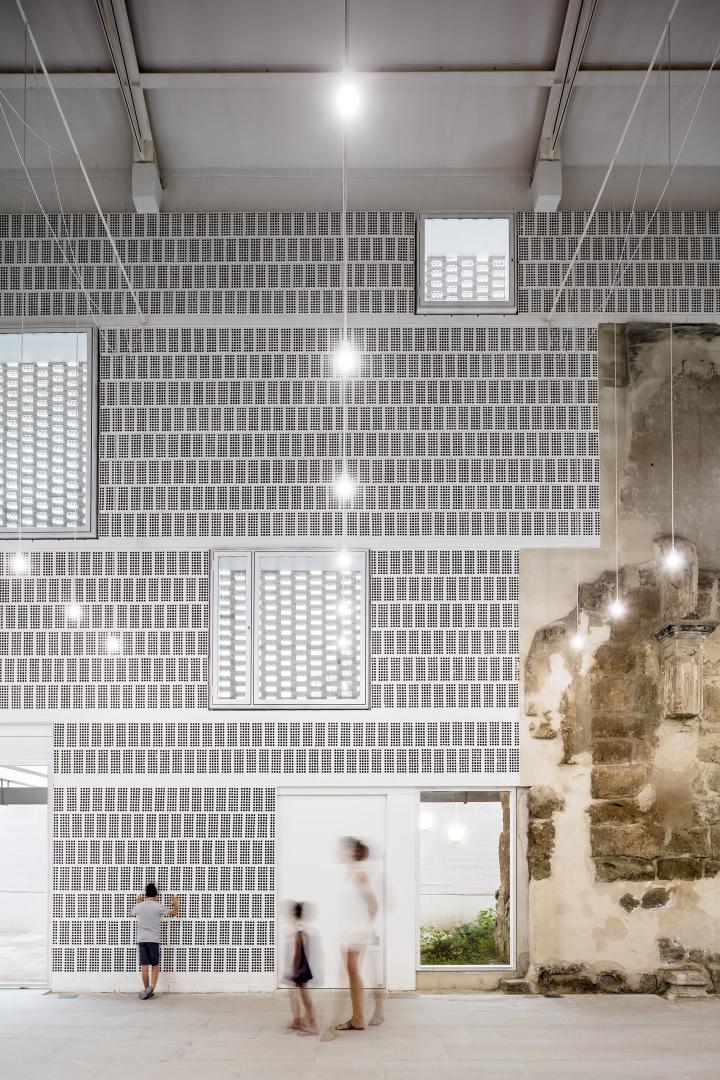
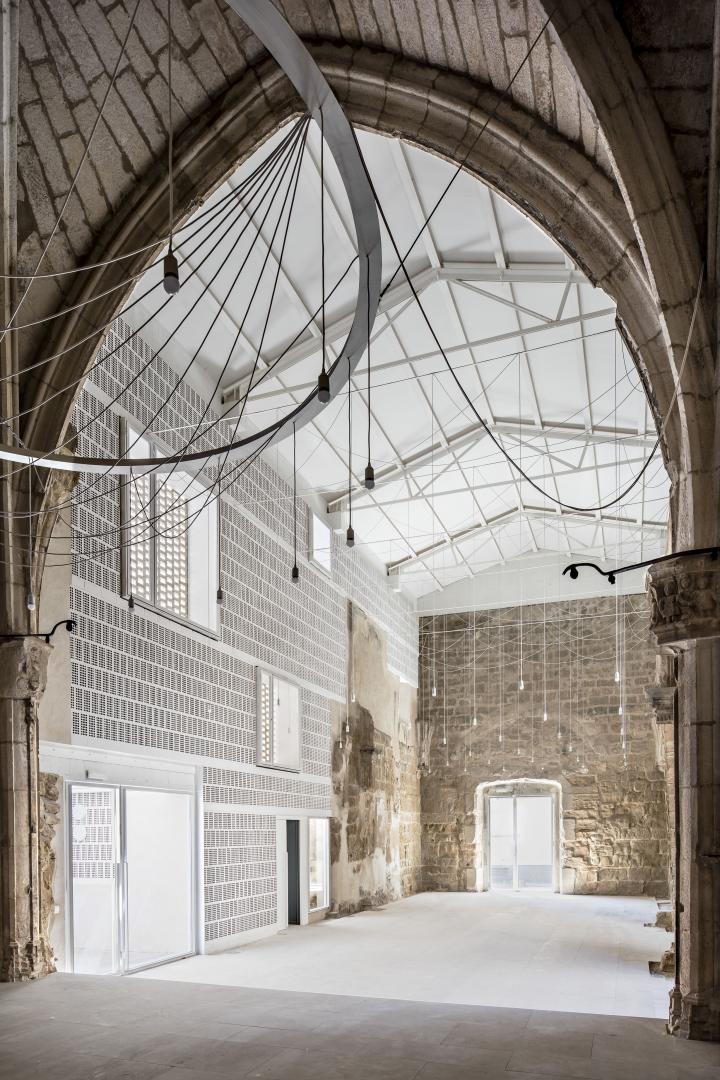
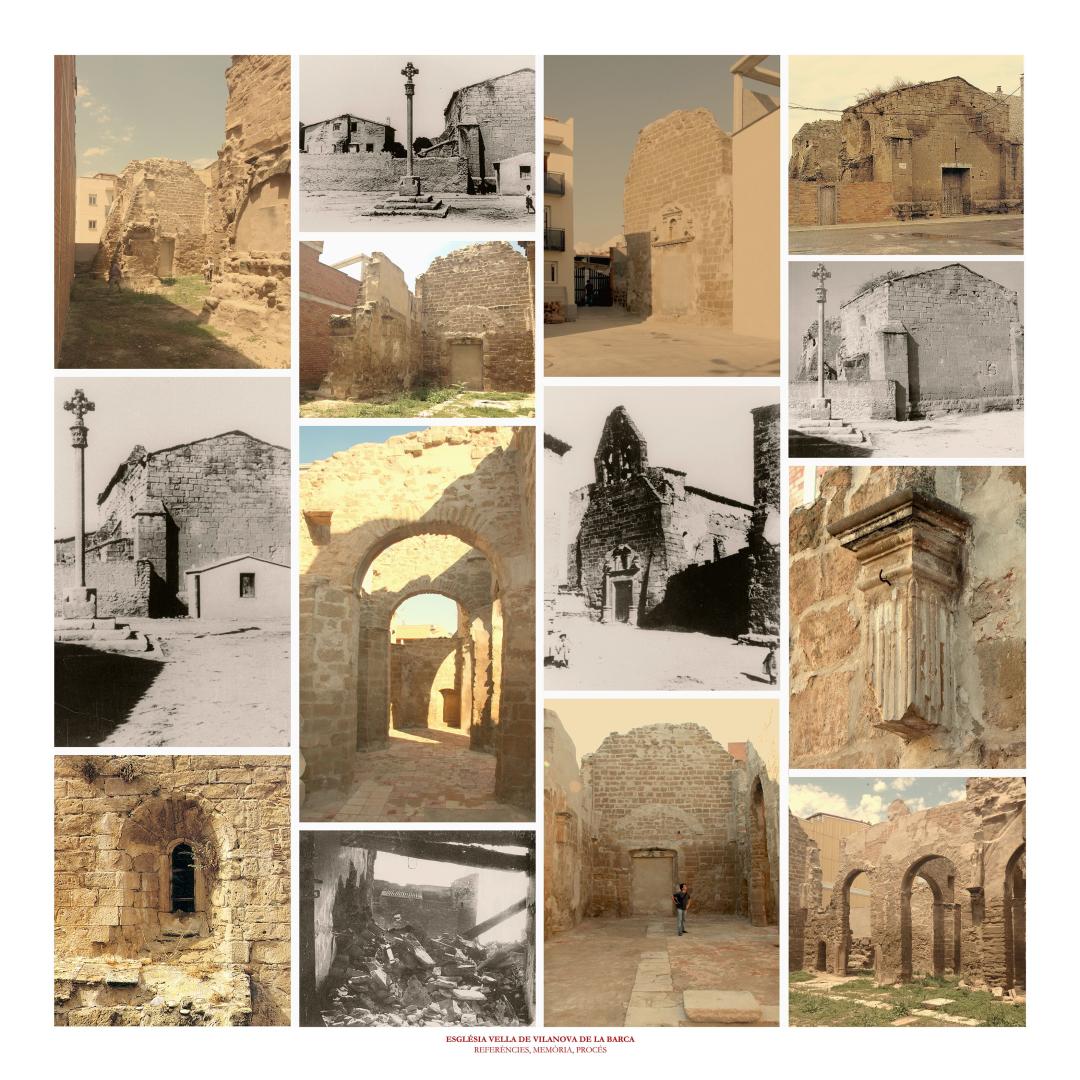
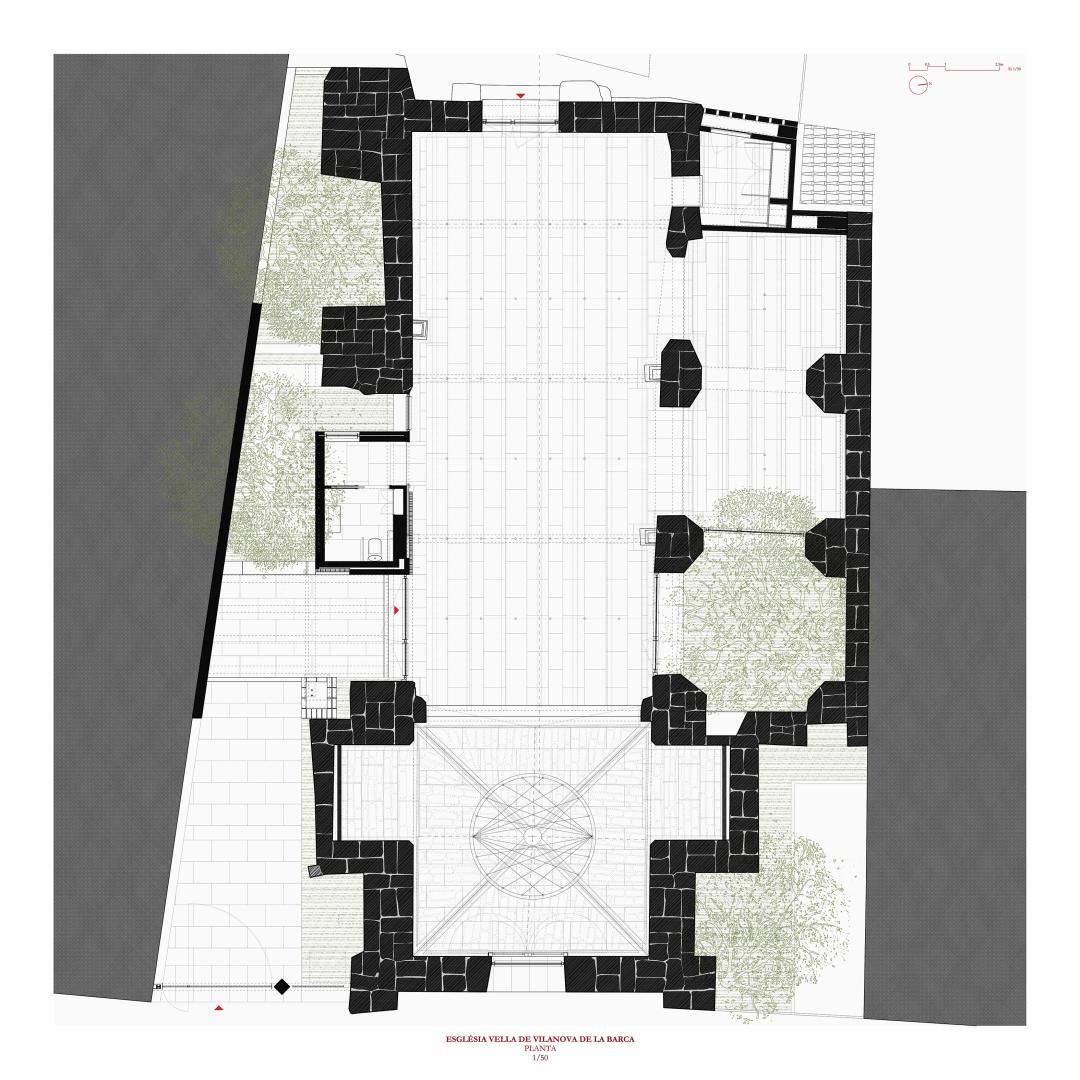
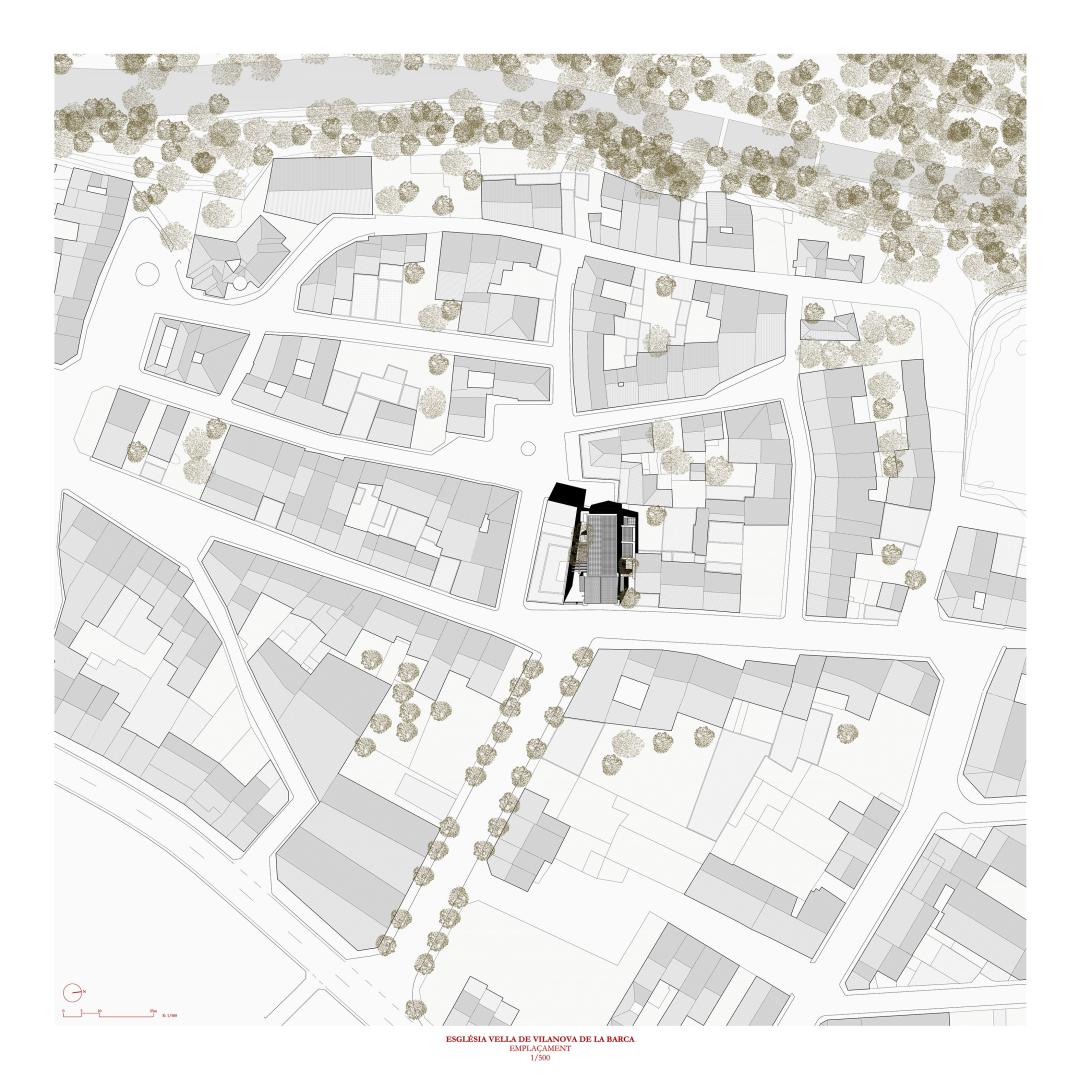
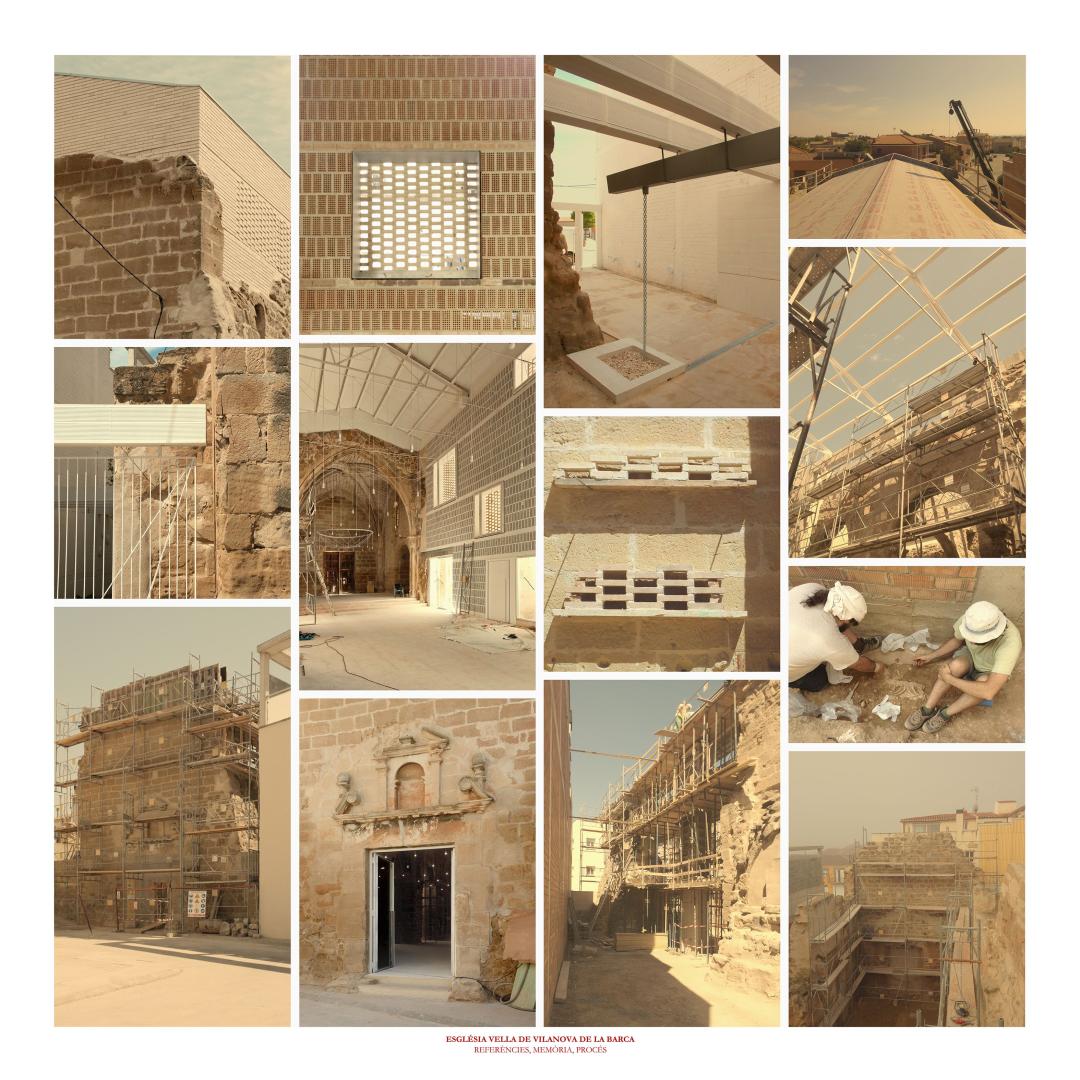
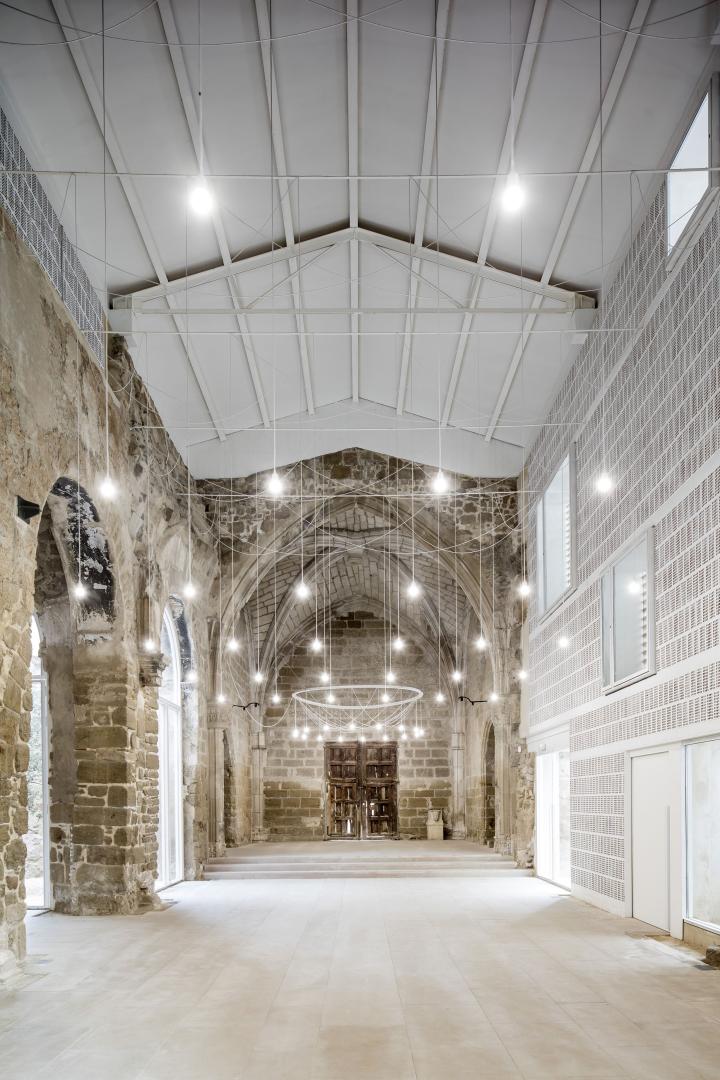
The ruins of a church in the town of Vilanova de la Barca abandoned since the 1936 Spanish Civil War bombings were refurbished and desacralized to recover them for the Community. The new building was designed to become a new multiple uses space for cultural and social events. The design kept its original mystical atmosphere recalling the aesthetics of Northern Europe churches or the wide rooms of the medieval castles. The structure maintains the original stone walls with open white brick walls.
Geographical Scope
Local
Project Region
Vilanova de la Barca Town Council, Spain
Urban or rural issues
Mainly urban
Physical or other transformations
It refers to a physical transformation of the built environment (hard investment)
EU Programme or fund
No
Description of the project
Summary
In the town of Vilanova de la Barca there was an abandoned church which was damaged and in ruins since the 1936 Civil War bombing. This project proposed the refurbishing of this space, desacralizing it and recovering it for the Community. This new building was designed to be a new common multiple uses space so it could be used for cultural and social events. The design kept in mind the origins of the space, so that it holds this mystical atmosphere recalling the image of Northern Europe churches or the wide rooms of the medieval castles.
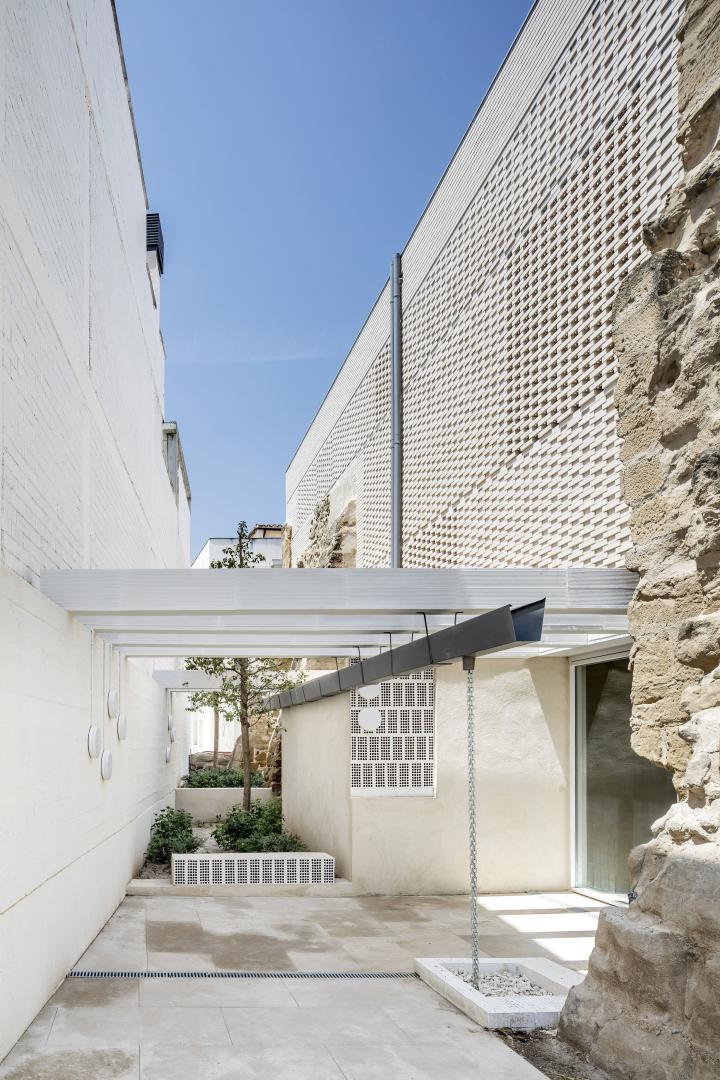
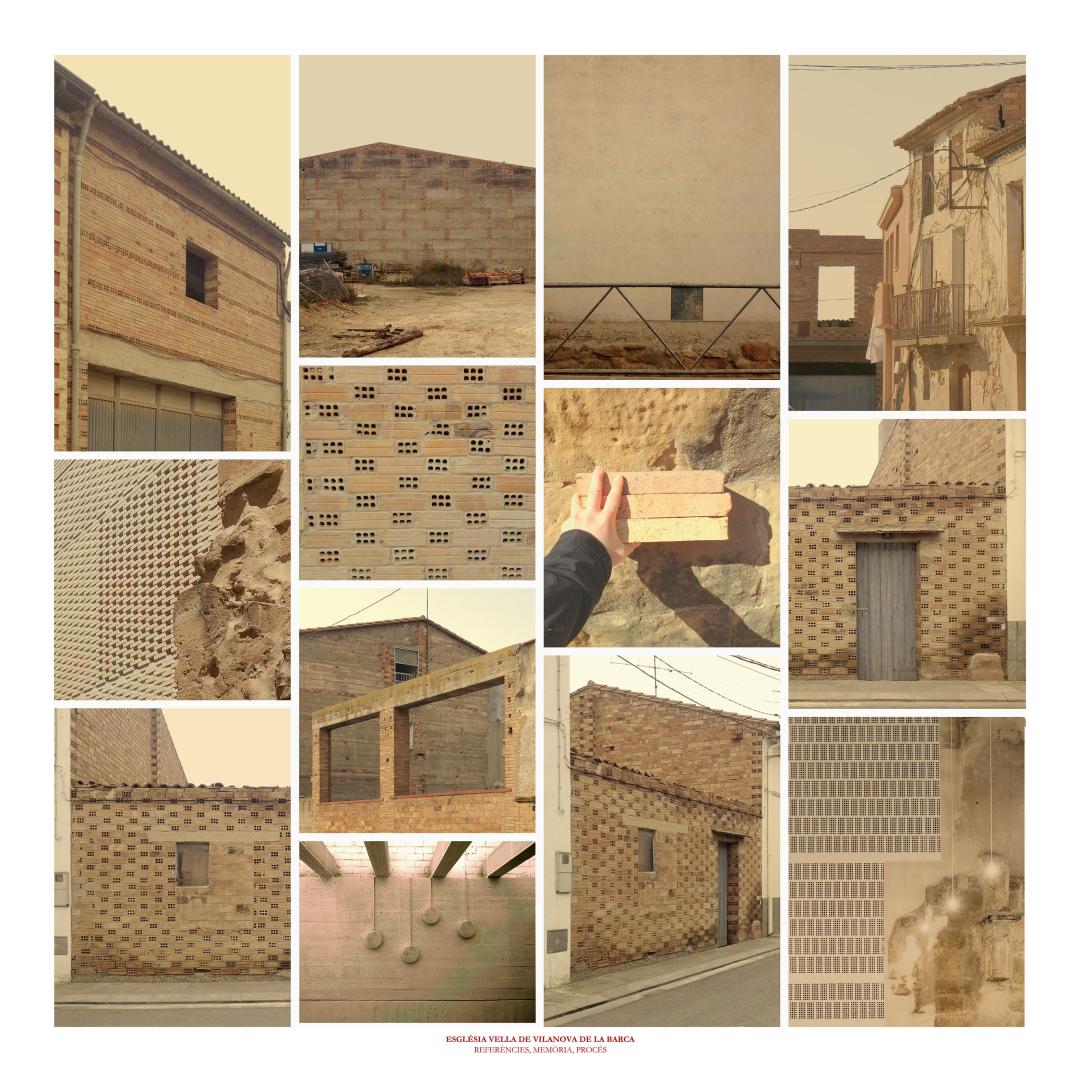
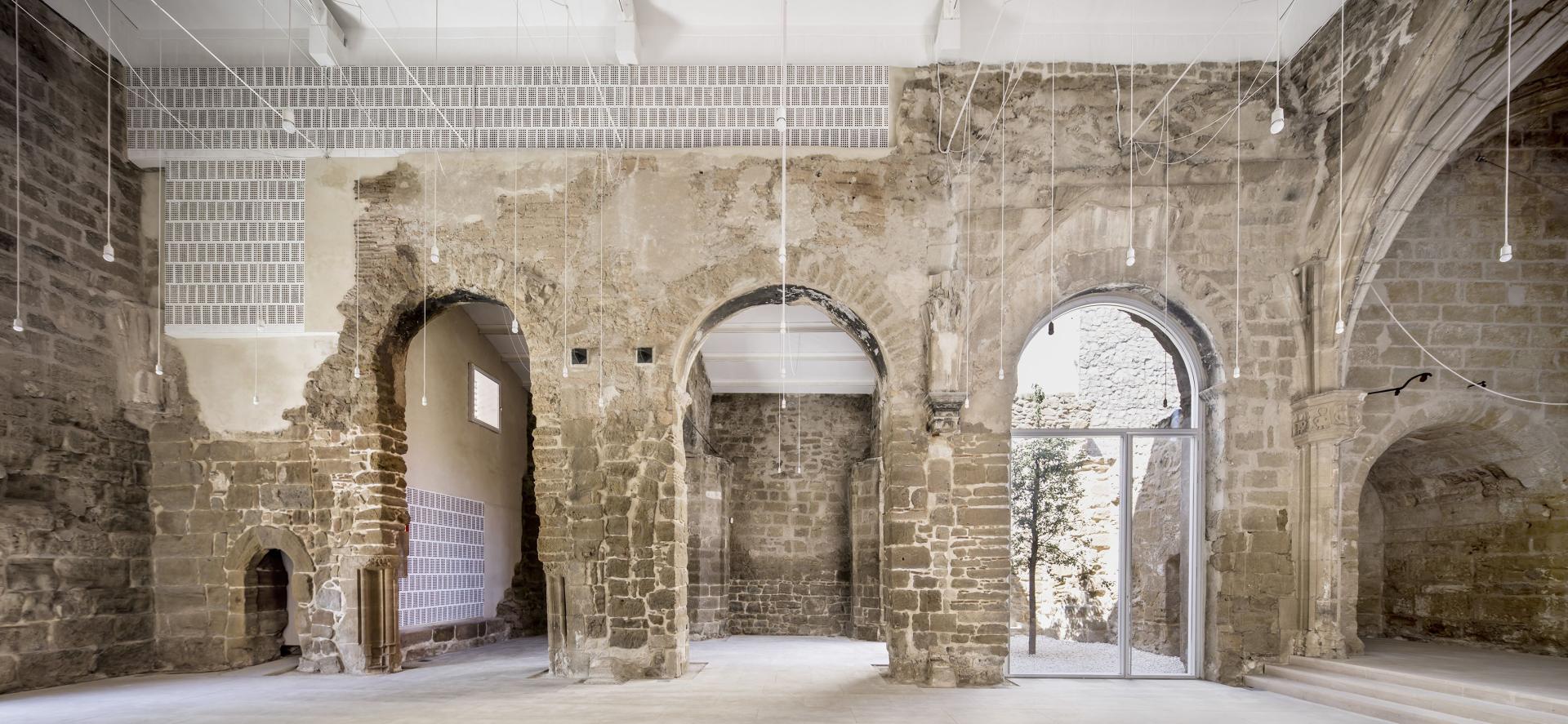
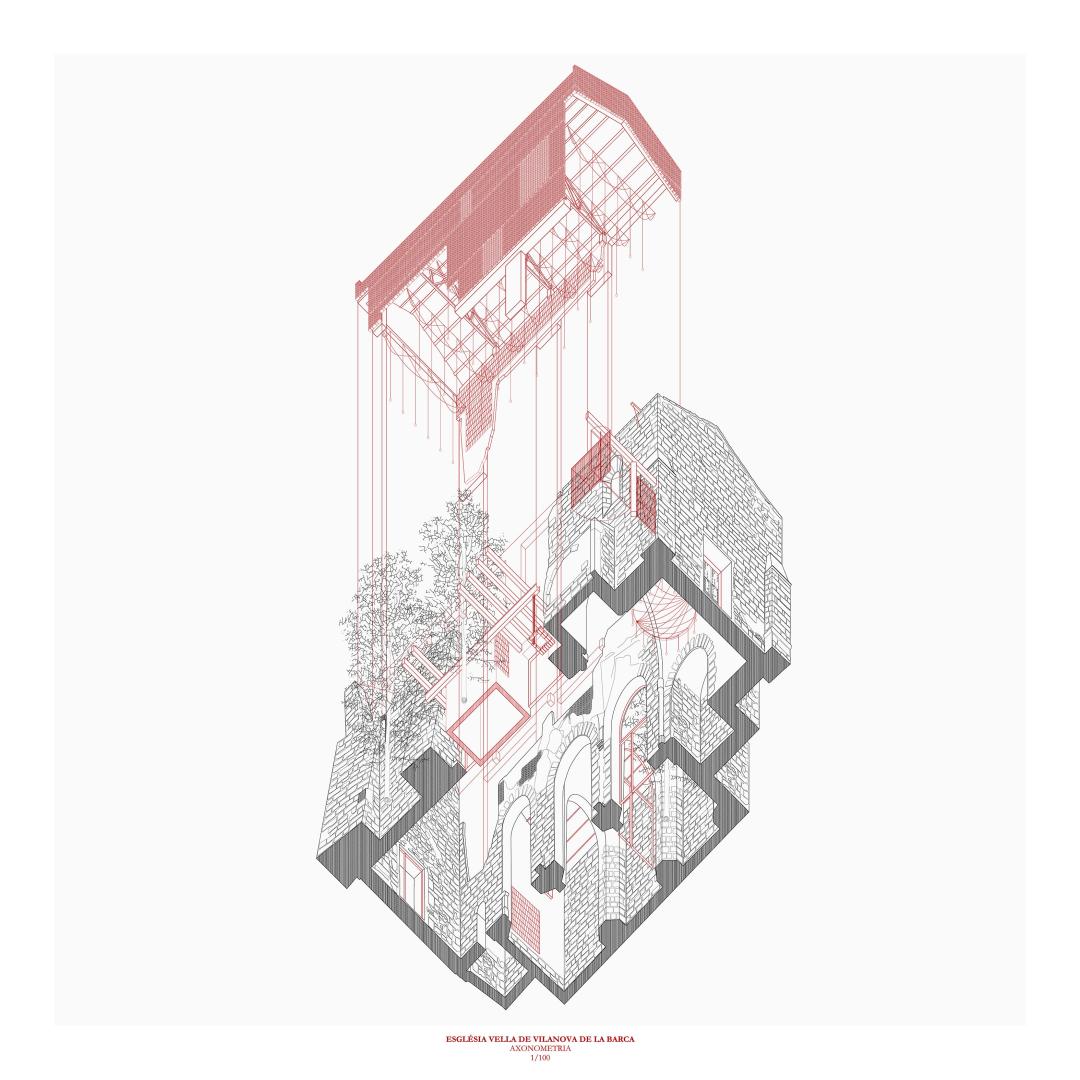
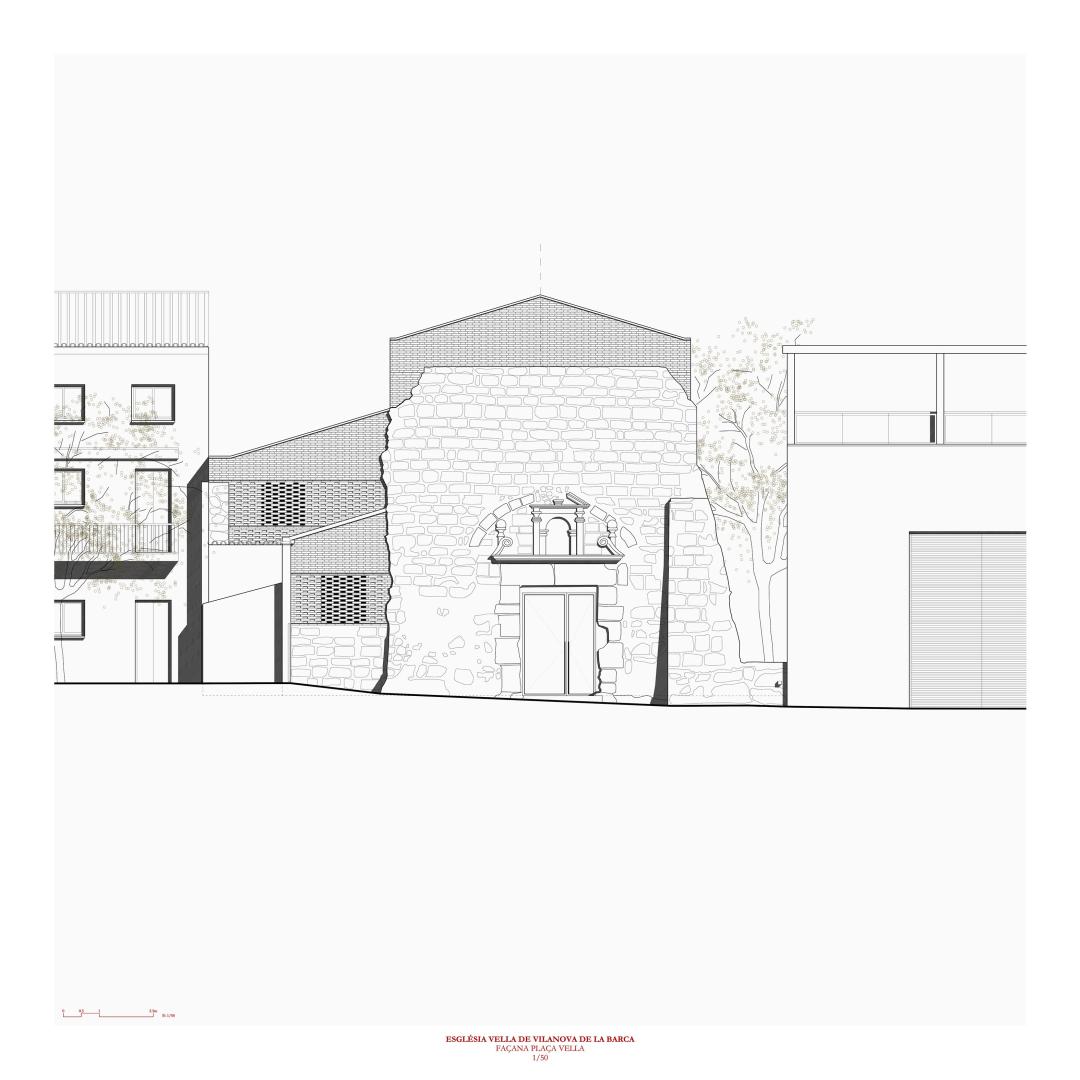
The structure maintained the original stone walls, with open white brick walls on the new areas. The design proposed collage-like walls and complementing materials reflecting the mixture of uses of the building since its creation as well as the new and modern ones.
The structure maintained the original stone walls, with open white brick walls on the new areas. The design proposed collage-like walls and complementing materials reflecting the mixture of uses of the building since its creation as well as the new and modern ones.
Key objectives for sustainability
The key objective of the project is to recover an abandoned church to transform it into a meeting space to add a value to this venue, designing it to reflect the past and the future of the area. Instead of demolishing the ancient ruins and building a brand new structure, we decided to recover all the possible elements of the ancient ruins reduce wasting and use new more efficient materials to complement them. Thus, the walls, which were severely damaged, were maintained and any new materials were fully sustainable from local industries We achieved a higher level of efficiency and sustainability reducing waste material and using traditional techniques reducing CO emissions with local source materials and also promoting industry in the area.
Key objectives for aesthetics and quality
We wanted to create a new space for the people. The studies and surveys conducted in the village revealed that the inhabitants wanted this space to be recovered for the people, allowing them to find a new meeting area, in which culture, society and education are able to grow and flourish. The design of the new building transforms the uses of the abandoned lot into a beautiful space intended to create a new inspiring spirit for the village. Also, this exceptional building creates a new touristic interest in the area.
The mysticism was attained by matching the light coloured stone walls with white brick areas and a new ceiling which is conceived as a tile shell. The outer façade opts for the continuity of the original walls while the interior represents the contrast and discontinuity. It’s a dialogue of complementary elements between the new and the original design, between the present and the past
The mysticism was attained by matching the light coloured stone walls with white brick areas and a new ceiling which is conceived as a tile shell. The outer façade opts for the continuity of the original walls while the interior represents the contrast and discontinuity. It’s a dialogue of complementary elements between the new and the original design, between the present and the past
Key objectives for inclusion
The building is fully accessible, following all the latest norms and guidelines on building design. The wide open design of the building allows the participation of any citizen in the activities held on the space.
Results in relation to category
The project aimed bringing the space for the people keeping the mystical air of the ancient church but adding the presence of light and wide spaces to make a room which is exceptionally well furbished to hold concerts and cultural events, as well as social and educational ones.
The mysticism was attained by matching the light coloured stone walls with white brick areas and a new ceiling which is conceived as a tile shell. The outer façade opts for the continuity of the original walls while the interior represents the contrast and discontinuity. It’s a dialogue of complementary elements between the new and the original design, between the present and the past.
The mysticism was attained by matching the light coloured stone walls with white brick areas and a new ceiling which is conceived as a tile shell. The outer façade opts for the continuity of the original walls while the interior represents the contrast and discontinuity. It’s a dialogue of complementary elements between the new and the original design, between the present and the past.
How Citizens benefit
The cultural heritage of the town is transformed into a new and modern space for the citizens for any kind of social and cultural uses.
The design always kept in mind the plant of the ancient church and the best way to preserve old ruins. The damaged stone walls were incorporated as a representative and foundational base of the new building, giving a new life to these ruins which had been abandoned and unused for a long period
Before defining the project there were surveys conducted to define the need of the village were open to all the inhabitants and the results were considered on setting the future uses definition and the design of the area.
The design always kept in mind the plant of the ancient church and the best way to preserve old ruins. The damaged stone walls were incorporated as a representative and foundational base of the new building, giving a new life to these ruins which had been abandoned and unused for a long period
Before defining the project there were surveys conducted to define the need of the village were open to all the inhabitants and the results were considered on setting the future uses definition and the design of the area.
Physical or other transformations
It refers to a physical transformation of the built environment (hard investment)
Innovative character
The combination of new design and humble materials with the original large stones and the tile ceiling are a fresh contribution to the classical refurbishing of an ancient building. The aim was not to recover and rebuild the church for its original use, but to create a new space able to accommodate new uses without forgetting the original uses of the space.
Also the use of bright colours use contrast with other refurbishing works as the original church was a dark classical church, and this new project creates a space with was fully lighted both with natural and artificial light, but maintaining the spirit of the old building.
Also the use of bright colours use contrast with other refurbishing works as the original church was a dark classical church, and this new project creates a space with was fully lighted both with natural and artificial light, but maintaining the spirit of the old building.
Disciplines/knowledge reflected
The combination of new design and humble materials with the original large stones and the tile ceiling are a fresh contribution to the classical refurbishing of an ancient building. The aim was not to recover and rebuild the church for its original use, but to create a new space able to accommodate new uses without forgetting the original uses of the space.
Also the use of bright colours use contrast with other refurbishing works as the original church was a dark classical church, and this new project creates a space with was fully lighted both with natural and artificial light, but maintaining the spirit of the old building
Also the use of bright colours use contrast with other refurbishing works as the original church was a dark classical church, and this new project creates a space with was fully lighted both with natural and artificial light, but maintaining the spirit of the old building
Methodology used
A throughout analysis of the site was conducted. The aspects studied were social needs, possible uses, structural and aesthetics aspects of the rehabilitation project.
How stakeholders are engaged
The ancient church was in ruins since the bombings of the Spanish Civil War in 1936, thus making the building unsafe and unfit for any kind of common use. It was an old claim of the citizens of Vilanova to refurbish the ruins of the old church, which is in itself the only valuable historical heritage building of the town. Another claim of the citizens was to have more spaces for social and cultural events, such as exhibitions, cultural events and social gatherings. With this in mind, the city council started a refurbishment projected in 2014, which was concluded in 2016.
Global challenges
It is a global challenge to offer solutions to recover for the communities’ ancients spaces on cities and villages, especially on villages that have not previous social meeting venues.
Learning transferred to other parties
This project exemplifies that a well thought project can turn the an ancient buildings into a fully operative space for modern uses without forgetting the original use and spirit of the ruins.
This experience can be transferred to any other examples of historical ruins refurbishment, as the model can be adapted to the usage, state and traits of the site.
This experience can be transferred to any other examples of historical ruins refurbishment, as the model can be adapted to the usage, state and traits of the site.
Keywords
community
aesthetics
society
identity
rehabilitation