A Heritage Haven
Basic information
Project Title
Full project title
Category
Project Description
Current stage development
Geographical Scope
Project Region
Urban or rural issues
Physical or other transformations
EU Programme or fund
Description of the project
Summary
Target Groups: The project welcomes local residents, digital nomads, families, cultural enthusiasts, and individuals passionate about sustainability. It fosters community engagement while attracting visitors seeking immersive heritage experiences.
Specific Objectives:
Preserve Cultural Heritage: Restore and maintain the farmhouse while incorporating modern, eco-conscious improvements.
Foster Community Engagement: Offer hands-on workshops in farming, pottery, and traditional crafts.
Promote Sustainable Living: Establish an educational farm where visitors learn about organic gardening and responsible animal care.
Encourage Cultural Exchange: Organize folk dance events, seasonal festivals, and collaborative projects with local artisans.
Support Rural Development: Create a rural tourism destination that provides opportunities for co-living, co-working, and eco-tourism.
Achieved and Expected Outcomes:
A fully restored, community-driven cultural hub blending heritage and innovation.
A hands-on learning farm promoting sustainability and environmental responsibility.
Vibrant artisan workshops preserving traditional crafts and fostering creativity.
Stronger community ties through intergenerational learning and shared experiences.
A replicable model for sustainable rural revitalization that inspires similar projects across Europe.
By integrating heritage preservation, sustainability, and community collaboration, Roots Reimagined proves that rural spaces can thrive as dynamic, inclusive environments, bridging past and future through meaningful engagement.
Key objectives for sustainability
Sustainable Agriculture: Establishing a working farm that promotes organic farming practices, seasonal crop rotation, and responsible animal care.
Energy Efficiency: Integrating modern, energy-efficient solutions such as solar panels, rainwater harvesting, and eco-friendly heating systems.
Community Participation: Involving local residents in maintaining the farm and garden, encouraging shared responsibility and sustainable living education.
Exemplary Model: This initiative serves as a model for combining heritage preservation with modern sustainability, demonstrating that rural spaces can be both eco-conscious and culturally rich, inspiring similar projects in other regions.
Key objectives for aesthetics and quality
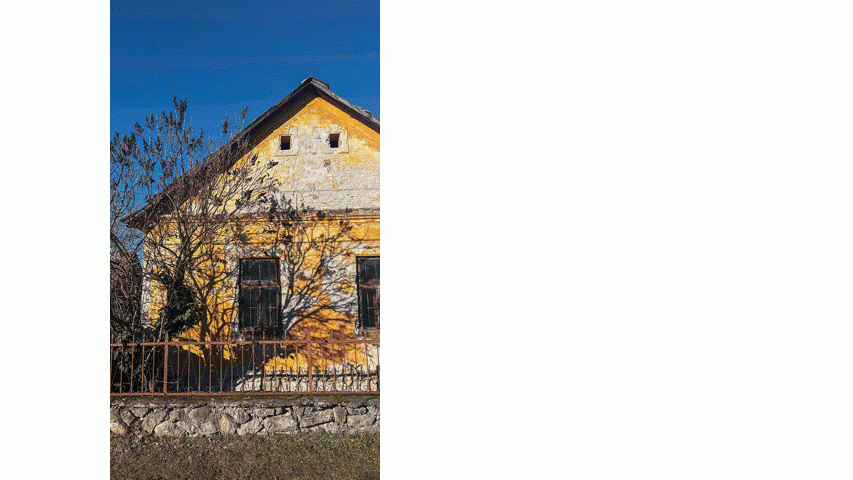
As a locally protected example of Hungarian folk architectural heritage, the 100-year-old farmhouse is being restored using traditional building materials and craftsmanship, ensuring authenticity while integrating modern comfort. The aesthetic vision respects the original architectural elements, such as handcrafted wooden beams, thatched roofing, and adobe walls, while seamlessly incorporating contemporary eco-conscious solutions, such as energy-efficient lighting and natural insulation.
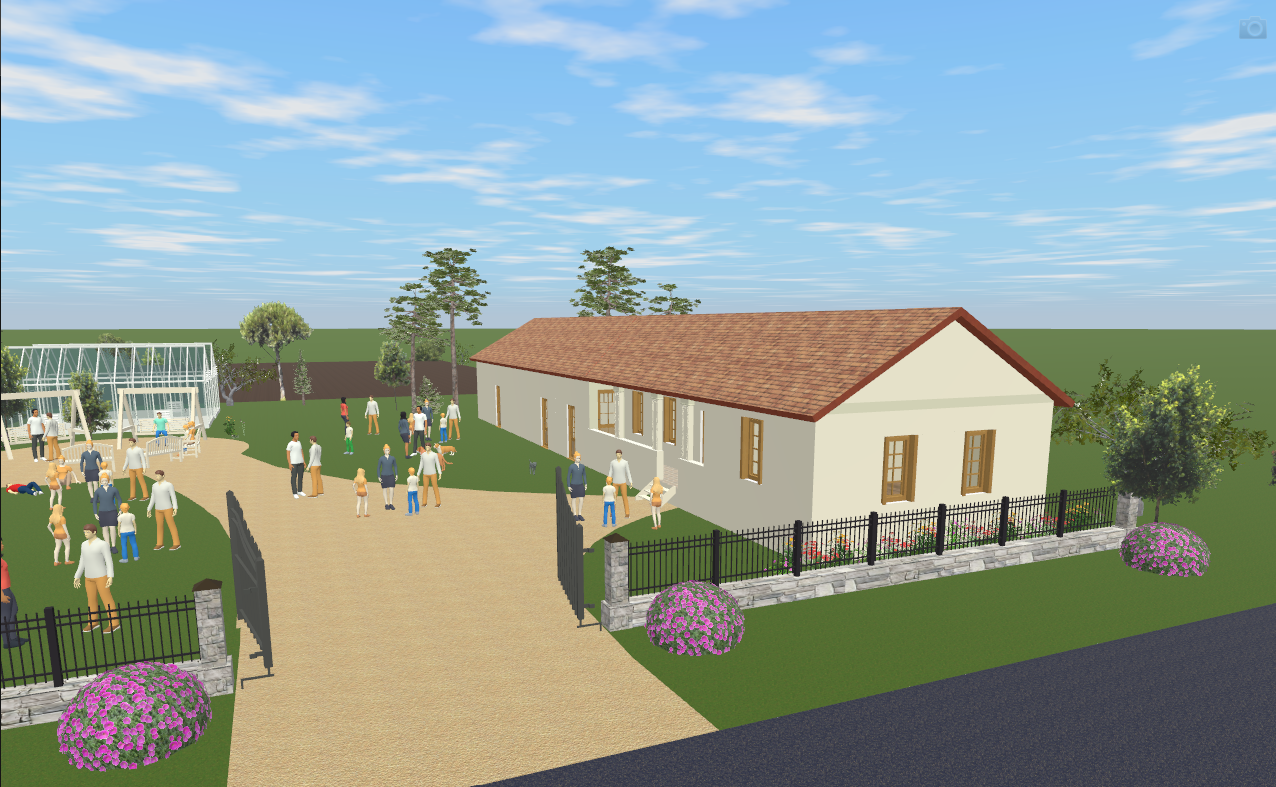
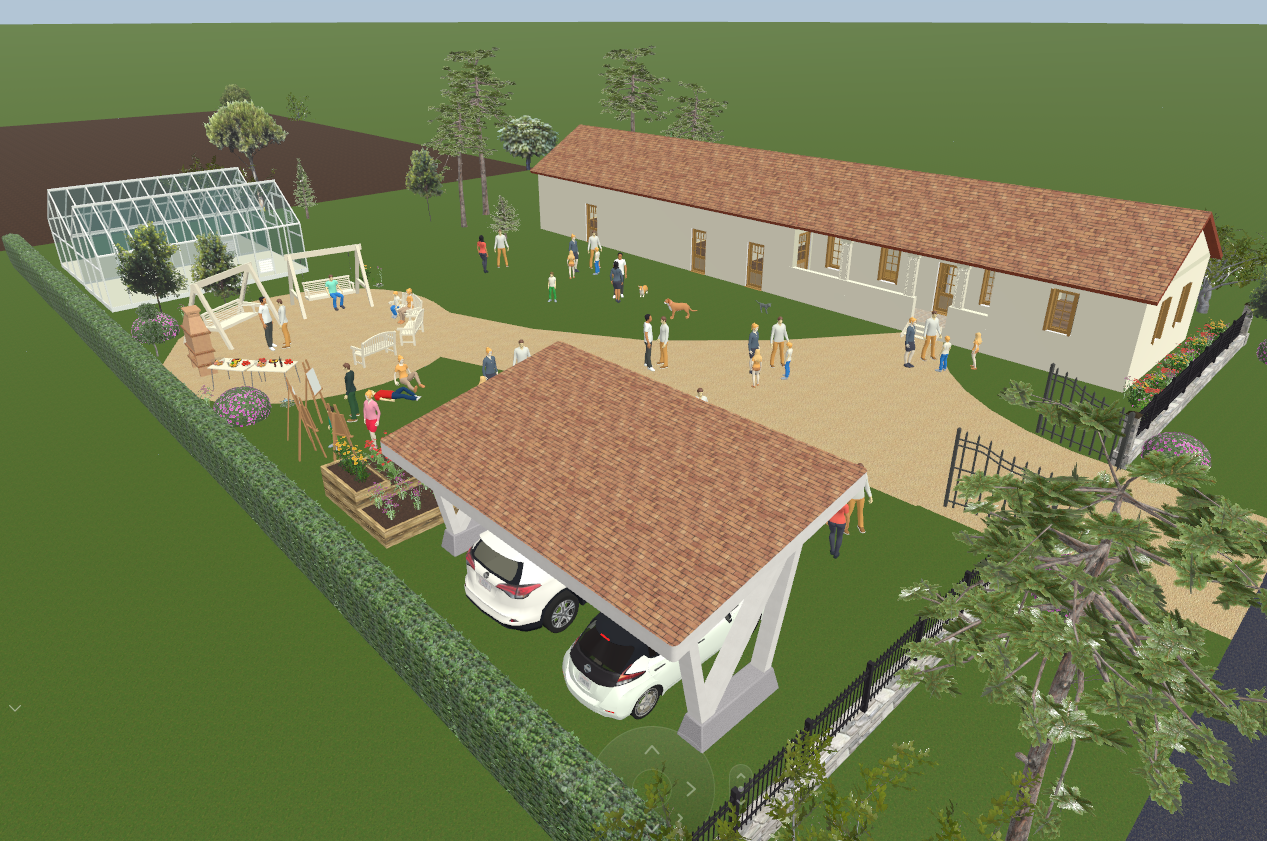
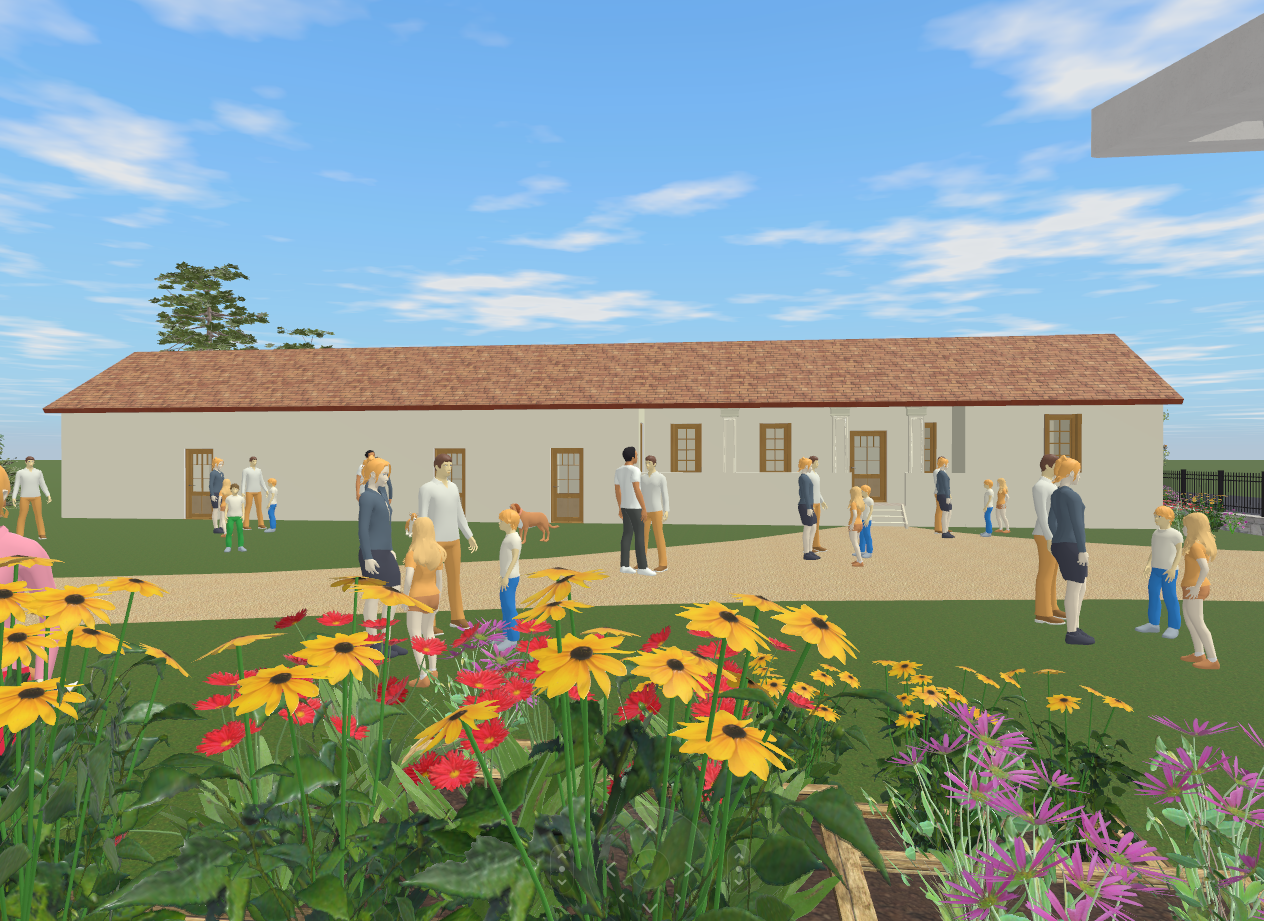
The surrounding landscape, featuring a working educational farm, is designed to blend functionality with beauty, offering visitors an immersive experience that connects them to nature and agricultural traditions. The artisan pottery studio and cultural workshop spaces create a visually engaging and interactive environment where participants can engage in hands-on learning, surrounded by rustic aesthetics that evoke a deep sense of place and history.
Cultural and Experiential Benefits: Immersive Heritage Experience: Visitors step into a space where time slows down, allowing them to engage with rural traditions through hands-on pottery making, weaving, and folk dancing in an authentic, historically preserved setting.
Intergenerational Learning: Elders share traditional farming techniques and craftsmanship with younger generations, ensuring cultural continuity while fostering a deeper emotional connection to heritage.
Aesthetic Coherence with Functionality: Every detail, from hand-carved furniture to the placement of communal gathering spaces, is designed to foster human connection and appreciation for the rural environment.
Vibrant Community Spaces: The restored barn and courtyard serve as gathering places for cultural events, performances.
Key objectives for inclusion
The project preserves and teaches traditional farming knowledge passed down from the founder’s grandfather, an authentic Hungarian farmer, sharing practical rural skills like animal care, crop cultivation, and sustainable living. Intergenerational learning is key, with children, youth, and elders collaborating in workshops, seasonal farming, and cultural events. The initiative encourages co-creation with locals, artisans, and visitors, fostering shared ownership and mutual respect. It exemplifies how rural heritage can provide an inclusive, enriching environment that welcomes everyone, promotes social equity, and inspires similar projects through its community-driven approach, hands-on education, and cultural sustainability.
How Citizens benefit
Roles and Involvement:
Residents participate in decision-making, workshops, and restoration, ensuring the farmhouse reflects the community’s identity.
Artisans lead hands-on activities in pottery, weaving, and woodworking, preserving traditional skills for future generations.
Farmers and sustainability experts guide visitors in organic farming, promoting eco-friendly practices.
Families and intergenerational groups engage in cultural programs, strengthening bonds through storytelling and shared experiences.
Visitors and digital nomads contribute ideas and skills, fostering cross-cultural learning and innovation.
Impact:
Cultural Preservation: Ensures the authenticity of traditions and architectural heritage.
Social Cohesion: Bridges generations, fostering collaboration and mutual understanding.
Economic Growth: Provides income opportunities for artisans, farmers, and educators while boosting sustainable tourism.
Environmental Awareness: Encourages eco-friendly practices through workshops and responsible land management.
Scalable Model: Demonstrates how community-driven approaches can revitalize rural areas through heritage and sustainability.
By embedding active citizen participation, Roots Reimagined is more than a restoration project—it’s a living, evolving space where history, sustainability, and cultural exchange intersect, creating a lasting legacy for future generations.
Physical or other transformations
Innovative character
Key Innovations:
Heritage Meets Modern Sustainability: The project uses traditional materials and eco-friendly techniques such as solar energy, rainwater harvesting, and sustainable farming to ensure long-term environmental responsibility.
Intergenerational Learning and Engagement: Unlike typical heritage sites, Roots Reimagined encourages active participation from all age groups, fostering knowledge transfer between older generations and younger visitors through workshops and hands-on experiences.
Coworking and Coliving in a Rural Setting: The initiative introduces a digital nomad-friendly space within a traditional farmhouse, allowing remote workers to experience an immersive rural lifestyle while staying connected.
Community-Centered Cultural Programming: Seasonal festivals, pottery workshops, and agricultural learning sessions create a dynamic, living heritage site rather than a static museum-like restoration.
Economic and Social Impact: Instead of relying on external tourism, the project prioritizes self-sustaining community involvement, creating jobs and educational opportunities for local residents.
By integrating preservation, sustainability, and modern adaptability, Roots Reimagined serves as an exemplary model for rural revitalization, proving that historical spaces can evolve into thriving, inclusive hubs for learning, creativity, and sustainability.
Disciplines/knowledge reflected
Key Disciplines and Their Roles:
Architecture and Heritage Conservation: Architects and local artisans restore the farmhouse using traditional materials while integrating eco-conscious design elements.
Sustainability and Environmental Science: Specialists guide the implementation of renewable energy solutions, organic farming practices, and sustainable land use.
Education and Community Engagement: Educators lead hands-on workshops in farming, pottery, and rural crafts, ensuring knowledge transfer between generations.
Cultural Heritage and Rural Tourism: Historians and tourism professionals develop immersive experiences that attract visitors while maintaining authenticity.
Agriculture and Food Systems: Farmers and agronomists introduce regenerative farming techniques that enhance biodiversity and provide food for community events.
Interdisciplinary Collaboration and Added Value:
The integration of these fields fosters innovation and ensures that the initiative remains culturally, environmentally, and socially sustainable. Architects work with sustainability experts to design eco-friendly restorations, while educators collaborate with farmers and artisans to offer hands-on learning experiences. Tourism professionals ensure that cultural elements remain accessible and engaging for visitors.
By bridging multiple disciplines, Roots Reimagined creates a replicable model for rural revitalization, where history, ecology, and education converge to shape a dynamic, future-proof community space.
Methodology used
Core Methodological Principles:
Heritage-Led Regeneration: The project follows a conservation-first approach, restoring the farmhouse using traditional building techniques while incorporating modern sustainable solutions.
Participatory Design and Co-Creation: Local residents, artisans, and stakeholders actively contribute to decision-making, ensuring that the space reflects community needs and values.
Experiential Learning and Hands-On Engagement: The initiative prioritizes learning through doing, offering immersive experiences in farming, crafts, and cultural traditions.
Sustainable and Self-Sufficient Practices: The farm integrates circular economy principles, including organic farming, eco-friendly construction, and responsible tourism models.
Interdisciplinary Collaboration: Experts from architecture, sustainability, education, and cultural heritage fields work together, ensuring a balanced and impactful development process.
Implementation Strategy:
Restoration and Adaptive Reuse: Careful restoration of the farmhouse, barn, and garden, maintaining historical authenticity while enhancing functionality.
Community Engagement and Education: Hosting regular workshops, seasonal festivals, and collaborative events to strengthen intergenerational knowledge-sharing.
Sustainable Development: Establishing an eco-friendly infrastructure with renewable energy solutions and a permaculture-based educational farm.
Cultural and Economic Sustainability: Encouraging artisan entrepreneurship, rural tourism, and digital nomad residencies to support long-term viability.
How stakeholders are engaged
Local Level:
Residents of Dédestapolcsány contribute through community meetings, hands-on restoration efforts, and participation in workshops, ensuring local traditions are upheld.
Local artisans and craftspeople lead pottery, weaving, and woodworking workshops, preserving and sharing traditional skills.
Farmers and sustainability advocates introduce organic farming techniques, supporting environmental education and food production.
Community organizations and volunteers assist in organizing cultural events, ensuring widespread engagement.
Regional and National Level:
Cultural institutions and heritage organizations provide expertise in restoration and funding opportunities.
Universities and researchers support educational programs, offering insights into sustainability and architectural preservation.
Tourism and rural development agencies help integrate the project into national eco-tourism strategies, increasing visibility and economic opportunities.
European Level:
Heritage networks and sustainability initiatives facilitate knowledge exchange with similar European projects.
EU cultural and environmental programs offer funding, policy guidance, and opportunities for cross-border collaborations.
Added Value of Stakeholder Engagement:
Authenticity and Knowledge Transfer: Local involvement ensures the project remains rooted in genuine traditions.
Scalability and Innovation: National and European connections help replicate successful elements in other rural areas.
Economic and Educational Growth: Collaboration with institutions enriches learning opportunities and generates sustainable income streams.
Global challenges
Key Global Challenges and Local Solutions:
Climate Change and Environmental Sustainability: The project incorporates eco-friendly restoration techniques, regenerative agriculture, and renewable energy sources to reduce its carbon footprint and promote sustainable land use.
Loss of Cultural Heritage: Many historic rural buildings face neglect and demolition. Roots Reimagined demonstrates how heritage can be preserved and repurposed through community involvement, ensuring its relevance for future generations.
Rural Depopulation and Economic Decline: As young people migrate to urban areas, villages suffer economic and social decline. The initiative creates local jobs, fosters entrepreneurship, and attracts responsible tourism, offering new opportunities for rural communities.
Lack of Access to Experiential Learning: Traditional skills like pottery, farming, and weaving are disappearing. By offering hands-on workshops and intergenerational learning programs, the project ensures that practical, cultural knowledge is passed down.
Social Isolation and Disconnection from Nature: Modern lifestyles often disconnect individuals from their roots. The project provides a space for digital detox, cultural exchange, and sustainable living, fostering a sense of belonging and well-being.
By implementing these local, people-centered solutions, Roots Reimagined proves that rural communities can be at the forefront of tackling global issues, offering a replicable, sustainable model for heritage-driven, climate-conscious, and socially inclusive development.
Learning transferred to other parties
Key Replicable Elements:
Community-Driven Heritage Restoration: The participatory approach to restoring historical sites through local involvement and traditional techniques can be applied in other rural regions looking to revitalize heritage buildings.
Sustainable Agricultural Practices: The farm-to-table model, organic farming education, and permaculture principles can be adapted to different climates and landscapes.
Hands-On Cultural Learning: The interactive workshops in pottery, weaving, and farming provide an educational model that other heritage sites can adopt to engage visitors.
Coworking and Coliving in a Rural Setting: The integration of digital nomad-friendly spaces in heritage buildings offers a model for sustainable tourism and rural economic development.
Eco-Conscious Infrastructure: Implementing solar energy, rainwater harvesting, and waste reduction systems ensures environmental sustainability while preserving local traditions.
Potential for Adaptation:
Other Rural Communities: Small towns across Europe can apply this model to breathe new life into underutilized historical sites.
Educational and Cultural Institutions: Universities and cultural heritage organizations can replicate the learning-based approach to community involvement.
Sustainability-Focused Initiatives: Regions aiming to integrate ecological and heritage conservation efforts can adapt the methodology.
By creating a replicable, adaptable framework, Roots Reimagined offers a blueprint for sustainable, community-led rural development, demonstrating that historic sites can evolve into thriving, living cultural spaces.
Next steps
The initiative has a clear roadmap for the year following the application, ensuring structured growth, effective implementation, and community engagement. The focus will be on finalizing restoration, expanding programming, and increasing visibility.<br />
<br />
Phase 1: Finalizing Restoration and Infrastructure (Months 1-6)<br />
<br />
Complete farmhouse and barn restoration with traditional materials while incorporating sustainable design solutions such as solar panels and water collection systems.<br />
<br />
Set up the educational farm, planting initial crops and preparing spaces for hands-on workshops in organic farming and permaculture.<br />
<br />
Establish artisan workshop spaces, equipping them for pottery, weaving, and woodworking sessions.<br />
<br />
Develop a digital presence, launching an interactive website and expanding the initiative’s reach via social media and online storytelling.<br />
<br />
Phase 2: Community Engagement and Pilot Programs (Months 5-8)<br />
<br />
Organize pilot workshops and cultural events, inviting local artisans, educators, and visitors to engage in test activities.<br />
<br />
Host a rural tourism and sustainability conference, attracting experts and potential partners to strengthen collaboration.<br />
<br />
Develop partnerships with universities and cultural organizations to integrate educational programs into the initiative.<br />
<br />
Phase 3: Full-Scale Implementation and Expansion (Months 9-12)<br />
<br />
Officially launch the community hub, marking the opening with a heritage festival featuring local crafts, performances, and sustainability-focused discussions.<br />
<br />
Initiate the coliving and coworking space, welcoming digital nomads and eco-conscious travelers to experience rural immersion.<br />
<br />
Evaluate impact and refine programs, incorporating feedback from participants and stakeholders.<br />
<br />
By following this structured plan, Roots Reimagined ensures steady progress towards becoming a self-sustaining, heritage-driven community space, fostering cultural preservation, education, and sustainable rural development.