Museum church Lo-Reninge
Sacred Heritage – Museum Church of Lo-Reninge
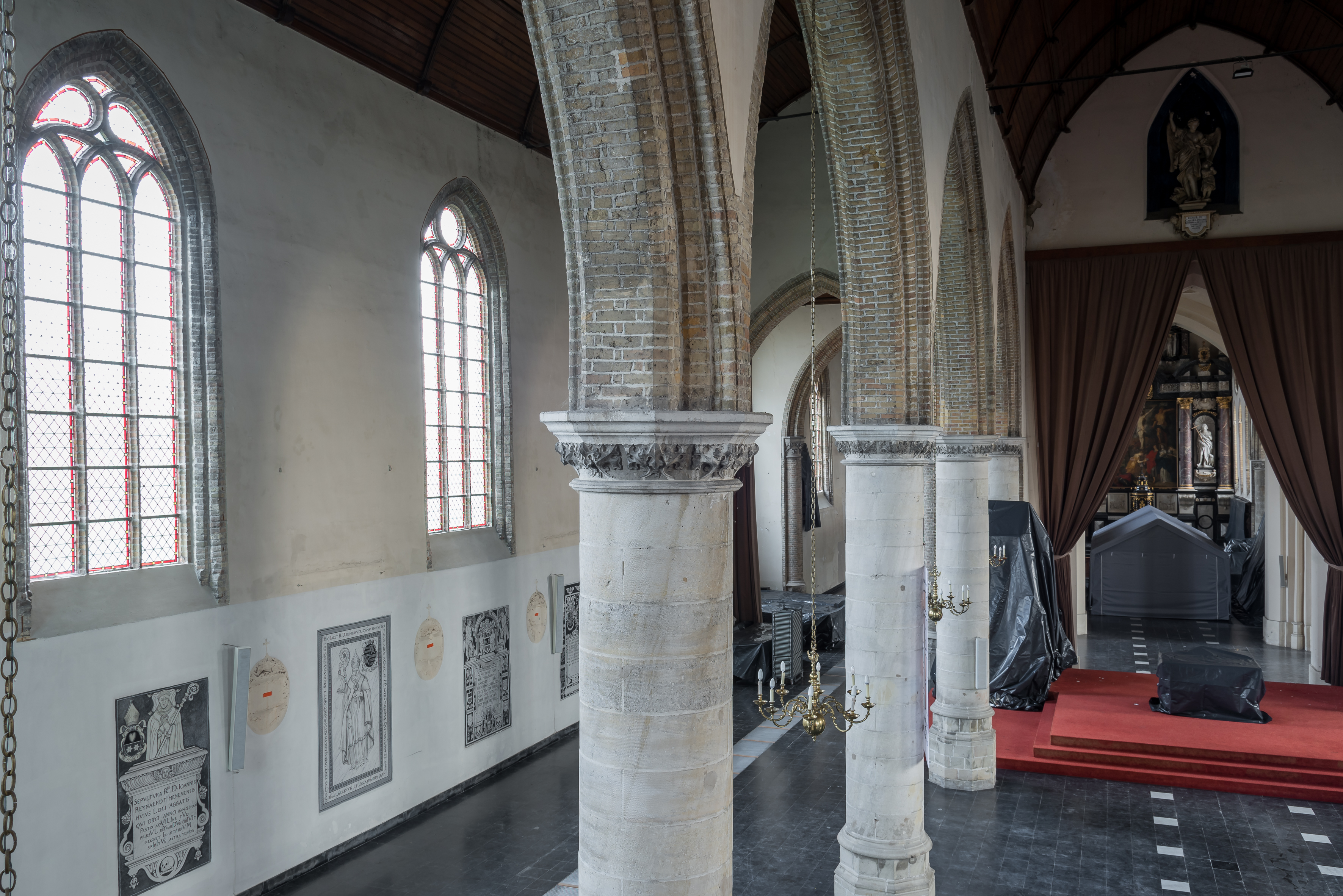
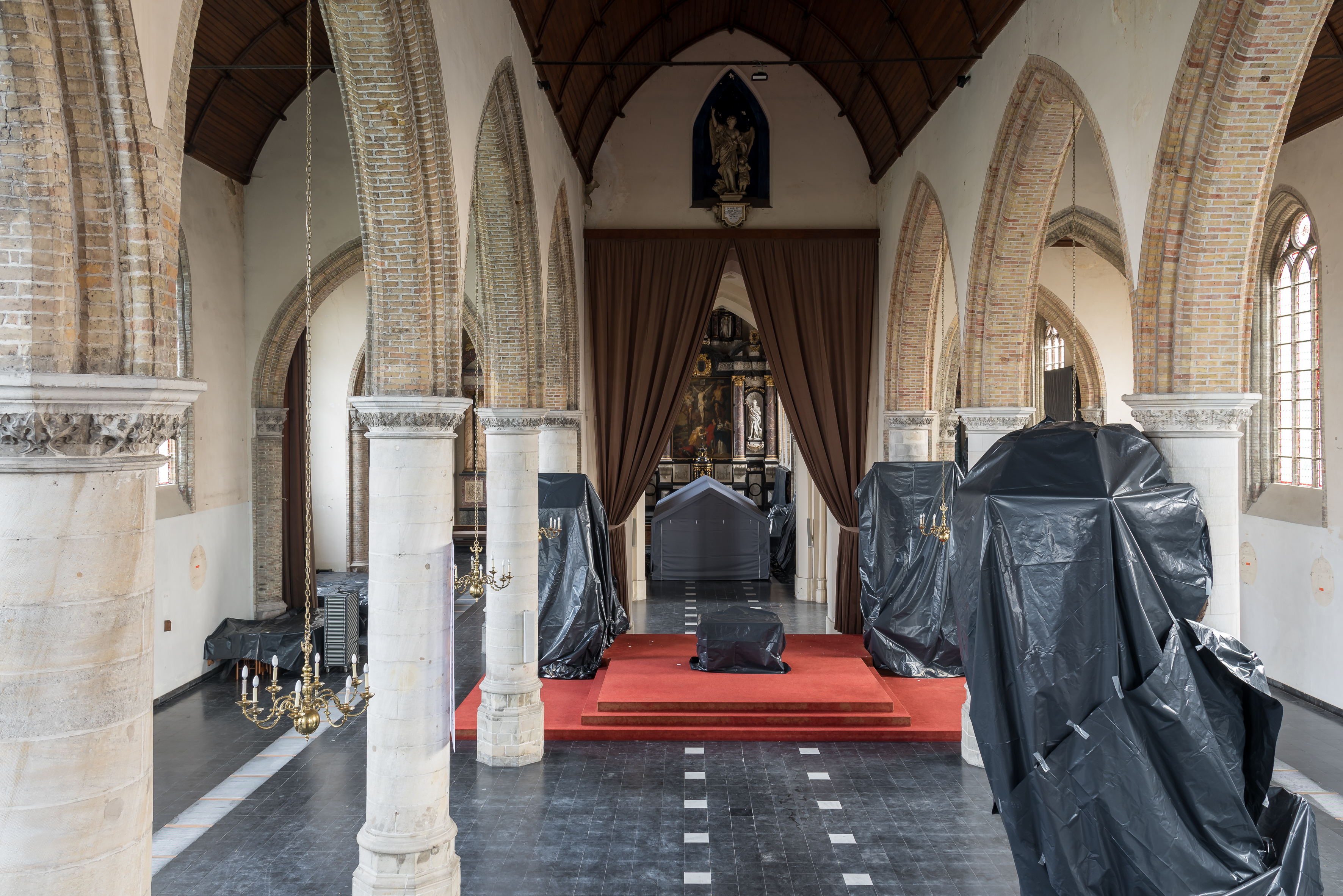
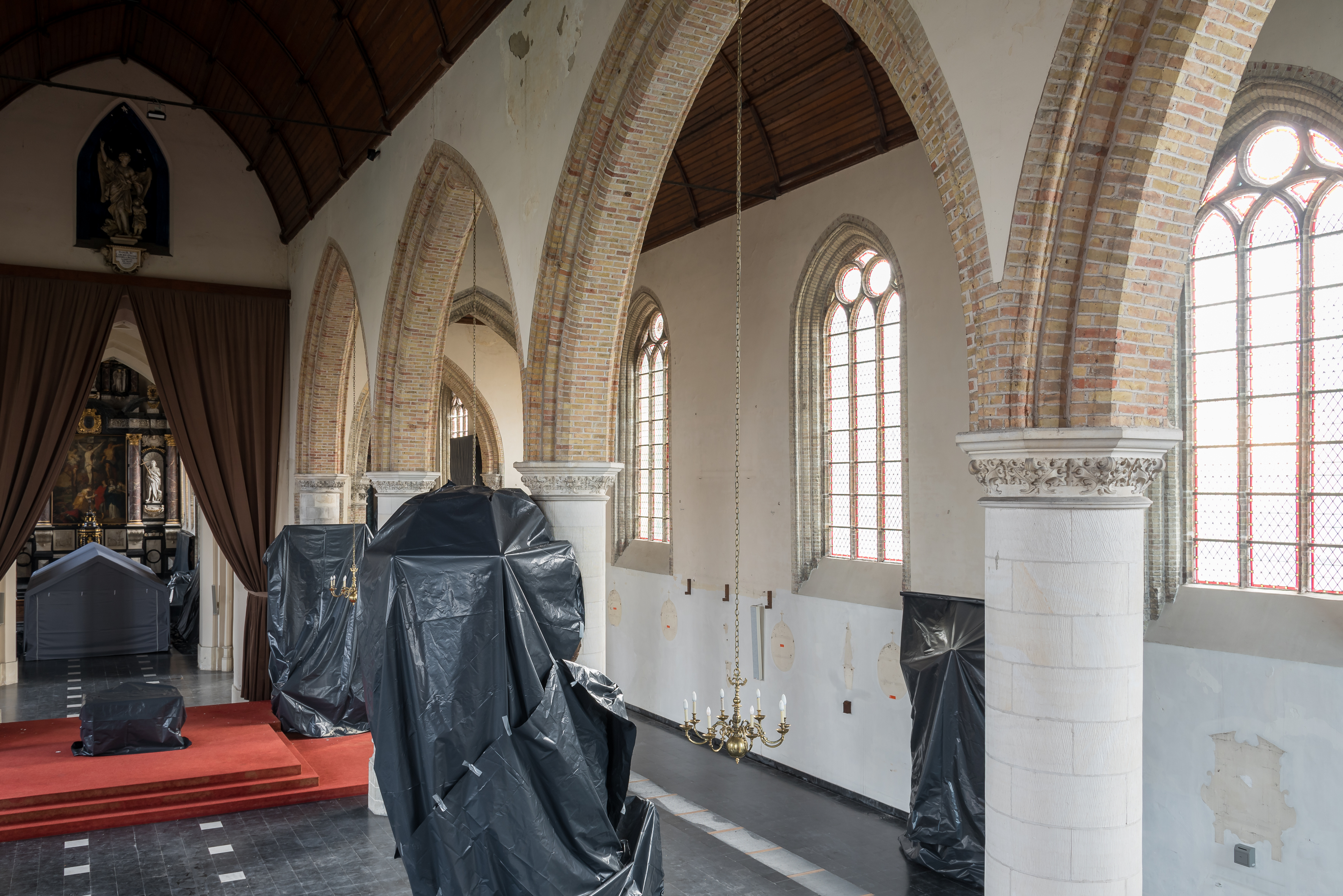
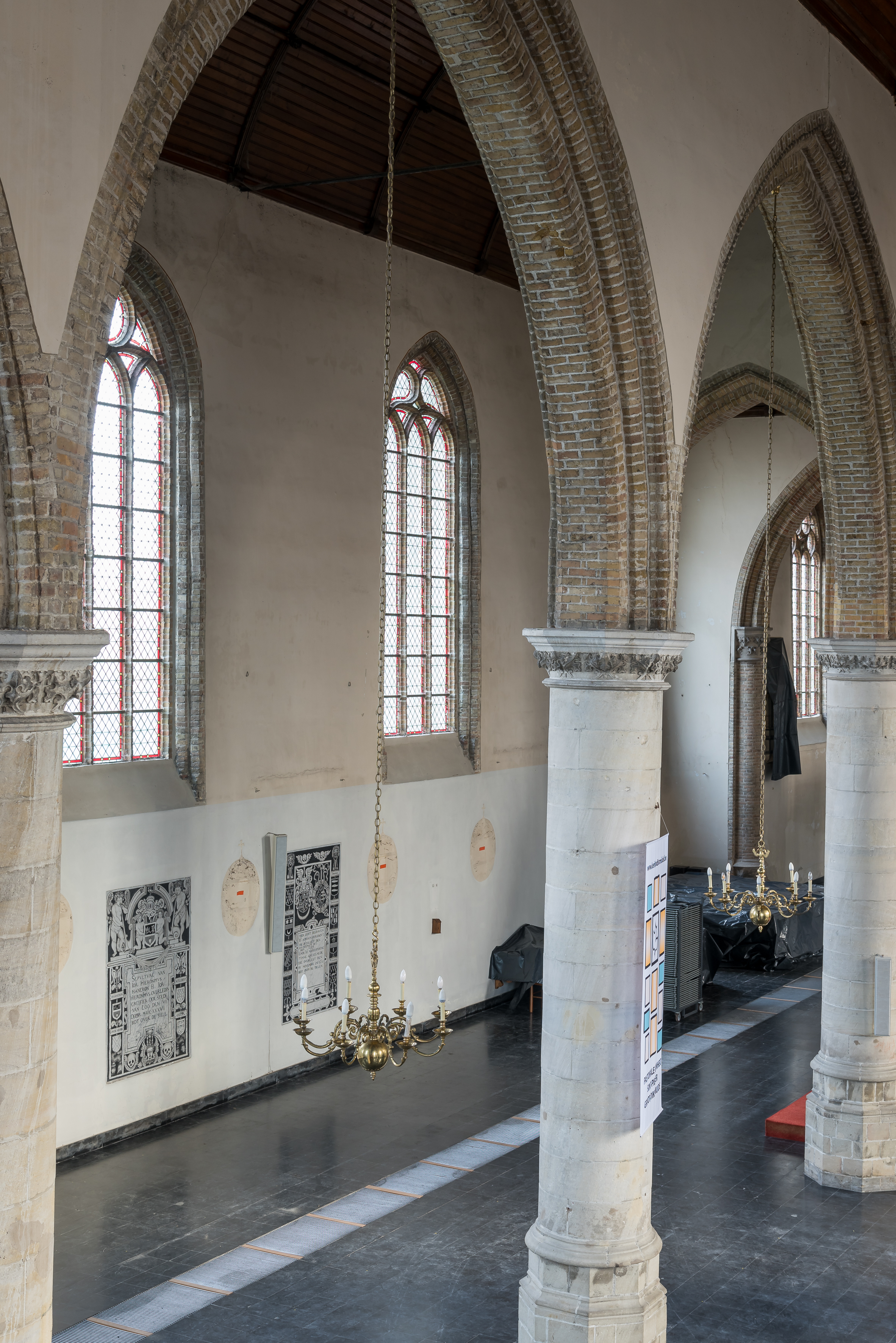
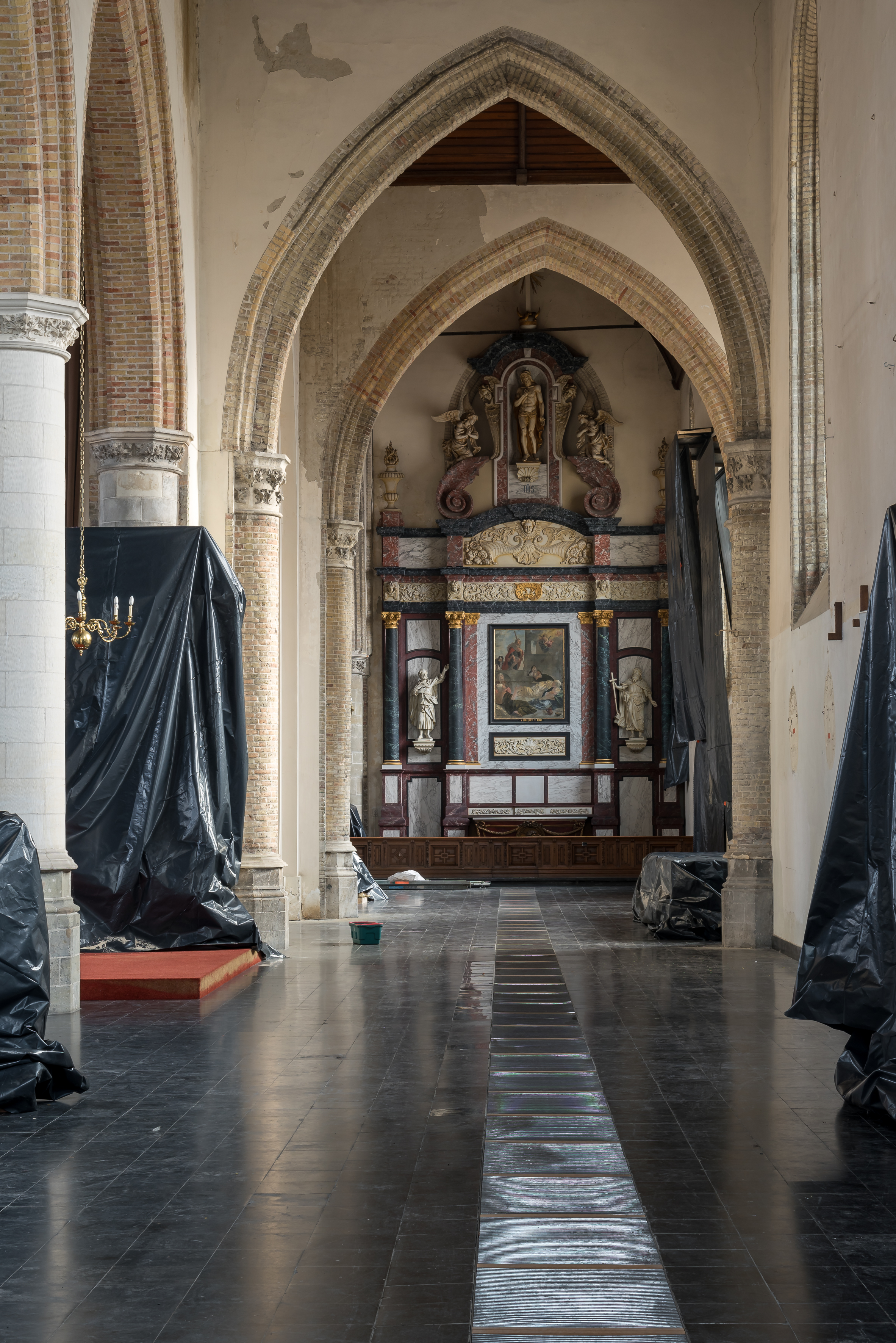
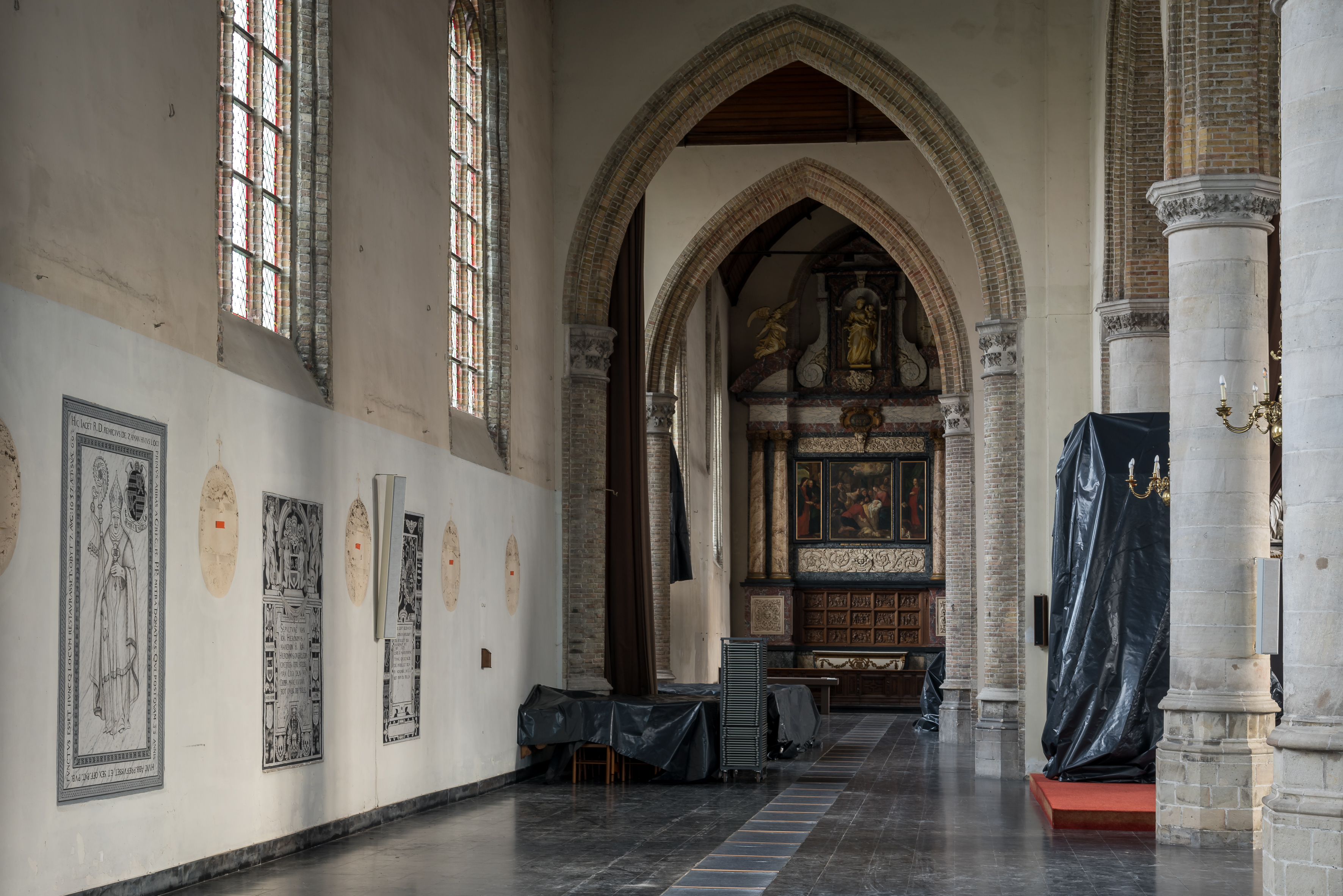
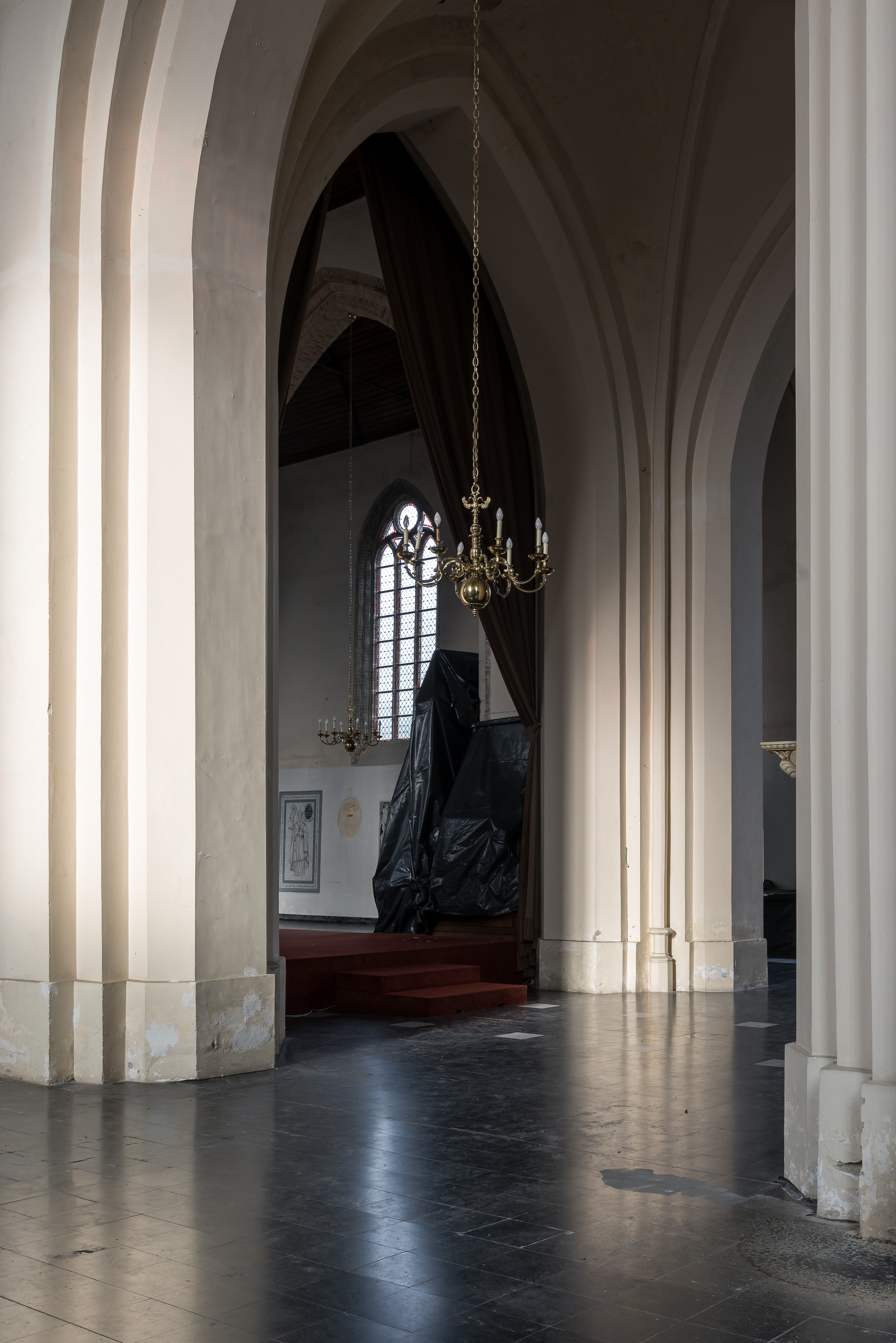
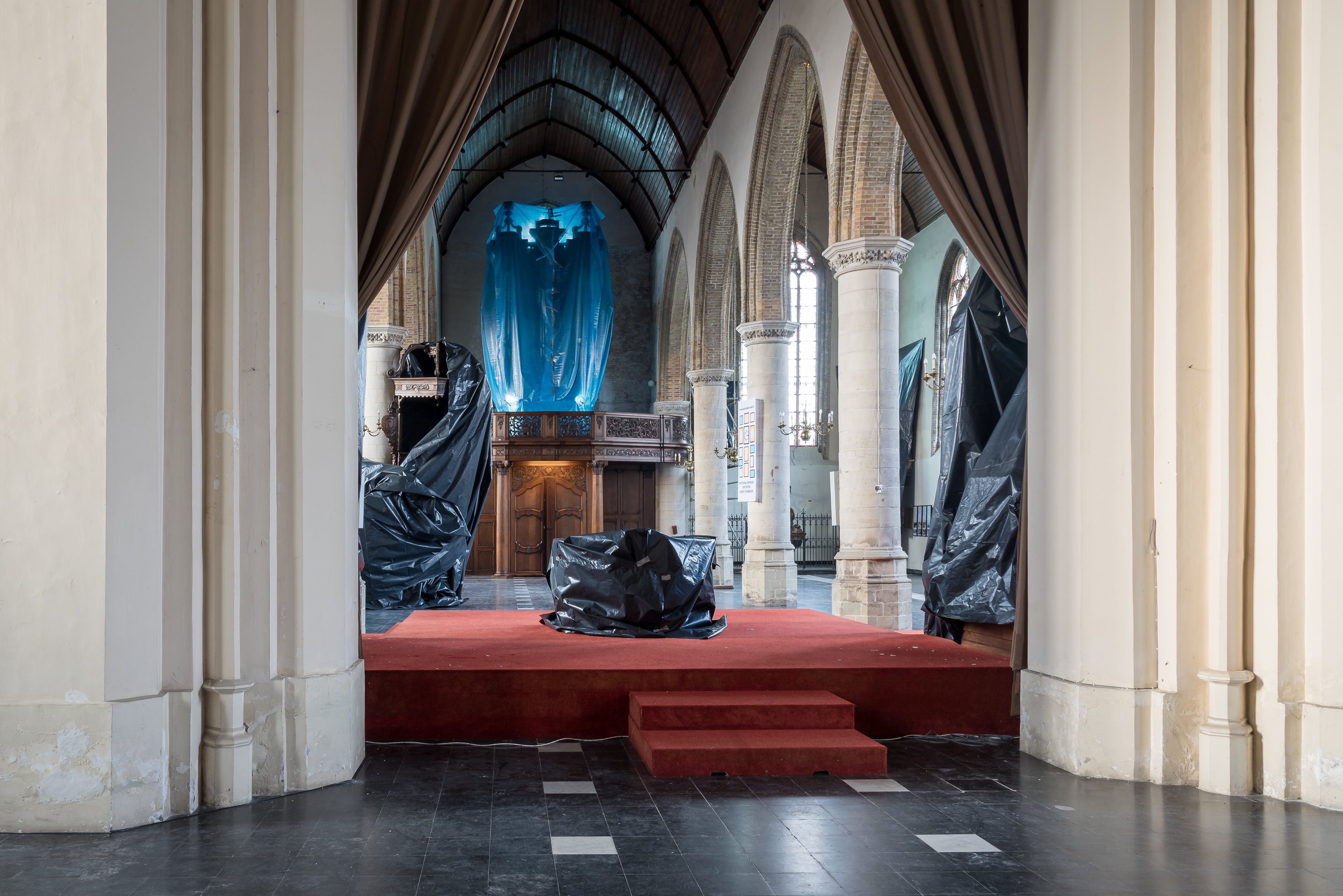
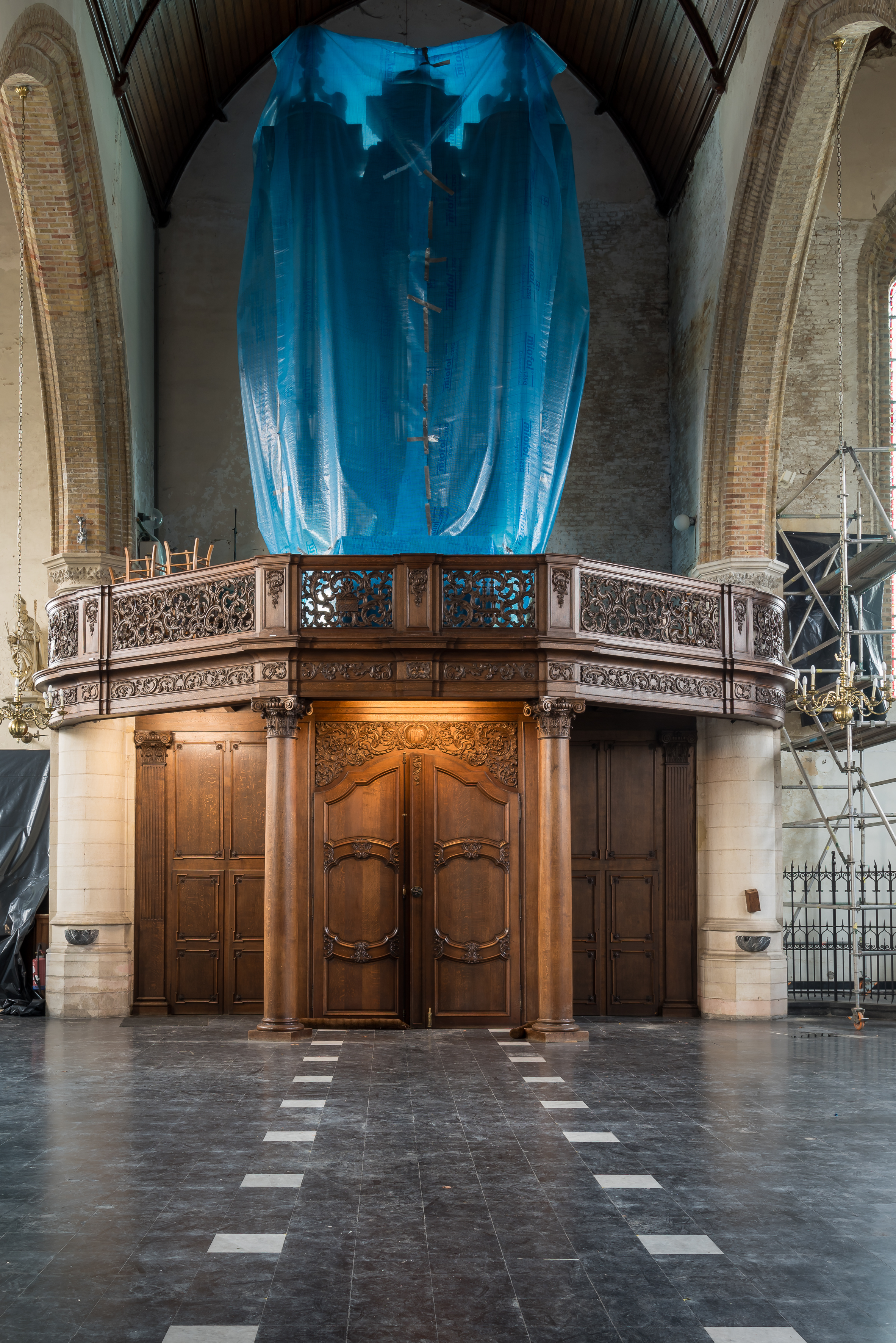
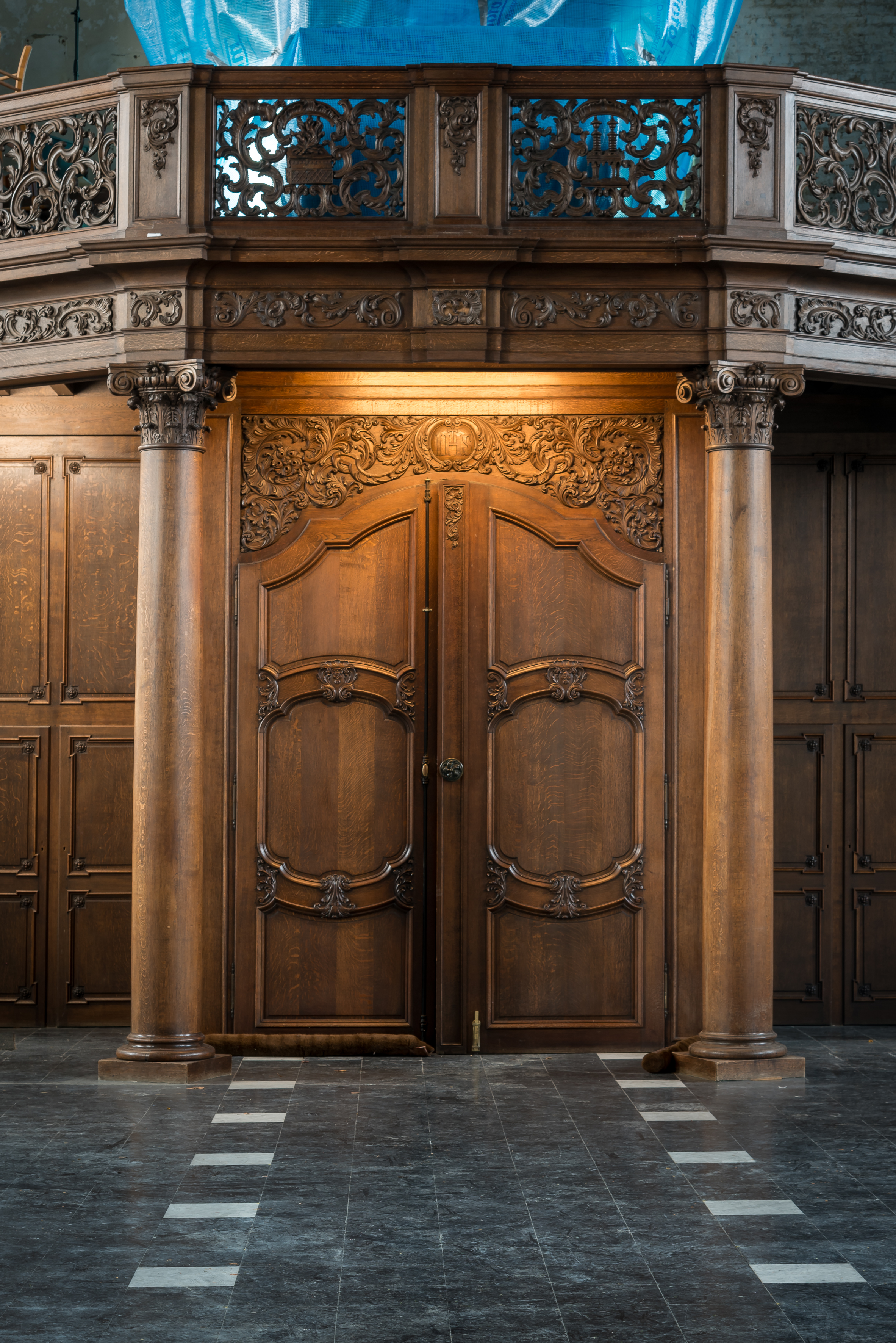
The church of Lo-Reninge is being transformed into a living museum church where heritage, community, and spirituality converge. A participatory process surrounding the church policy plan is shaping a new future for the building: a heritage depot and public museum where religious and local heritage is preserved, researched, and exhibited. At the same time, part of the church will be preserved for liturgical activities and silence. This way, the church remains a place of significance—for the past,
Belgium
Sint Pieterskerk - Ooststraat 5 - 8647 Lo-Reninge
Prototype level
Yes
Yes
Yes
Yes
Grant for Flemish heritage
EFRO grant
Interreg Eutopia - Clim@Touvert
No
32030: Lo-Reninge (BE)
The initiative aims to give the historic church of Lo-Reninge a sustainable and meaningful future by transforming it into a museum church and heritage depot while preserving part of the building for liturgical use. The project originates from a participatory church policy planning process involving local residents, heritage stakeholders and the municipal administration, which identified the need to safeguard and make accessible the community’s religious and cultural heritage.
The initiative targets a broad audience, including local residents, visitors, heritage enthusiasts, schools, researchers and cultural organisations. By opening the church as a museum space, the project also strengthens access to heritage for people who would otherwise rarely encounter these collections.
The main objectives are to preserve and safeguard the municipality’s heritage collections in a suitable depot, to present them to the public through permanent and temporary exhibitions, and to transform the church into a vibrant cultural meeting place while respecting its spiritual function. The project also seeks to stimulate community engagement, cultural education and tourism in the rural region.
Expected outcomes include the sustainable reuse of a historic building, improved preservation of valuable heritage objects, increased public access to local heritage and the creation of a multifunctional space where culture, history and spirituality coexist. In this way, the church continues to serve the community as a place of memory, identity and shared heritage.
Heritage reuse
Community participation
Cultural accessibility
Rural regeneration
Living heritage
The initiative focuses on the sustainable reuse of the historic church of Lo-Reninge by transforming it into a museum church and heritage depot while maintaining part of the building for liturgical use. Instead of constructing new infrastructure, the project preserves and reactivates an existing heritage building, extending its lifespan and reducing environmental impact. This adaptive reuse approach safeguards both the architectural value of the church and the cultural heritage it contains.
A key objective is the long-term preservation of local heritage collections. By creating a dedicated heritage depot within the church, valuable objects can be stored and conserved under appropriate conditions, ensuring their protection for future generations. At the same time, the initiative makes these collections accessible through permanent and temporary exhibitions, promoting awareness and appreciation of cultural heritage.
Sustainability is also addressed through social and community dimensions. The project builds on a participatory process developed during the municipal church policy plan, in which residents and local stakeholders helped define the future role of the church. By combining heritage preservation, cultural activities and continued liturgical use, the initiative strengthens the church’s role as an inclusive public space where culture, memory and community life meet.
The initiative can serve as an exemplary model for rural regions facing similar challenges with underused religious heritage. It demonstrates how historic churches can be transformed into multifunctional spaces that respect their spiritual identity while opening them to new cultural and societal uses. By integrating heritage conservation, community participation and adaptive reuse, the project offers a sustainable and replicable approach to the future of historic religious buildings.
The initiative aims to enhance the aesthetic value and the quality of experience of the historic church of Lo-Reninge by transforming it into a museum church where architecture, heritage and public experience are carefully integrated. The project respects the original architectural identity and sacred atmosphere of the church while introducing a subtle and reversible exhibition design. Instead of altering the historic structure, the spatial qualities of the building—its scale, light and historical details—are highlighted, allowing visitors to experience both the architecture and the heritage collections in a meaningful way.
A key objective is to create a high-quality cultural experience that is accessible to a wide audience. The museum church will present the municipality’s religious and local heritage through permanent displays and temporary exhibitions. Valuable heritage objects will be professionally preserved in an integrated heritage depot and made visible to the public through engaging storytelling and contemporary exhibition methods. This approach allows the church to function not only as a place of preservation but also as a dynamic cultural space where new exhibitions and cultural initiatives can take place.
Maintaining a dedicated area for liturgical use further enhances the authenticity of the experience. The coexistence of spiritual and cultural functions preserves the symbolic meaning of the church while opening the building to broader public use. Visitors can therefore experience the church not only as a museum but also as a living place of reflection and community.
The initiative can be exemplary because it demonstrates how historic religious buildings can be transformed into high-quality cultural spaces without compromising their identity. By combining careful design, heritage interpretation and public accessibility, the project offers a replicable model for rural communities seeking sustainable and meaningful reuse of religious heritage.
The initiative places inclusion at the core of the transformation of the church of Lo-Reninge into a museum church and heritage depot. The project aims to make local heritage accessible to a wide and diverse audience, including residents, visitors, schools, researchers and people who may not usually engage with museums or heritage institutions. By opening the church as a public cultural space, the initiative ensures that the community’s heritage is not only preserved but also shared with everyone.
The project builds on a participatory process developed during the municipal church policy planning. Local residents, stakeholders and community organisations were involved in reflecting on the future of the church and identifying new uses that would benefit the community. This inclusive approach ensures that the initiative reflects the needs and values of the local population and strengthens community ownership.
Accessibility is also addressed in the design and programming of the museum church. The exhibitions will be developed in an accessible way, allowing people of different ages, backgrounds and levels of knowledge to engage with the heritage collections. The church will function as an open and welcoming space where exhibitions, cultural activities and community initiatives can take place.
Maintaining a part of the church for liturgical use reinforces the inclusive character of the initiative. The building remains a shared place for spiritual life, cultural exchange and social interaction, bringing together different groups within the community.
The initiative can be exemplary because it demonstrates how rural heritage buildings can be transformed into inclusive cultural spaces that are accessible, community-driven and multifunctional.
Citizens and local civil society organisations have played a central role in shaping the future of the church of Lo-Reninge. The initiative originates from the participatory process carried out during the development of the municipal church policy plan. During this process, residents, local heritage organisations, parish representatives and community stakeholders were invited to reflect on the future use of the church and to explore sustainable solutions for the preservation of the building and its heritage collections.
Through meetings, consultations and public discussions, citizens were able to express their expectations and concerns about the future of the church. This dialogue helped identify the strong desire within the community to preserve the church as a meaningful public space while ensuring that its valuable heritage objects remain accessible and protected. The idea of transforming the church into a museum church and heritage depot emerged from this collaborative reflection.
Civil society actors such as local heritage groups, volunteers and cultural organisations continue to be important partners in the initiative. They contribute knowledge about local history, support heritage interpretation and can play a role in future exhibitions and cultural activities. Their involvement strengthens the connection between the heritage collections and the local community.
The impact of this participatory approach is significant. It ensures that the initiative is rooted in the needs and identity of the community and increases local support for the project. By involving citizens not only as visitors but also as contributors and partners, the museum church becomes a shared space of memory, culture and community life. This collaborative model demonstrates how participatory governance can lead to sustainable and widely supported heritage reuse.
The development of the Museum Church of Lo-Reninge is supported by cooperation between stakeholders at different governance levels. At the local level, the municipality of Lo-Reninge plays a leading role in coordinating the initiative and implementing the vision developed through the municipal church policy plan. Local actors such as the parish, heritage volunteers, cultural organisations and residents contribute knowledge, historical expertise and community engagement. Their involvement ensures that the project reflects the identity and needs of the local community.
At the regional level, heritage and tourism organisations provide expertise and guidance. Through networks and knowledge platforms focused on the future of religious heritage, the municipality can exchange experiences with other local governments facing similar challenges. These regional partners support the project with advice on heritage preservation, reuse strategies and cultural programming.
At the national level, the initiative aligns with broader policies on the sustainable reuse of religious heritage and cultural heritage management. National frameworks and support structures provide guidance and inspiration for the development of adaptive reuse projects that respect both heritage value and community use.
At the European level, the project connects with the principles of the New European Bauhaus, promoting sustainability, aesthetics and inclusion in the transformation of built heritage.
The engagement of stakeholders at these levels strengthens the quality and feasibility of the project. It combines local knowledge and community support with regional expertise, national policy frameworks and European inspiration, creating a collaborative approach to the sustainable reuse of religious heritage.
The development of the Museum Church of Lo-Reninge reflects the collaboration of several disciplines and knowledge fields that together contribute to the sustainable reuse of the historic church. Heritage management, architecture, museology, cultural policy and community development all play an important role in the design and implementation of the initiative.
Heritage experts and local historians contribute knowledge about the historical, cultural and religious significance of the church and its collections. Their expertise ensures that the preservation of heritage objects and the interpretation of the collections are carried out in a responsible and meaningful way. Architectural and spatial expertise is important in exploring how the church can accommodate new functions such as a museum space and heritage depot while respecting the historical structure and identity of the building.
Museology and cultural programming also play a key role in developing accessible exhibitions and storytelling that allow visitors to engage with the heritage collections. At the same time, community development and participatory governance ensure that the initiative responds to the needs and expectations of local residents and stakeholders.
These different disciplines interact through consultation processes, policy planning and collaboration between the municipality, heritage organisations and community actors. This interdisciplinary approach allows technical expertise, cultural interpretation and community perspectives to complement each other.
The added value of this process lies in the integration of diverse forms of knowledge, resulting in a balanced project that respects the historical significance of the church while creating a vibrant and accessible cultural space for the community.
The innovative character of the Museum Church of Lo-Reninge lies in the integrated and multifunctional approach to the future of a historic religious building in a rural context. Instead of choosing between preservation, closure or a single new function, the initiative combines several complementary roles within the same building: a museum space, a heritage depot and a continuing place for liturgical use. This balanced model respects the spiritual identity of the church while opening it to new cultural and social uses.
A key innovation is the integration of a heritage depot within a publicly accessible museum church. Rather than storing heritage objects in closed storage facilities, the initiative aims to make collections visible and accessible through exhibitions and interpretation. This approach strengthens public awareness of local heritage and transforms storage into an educational and cultural experience.
The initiative is also innovative in its participatory approach. The concept for the museum church emerged from the participatory process carried out during the municipal church policy planning. Residents, local organisations and stakeholders were actively involved in shaping the future use of the church. This ensures that the project reflects the needs of the community and strengthens local ownership.
In addition, the project demonstrates how small rural municipalities can develop high-quality cultural infrastructure by reusing existing heritage buildings. By combining heritage preservation, cultural programming and community use in a single space, the initiative proposes a replicable model for the sustainable future of religious heritage across Europe.
The initiative is based on a participatory and strategic approach developed during the preparation of the municipal church policy plan. Through this process, local residents, parish representatives, heritage stakeholders and municipal authorities were involved in reflecting on the future of the churches in Lo-Reninge. Workshops, consultations and dialogue sessions helped identify both the challenges and opportunities for the long-term use of the church.
During this process it became clear that the role of the church was evolving. With the shift from a main parish church to a regular church and the decreasing number of liturgical services, the community explored alternative uses that could ensure a sustainable future for the building while respecting its spiritual heritage. This participatory trajectory resulted in a shared vision to transform the church into a visitors’ church, combining a museum function with a heritage depot and a viewpoint tower.
The methodology therefore combines heritage preservation, community participation and adaptive reuse. The existing architecture and spatial qualities of the church are preserved while new functions are introduced in a careful and reversible way. The church becomes a place where heritage objects are safeguarded, exhibitions can be organised and visitors can experience the building and its surroundings.
By linking the museum church with the concept of a visitors’ church and a viewpoint tower, the project also connects heritage with tourism and cultural experience. This integrated approach allows the building to remain a meaningful place for the community while opening it to new audiences and sustainable uses.
Several elements of the Museum Church of Lo-Reninge initiative can be replicated or adapted in other regions, particularly in rural areas facing similar challenges with underused religious heritage. The project demonstrates how a participatory and strategic approach can lead to a sustainable new future for historic churches.
A first transferable element is the participatory methodology used during the development of the municipal church policy plan. By involving citizens, parish representatives, heritage organisations and local stakeholders in the discussion about the future of the church, the initiative created a shared vision and strong local support. This approach can easily be applied in other municipalities dealing with similar transitions in the use of religious buildings.
A second replicable element is the multifunctional reuse model. The project combines several complementary functions within the same building: a museum space, a heritage depot, a visitors’ church and a viewpoint tower. This model allows historic churches to remain publicly accessible while creating new cultural and tourism opportunities.
The integration of heritage storage and public exhibition is another transferable aspect. Instead of keeping heritage objects in closed depots, the initiative proposes to make them visible and accessible to the public, strengthening awareness and appreciation of local heritage.
Finally, the project offers a model for small municipalities with limited resources to develop cultural infrastructure through the adaptive reuse of existing buildings. The lessons learned from this process—including community participation, heritage interpretation and multifunctional design—can inspire similar initiatives across Europe.
The further development of the Museum Church of Lo-Reninge will focus on the gradual transformation of the church into a multifunctional cultural space that combines heritage preservation, public accessibility and community use. The next phase of the initiative includes the detailed design of the museum concept, the development of exhibition scenarios, the organisation of the heritage depot and the preparation of the church as a visitors’ church with a viewpoint tower.
The New European Bauhaus (NEB) values of sustainability, aesthetics and inclusion have already been integrated in the initiative through the participatory process carried out during the municipal church policy plan. Citizens, local organisations and parish representatives were involved in shaping the future of the church, ensuring that the project reflects community needs and values. The adaptive reuse of the existing church building also supports sustainability by extending the life of the heritage structure and avoiding new construction.
In the coming stages, the initiative will further incorporate NEB principles through careful architectural and exhibition design that respects the historic character of the church while improving accessibility and visitor experience. The museum concept will focus on high-quality storytelling and interpretation of local heritage, creating an inspiring cultural experience for residents and visitors.
Key steps for the implementation of the initiative include the further development of the spatial and museum design, securing financial resources, strengthening partnerships with heritage and cultural organisations and gradually implementing the new functions within the church. Through this step-by-step approach, the project aims to create a sustainable and inclusive cultural space that connects heritage, community and visitors.