Lolland Municipality and Nakskov 2030
Lolland Municipality and Nakskov 2030
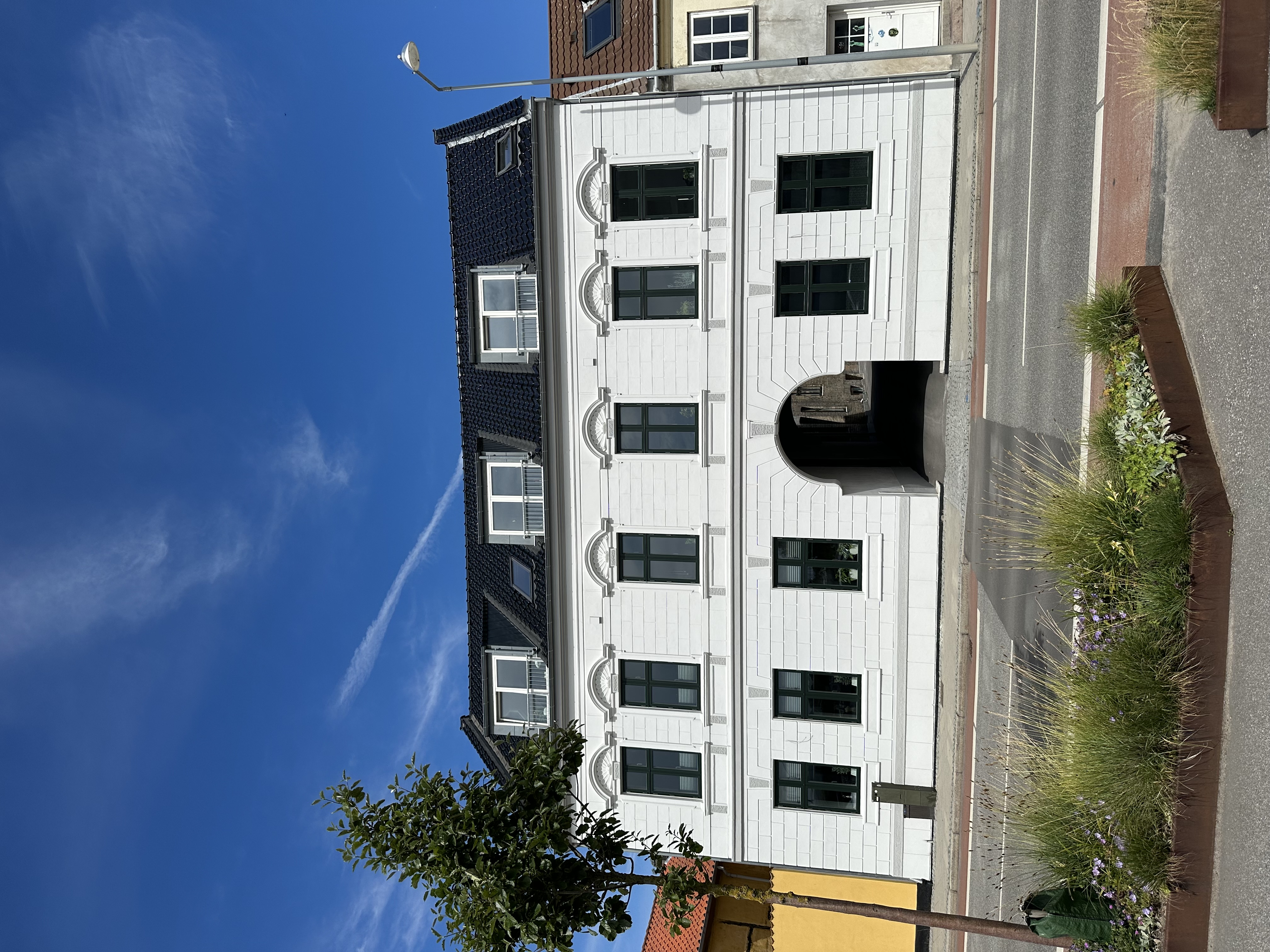
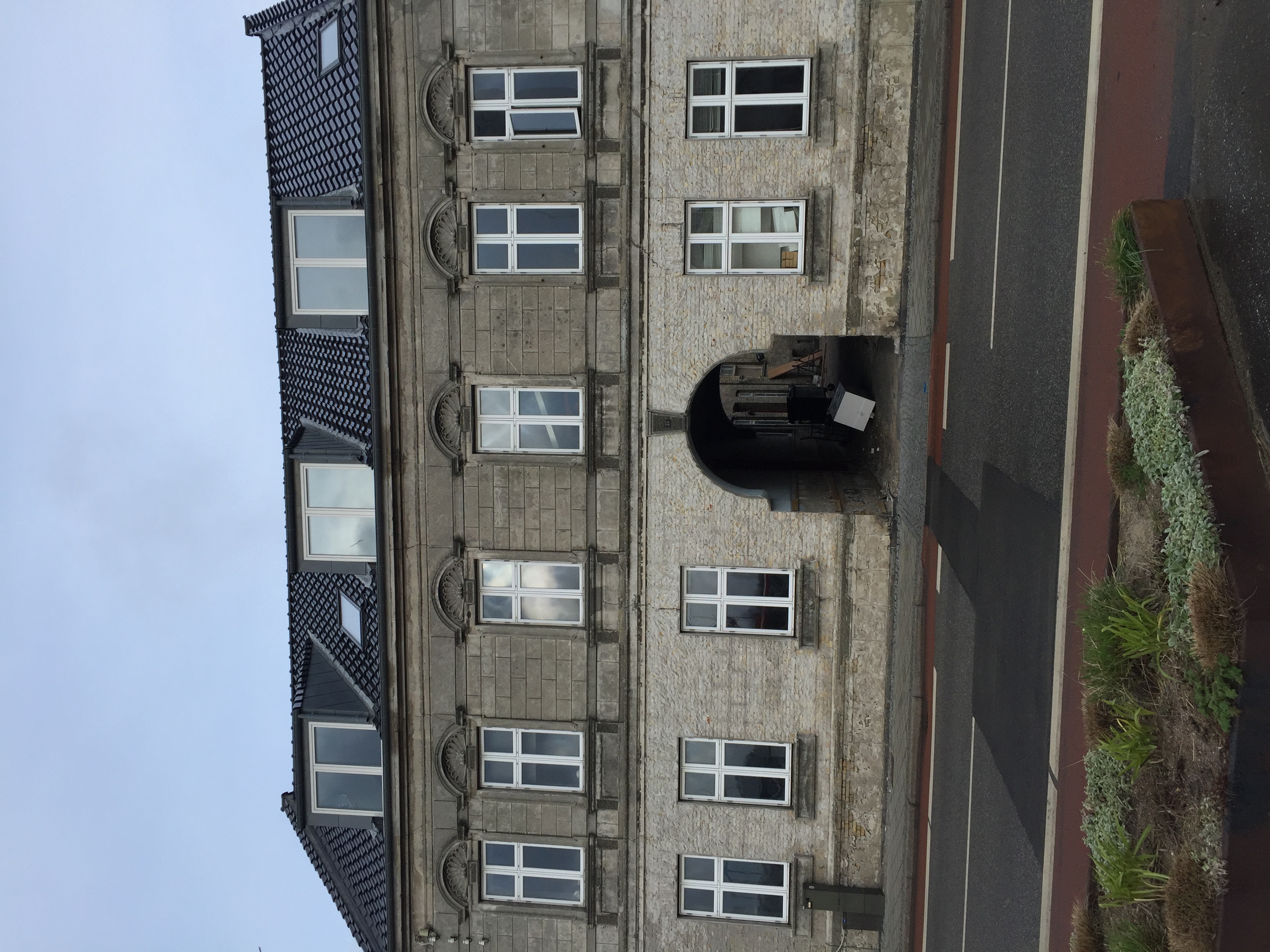
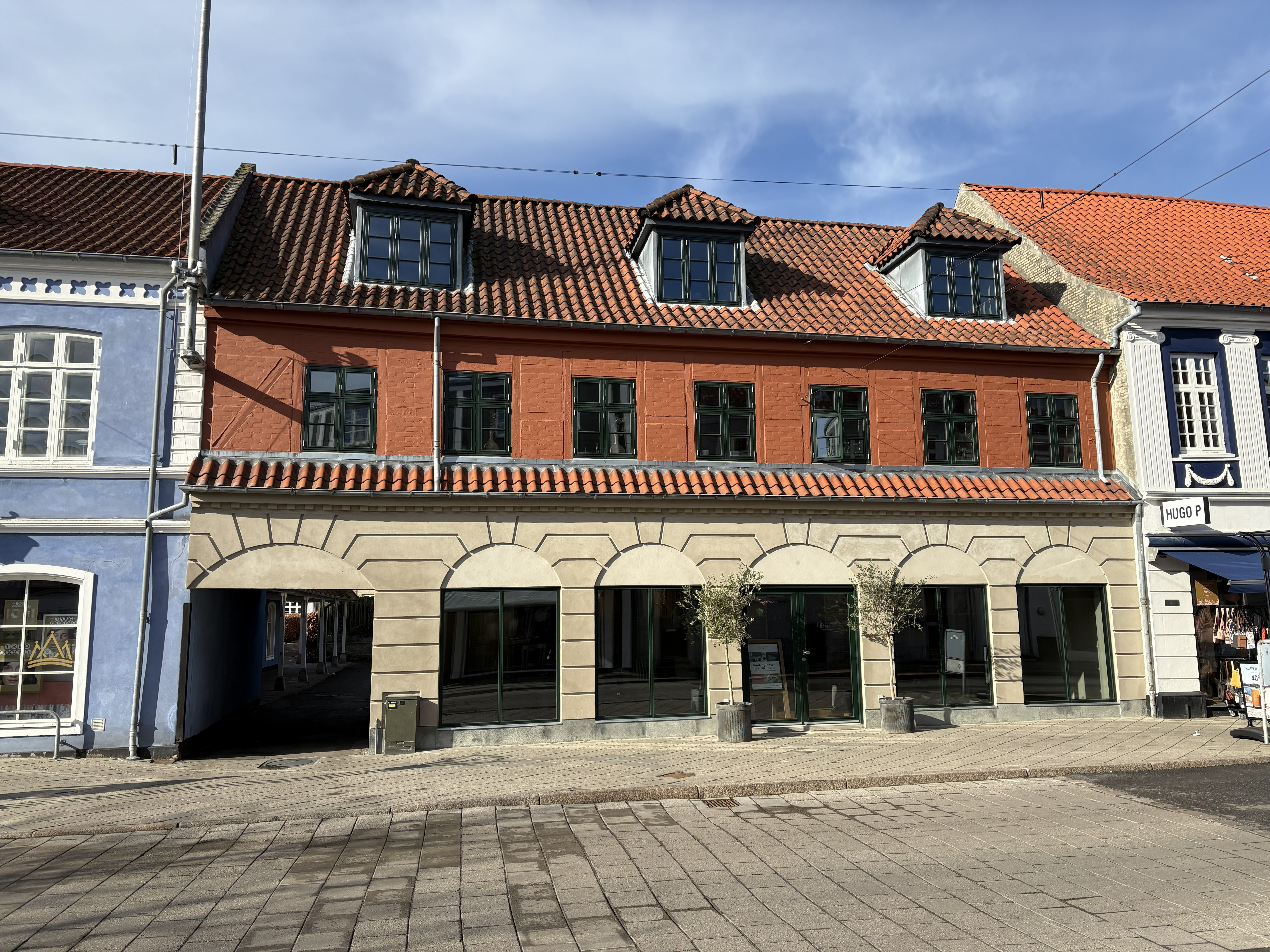
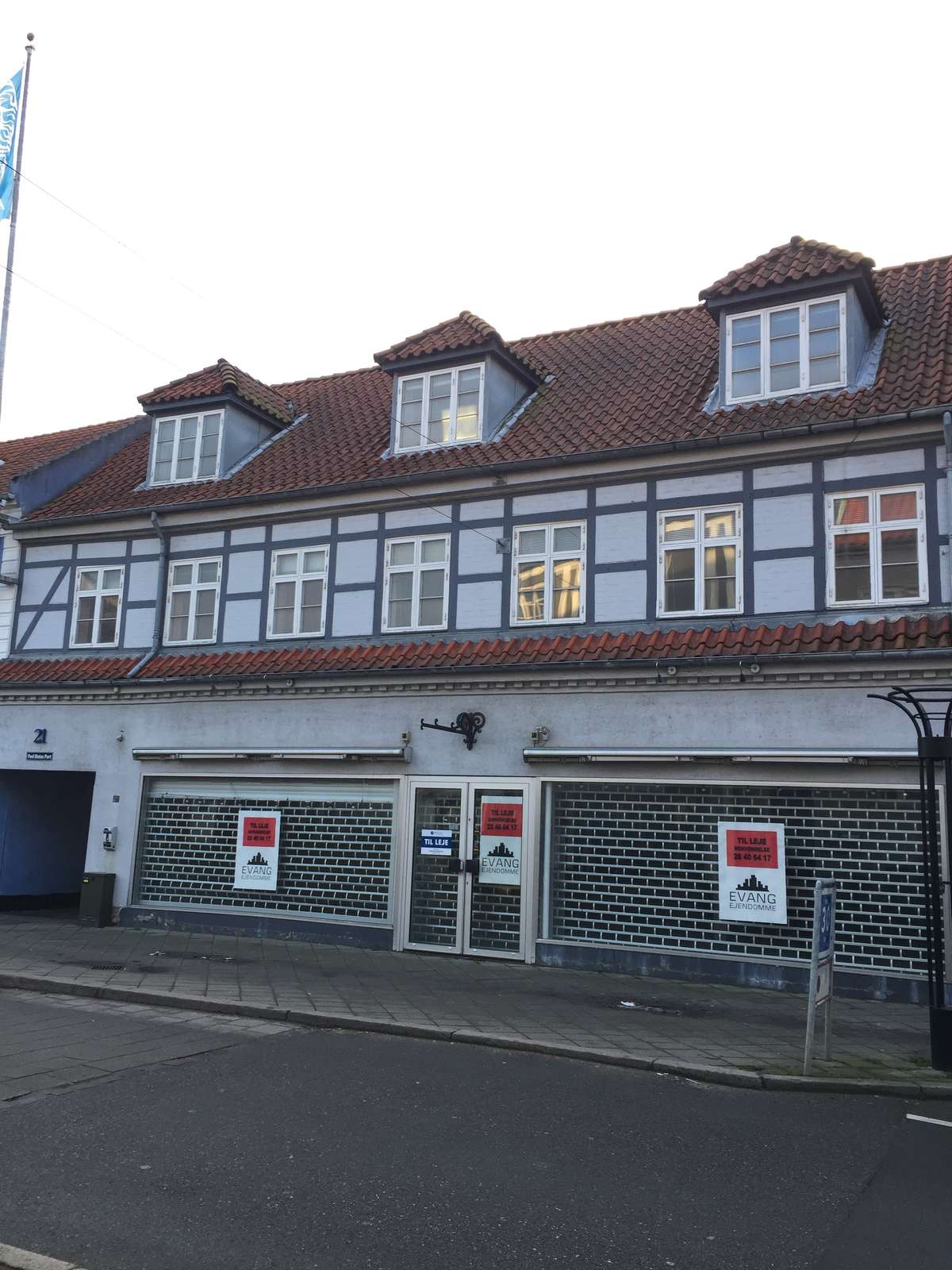
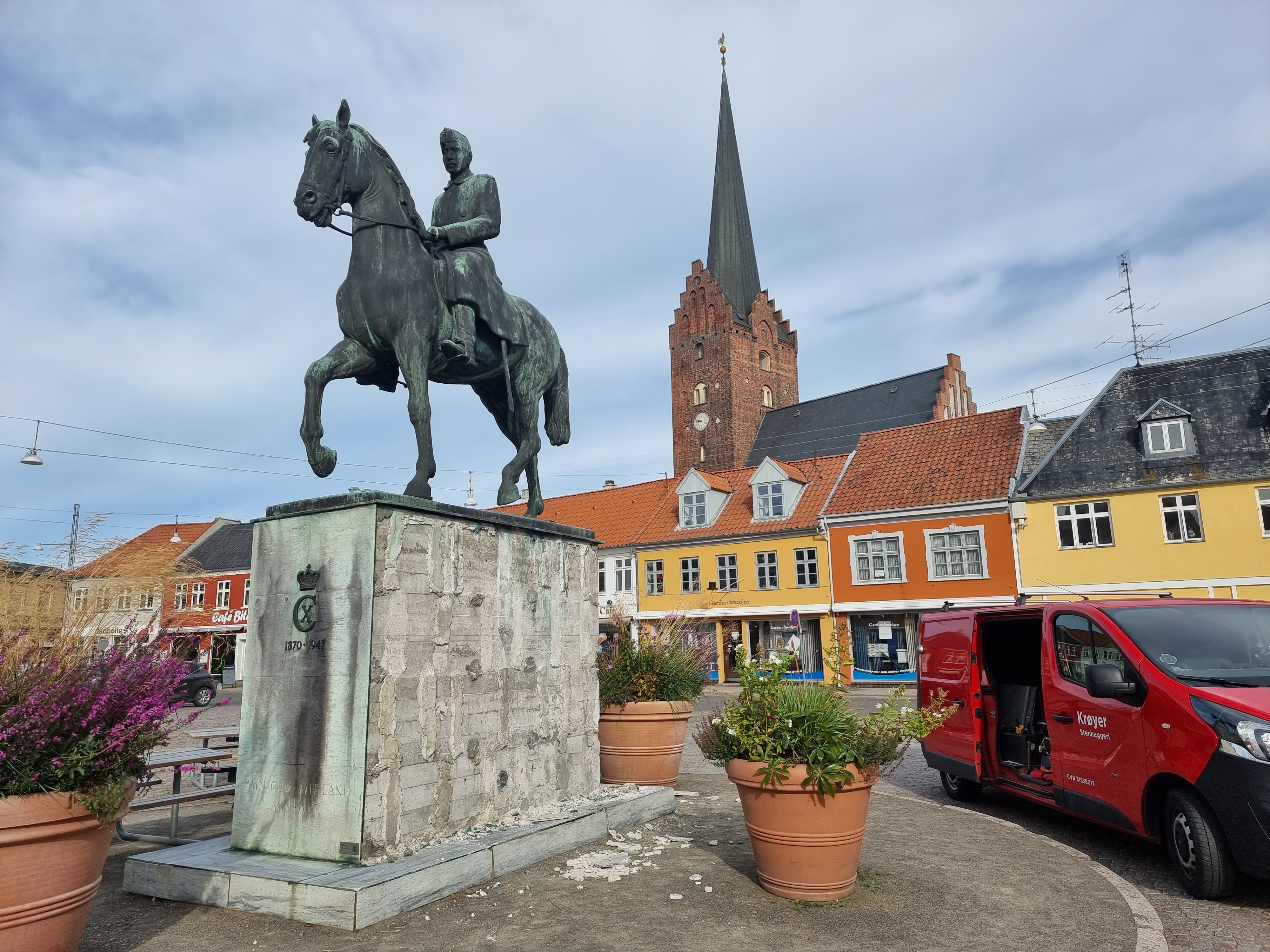
Lolland Municipality and the Nakskov 2030 initiative are in the process of revitalizing one of Denmark's most vulnerable towns with an urban development project in which tourism will create new opportunities for the town and help generate significant local economic revenue. An investment of €33 million, the project will focus on building renovation and cocreation, as well as creating an attractive experience route between the town's new harbour baths and Hestehoved Beach
Denmark
{Empty}
Prototype level
Yes
Yes
Yes
Yes
ERDF : European Regional Development Fund
{Empty}
No
360: Lolland (DK)
The vision is to strengthen Nakskov as a town with attractive nature, leisure and urban life, which more and more people choose to visit and move to. Based on the physical development of the city, Nakskov 2030 aims to bring together, engage, and support the joint development of Nakskov—for the benefit of citizens, visitors, businesses, and the whole of Lolland.
The development will be centered around Hestehovedet and the fjord, the port, and the city center.
The goal of Nakskov 2030 is:
• The residents of Nakskov are proud of their city and have a positive identity as Nakskov residents and a strong local community. The residents of Nakskov work together and are committed to Nakskov's development as a tourist destination.
• Nakskov has a good reputation and is known as a great city to live in and visit, with positive stories about its well-preserved historic city center, its active and lively industrial port, and its unique fjord landscape.
• Nakskov attracts new residents who come to the town to be part of its rich history and to take advantage of new job opportunities.
• Nakskov's positive development helps to attract new investment in the development of new experiences and high-quality tourist products.
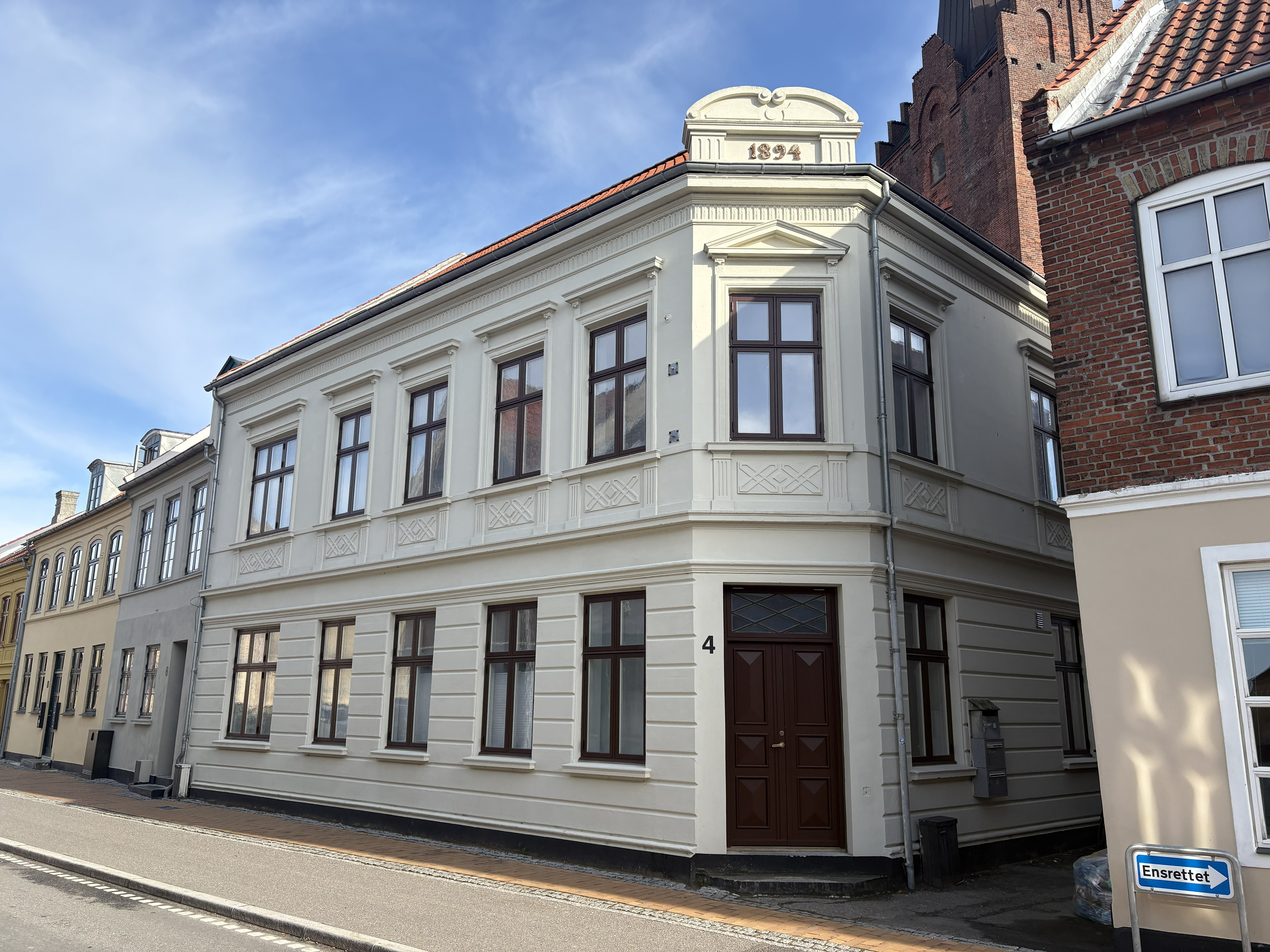
• Nakskov offers well-preserved and vibrant cultural environments. New businesses and activities are bringing life to Nakskov's historic buildings, and private owners are actively maintaining the buildings in the town center and taking responsibility for preserving the historic qualities of the physical environment.
• Strengthening Nakskov will also mean growth and development for the rest of Lolland. The expectation is that the development will attract approximately 70,000 visitors to Nakskov annually. These visitors will not only benefit Nakskov, but may also become new visitors to the rest of Lolland. They may be day visitors, excursionists, and shoppers, but also overnight guests who want to experience more than just one destination on Lolland.
Proud local identity and strong community
An attractive town to live in and visit
Attracting new residents and jobs
Quality tourism and investments
Preservation and activation of cultural environments and city life
Sustainability, aesthetics, and inclusion—provide a strong and coherent framework for Nakskov’s development toward 2030. Sustainability, as defined by NEB, emphasizes climate ambition, circularity, zero pollution, and biodiversity. Integrating these principles into Nakskov’s strategy supports the creation of new experiences, high‑quality tourism products, and the preservation of natural and cultural environments. A sustainable approach to the historic town centre, the fjord landscape, and the industrial harbour ensure that growth strengthens the city's unique qualities and contributes to attracting new residents and investments.
Aesthetics, which NEB describes as quality of experience beyond pure functionality, aligns naturally with Nakskov’s ambition to be known as an attractive and beautiful place to live and visit. The well‑preserved historic core, the distinctive buildings, and the characterful industrial harbour are key assets in shaping Nakskov’s identity. Enhancing the aesthetic qualities of public spaces, buildings, and cultural environments can reinforce the city’s reputation and create memorable experiences for both citizens and visitors. This strengthens local pride and positions Nakskov as a compelling destination.
Inclusion: embracing participation, accessibility, diversity, and social cohesion—directly mirrors Nakskov’s goal of fostering a strong community where citizens contribute actively to the city’s progress. By working through co‑creation, broad collaboration, and inclusive processes, Nakskov can ensure that development takes place with the community rather than for it. This strengthens engagement, supports sustainable decision‑making, and builds a shared sense of ownership. It also helps attract newcomers who want to join the community and visitors who appreciate the city’s welcoming character.
Together, the NEB values offer a unifying vision that ties Nakskov’s history, identity, and future potential into a clear direction for growth.
The initiative aims to enhance aesthetics and the overall quality of experience by creating environments that are visually coherent, culturally meaningful, and deeply connected to local identity. A central objective is to strengthen the character of historic and cultural sites while ensuring that new design interventions complement the existing urban fabric. This is achieved through careful restoration, high‑quality materials, and a consistent visual language that highlights the uniqueness of the place.
Another key objective is to improve people’s everyday experience through thoughtful, human‑centred design. Public spaces, streets, and waterfront areas are developed with attention to comfort, atmosphere, and accessibility. Elements such as lighting, seating, planting, and wayfinding are used to create inviting environments that encourage people to spend time, explore, and interact. The focus is not only on functionality but on creating moments of delight, clarity, and emotional resonance.
Cultural expression is also integrated into the initiative as a way to enrich the aesthetic experience. Artistic installations, cultural programming, and collaborations with local creators help bring life to both new and historic spaces. This strengthens a sense of belonging and makes the environment more engaging, memorable, and meaningful for residents and visitors.
The initiative is exemplary because it treats aesthetics as a shared value developed through inclusive processes. Citizens and stakeholders are involved in shaping design choices, ensuring that the results reflect community identity and aspirations. This collaborative approach leads to solutions that are not only beautiful but widely supported and firmly rooted in local culture. By combining design quality, cultural depth, and community engagement, the initiative offers an inspiring model for how aesthetics can drive positive transformation.
The Nakskov 2030 initiative places inclusion at the core of its development strategy, aiming to build a city where everyone has equal access to spaces, services, and opportunities. In line with the New European Bauhaus definition of inclusion—ranging from valuing diversity to securing accessibility and affordability for all and ensuring democratic participation and co‑production in governance—Nakskov 2030 seeks to create an open, socially sustainable urban community.
Public spaces, cultural environments, and connections to the fjord are developed according to universal design principles, ensuring that people of all ages, abilities, and backgrounds can move freely and benefit equally from the city. Improved access to key areas is combined with efforts to keep new facilities and activities affordable and non‑exclusive, reflecting NEB’s demand to “avoid discrimination and ensure that no one is left behind”.
Inclusion is further strengthened through active citizen involvement. Nakskov 2030 engages residents, local businesses, associations, and cultural actors early in planning processes, mirroring NEB’s emphasis on democratic participation, co‑production, and effective project management. Workshops, dialogue meetings, and co‑creation activities help ensure that new public spaces and experiences reflect actual needs and foster a shared sense of ownership.
The initiative is exemplary because it unites physical accessibility, social equality, and inclusive governance into a coherent vision. Nakskov 2030 demonstrates how a smaller city can advance fair development, broaden participation, and strengthen community bonds—offering a strong practical example of NEB‑aligned inclusion in action.
Nakskov 2030 integrates a broad range of disciplines to support a transformation that is sustainable, beautiful and inclusive, in line with the New European Bauhaus (NEB). Key fields include urban planning and architecture, landscape and environmental sciences, heritage conservation, mobility and infrastructure, social sciences (participation and community development), culture and the arts, tourism and place branding, as well as public policy, finance and governance. Together, these fields reflect NEB’s ambition to bridge science, technology, art and culture through cross-sector collaboration and co-creation.
Interaction is organised through transdisciplinary design teams and participatory processes. Architects and planners work with environmental scientists to align spatial strategies with climate resilience and biodiversity. Heritage experts and artists collaborate to activate historic assets while preserving authenticity, while social researchers facilitate citizen engagement so that design choices reflect lived experience. Mobility specialists, tourism professionals and branding experts translate concepts into accessible routes and attractive visitor experiences, while policy and finance actors ensure regulatory alignment and viable implementation.
Methods include interdisciplinary workshops, site walks, prototyping in public space and feedback loops with citizen panels. These processes follow NEB principles of accessibility, affordability and non-discrimination, ensuring that development strengthens equal access to places and services.
This approach delivers better solutions by combining ecological knowledge, cultural meaning and user insight; strengthens legitimacy through inclusive co-creation and local ownership; and improves implementation by involving policy and finance actors early in the process.
Together, these disciplines and their collaboration form a robust, NEB-aligned model for Nakskov’s transformation.
The Nakskov 2030 initiative engages stakeholders at local, regional, national and European levels to ensure a coherent, inclusive and well-anchored transformation. This reflects the New European Bauhaus (NEB) approach of building bridges across disciplines, backgrounds and governance levels to address societal challenges together.
Local level
Local stakeholders—including residents, community organisations, cultural institutions and businesses—act as co-creators. Through workshops, dialogue forums and participatory design processes they help shape priorities for public spaces, heritage sites and mobility improvements. Their involvement ensures that solutions reflect everyday needs and strengthen social cohesion, in line with NEB’s emphasis on democratic participation and co-creation.
Regional level
Regional actors, including Lolland Municipality departments and development agencies, coordinate efforts across planning, tourism, culture and infrastructure. Their role ensures alignment with regional strategies and supports long-term implementation capacity.
National level
National stakeholders such as Danish heritage authorities, tourism organisations and innovation programmes contribute expertise, regulatory guidance and funding opportunities, strengthening professional quality and access to national resources.
European level
At European level, the project aligns with the New European Bauhaus framework and engages in EU dialogues, networks and potential funding programmes. NEB provides methodological inspiration and opportunities for cross-border learning and exchange of best practices.
Added value
This multi-level collaboration strengthens legitimacy, brings diverse knowledge into the process and improves the capacity to deliver lasting change. It ensures that Nakskov 2030 is both locally rooted and strategically connected, increasing long-term impact and resilience.
Nakskov 2030 integrates a broad range of disciplines to support a transformation that is sustainable, beautiful and inclusive, in line with the New European Bauhaus (NEB). Key fields include urban planning and architecture, landscape and environmental sciences, heritage conservation, mobility and infrastructure, social sciences (participation and community development), culture and the arts, tourism and place branding, as well as public policy, finance and governance. Together, these fields reflect NEB’s ambition to bridge science, technology, art and culture through cross-sector collaboration and co-creation.
Interaction is organised through transdisciplinary design teams and participatory processes. Architects and planners work with environmental scientists to align spatial strategies with climate resilience and biodiversity. Heritage experts and artists collaborate to activate historic assets while preserving authenticity, while social researchers facilitate citizen engagement so that design choices reflect lived experience. Mobility specialists, tourism professionals and branding experts translate concepts into accessible routes and attractive visitor experiences, while policy and finance actors ensure regulatory alignment and viable implementation.
Methods include interdisciplinary workshops, site walks, prototyping in public space and feedback loops with citizen panels. These processes follow NEB principles of accessibility, affordability and non-discrimination, ensuring that development strengthens equal access to places and services.
This approach delivers better solutions by combining ecological knowledge, cultural meaning and user insight; strengthens legitimacy through inclusive co-creation and local ownership; and improves implementation by involving policy and finance actors early in the process.
Together, these disciplines and their collaboration form a robust, NEB-aligned model for Nakskov’s transformation.
Interaction is organised through transdisciplinary design teams and participatory processes. Architects and planners work with environmental scientists to align spatial strategies with climate resilience and biodiversity. Heritage experts and artists collaborate to activate historic assets while preserving authenticity, while social researchers facilitate citizen engagement so that design choices reflect lived experience. Mobility specialists, tourism professionals and branding experts translate concepts into accessible routes and attractive visitor experiences, while policy and finance actors ensure regulatory alignment and viable implementation.
Methods include interdisciplinary workshops, site walks, prototyping in public space and feedback loops with citizen panels. These processes follow NEB principles of accessibility, affordability and non-discrimination, ensuring that development strengthens equal access to places and services.
This approach delivers better solutions by combining ecological knowledge, cultural meaning and user insight; strengthens legitimacy through inclusive co-creation and local ownership; and improves implementation by involving policy and finance actors early in the process.
Together, these disciplines and their collaboration form a robust, NEB-aligned model for Nakskov’s transformation.
The Nakskov 2030 initiative stands out from mainstream urban development by applying the New European Bauhaus (NEB) framework, which treats sustainability, aesthetics, and inclusion as inseparable and equally important values rather than secondary design considerations. NEB calls for connecting science and technology with art, culture, and citizen participation to address societal challenges in new ways, moving beyond conventional sector-based approaches.
Unlike traditional planning models based on top-down decision making, Nakskov 2030 embeds co-creation and democratic participation as core methods. This aligns with NEB’s focus on accessibility, affordability, and equal participation, while integrating inclusive governance throughout implementation. By engaging citizens, cultural actors, businesses, and experts from the earliest stages, the initiative places lived experience and local identity on the same level as technical planning—an approach rarely seen in smaller cities.
The initiative is also innovative through its use of transdisciplinary teams bringing together architects, heritage experts, environmental specialists, social scientists, artists, and policy actors. NEB emphasises that such collaboration is essential for developing solutions that are both sustainable and beautiful while improving quality of life. This contrasts with mainstream development processes, which often separate technical, cultural, and social perspectives.
Furthermore, Nakskov 2030 treats inclusion and equal access as drivers of innovation. By applying NEB principles—removing barriers, improving accessibility, and ensuring non-discriminatory access—the initiative reimagines the city with a strong focus on social fairness and community wellbeing.
Overall, its integrated NEB-aligned approach—co-creative, transdisciplinary, participatory, and rooted in local identity—represents a pioneering model that goes well beyond mainstream urban practices.
The Nakskov 2030 initiative differs from mainstream urban development by applying the New European Bauhaus framework, which treats sustainability, aesthetics and inclusion as inseparable and equally important values rather than secondary design considerations. NEB calls for bridging science and technology with art, culture and citizen participation to address societal challenges and move beyond conventional sector-based planning.
Participatory approach
Unlike traditional planning models based on top-down decision-making, Nakskov 2030 places co-creation and democratic participation at the centre of development. Citizens, cultural actors, businesses and experts are involved from the earliest stages, ensuring that lived experience and local identity shape solutions alongside technical planning. This reflects NEB’s emphasis on accessibility, affordability, equal participation and inclusive governance.
Transdisciplinary collaboration
The initiative brings together architects, heritage specialists, environmental experts, social scientists, artists and policy actors in transdisciplinary teams. Such collaboration, encouraged by NEB, enables solutions that combine sustainability, aesthetics and quality of life, rather than separating technical, cultural and social perspectives as often seen in conventional development.
Inclusion as innovation
Nakskov 2030 also treats inclusion and equal access as drivers of innovation. By applying NEB principles—removing barriers, improving accessibility and ensuring non-discriminatory access—the initiative reshapes urban spaces to prioritise social fairness and community wellbeing.
Overall approach
Through its co-creative, transdisciplinary and locally rooted methodology, Nakskov 2030 represents a pioneering model that goes beyond mainstream urban development practices.
The Nakskov 2030 initiative contains several elements that can be transferred or replicated in other cities and regions. Grounded in New European Bauhaus (NEB) principles—co-creation, inclusiveness, accessibility and cross-disciplinary collaboration—the approach is adaptable to different contexts and scales. NEB emphasises cooperation across sectors and backgrounds to address societal challenges and strengthen participation and equal access. These principles form the foundation of Nakskov 2030 and make the model relevant elsewhere.
Transferable methodology
The initiative’s structured co-creation process—combining citizen engagement, cross-sector collaboration and iterative development—is highly replicable. Other cities can adopt similar participatory workshops, stakeholder dialogues and interdisciplinary design teams to ensure development reflects local needs and values.
Design and planning tools
Universal design principles, accessible public spaces and heritage-driven revitalisation strategies can be applied in towns of similar scale. The approach shows how smaller cities can activate cultural heritage and landscape qualities to strengthen identity and inclusiveness.
Governance model
The involvement of citizens, local institutions, regional actors and national or European stakeholders creates a multi-level governance structure adaptable to other municipalities. Inclusive governance increases legitimacy, reduces barriers and supports better long-term outcomes.
Learning and processes
The focus on iterative learning, cross-disciplinary cooperation and community ownership makes the model especially relevant for places seeking transformation with limited resources.
Overall, Nakskov 2030 offers a replicable model for inclusive, sustainable and culturally anchored urban development across Europe.
The Nakskov 2030 initiative has a strong commitment to practical implementation through a structured programme of development activities aligned with the New European Bauhaus values. NEB emphasises co creation across disciplines, participation at all levels, and ensuring accessibility and affordability in the transition toward sustainable and inclusive places. These principles have guided Nakskov’s work from the beginning.
Key activities already underway include the revitalisation of historic buildings, improvements to public spaces and waterfront connections, and the activation of cultural sites through community driven events. These efforts reflect the NEB commitment to inclusiveness, ensuring equal access and participation while enhancing the quality of life for all citizens. Cross disciplinary teams—combining planners, architects, cultural actors, environmental specialists, and local stakeholders—have contributed to conceptual development and early pilot interventions, echoing NEB’s ambition to bridge art, culture, science, and technology in joint problem solving.
Planned next steps include scaling up the redesign of priority public spaces, implementing accessibility upgrades across the town centre, and expanding co creation formats such as citizen labs and thematic workshops. Continued collaboration with regional, national, and European partners will support knowledge exchange, funding access, and long term capacity building. Governance structures will integrate NEB’s principles of democratic participation and co production, ensuring that decisions remain transparent and community anchored.
Overall, the initiative’s future development will continue to embed NEB values—sustainability, beauty, and inclusion—into both strategic planning and on the ground implementation. By combining citizen engagement, cross disciplinary collaboration, and iterative learning, Nakskov 2030 is well positioned to deliver a transformative, NEB aligned urban development process