Enhancing Circularity, Sustainability, and Innovation
San Facundo as a Rural Water Model
Living with Water: A Community Project for Territorial Transformation
San Facundo is turning water into a driver of local wellbeing and rural renewal. Through a community-led approach, the village protects its natural springs and river, treating drinking water without chemicals through ultraviolet light, and activates education, green jobs and responsible tourism linked to water and landscape. By combining heritage, environmental care and local innovation, San Facundo shows how small rural communities can turn a vital resource into opportunities for work and price
Spain
Local
San Facundo
Mainly rural
It involves a physical transformation of the built environment (hard investment)
Yes
2010-05-13
No
No
Yes
Organisation
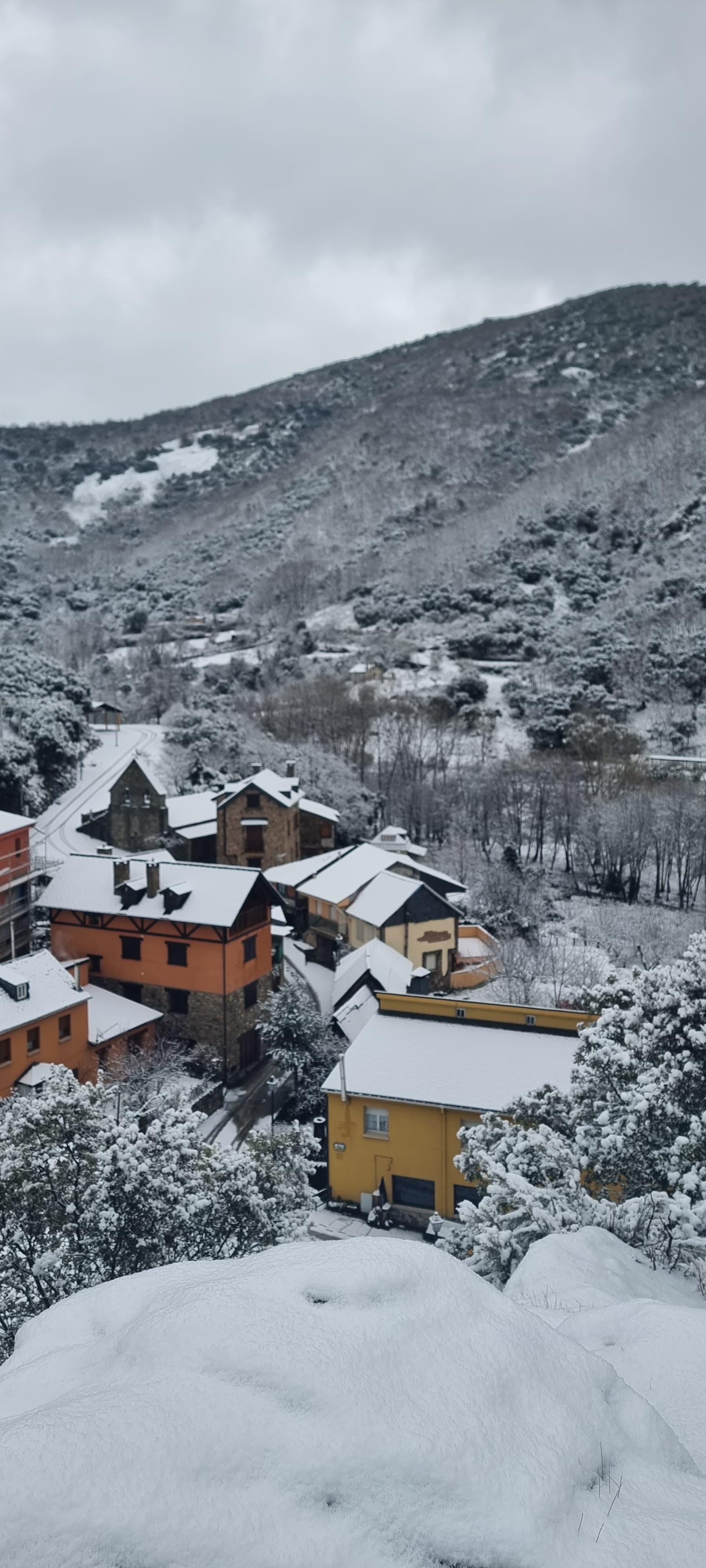
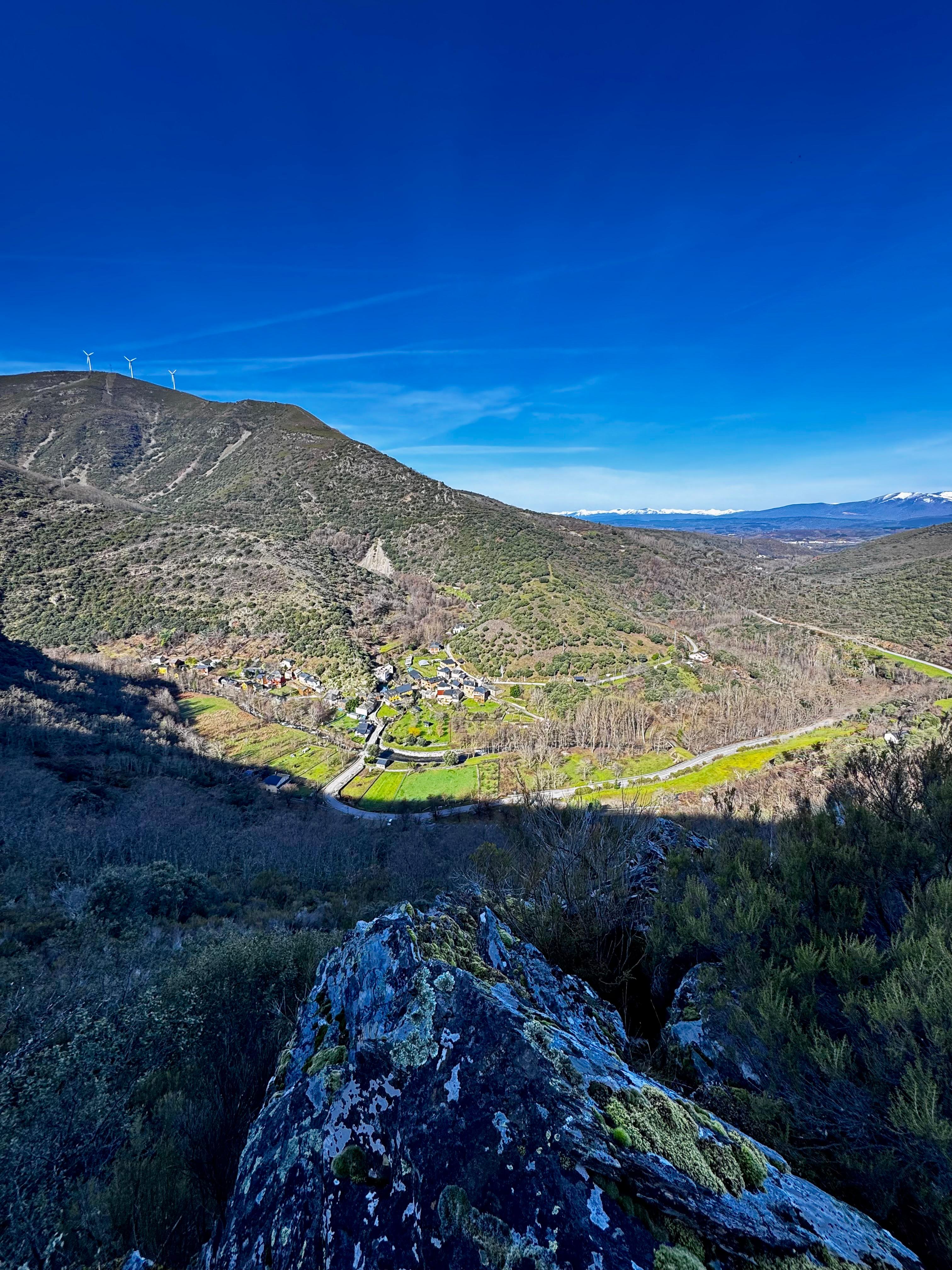
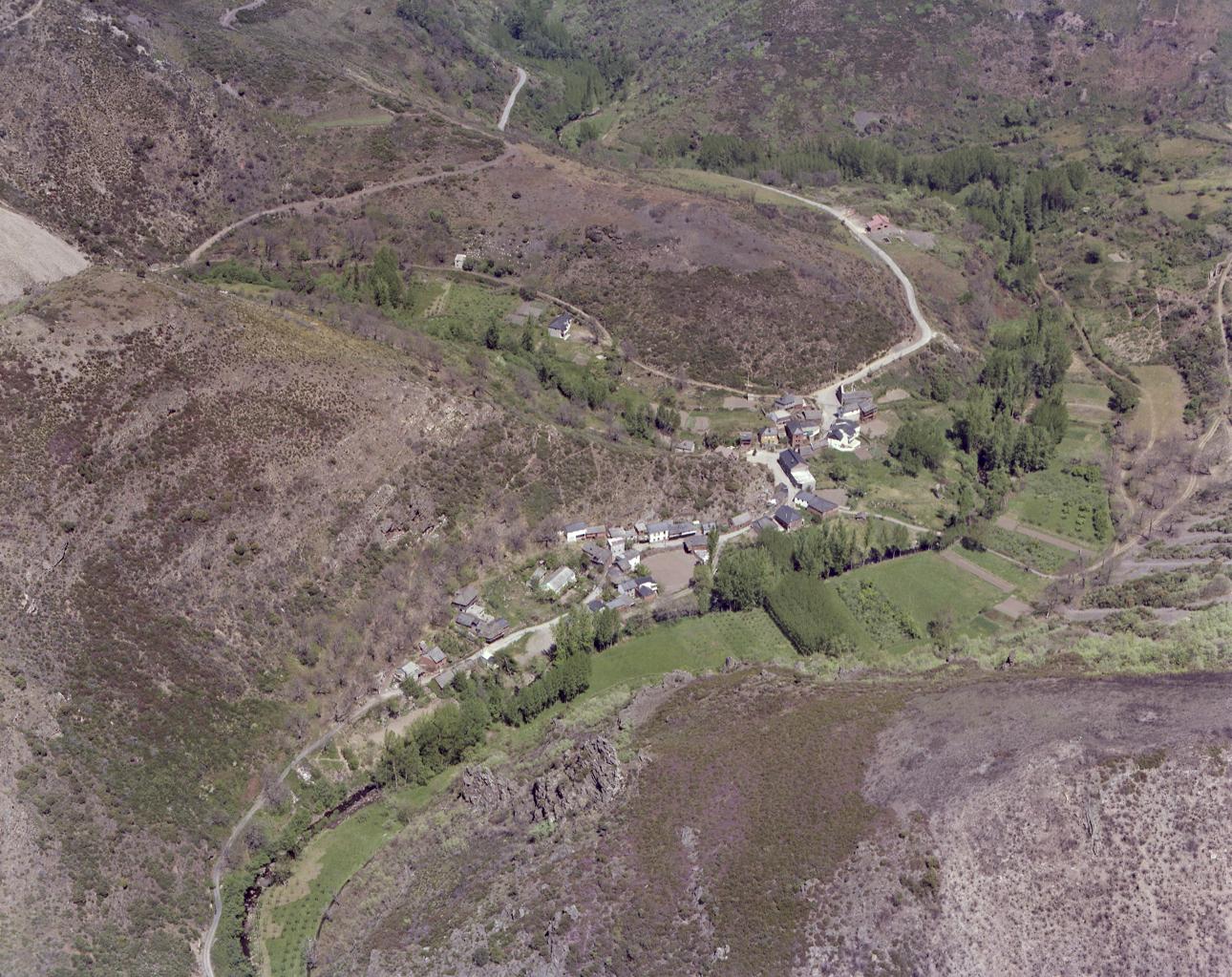
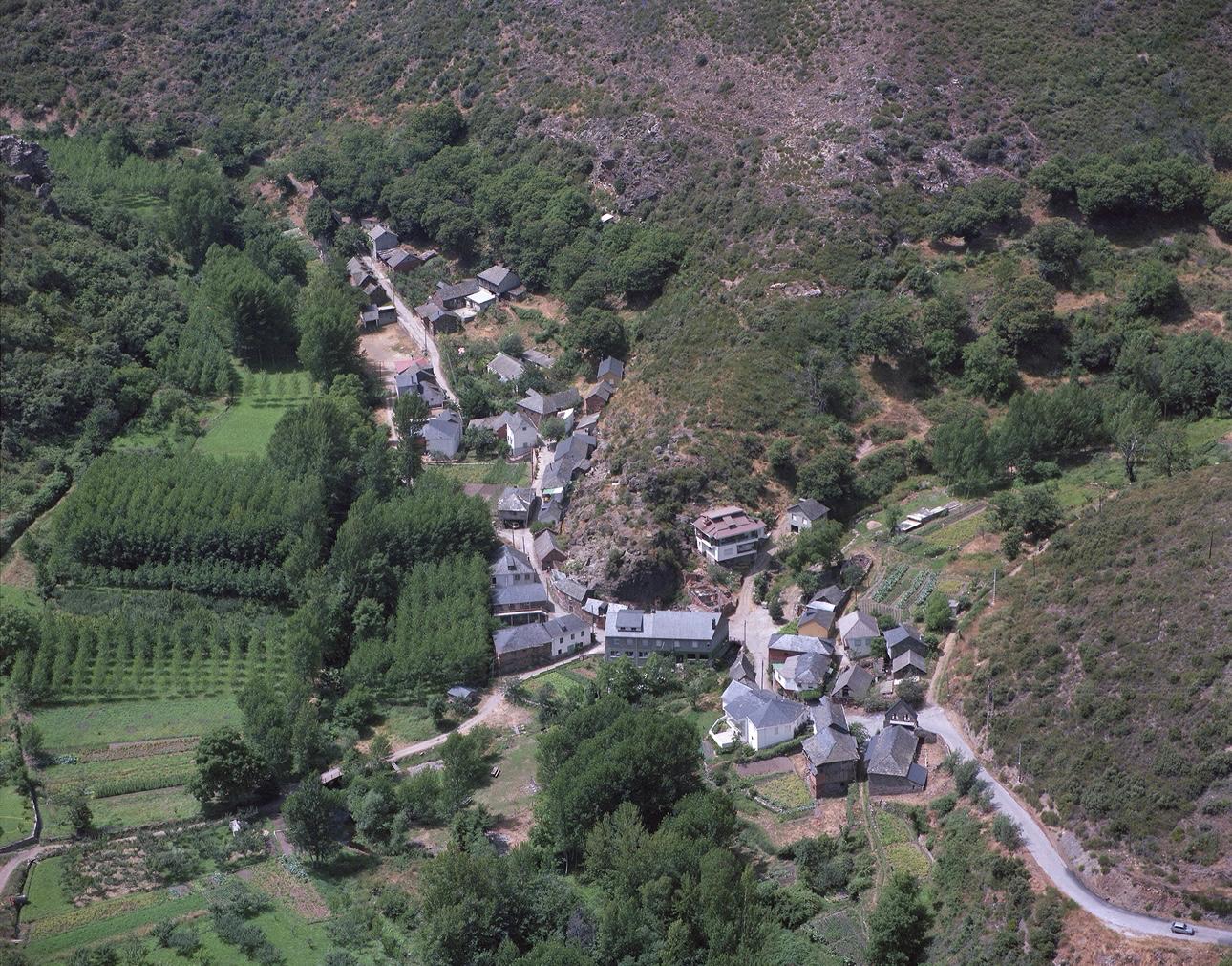
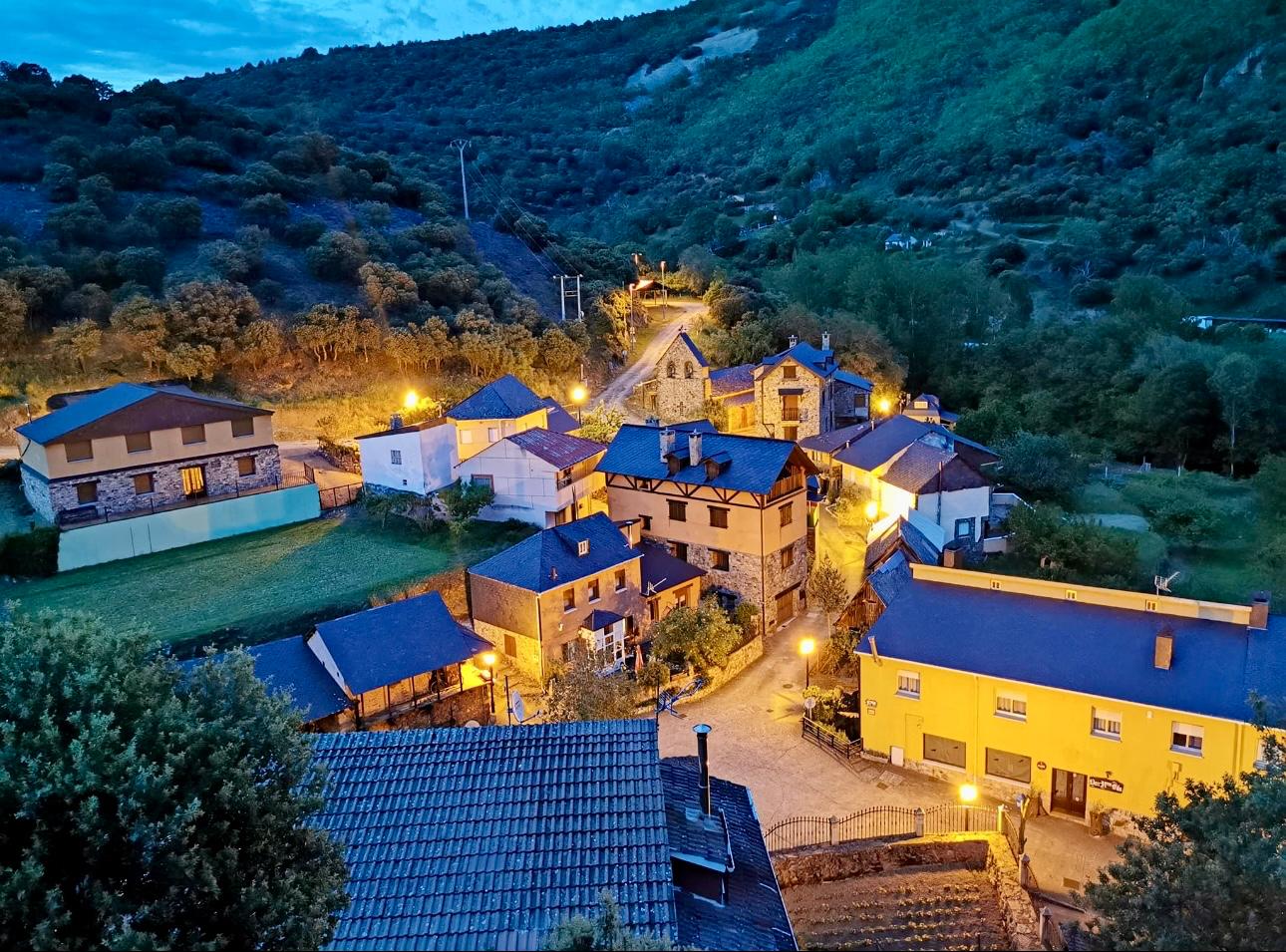
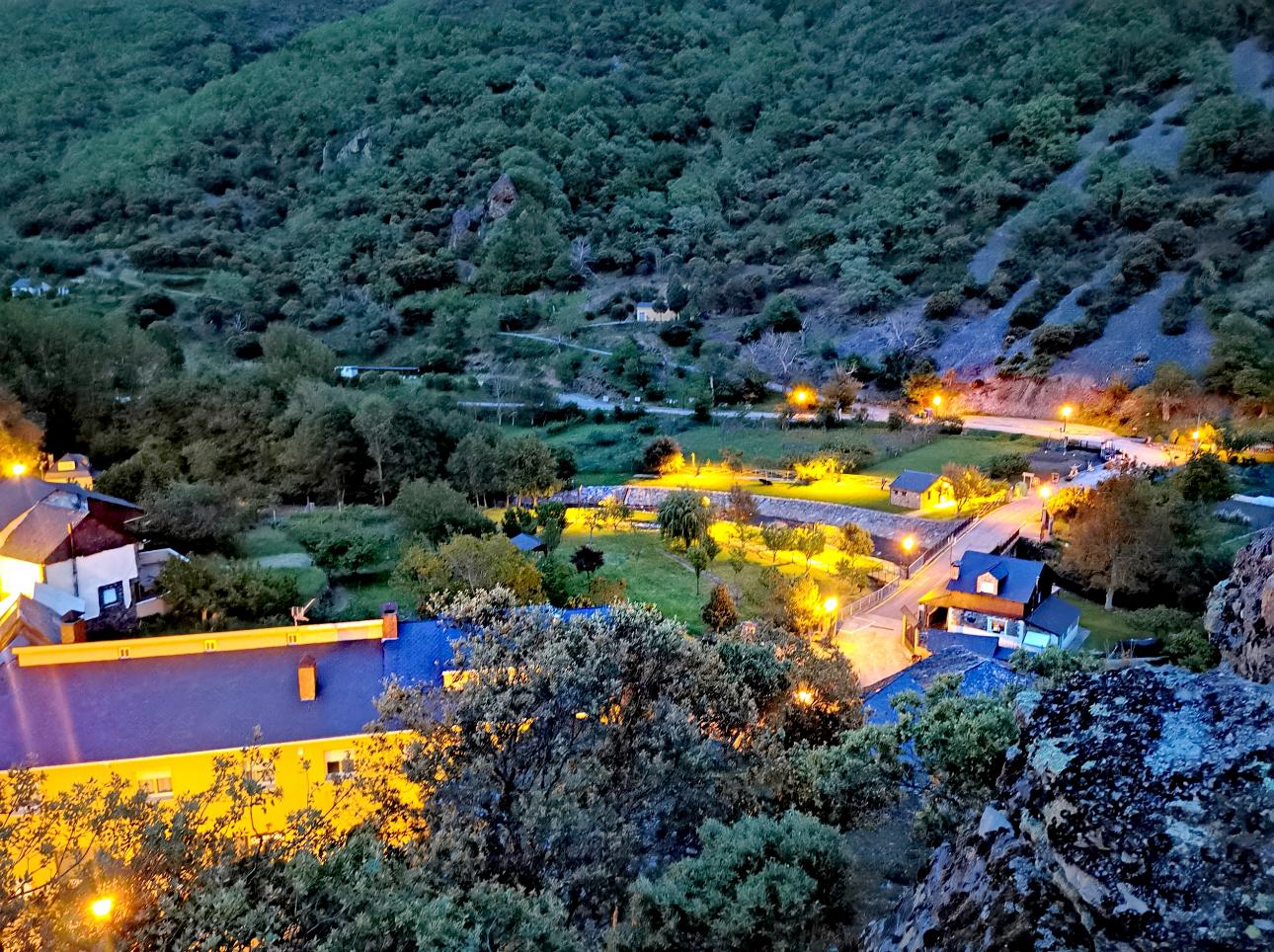
San Facundo is a village of just 16 inhabitants that has turned water into a driver of territorial renewal. Thanks to its natural springs and natural river pool, the village welcomes around 25,000 visitors every year. Water is treated without chemicals through ultraviolet light, ensuring safe drinking water while protecting the ecosystem.
This community-led approach links environmental care with local wellbeing, responsible tourism and green economic activity. Water is not seen as a resource to exploit, but as a common good to protect, interpret and share. Over time, this vision is strengthening local identity, creating opportunities for small businesses, improving quality of life and positioning San Facundo as a rural model that inspires other small communities facing depopulation.
The long-term impact goes beyond tourism. It builds a culture of care for water and territory, encourages young people and visitors to engage with the village’s future, and shows how even the smallest places can lead meaningful change when they align nature, community and purpose.
The project in San Facundo was born from a simple but ambitious question: how can a very small village offer high-quality services and a better quality of life without losing its soul? With only 16 inhabitants, the community decided not to wait for external solutions, but to act from within. Water, a central element of local identity, became the starting point to rethink services, care for the environment and attract visitors in a responsible way.
The idea was to be innovative while remaining faithful to the village’s character. In practice, this meant improving basic services linked to water and public spaces, introducing sustainable technologies such as chemical-free drinking water treatment through ultraviolet light, and organising community efforts around the protection of springs, river areas and shared spaces.
The implementation was gradual and community-led. Small, realistic actions were prioritised over large, disconnected projects. Local knowledge guided decisions, and each step was designed to improve daily life for residents while welcoming visitors with quality, safety and respect for the landscape.
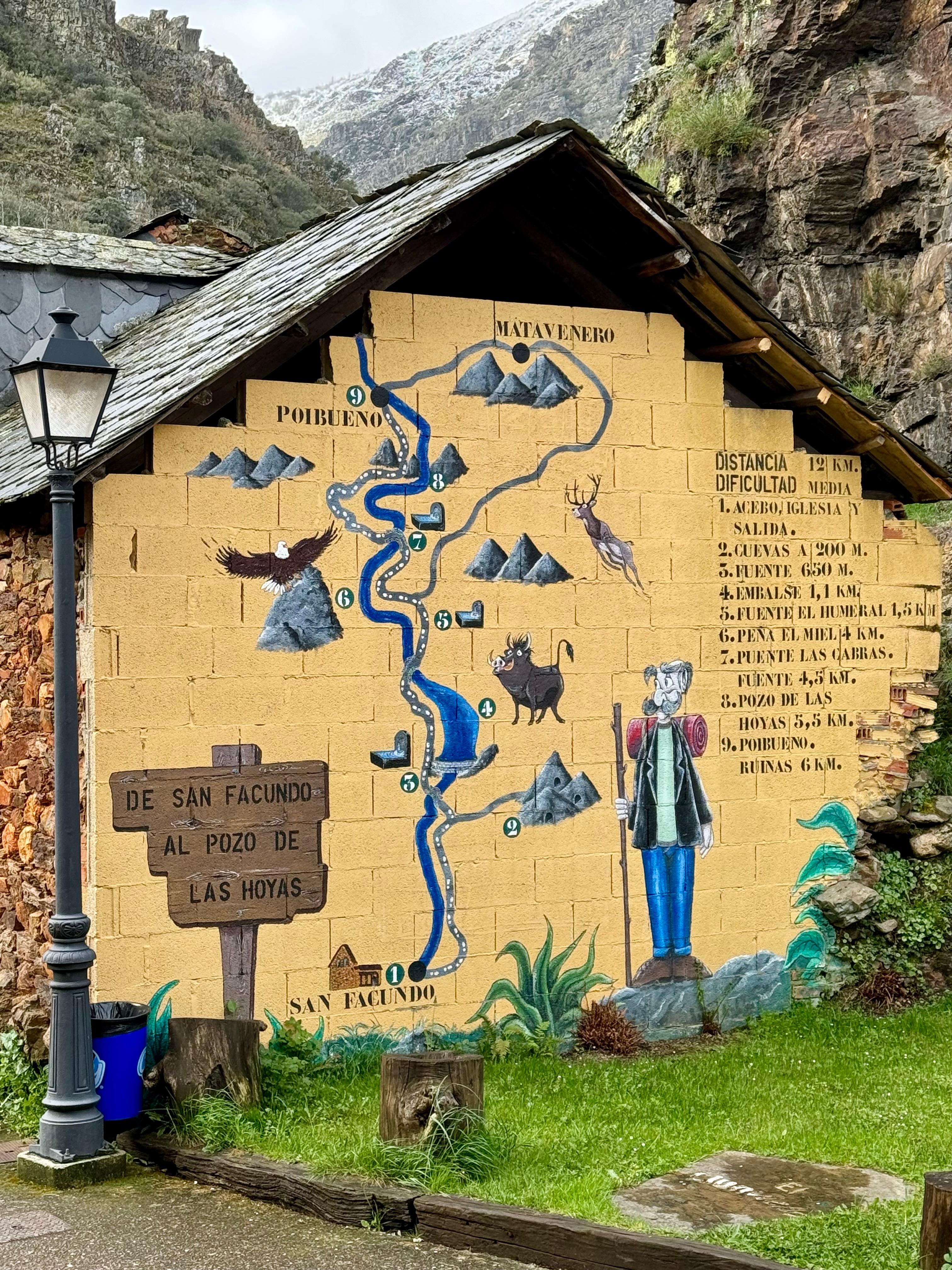
Today, this approach has helped San Facundo welcome around 25,000 visitors per year thanks to its natural river pool and water-based landscape. The long-term impact lies in showing that innovation in rural areas does not mean losing identity, but strengthening it through better services, environmental care and a shared vision for the future.
natural water
river beach
nature-based solution
circular economy
depopulation
San Facundo addresses sustainability in an integrated way, combining environmental care, social wellbeing, cultural identity and local economic opportunity. The project protects natural springs and river areas as shared ecological assets, promotes chemical-free drinking water treatment through ultraviolet light, and encourages responsible use of water by residents and visitors. This reduces environmental impact while safeguarding a vital resource.
Socially, the project strengthens community leadership in a village of only 16 inhabitants, showing how small communities can organise to improve services and quality of life without depending solely on external solutions. It fosters pride of place, intergenerational cooperation and a sense of shared responsibility for common goods.
Culturally, San Facundo values local identity, landscape and traditions, integrating innovation without erasing the village’s character. Environmental action is rooted in place-based knowledge, ensuring that sustainability is not imposed but lived daily.
Economically, water-related assets such as the natural river pool attract around 25,000 visitors per year, supporting small local businesses and responsible tourism. This creates income opportunities while setting limits that protect ecosystems and community life.
The project is exemplary because it demonstrates that sustainability in rural areas is not about large-scale infrastructure, but about aligning simple technologies, community governance and care for natural resources. It offers a replicable model for small villages to combine environmental protection with social cohesion and long-term local development.
San Facundo addresses aesthetics as a daily experience that improves quality of life and strengthens the bond between people and place. The project enhances public space through small, coherent interventions that respect the village’s character while making it more welcoming and meaningful for residents and visitors.
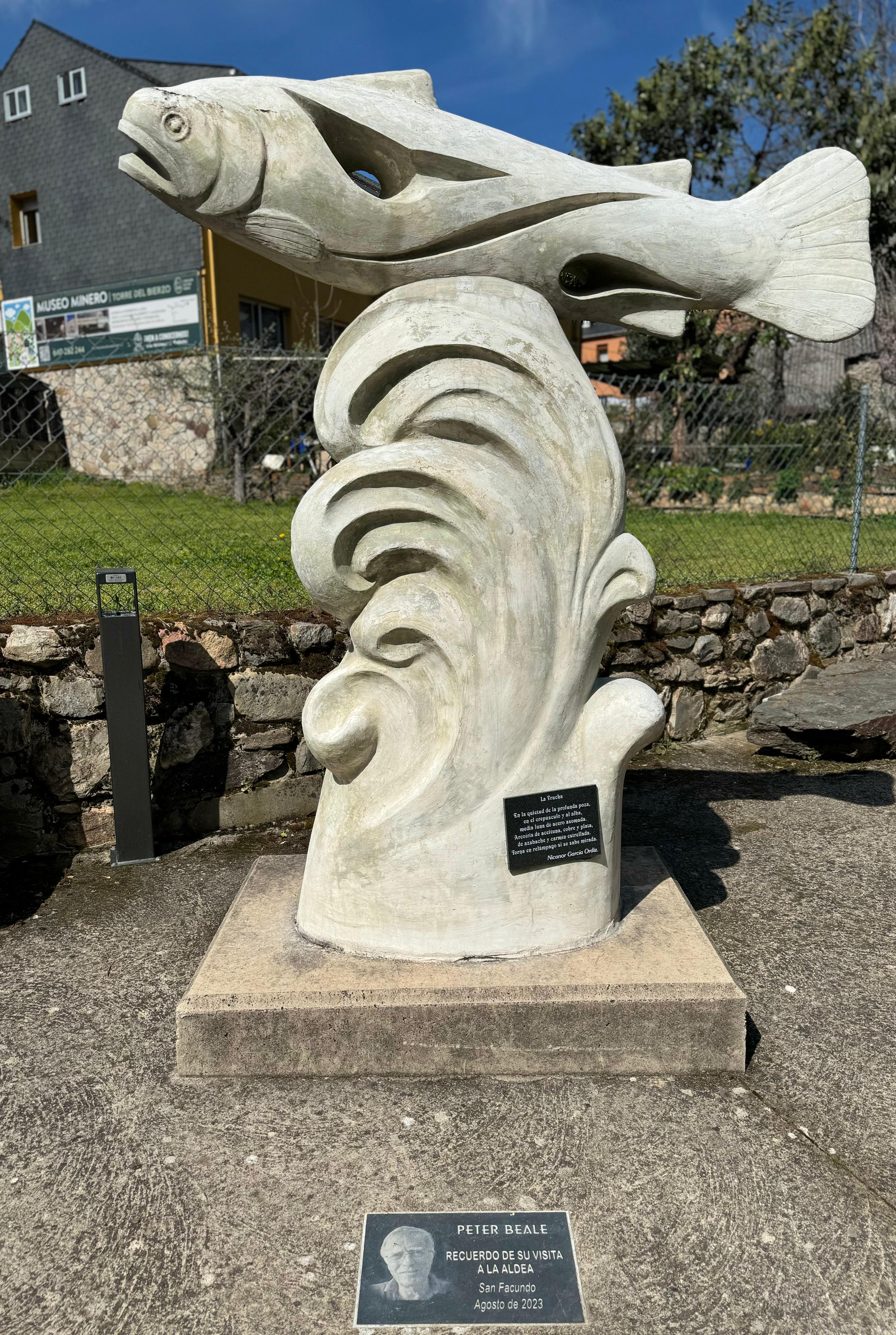
Sustainable and creative signage guides visitors and communicates local values in a clear, respectful way, reducing visual clutter while reinforcing identity. A trout sculpture placed in the public space recalls the village’s annual Gastronomic Exaltation of Trout event, transforming local tradition into a visible symbol of pride and belonging.
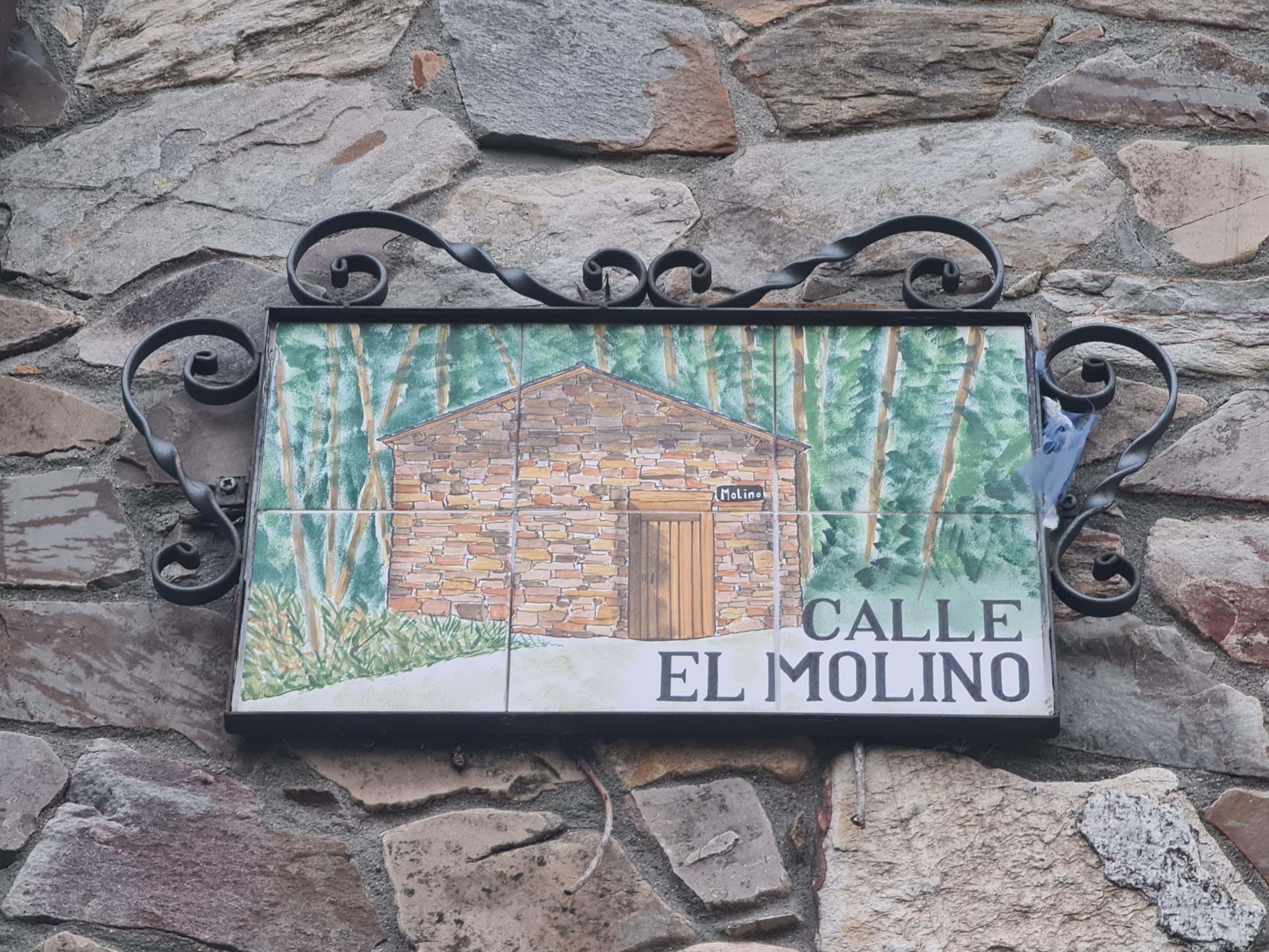
Infrastructure improvements also contribute to a more beautiful and liveable environment. Underground cabling removes visual noise from façades and streets, restoring the harmony of the landscape and the built heritage. Streets marked with ceramic plaques create a coherent visual language that improves orientation, celebrates craftsmanship and adds warmth and character to everyday routes.
These aesthetic choices have a long-term impact. They create a sense of care for the place, encouraging residents to look after shared spaces and visitors to behave respectfully. The project is exemplary because it shows that aesthetics in rural areas is not about decorative gestures, but about thoughtful design that enhances daily life, reinforces local identity and builds pride of place through beauty that is functional, sustainable and rooted in community values.
San Facundo addresses inclusion by ensuring that essential services, public spaces and community life remain accessible, affordable and welcoming for everyone, regardless of age or background. In a village of only 16 inhabitants, inclusion is about guaranteeing dignity, proximity of services and participation in shared life, even in a remote rural context.
The village has a community house equipped with sound and projection systems for up to 85 people. This space is used for public meetings, cultural activities, training sessions and intergenerational events, ensuring that information, culture and decision-making are accessible to residents and visitors alike. It strengthens social ties and prevents isolation, especially among older residents.
San Facundo also has a modern, functional and comfortable medical consulting room, designed to feel almost like a home rather than an institutional facility. This improves access to basic healthcare locally, reduces the need for long journeys to larger towns and provides a safe, dignified space for care, particularly for elderly residents and people with reduced mobility.
In terms of governance, Design choices follow principles of usability and comfort for all, prioritising simple, barrier-free access to communal facilities and clear information for visitors.
The project is exemplary because it shows that inclusion in rural areas is not only about infrastructure, but about creating social environments where people feel welcome, listened to and cared for. Even with limited resources, San Facundo demonstrates how small communities can design inclusive services and shared spaces that strengthen social cohesion and long-term wellbeing.
San Facundo applies a participatory approach from the earliest stages of the project. In a village of only 16 inhabitants, residents are not passive beneficiaries but active co-creators. Priorities related to water use, public space improvements, visitor management and basic services are discussed in open community meetings held in the village community house. This ensures that decisions respond to real needs and shared values.
Local residents have been directly involved in identifying problems, proposing solutions and taking part in practical implementation, such as caring for springs and river areas, improving shared spaces and supporting community events linked to water and local traditions. This hands-on involvement strengthens ownership and responsibility for outcomes.
The project also engages local associations, cultural groups and small businesses that benefit from visitor flows linked to water and the natural river pool. These actors contribute ideas on how to balance hospitality with environmental care, ensuring that tourism growth remains respectful of daily life and local ecosystems.
Participation has had a measurable impact on the project’s quality and acceptance. Decisions made collectively have increased trust, reduced conflicts around visitor management and reinforced a shared commitment to protect common goods. Residents report a stronger sense of belonging and confidence in shaping their future.
The project is exemplary because it demonstrates that meaningful participation is possible even in very small rural communities. By embedding co-creation, transparency and shared responsibility into everyday governance, San Facundo offers a replicable model for participatory rural transformation aligned with the principles of the New European Bauhaus.
San Facundo’s project was developed through multi-level governance, combining local initiative with regional, national and European frameworks. At the local level, residents and the municipality defined priorities related to water use, public space improvements and basic services, ensuring that actions responded to real community needs. Local participation shaped the design and daily management of shared spaces linked to water and public life.
At the regional level, coordination with provincial and regional administrations supported technical guidance and alignment with territorial development and environmental objectives. This helped ensure coherence with wider strategies for rural development and landscape protection.
At the national level, the project benefited from the Spanish Government’s Plan E programme under the administration of José Luis Rodríguez Zapatero, which provided funding for public works and basic infrastructure improvements. This support enabled the municipality to implement key interventions in public space and services that would not have been feasible with local resources alone. The national level played a crucial enabling role by providing financial capacity and a policy framework that recognised the importance of investing in small municipalities.
At the European level, the project aligns with EU principles on sustainable territorial development and the New European Bauhaus values. European frameworks provide a shared vision and criteria that guide quality, sustainability and inclusion, while creating opportunities for knowledge exchange and replication across rural territories.
The added value of multi-level participation lies in combining local knowledge and ownership with external resources, expertise and strategic vision. This governance model ensured that the project was locally grounded, technically supported and aligned with broader public policy goals, making it more robust, scalable and transferable to other rural communities.
San Facundo’s project reflects a transdisciplinary approach that brings together multiple fields of knowledge in the design and implementation of local interventions linked to water, public space and community wellbeing. Environmental sciences guide the protection of natural springs, river areas and ecosystems, ensuring that actions are ecologically sound and based on respect for natural processes.
Engineering and appropriate technologies are reflected in practical solutions for basic services, such as chemical-free drinking water treatment through ultraviolet light and improvements to small-scale infrastructure linked to water and public spaces. These technical choices balance efficiency, environmental care and suitability for a small rural context.
Architecture and design inform the improvement of public spaces, underground cabling, sustainable and creative signage, ceramic street plaques and the integration of symbolic elements such as the trout sculpture. These interventions enhance everyday aesthetics, legibility of space and a sense of place.
Social sciences and community development approaches shape participatory governance, ensuring that residents are involved in defining priorities, co-designing solutions and managing shared resources. Education and cultural fields are reflected in community activities, interpretation of local heritage and events linked to water and gastronomy, which strengthen local identity and intergenerational learning.
The project is exemplary because it does not treat disciplines in isolation. Instead, it integrates environmental knowledge, technical solutions, spatial design, social participation and cultural expression into a coherent, place-based approach. This transdisciplinary practice enables small rural communities to address complex challenges holistically, aligning care for nature with quality of life, identity and long-term territorial development.
San Facundo’s business model combines community governance with diversified, place-based revenue streams that ensure long-term financial sustainability for a very small rural municipality. As a local entity, the village generates stable income from the occupation and use of communal land, including wind energy installations, a telecommunications antenna, grazing rights and water management. These revenues are reinvested locally to maintain basic services, care for public spaces and protect natural resources.
This diversified income structure reduces dependency on a single funding source and increases financial resilience over time. Income linked to wind energy and telecommunications provides predictable, long-term revenue, while grazing rights and water management connect economic activity directly to land stewardship. This creates incentives to balance economic use with environmental protection.
Public funding at regional and national levels has supported initial infrastructure improvements, enabling the village to reach a baseline of quality services and public space that, in turn, attracts visitors. Responsible tourism linked to the natural river pool and landscape generates indirect economic benefits for local families and small businesses, reinforcing the local economy without overexploitation.
The financial sustainability of the project lies in its hybrid model: recurring local revenues from communal assets, complemented by public investment and small-scale economic activity linked to visitors. This allows San Facundo to maintain and improve services over time without relying solely on short-term grants. The model is competitive because it leverages local assets strategically, aligns economic use with environmental care, and offers a replicable approach for other small rural communities seeking long-term financial viability.
San Facundo’s project has high potential for transferability and scalability because it is based on simple, modular and low-cost elements that can be adapted to different rural contexts. The core methodology – using a local natural resource as a driver for community wellbeing and territorial development – can be replicated in villages with water springs, rivers, forests or other shared commons. The approach is not tied to a specific geography, but to a way of organising local assets around shared value.
Key transferable elements include community-led governance processes, open village assemblies to define priorities, and small-scale, phased implementation. This allows other communities to start with realistic actions that fit their capacity and resources, rather than large, high-risk investments.
The use of appropriate technologies, such as chemical-free drinking water treatment through ultraviolet light, can be transferred to other small municipalities seeking affordable and environmentally sound solutions for basic services. Public space improvements, sustainable and creative signage, underground cabling, ceramic street plaques and symbolic elements that express local identity offer a toolkit of place-based design interventions that can be adapted to different cultural contexts.
The hybrid business model based on revenues from communal assets (land use, renewable energy, telecommunications, grazing and water management), combined with public funding and responsible tourism, is replicable in other rural territories that manage common goods.
The project’s learning process – aligning environmental care, basic services, aesthetics, inclusion and community participation – is highly transferable. San Facundo demonstrates that small rural communities can scale impact not by growing in size, but by sharing methods, governance models and practical solutions that can be adopted elsewhere to strengthen local development in a sustainable way.