Strengthening Local Democracy and Inclusion
Voci di Quartiere (neighborhood voices)
Voci di Quartiere engagement campaign
“Voci di Quartiere” is an engagement campaign by Urban Lab Torino, capturing residents’ views on everyday life, public spaces and services to inform Turin’s new Land Use Plan.
Italy
Local
city of Torino
Mainly urban
It involves other types of transformations (soft investment)
Yes
2026-01-21
No
No
No
Organisation
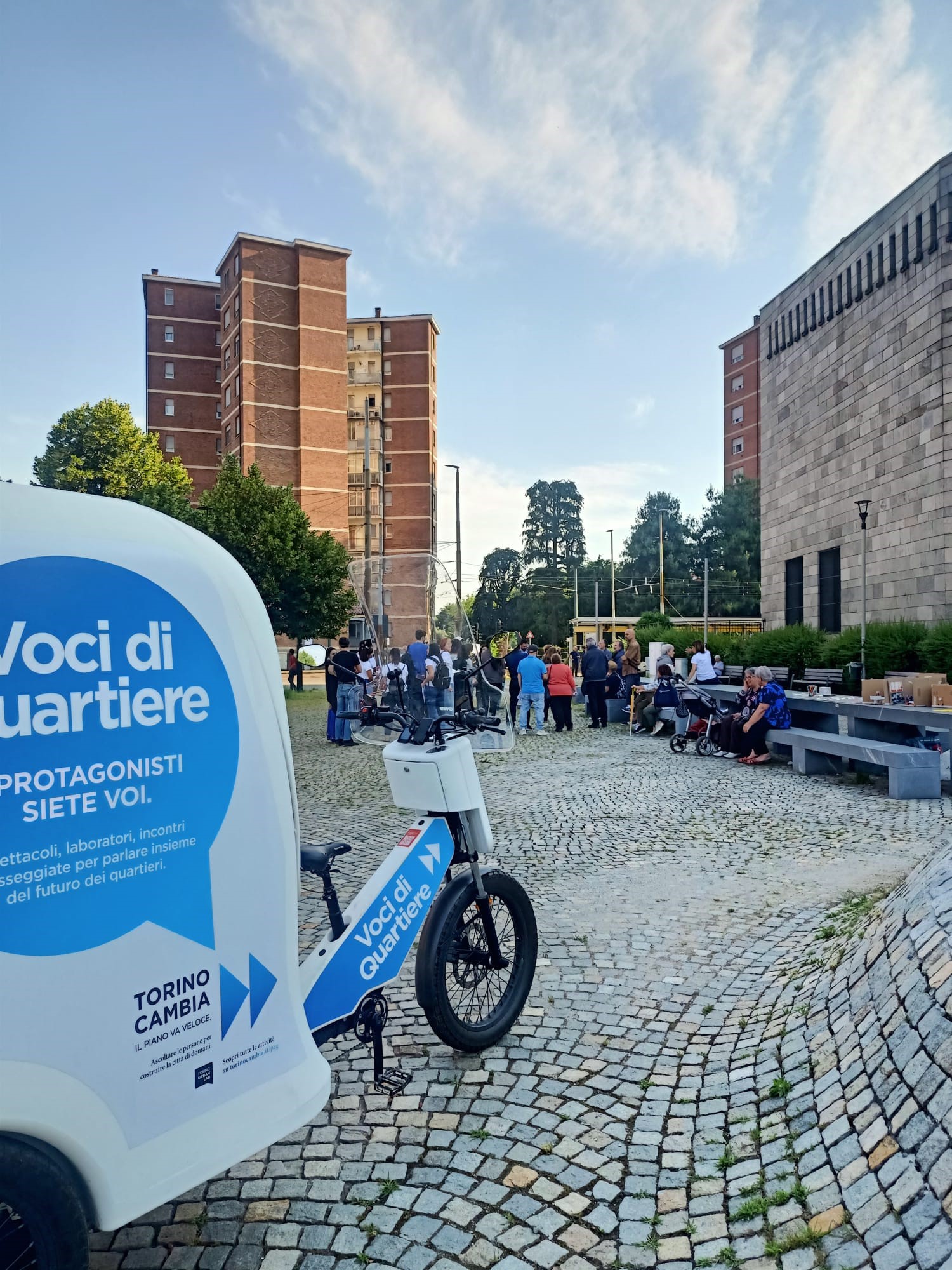
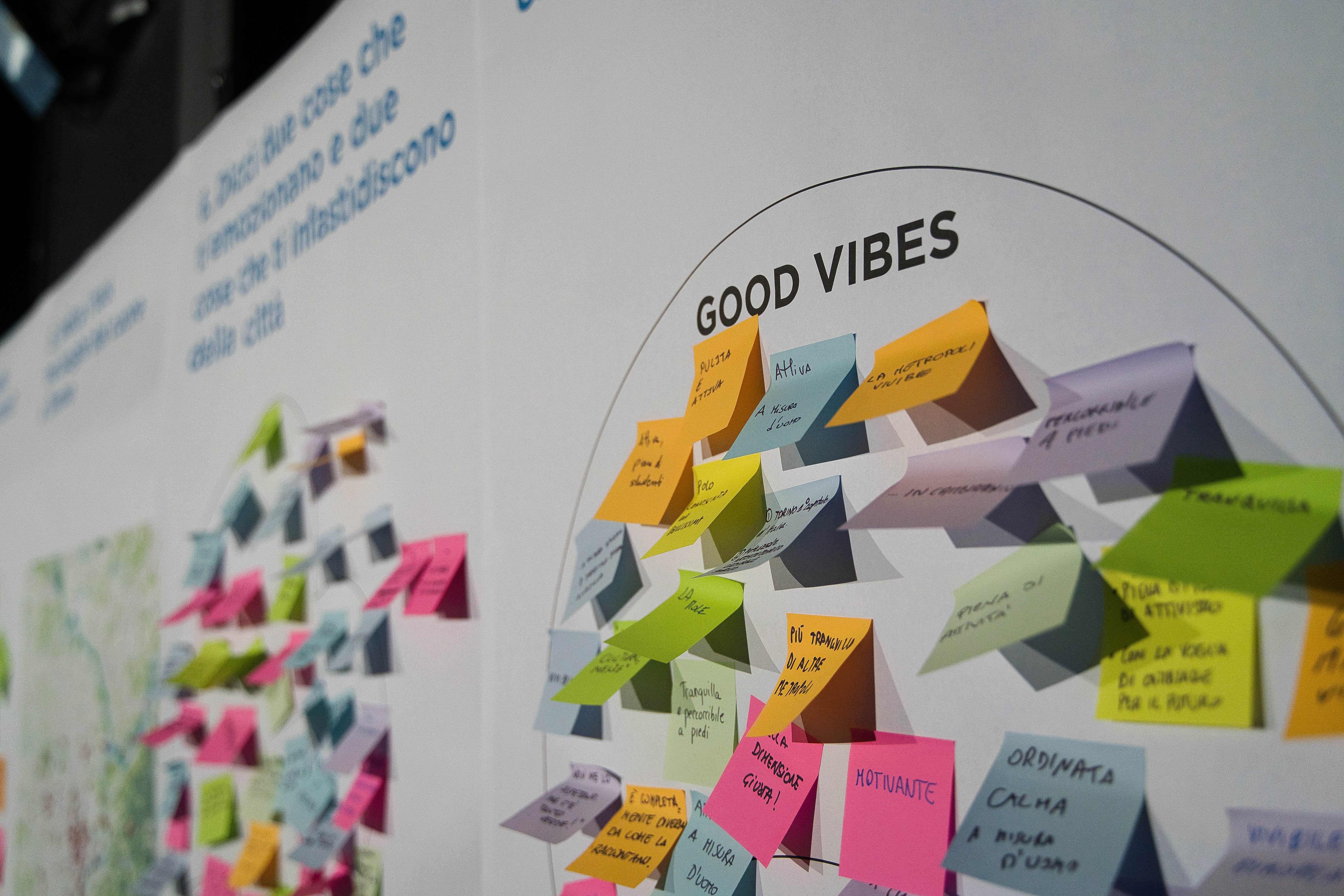
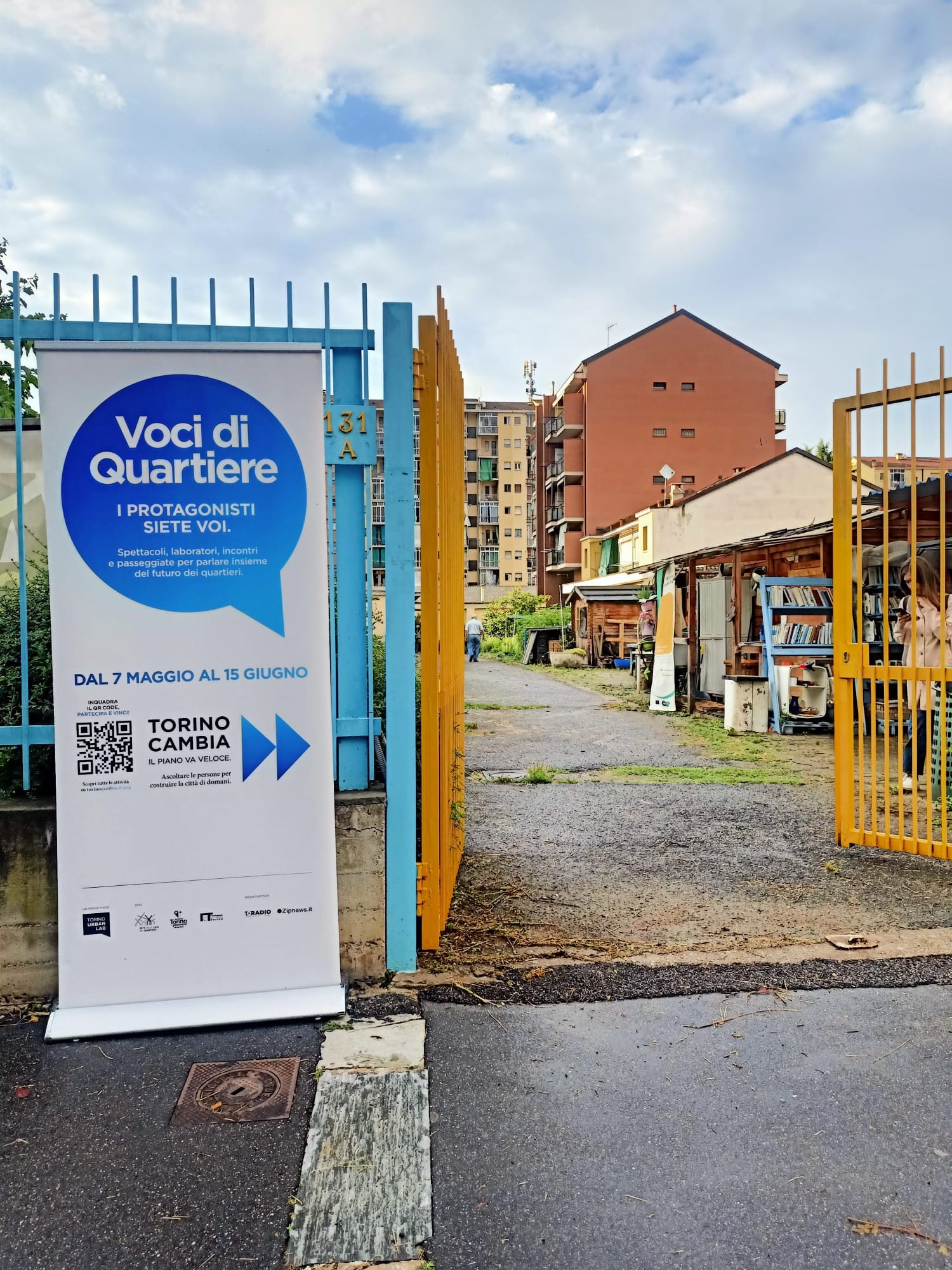
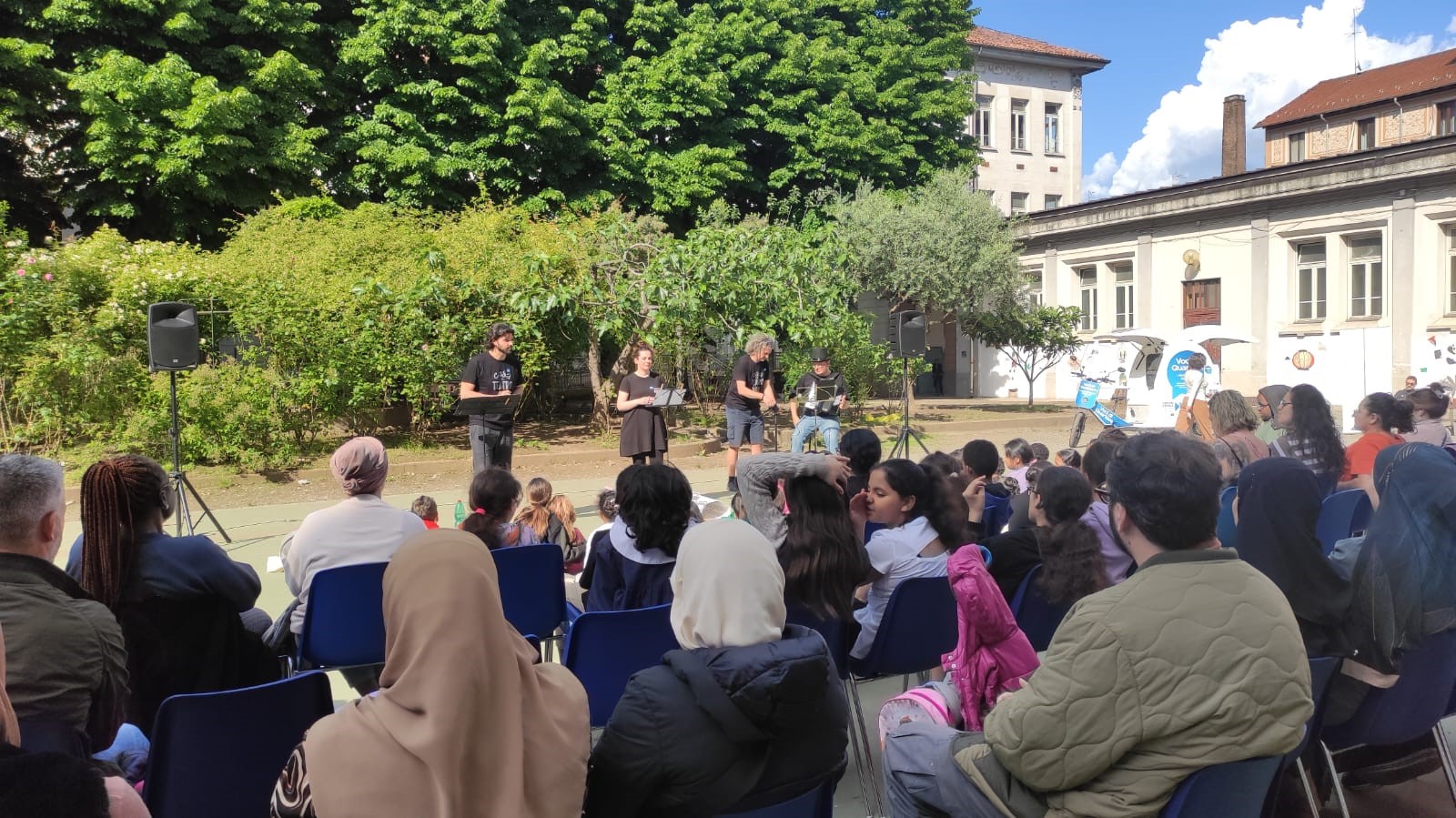
Turin’s new Land Use Plan has been developed through an inclusive approach. While the initial phase in 2023 primarily involved institutional and organized stakeholders, in 2024–2025 the process evolved significantly, placing citizens and everyday urban life at its core. This structured and citywide listening campaign was designed to embed citizens’ perspectives into urban policy-making. More than a consultation exercise, it shifted the focus from abstract, city-scale discussions to neighbourhoods as spaces of lived experience, where needs, practices and identities take shape. It included itinerant and accessible initiatives (more than 100 only in 2024), carried out in everyday places - markets, parks, neighbourhood houses, schools, libraries and community spaces -, engaging over 5,500 people and covering the 34 neighbourhoods of Turin. More than 70 local organisations acted as key partners, hosting activities and facilitating participation, thus strengthening trust, outreach capacity and local ownership of the process. The campaign adopted diverse and inclusive formats, including neighbourhood walks, outdoor theatre performances, public meetings, informal conversations and a 400 km journey across the city by cargo bike, directly connecting with communities. Guided by the question “How is it to live here?”, the process explored quality of life, public spaces, services and local dynamics, collecting a wide range of situated knowledge. In the first part of 2025, a series of public meetings returned to the neighbourhoods to share and validate the results. This iterative approach reinforced transparency and accountability, feeding the production of a robust and articulated knowledge base now directly informing the Land Use Plan. By combining participation, spatial analysis and local activation, the project demonstrates how urban planning can be grounded in everyday experience, generating both immediate community engagement and long-term impact on policy design.
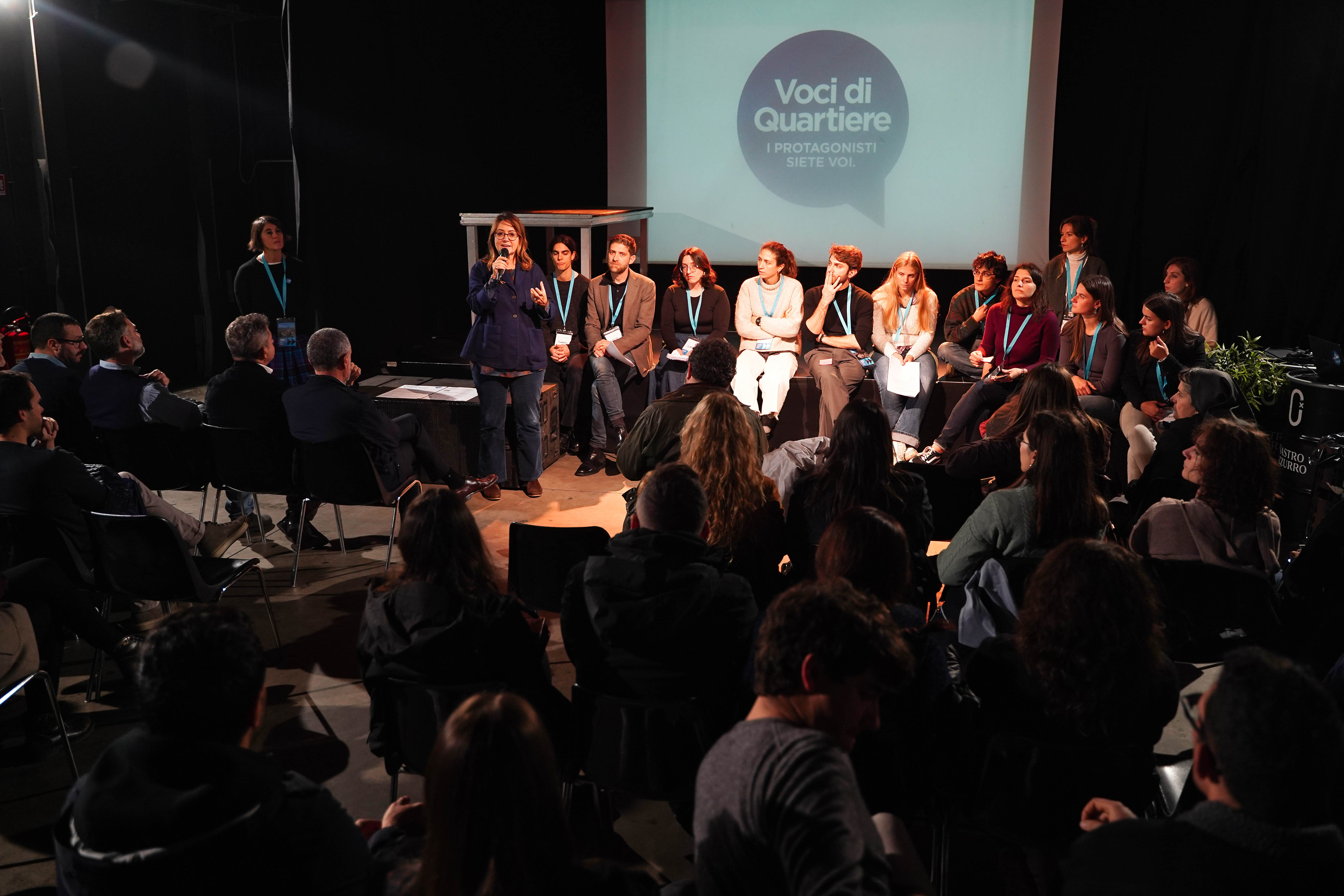
The participatory process developed progressively, expanding from structured consultation to widespread civic engagement embedded in everyday urban life. In 2023, an initial phase involving institutional and organized stakeholders was launched. A kick-off event (June) introduced thematic working groups and plenary sessions, followed by decentralized meetings (October) across the eight Constituencies. The process concluded in November with collaborative sessions involving local actors and international experts, focusing on innovation, welfare and the urban ecosystem, and defining the first strategic directions. More than 6,000 people took part in this phase, and more than 320 organizations (institutions, representative bodies, associations and active groups across the city) contributed to it. In 2024, participation expanded into a more open model, and became “Voci di Quartiere”: a citywide listening campaign centred on neighbourhoods. Between April and November, over 4,300 people took part through accessible formats such as neighbourhood meetings, urban walks, public events, more than 60 cargo bike outreach actions and two online surveys with over 2,700 responses. Activities were held in everyday spaces, engaging residents directly in discussions addressing quality of life, services, public and green spaces, mobility, housing and neighbourhood attractiveness. The second edition (February–June 2025) focused on restitution, validation and co-design. Ten local meetings shared results and refined priorities, alongside targeted focus groups (gender-sensitive planning, disability and the city; migrants and second generations, youngsters, future workspaces). Finally participants mapped central places and explored neighbourhood dynamics through day-and-night analyses. To translate citizens’ voices into actionable knowledge, results were consolidated in two ways: technical documents supporting the Plan, and an illustrated narrative with ten neighbourhood maps.
Inclusiveness
Place attachment
Community co-design
Proximity
Neighborhood Liveability
The campaign addresses sustainability through a systemic and place-based approach, grounded in the everyday experiences of residents. By translating citizens’ voices into spatial knowledge and planning inputs, it demonstrates how sustainability can be achieved by strengthening what already exists, aligning urban policies with real, everyday needs and connecting different dimensions through participation.
From an environmental perspective, the project highlights the importance of caring for and enhancing existing assets rather than expanding them. Feedback collected across neighbourhoods consistently points to the need for better maintenance, accessibility and usability of green areas and public spaces. Improving lighting, walkability, and urban furniture emerges as a key strategy to increase safety and comfort, while supporting climate adaptation and reducing additional land consumption.
Social sustainability is a central outcome of the listening process. A strong and recurrent demand concerns inclusive, non-commercial spaces—especially for young people—where everyday activities such as meeting, studying or organizing initiatives can take place freely. Strengthening accessible public spaces contributes to reducing inequalities, counteracting isolation and fostering social cohesion at the local scale.
Culturally, the project recognizes the value of ordinary urban life. Public spaces are described by participants as essential infrastructures for informal sociality, creativity and neighbourhood-based cultural practices. This reinforces a shared sense of place and supports the emergence of diverse local identities beyond formal cultural institutions.
From an economic perspective, the emphasis on care, reuse and activation of existing spaces suggests a sustainable and cost-effective model of urban transformation. Besides relying on large-scale forward thinking investments, the project promotes incremental improvements capable of generating widespread benefits.
“Voci di Quartiere” contributes to the aesthetic dimension of the city by focusing on how places are experienced, perceived and narrated in everyday life, in line with the human-centred vision of the New European Bauhaus.
By bringing dialogue directly into neighbourhood spaces—markets, parks, schools, neighbourhood houses and community venues—the project invites residents to observe, interpret and re-imagine their surroundings. Starting from the question “How is it to live here?”, the listening process reveals not only functional needs but also the qualities that make places welcoming, meaningful and enjoyable in daily life. Aesthetics is thus understood as lived experience, rooted in use, perception and social interaction. Through neighbourhood walks, informal encounters and public events, citizens and local organizations collectively reflect on the character of streets, public spaces and green areas. This shared exploration increases awareness of the value of local environments and fosters a sense of care and responsibility. The process strengthens emotional connections with places, contributing to a deeper sense of belonging and place attachment. The project also enhances aesthetics through representation and storytelling. The production of illustrated neighbourhood maps translates complex (and collective) insights into accessible and engaging visual narratives, capturing identities, needs and aspirations. Distributed through the civic library network, these maps extend the impact of the project, making the city readable and relatable through the eyes of its inhabitants. Hence “Voci di Quartiere” acts both in the short and long term: it activates spaces through participatory practices while informing the Land Use Plan with a nuanced understanding of everyday beauty. Its exemplary value lies in integrating aesthetic quality with participation, showing how beauty can emerge from collective experience, shared knowledge and care for place.
By bringing dialogue directly into neighbourhood spaces—markets, parks, schools, neighbourhood houses and community venues—the project invites residents to observe, interpret and re-imagine their surroundings. Starting from the question “How is it to live here?”, the listening process reveals not only functional needs but also the qualities that make places welcoming, meaningful and enjoyable in daily life. Aesthetics is thus understood as lived experience, rooted in use, perception and social interaction. Through neighbourhood walks, informal encounters and public events, citizens and local organizations collectively reflect on the character of streets, public spaces and green areas. This shared exploration increases awareness of the value of local environments and fosters a sense of care and responsibility. The process strengthens emotional connections with places, contributing to a deeper sense of belonging and place attachment. The project also enhances aesthetics through representation and storytelling. The production of illustrated neighbourhood maps translates complex (and collective) insights into accessible and engaging visual narratives, capturing identities, needs and aspirations. Distributed through the civic library network, these maps extend the impact of the project, making the city readable and relatable through the eyes of its inhabitants. Hence “Voci di Quartiere” acts both in the short and long term: it activates spaces through participatory practices while informing the Land Use Plan with a nuanced understanding of everyday beauty. Its exemplary value lies in integrating aesthetic quality with participation, showing how beauty can emerge from collective experience, shared knowledge and care for place.
The project addresses accessibility, affordability, and inclusion by positioning civic participation as a structural driver of urban transformation, aligning with the human-centred and democratic approach of the NEB. Accessibility is strengthened by decentralizing participation and bringing it directly into neighbourhoods. Activities take place in everyday settings—markets, parks, schools, neighbourhood houses—reducing physical, social and cultural barriers to engagement. This proximity-based approach enables the involvement of diverse groups, including those less likely to access institutional or formal processes, and ensures a broader representation of urban experiences. Affordability is addressed through the emphasis on accessible, non-commercial public spaces and local services. The listening process highlights the importance of places where people can meet, study or organize activities without the need to consume. By valuing these spaces and reinforcing neighbourhood-based resources, the project supports more equitable access to opportunities, strengthens informal support networks and contributes to reducing social inequalities. In terms of governance, the initiative moves beyond consultation toward forms of co-presence and shared responsibility. Citizens are not only invited to express opinions but are actively involved in shaping knowledge, identifying priorities and contributing to long-term strategies. The process integrates diverse perspectives, including those emerging from more fragile or underrepresented contexts, embedding a “design for all” approach within planning practices. The project’s exemplary dimension lies in framing inclusion as a systemic principle rather than a targeted action. By combining widespread access, local engagement and collective knowledge production, it fosters active citizenship, strengthens social cohesion and promotes more open and equitable decision-making processes.
The initiative embodies participation as a structured, inclusive and multi-layered process, directly engaging citizens, communities and civil society organisations in the production of knowledge for Turin’s new Land Use Plan. Adopting a neighbourhood-based strategy, it brought participation into everyday places and ensured accessibility through proximity and informality. Activities were distributed across all districts and designed to include a wide range of voices, with particular attention to diversity and balance. Targeted actions deepened the engagement of specific groups—young people (12–18 and 18–35), women, people with disabilities, families and residents with migrant backgrounds, to more significantly represent their needs and perspectives within the Land Use Plan. Participants played an active and co-creative role throughout the process. They were not only consulted but contributed to identifying priorities, interpreting local conditions and connecting neighbourhood perspectives to a broader citywide vision. They helped reveal patterns of use, systems of centrality and the relationships between spaces, services and social practices that shape everyday life: this effort results today in a specific chapter of the Land Use Plan dedicated to neighbourhoods, proximity services and the relevance of the local dimension of city life. The impact of this involvement is twofold: on one hand, it produced a robust and grounded knowledge base, making the Plan more responsive, context-sensitive and aligned with real needs; on the other, it strengthened participants’ awareness, sense of belonging and capacity to act as active contributors to urban transformation. In this sense, the project is exemplary in demonstrating how participation can move beyond consultation to become a continuous, situated and co-productive process, where citizens actively shape both the understanding and the future of the city.
Voci di Quartiere was conceived as a multilevel governance process combining institutional coordination with strong, place-based participation, in line with the integrated approach promoted by the NEB and the wider EU level key priorities on sustainable urban development. Between '23 and '25 hundreds of local institutions and organisations actively contributed to the design and implementation of the campaign.They brought their perspectives, gathered people, hosted activities, facilitated engagement and helped reach diverse audiences in everyday settings such as markets, parks and community spaces.Their role was essential in building trust, ensuring accessibility and capturing situated knowledge. Since its early stages the initiative fostered a continuous form of territorial learning, progressively refining both methods and knowledge through direct interaction with the local system of stakeholders. Each phase built on the previous one, integrating feedback, testing new formats and deepening the understanding of local dynamics.This iterative process enabled the collection of data, strengthening the capacity of institutions and communities to interpret, discuss and shape urban transformation together. The initiative took advantage of a strong cross-departmental collaboration: different policy areas contributed, connecting the listening campaign with broader strategies, ensuring that the collected insights were directly integrated into ongoing policies and planning tools (i.e Plan for families; Labour Policies; Housing Plan, Gender Plan, etc.). The added value of this multilevel approach is the connection of bottom-up perspectives with top-down strategies, enhancing the coherence, legitimacy and effectiveness of urban planning. It contributed to wider governance frameworks (metropolitan and regional level) by producing structured knowledge useful for territorial planning and policy coordination, finally bridging local experiences and higher-level decision-making process
The initiative is deeply transdisciplinary, as it integrates multiple fields of knowledge to address the complexity of urban life. Its exemplary value lies in the ability to combine technical expertise, social research, cultural practices and digital tools, and in the effort to generate shared knowledge about the city that is both robust and socially grounded. Urban planning and territorial governance provided the structural framework of the initiative, linking the listening campaign directly to the Plan and ensuring that collected inputs were translated into operational outputs, such as thematic analyses and GIS-based mappings. This technical dimension was complemented by contributions from ongoing policies, which informed discussions on public space, accessibility, green infrastructure and urban connectivity. Methods drawn from sociology, community engagement and participatory planning shaped activities such as neighbourhood walks, public meetings and informal interactions. These approaches enabled the collection of experiences, perceptions and everyday practices from residents, students and workers (with particular attention to diversity and underrepresented groups). Design and visual communication played a key role in making the process accessible and engaging. The campaign adopted clear and inclusive formats for interaction and developed visual storytelling tools to communicate results. Illustrated neighbourhood maps, in particular, translate complex insights into readable and compelling narratives, bridging technical knowledge and public understanding. Educational and cultural fields were also involved through the participation of schools, museums and local cultural organisations, which hosted activities and fostered dialogue across generations and communities. At the same time, digital technologies and quantitative analysis supported data collection and participation through online questionnaires, complementing face-to-face engagement.
Voci di Quartiere is based on a hybrid and replicable model that combines public funding, institutional integration and service-oriented activities, while generating public value. Overall, the financial sustainability of Voci di Quartiere lies in its integration into public governance, its capacity to generate replicable services and its alignment with Europe an priorities, making it both economically viable and scalable across different contexts. The project is embedded within the statutory functions of the City of Turin and implemented through stable public funding linked to the policy-making processes (such as the delivery of the Land Use Plan). This institutional anchoring ensures continuity and alignment with long-term urban policies, reducing dependency on one-off project funding. In addition, the methodology and tools developed - participatory formats, data collection protocols, mapping techniques and visual outputs - can be structured as transferable services. These can be offered to other municipalities, metropolitan authorities or public agencies interested in participatory planning, urban regeneration or community engagement, creating opportunities for consultancy, training and capacity building. The project also benefits from a distributed partnership model, where local organisations contributed spaces, networks and facilitation capacities. This reduces operational costs while increasing outreach, engagement and impact. Such a model can be further supported by targeted funding schemes, including regional, national and European programmes focused on social innovation, urban development and civic participation. The production of accessible outputs - such as maps, reports and digital content - opens opportunities for knowledge valorisation and capitalization on other public policies, as much as cultural spread and dissemination activities (publications, exhibitions and educational activities), potentially supported by cultural funding or sponsorships.
The potential for transferability and replicability is based on the flexible and modular methodology of the initiative, that can be adapted to different urban contexts, governance systems and beneficiary groups.Specific elements: 1.The place-based listening model, structured around neighbourhood-scale engagement reduces barriers to access and can be easily adapted to cities of different sizes, including smaller municipalities or rural areas. This approach is particularly relevant where institutional participation is weak or unevenly distributed; 2.The multi-layered methodology, combining different tools (physical and digital, direct and indirect), open listening, targeted engagement and restitution phases.The integration of broad outreach with focused actions for specific groups ensures inclusiveness and can be replicated in different socio-cultural contexts.The iterative cycle - listening, validation, and systematization - provides a robust and adaptable process framework; 3.Tools and outputs, including participatory mapping practices, qualitative data collection formats and the translation of insights into GIS-based analyses and visual narratives. Illustrated neighbourhood maps represent a high-impact communication tool that can be reproduced to make complex information accessible and to strengthen local identity; 4.The activation of the ecosystem of local partnerships: the involvement of community organisations as facilitators and hosts creates a distributed infrastructure for engagement that can be activated in other contexts, enhancing trust and outreach capacity.Finally, the project’s main lesson lies in its integration of participation into formal planning processes.By linking community knowledge with policy-making and spatial planning, it provides a scalable model for embedding civic engagement into governance systems.This makes it applicable not only to urban planning, but also to sectors such as social policy, environmental management and local development