Strengthening Local Democracy and Inclusion
MC-YOU: youth urban impact via Minecraft
MINECRAFTING RESILIENT CITIES: INNOVATIVE YOUTH-LED POLICY PROCESS FOR SUSTAINABLE EUROPE
When was the last time youth made true impact in your urban environment? Is youth participation a partnership or just consultancy? MC-YOU was an Erasmus+ project where Riga took the next step, creating a system of true urban impact with the help of Minecraft. During the project, youth teams were trained to co-design credible visions for public spaces, and the winner's vision is now being implemented. MC-YOU also resulted in the first fully vegan Children and youth engagement conference in Riga!
Latvia
Local
Riga
Mainly urban
It involves a physical transformation of the built environment (hard investment)
Yes
2025-11-30
Yes
ERASMUS
No
No
Organisation
From 2023 to 2025, Riga Municipal Departments of Education, Culture and Sport, and of City Development implemented an Erasmus+ project "MC-YOU: MINECRAFTING RESILIENT CITIES: INNOVATIVE YOUTH-LED POLICY PROCESS FOR SUSTAINABLE EUROPE".
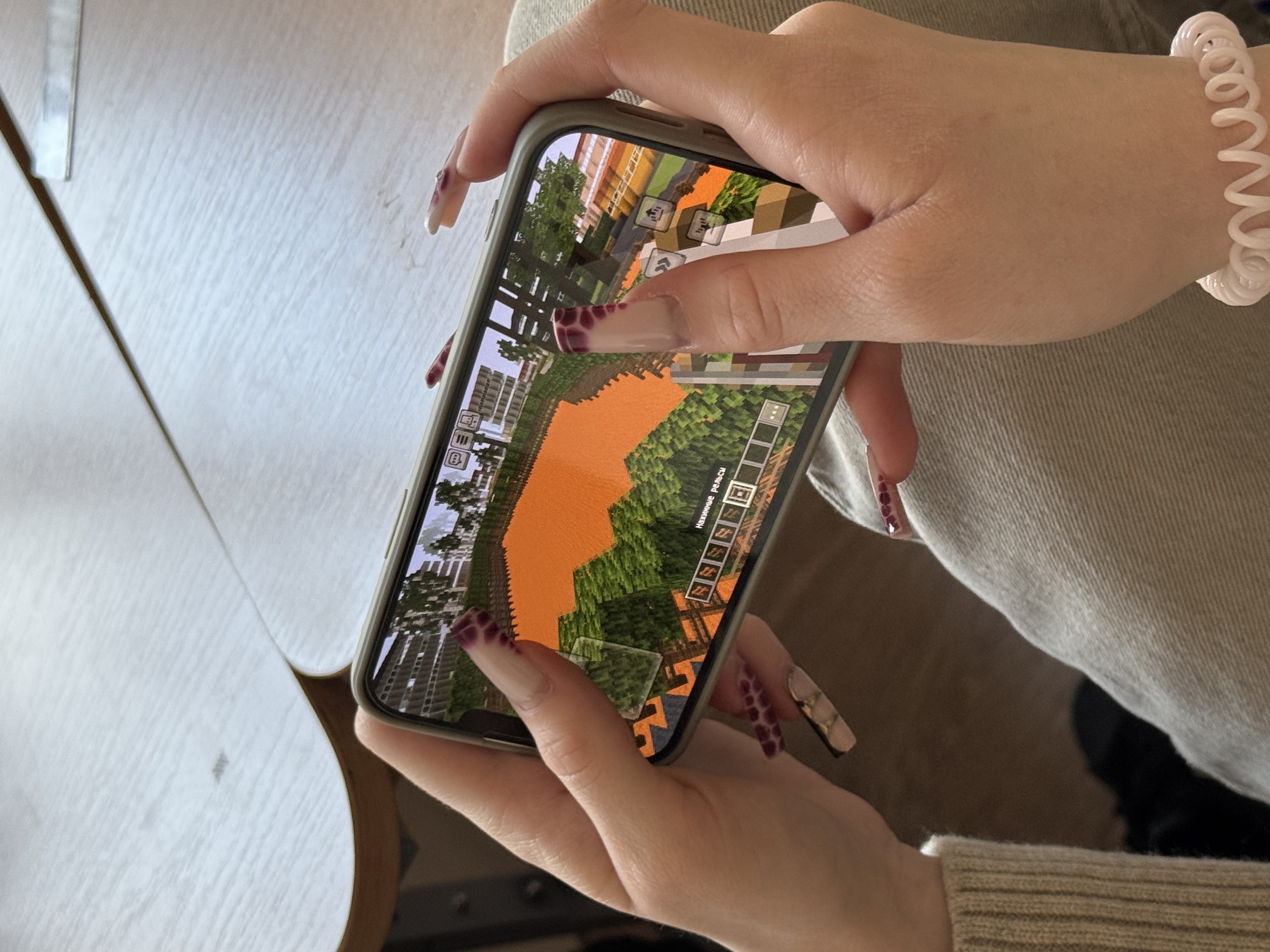
Within the framework of MC-YOU, more than 100 pupils and at least 12 educators from over 10 educational institutions in Riga took part in various educational activities and built development visions on Minecraft Education for different 8 public spaces (there were 3 other pilot cities with similar amount of participants - Faro, Portugal and Sandanski, Bulgaria).
In Riga, we tried to do things differently - the aim was to give young people the opportunity not only to advise the city, but also to actively participate in the planning and designing to become - “development partners” or "co-architects".
At first, we prepared a “Sustainable Minecraft Construction Handbook” together with project partners. Then we trained teachers in Minecraft Education. After that, schools created teams to build visions on Minecraft Education for locations in Riga, Faro and Sandanski.
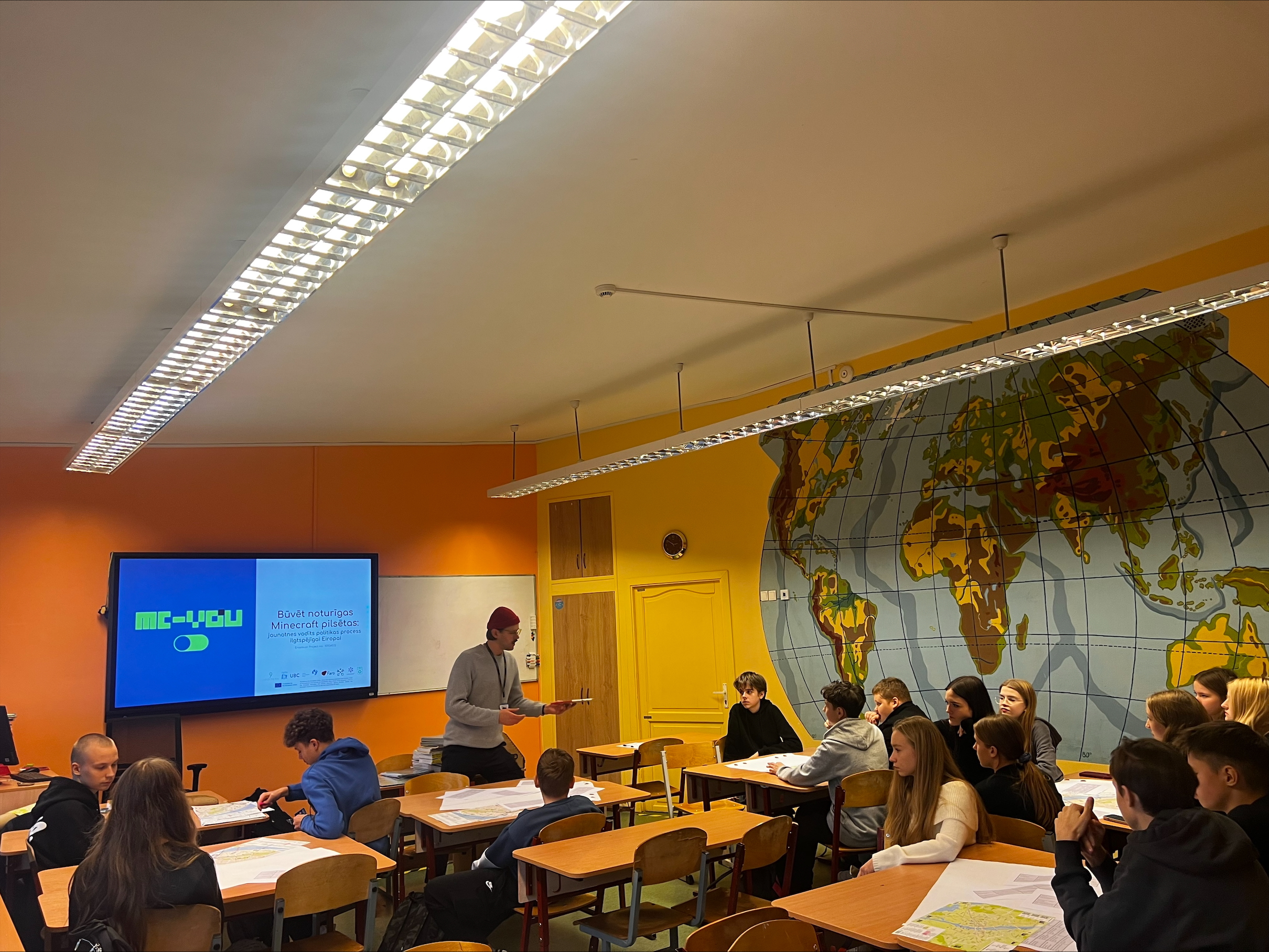
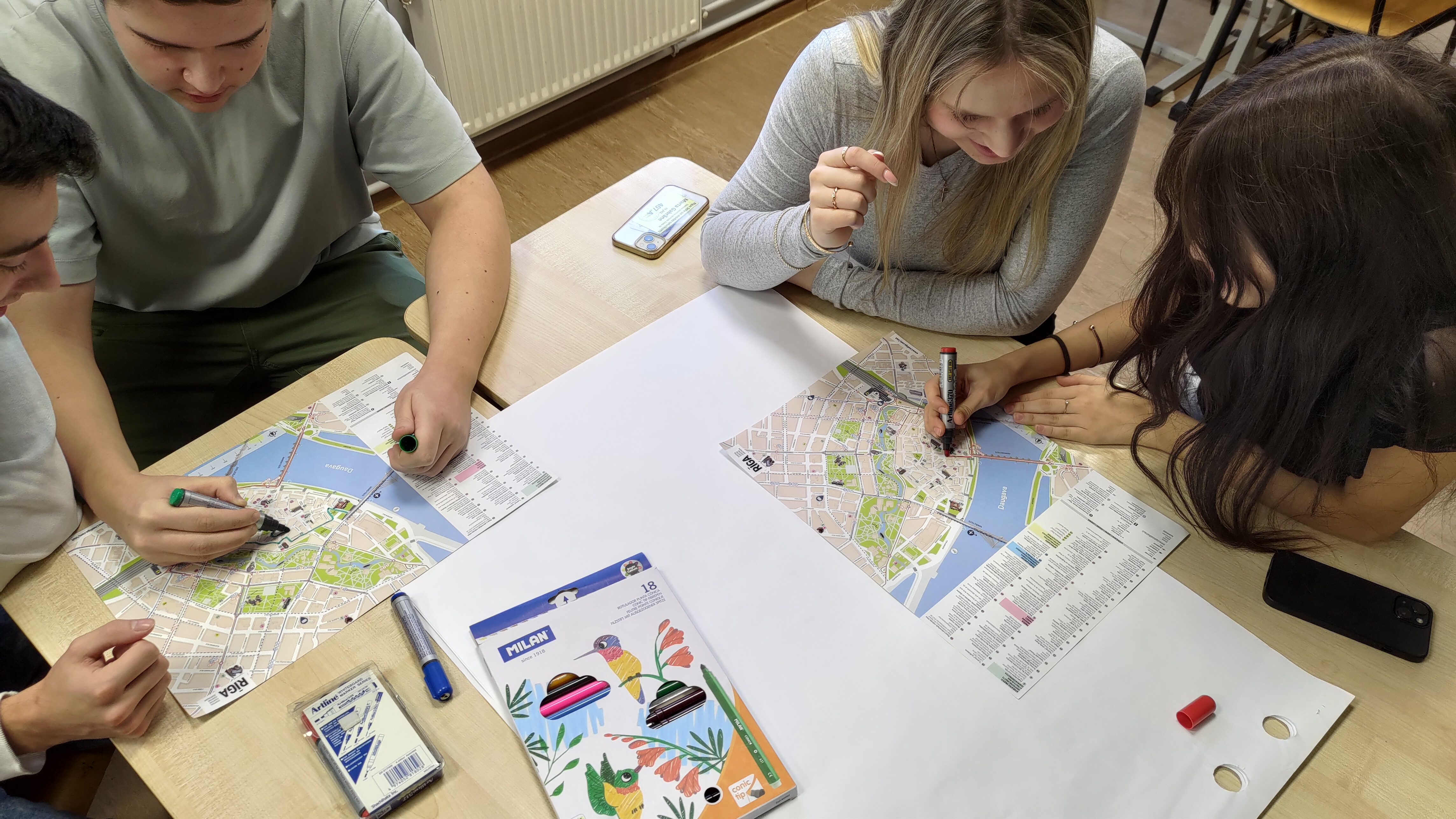
Then Riga developed a special way of practical youth training toward understanding fair, sustainable and resilient cities called "dates with the city". Together with inspiring professionals, we promoted critical thinking about sustainable urban development (sustainable material use, resilient cities, gamification concepts, cities for all people, etc.). After that, a competition of Minecraft designs was announced and 10 teams applied.
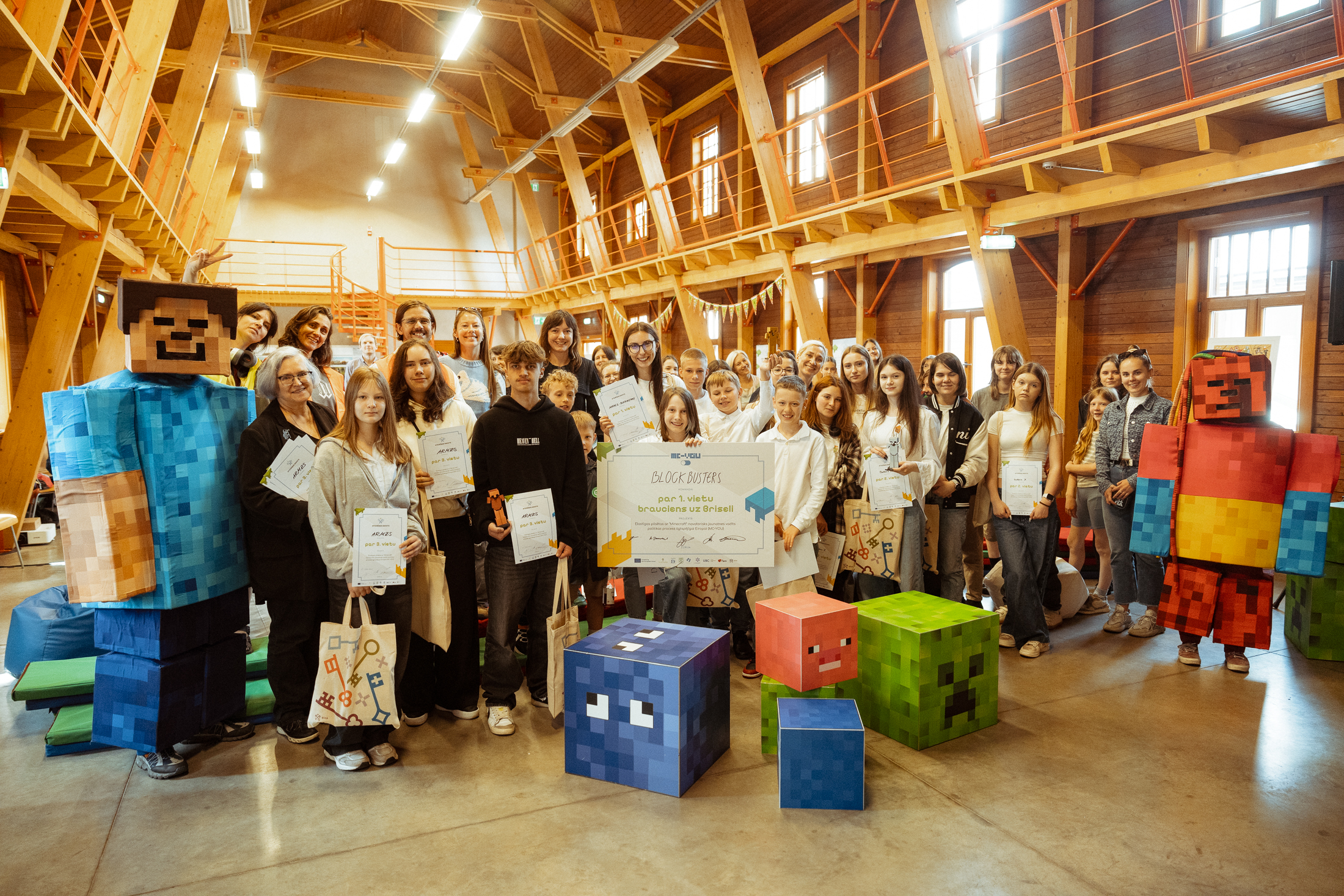
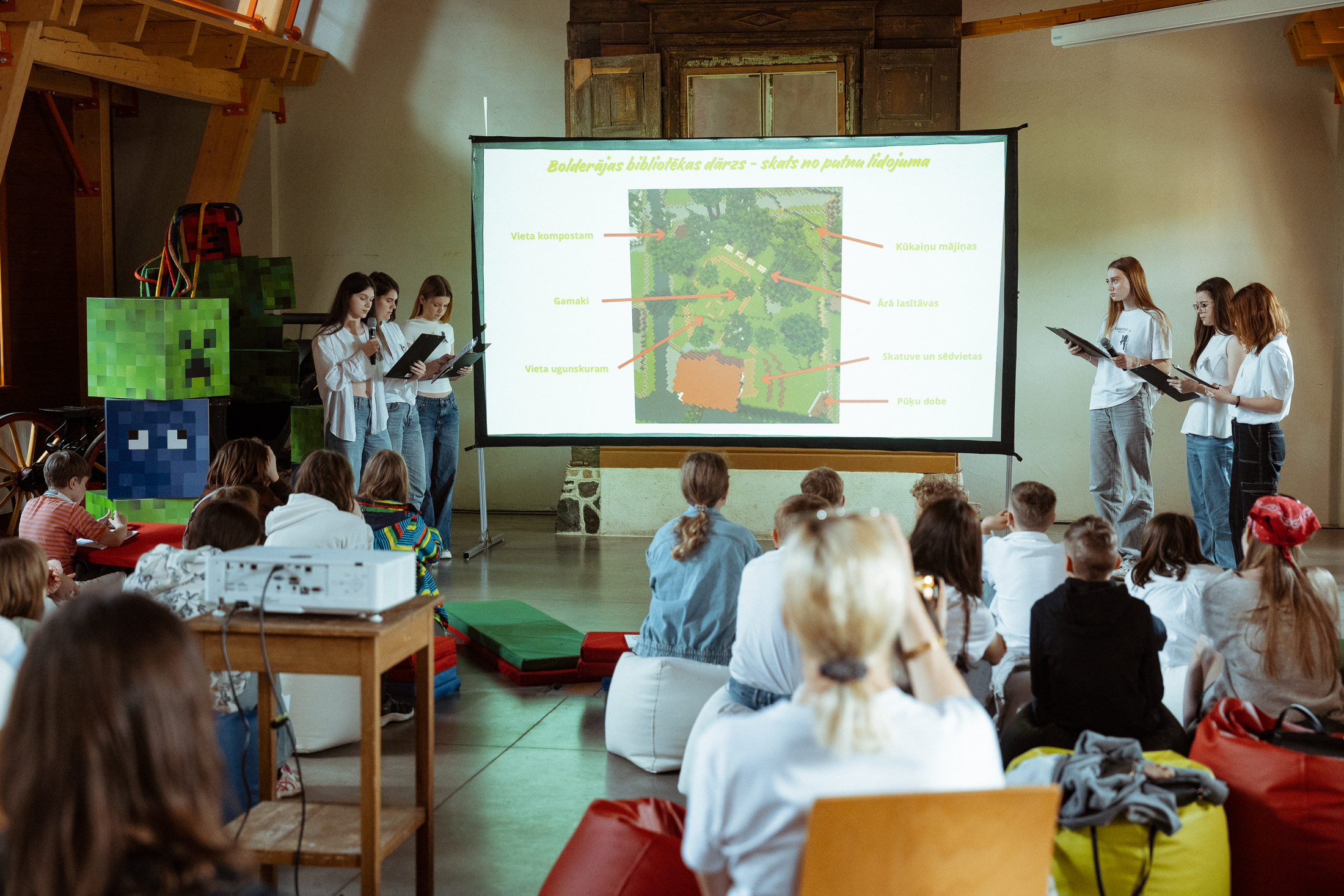
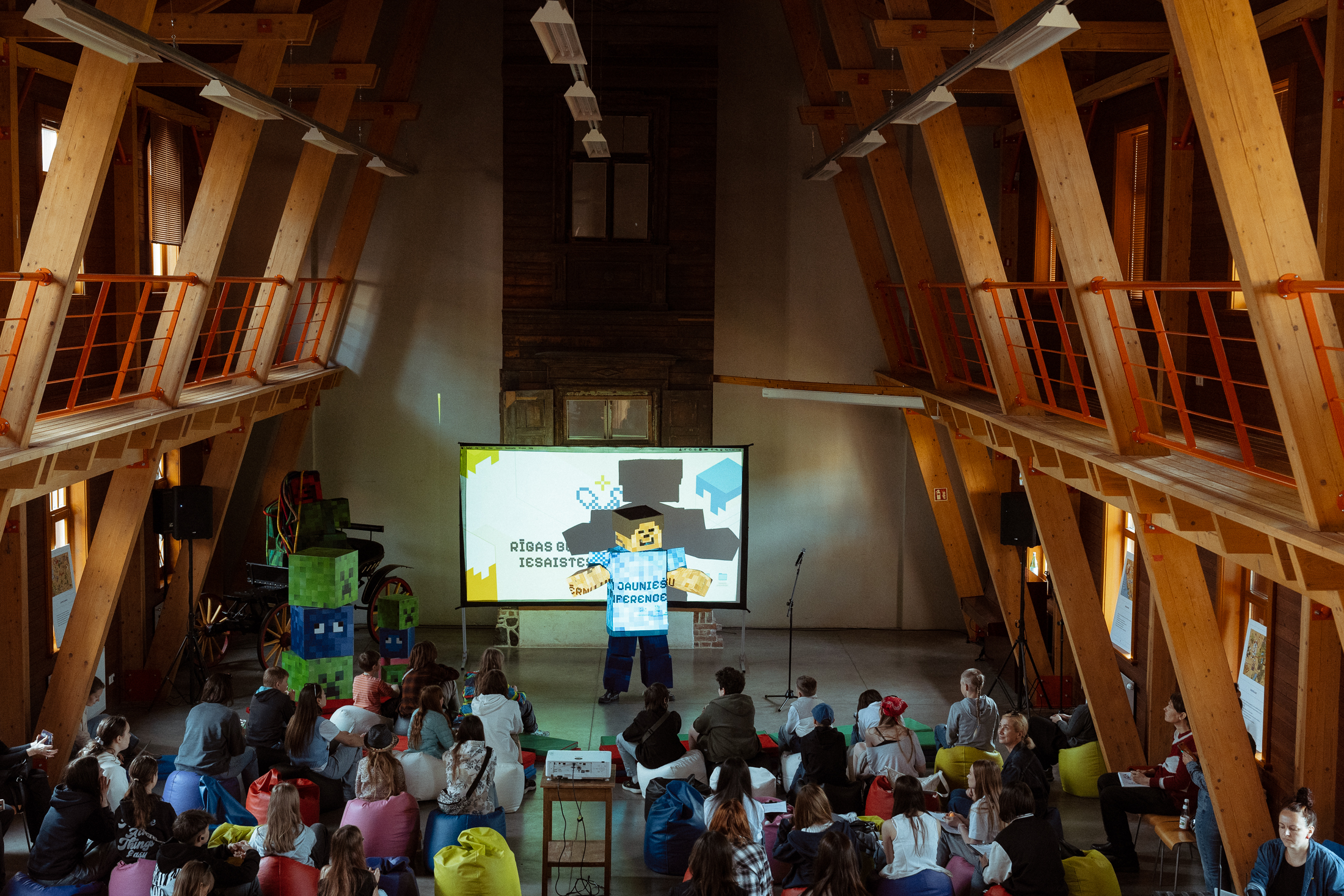
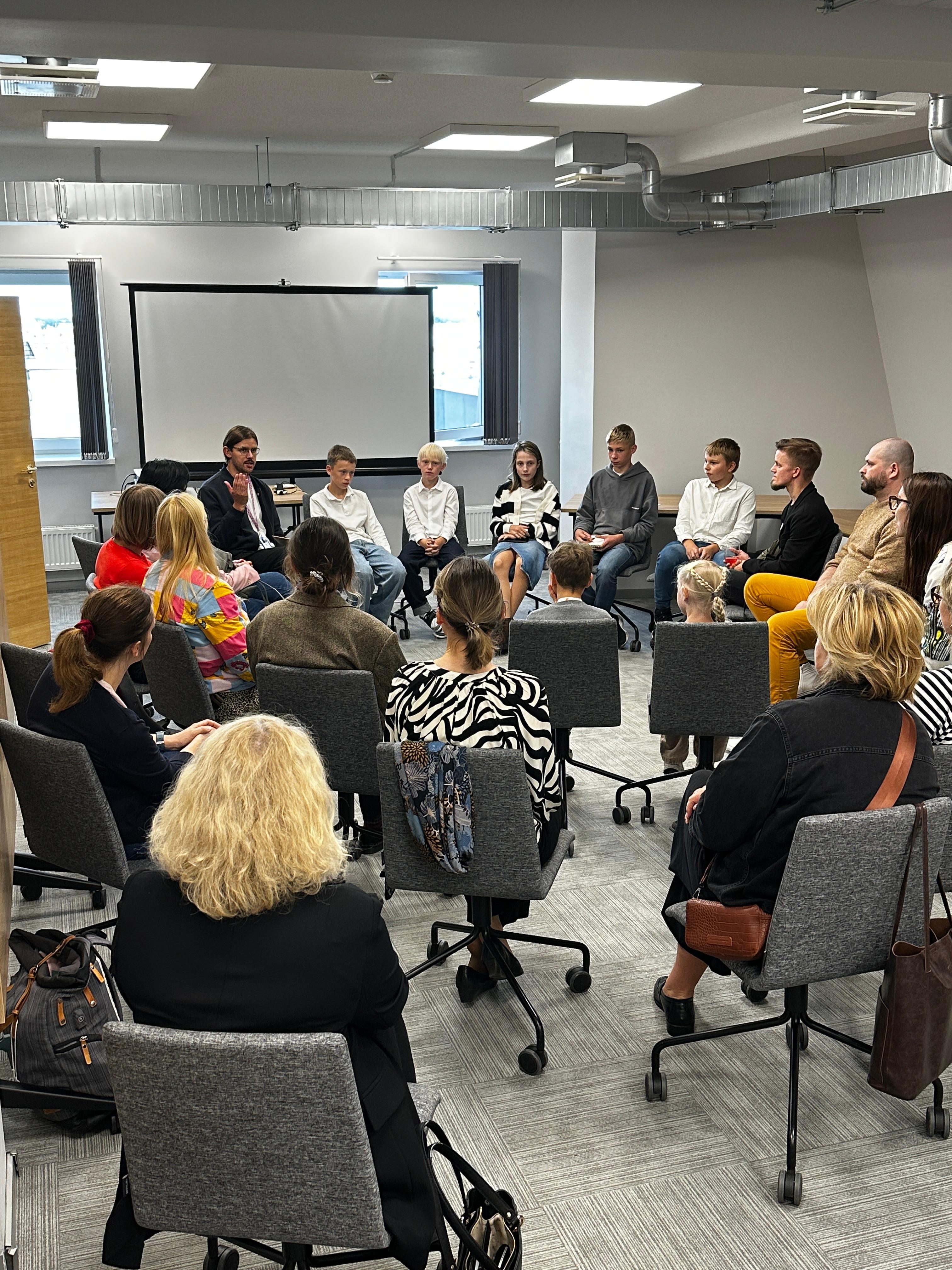
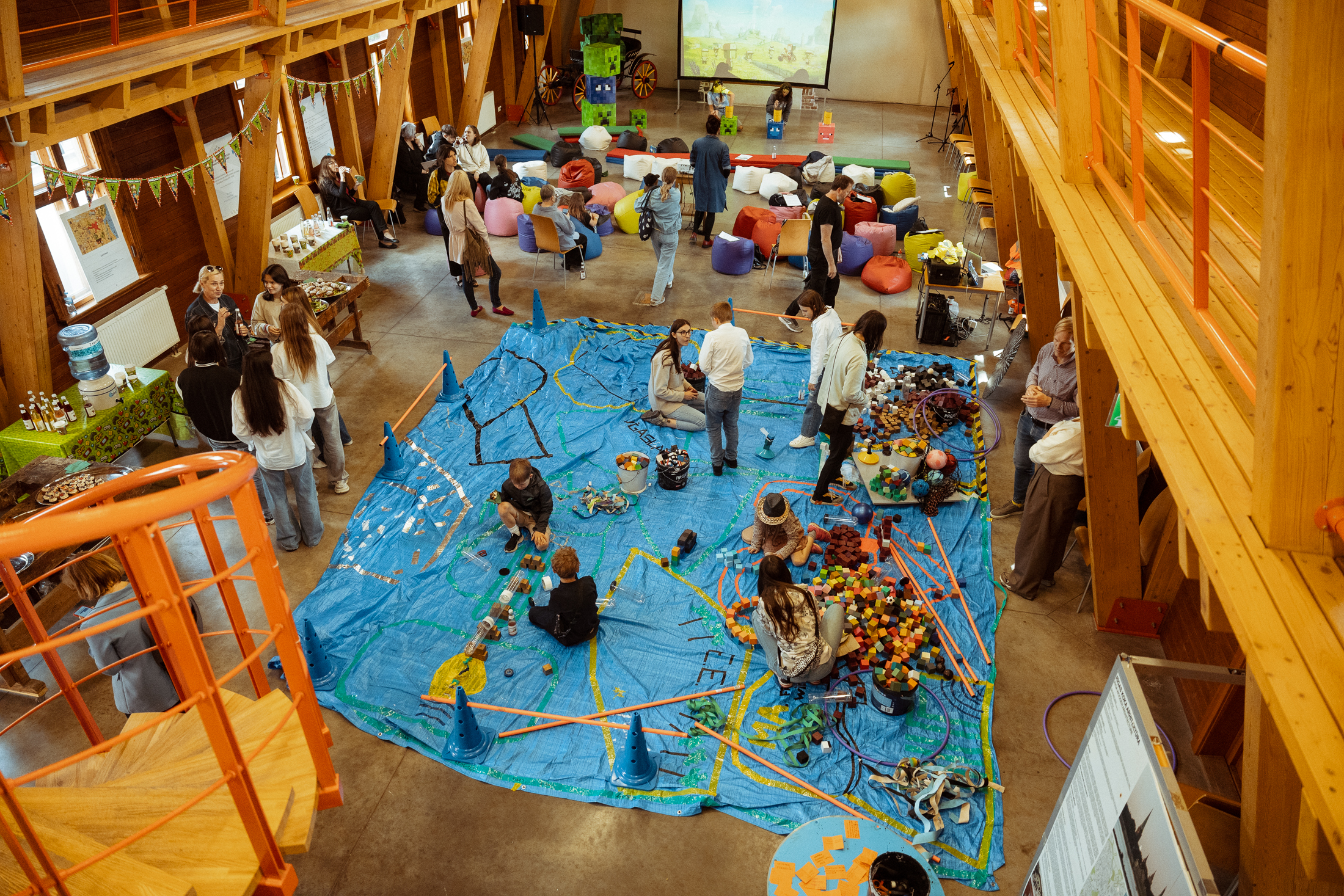
Finally, we organised the first municipal conference of Children and Youth participation (first fully vegan municipal event!). The contents of the conference were only dedicated to youth partnership in stage and visual arts, and urban planning, and featured the final competition of 3 best Minecraft teams, where youth themselves voted.
In result, the winning team's Minecraft vision is being implemented starting of this year.
It all began with a problem - how long can we use Minecraft to engage with youth in Riga until we realize it's entertainment, education or networking - but there is no actual permanent impact in urban environment?
For several years Riga used Minecraft to engage with schools around the city - at first, in 2020 youth teams built real-life houses during the cultural planning project Urbucultural. Then in 2021 we organised the first Minecraft building competition in Riga - with large participation and great results. But... Youth most often served as consultants. As commenters. And we felt that will impact negatively what youth think of their rights to the city, the rights to leave an actual mark in the public.
When the offer to participate at MC-YOU came from Out of the Box, we decided to step-up the game. Is it finally time to think of youth not as mere consultants or commenters, but - as co-designers, co-landscapers and co-designers of Riga?
This philosophy followed the whole project, and in Riga we even developed our own method how to train youth. Because it is very crucial that they have the right tools to understand and develop better cities - this way their visions in Minecraft will be very hard to deny as childish or raw.
In result, more than 100 pupils were trained and 54 of them applied with their 10 visions in Minecraft. Then top 3 visions were presented at the first Children and youth participation conference, and the audience voted for the winner. Actually, the whole project in Riga, not only the conference was all vegan - seems like the most sustainable way
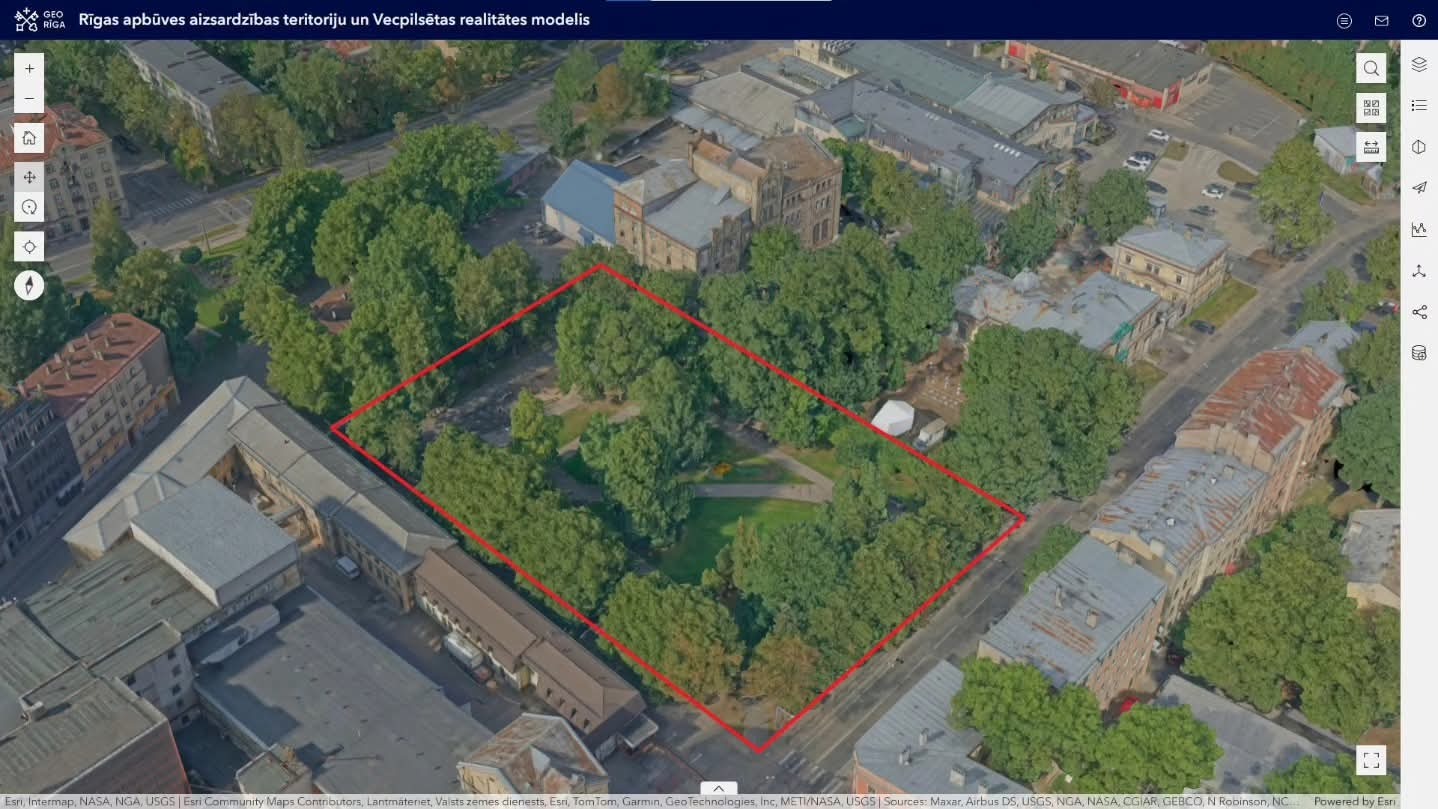
After the conference, MC-YOU required a mandatory meeting with urban specialists and politicians at the municipality to agree on following steps with one condition - the winning vision must be implemented in real life. This resulted in a 1, 3 and 5-year plan of interventions in public space in order to reconstruct one public square - almost 1-on-1 how the winning team saw it in Minecraft!
sustainability
cities for people
gamification
resilience
community co-design
The overall purpose of MC-YOU was to improve skills and understanding of what sustainable urban development is (the purpose of "strong sustainability', significance of material use, circularity, 15 minute cities, the resilience of urban spaces, gamification concepts, cities for all people, nature-based solutions etc.).
In Riga, the focus was on public spaces and their resilience toward various situations - therefore we wanted youth to learn that public spaces must be resilient, green, effective, smart and flexible.
Those were the general subjects that were included in the majority of the training handbook, used during the youth training and during "dates with the city". During the training and "dates", there were multiple practical exercises carried out together with multiple specialists of heritage, greening, neighbourhood policies etc. to guide the teams toward what more sustainable and resilient cities are.
Also sustainability and adaptability were one of the main criteria when evaluating Minecraft visions. Each team that understood environmental, social and economical sustainability and resilience the best, were closer to winning the competition.
We were lucky the project outputs were highly visual - therefore the visual quality was one of the main principles for teams to succeed. Two of the evaluation criteria were dedicated to 1. superb visual capacity of Minecraft visions (including photo documentation of designing and visioning of spaces and work in process, also video and screenshots and their quality of visions themselves etc.) as well as to 2. creativity, originality and innovations.
In the final event, the visual qualities of presentations by the finalists were also evaluated separately - so, the more aesthetic, joint and coherent the vision was, the better the result.
Also, the project was very much documented - there are dozens of photos and videos after the event left that emphasize the beauty of youth participation.
At first, the project was based on youth inclusiveness - they were the main audience of MC-YOU and co-designers of public spaces.
At second, in the handbook, during training and especially when organising the "dates with the city", it was mandatory to teach youth that it is important to include as many opinions and needs, and rights of the local communities as possible in order to create responsible Minecraft visions.
Therefore, during the "dates" (that were always open to public), local NGOs, resident representatives as well as various professionals were present and had their presentations and stories, so participants could hear local needs and keep that in mind when developing uses of their visioned territories.
At third, inclusiveness, and creating visions relevant to various groups and various needs of communities was also one of the main criteria when evaluating the visions. Therefore - in order to win, every vision needed to address as many ages (including youth and seniors) and as many groups (accessibility, addressing local needs, functionality etc.) and as many usages (entertainment, recreation, natural, learning etc.) as possible.
Without total youth and community involvement, this project would not simply exist.
The main designers of the results were youth, the main consultants were locals, NGOs and specialists, and the beneficiaries of the results will be everyone visiting the revitalised square. So - there would be no teams if not the youth, there would be no visions if not the involvement of locals, there is no actual change of the square without the building project if not the city specialists and politicians.
Also, the winning team's school is right around the corner from the square, therefore the team changed their own closest green space in the city and put in the vision everything they would like to use and enjoy, and will use and enjoy themselves.
To be honest - we wanted to do multilevel governance less and bottom-up governance more.
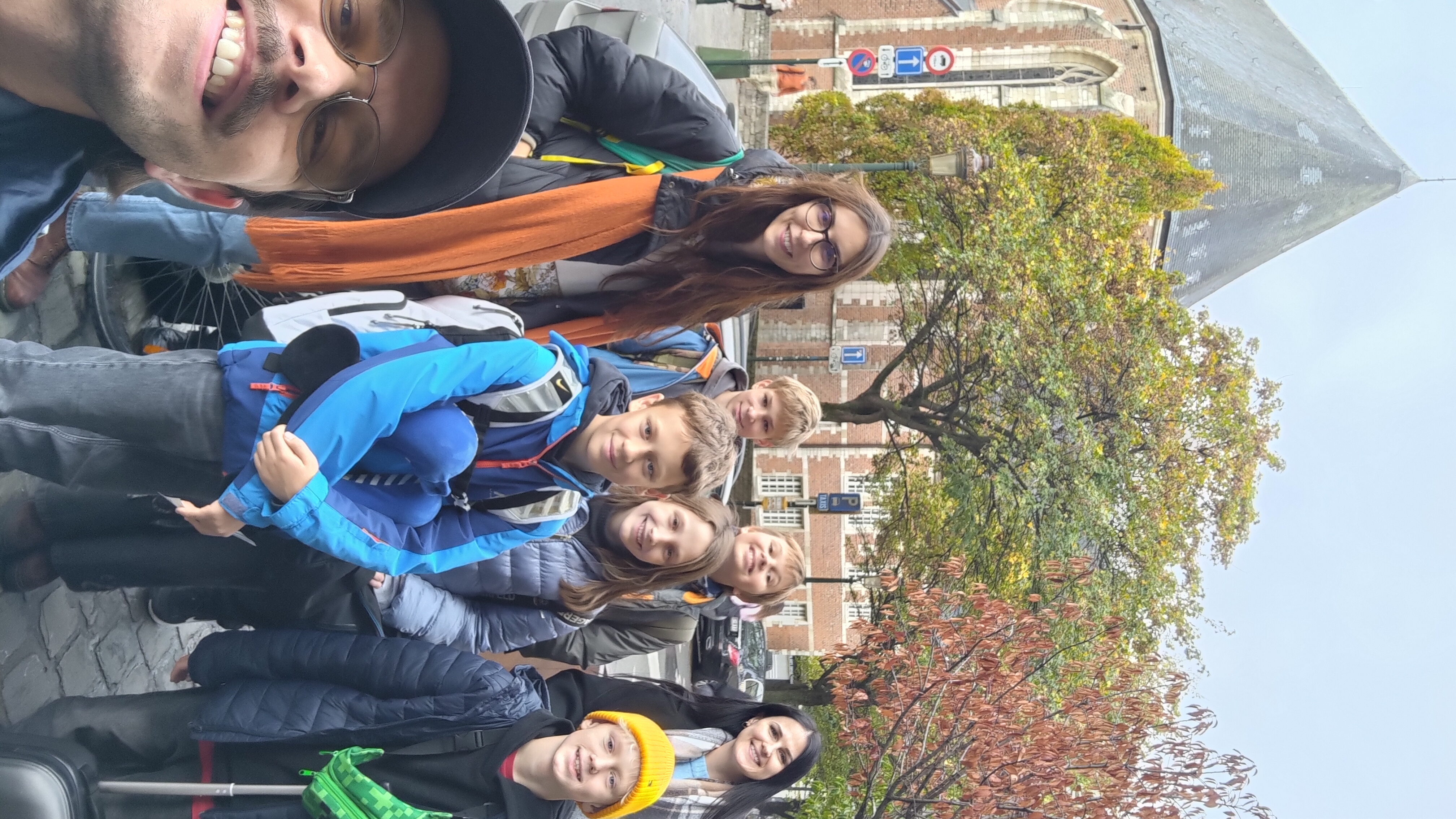
Yes, this was an Erasmus+ project lead by an organisation in Brussels with pilots in Portugal, Bulgaria and Latvia, with municipal specialists and local residents serving as guides and consultants, and politicians listening and creating green-light situations for implementation.
But the main purpose of the project was to emphasize the rights, needs and directions youth deserve to set themselves. In this case, in Riga we wanted them to define the problem, find the solution and design the solution for the adults to implement. In Riga, and we believe in many cities, this seldom happens - total listening and implementation of youth initiatives. Everything after that was just a multilevel implementation.
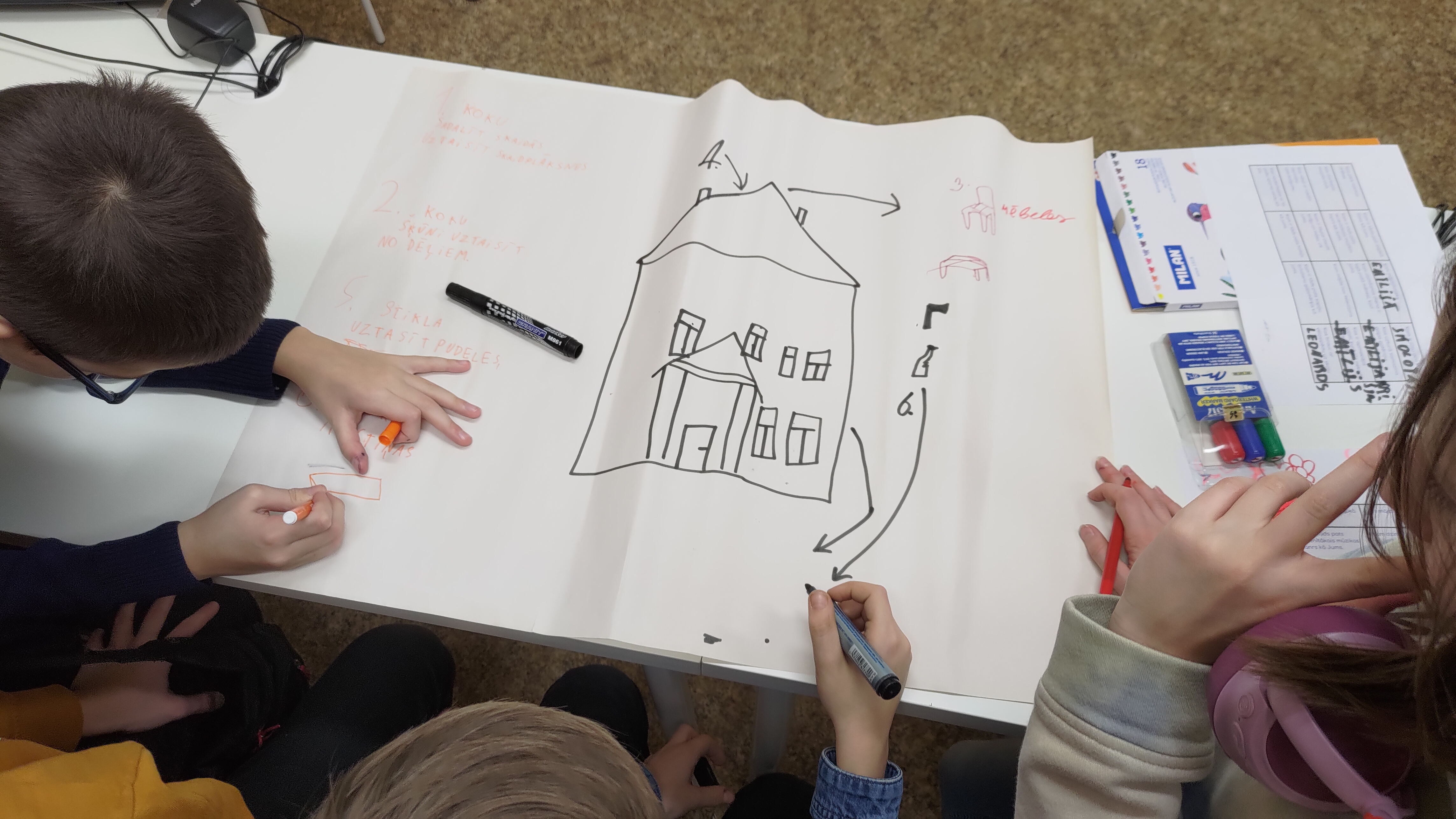
MC-YOU turned out to be a very interdisciplinary project - at first, in order to create Minecraft visions, it was important for youth to gain knowledge of architectural, landscaping, gamification, educational and digitalisation tools and methods. Many teams used sketching and prototyping methods - creating real-life models or drawn sketches of their visions before put into Minecraft.
Then the consulting also required using design principles, community engagement skills, researching, mapping and networking skills - in order to find out, participants needed to ask questions, to go outdoors in urban dives, map and document their locations.
Finally, many teams created videos of their visions. For some teams, such videos and presentations were a first time experience.
Important to add - the final visions were not only landscaped public spaces, they included newly built buildings, skateparks, and even sculptures. Therefore - each Minecraft vision was an artwork within artwork itself.
There is no business model behind the initiative because the process was organised by public sector about public spaces for the sole purpose of public needs.
However, we see the MC-YOU method to become a staple tool for youth engagement, co-designing and co-creating for the municipality and elsewhere, emphasizing the implementation model instead - training, visioning, consulting, applying, evaluating, agreeing and implementing.
However, we see the MC-YOU method to become a staple tool for youth engagement, co-designing and co-creating for the municipality and elsewhere, emphasizing the implementation model instead - training, visioning, consulting, applying, evaluating, agreeing and implementing.
Riga's experience of MC-YOU has turned out to be a full method of co-designing public spaces anywhere. The two years of MC-YOU and learning from other cities and other project partners have ended up with a set of clear and tested tools and steps that, when taken, can end into very strong visions implemented by, to be honest, any general or marginalised group - be it youth, seniors, people with disabilities or refugees, and be it the general public.