Arts, Culture, and Heritage as Drivers of Change
Arena Urbana
Il Giardino degli Arcieri - Arena Urbana
A flower bloomed in our Giardino degli Arcieri—and with it, a forgotten place came back to life. What was once abandoned is now a community-led urban garden and open-air venue. Through Arena Urbana we make it flourish with culture, social connection, art, participation and music—powered by km0 local food, zero-waste practices and low-impact, lightweight design. A living lab where beauty, sustainability and inclusion grow together.
Italy
Local
Grosseto, Toscana
Mainly urban
It involves a physical transformation of the built environment (hard investment)
Yes
2025-10-31
No
No
No
Organisation
Arena Urbana is based in Giardino degli Arcieri, an urban garden in Grosseto (Tuscany, Italy) that was once abandoned and underused. The project’s aim is to turn it into a lived, safe and welcoming urban commons by combining care for nature with culture, social connection and community-led governance.
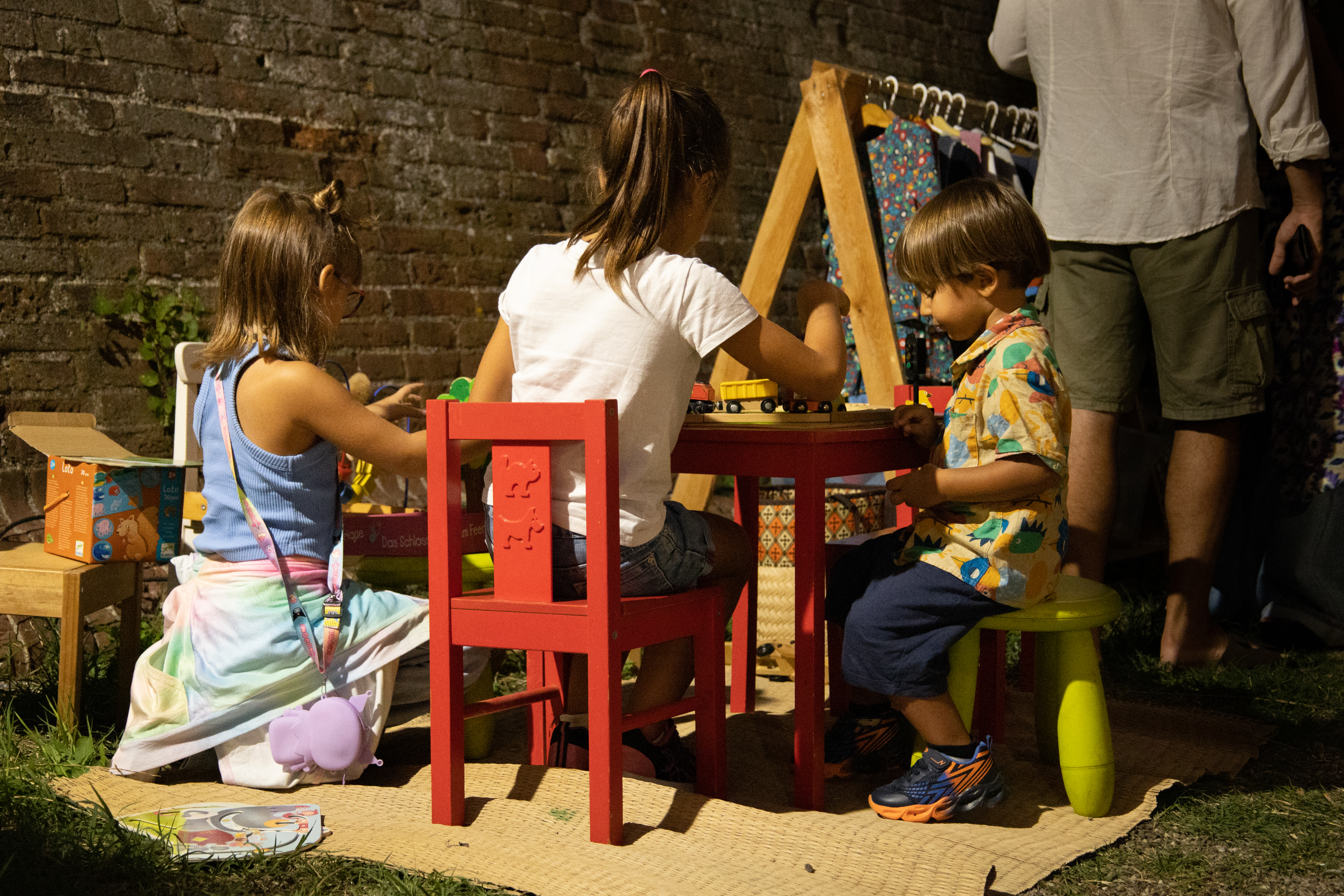
Our target groups are local residents and the surrounding neighbourhood (families, young people, older adults), cultural audiences, citizens seeking accessible outdoor social life, artists and cultural workers, local associations, and local producers/suppliers (km0 and organic).
Specific objectives
1. Reactivate a neglected public space through regular positive use.
2. Make culture and circular economy affordable and accessible.
3. Deliver events with NEB-aligned practices: low-impact and beautiful set-ups, zero-waste actions, and km0 + organic food and drinks.
4. Build a participatory model where citizens and civil society co-design, co-produce and care for the place over time.
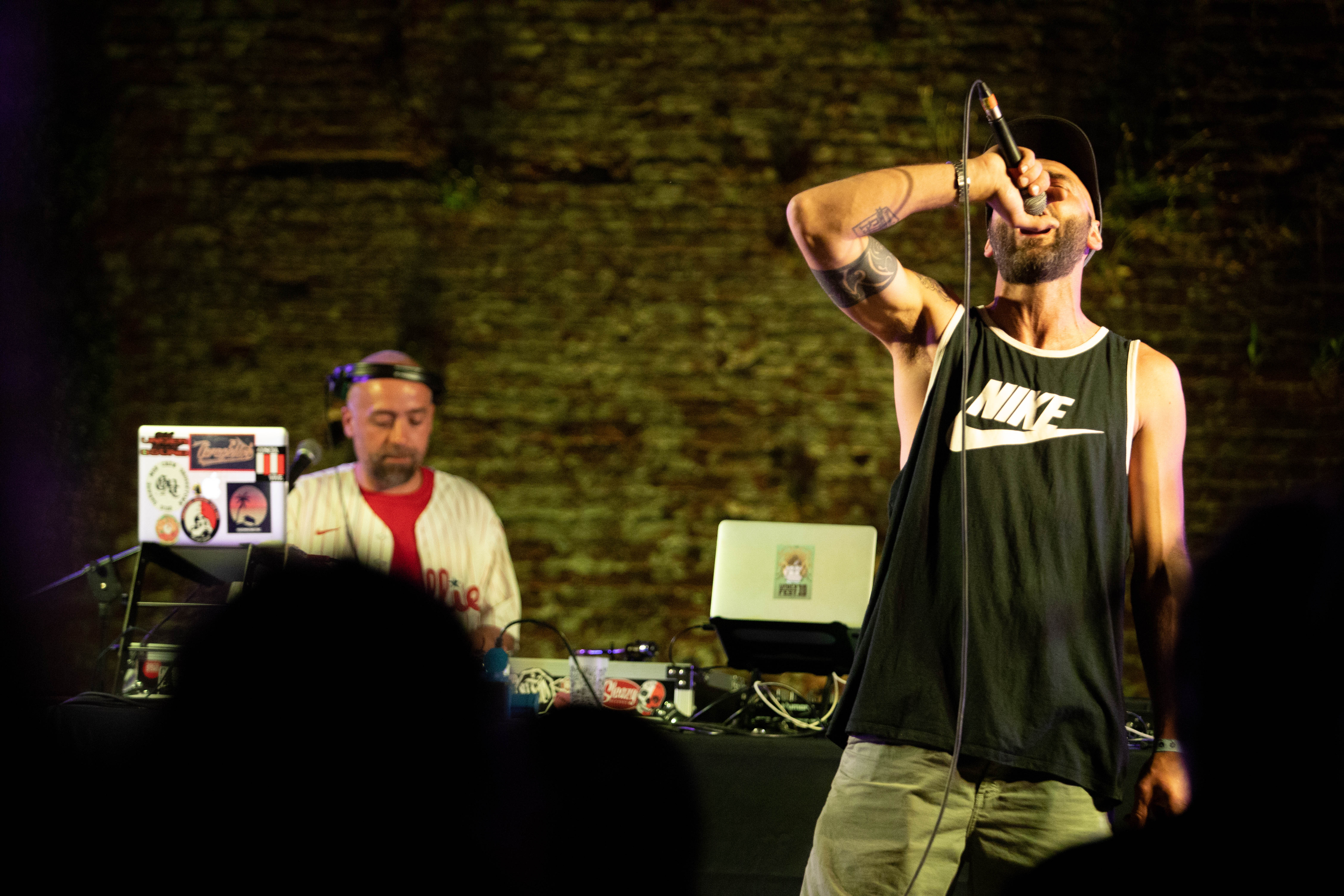
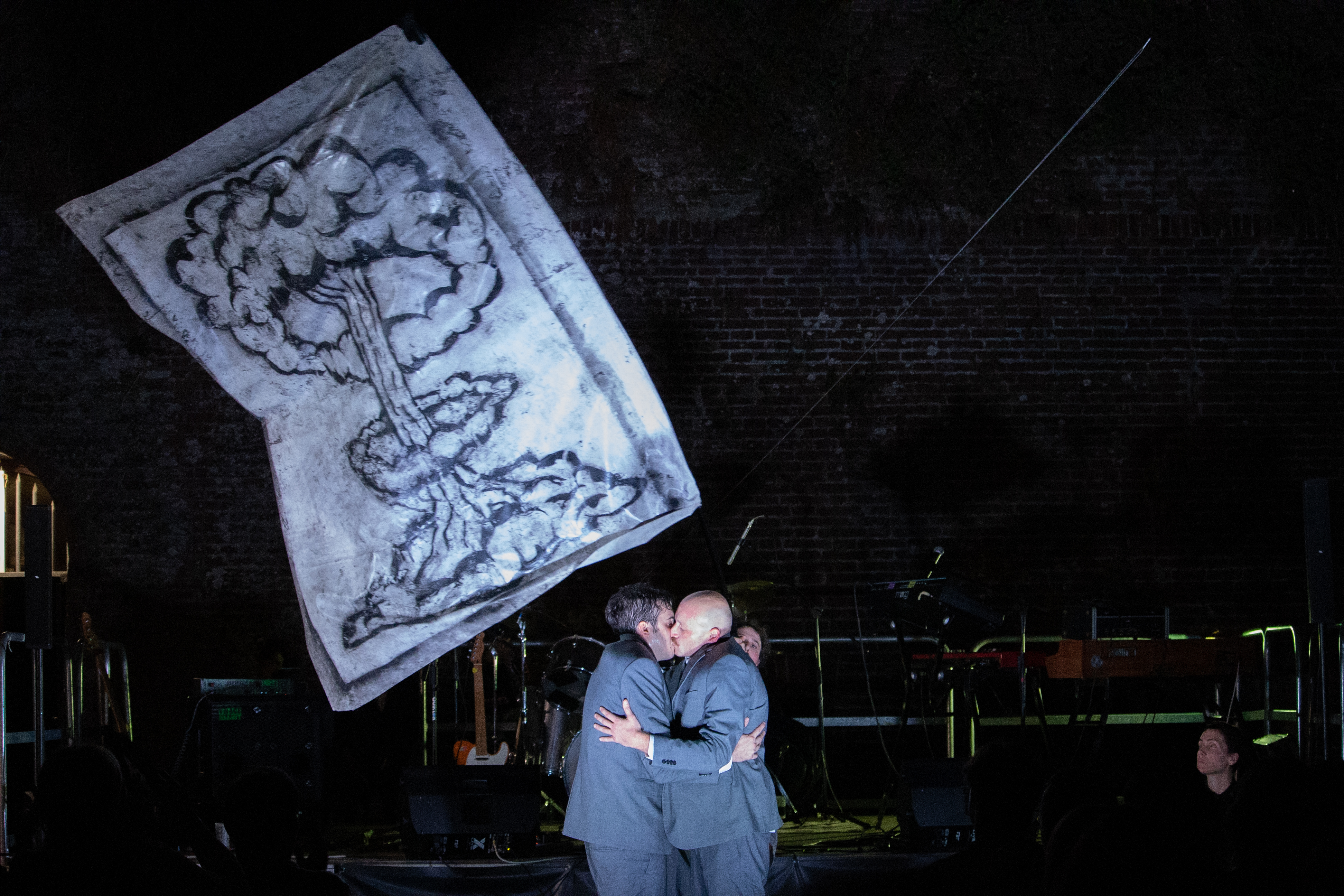
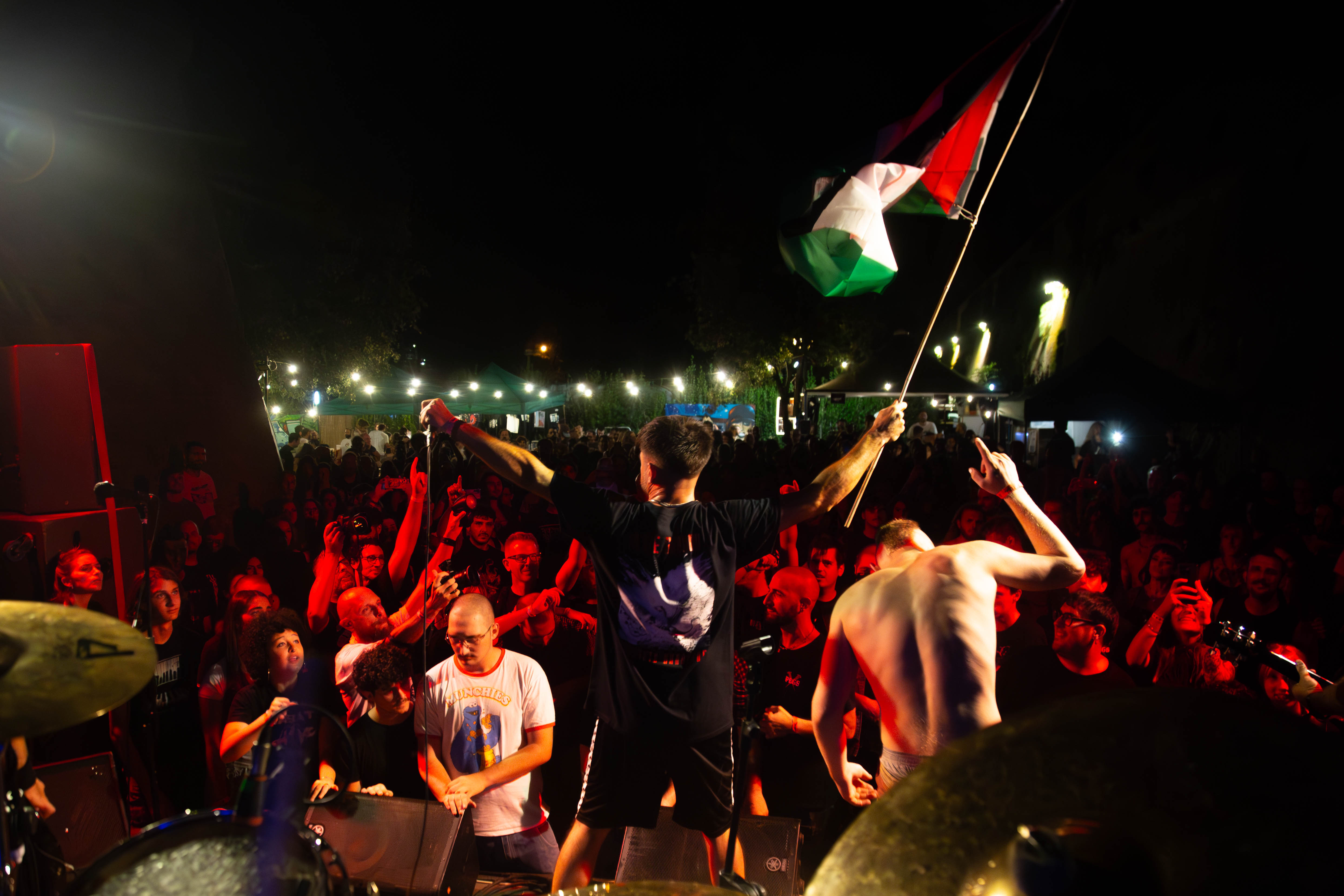
Arena Urbana is a programme of concerts, talks, workshops, open-air cinema and community gatherings. A growing network of citizens, associations, artists, local producers and institutions now contributes to programming and stewardship. Visible changes include improved decorum and safety, higher everyday use, and stronger neighbourhood ties. A recurring feedback is that many visitors discovered the place—and local artists—only through the programme, effectively “rediscovering” their city. Continuity has strengthened by progressively turning part of initial volunteering into paid work within the managing community cooperative.
Arena Urbana shows a replicable pathway for city regeneration: culture-led activation + community governance + practical sustainability (reuse, zero-waste, km0/organic) as a low-cost, high-quality way to make public spaces more beautiful, inclusive and resilient—proving there is always a way to be together.
All began in 2020, when members of our community returned to Grosseto and rediscovered a central space that felt peripheral: an abandoned garden that had become a hotspot of syringes, waste, broken glass and drug dealing. At the same time, people urgently needed to meet again outdoors, rebuild social life and reclaim public space, while underground and emerging cultural scenes had no room to express their potential.
The combination of care, safety, social connection and cultural access sparked the project. We opened a dialogue with the Municipality of Grosseto. Our initial ambition was a 30-year concession to launch a participatory restoration of the whole site, financed through social bonds. After a year of negotiations we obtained a concession for the external area, and we chose to start there, step by step.
Citizens, associations, artists, local producers and institutions took part, with decisions shaped through open co-design moments and shared responsibility, alongside the ongoing dialogue with the Municipality.
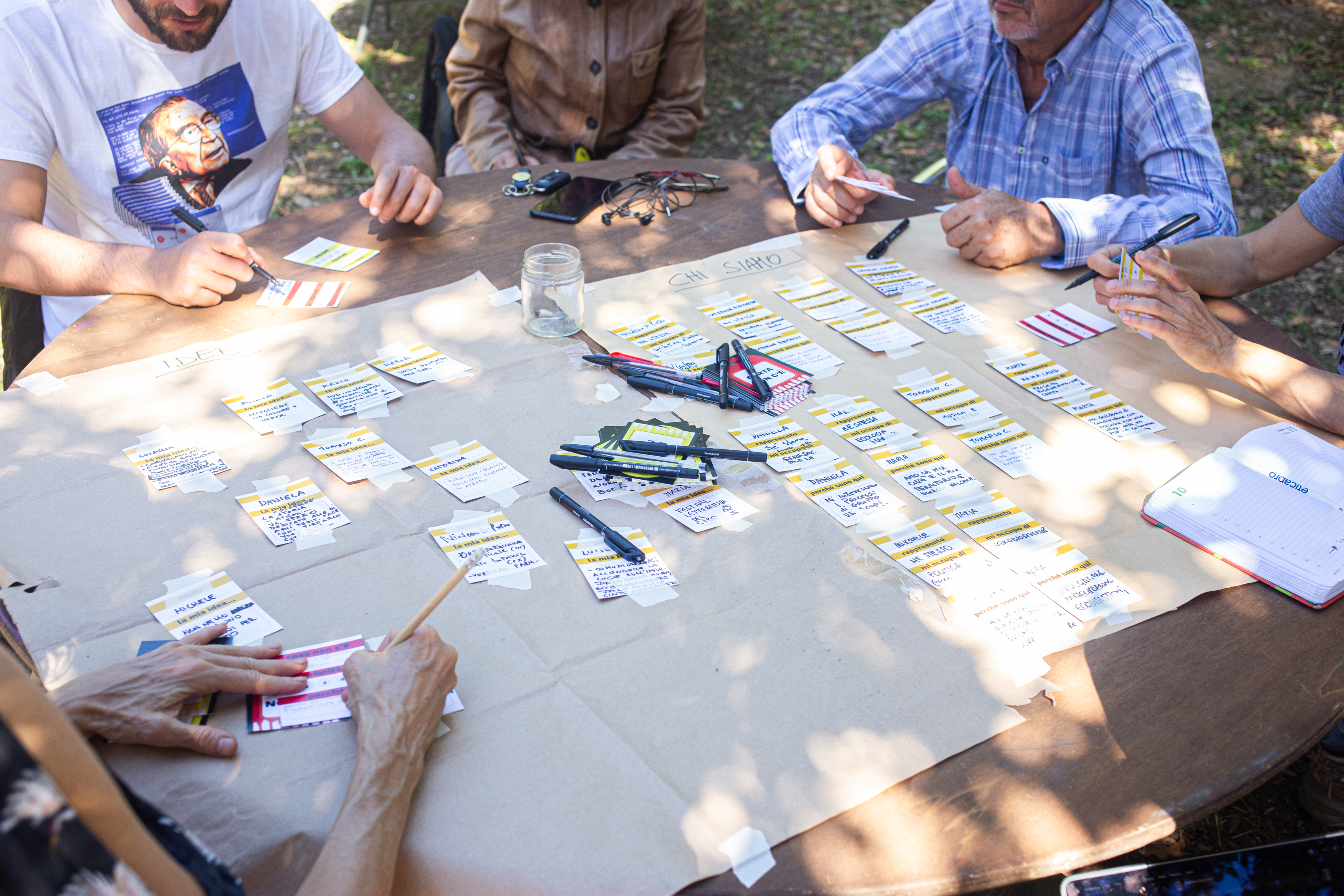
Main phases: (1) listening and mapping needs and risks; (2) co-design of the set-up and programme; (3) testing via pilots and improvements; (4) implementation through the concession; (5) evaluation and iteration through feedback. Tools included civic imagination pathways, open calls for proposals and iterative planning inspired by design thinking and lean experimentation.
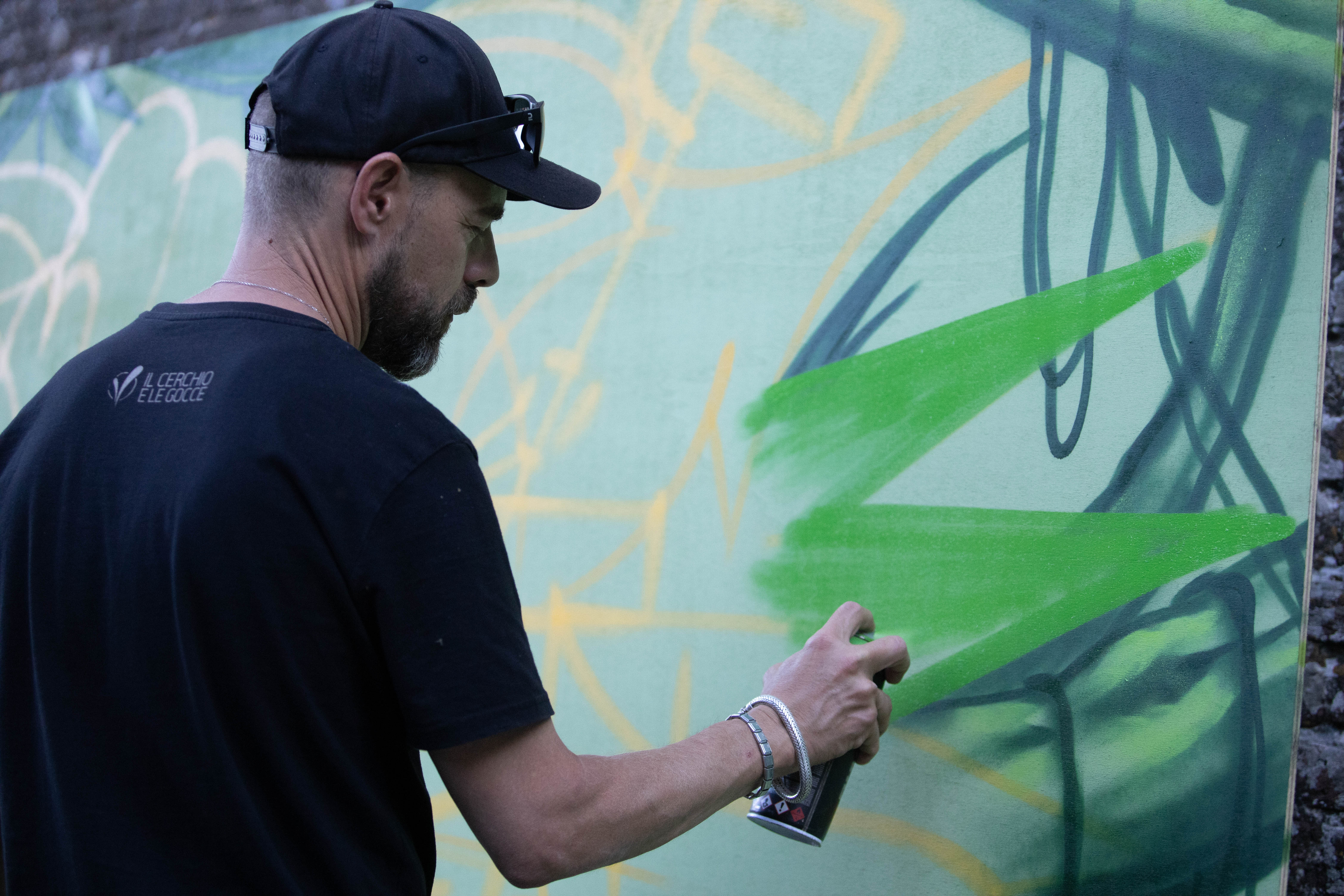
Arena Urbana then became an annual programme of concerts, reuse markets, workshops, theatre, open-air cinema, tastings, community activities and podcasts—delivered with NEB-aligned practices: low-impact set-ups, circular actions, inclusive formats and prices, and organic km0 food and drinks. Over time, the site shifted from abandoned to lived: safer, more frequented, and recognised as a shared urban commons.
Community-led regeneration
Arts & culture for wellbeing
Participatory co-design
Circular economy / zero-waste
Local democracy & social inclusion
Arena Urbana at Giardino degli Arcieri treats sustainability as a concrete, everyday practice applied to a reclaimed urban commons.
Our objectives are: reduce the environmental footprint of cultural events; advance circularity and eco-design through reuse and waste prevention; strengthen nature-based regeneration by activating an existing green space; and support local, biodiversity-friendly value chains through organic and km0 food.
We reuse what already exists and avoid new permanent infrastructure, relying on lightweight, modular and reusable set-ups to minimise materials, transport and waste. Our bar is a refurbished caravan, extending the lifecycle of an existing asset. We use reusable cups, provide free tap water, prioritise waste prevention and separate collection, and host reuse markets that make circular habits visible and attractive. Organic and km0 sourcing is embedded in the food and drink offer, linking cultural participation to sustainable agriculture and local enterprises.
Since 2020, sustainability measures are part of the standard operating model of the programme (reusable systems, tap-water access, waste prevention, circular initiatives and local sourcing). These choices have become recognisable features of the experience and support the continuity of the initiative while keeping it affordable and rooted in the territory.
Arena Urbana shows that sustainability can be delivered “for real” in everyday city life: not as a one-off pilot, but as a repeatable method for cultural activation of public space, where eco-design, circular practices and organic local supply chains are integrated into operations and can be transferred to other urban commons.
Arena Urbana treats beauty as something people can live, not just look at. It turns an overlooked green space into an inviting open-air “room” in the city where light, sound, and people are curated with care, and everyday encounters become possible again. In the longer term, it makes the city more beautiful by stabilising a culture of care: a public space that stays clean, safe, welcoming and culturally alive so people can always find a way to be together.
The first aesthetic gesture is maintenance: cleanliness, order and attention to details that make people feel welcome and safe. We create a warm atmosphere through coherent elements: soft lighting, comfortable layouts and a stage setup that respects the garden and the neighbourhood. Because the programme is regular, beauty is not occasional: the place remains alive beyond single events, and the neighbourhood experiences a visible change in decorum and care.
Quality of experience is designed for wellbeing and comfort: the garden setting, curated sound and light, seating options and readable flows invite people to stay. The five senses are activated through the combination of nature and culture,listening to music and voices, feeling the openness and comfort of the space, and tasting organic km0 food and drinks with free tap water as part of the experience.
Aesthetics is also relational and co-designed: people recognise themselves in the programme, volunteer, bring friends, and feel responsible for the space. Civic imagination activities transform spectators into caretakers, building a shared identity around “our place” rather than “a venue”.
Exemplary character lies in proving that high-quality cultural experiences can be created with low-impact, lightweight design: reusable cups, a refurbished caravan as a bar, modular and reusable furniture, and circular choices that become a visible “language” of the place where sustainability itself becomes beauty.
Arena Urbana promotes inclusion in four ways: economic (affordability), spatial (accessible public space), cultural (low-threshold access to culture), and governance (shared decision-making).
We keep entry barriers low through free or low-cost activities, varied formats and times, and a welcoming outdoor setting in the city centre. Pricing is designed to remain accessible while fairly valuing artists and workers. Small barriers are removed through clear information, simple ticketing when needed and free tap water on site. The bar offer is based on organic and km0 products with transparent, fair pricing, so sustainable choices are not a luxury. The space is arranged to be readable and comfortable clear layouts, lighting, seating options and the programme mixes quiet and energetic moments (talks, workshops, cinema, concerts), allowing different ages and needs to choose how to participate.
Citizens, associations, artists, local producers and institutions contribute via open calls, co-design meetings and civic imagination pathways. Volunteering and community roles offer multiple entry points beyond consumption, turning participation into shared responsibility and care.
The site shifted from underused and degraded to a cared-for urban commons, with increased positive presence and a wider mix of people attending across generations. A recurring feedback is that many visitors discovered the place and sometimes local artists only through the programme, and then returned with friends, strengthening belonging and social cohesion.
The project shows that culture-led regeneration can be inclusive when it is community-led, affordable by design, and governed through transparent, replicable participation making everyday “being together” possible while keeping sustainability and quality within everyone’s reach.
Arena Urbana at Giardino degli Arcieri was participatory from the start, involving residents, citizens, associations, artists, local producers and civil society groups who benefit from and are affected by the project. In 2020, when the area was marked by decay (waste, broken glass, syringes) and felt unsafe, the neighbourhood expressed a clear need: reclaim the place, restore decorum and safety, and create opportunities to be together outdoors.
Participation was structured in two key tracks. The first focused on space set-up and welcoming: co-designing layout and flows, basic rules of use, safety and care routines, and lightweight low-impact solutions to make the garden usable and comfortable. The second focused on building the cultural programme: shaping Arena Urbana’s identity, formats and priorities, and co-producing activities through open calls, meetings and civic imagination moments.
Stakeholders were involved across the main stages: design and decision-making (co-design sessions on use rules, accessibility, affordability, sustainability practices and programme priorities), implementation (volunteer shifts for maintenance and care, hosting and welcoming roles, co-production with associations and cultural actors), and evaluation (continuous feedback and learning that iteratively improved organisation and experience). Their influence was concrete: community input directly shaped what happens in the space, how it is used, how it is priced and accessed, and how care and sustainability are practiced.
The impact has been structural: participation created trust and ownership, increased positive presence, and generated a continuous feedback loop that improved accessibility, affordability and overall quality. It also strengthened relationships with local institutions, enabling implementation through a formal concession and an ongoing dialogue on long-term regeneration.
Arena Urbana at Giardino degli Arcieri is implemented through multilevel governance that connects community initiative, local public administration, regional support and a European framework.
Local: citizens, residents, volunteers, associations, artists, local producers and small organisations co-design and co-produce the programme through open meetings, civic imagination pathways and operational teams. Their role is practical and decision-influencing: they contribute content, time, stewardship and feedback, shaping both the cultural offer and everyday care. The Municipality of Grosseto enabled implementation through a formal concession and remains the counterpart for permits, safety, public-space rules and the long-term regeneration pathway.
Regional & national: Arena Urbana collaborates with cultural operators, networks, touring projects and service providers across Tuscany and Italy (including reuse/circular initiatives). Their role is to expand diversity and professional quality, share expertise and connect the project to wider cultural ecosystems while keeping it rooted and accessible.
European: the project is part of the New European Bauhaus Community of Partners, providing a shared framework and a community of practice around beauty, sustainability and inclusion.
The managing community cooperative coordinates partners and maintains continuous dialogue with the Municipality; programming partnerships activate regional/national expertise; the NEB network supports learning and dissemination. This multilevel engagement adds legitimacy and stability, resources and know-how, higher quality standards, and stronger potential for replication beyond the city
Arena Urbana was designed and implemented through a transdisciplinary mix that connects cultural production with public-space care, sustainable operations and community governance. Community organisers, cultural curators, design experts, technical crews and citizens worked as one system: programme choices, spatial set-up and operational routines were developed together, then tested on the ground and improved through feedback.
Collaboration was organised through co-design sessions and civic imagination pathways, supported by iterative planning inspired by design thinking and lean experimentation (prototype-test-improve). Interdisciplinary operational teams coordinated set-up, welcoming, safety, technical production and sustainability measures for each event, combining different perspectives into shared decisions.
Disciplines and knowledge fields reflected in the project include:
• Community management & civic participation (facilitation, mediation, inclusive governance).
• Design thinking & lean-startup practice (testing formats, continuous iteration).
• Sustainability & impact practice (reusable cups, free tap water, waste prevention, km0 and organic supply chains).
• Arts, music and cultural curation (emerging music expertise, cultural mediation; concerts, theatre, cinema, talks, workshops, podcasts).
• Design, reuse and craft (modular reusable set-ups; refurbished caravan as a bar, making circularity visible and functional).
• Technical engineering & production (audio, lighting, safety and logistics).
• Photography, graphic design and videomaking (documentation, storytelling, communication).
• Gardening and nature-based care.
The added value is practical problem-solving: this mix enabled low-impact, high-quality experiences, improved safety and comfort, strengthened belonging, and created a replicable model where culture, sustainability and care work together rather than in silos.
The project is sustained by a mixed model that combines public support with self-generated revenues.
Implementation has been financed so far by Fondazione CR Firenze, Regione Toscana and Istituzione Le Mura, complemented by the project’s own income. Today, Arena Urbana generates revenues for Cooperativa Le Vie, the community cooperative managing the space and its regeneration. A concrete result is the transition from unpaid contribution to paid work, progressively compensating people who started as volunteers and became workers, strengthening continuity and professionalisation.
Operational sustainability relies on earned income from food & beverage, ticketing for selected events, paid workshops and voluntary donations that support free-entry events. This revenue mix covers recurring costs incurred by the managing cooperative (staff and technical crews, artists’ fees, permits/compliance, insurance and safety, cleaning and maintenance, utilities, communication and consumables) while keeping the programme inclusive combining fairly valued performances with open-access moments.
Future revenue potential grows as the programme consolidates, increasing the capacity to pay workers more equitably and generating stronger territorial spillovers for local artists, technicians, producers and small suppliers. To complete the regeneration of the entire site, additional investment capital is needed for the restoration of the building, enabling year-round use and expanded community functions.
Scalability comes from a strong fit between prices, costs and accessibility: valuing what should be valued, keeping entry points affordable, and protecting free opportunities. The innovative dimension is a bottom-up, culture-led pathway to city development where participation, social connection and good food turn overlooked places into lived urban commons showing that sustainability and inclusion can be practiced for real and replicated in other underused spaces.
Arena Urbana at Giardino degli Arcieri can serve as a model because it proves that a neglected public space can be reactivated quickly and durably through a simple, repeatable equation: community engagement + culture-led activation + sustainable practices, while keeping access affordable.
What can be transferable:
• the participatory method to build ownership and shared responsibility;
• the two-track process (space set-up & welcoming + programme co-creation) that turns consultation into continuous engagement ;
• the operational toolkit for low-impact events (modular reusable set-ups, reusable cups, free tap water, waste prevention and sorting, reuse markets);
• the programme architecture (mix of ticketed, free and donation-based formats) that balances accessibility with fair remuneration;
• the local value-chain approach (organic and km0 food & drinks) that links culture to place and local economy.
Skills and partnerships needed are realistic and replicable: a community organisation able to coordinate volunteers and workers, cultural curators, technical production, local suppliers and a constructive relationship with the municipality for permits and a stable framework.
What needs adaptation depends on context: local regulations and governance models, the physical constraints of the site (access, neighbours, noise), the cultural ecosystem and the purchasing power of residents. Therefore, the “recipe” stays the same, but the programme mix and the sustainability measures (waste systems, bar setup, sourcing) are tuned to local conditions.
Overall, Arena Urbana is transferable because it is based on process and operating practices, not on unique infrastructure: it offers a practical pathway for other cities to turn overlooked spaces into lived urban commons through culture, participation and everyday sustainability.