Litovel, Czechia: Memory of Public Space
Imprints of Collective Memory in Transforming Public Spaces of Litovel for Sustainable Development
“Imprints of Collective Memory” connects Litovel’s industrial heritage on the city’s edge with its vibrant center through an interactive learning trail. Linking the EHL site of Free Speech Space EHL network, with local museum, and other key sites, it invites visitors to explore stories of place, identity, and democracy. The trail also offers visitors a playful cipher game—reviving public spaces as living hubs for sustainable cultural engagement.
Czechia
City of Litovel
Early initiative
Yes
Yes
Yes
No
No
503444: Litovel (CZ)
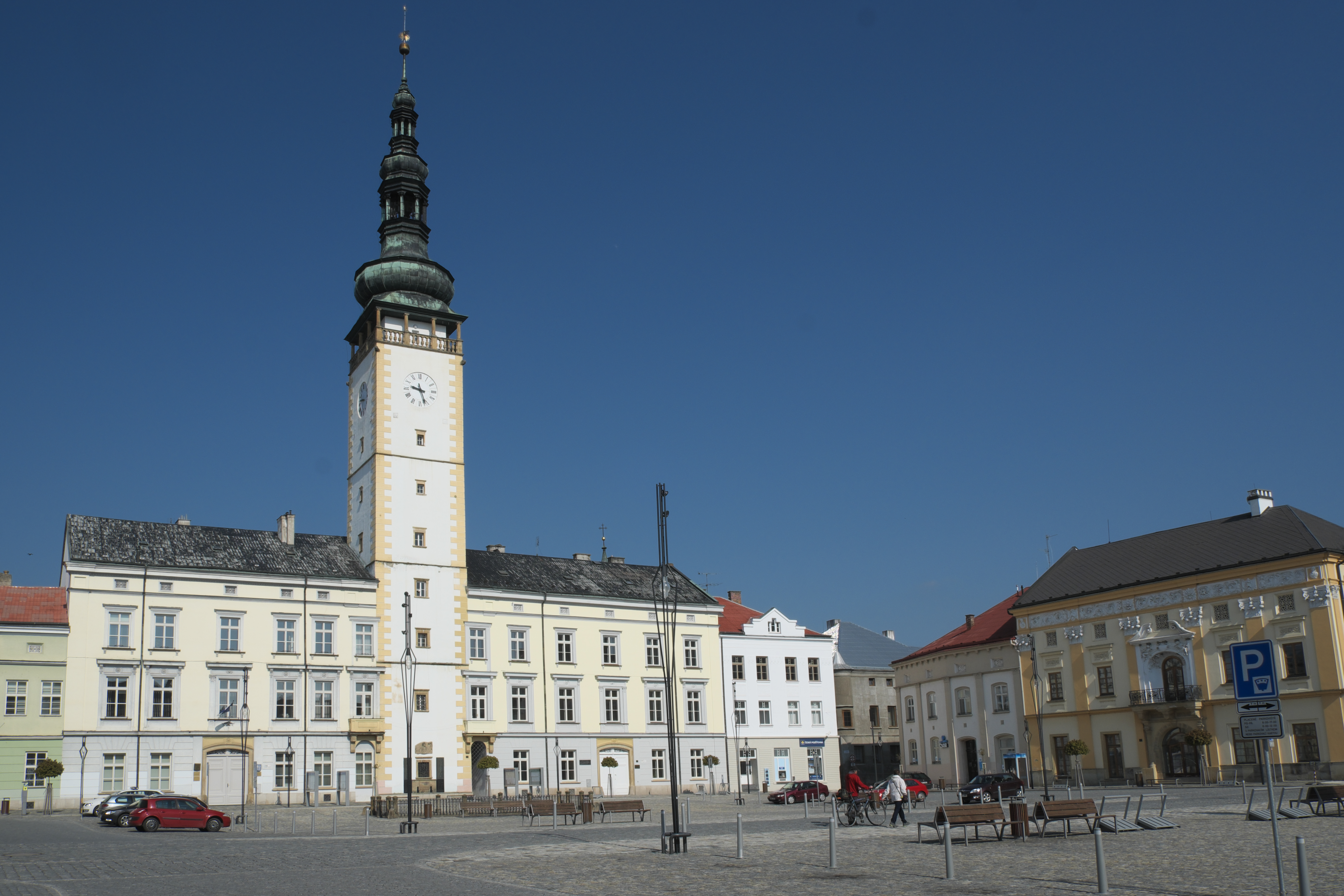
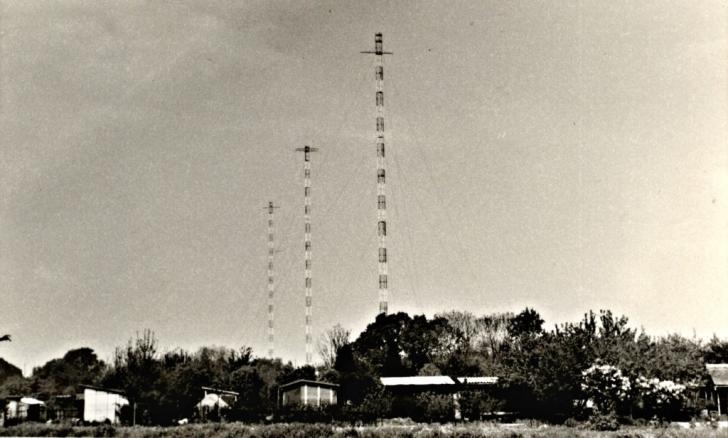
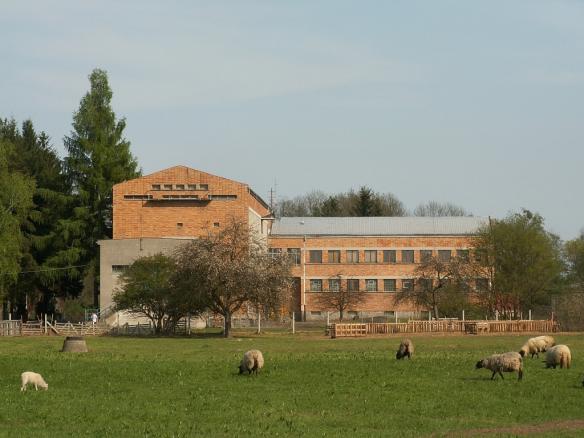
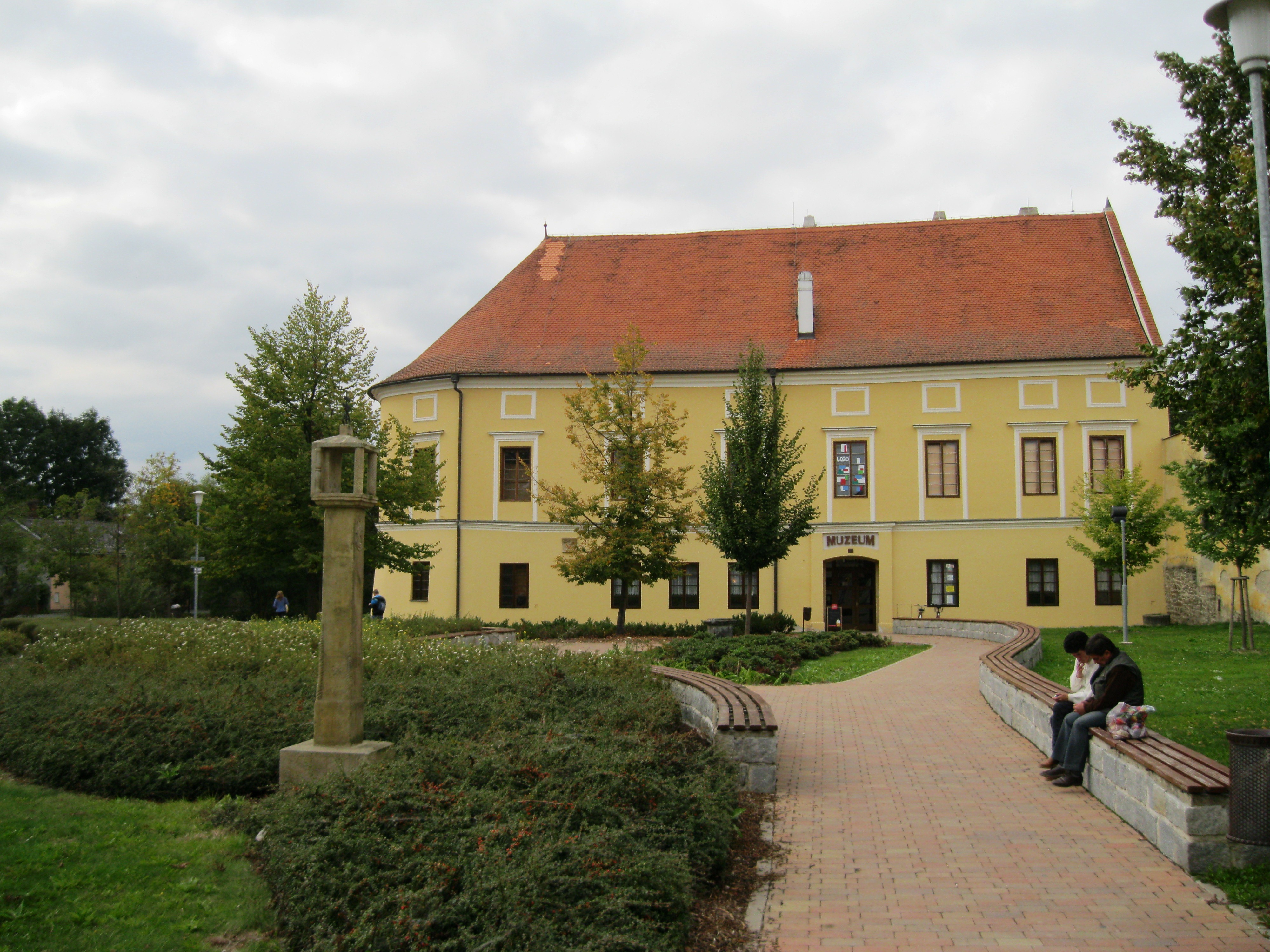
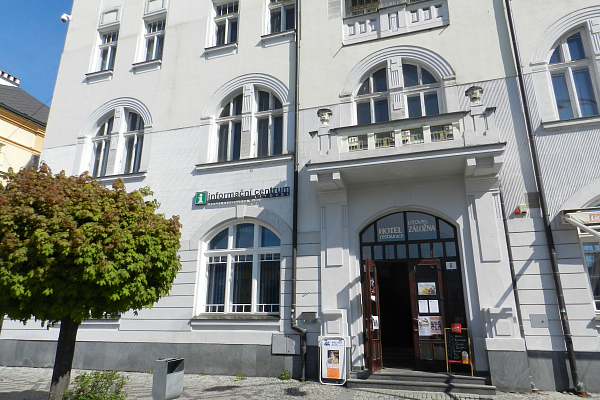
“Imprints of Collective Memory in Transforming Public Spaces of Litovel for Sustainable Development” aims to reconnect a peripheral site of major historical significance—the former broadcasting and jamming station in Litovel, awarded the European Heritage Label as part of the “Free Speech Space” network—with the everyday life of the city. By creating an interactive educational trail linking this site with the Litovel Museum, the Tourist Information Centre, and other key points in the historic centre, the project strengthens awareness of democratic values and freedom of expression.
The primary target groups include local residents (especially youth and schools), visitors and tourists, educators, and cultural stakeholders. Specific objectives are to (1) increase accessibility and visibility of the EHL site, (2) foster civic engagement and historical awareness, (3) revitalise underused public spaces through cultural programming, and (4) develop an innovative interpretive approach combining storytelling with a cipher-based game.
Expected outcomes include increased visitor flows between the city centre and its periphery, stronger local identity and community cohesion, enhanced educational opportunities, and the creation of a replicable model for linking heritage sites with urban development.
The project embodies the New European Bauhaus values of sustainability, aesthetics, and inclusion. It promotes sustainable mobility through a walkable trail, enhances the aesthetic quality of public spaces with thoughtfully designed interpretive elements, and ensures inclusivity by engaging diverse audiences.
A strong co-creation approach is central to the initiative. From the outset, local stakeholders—including the municipality, cultural institutions, schools, community groups, and residents—are actively involved in the design and content development of the trail and game. Public workshops and consultations ensure that citizens and end-users shape decision-making processes.
Memory
Cultural Heritage
Litovel
Sustainable Development
Jammer
The initiative integrates sustainability as a core principle across environmental, social, cultural, and economic dimensions. Its primary objective is to promote sustainable mobility and spatial connectivity by creating a walkable educational trail linking the peripheral European Heritage Label site with Litovel’s historic centre. This encourages low-impact movement, reduces reliance on cars, and supports healthier patterns of urban exploration.
From a cultural sustainability perspective, the project preserves and activates industrial heritage associated with the “Free Speech Space” network. By embedding historical narratives into public space through interpretive elements and an interactive cipher-based game, it ensures the long-term transmission of democratic values, collective memory, and local identity to future generations.
Social sustainability is addressed through an inclusive, participatory approach. The initiative actively involves local residents, schools, cultural institutions, and other stakeholders in co-creation processes, ensuring that diverse perspectives shape both content and design. This strengthens community ownership, fosters intergenerational dialogue, and enhances civic engagement.
Economically, the project contributes to sustainable local development by increasing visitor flows between the city centre and underutilised peripheral areas. It supports local tourism services, encourages longer stays, and creates opportunities for local businesses, while maintaining a low-cost, scalable model based on existing infrastructure.
The initiative is exemplary in its holistic integration of sustainability principles. It demonstrates how small and medium-sized towns can leverage cultural heritage as a driver for sustainable urban transformation. By combining accessible design, participatory governance, and innovative interpretation methods, it offers a replicable model for reconnecting fragmented urban spaces while promoting European values.
The initiative places strong emphasis on aesthetics and the quality of user experience by transforming the connection between Litovel’s peripheral heritage site and its historic centre into a coherent, engaging, and meaningful spatial journey. Its key objective is to elevate everyday public space into an attractive cultural environment where design, storytelling, and interaction enhance how people perceive and experience the city.
This is achieved through the careful design of the educational trail, which integrates high-quality visual elements, clear wayfinding, and site-specific interpretive installations. The aesthetic approach combines respect for the industrial character of the former broadcasting station with contemporary design principles, creating a dialogue between past and present. In the city centre, the trail seamlessly connects to existing cultural institutions such as the museum and public spaces, ensuring visual and thematic continuity.
A central feature is the cipher-based game, which enriches the visitor experience by adding layers of discovery, playfulness, and emotional engagement. Rather than passive consumption of information, users actively interact with the environment, uncover hidden narratives, and co-create their own understanding of place. This contributes to a deeper, more memorable experience and broadens the appeal to diverse audiences, including younger generations.
Cultural benefits are further strengthened through the integration of local stories, oral histories, and community perspectives into the content. This not only enhances authenticity but also fosters a sense of belonging and pride among residents.
The initiative is exemplary in demonstrating how high-quality design and cultural interpretation can be applied in smaller urban contexts. It shows that even modest interventions—when thoughtfully conceived—can significantly improve the aesthetic value of public spaces while delivering rich, inclusive, and engaging experiences.
The initiative places inclusion at its core by ensuring that the educational trail and accompanying activities are accessible, affordable, and meaningful for diverse groups of users. Its primary objective is to open up a historically significant but spatially and socially marginalised site—the former broadcasting and jamming station—to a broad public, while removing barriers to participation in cultural and civic life.
Accessibility is addressed through the design of a clearly marked, barrier-aware walking route connecting the peripheral site with the city centre. Interpretive elements are developed using inclusive design principles, including multilingual content, easy-to-understand formats, and a balance between physical and digital layers to accommodate different needs and abilities. The cipher-based game is designed with varying levels of difficulty, making it suitable for families, school groups, and individual visitors alike.
Affordability is ensured by maintaining free or low-cost access to the trail and its content, allowing equal participation regardless of socio-economic background. The initiative also actively targets underrepresented groups, including young people, local residents with limited prior engagement in cultural activities, and visitors from outside the region.
A key component is the establishment of inclusive governance and co-creation processes. Local stakeholders are involved in shaping both the content and format of the trail. Participatory workshops and pilot activities enable citizens and end-users to contribute their perspectives, ensuring that the initiative reflects a plurality of voices and experiences.
The project is exemplary in demonstrating how inclusive design and participatory governance can be embedded in small-scale urban interventions. By combining physical accessibility, affordability, and citizen involvement, it creates a model for cultural projects that are not only open to all, but actively shaped by the communities.
Citizens and civil society are actively involved throughout the entire lifecycle of the initiative—from initial concept development to implementation and future use—ensuring that the project reflects local needs, values, and lived experiences.
In the preparatory phase, local residents, schools, historians, and cultural actors contribute to the identification of key themes, stories, and locations along the educational trail. This is facilitated through participatory workshops, community meetings, and consultations, where stakeholders help shape the narrative linking the European Heritage Label site with the city centre. Civil society organisations and educators play a key role in curating content, particularly by contributing oral histories, local knowledge, and educational perspectives.
During the design phase, citizens and end-users are involved in co-creating elements of the trail and the cipher-based game. Pilot activities and testing sessions with students, families, and visitors provide direct feedback on usability, accessibility, and engagement. This iterative process ensures that the final outputs are user-centred and inclusive.
In the implementation and operational phases, local institutions such as the museum, tourist information centre, and community groups act as multipliers and co-owners of the initiative. Volunteers and local stakeholders are encouraged to participate in guided activities, events, and ongoing content updates, reinforcing long-term engagement.
The level of involvement can be characterised as co-creative and collaborative rather than merely consultative. Citizens are not only beneficiaries but active contributors and co-designers of the experience.
The impact of this approach strengthens local ownership and pride, enhances the relevance and authenticity of the content, and increases the likelihood of sustained use and maintenance of the trail. It fosters civic engagement, intergenerational dialogue and community interaction.
The initiative is built on a multi-level stakeholder ecosystem. At the local level, the Municipality of Litovel plays a coordinating and enabling role, integrating the project into local development strategies and public space planning. Key cultural institutions—such as the Litovel Museum and the Tourist Information Centre—act as core implementation partners, contributing expertise in interpretation, visitor engagement, and dissemination. Schools, community groups, and local residents are involved as co-creators, providing content, testing user experiences, and participating in activities. Their involvement ensures strong local ownership, contextual relevance, and long-term sustainability.
At the regional level, stakeholders such as the Olomouc Region and regional tourism organisations support the initiative through alignment with regional cultural and tourism strategies. They contribute to promotion, networking, and potential scaling of the model to other sites, enhancing territorial cohesion and visibility.
At the national level, heritage and cultural bodies, as well as partners connected to the European Heritage Label framework, provide methodological guidance, visibility, and links to broader narratives of modern Czech history. Their role strengthens the educational dimension and ensures consistency with national heritage interpretation standards.
At the European level, the initiative is embedded within the European Heritage Label network, particularly the “Free Speech Space” sites. This enables knowledge exchange, international visibility, and thematic coherence within shared European values. Collaboration at this level may include joint activities, dissemination, and replication of good practices.
The level of involvement ranges from co-creation and direct implementation (local actors) to strategic support, networking, and amplification. The added value of this multi-level engagement lies in its ability to connect local action with broader frameworks.
The initiative is inherently interdisciplinary, combining expertise from cultural heritage, history, urban planning, architecture and design, education, tourism, digital innovation, and social sciences. This diversity reflects the project’s ambition to connect a peripheral heritage site with the urban fabric while creating a meaningful, user-centred public experience.
Historians and heritage specialists contribute to the interpretation of the European Heritage Label site, ensuring historical accuracy and embedding the narrative within broader contexts of freedom of speech, democracy, and modern Czech history. Urban planners and designers shape the spatial concept of the trail, focusing on walkability, visual coherence, and the integration of interpretive elements into public space. Experts in education and pedagogy develop learning formats tailored to different target groups, particularly schools and young audiences.
Designers and creative professionals collaborate on the aesthetic and experiential aspects, including the visual identity and the cipher-based game, while digital specialists support interactive and potentially hybrid (physical–digital) components. Tourism experts ensure usability and attractiveness for visitors, aligning the initiative with local and regional tourism strategies. Social scientists and community facilitators contribute to participatory processes, stakeholder engagement, and evaluation.
These disciplines interact through a co-creative, iterative process involving workshops, joint planning sessions, and pilot testing. Rather than working in isolation, stakeholders collaborate across fields, continuously refining the concept based on feedback and shared expertise.
The added value of this interdisciplinary approach lies in its ability to produce a holistic and innovative outcome. It ensures that the initiative is historically grounded, spatially functional, aesthetically compelling, and socially relevant.
The initiative stands out through its integrated and hybrid approach, combining cultural heritage interpretation, public space design, and interactive learning in a way that goes beyond conventional heritage or tourism projects.
Unlike mainstream actions, which often treat heritage sites as isolated destinations with static interpretation (e.g. panels or guided tours), this project creates a continuous, narrative-driven spatial experience linking a peripheral European Heritage Label site with the city centre. It transforms movement through space into a core part of the interpretation, effectively turning the city itself into an open-air learning environment.
A key innovation is the fusion of storytelling with game-based learning, specifically through a cipher-based trail. This shifts the role of visitors from passive recipients to active participants who uncover meaning through exploration, problem-solving, and interaction. Such an approach increases engagement, especially among younger audiences, and enhances knowledge retention.
The initiative is also innovative in its repositioning of a marginalised industrial heritage site. Rather than investing in large-scale infrastructure or standalone redevelopment, it uses lightweight, scalable interventions to reconnect the site with everyday urban life. This represents a resource-efficient model particularly suitable for small and medium-sized towns.
Another distinctive aspect is the deep integration of co-creation and participatory governance. While many projects include consultation phases, this initiative embeds citizens, schools, and local stakeholders directly into content creation, design, and testing processes, resulting in a genuinely user-centred outcome.
Finally, the project innovatively links local heritage with European-level narratives through the European Heritage Label “Free Speech Space” network. It translates abstract values into tangible, place-based experiences.
The initiative applies an integrated, participatory methodology that combines principles of community-based tourism, co-creation, and place-based design. Its approach is structured in several interconnected phases, ensuring both methodological rigor and adaptability to local conditions.
At its core is community-based tourism (CBT), which positions local residents, institutions, and stakeholders as active contributors rather than passive beneficiaries. The content, narratives, and visitor experience are co-developed with the community, drawing on local knowledge, oral histories, and lived experiences. This ensures authenticity, strengthens local identity, and enables economic and social benefits to remain within the community.
The process begins with mapping and research, identifying key heritage assets, stories, and spatial connections between the European Heritage Label site and the city centre. This is followed by co-creation workshops and stakeholder consultations, involving schools, cultural institutions, municipal representatives, and community groups in defining themes, routes, and interpretive formats.
In the design phase, interdisciplinary teams collaborate on the development of the educational trail, visual identity, and the cipher-based game. User-centred design principles are applied, supported by pilot testing and iterative feedback loops with target groups to refine usability, accessibility, and engagement.
The implementation phase focuses on integrating the trail into existing urban and tourism infrastructure, ensuring coherence with local development strategies. Local institutions act as facilitators and multipliers, embedding the initiative into everyday cultural and educational activities.
The methodology includes continuous evaluation and adaptive management, allowing for updates based on user feedback and stakeholder input.
This approach is exemplary in combining community-based tourism with participatory design and heritage interpretation.
Several elements of the initiative are intentionally designed to be transferable and replicable across different locations, target groups, and cultural contexts.
First, the methodological framework—combining community-based tourism, co-creation, and place-based interpretation—is highly adaptable. The structured process of stakeholder mapping, participatory workshops, iterative design, and pilot testing can be applied in other towns seeking to activate underused heritage sites and strengthen community engagement.
Second, the concept of a narrative-driven educational trail linking peripheral and central urban spaces is easily transferable. Many cities face similar spatial fragmentation; this model demonstrates how to reconnect overlooked sites with everyday urban life through low-cost, non-invasive interventions.
Third, the game-based interpretive layer, particularly the cipher-based format, represents a scalable tool. Its content can be locally adapted while maintaining the same engagement logic, making it suitable for diverse audiences and themes (e.g. history, environment, identity). Both analogue and digital versions can be implemented depending on local capacities.
Fourth, the project offers a replicable approach to integrating European or national heritage frameworks into local contexts, translating abstract values (such as democracy or freedom of expression) into tangible, place-based experiences.
Fifth, the initiative demonstrates effective multi-level stakeholder collaboration, which can serve as a governance model for similar projects. The balance between local ownership and broader institutional support is transferable to other settings.
The project also generates practical know-how and learning outputs.
Overall, the initiative provides a flexible, low-threshold model that can be adapted to different scales and contexts, making it particularly relevant for small and medium-sized towns aiming to leverage cultural heritage for sustainable development.
The further development of the initiative is structured in a sequence of coordinated activities that build on the principles of the New European Bauhaus (NEB): sustainability, aesthetics, and inclusion.
Planned activities include the finalisation of the co-created concept and route, followed by the detailed design of interpretive elements and the cipher-based game. This will be complemented by pilot testing with target groups (schools, families, visitors) to refine usability and accessibility. The next phase involves the physical implementation of the trail, including signage, visual identity, and integration into public space, alongside the development of educational and cultural programmes in cooperation with the museum and local partners. Communication and dissemination activities will ensure visibility at local, regional, and European levels.
NEB values have already been embedded through a participatory co-creation process, involving citizens, institutions, and stakeholders in shaping the content and design (inclusion); a focus on walkability and reuse of existing urban infrastructure (sustainability); and the integration of high-quality, context-sensitive design and storytelling (aesthetics).
Key next steps aligned with NEB principles include:
(1) Deepening co-creation, ensuring continued stakeholder involvement in decision-making and content updates;
(2) Refining inclusive design solutions, addressing accessibility for diverse user groups;
(3) Implementing sustainable materials and low-impact interventions in the physical trail;
(4) Strengthening interdisciplinary collaboration across design, heritage, education, and tourism sectors;
(5) Establishing monitoring and evaluation mechanisms to assess social, cultural, and environmental impacts;
(6) Scaling and knowledge-sharing, enabling transfer of the model to other contexts within the EHL and NEB frameworks.