Arts, Culture, and Heritage as Drivers of Change
Chácara Edith Reserve´s Inclusive Nature
Chácara Edith Private Reserve: Inclusive Nature, Shared Heritage and Nature-Based Learning for All
Chácara Edith Reserve is a privately protected Atlantic Forest sanctuary open to the community, integrating nature, culture and education. With accessible trails, environmental learning programmes, scientific research, cultural initiatives and community participation, it promotes inclusion, well‑being and conservation. The reserve demonstrates how private stewardship can create public value and inspire new models of shared urban nature.
Brazil
Regional
Itajai basin region, Santa Catarina State, Brazil
It addresses urban-rural linkages
It involves other types of transformations (soft investment)
Yes
2025-12-31
No
No
No
Organisation
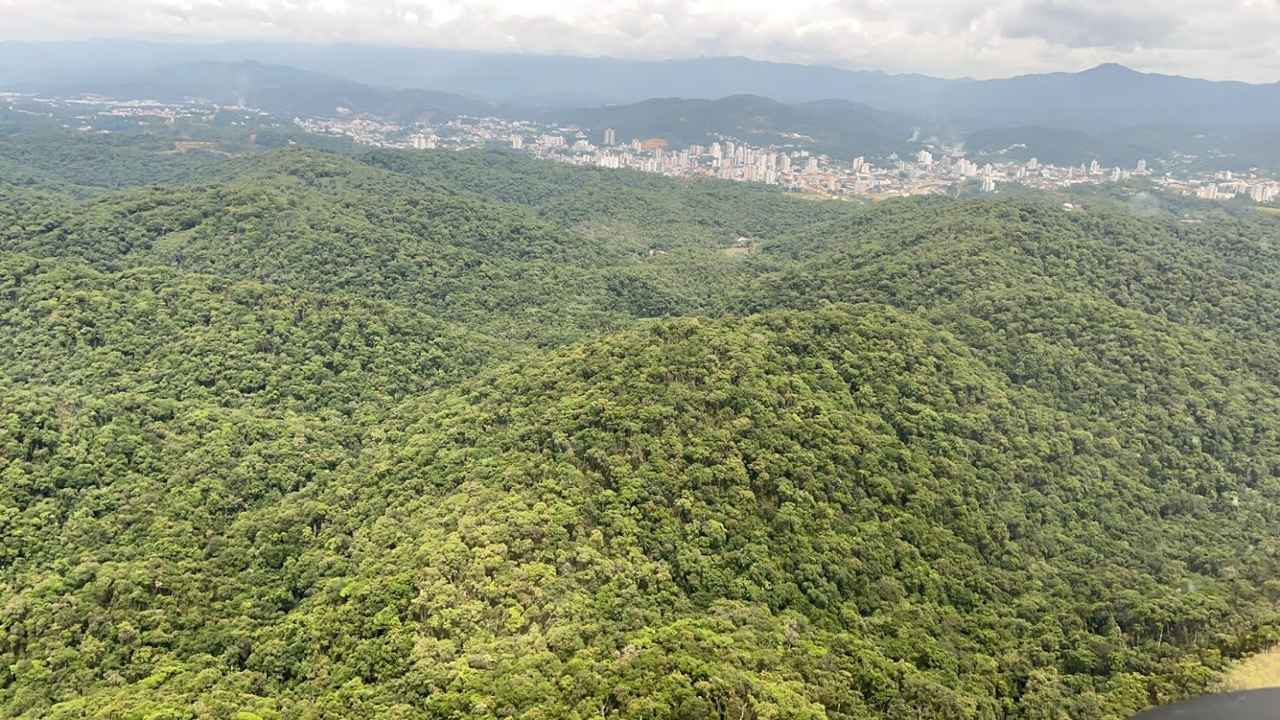
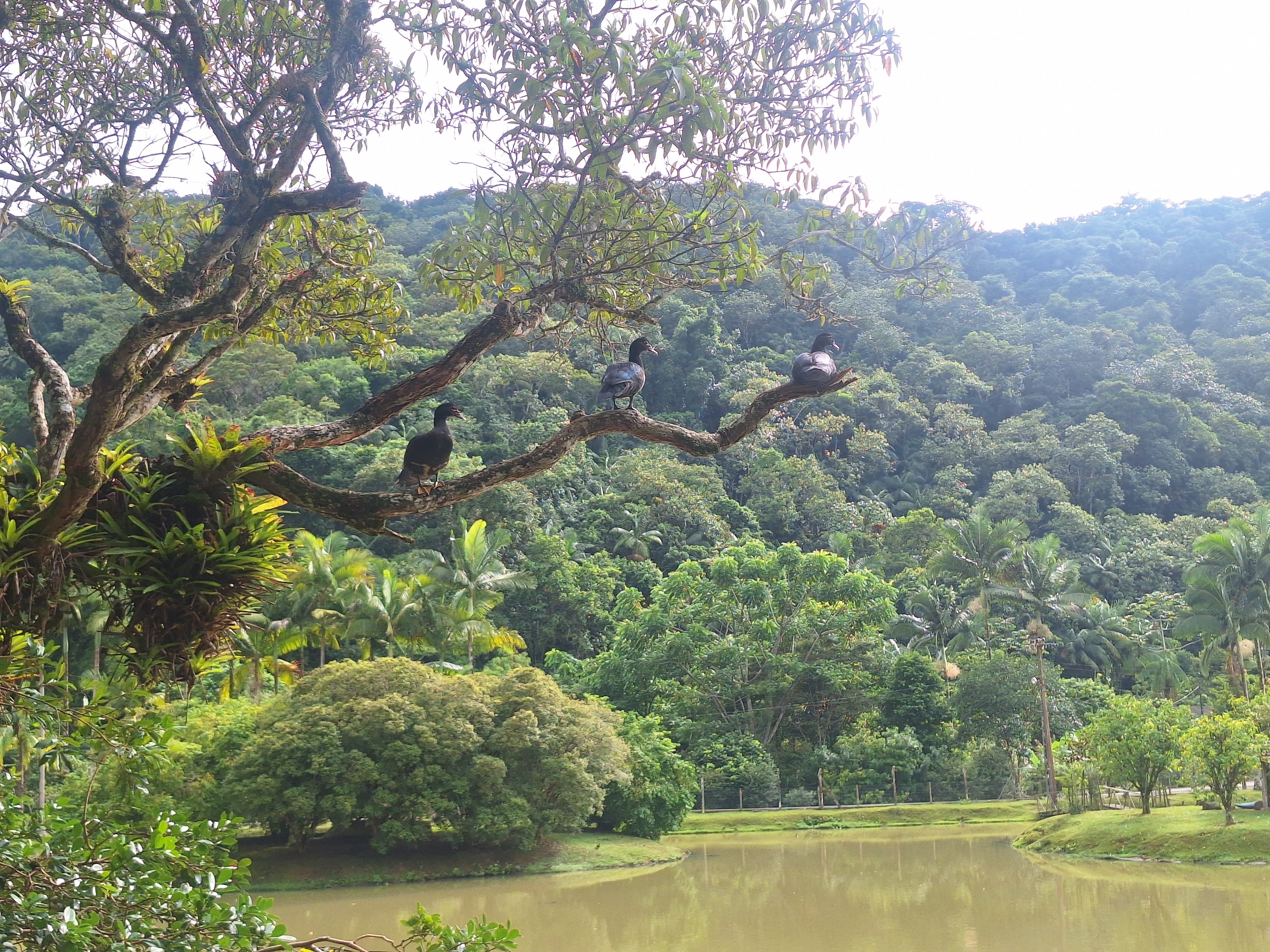
The RPPN Chácara Edith is a privately reserve created voluntarily to safeguard biodiversity in the urban center of Brusque (SC). It protects 415.79 ha of forest and it is recognized as an Advanced Post of the Atlantic Forest Biosphere Reserve, highlighting its excellence in conservation, education, and cultural engagement.
The initiative aims to transform this preserved landscape into an inclusive space where nature, art, memory, and community learning converge. It responds to the growing disconnect between people, ecosystems, and local heritage by offering accessible experiences that strengthen identity and stewardship.
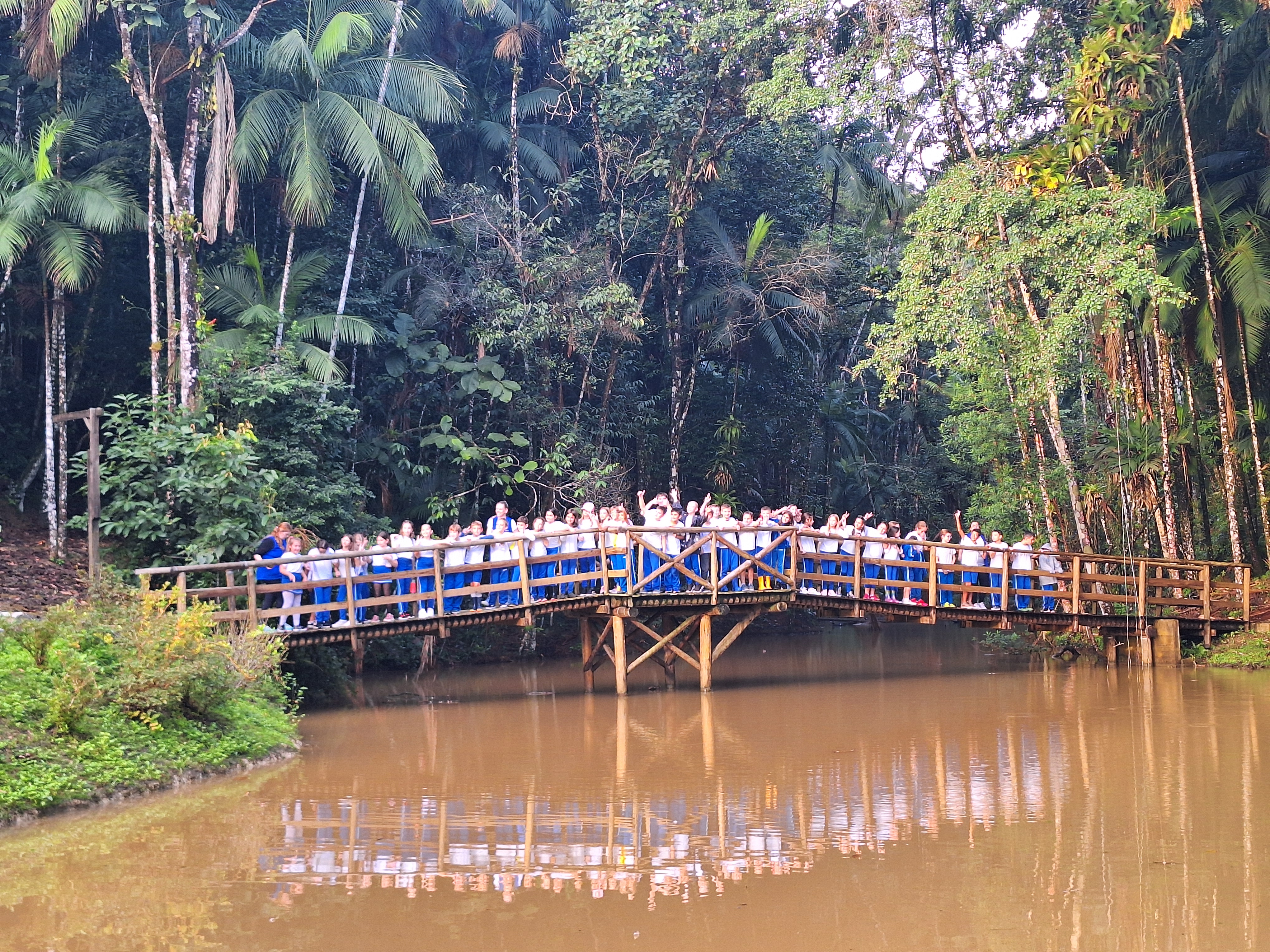
Beneficiaries include school, vulnerable groups cultural organizations, universities, and community groups. Activities are free or symbolic, supported by the Instituto Ambiental Brüderthal, created by the family to ensure long term public access.
Objectives include preserving biodiversity and cultural memory; promoting environmental and cultural education; activating heritage spaces; and fostering intergenerational engagement. To support this mission, the family financed and built a 700 m² Visitor and Interpretation Center with auditorium, laboratory, gallery, library, lodging, kitchen, and shared spaces.
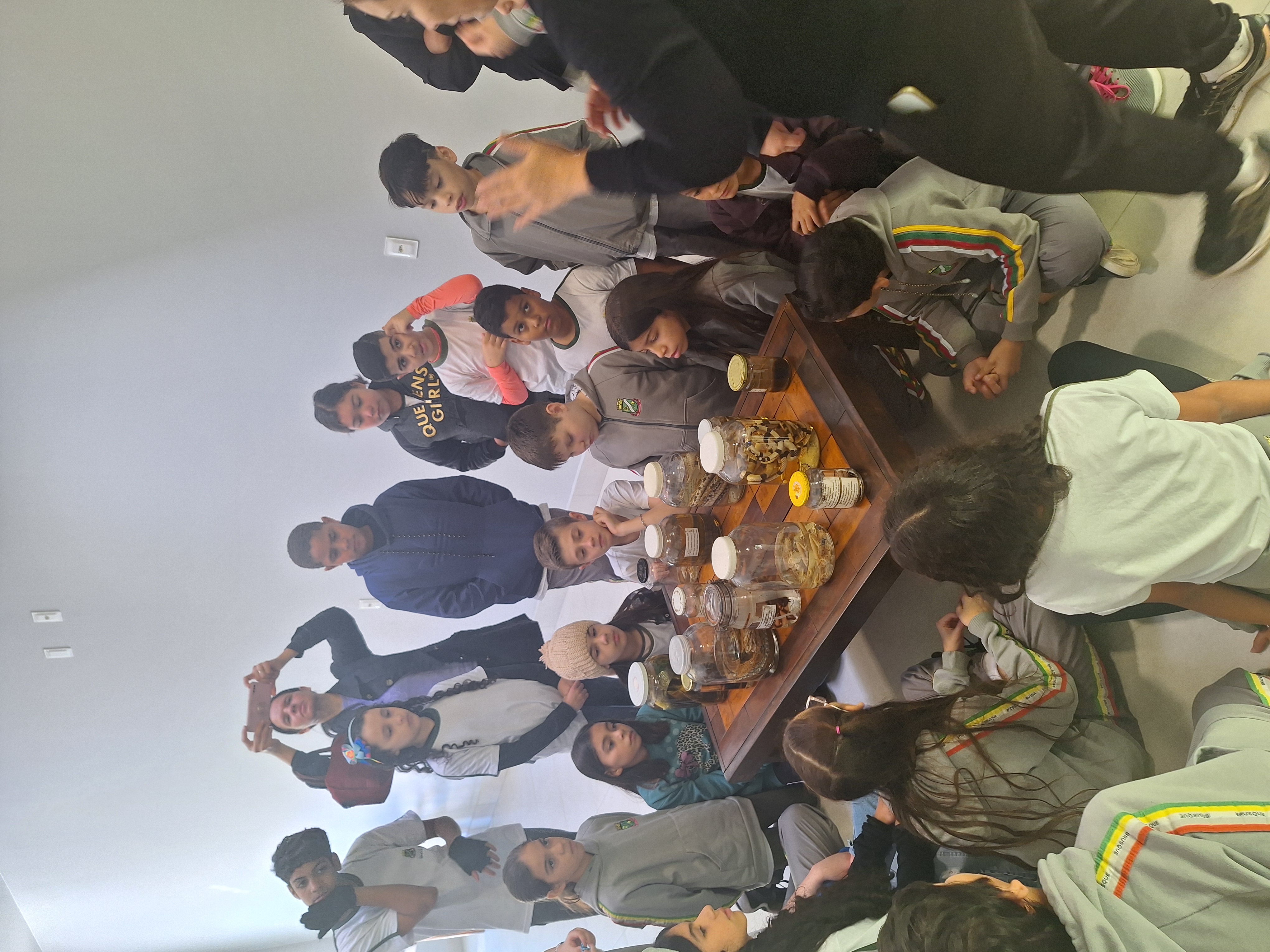
Results include 25,000+ beneficiaries, 2,715 visitors in 2024, 2,686 students from 25 municipal schools in 2025, and 3,901 community participants. The site also hosts teacher training, cultural workshops, university field courses, and community events. The Center houses a significant art collection (Lígia Clark, Liuba Wolf, Fulvio Penacchi), a family museum with historical objects, and a curated library. The reserve also preserves an exceptionally intact ecosystem, home to 350+ animal species and 600+ plant species.
Its transformative potential lies in its unique integration of conservation, arts, heritage, education, and community access—demonstrating how a protected area can become a cultural and ecological commons for future generations.
The initiative aims to transform this preserved landscape into an inclusive space where nature, art, memory, and community learning converge. It responds to the growing disconnect between people, ecosystems, and local heritage by offering accessible experiences that strengthen identity and stewardship.
Beneficiaries include school, vulnerable groups cultural organizations, universities, and community groups. Activities are free or symbolic, supported by the Instituto Ambiental Brüderthal, created by the family to ensure long term public access.
Objectives include preserving biodiversity and cultural memory; promoting environmental and cultural education; activating heritage spaces; and fostering intergenerational engagement. To support this mission, the family financed and built a 700 m² Visitor and Interpretation Center with auditorium, laboratory, gallery, library, lodging, kitchen, and shared spaces.
Results include 25,000+ beneficiaries, 2,715 visitors in 2024, 2,686 students from 25 municipal schools in 2025, and 3,901 community participants. The site also hosts teacher training, cultural workshops, university field courses, and community events. The Center houses a significant art collection (Lígia Clark, Liuba Wolf, Fulvio Penacchi), a family museum with historical objects, and a curated library. The reserve also preserves an exceptionally intact ecosystem, home to 350+ animal species and 600+ plant species.
Its transformative potential lies in its unique integration of conservation, arts, heritage, education, and community access—demonstrating how a protected area can become a cultural and ecological commons for future generations.
The RPPN Chácara Edith grew from a family commitment to protect a landscape deeply tied to their history. Created in 2001, by Wilson Moreli, Lígia Moreli and Anette Hoffmann, it continues the preservation legacy begun in the 1930s by Willy Hoffmann. In the early 2000s, increasing real estate pressure and municipal plans to open roads through the forest led the family to formally establish the area as a RPPN, ensuring its permanent protection.
Early implementation was personal and community driven Wilson welcomed school groups, teachers, researchers and visitors, guiding activities himself. As demand increased, the family expanded infrastructure to support education, research and safe access and created the Instituto Ambiental Brüderthal in 2013 to managed all. Since 2024, biologist and great grandson Felipe Fantacini has coordinated activities, strengthening scientific and educational integration. In 2005, the family also helped found the Association of RPPNs of Santa Catarina, contributing to state level conservation policy.
A major step came in 2010 with the development of the Management Plan, supported by ecological and historical research. From 2013, a partnership with the Municipality—led by biologist and teacher Kelle Leite—ensured that all public schools could hold activities in the reserve. Initiatives such as Sairinhas with FUNDEMA and PROA with the Environmental Police expanded outreach and environmental awareness. The reserve also became an active site for university research.
In 2018, the family began building the self funded Visitor and Interpretation Center and the Family Museum, now hosting exhibitions, artefacts and documents that recount the history of the former Hoffmann farm and regional German Brazilian colonization.
The project evolved through co design, community partnerships, research and participatory governance, weaving conservation, education, culture and memory into a living landscape shaped across generations.
Early implementation was personal and community driven Wilson welcomed school groups, teachers, researchers and visitors, guiding activities himself. As demand increased, the family expanded infrastructure to support education, research and safe access and created the Instituto Ambiental Brüderthal in 2013 to managed all. Since 2024, biologist and great grandson Felipe Fantacini has coordinated activities, strengthening scientific and educational integration. In 2005, the family also helped found the Association of RPPNs of Santa Catarina, contributing to state level conservation policy.
A major step came in 2010 with the development of the Management Plan, supported by ecological and historical research. From 2013, a partnership with the Municipality—led by biologist and teacher Kelle Leite—ensured that all public schools could hold activities in the reserve. Initiatives such as Sairinhas with FUNDEMA and PROA with the Environmental Police expanded outreach and environmental awareness. The reserve also became an active site for university research.
In 2018, the family began building the self funded Visitor and Interpretation Center and the Family Museum, now hosting exhibitions, artefacts and documents that recount the history of the former Hoffmann farm and regional German Brazilian colonization.
The project evolved through co design, community partnerships, research and participatory governance, weaving conservation, education, culture and memory into a living landscape shaped across generations.
Inclusive Nature-Based Education
Community Co‑Creation
Biodiversity Conservation
Cultural and Environmental Heritage
Accessible Forest Experiences
The RPPN Chácara Edith addresses environmental, social, cultural, and economic challenges by protecting 415.79 ha of Atlantic Forest inside an urban area while transforming the site into an accessible cultural environmental landscape. Its sustainability objectives focus on conserving a nearly intact ecosystem—home to more than 350 animal species and over 600 plant species—preserving cultural memory, and strengthening community resilience through education, arts, and heritage activation.
Implementation combines long-term ecological protection with cultural and social strategies. Part of the resources that maintain the reserve and the Instituto Ambiental Brüderthal come from Willy Hoffmann’s family inheritance, consciously reinvested in society through conservation and free public access. Concrete actions include the 2010 Management Plan, ecological monitoring, structured interpretive trails, school programmes, cultural workshops, and the construction of a fully self funded 700 m² Visitor and Interpretation Center with auditorium, laboratory, gallery, library, kitchen, lodging, and shared spaces—offered free of charge or at symbolic cost.
Results show strong impact: more than 25,000 beneficiaries; 2,715 visitors in 2024; 2,686 students from municipal schools in 2025; and 3,901 community participants. The reserve also supports research, teacher training, and community events. Its cultural assets include an art collection (Lígia Clark, Liuba Wolf, Fulvio Penacchi), a family museum, and a curated library that strengthens environmental and cultural memory.
The project is exemplary for its rare integration of biodiversity conservation, cultural heritage, and inclusive education within a privately funded protected area. It offers a durable, replicable model in which nature, culture, and community stewardship reinforce one another—embodying the NEB vision of sustainability grounded in beauty, identity, and shared responsibility.
Implementation combines long-term ecological protection with cultural and social strategies. Part of the resources that maintain the reserve and the Instituto Ambiental Brüderthal come from Willy Hoffmann’s family inheritance, consciously reinvested in society through conservation and free public access. Concrete actions include the 2010 Management Plan, ecological monitoring, structured interpretive trails, school programmes, cultural workshops, and the construction of a fully self funded 700 m² Visitor and Interpretation Center with auditorium, laboratory, gallery, library, kitchen, lodging, and shared spaces—offered free of charge or at symbolic cost.
Results show strong impact: more than 25,000 beneficiaries; 2,715 visitors in 2024; 2,686 students from municipal schools in 2025; and 3,901 community participants. The reserve also supports research, teacher training, and community events. Its cultural assets include an art collection (Lígia Clark, Liuba Wolf, Fulvio Penacchi), a family museum, and a curated library that strengthens environmental and cultural memory.
The project is exemplary for its rare integration of biodiversity conservation, cultural heritage, and inclusive education within a privately funded protected area. It offers a durable, replicable model in which nature, culture, and community stewardship reinforce one another—embodying the NEB vision of sustainability grounded in beauty, identity, and shared responsibility.
The project enhances quality of life by creating a meaningful aesthetic experience where nature, culture and community coexist. Its aesthetic objective is to transform a protected forest into a welcoming place of beauty, well being, and belonging. The landscape itself—old growth Atlantic Forest preserved since the 1930s—offers immersive experiences through forest bathing practices, sensory walks, clean water streams, and intimate contact with biodiversity.
Implementation integrates design, culture, art and craftsmanship: the self funded 700 m² Visitor and Interpretation Center includes an art gallery, family museum, library, gardens, crafted wooden elements, and open areas for movement and contemplation. Trails, viewpoints, and water features were created with minimal impact, allowing visitors to feel, hear, smell and observe the forest in its natural state. The site hosts artistic workshops, school activities on nature and sustainability, spiritual and interfaith encounters, and community events, reinforcing the aesthetic experience through collective participation.
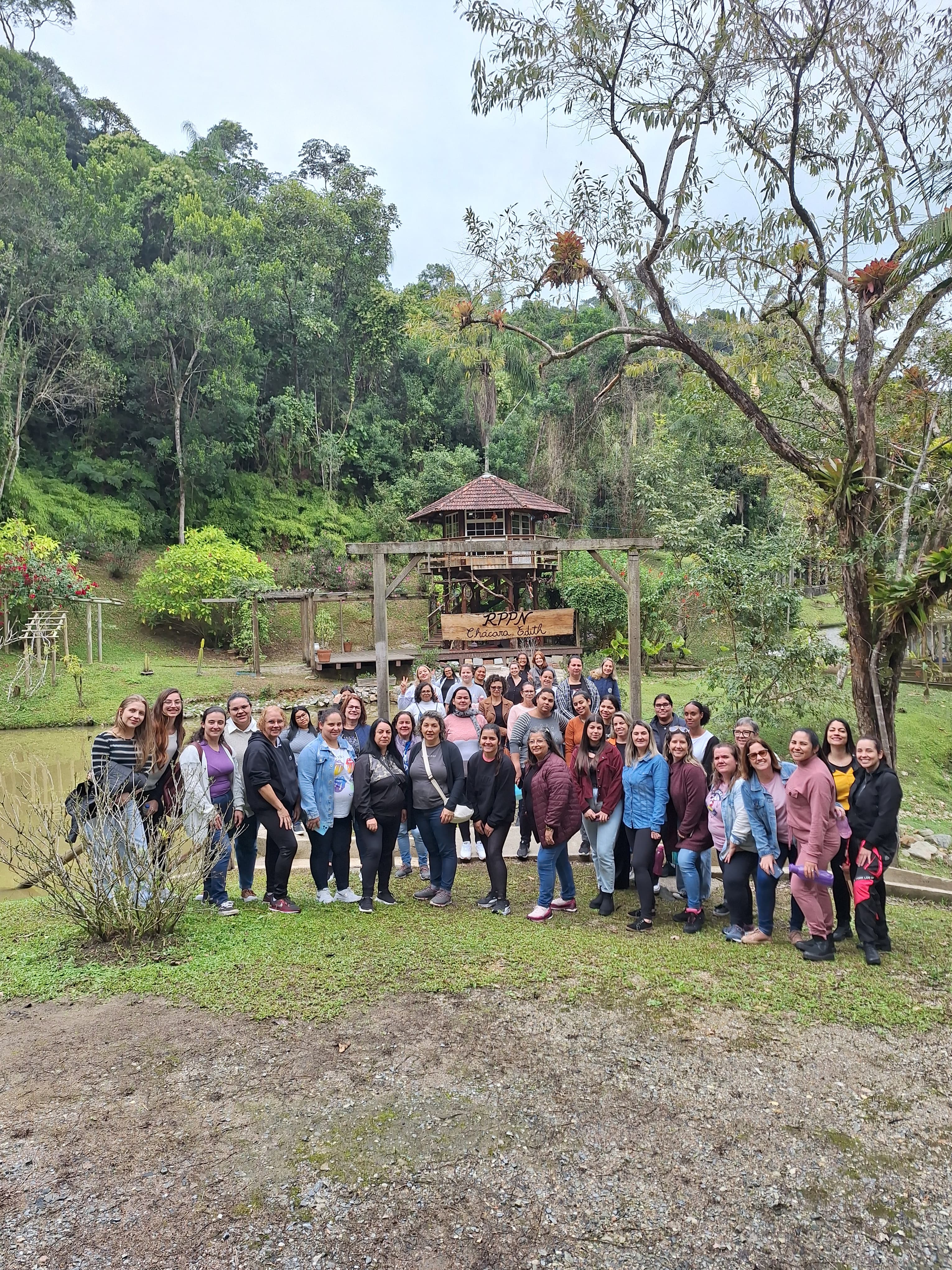
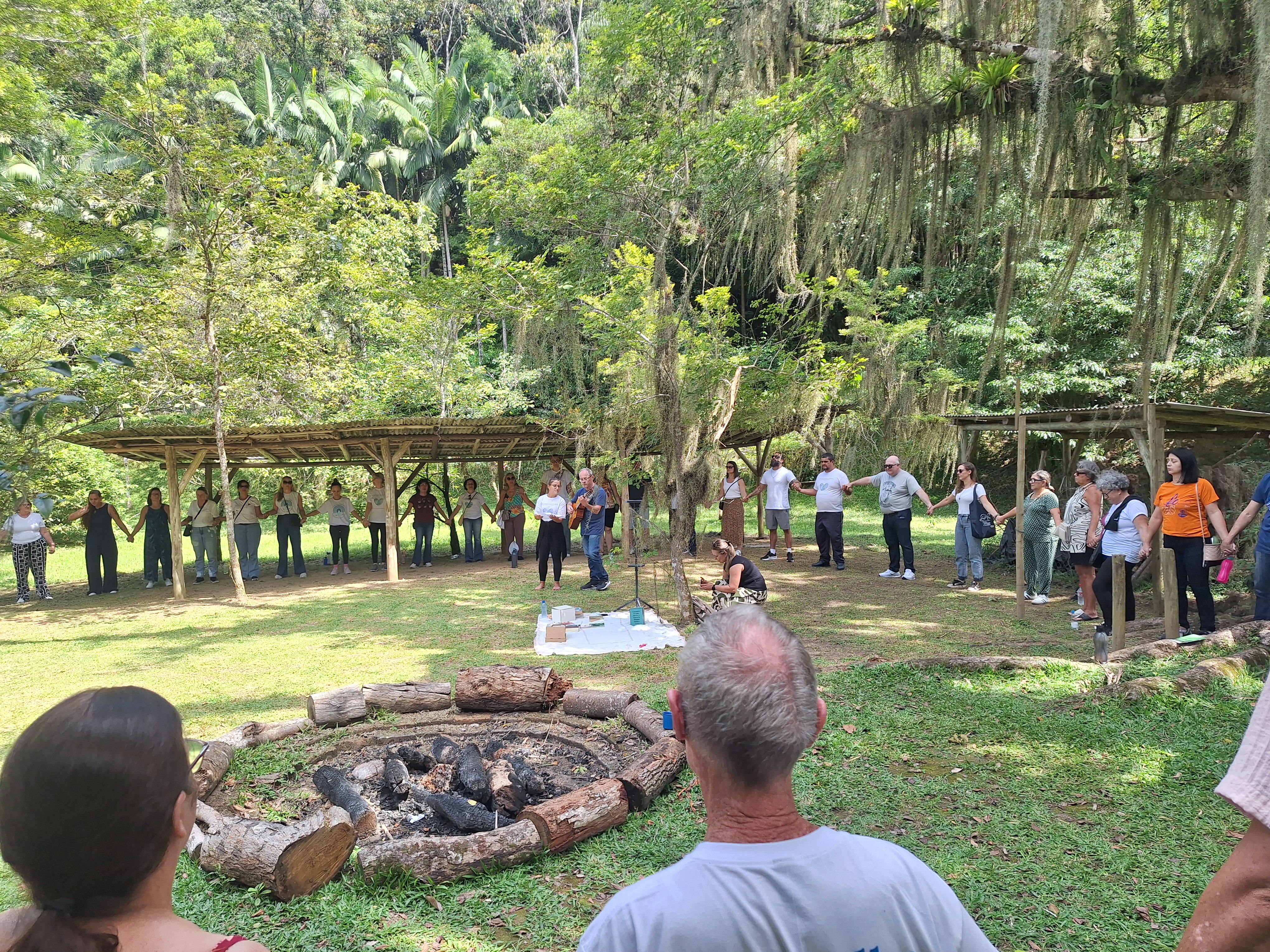
The reserve welcomes diverse groups such as Escola dos Anjos (children in vulnerable situations), the municipal Academia da Saúde (elderly groups practicing outdoor exercise), public school students, church groups, researchers and families. These interactions deepen community connection and cultivate a shared sense of care for the place.
Culturally, the project preserves local identity through the family museum, historical archives and a significant art collection (Lígia Clark, Liuba Wolf, Fulvio Penacchi). Art and heritage blend with nature, creating a unique emotional and sensory landscape.
Its exemplary character lies in demonstrating how a private protected area can become a cultural ecological sanctuary where beauty is accessible to all—strengthening belonging, inspiring stewardship, and reconnecting people with nature in both everyday life and the long term.
Implementation integrates design, culture, art and craftsmanship: the self funded 700 m² Visitor and Interpretation Center includes an art gallery, family museum, library, gardens, crafted wooden elements, and open areas for movement and contemplation. Trails, viewpoints, and water features were created with minimal impact, allowing visitors to feel, hear, smell and observe the forest in its natural state. The site hosts artistic workshops, school activities on nature and sustainability, spiritual and interfaith encounters, and community events, reinforcing the aesthetic experience through collective participation.
The reserve welcomes diverse groups such as Escola dos Anjos (children in vulnerable situations), the municipal Academia da Saúde (elderly groups practicing outdoor exercise), public school students, church groups, researchers and families. These interactions deepen community connection and cultivate a shared sense of care for the place.
Culturally, the project preserves local identity through the family museum, historical archives and a significant art collection (Lígia Clark, Liuba Wolf, Fulvio Penacchi). Art and heritage blend with nature, creating a unique emotional and sensory landscape.
Its exemplary character lies in demonstrating how a private protected area can become a cultural ecological sanctuary where beauty is accessible to all—strengthening belonging, inspiring stewardship, and reconnecting people with nature in both everyday life and the long term.
The iniciative promotes inclusion by ensuring that nature, culture and education are accessible to all. A core objective is removing physical, financial and symbolic barriers so that diverse groups can fully participate. Several school groups include children with disabilities, and the infrastructure was designed to welcome them safely: trails are wide, stable and mostly flat; and the Visitor Center features inclusive bathrooms, accessible circulation and adaptable seating.
Implementation prioritises affordability and universal design. Activities are free or symbolic, supported by the Instituto Ambiental Brüderthal. Guided trails are adapted in language, rhythm and sensory emphasis for each audience: daycare children, organisations supporting people with disabilities, public school students, elderly groups from the municipal health programme, and interfaith or community groups. Staff adjust explanations, pace and sensory cues to ensure meaningful participation. The reserve also hosts workshops, nature based practices, spiritual gatherings and environmental education activities tailored to different abilities and ages.
Results show strengthened inclusion: over 25,000 people have benefited, including children, youth, adults, elders, people with disabilities and low income families. The reserve is a safe natural space frequently used for outdoor exercise, environmental learning and community events. Beyond visitors, the entire city benefits from the reserve’s ecosystem services—clean air, water regulation, cooling effects, biodiversity support and psychological well being—extending inclusion to those who may never visit the site.
Its exemplary character lies in treating a protected natural area as a shared urban common, integrating universal access, community participation and nature immersion. By aligning accessibility with biodiversity, heritage and collective care, the project offers an inspiring model for inclusive and equitable socio environmental spaces.
Implementation prioritises affordability and universal design. Activities are free or symbolic, supported by the Instituto Ambiental Brüderthal. Guided trails are adapted in language, rhythm and sensory emphasis for each audience: daycare children, organisations supporting people with disabilities, public school students, elderly groups from the municipal health programme, and interfaith or community groups. Staff adjust explanations, pace and sensory cues to ensure meaningful participation. The reserve also hosts workshops, nature based practices, spiritual gatherings and environmental education activities tailored to different abilities and ages.
Results show strengthened inclusion: over 25,000 people have benefited, including children, youth, adults, elders, people with disabilities and low income families. The reserve is a safe natural space frequently used for outdoor exercise, environmental learning and community events. Beyond visitors, the entire city benefits from the reserve’s ecosystem services—clean air, water regulation, cooling effects, biodiversity support and psychological well being—extending inclusion to those who may never visit the site.
Its exemplary character lies in treating a protected natural area as a shared urban common, integrating universal access, community participation and nature immersion. By aligning accessibility with biodiversity, heritage and collective care, the project offers an inspiring model for inclusive and equitable socio environmental spaces.
The project follows a participatory model that balances private stewardship with broad community engagement. Although the reserve is privately owned, it has been open to the community since its creation, supported by a network of university professors, lawyers, judges, journalists, researchers, and local organizations who helped shape its historical documentation, conservation priorities and long term vision.
The Management Plan was informed by extensive academic research, including undergraduate theses, master’s dissertations and doctoral studies. Participatory workshops brought together family members, biologists, university groups, municipal officials and community representatives to discuss access, safety, education and public use. The architectural project of the Visitor and Interpretation Center was donated by Marcelo Guarnieri, a nationally recognised figure in Brazil’s visual arts and cultural sector, adding professional cultural expertise to the design of the space.
Educational programmes are co designed with teachers, who help define learning goals and field activities according to the school needs. Ongoing participation includes feedback from all visitors. Their input has directly shaped trail adaptations, inclusive infrastructure, interpretive language, programme formats and event organisation. Researchers contribute ecological and social data that inform conservation actions.
Final decisions remain with the family and the Instituto Ambiental Brüderthal, which is led by family members but is actively seeking new community representatives to broaden governance, strengthen legitimacy and ensure long term social relevance.
This continuous, structured participation has enhanced relevance, accessibility and collective ownership. It demonstrates how a privately protected natural area can function as a shared cultural and educational asset while maintaining responsible private governance.
The Management Plan was informed by extensive academic research, including undergraduate theses, master’s dissertations and doctoral studies. Participatory workshops brought together family members, biologists, university groups, municipal officials and community representatives to discuss access, safety, education and public use. The architectural project of the Visitor and Interpretation Center was donated by Marcelo Guarnieri, a nationally recognised figure in Brazil’s visual arts and cultural sector, adding professional cultural expertise to the design of the space.
Educational programmes are co designed with teachers, who help define learning goals and field activities according to the school needs. Ongoing participation includes feedback from all visitors. Their input has directly shaped trail adaptations, inclusive infrastructure, interpretive language, programme formats and event organisation. Researchers contribute ecological and social data that inform conservation actions.
Final decisions remain with the family and the Instituto Ambiental Brüderthal, which is led by family members but is actively seeking new community representatives to broaden governance, strengthen legitimacy and ensure long term social relevance.
This continuous, structured participation has enhanced relevance, accessibility and collective ownership. It demonstrates how a privately protected natural area can function as a shared cultural and educational asset while maintaining responsible private governance.
The project is grounded in multilevel governance, integrating actors from local to international scales. At the local level, the reserve collaborates closely with the Municipality of Brusque, particularly through the Education Department. The reserve also hosts municipal meetings and maintains active participation in local environmental councils.
At the regional and state levels, cooperation occurs with the Environmental Institute of Santa Catarina (IMA) and the Environmental Police, supporting monitoring, environmental education actions and enforcement. The Association of RPPNs of Santa Catarina plays a key role in articulating private reserves and securing representation in policy forums, occupying seats in environmental governance bodies and contributing to regional to national conservation strategies.
Nationally, the project maintains dialogue with ICMBio, the federal agency responsible for protected areas, ensuring alignment with Brazil’s conservation policies. Scientific institutions from multiple cities conduct research on-site, strengthening the reserve’s role as a learning and monitoring hub.
Internationally, the reserve's designation as an Advanced Post of the Atlantic Forest Biosphere Reserve (UNESCO) integrates it into a global network of protected landscapes. The site also receives international delegations visiting the municipality, offering an opportunity to showcase community based conservation and discuss collaborative projects.
This multilevel engagement enhances legitimacy, technical expertise and alignment with public policies, while expanding the project’s reach. It also strengthens scalability, enabling a privately managed reserve to influence regional conservation debates, contribute to public education systems and integrate global sustainability values into local practice. The result is a governance model where public and private actors collaborate across levels to protect nature, strengthen culture, and serve society.
At the regional and state levels, cooperation occurs with the Environmental Institute of Santa Catarina (IMA) and the Environmental Police, supporting monitoring, environmental education actions and enforcement. The Association of RPPNs of Santa Catarina plays a key role in articulating private reserves and securing representation in policy forums, occupying seats in environmental governance bodies and contributing to regional to national conservation strategies.
Nationally, the project maintains dialogue with ICMBio, the federal agency responsible for protected areas, ensuring alignment with Brazil’s conservation policies. Scientific institutions from multiple cities conduct research on-site, strengthening the reserve’s role as a learning and monitoring hub.
Internationally, the reserve's designation as an Advanced Post of the Atlantic Forest Biosphere Reserve (UNESCO) integrates it into a global network of protected landscapes. The site also receives international delegations visiting the municipality, offering an opportunity to showcase community based conservation and discuss collaborative projects.
This multilevel engagement enhances legitimacy, technical expertise and alignment with public policies, while expanding the project’s reach. It also strengthens scalability, enabling a privately managed reserve to influence regional conservation debates, contribute to public education systems and integrate global sustainability values into local practice. The result is a governance model where public and private actors collaborate across levels to protect nature, strengthen culture, and serve society.
The project brings together environmental sciences, education, architecture, arts, social sciences, public administration, law, health, cultural management and community knowledge. This transdisciplinary foundation shaped both the reserve’s conservation strategies and its educational and cultural programmes. Biologists, ecologists and environmental educators collaborate with teachers, researchers, cultural practitioners, public officials and legal specialists to address accessibility, heritage, research and public use.
Interaction occurs through academic studies (undergraduate theses, master’s and doctoral research) that generate ecological and historical data, participatory workshops with family members, researchers, teachers, municipal staff, state agencies and community representatives, and ongoing dialogue from municipal to federal partners. The architectural and cultural concept of the Visitor and Interpretation Center was developed with contributions from Marcelo Guarnieri, a nationally recognised figure in Brazil’s visual arts sector, integrating aesthetic and environmental values.
Collaboration is organised through shared planning, interdisciplinary meetings and continuous feedback. This approach resulted in more innovative and socially relevant solutions: educational programmes that unite science, culture and well being; accessible infrastructure informed by diverse expertise; conservation actions supported by research; and a governance model that blends private stewardship with public benefit. The added value lies in creating a living landscape where disciplines converge to generate stronger environmental impact, cultural richness and community resilience.
Interaction occurs through academic studies (undergraduate theses, master’s and doctoral research) that generate ecological and historical data, participatory workshops with family members, researchers, teachers, municipal staff, state agencies and community representatives, and ongoing dialogue from municipal to federal partners. The architectural and cultural concept of the Visitor and Interpretation Center was developed with contributions from Marcelo Guarnieri, a nationally recognised figure in Brazil’s visual arts sector, integrating aesthetic and environmental values.
Collaboration is organised through shared planning, interdisciplinary meetings and continuous feedback. This approach resulted in more innovative and socially relevant solutions: educational programmes that unite science, culture and well being; accessible infrastructure informed by diverse expertise; conservation actions supported by research; and a governance model that blends private stewardship with public benefit. The added value lies in creating a living landscape where disciplines converge to generate stronger environmental impact, cultural richness and community resilience.
The project is supported by a hybrid business model combining family resources, public funding, and the development of long term partnerships. Its essential financial stability comes from family inheritance linked to Willy Hoffmann, reinvested in society through the creation of the reserve and the Instituto Ambiental Brüderthal. These private resources guarantee core maintenance, environmental monitoring, trail management, and the operation of the Visitor and Interpretation Center.
Complementary funding comes from competitive calls and cultural incentives, such as the Atlantic Forest Alliance grant for the Management Plan and the municipal Cultura Viva award supporting cultural environmental activities. These external funds expand programs while the family secures basic operations.
Through the Institute, the project is looking for building partnerships with universities, companies and organizations to co finance conservation, education, cultural and research initiatives. Although the reserve does not aim to generate significant revenue, symbolic contributions from specific activities help offset minor operational expenses. Core costs—personnel, infrastructure upkeep, materials - remain covered primarily by the family, ensuring long term continuity.
Future revenue potential lies in institutional partnerships, research collaborations, technical support, cultural programming and donor engagement, which can scale impact while keeping public access free or affordable. This diversified model strengthens resilience and reduces dependency on any single source.
The project’s innovative character comes from demonstrating that a privately protected natural area can operate as a public interest asset through a mixed financial structure combining private stewardship, community value creation and external partnerships. This approach offers a replicable model for urban development, showing how natural and cultural heritage can be sustained without commercial exploitation.
Complementary funding comes from competitive calls and cultural incentives, such as the Atlantic Forest Alliance grant for the Management Plan and the municipal Cultura Viva award supporting cultural environmental activities. These external funds expand programs while the family secures basic operations.
Through the Institute, the project is looking for building partnerships with universities, companies and organizations to co finance conservation, education, cultural and research initiatives. Although the reserve does not aim to generate significant revenue, symbolic contributions from specific activities help offset minor operational expenses. Core costs—personnel, infrastructure upkeep, materials - remain covered primarily by the family, ensuring long term continuity.
Future revenue potential lies in institutional partnerships, research collaborations, technical support, cultural programming and donor engagement, which can scale impact while keeping public access free or affordable. This diversified model strengthens resilience and reduces dependency on any single source.
The project’s innovative character comes from demonstrating that a privately protected natural area can operate as a public interest asset through a mixed financial structure combining private stewardship, community value creation and external partnerships. This approach offers a replicable model for urban development, showing how natural and cultural heritage can be sustained without commercial exploitation.
The project provides a transferable model for how a privately protected natural area can operate as a public interest space by combining conservation, education, culture and community participation. Its methodology—integrating environmental science, inclusive design, cultural heritage, and multilevel governance—can be replicated in other territories and organizations. The most easily transferable elements include accessible trail standards, the co created nature based education programmes, research partnerships with universities, cultural environmental workshops, and the governance approach that blends private stewardship with public benefit.
The model also shows how urban and peri urban forests can deliver ecosystem services—clean air, cooling, water regulation and psychological well being—to entire cities while remaining accessible to diverse groups. The Visitor and Interpretation Center, developed with cultural expertise and community input, demonstrates how sustainable infrastructure can strengthen identity and environmental awareness.
Replication does not require advanced technology, but it benefits from partnerships with schools, universities, disability support organizations, cultural groups and government agencies, which were essential to the project’s success. These collaborations ensure scientific grounding, accessibility, legitimacy and educational quality.
Adaptation is needed to fit local biodiversity, social needs, funding structures and cultural practices. However, the mixed financial model—combining family resources, targeted grants and institutional partnerships—offers a flexible path for other private or community landowners.
The project shows that meaningful environmental and cultural impact can emerge from integrated stewardship and cross sector cooperation, providing a strong, adaptable model for other regions and sectors.
The model also shows how urban and peri urban forests can deliver ecosystem services—clean air, cooling, water regulation and psychological well being—to entire cities while remaining accessible to diverse groups. The Visitor and Interpretation Center, developed with cultural expertise and community input, demonstrates how sustainable infrastructure can strengthen identity and environmental awareness.
Replication does not require advanced technology, but it benefits from partnerships with schools, universities, disability support organizations, cultural groups and government agencies, which were essential to the project’s success. These collaborations ensure scientific grounding, accessibility, legitimacy and educational quality.
Adaptation is needed to fit local biodiversity, social needs, funding structures and cultural practices. However, the mixed financial model—combining family resources, targeted grants and institutional partnerships—offers a flexible path for other private or community landowners.
The project shows that meaningful environmental and cultural impact can emerge from integrated stewardship and cross sector cooperation, providing a strong, adaptable model for other regions and sectors.