MONS CERIGNONIS|Atlas of Hidden Beauty
Co-Beautiful, Sustainable and Inclusive Public Spaces as a Living Atlas of Beauty as a Public Common
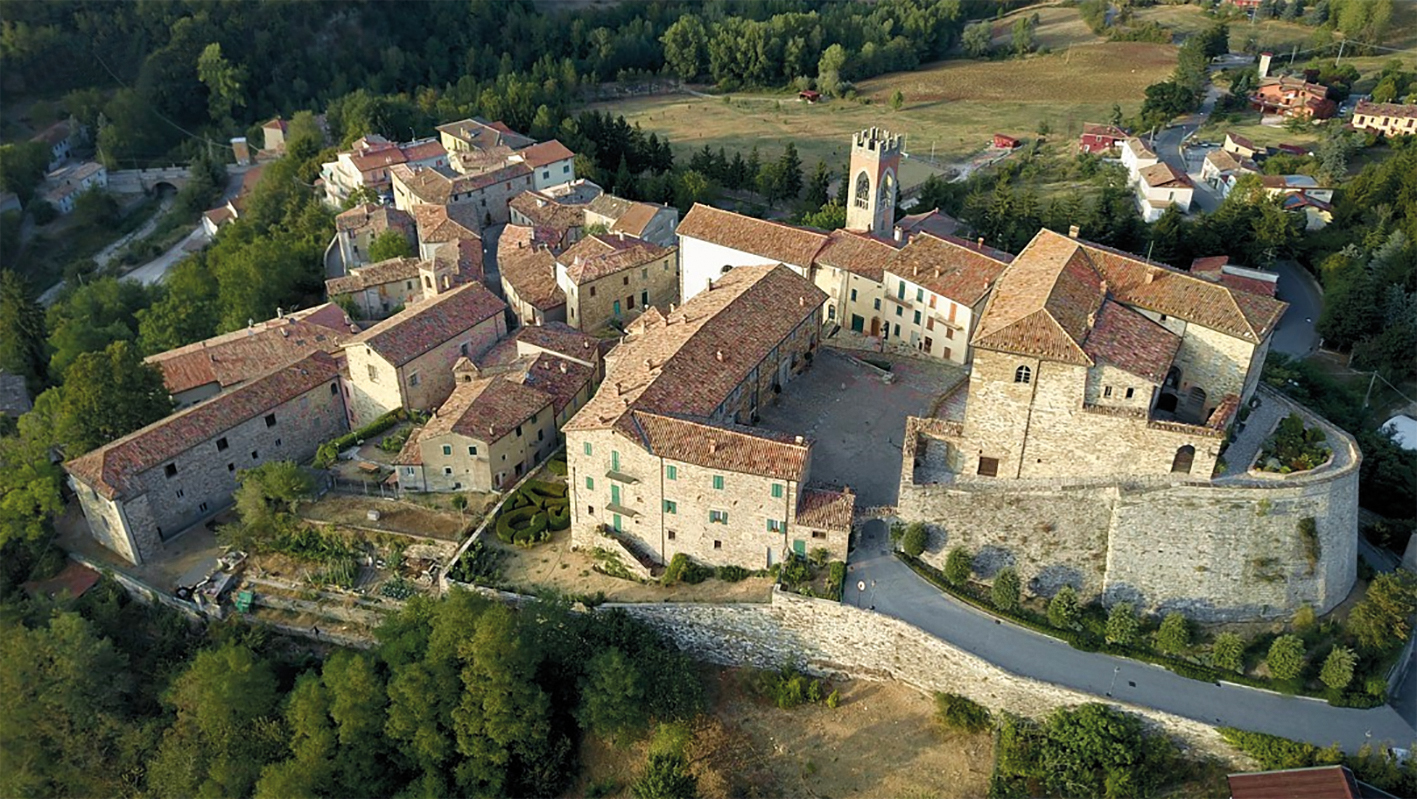
“Stat rosa pristina nomine.” In Montecerignone, where Umberto Eco wrote The Name of the Rose, beauty risks remaining only a name. If only the name of beauty remains, our task is to bring it back to life through shared spaces and collective care—reimagining public spaces as living commons of culture, creativity and civic engagement.
Italy
{Empty}
Prototype level
Yes
Yes
Yes
Yes
EAFRD : European Agricultural Fund for Rural Development
PSR Marche 2014-2023 Misura 19.3. https://www.montefeltro-leader.it/psr-marche-2014-2022-mis-19-3-a-progetto-di-cooperazione-gal-nuove-vie-per-un-turismo-sostenibile-evento-finale-venerdi-24-ottobre-2025-ore-10-30-presso-la-sede-della-riserva-natural/
No
41031: Monte Cerignone (IT)
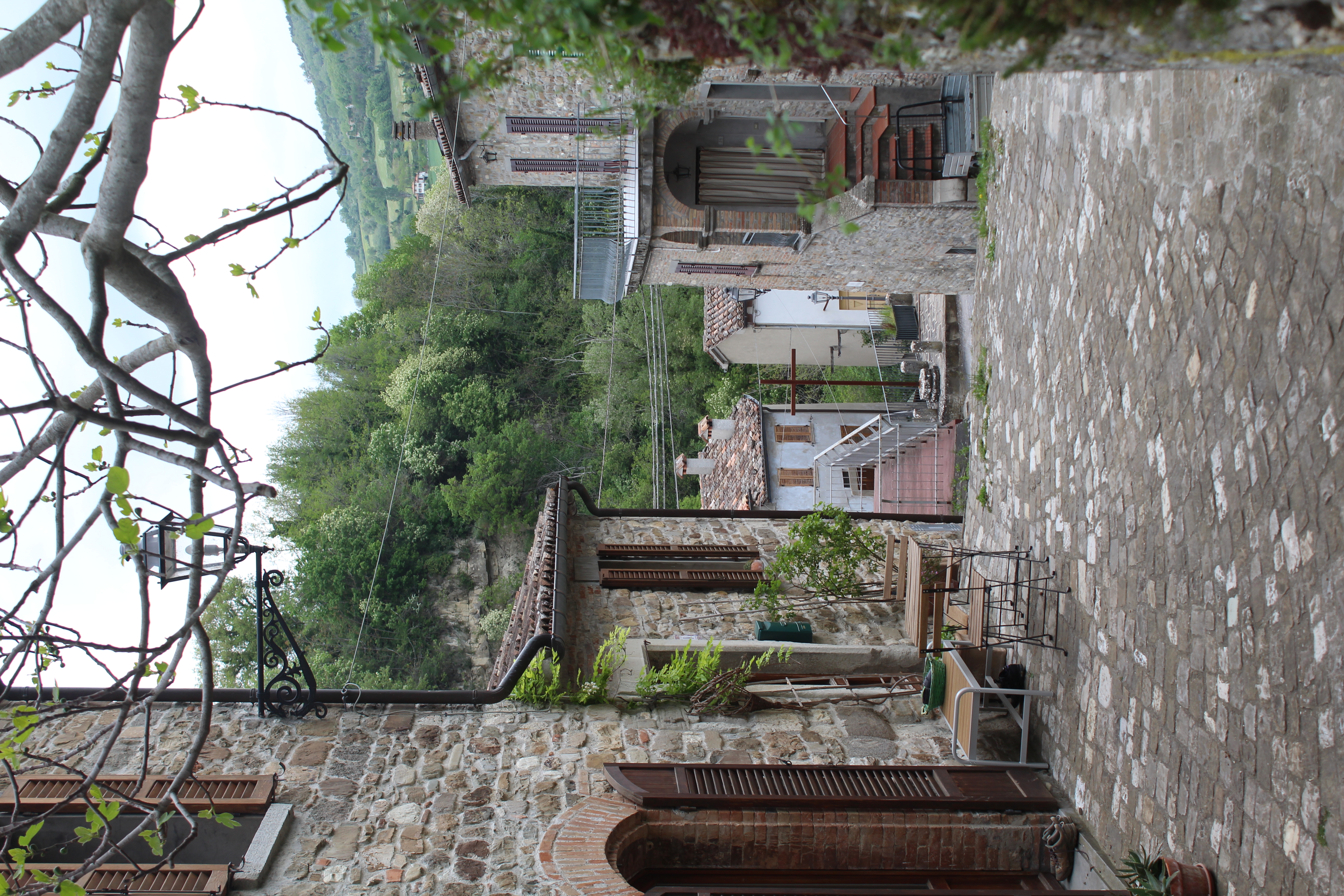
If reality is shaped by the stories we tell, our goal is to empower communities to reclaim and co-create the meaning of their places. MonsCerignonis|The Atlas of hidden beauty is a place-based, open-air living NEB Academy, where squares, the fortress, gardens and natural paths become spaces for learning, experimentation and collective creation.
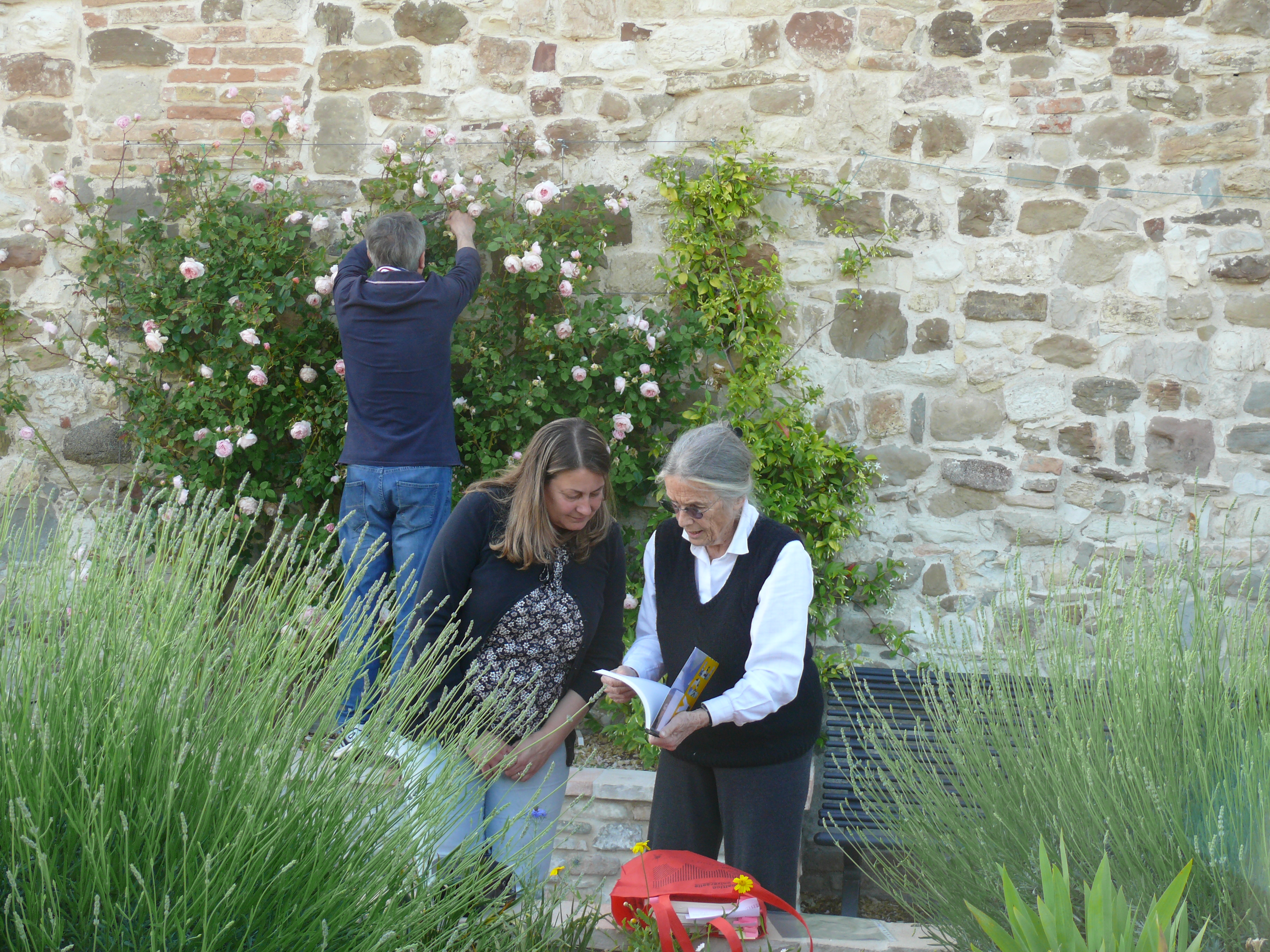
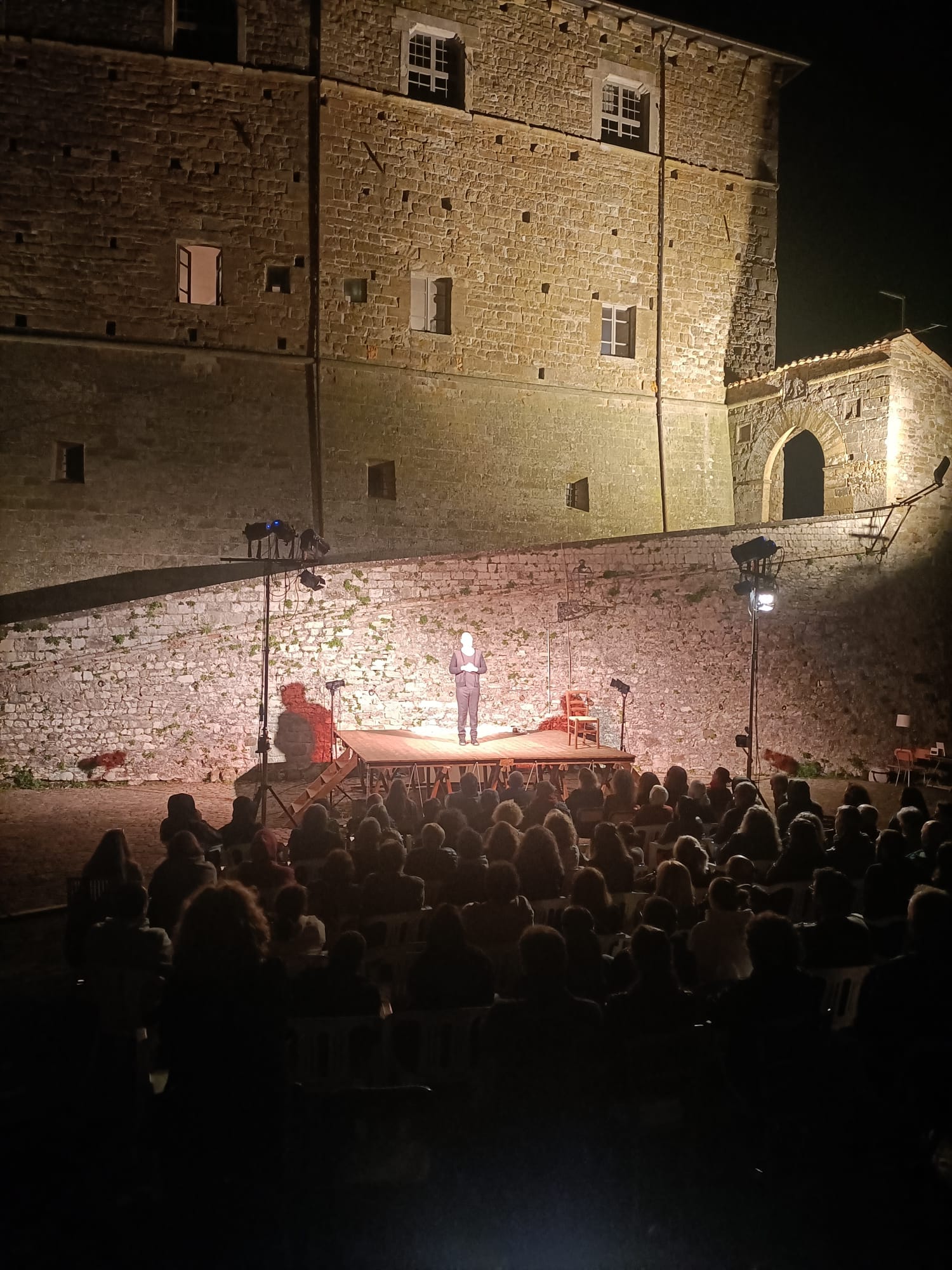
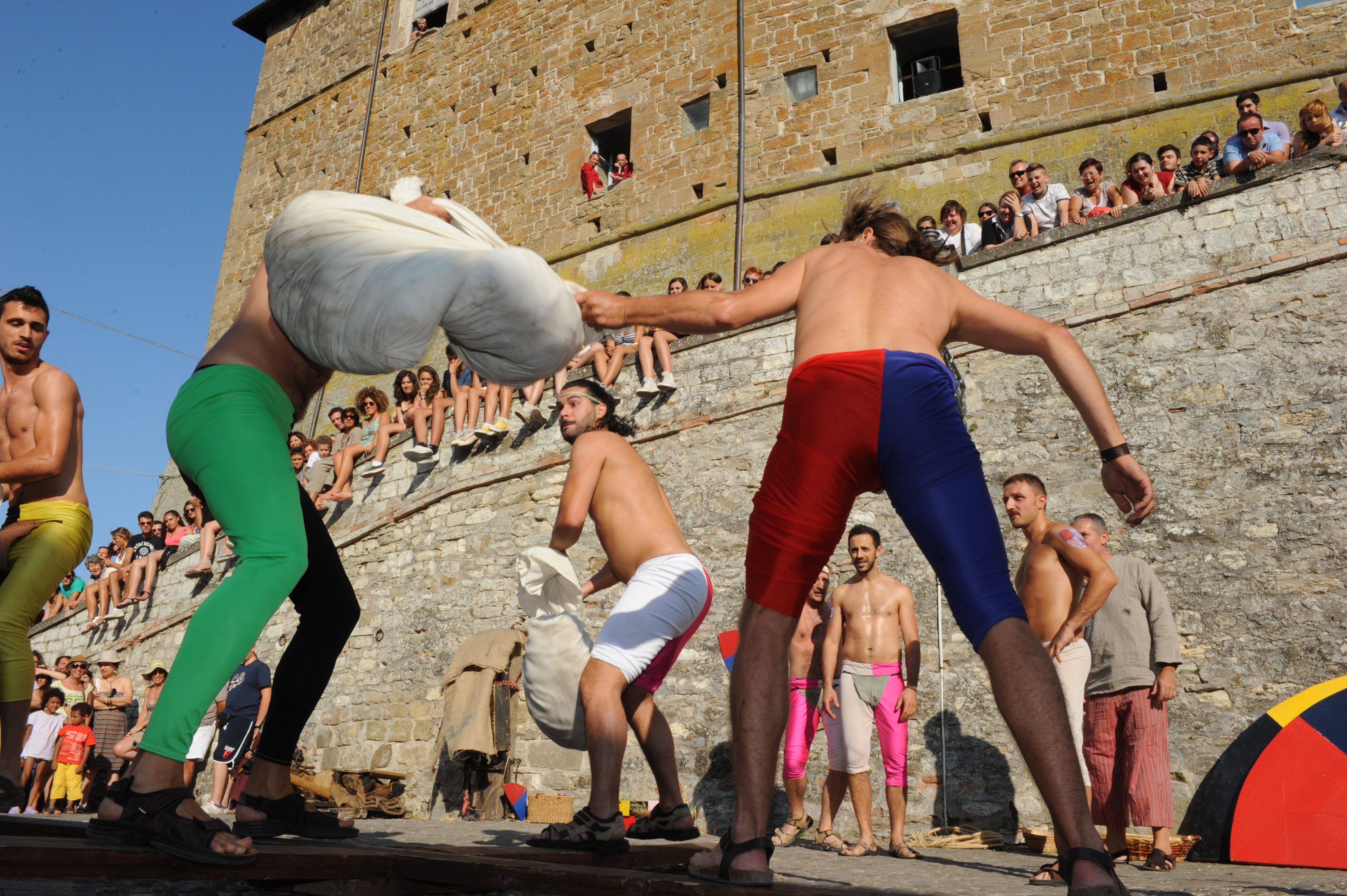
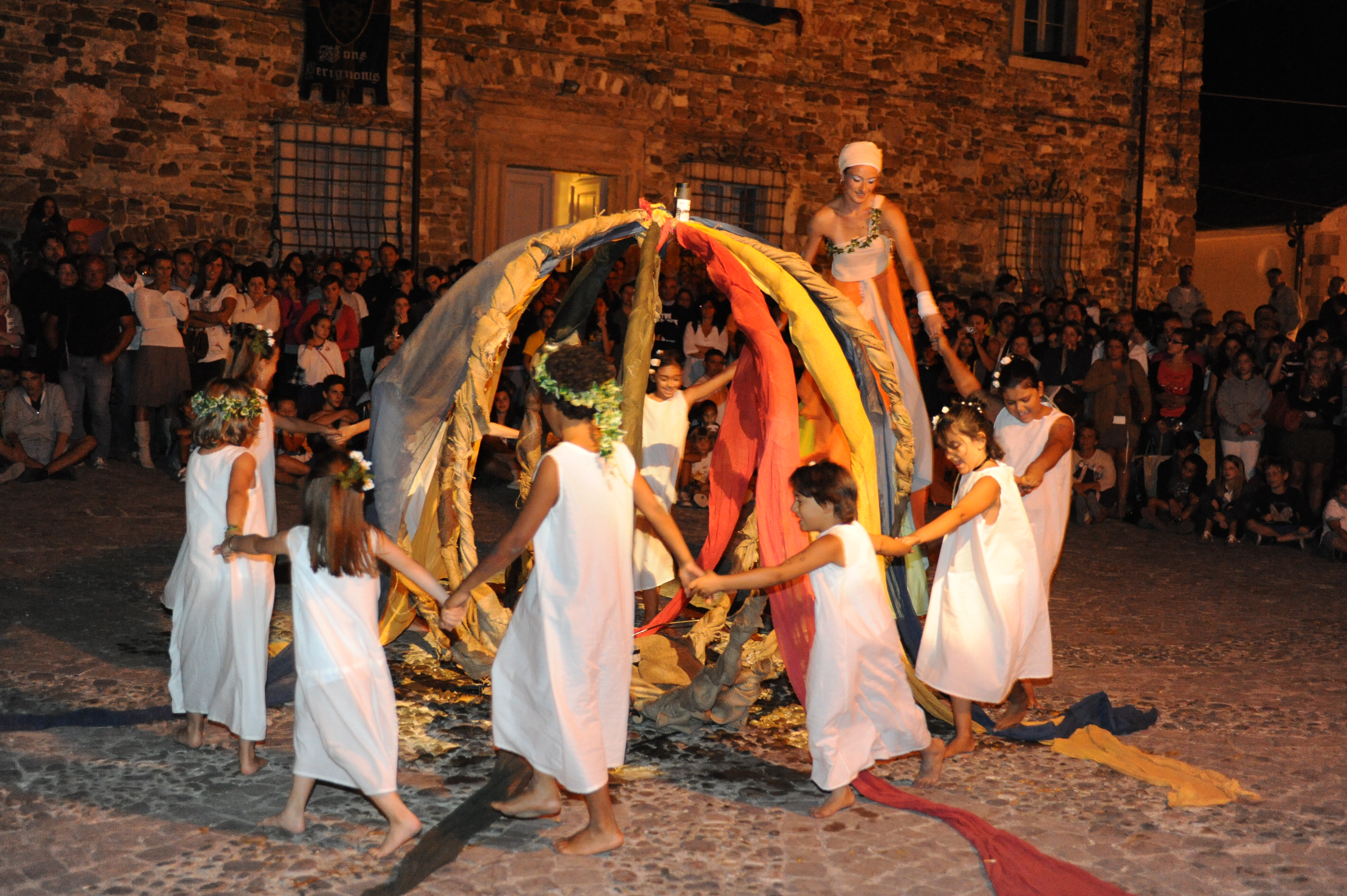
The project builds on over ten years of community-led initiatives, through which residents have progressively reclaimed shared spaces in a sustainable way: the medieval flower garden within the fortress, volunteer-led river itineraries, medieval festivals, social theatre in the main square, and a community-based hospitality model centred around the village square. Building on this legacy, the Academy structures and amplifies these practices into a replicable learning-and-action model for small communities.
The initiative aims to regenerate public spaces as living cultural commons, strengthen sense of belonging and local identity, and create new opportunities for living and working to counter depopulation. It targets residents of all ages, youth and potential new inhabitants, local administrations, cultural actors and European small communities, fostering strong intergenerational exchange.
Core activities include co-design workshops, participatory artistic practices, hands-on actions for care and reuse of spaces, and public assemblies and performances. The “cone of futures” is used to explore possible, plausible and preferable scenarios, guiding collective decision-making.
Expected outcomes include a network of public spaces activated as commons, increased civic participation and shared responsibility, strengthened identity and new place-based development pathways,and a scalable model for sustainable regeneration.
The project fully embodies NEB values:beauty through the reinterpretation of places, sustainability through care and low-impact actions, and inclusiveness through structured and continuous co-creation processes.
Living School of Sustainable Beauty
NEB Smart Villages
Umberto Eco's legacy
Futures cone and active citizenship
Intergenerational place-based innovation
MONS CERIGNONIS integrates sustainability as a tangible, measurable driver of place-based regeneration, combining biodiversity protection, low-impact construction, and environmental education within a community-led framework.
A core objective is to restore and enhance local biodiversity. The initiative recovers ancient tree species and traditional plants, including the medieval flower garden within the fortress, transforming it into a living ecological archive. This helps preserve genetic diversity, regenerate ecosystems, and reconnect citizens with local environmental knowledge.
Sustainability is embedded in the adaptive reuse of private buildings involved in the community-based hospitality model. Interventions prioritise locally sourced, natural, and recyclable materials, alongside energy-efficient solutions, thereby reducing environmental impact while preserving the village's historical identity.
Environmental education is activated through hands-on, intergenerational learning processes that engage residents, schools, and visitors in practices of care, reuse, and ecological awareness. This strengthens environmental literacy and fosters long-term behavioural change.
The project also develops low-impact itineraries inspired by land art, in which nature serves as a medium for cultural expression without permanent alteration. These paths promote slow mobility and a deeper, experiential relationship with the landscape.
MonsCerignonis shifts sustainability from a set of practices to a shared civic infrastructure. It turns public spaces into platforms where ecological action, cultural production and collective decision-making converge. By linking biodiversity, materials, and community learning within a co-creation framework, our project can be exemplary by generating a replicable model in which sustainability is not an outcome but a continuous, community-driven process.
The Atlas of Hidden Beauty functions as a dynamic tool to map, reveal and reinterpret overlooked qualities of places, enabling users to experience the village through multiple perspectives—historical, ecological, symbolic and social. It places aesthetics and quality of experience at the core of place-based regeneration, redefining beauty as a lived, collective and accessible dimension of everyday life. The initiative pursues three key objectives:1.to transform public spaces into meaningful, sensorial environments where design, culture and heritage converge;2.to enhance experiential quality through light-touch, context-sensitive interventions;3.to co-create aesthetic value through participatory artistic and cultural practices. These objectives are already being achieved through a decade of community-led actions: squares, the fortress, gardens and natural paths have been progressively reactivated as immersive spaces combining visual quality, spatial coherence and narrative depth. Medieval festivals, social theatre and curated itineraries generate layered cultural experiences that engage people emotionally and cognitively, demonstrating clear impact on wellbeing, participation and place attachment. The project strengthens these results through co-design workshops, temporary installations and performative actions, while the Atlas functions as a dynamic tool to map and reveal overlooked qualities of places, enabling multi-layered experiences. MonsCerignonis is exemplary in its innovation, shifting aesthetics from static design to a co-created process rooted in care and collective imagination; in its scalability, as a transferable model for small communities; and in its feasibility, building on existing practices and low-impact interventions. It demonstrates that aesthetics can emerge from how people inhabit places together, and the smallest community can produce high-quality, emotionally resonant environments where beauty is not designed for people, but created with them
MonsCerignonis places inclusion at the core of its approach, addressing accessibility, affordability and inclusive governance as key drivers of place-based regeneration. The initiative pursues three main objectives:1.to ensure physical, cultural and social accessibility to public spaces through barrier-free pathways, inclusive programming and multilingual, intergenerational formats;2.to guarantee affordability by promoting low-cost and community-based access to cultural experiences and shared services;3.to establish an inclusive governance system in which citizens, associations, and local actors actively co-design and co-manage spaces and activities. These objectives are already being met through concrete actions. Public spaces are open, flexible and designed for all, enabling participation across ages, backgrounds and abilities. Affordable and often free cultural initiatives ensure broad access, while the community-based hospitality model redistributes value locally. Inclusive governing systems are implemented through assemblies, co-design workshops, and participatory decision-making processes, in which citizens act as co-producers rather than users. The project further advances inclusion through a design-for-all approach, integrating usability, adaptability, and cultural relevance into spatial and experiential design. It also promotes new societal models, such as civic patronage, where individuals and communities contribute to the care and activation of shared spaces. MonsCerignonis adopts an audience-first approach inspired by inclusive cultural institutions, expanding participation beyond traditional users through outreach, co-curation and experiential formats that lower cognitive, social and economic barriers. By transforming the entire village into an accessible, open and co-created cultural environment, it redefines inclusion as active participation, offering a transferable model for widening access and engagement in small communities.
The initiative adopts a structured participatory process in which residents are not consulted ex post but are actively involved from the outset as co-creators and co-decision-makers. Citizens, local associations and informal groups participate through assemblies, co-design workshops and thematic labs, contributing to the identification of priorities, the design of interventions and the activation of public spaces. This ensures that solutions are rooted in local knowledge and respond to real needs.
Multi-level engagement is ensured through interactions among community actors, local authorities, cultural practitioners, and external experts. The municipality acts as an enabling platform, while civil society plays a key role in shaping and implementing actions. This distributed governance model strengthens trust, accountability and long-term ownership.
The initiative also adopts a transdisciplinary approach, integrating cultural practices, spatial design, environmental knowledge and social innovation. Artists, facilitators, educators and citizens collaborate to generate hybrid solutions that combine aesthetic, social and ecological dimensions.
A specific focus is placed on inclusion through the active involvement of vulnerable groups. People at the end of their detention period, women victims of violence and at-risk youth are engaged in co-creation activities, training pathways and community-based initiatives, supporting their social reintegration and empowerment. Partnerships with organisations working with disadvantaged groups also enable their involvement in operational aspects of the project, for example, through inclusive catering services during events and public activities.
The impact of this involvement is tangible. It increases participation rates, strengthens a sense of belonging and enhances the quality and relevance of interventions. Citizens become active stewards of public spaces, contributing to their maintenance and to openness and inclusion.
Our project adopts a multi-level and multi-actor approach, ensuring that stakeholders at local, regional, national and European levels are actively engaged in both design and implementation.
At the local level, residents, associations, cultural actors and small businesses are directly involved as co-creators and co-managers. Through assemblies, co-design workshops and participatory labs, they contribute to defining priorities, designing interventions and activating public spaces. Their role is operational and decision-making, ensuring that the initiative is rooted in local knowledge and needs. This generates strong ownership, higher participation and long-term sustainability.
At the municipal level, the local administration acts as an enabling platform, providing strategic direction, institutional support and integration into planning processes. Its role is to facilitate coordination, ensure continuity and align the initiative with public policies.
At the regional and national level, public authorities, cultural institutions and networks contribute by providing technical expertise, policy alignment and opportunities for scaling. Their involvement supports the integration of the initiative into broader territorial strategies and enhances its institutional relevance.
At the European level, the project engages with networks of small municipalities, cultural organisations, research centres and practitioners working on sustainability, social innovation and culture-led regeneration. These actors contribute through knowledge exchange, peer learning and co-development of methodologies.
The added value of this multi-level engagement lies in its ability to connect local experimentation with broader frameworks. It enhances the quality and innovation of solutions, strengthens institutional support and increases the potential for replication.
MonsCerignonis is grounded in a deeply multidisciplinary understanding of beauty, recognising it as a complex, layered phenomenon that can only be revealed through the interaction of multiple fields of knowledge. The initiative integrates history, architecture, environmental engineering, botany, digital technologies, social psychology and cultural studies, alongside artistic practices and local knowledge. This combination allows the project to uncover the “hidden beauty” of places—not only as an aesthetic quality, but as a synthesis of ecological, cultural, social and symbolic dimensions. Historians and cultural experts contribute to interpreting heritage and narratives; botanists support biodiversity recovery and the reactivation of traditional landscapes; architects and engineers guide low-impact design, adaptive reuse, and net-zero building approaches; digital experts develop tools for mapping and interaction; while social psychologists inform participatory processes and community engagement strategies. A key dimension of the project is the integration of Artificial Intelligence as a tool for artistic co-creation and collective storytelling. AI-based solutions are used to process local narratives, generate visual and narrative outputs, and support participatory design processes, enabling citizens to contribute to the reinterpretation of their environment actively. Interaction among these disciplines is ensured through co-design labs, transdisciplinary workshops and experimental interventions, where experts and citizens collaborate in real contexts. This generates hybrid solutions that would not emerge within a single field. The added value of this process lies in its capacity to produce more inclusive, innovative and context-sensitive outcomes, while fostering mutual learning and new forms of knowledge production.
Our project introduces a fundamentally different approach compared to mainstream place-based regeneration initiatives, which are often sectoral, top-down and focused on physical outputs. Instead of treating public space as an object of intervention, it reframes it as a living common where cultural, social, environmental and technological dimensions converge. Its innovative character lies first in shifting from design-led solutions to process-driven transformation: spaces are not redesigned for communities, but continuously co-created with them through participatory and iterative practices. Second, the initiative integrates art as a cognitive and operational infrastructure rather than a decorative element. Artistic practices are used to reveal hidden layers of places, activate collective imagination and support decision-making, enabling more inclusive and context-sensitive outcomes. Third, MonsCerignonis embeds learning within the transformation process through the NEB Open-Air Academy, turning the territory into a permanent learning environment where skills, knowledge and actions evolve together. This contrasts with conventional training models, which are often detached from real contexts. A further innovation is the integration of artificial intelligence as a tool for artistic co-creation and participatory design, making advanced technologies accessible and meaningful for communities while enhancing collective creativity. The initiative also adopts a systemic and transdisciplinary approach, connecting fields such as architecture, ecology, social sciences and digital innovation, overcoming traditional silos. Finally, it proposes a new governance model based on co-creation and shared responsibility, moving beyond consultation towards co-management of public spaces. By combining these elements, it creates a scalable and replicable model, positioning small communities as active laboratories of transformation rather than passive recipients of external interventions.
Our approach is grounded in creating collaborative ecosystems where artists, universities, enterprises, and communities work together to generate complex, integrated solutions. The methodology is structured around three key elements. The first is the use of art as a cognitive and design device, not as a final output: in projects that combine art and artificial intelligence (such as exhibitions and labs on AI and creativity), artists act as mediators, translating complex technologies into accessible and critical experiences. The second is the adoption of learning-by-doing and co-creation models, as in the Nonturismo project, where citizens become authors of community guides through participatory processes that strengthen identity and care for places. The third is the integration of advanced digital skills, particularly artificial intelligence, as in the Rigenerativa project, which trains cultural operators to use generative AI for design, communication, and impact evaluation. A further distinctive element is the ecosystemic and transdisciplinary approach: projects such as Echoes combine environmental education, outdoor learning, and digital tools to develop a non-anthropocentric, systemic vision of territories. Similarly, STEAM initiatives integrate art and science to generate innovation, overcoming traditional disciplinary boundaries. The innovation of this methodology lies in its ability to transform art from a specialised field into an infrastructure for social innovation, capable of activating communities, facilitating decision-making processes and generating new models of sustainable development. This approach, defined as a “New Renaissance”, enables the creation of solutions that are simultaneously beautiful, useful, and inclusive, and, above all, replicable across different contexts.
MonsCerignonis is designed as a modular and transferable model in which specific elements can be adapted to different territorial, social, and institutional contexts. A first replicable component is the Atlas of Hidden Beauty, a dynamic tool that combines participatory mapping, storytelling, and spatial analysis. This methodology can be applied elsewhere to identify overlooked assets, integrate local knowledge, and support decision-making processes. A second transferable element is the NEB Open-Air Academy, which can be adapted as a place-based training programme for small communities, public administrations and cultural actors, combining learning-by-doing, co-creation and transdisciplinary approaches. Its modular structure allows replication in different formats, from short workshops to long-term capacity-building programmes. The co-creation processes developed within the initiative are also highly transferable. Structured assemblies, co-design labs and participatory governance mechanisms can be implemented in other contexts to strengthen civic engagement and shared responsibility, regardless of scale. Another key replicable element is the use of artistic practices as operational tools for regeneration. This approach can be applied in different environments to activate spaces, engage communities and generate new narratives without requiring large investments. The integration of artificial intelligence for artistic co-creation and participatory design represents an additional transferable innovation, enabling communities to access advanced tools for storytelling, visualisation and collective decision-making. The model also includes low-impact, reversible interventions that can be adapted to diverse spatial and economic conditions. Finally, the overall ecosystem approach—connecting culture, environment, governance and local economies—can be replicated as a strategic framework, supported by toolkits, guidelines and training materials.
MonsCerignonis plans a structured set of activities for further development and implementation, aligned with its evolution as a NEB Living Lab and Open-Air Academy. The initial phase focuses on consolidating governance and activating co-creation through assemblies, stakeholder mapping and participatory identification of priority spaces. This phase is guided by the Asset-Based Community Development (ABCD) methodology, which builds on local assets and capacities. The approach has already been shared through dedicated sessions with the municipal council and the Pro Loco, ensuring alignment and early community ownership. In parallel, the Atlas of Hidden Beauty is being developed as a dynamic tool to map and activate local resources. In the following phase, the initiative will implement co-design workshops, artistic interventions, environmental regeneration actions and Academy training cycles, combining learning and experimentation in real contexts. These activities are conceived as low-impact and reversible, enabling iterative refinement. MonsCerignonis has also joined a community of pilot actions testing the VERVE Toolkit, strengthening its methodological framework and linking the initiative to broader innovation networks. In later stages, the project will systematise practices into governance models, develop training modules and toolkits, and expand partnerships to support scaling. The NEB values are embedded throughout: beauty through cultural activation of spaces, sustainability through reuse and biodiversity, and inclusiveness through participatory governance. The working principles are ensured through continuous citizen involvement, multi-level engagement and a transdisciplinary approach. Key steps include establishing a permanent co-creation infrastructure, activating pilot spaces, integrating the cone of futures and progressively institutionalising co-governance.