Soajo Rural
{Empty}
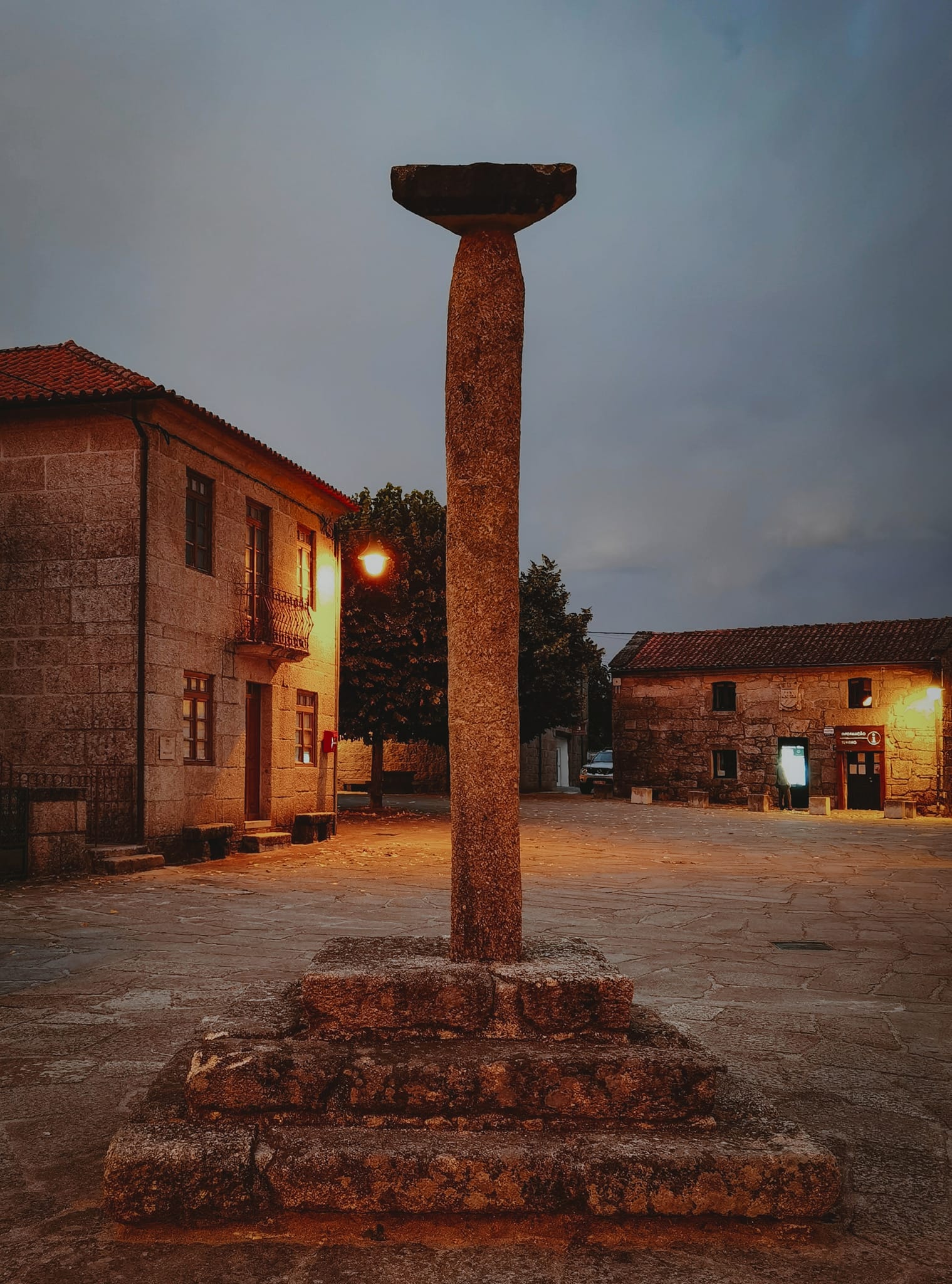
In the heart of the Peneda Gerês National Park, Soajo Rural initiative represents the reconversion of a deactivated parish center into a Rural Hub, a living laboratory for sustainable rural development. Through co-created programming, community governance, and architectural rehabilitation, the project revitalizes territory, strengthens local economies, and preserves intangible heritage while creating new opportunities for both residents and visitors alike.
Portugal
Largo do Eiró, 4970-660 - Soajo, Arcos de Valdevez
Early initiative
Yes
Yes
Yes
No
No
160146: Soajo (PT)
The Soajo Rural project aims to transform the former Social Centre of Soajo into a strategic facility for sustainable rural development, innovation, and territorial cohesion, using a participatory methodology involving civil society, local institutions, and the municipality. The target audience includes the local community, agricultural and livestock producers, artisans, young people, cultural associations, and tourists.
Our objectives include promoting sustainable development in Soajo, providing training and capacity building, alongside with a community of practice, incubating rural business initiatives, facilitating access to financial instruments and knowledge networks, integrating local health services, and creating multifunctional spaces for socio-cultural initiatives. The project seeks to preserve material and immaterial heritage, positioning itself as an experimental space that avoids purely museological .
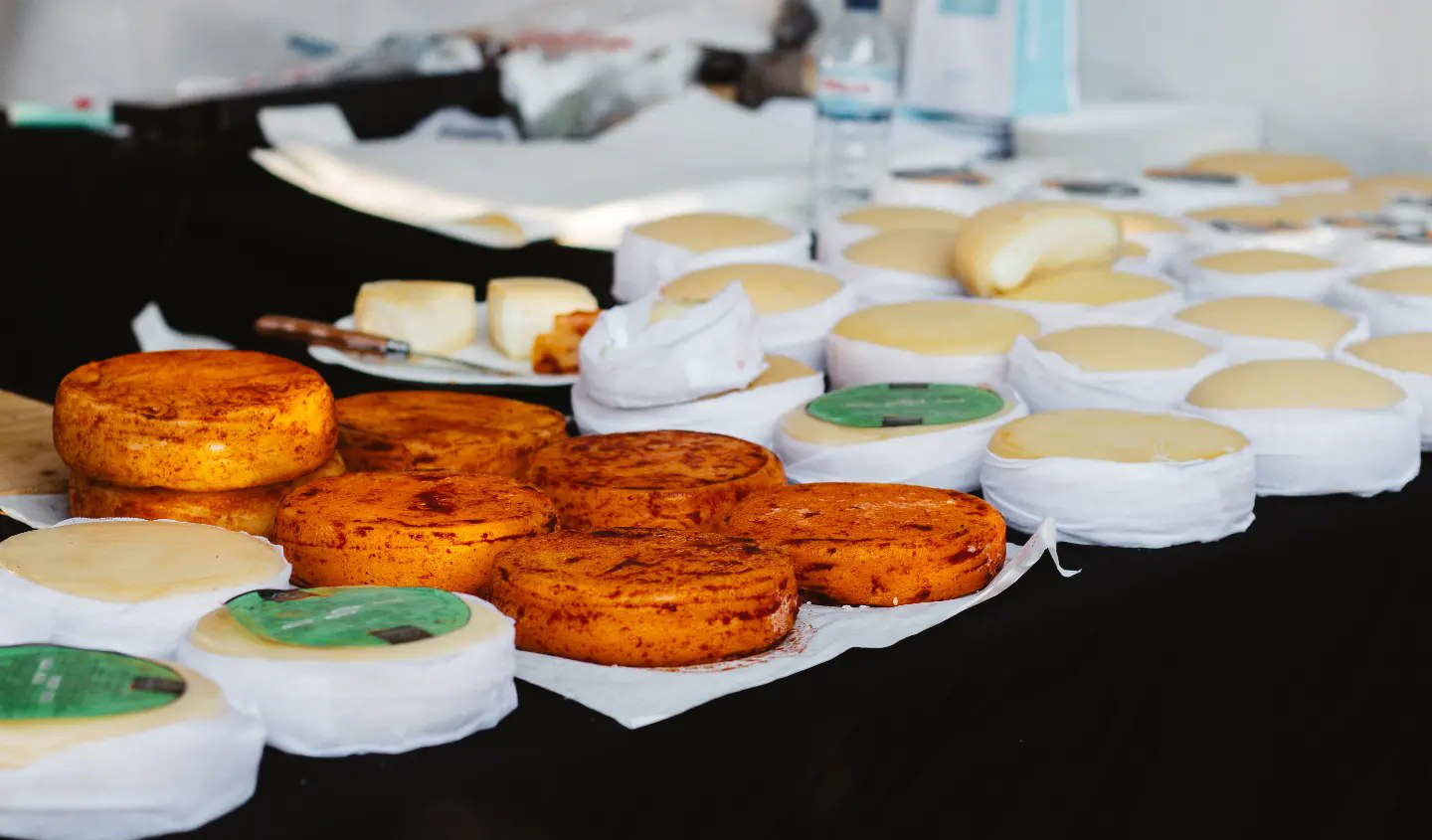
Expected outcomes include added value for local products, enabling economically viable ways of life, encouraging more people to settle in Soajo. Creating an emotional connection between consumers and the territory should boost rural and gastronomic tourism. Demonstrating the relationship between landscape and productive cycles will attract visitors interested in agricultural activities, generating complementary income. The project also aims to retain population by making rural activities more profitable and socially valued, encouraging generational continuity. Finally, we aim to stimulate local networks and a circular economy, strengthening value chains and keeping wealth within the community. In summary, Soajo Rural acts as a structuring element of territorial revitalisation, dynamising the region and reinforcing its attractiveness through the integration of agriculture, culture, landscape, and tourism.
Rural Development
Community Co-creation
Cultural Heritage
Sustainable Rehabilitation
Territorial Identity
The Soajo Rural demonstrates how the sustainability pillar can be operationalised, by focusing on a co-designed project that integrates ecological, cultural, and economic dimensions.
The project values extensive livestock systems in Peneda-Gerês National Park, a tradition in our community. Grazing, terraced farming, and communal fields maintain biodiversity and prevent degradation. Supporting local producers creates market incentives for eco-friendly methods.
Conservation is not separated from human activity, has a Bio-Cultural heritage village, traditional communal land management actively maintains the cultural landscape, viewing biodiversity as integral to living spaces, not just protected zones.
By co-designing local economic circuits, connect producers directly with consumers, tourism, and restaurants we reduce transport emissions, boosts regional resilience, and retains wealth locally, and the Rural Hub will prioritise adaptive reuse over new construction to minimise embodied carbon, with energy-efficient upgrades reducing operational emissions, as well a emotional bonding within our community .
Soajo Rural proves heritage preservation and ecological responsibility are mutually reinforcing. It rejects the notion that tradition conflicts with modernity, instead using traditional knowledge as the foundation for contemporary sustainability. It exemplifies territorial sustainability by embedding goals in local morphology and identity rather than importing generic solutions. Its circular economy approach links producers, associations, and tourism into resilient value chains.Soajo Rural provides a replicable model for balancing environmental stewardship with cultural and economic vitality, showing rural spaces can lead the green transition.
The Soajo Rural initiative redefines rural aesthetics by transforming the former Social Centre from a static monument into a dynamic, living hub where heritage fuels contemporary life. Our primary objective is to create a "Beautiful" environment where design does not merely preserve the past but actively animates it. We reject the "museological" trap; instead, we integrate traditional stone architecture and local craftsmanship with modern, multifunctional spaces that host incubators, health services, and cultural workshops. This design philosophy ensures beauty is functional and lived, not just observed.Regarding the "Quality of Experience," we prioritize deep emotional connection over passive consumption. By weaving together agricultural cycles, gastronomy, and artisanal traditions, we craft immersive narratives where visitors and residents alike experience the rhythm of the land. The design facilitates direct interaction between producers, artisans, and the community, fostering a sense of belonging and shared purpose. This approach transforms the territory into a stage for authentic human connection, enhancing the well-being of locals by validating their cultural identity and economic viability.These objectives are being met through a rigorous participatory methodology. Local institutions, civil society, and residents co-design the spatial and programmatic elements, ensuring the aesthetic outcome reflects the community’s soul. The integration of training centers and business incubators within culturally resonant spaces demonstrates that economic sustainability and cultural richness are inseparable.Soajo Rural is exemplary because it proves that rural revitalization can achieve a multiple dimension. It offers a replicable model where the "Together" principle drives the "Beautiful" and "Sustainable." This holistic integration of economy, culture, and design sets demonstrating that true beauty arises from a thriving, inclusive community.
The Soajo Rural initiative places inclusion at the core of its territorial revitalization strategy, addressing accessibility, economic viability, and democratic governance. Our primary objective is to dismantle barriers that typically exclude rural populations from development benefits. We achieve this through a robust participatory methodology that involves civil society, local institutions, and the municipality in decision-making. This ensures inclusive governing systems where the community co-shapes the facility’s evolution, preventing top-down impositions and ensuring the space reflects collective needs.
Economically, we target affordability and viability for diverse actors—from agricultural producers to youth. By incubating rural business initiatives and facilitating access to financial instruments, we lower entry barriers for entrepreneurship. The goal is to enable economically viable ways of life, ensuring that staying in Soajo is not a sacrifice but a prosperous choice. This fosters a new societal model where rural activities are socially valued and financially sustainable, directly combating depopulation. Training and capacity building further empower individuals, creating a community of practice where knowledge is shared freely across generations.
Physically and socially, the transformation of the former Social Centre into a multifunctional hub integrates local health services and cultural spaces. This design for all principle ensures the facility serves everyone: artisans, families, tourists, and vulnerable groups. We avoid purely museological approaches that distance heritage from daily life; instead, we create living spaces that welcome all generations, encouraging generational continuity and social mixing.
The Soajo Rural initiative is fundamentally rooted in a participatory methodology that treats citizens not as passive beneficiaries, but as active co-creators of the project’s vision. Through multiple structured meetings with civil society, local associations, and the broader community, we have established a continuous dialogue shaping every phase of the former Social Centre’s transformation.
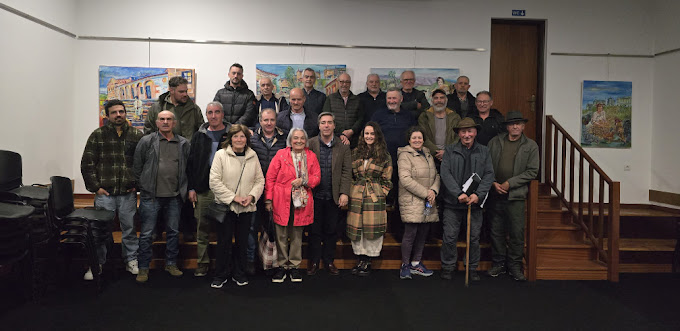
Citizens have been deeply involved through co-design workshops where residents, artisans, farmers, and youth directly defined the space’s multifunctional uses, ensuring they meet real-world needs rather than theoretical ones. Needs assessments conducted with local partners identified critical gaps in training, health access, and business incubation, which now form the project’s core. This engagement has evolved into a collaborative governance model where local associations influence strategic decisions on resources and planning, while a nascent "community of practice" fosters horizontal knowledge exchange among producers.
The impact of this involvement has been transformative. First, it has cultivated profound ownership and trust; the community views the facility as their own, significantly reducing resistance to change and boosting participation. Second, it ensured relevance and viability: programs like specific producer training or heritage-focused cultural events are perfectly aligned with local aspirations, guaranteeing higher uptake and long-term sustainability. Third, the process has strengthened social cohesion, bridging generational and sectoral divides—linking older farmers with young entrepreneurs—and rebuilding the region’s social fabric. Finally, it has empowered citizens, shifting them from feeling marginalized to becoming agents of change. This sense of agency is crucial for our goal of retaining population; when people feel heard and valued, they are more likely to invest their futures in Soajo.
Thought about thisThe Soajo Rural initiative operates through a multi-level governance ecosystem, engaging stakeholders from local to European levels to drive territorial revitalization. At the local level, the Junta de Freguesia de Soajo acts as the governance anchor, steering strategy while aligning with national policies. The Centro Social e Paroquial de Soajo, original owner, provides essential social license and historical continuity.Specialized partners drive vitality. The Cooperativa de Arcos de Valdevez e Ponte da Barca anchors agriculture, connecting producers to markets. Soajo Identidade e Património safeguards cultural heritage, preventing the space from becoming a sterile museum. The Associação Humanitária de Bombeiros embeds emergency services into the center’s fabric, while In.Cubo incubates new rural businesses. Twelve cultural and musical associations plus local society co-create programming, ensuring design emerges from the ground up.Regionally and nationally, partnerships align with Portuguese rural cohesion strategies and the European Green Deal, positioning Soajo as a pilot for policy implementation and future structural funds. At the European level, the project adheres to NEB standards, aiming to access transnational networks. This vertical integration ensures local actions support broader environmental goals.The added value is profound. Synergy merges agriculture, tourism, and care to maximize utility. Resilience distributes responsibility across actors, withstanding shocks. Social cohesion rebuilds trust between generations and sectors through collaboration. Finally, this model offers a replicable blueprint for the EU, showing how local governance networked with cooperatives drives sustainable, viable development. This integrated approach transforms Soajo Rural from renovation into a dynamic engine for territorial regeneration, proving that inclusive stakeholder engagement is the key to lasting change.
The Soajo Rural initiative integrates diverse knowledge fields to create a holistic model of territorial revitalization. Key disciplines include architecture and urban planning, guiding the transformation of the former Social Centre into multifunctional spaces. Agriculture and economics inform the incubation of rural businesses and circular economy strategies, ensuring economic viability. Cultural studies and heritage management preserve material and immaterial assets without resorting to museology. Social sciences underpin the participatory methodology, fostering community capacity building and social cohesion. Public health knowledge ensures the integration of local health services, while tourism and hospitality expertise shapes the visitor experience and gastronomic offerings.
Representatives of these fields interact through a structured participatory methodology involving civil society, local institutions, and the municipality. Architects collaborate with farmers to design spaces accommodating both production and cultural events. Heritage experts work with tourism operators to create narratives linking landscape to productive cycles. Health professionals coordinate with community organizers to embed services within social hubs. This cross-sectoral dialogue occurs in regular meetings and co-design workshops, ensuring economic, cultural, and social needs are addressed simultaneously.
The added value of this interdisciplinary process is significant. It generates synergy, where cultural tourism supports agricultural profitability, and social services strengthen community retention. It enhances resilience by diversifying the local economy beyond single sectors. It ensures authenticity; solutions are grounded in local reality rather than external assumptions.
Soajo Rural innovates by rejecting the divide between preservation and modernization. Mainstream rural projects often fossilize heritage into static museums or impose standard infrastructure ignoring local identity. Soajo transforms the former Social Centre into a dynamic "living laboratory" where heritage fuels current life. Unlike interventions treating culture and economy as silos, this initiative integrates them into a cohesive ecosystem. Landscape and productive cycles serve as the core curriculum for education, tourism, and business incubation.
A key innovation is the "non-museological" approach. While mainstream actions isolate historical assets, Soajo embeds heritage into daily operations. The facility hosts agricultural training, health services, artisan workshops, and business incubation. This functional hybridity ensures the building serves community needs while attracting visitors, creating a loop where cultural value translates into economic viability. This participatory methodology involves civil society, local institutions, and the municipality, ensuring decisions reflect community needs rather than outside assumptions.
The project also innovates in governance and economics. Instead of relying on subsidies, it fosters a "community of practice" and circular economy where wealth circulates locally. By incubating rural businesses through participatory frameworks, it shifts from aid-dependent villages to agency-driven territories. Integrating health services within a cultural hub addresses rural service fragmentation.
Finally, the tourism model is new. Rather than passive sightseeing, it creates immersive experiences connecting consumers emotionally to productive cycles. This encourages longer stays and deeper engagement, generating income while fostering a model where rural life is a viable choice. By weaving agriculture, culture, health, and innovation into a participatory fabric, Soajo Rural offers a replicable blueprint.
Soajo Rural employs a participatory methodology rejecting top-down planning for co-creation. It involves civil society, institutions, and the municipality, ensuring the Social Centre’s transformation reflects community needs. Stakeholders—including producers, artisans, youth, and associations—jointly define multifunctional uses through dialogue, ensuring the space serves diverse real-world purposes.
Central to this approach is sector integration to break down silos. Agriculture, culture, health, and entrepreneurship are woven into a cohesive ecosystem. Training programs foster a "community of practice" where knowledge is exchanged horizontally, allowing producers to access financial instruments and incubate business initiatives while engaging in socio-cultural activities. Integrating local health services exemplifies this holistic design, addressing well-being alongside economic development.
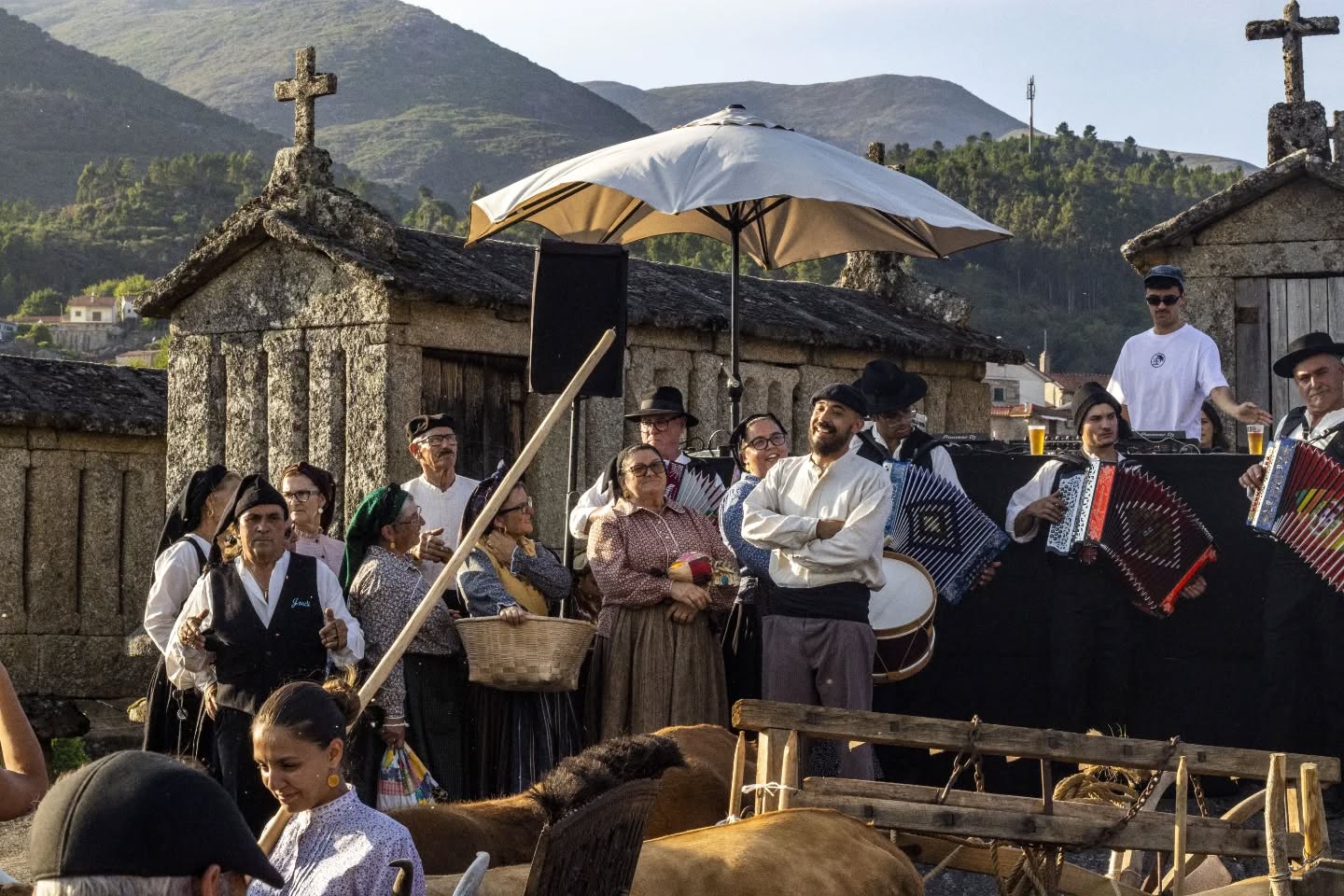
A distinctive feature is the "non-museological" stance toward heritage. Rather than treating heritage as static artifacts, the facility acts as an experimental space where tradition fuels innovation. Material heritage is preserved through active use, while immaterial heritage is revitalized through workshops. This ensures cultural identity remains a living part of the community’s fabric.
Implementation follows an iterative process with feedback loops to refine strategies. By demonstrating the relationship between landscape and productive cycles, the methodology creates immersive experiences connecting consumers emotionally to the territory, boosting gastronomic tourism. Ultimately, this approach fosters a circular economy where wealth stays within the community. Strengthening local value chains makes rural activities profitable, supporting population retention and generational continuity. Soajo Rural thus acts as a structuring element of territorial revitalization, blending economic pragmatism with culturalrichness to create a resilient rural future.
Thought about this
The Soajo Rural initiative offers a transferable model for rural revitalization across Europe, adaptable to regions facing depopulation. Its replicability lies in a flexible framework applying universal principles to local contexts.
The core methodology of participatory co-creation is universally applicable. Engaging civil society, institutions, and municipalities to co-design a multifunctional hub can be adopted by any community reclaiming abandoned public assets. Forming a "community of practice," where knowledge flows horizontally between generations, builds social capital in isolated areas, ensuring locally owned solutions.
The functional model of the "non-museological" heritage hub is key. Many regions possess historic buildings at risk of becoming static museums. Soajo’s model activates these spaces as living laboratories—integrating health services, business incubation, and cultural production. Weaving agriculture, culture, and tourism into one ecosystem offers a template for diversifying rural economies without losing local identity.
Economically, incubating rural businesses and strengthening local value chains to keep wealth circulating provides a scalable model. The governance structure, distributing responsibility among stakeholders like cooperatives, offers a replicable framework for democratic territorial management reducing reliance on subsidies.
Furthermore, linking landscape and productive cycles to create emotional tourist connections is adaptable. Any region with distinct traditions can adopt this "experiential tourism" to generate income. This is relevant for EU "inner areas," turning isolation into a selling point through quality of life.
In summary, Soajo Rural provides a replicable toolkit: participatory governance, multifunctional space design, circular economic strategy, and heritage activation. These elements adapt to diverse contexts, transforming rural decline into sustainable, community-led prosperity.
The Soajo Rural initiative demonstrates a concrete commitment to implementation through a phased roadmap translating NEB values into action. Immediate priorities include finalizing co-design workshops with the "community of practice" to align architectural plans with functional needs like health services and business incubation. Infrastructure retrofitting will utilize energy-efficient methods and local sustainable materials to minimize carbon footprints while preserving aesthetic integrity. Operationally, we will launch training cohorts, activate the business incubator, and deploy "landscape-productive cycle" tourism routes to forge emotional connections between visitors and the territory.
"Together" is realized through our participatory methodology, where civil society, the municipality, and associations co-govern the project, ensuring it reflects collective needs. "Beautiful" is pursued by rejecting static museology; instead, we design spaces where heritage is lived and functional, elevating daily life. "Sustainable" is central to our focus on circular economy, local value chains, and eco-friendly renovations, ensuring environmental stewardship drives development.
To fully realize this vision, we will first operationalize the hub by completing renovations to open multifunctional spaces integrating health, culture, and economic services. Next, we will scale the community by expanding the network of producers and entrepreneurs, facilitating access to financial instruments to ensure long-term economic viability. We will then monitor impact by establishing metrics tracking social cohesion, population retention, and economic growth to iteratively refine the model. Finally, we will document these insights in a "Soajo Blueprint" to guide other EU regions. By executing this roadmap, Soajo Rural will evolve from a strategic plan into a thriving example proving that rural territories can lead in sustainable, inclusive, and beautiful development.