Acquasparta Sotterranea
Acquasparta Underground - From a hidden hypogeum to a Model for Small-Town Regeneration
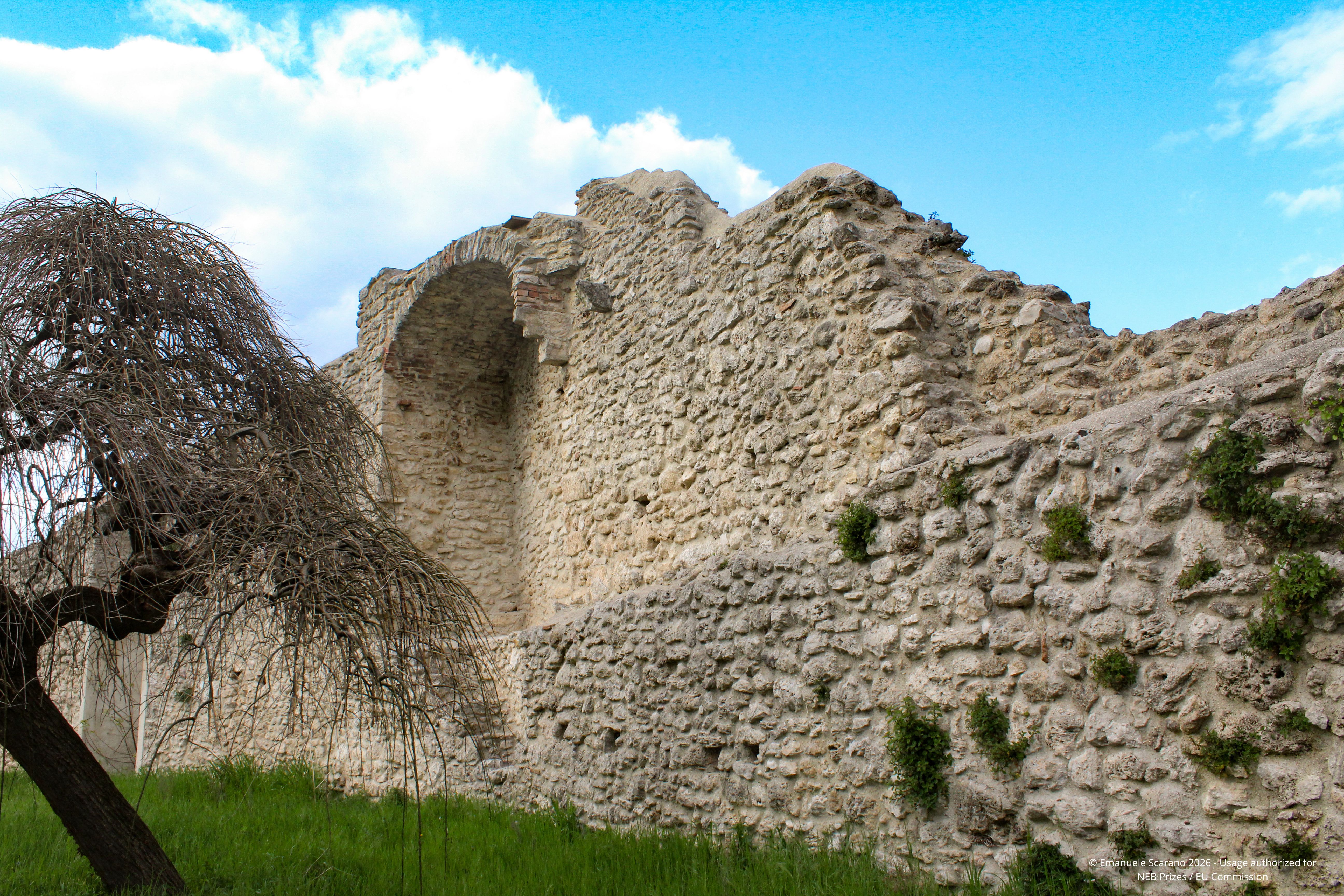
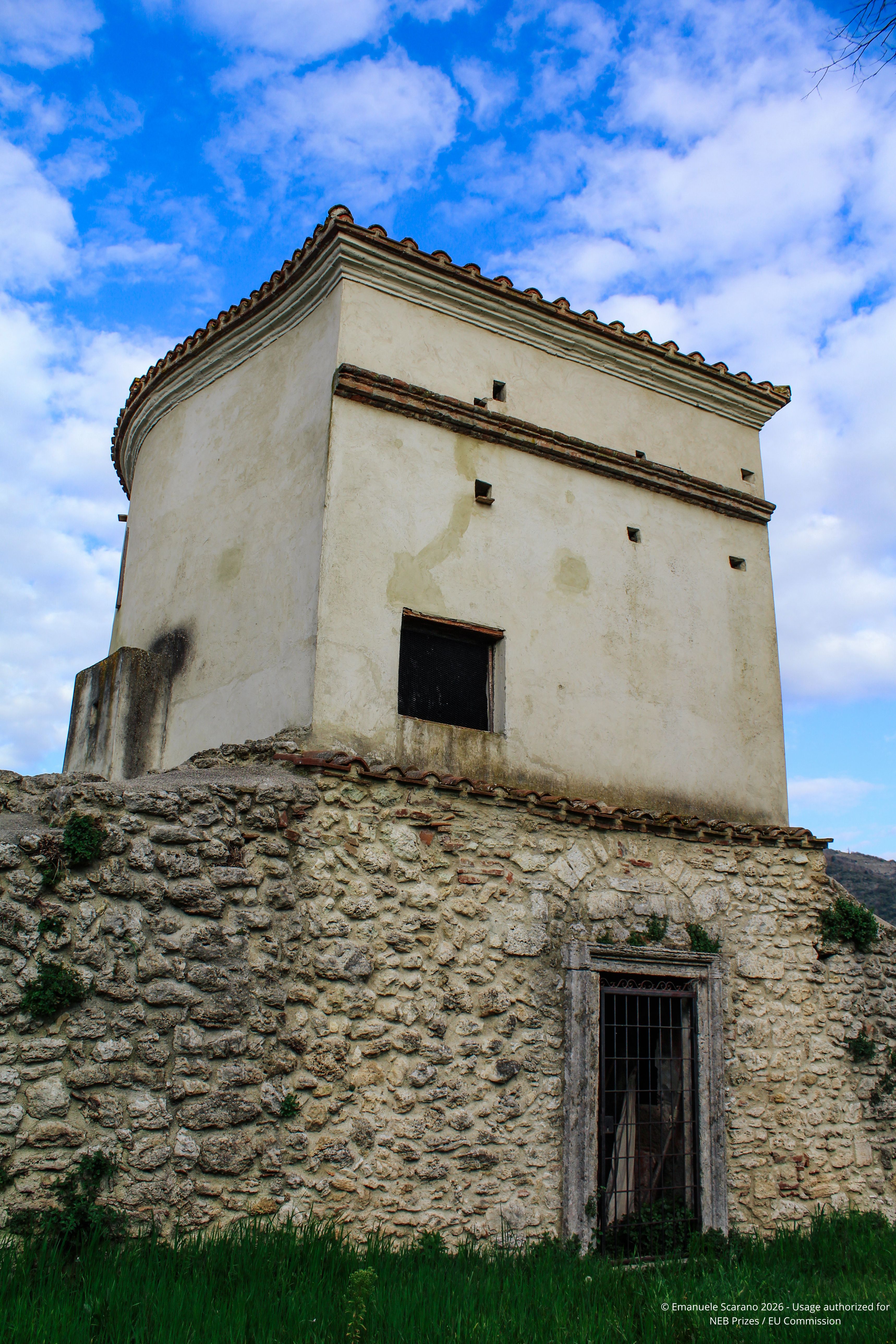
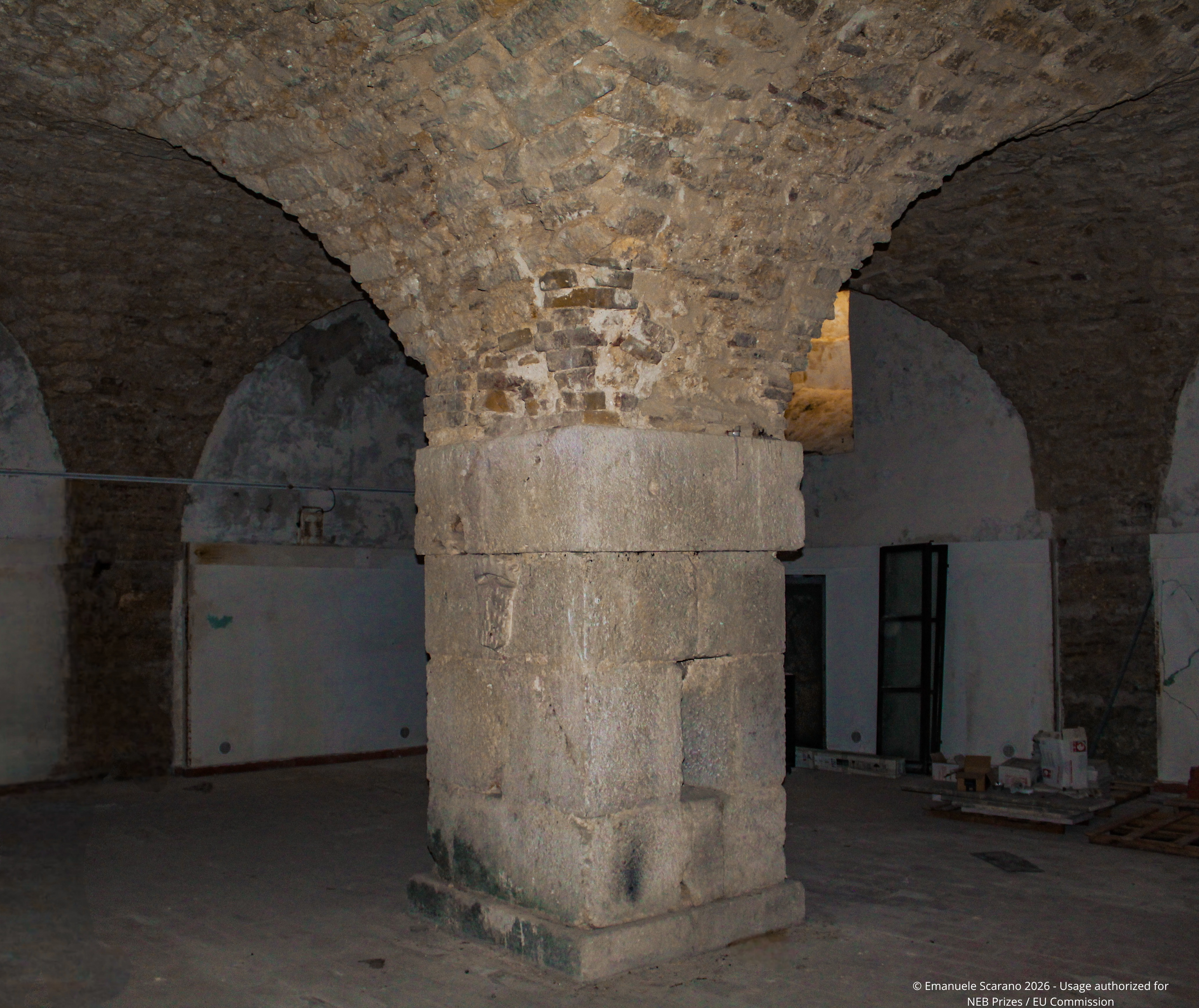
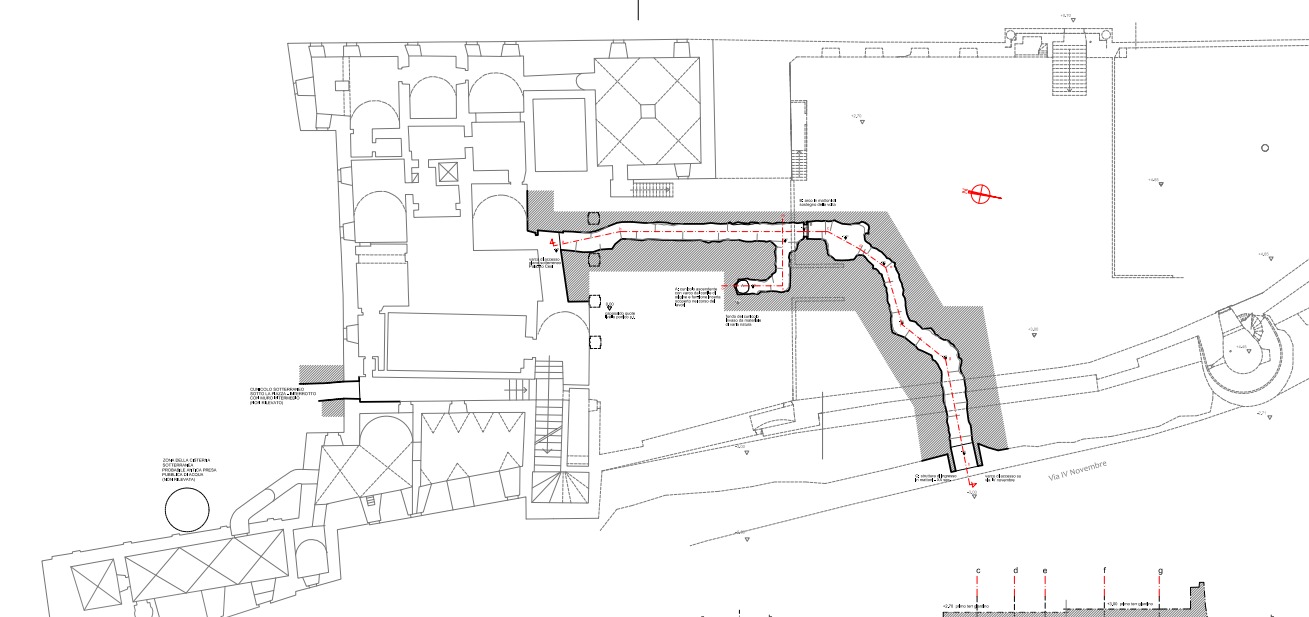
“Acquasparta Sotterranea” transforms Palazzo Cesi, its hidden hypogeum and mysterious tower into a complete above and underground journey where Renaissance history and science, Masonic legends and speleological wonders meet again after centuries of oblivion. Driven by the citizens’ “Tavolo del Turismo”, the project fights rural shrinkage by turning hit-and-run visits into sustainable multi-day tourism, proving how small rural towns can lead tech, inclusive and aesthetic-driven regeneration.
Italy
{Empty}
Prototype level
Yes
Yes
Yes
Yes
ERDF : European Regional Development Fund
The initiative is supported under the Umbria Regional Programme 2021–2027, through an integrated use of ERDF, ESF+ and EAFRD resources, with funding decision adopted in year 2026.
No
55001: Acquasparta (IT)
The Municipality of Acquasparta holds a profound European significance as the 1603 cradle of the Accademia dei Lincei. The general objective of "Acquasparta Sotterranea" is to leverage this unique cultural heritage as a primary engine for socio-economic regeneration, directly counteracting the systemic threat of rural shrinkage. With ISTAT (2023) reporting a demographic decline exceeding 10% in the last decade, the initiative transforms Palazzo Cesi’s hypogeal volumes into a regenerative ecosystem engineered to attract high-value tourism while retaining resident citizens through new professional and social opportunities.
This "skills incubator" is powered by a robust bottom-up alliance: through the “Tavolo del Turismo” parliament, the local community chose to invest in this project as a collective identity pact. The target group encompasses residents, local merchants, and educational institutions for intergenerational knowledge transfer, alongside a strategic regional alliance with the underground sites of Narni, Orvieto, and Todi to establish integrated tourist flows. The initiative pursues specific objectives centered on environmental sustainability, achieved by leveraging the natural thermal inertia of stone for passive climate control to eliminate HVAC systems; circularity, guaranteed by Design for Disassembly (DfD) principles; and universal inclusion, ensured by "Design for All" solutions such as XR layers, tactile maps, and full physical accessibility.
Expected results by 2028 include the full operational maturity of the site as a barrier-free civic asset. Ultimately, the initiative will produce a transferable toolkit for managing historical sites through a transdisciplinary and participatory lens, providing a scalable blueprint that proves how ecological transition and collective heritage management can effectively mitigate demographic decline and foster a resilient, shared European future.
Rural regeneration
Underground heritage
Participatory governance
Inclusive tourism
Sustainable design
The Acquasparta Sotterranea initiative is designed following an approach aimed at minimizing the embodied and operational environmental impacts of the hypogeal site.
The primary objective is to achieve a near-total decarbonization regime through the implementation of Nature-based Solutions (NBS). By leveraging the thermal inertia of the natural stone underground walls, the project adopts a passive climate control strategy. This approach entirely replaces the installation of energy-intensive HVAC (Heating, Ventilation, and Air Conditioning) systems. The underground environment acts as a natural heat exchanger, stabilizing internal temperatures and drastically reducing primary energy consumption and related CO2e (CO2 equivalent) emissions.
Furthermore, the project adheres to the principles of Design for Disassembly (DfD) and circularity. The intervention ensures "Zero Land Consumption" through the adaptive reuse of existing volumes, eliminating the ecological impact associated with new foundations. Through the adoption of dry-assembly systems, visitor infrastructure (walkways, technological supports) is designed to be installed via reversible mechanical joints and bio-compatible materials. This ensures the full recovery of materials at the end of their life cycle, eliminating construction and demolition waste while respecting the original mineral substrate.
To elevate preservation standards, the initiative integrates the protection of hypogeal biodiversity: the use of spectrum-controlled LED lighting prevents the proliferation of "lampenflora", while constant environmental monitoring will verify the site's hygrothermal stability. The intervention aims to integrate heritage conservation with the objectives of the European Green Deal, applying passive engineering solutions that are replicable in similar contexts.
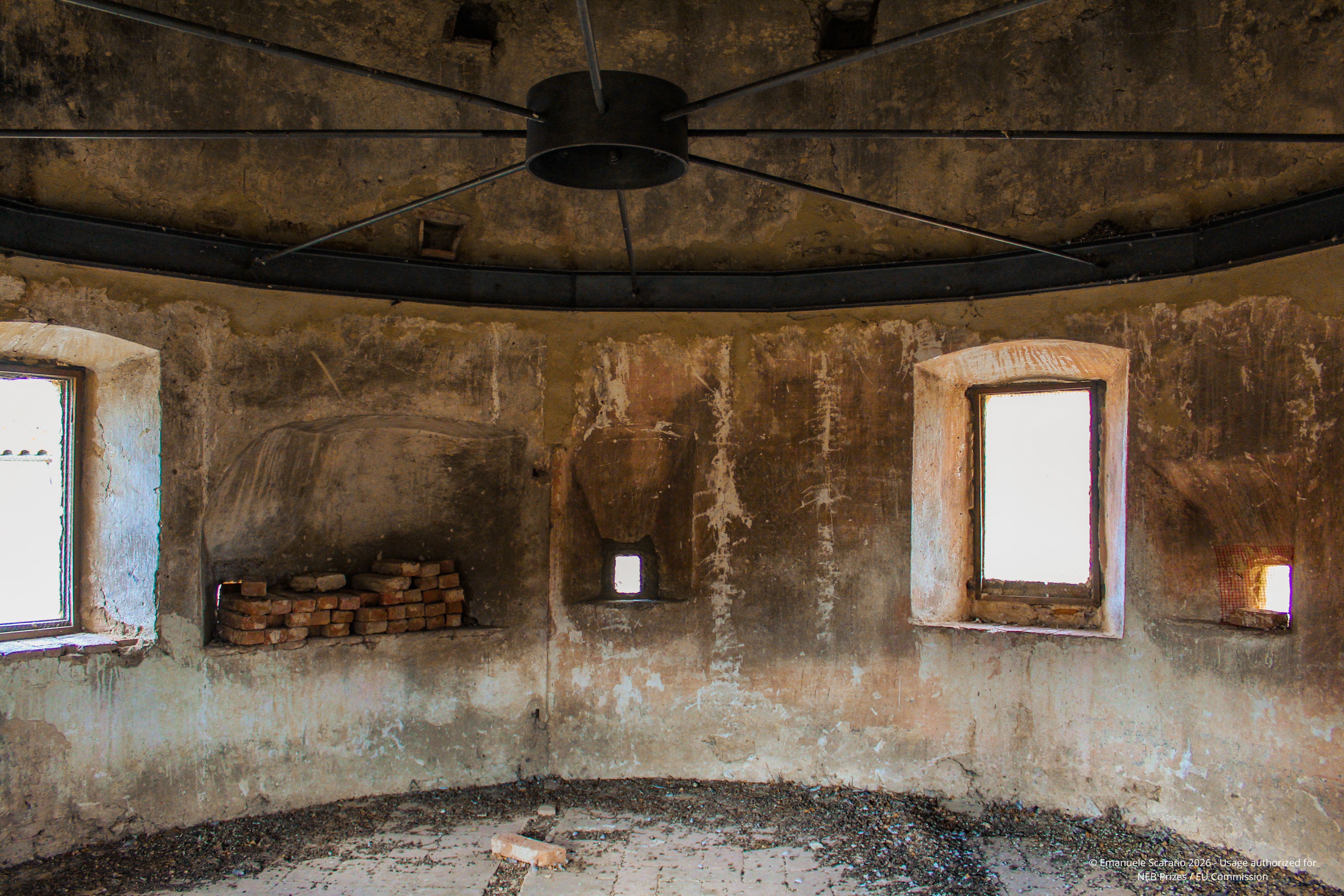
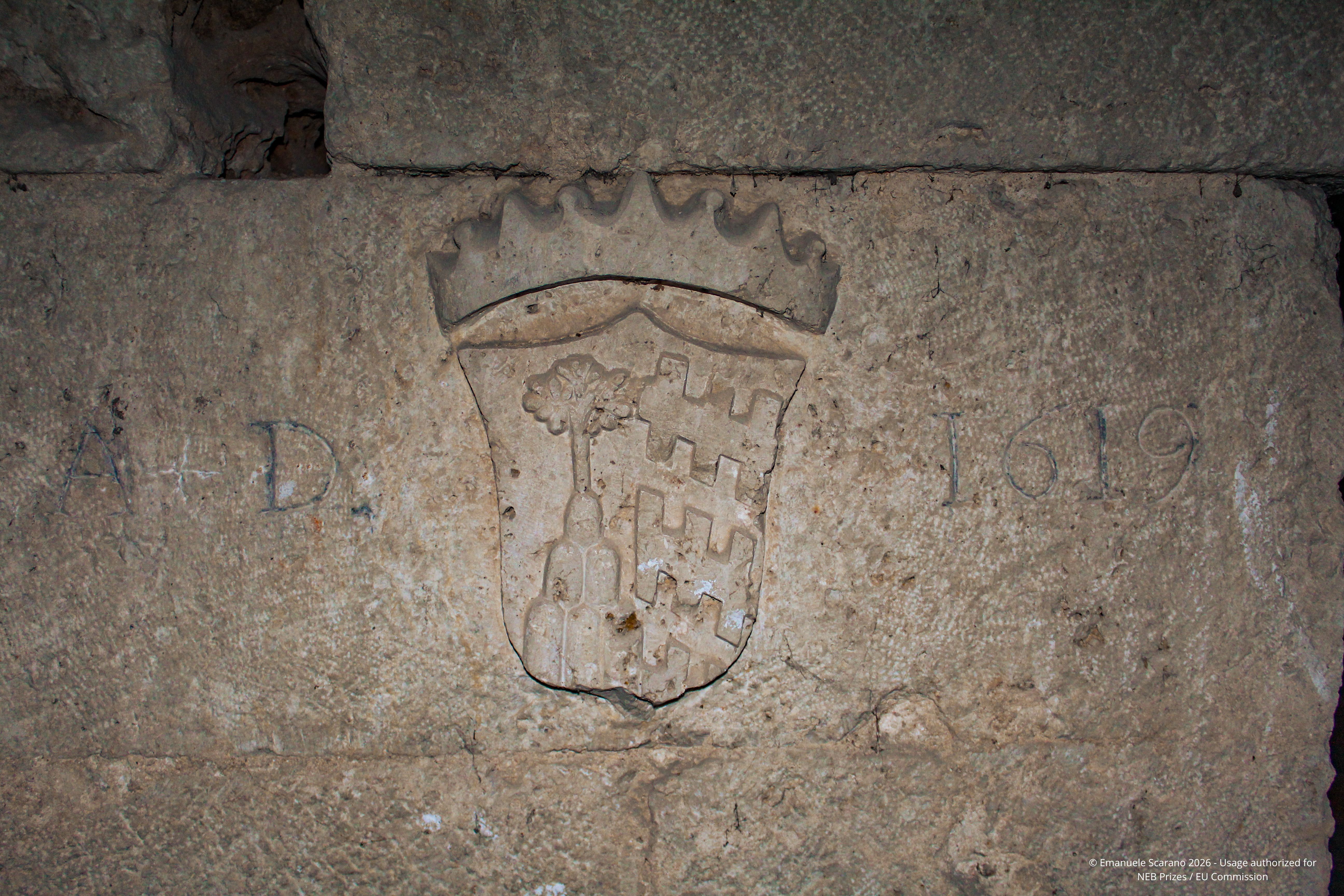
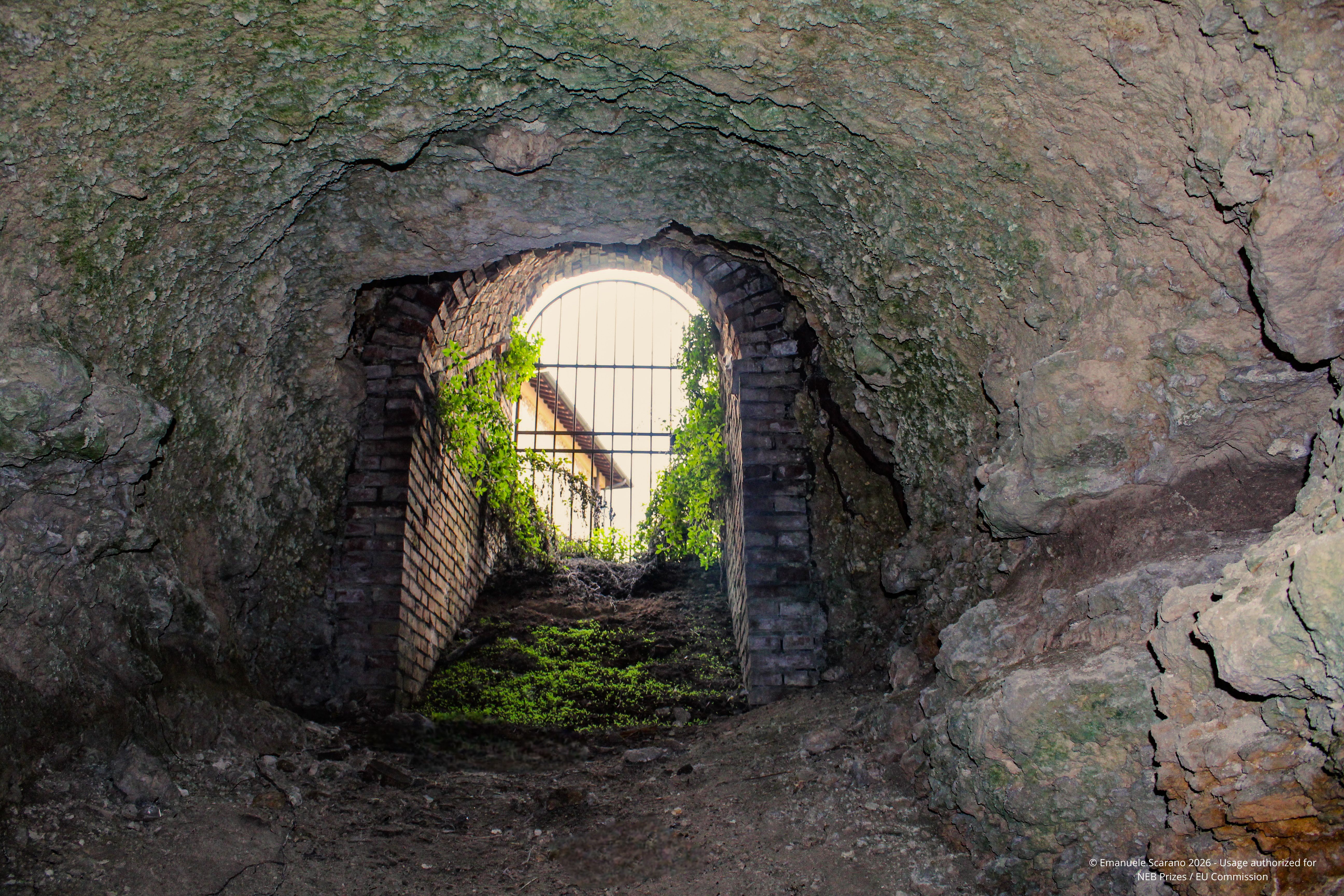
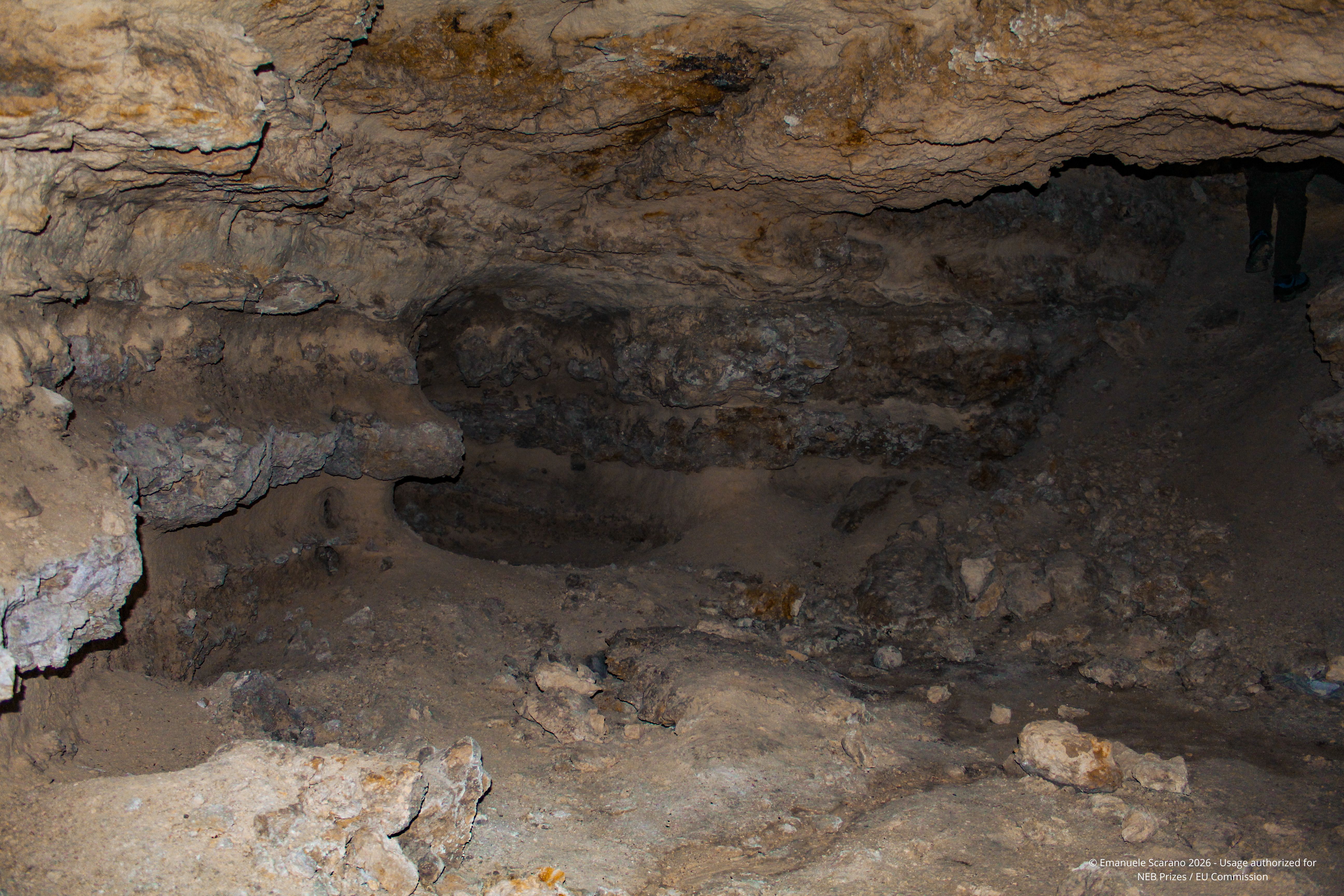
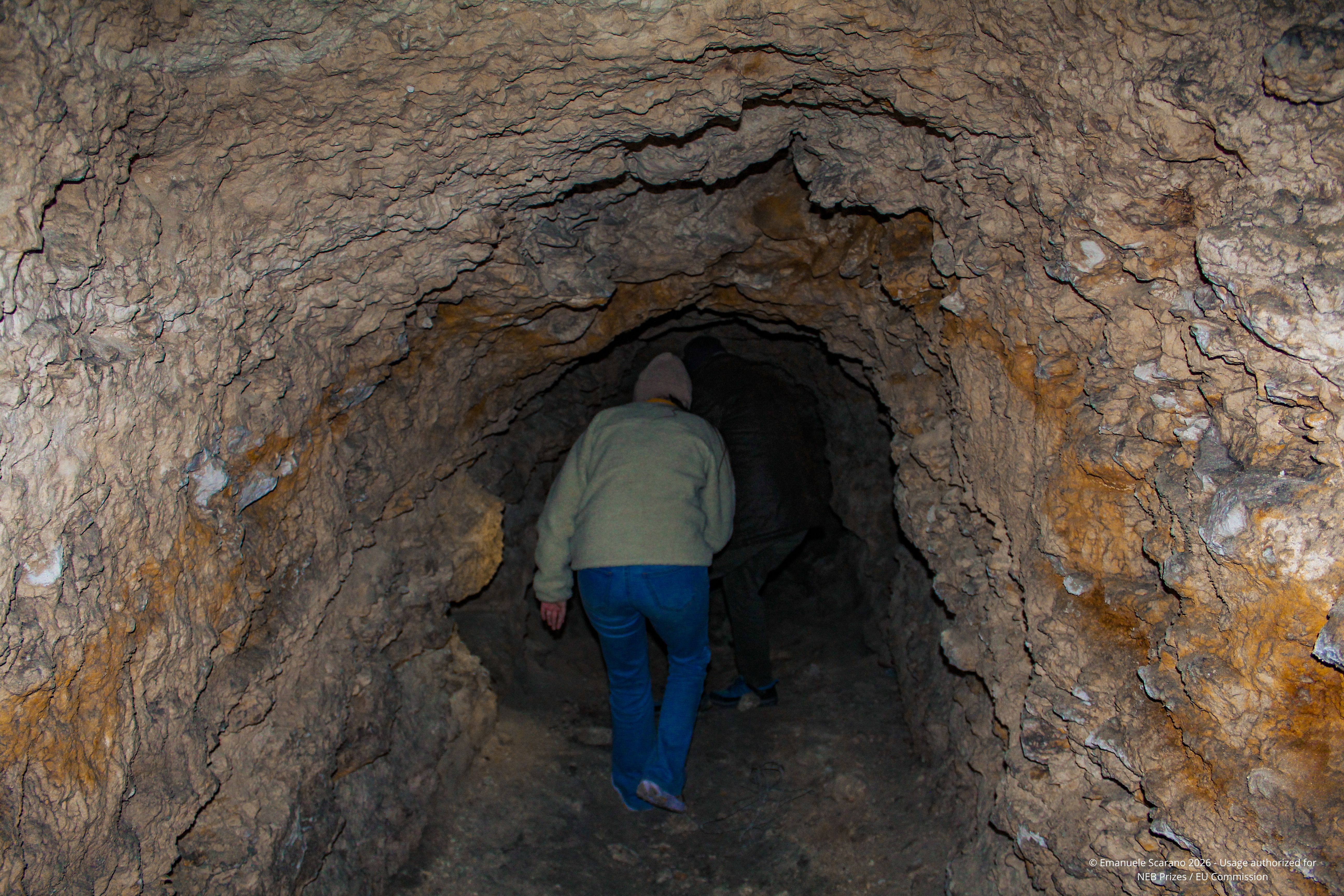
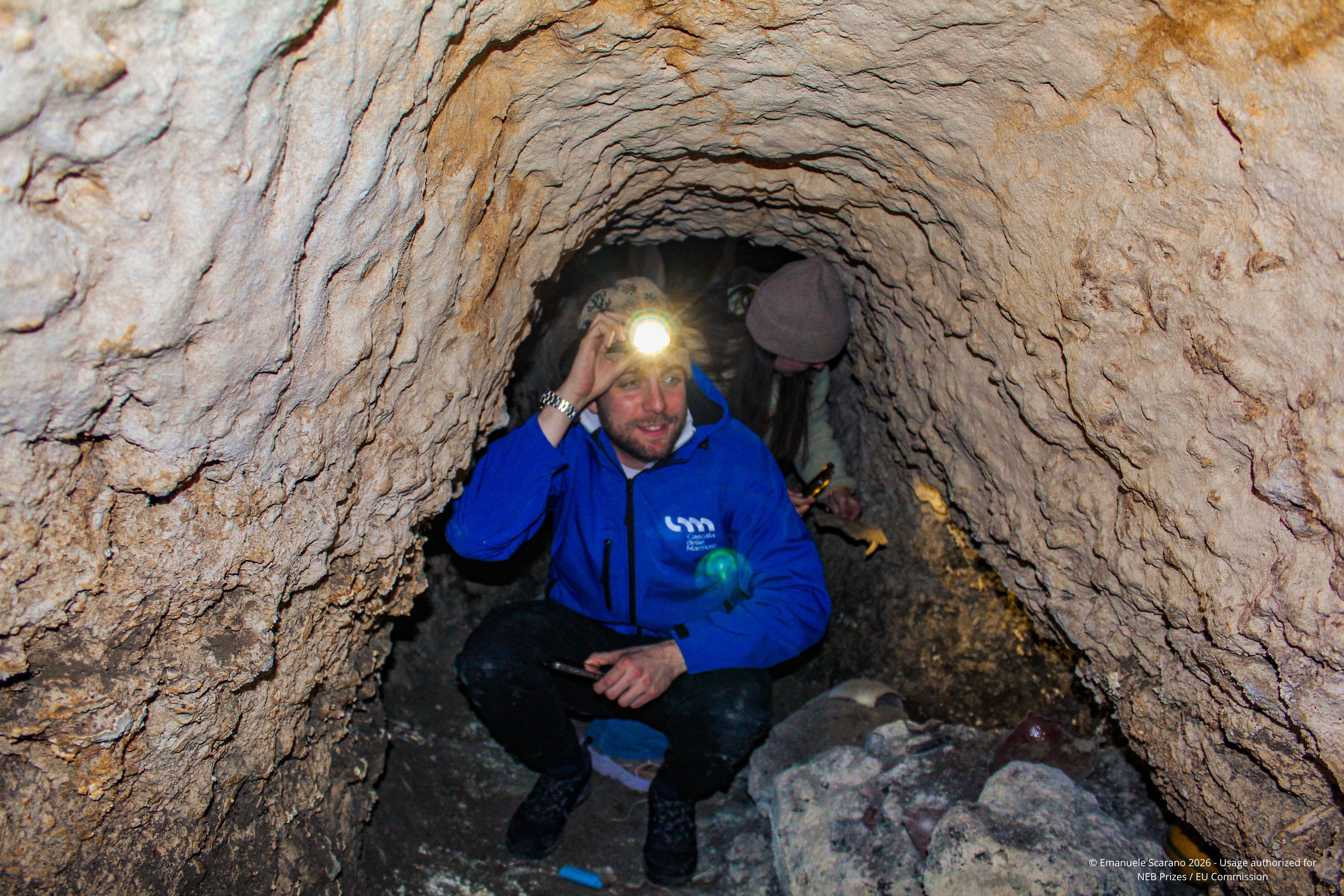
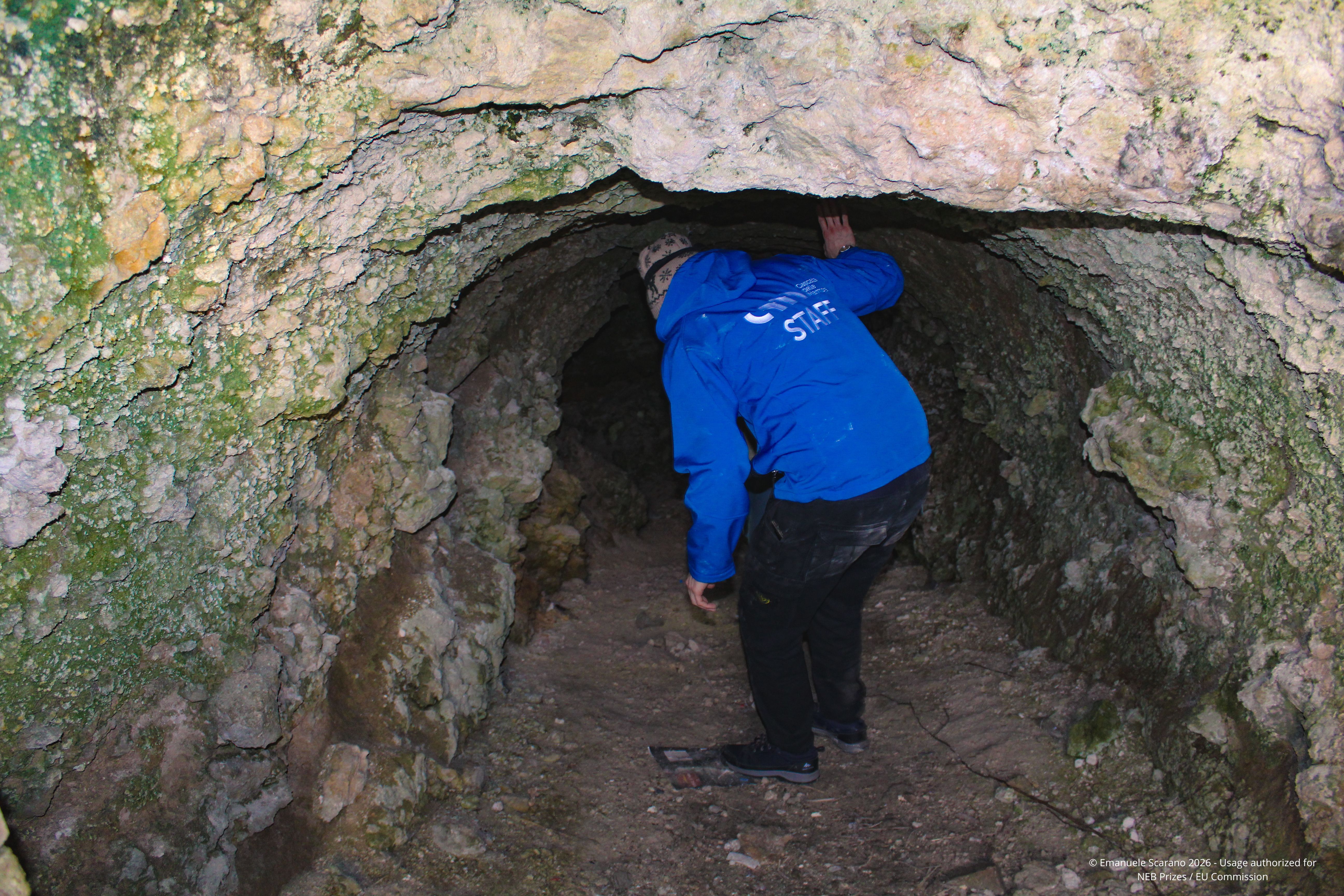
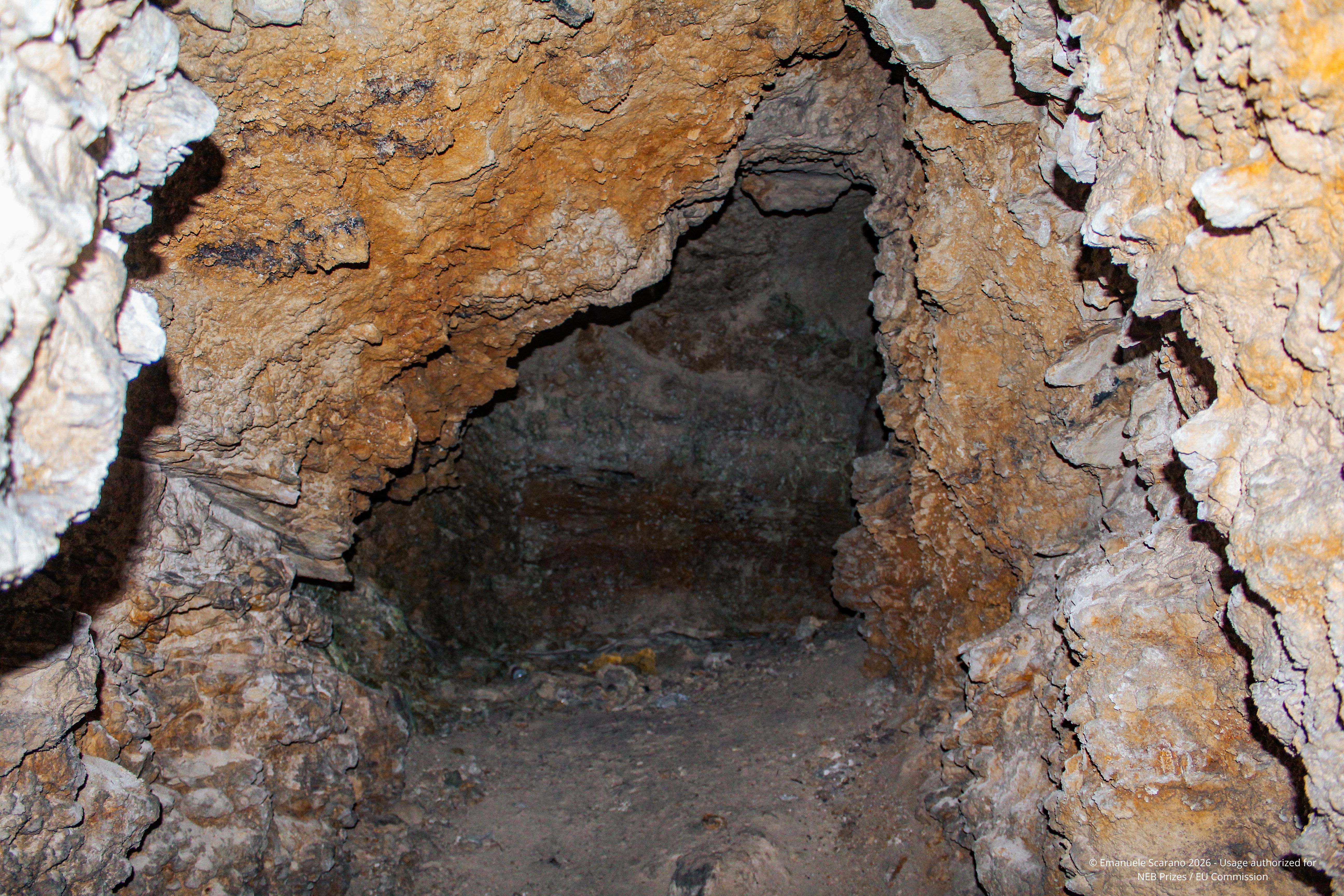
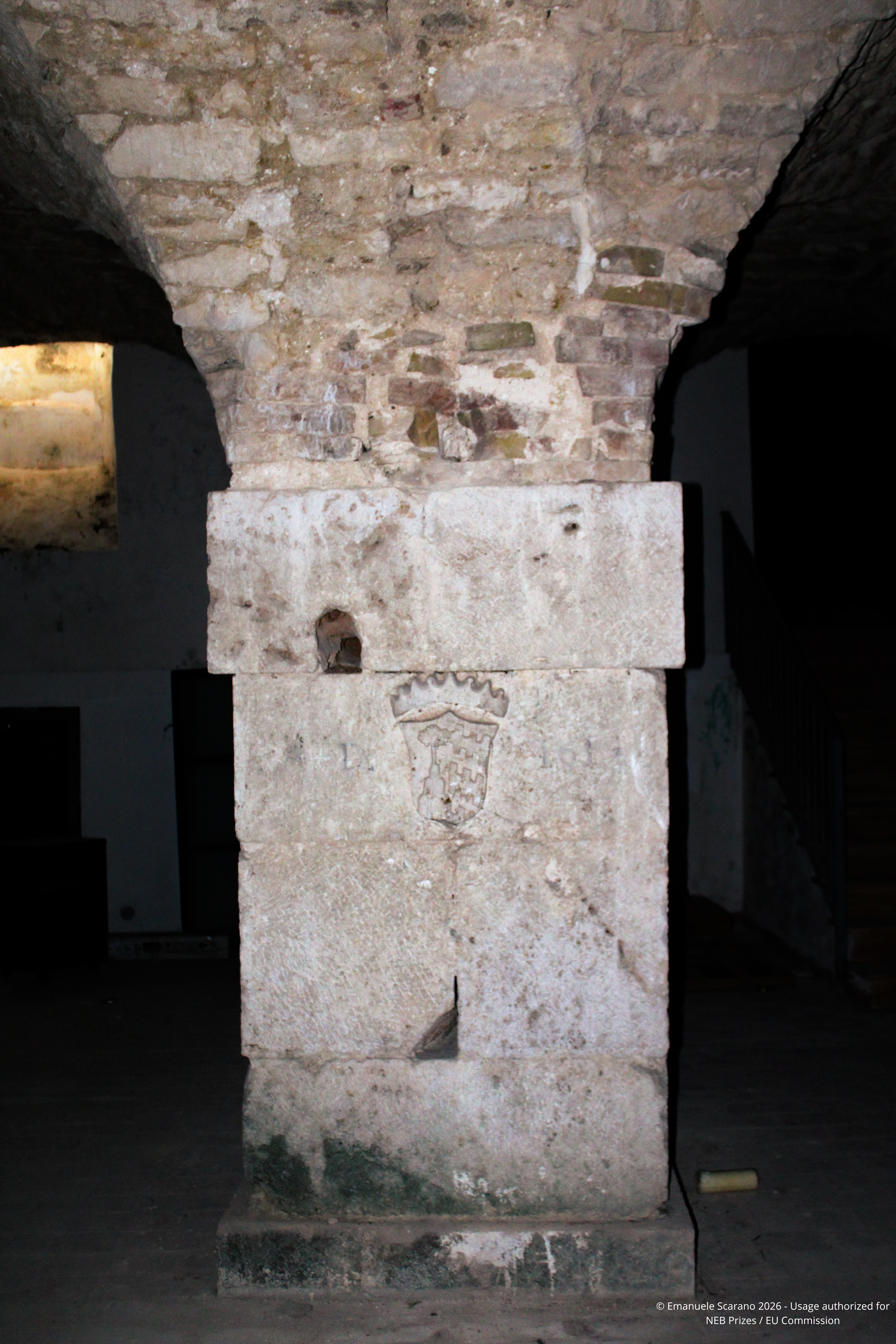
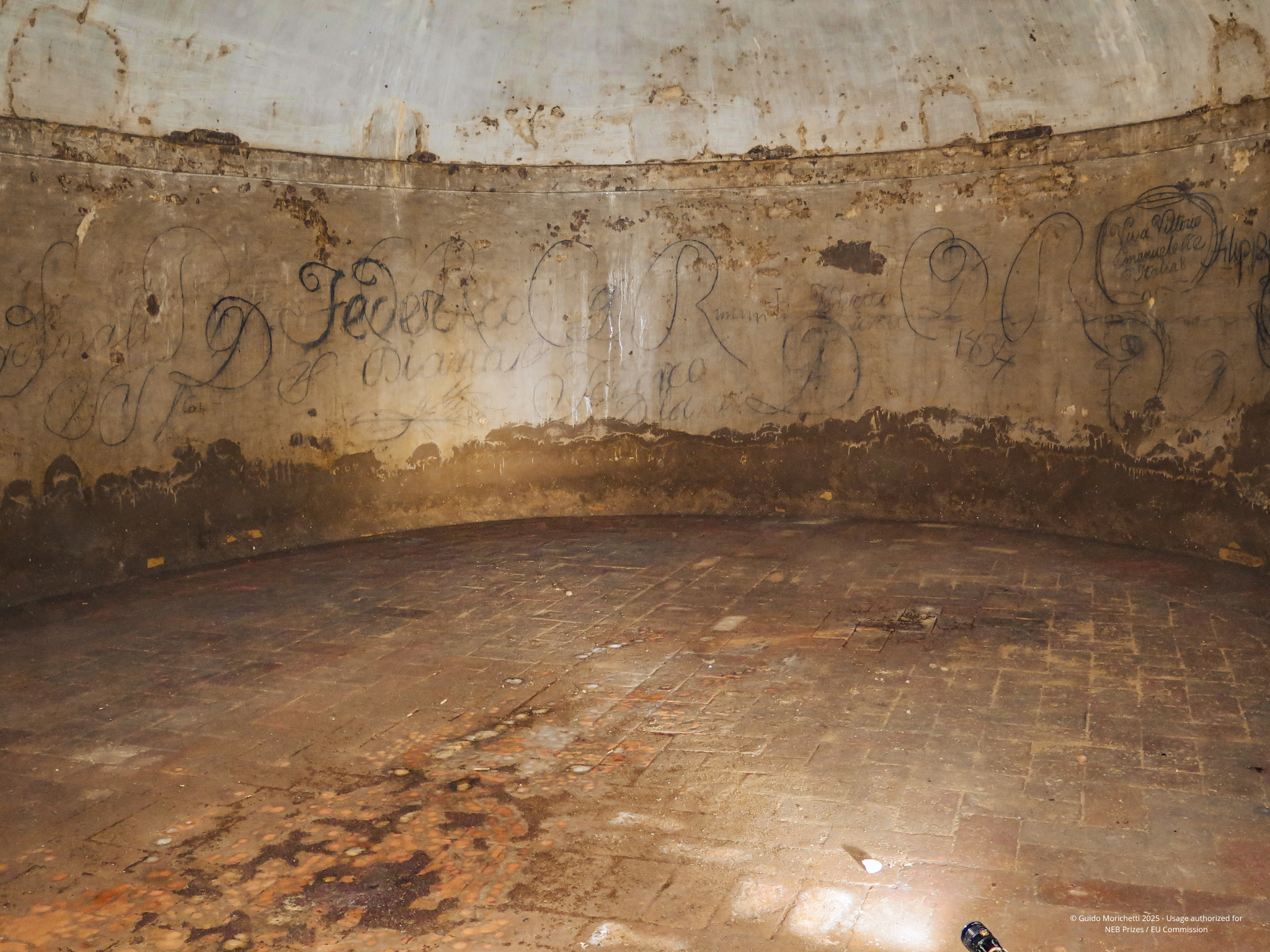
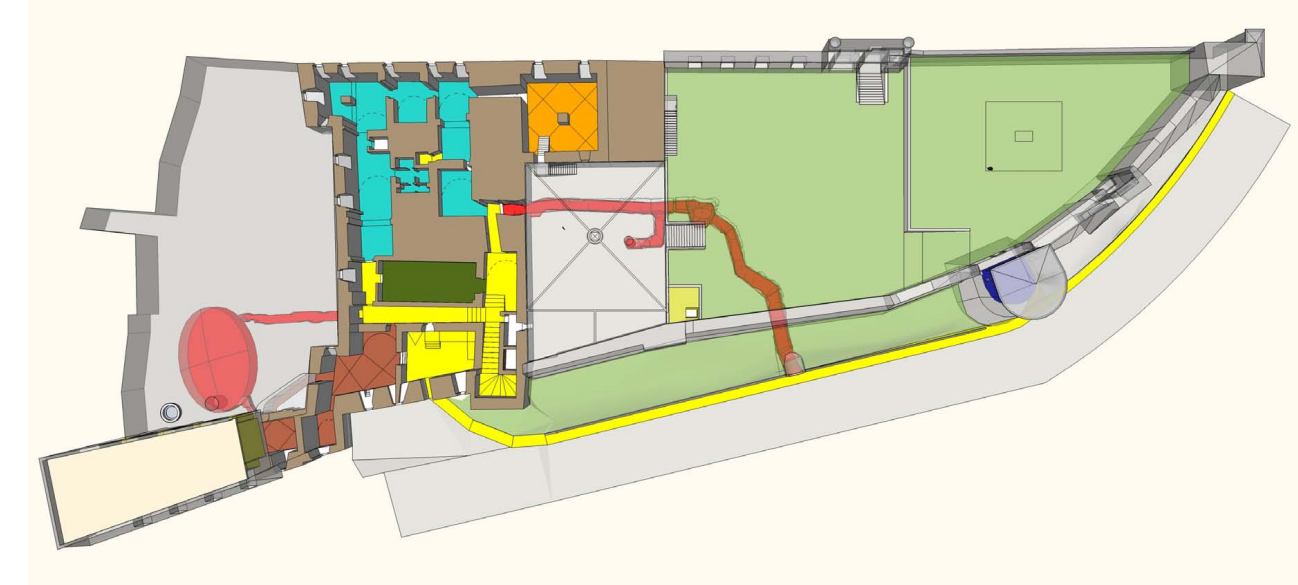
The Acquasparta Sotterranea initiative aims to return to the community an ecosystem of subterranean spaces representing the invisible yet pulsing soul of Palazzo Cesi, the historic seat of the Accademia Dei Lincei. The aesthetic objective lies in a restoration effort prioritizing essentiality, where structural safety and conservative renovation become tools for a narrative respecting the original material. Through a specifically designed light system, the path becomes a sensory experience, guiding visitors from Prince Federico Cesi’s secret study in the tower, through tunnels, to the Masonic cistern and the chamber of the ritual initiation column.
This descent into the hypogeum is conceived as a journey across eras that precede the palace’s construction and extend beyond the Renaissance, touching upon the secret life of 18th-century Masonic ceremonies. The primary cultural benefit stems from the rediscovery of this historical continuity, which completes the identity of Palazzo Cesi and organically links it to a regional network including the renowned underground sites of Narni, Orvieto and Todi. The project achieves these milestones by blending rigorous preservation with technological innovation: essential safety and monitoring systems will be followed by the integration of XR, capable of visually restoring the memory of these sites.
The initiative serves as an exemplary benchmark for heritage valorization by balancing minimalist design with high-tech preservation. Unlike invasive renovations, its approach uses light and structural safety as narrative tools. Culturally, the project excels through non-invasive storytelling: XR technology restores the site’s memory without compromising its material authenticity. By bridging Cesi’s Renaissance legacy with 18th-century mystery, the initiative creates a scalable standard for the regional underground network, creating a sustainable and technologically advanced visitor experience.
The Acquasparta Sotterranea project is founded on the principle that cultural heritage must be a common good, accessible and affordable for every citizen regardless of their physical, social, or economic condition.
Accessibility is ensured through dedicated solutions such as an elevator for barrier-free access to the Tower, making this part of the visit fully accessible for visitors with motor disabilities. Beyond physical access, we promote wider inclusion via tools like tactile maps and multi-sensory storytelling, ensuring Federico Cesi’s legacy is engaging for children and those with sensory impairments.
To ensure the site remains a common good, we established free-access for Acquasparta’s citizens and permanent social-pricing policies for visitors with disabilities, care givers, other vulnerable categories, students, cultural operators and young visitors.
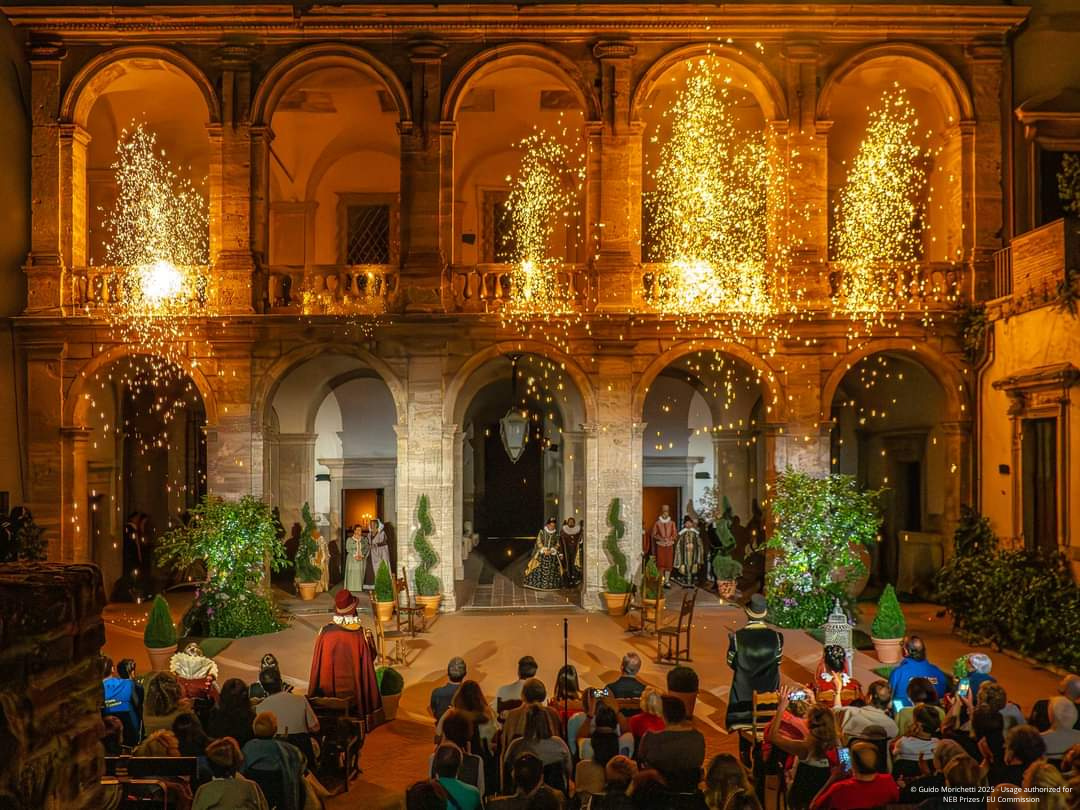
The initiative integrates with the “Festa del Rinascimento”, an historical re-enactment that for over 20 years has been the heart of Acquasparta, involving the entire population and thousands of tourists. The re-valorization of the Palazzo Cesi hypogeum strategically expands the town's cultural offerings. During the festival, the hypogeum will become a key attraction for visitors, while dedicated workshops and cultural activities will be hosted in Palazzo Cesi's halls and various town venues. This approach cultivates a social model of shared heritage management, fostering collective ownership and social relevance.
This initiative exemplifies how a small municipality harnesses a high-profile event to foster lasting social cohesion. Leveraging the hypogeum as a central narrative, we thoughtfully bridge historical preservation and contemporary community life. Through the inclusive framework of the Tavolo del Turismo and active school engagement, Acquasparta provides a replicable European “Design for All” model, where local traditions are shared across generations and every citizen can actively contribute.
The Acquasparta Sotterranea project represents a collective desire born authentically "from the bottom up". The local community identified the recovery of this site as the profound reactivation of its own identity and scientific roots. To transform this vision into a tangible reality, we undertook the path of participatory democracy; the final proposal was, in fact, the outcome of a true popular referendum organized by the Tavolo del Turismo, a real "territorial parliament" that brings together the Municipal Administration, local schools and associations such as the ProLoco and the Ente Rinascimento, economic operators, and citizens in a horizontal dialogue.
In this space of open discussion, the citizenship was called upon to evaluate three different territorial development options: the choice to invest in the recovery of this site emerged with extraordinary strength, recognizing the site's symbolic value as a common good and an unprecedented socio-cultural growth potential.
This involvement did not end in the decision-making phase but is evolving today into a continuous co-design laboratory. Citizens are no longer mere spectators of change but are becoming co-authors of the historical narrative and the hospitality model that will be offered to visitors. By transforming the site into a true "citizenship pact", the initiative generates a dual and synergistic impact: on one hand, it guarantees the social protection and resilience of the asset through the active guardianship of the community; on the other, it ensures direct and widespread economic benefits through tourism-related industries and the creation of new employment opportunities for residents.
The role of the Acquasparta community is therefore that of co-creator and direct beneficiary of the work. This choral commitment ensures that the underground site does not remain a static museum, but transforms into a motor of social innovation capable of inspiring and supporting all generations.
Acquasparta Sotterranea is built on a robust, multi-level participatory democracy, ensuring broad ownership and effectiveness.
At the local level, the Tavolo del Turismo serves as the cornerstone for horizontal and vertical co-decision/creation. This permanent forum unites the Administration with diverse local stakeholders: associations, businesses, citizens, youth and vulnerable groups. Its binding referendum decided the project's funding, and it continues to collaboratively shape visitor experiences, narratives, and standards, ensuring continuous community ownership.
At the provincial and regional levels, the project is strategically aligned with Umbria’s tourism and cultural heritage strategies. The Region serves as a key funding partner, participating in technical coordination meetings to integrate the site into wider slow tourism and historical itineraries. The Province facilitates inter-municipal exchanges, fostering a valuable learning cluster among heritage sites.
Our strategic alliance with the “Narni, Orvieto and Todi Sotterranea” sites establishes a precedent for cross-municipal underground tourism networks, facilitating knowledge exchange and best practices.
At the national level, we engage with key institutions. The “Soprintendenza Archeologia, Belle Arti e Paesaggio” and the “CAI” provide rigorous conservation and safety protocols.
Crucially, the project benefits from ongoing collaboration with the Accademia dei Lincei, one of Europe's oldest, most prestigious paneuropean and international scientific institutions, founded by Federico Cesi in 1603 and whose first seat was Palazzo Cesi in Acquasparta. Thus linking the site to prestigious scientific european heritage.
This multi-level engagement democratically legitimizes all decisions, enhances technical quality through expert input, embeds the site within broader tourism circuits, in order to transform Acquasparta Sotterranea into a shared community platform.
The project is built upon a radical transdisciplinary framework that mirrors the holistic spirit of Federico Cesi's Accademia dei Lincei, blending diverse professional disciplines with invaluable local knowledge.
The core team involves the following knowledge areas.
Historians and Archeologists provide rigorous research, ensuring the historical accuracy and narrative integrity of the site's interpretation.
Speleologists offer in-depth knowledge of the hypogeal environment, crucial for structural stability, microclimatic understanding, and safety protocols.
Architects and Engineers translate historical and geological data into feasible, sustainable, and aesthetically pleasing designs for physical spaces and installations.
XR experts and digital designers craft immersive virtual experiences, integrating historical narratives and scientific concepts into engaging digital layers.
Local contractors and skilled artisans provide practical construction expertise, material knowledge, and execute the physical transformation.
The strength of this framework lies in the continuous dialogue between these fields. For instance, Historians and Archeologists collaborate directly with Architects, Engineers, and XR designers. They jointly verify historical interpretations, define design constraints imposed by the underground environment, and co-create virtual reconstructions. Architects and Engineers then guide local artisans and contractors, selecting historically appropriate materials and ensuring meticulous implementation that respects the site's nature.
This collaboration is enriched by lay knowledge derived from local elders’ oral testimonies, ensuring the project's authentic identity resonates deeply with the community's memory.
The added value is an integrated solution where the most effective interventions for small municipalities emerge from the intersection of diverse knowledge spheres, creating a replicable model of integrated urban and cultural regeneration.
Acquasparta Sotterranea innovates by shifting the focus from the restoration of a single asset to the creation of an integrated territorial system, directly addressing the structural weaknesses typical of small municipalities.
This begins by transforming the prevalent “hit-and-run” tourism into a systemic multi-day experience. We achieve this via a “Vertical Journey Through Time” unifying the Renaissance (Prince Cesi’s Tower) with the hypogeum’s esoteric depths. This integrated local offering then links horizontally with the “Umbria Underground” network and the “Festa del Rinascimento,” turning a local asset into a strategic regional engine.
Our approach extends to governance innovation, introducing binding co-decision mechanisms often lacking in standard participatory processes. The Tavolo del Turismo pioneered a local budget referendum, transforming citizens into co-investors. This model effectively aligns political timelines with community priorities, ensuring continuity across electoral cycles.
Aesthetic and technical innovation distinguishes our initiative via a strictly subtractive methodology. Rejecting invasive reconstruction, the innovation uses spectrum-controlled light and future XR layers to sculpt darkness, revealing historical scars without altering the physical substrate. This proves that innovation in heritage lies in revealing, not rebuilding.
Finally, our social innovation transforms heritage into a “Skills Incubator”. The project's management entrusts operations to local youth cooperatives, turning the site into a “field school” for heritage management and digital storytelling. Counters youth depopulation by creating specialized local employment.
Ultimately, this project highlights that the primary innovation lies in harnessing the full potential of modest size municipalities, proving that compact scale is a powerful incubator for robust European solutions.
Our methodology transforms the recovery of underground heritage into a regenerative ecosystem, where monumental conservation meets cutting-edge innovation. The approach is defined by an eco-sustainable regeneration: the site’s infrastructure relies on entirely reversible and demountable structures, ensuring the total protection of historical integrity. A core pillar of our sustainability is the optimization of the underground microclimate: through passive engineering, we harness the natural thermal inertia of the hypogeum to maintain stable conditions without energy-intensive systems, achieving a zero-carbon footprint. This vision is driven by an extraordinary interdisciplinary synergy: a cohesive team of historians, archaeologists, speleologists, architects, and engineers working in symbiosis with digital designers, local artisans, and regional contractors. This fusion ensures technical excellence and a direct economic impact on the community.
The project's beating heart is its participatory governance: through the "Tavolo del Turismo," we co-designed the initiative with our citizens, successfully transforming a hidden archaeological asset into a vibrant, shared collective identity. The visitor experience follows a universal “Physical + Digital” philosophy: XR acts as a sensory bridge designed to break down all knowledge barriers. Simplified languages and gamification will engage children, while audio-descriptions and tactile maps will ensure full accessibility for those with sensory impairments. Finally, we aim to overcome the isolation of small villages by creating a Territorial Network of excellence with Narni, Orvieto, and Todi Sotterranea. This is not merely a symbolic alliance but a core operational strategy: joint ticketing and integrated tourist flows ensure long-term economic sustainability. This replicable model serves as a European roadmap for the rebirth of underground sites through history, universal inclusion, and innovation.
The project's beating heart is its participatory governance: through the "Tavolo del Turismo," we co-designed the initiative with our citizens, successfully transforming a hidden archaeological asset into a vibrant, shared collective identity. The visitor experience follows a universal “Physical + Digital” philosophy: XR acts as a sensory bridge designed to break down all knowledge barriers. Simplified languages and gamification will engage children, while audio-descriptions and tactile maps will ensure full accessibility for those with sensory impairments. Finally, we aim to overcome the isolation of small villages by creating a Territorial Network of excellence with Narni, Orvieto, and Todi Sotterranea. This is not merely a symbolic alliance but a core operational strategy: joint ticketing and integrated tourist flows ensure long-term economic sustainability. This replicable model serves as a European roadmap for the rebirth of underground sites through history, universal inclusion, and innovation.
The Acquasparta Model is designed to be transferred into a highly scalable toolkit, offering practical solutions for small European municipalities facing depopulation and heritage decay.
Our governance model is eminently transferable. The permanent Tavolo del Turismo and its "Budget Referendum" mechanism provide a low-cost, high-impact framework. Any small town can adopt this to align heritage spending directly with community preferences, transforming consultation into co-decision. All accompanying tools, including voting protocols and transparent minutes, will be meticulously documented as a blueprint for replication.
Our technical approach to adaptive reuse of fragile spaces is highly replicable across diverse built environments, beyond the specific hypogeal context. This applies to disused basements, industrial voids, rural cisterns, or historical bunkers. The integrated combination of passive climate control, spectrum-controlled lighting, dry-assembly infrastructures, and DfD principles can be scaled or simplified based on local context and budget. Detailed design guidelines and standard technical details (e.g., modular walkways, reversible anchoring systems) will be shared through our network with local and European partners.
The experiential tourism model we are prototyping is widely transferable. Acquasparta Sotterranea showcases an "immersive micro-territory stay" where the underground visit becomes a gateway to richer, thematic itineraries. This model, supported by joint ticketing and integrated communication, offers a vital strategy for small municipalities to transition from half-day stopovers to multi-day stays, significantly enhancing local value capture without mass tourism.
Finally, by combining environmental data with socio-economic indicators co-defined by citizens, our participatory monitoring framework provides a replicable method for managing carrying capacity.
The further development of the Acquasparta Sotterranea project is structured as a phased evolution from archaeological discovery to a fully operational civic space. To date, the New European Bauhaus (NEB) values have been incorporated through a "Community Agreement" and technical studies prioritizing reversibility and environmental respect. Initial political commitment and municipal budget allocation have been secured, ensuring implementation is grounded in administrative reality. By treating the underground site as a pilot for urban regeneration, we have established a participatory model where Federico Cesi’s legacy acts as a catalyst for social inclusion and sustainable development.
Key implementation steps follow rigorous alignment with NEB principles, beginning with the "inclusive design" phase. This involves installing non-invasive walkways and high-efficiency LED systems to minimize the carbon footprint while maximizing atmospheric quality. Simultaneously, integrating the site into the "Festa del Rinascimento" framework ensures that citizens, businesses, and stakeholders define the activity calendar and management model, The partnership between Narni, Todi, and Orvieto Sotterranea, anchored by a joint ticketing system, ensures multi-level engagement. By linking local municipalities with regional tourism and European networks, this collaboration secures the project’s long-term viability and reach.
The final phase focuses on Monitoring and “Knowledge Transfer," evaluating the project’s impact on community well-being and economic growth. This step is crucial for replicability, providing other small municipalities with a toolkit for managing historical sites through a transdisciplinary and participatory lens. By balancing rigorous preservation with innovative social use, Acquasparta remains a living example of the NEB spirit: a place where sustainability, aesthetics, and inclusion converge for a resilient, shared future.