Strengthening Local Democracy and Inclusion
Territory Park (Território-Parque)
Territory Park (Território-Parque) at Córrego do Feijão
Territory Park is a community-led regeneration project in Córrego do Feijão, Brazil, after the 2019 Brumadinho dam collapse. It reconnects people, nature and place through public spaces, ecological infrastructure and local economies co-created with residents. Parks, a market and a cultural center support collective life, while nature-based solutions restore environmental balance. More than recovery, it offers a replicable model for inclusive, sustainable and beautiful transformation.
Brazil
Local
Córrego do Feijão
It addresses urban-rural linkages
It involves a physical transformation of the built environment (hard investment)
Yes
2024-01-01
No
No
No
Organisation
Território-Parque is a post-disaster socio-spatial re-signification project in Córrego do Feijão, Brumadinho (Minas Gerais, Brazil), the community most directly affected by the collapse of mining company Vale's tailings dam in January 2019, which claimed 272 lives. Designed by MACh Arquitetos and Connatural Arquitectura y Paisaje, the project integrates ecological infrastructure, public spaces and community participation as tools for local democracy, belonging and collective care.
The project aims to restore the connection between residents and their territory, addressing long-standing issues — non-existent sanitation, urban precariousness and lack of public spaces — compounded by mining operations. Direct beneficiaries include children, young people, women entrepreneurs, the elderly and vulnerable families.
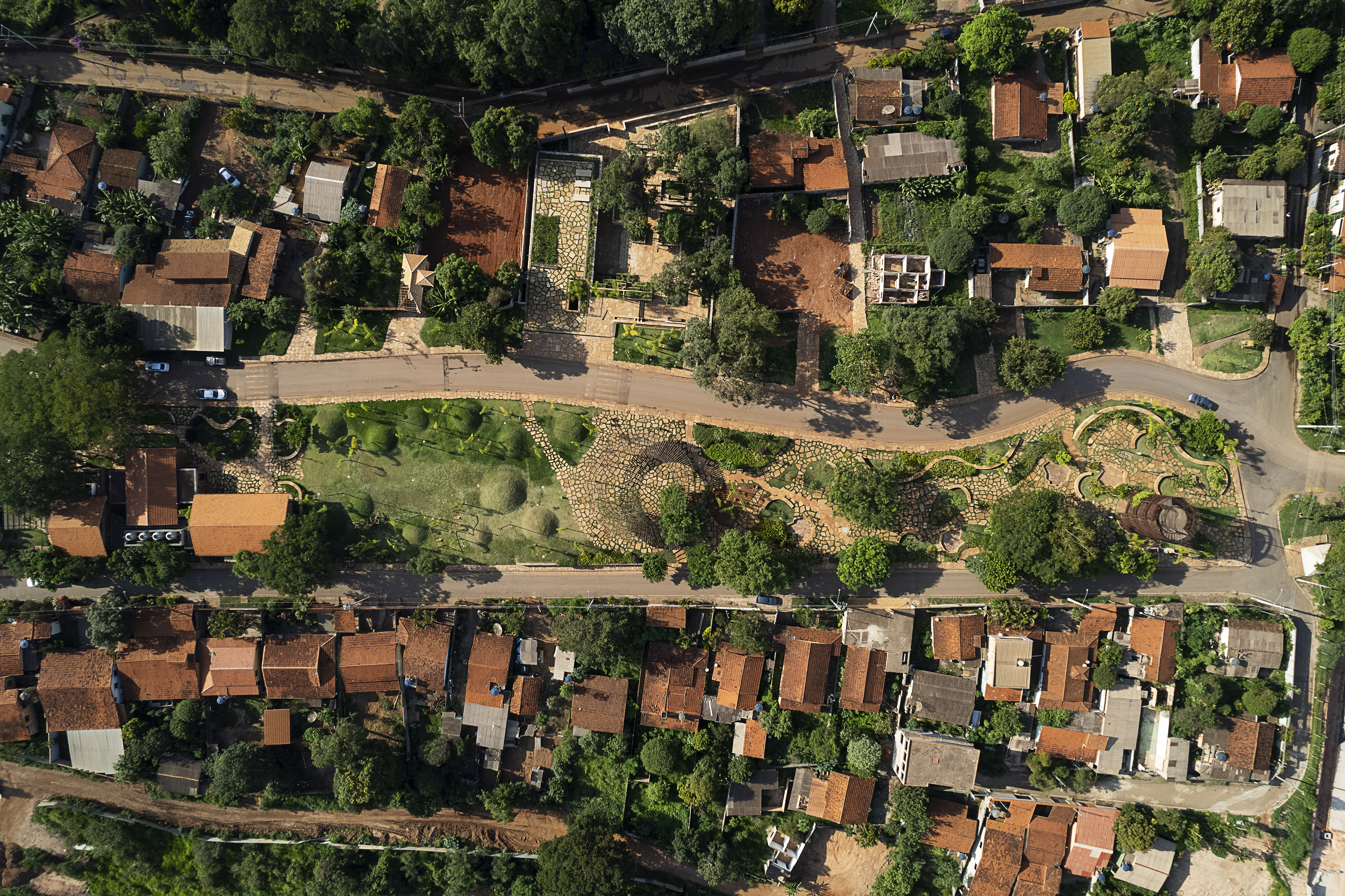
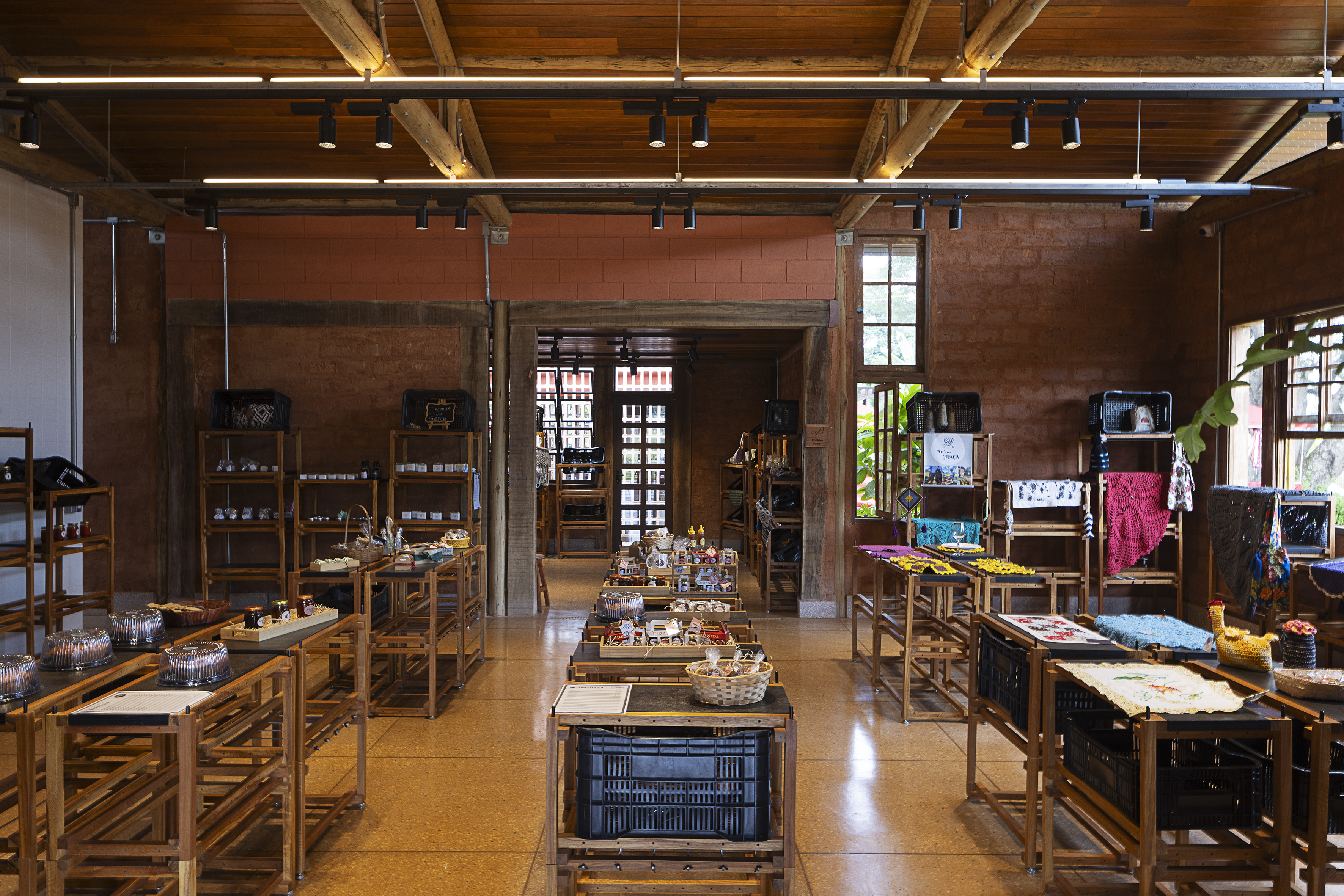
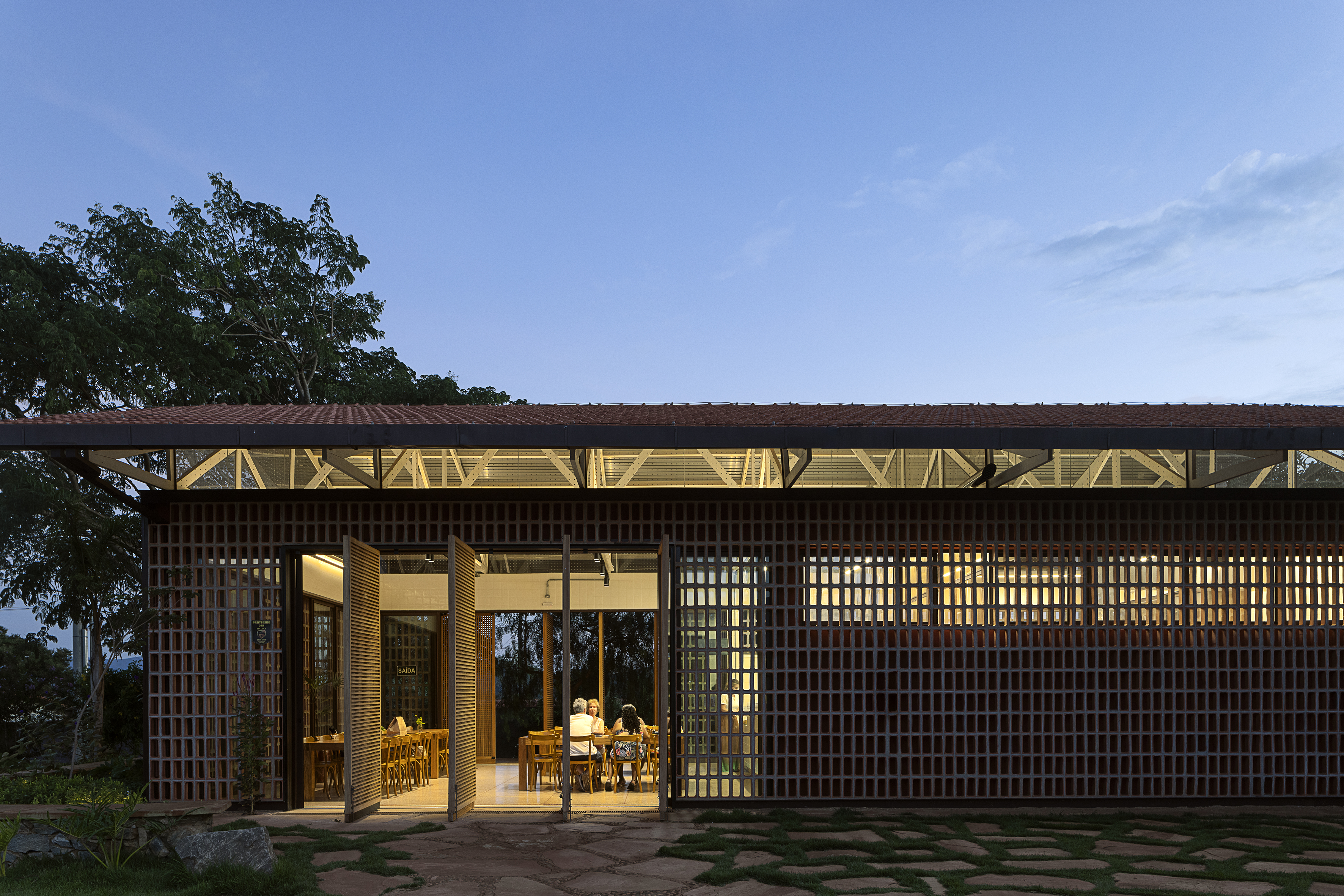
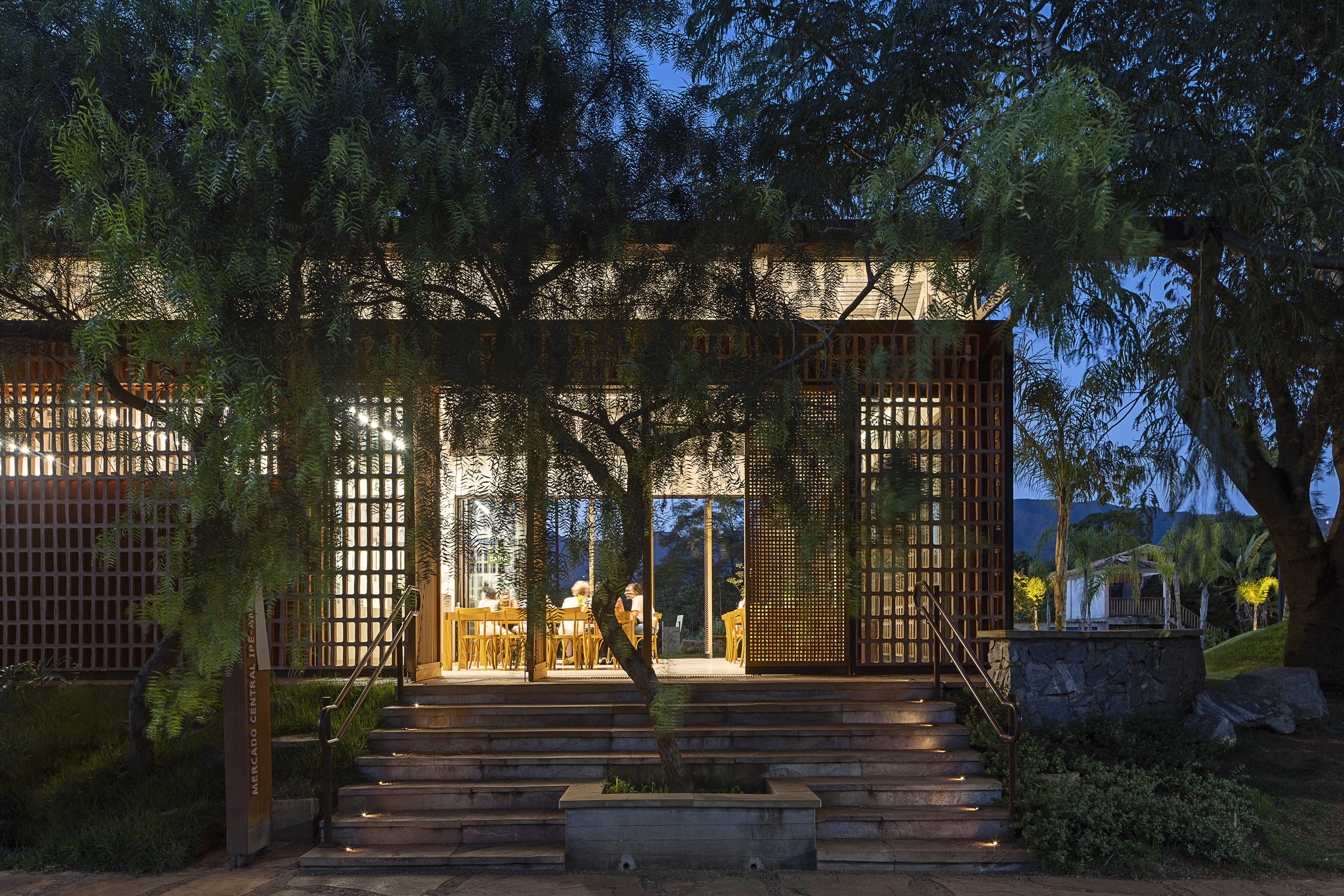
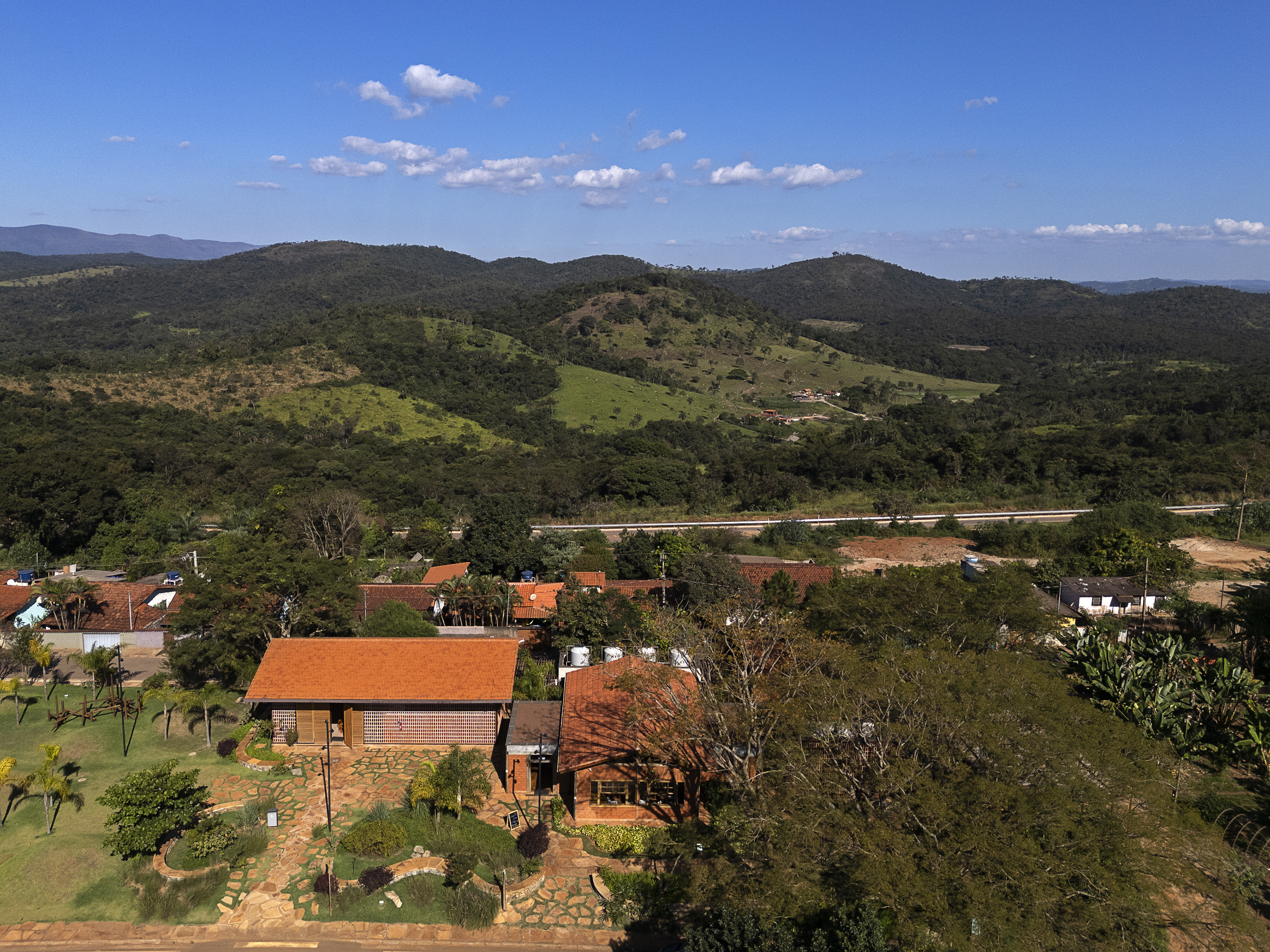
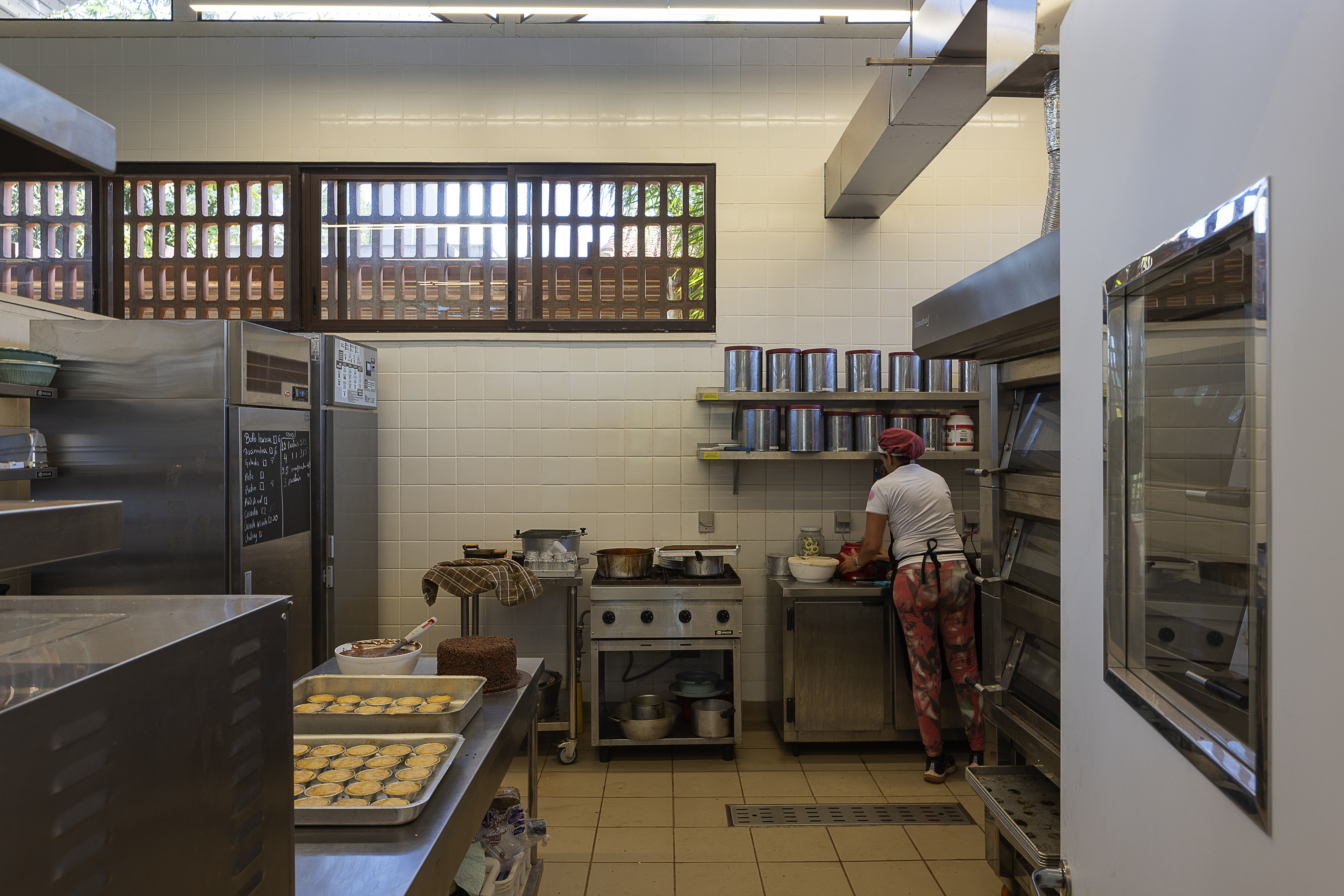
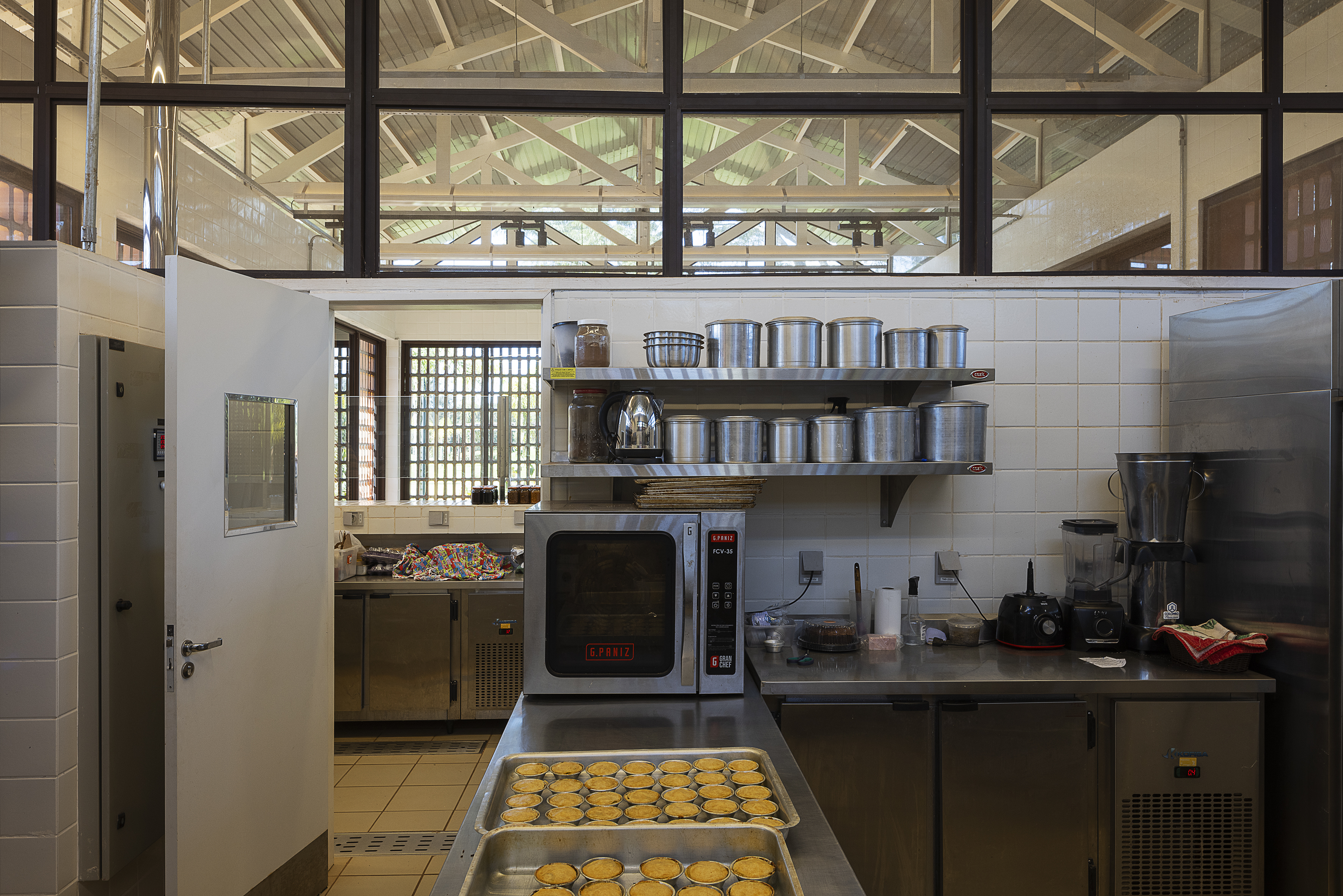
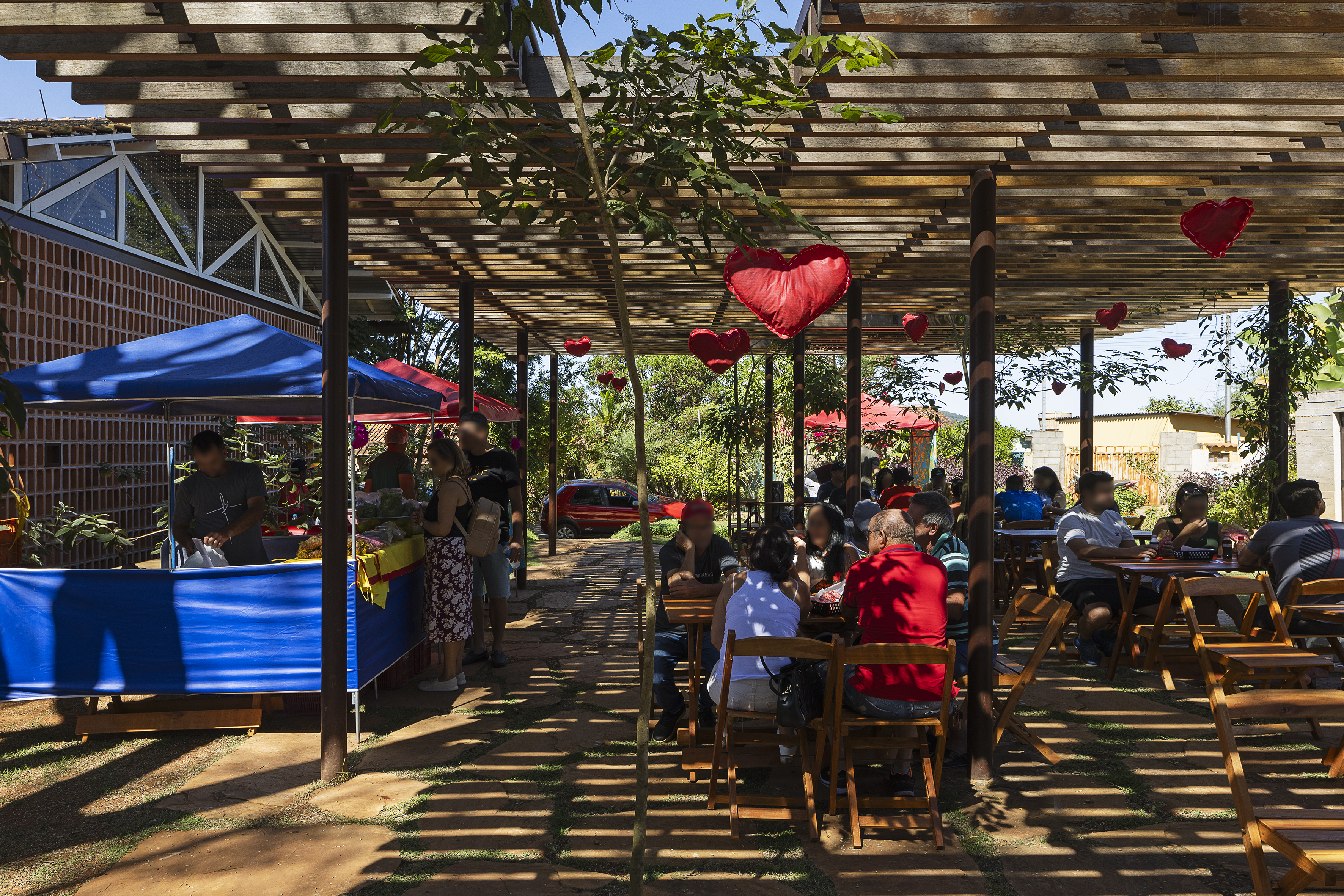
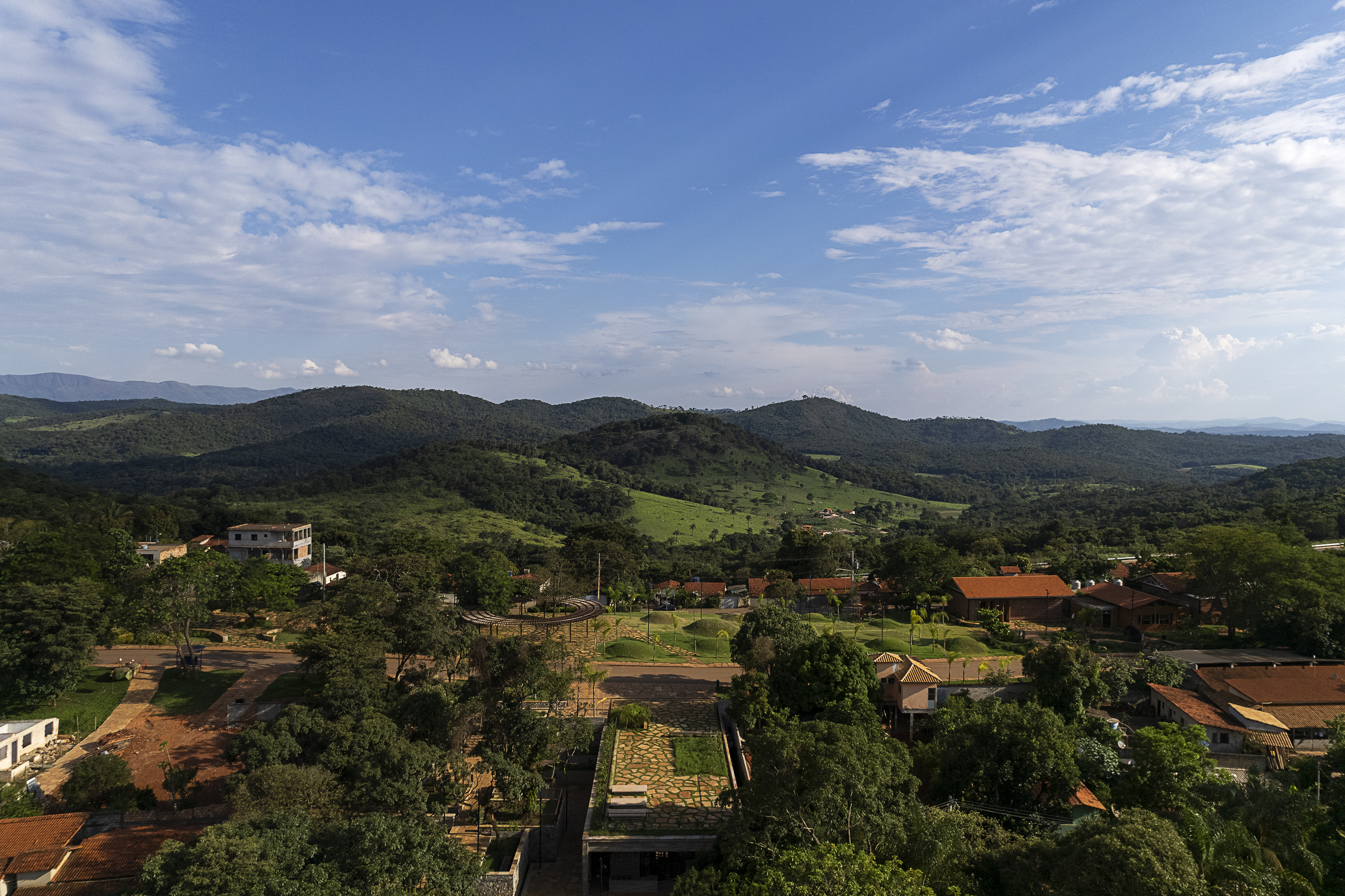
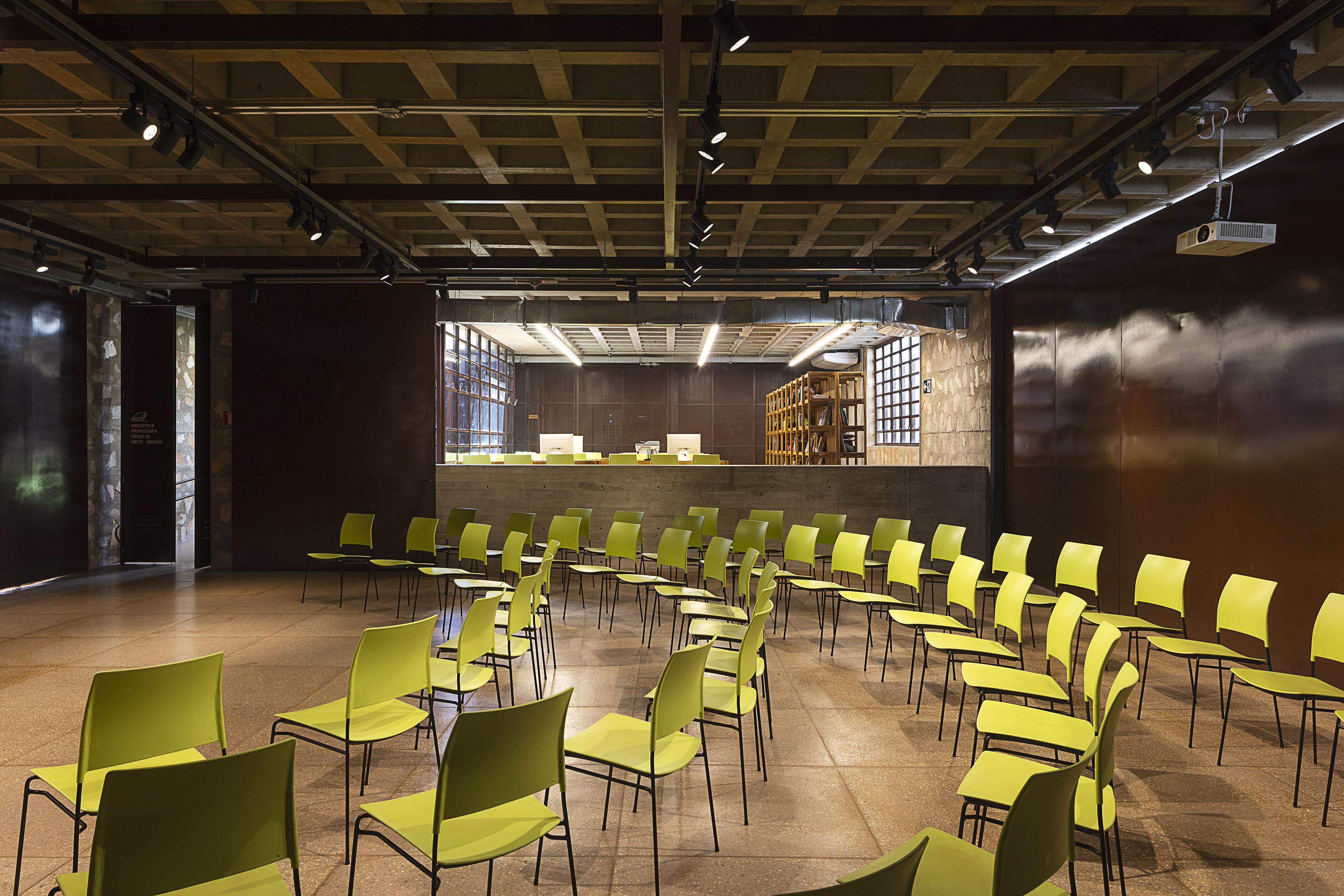
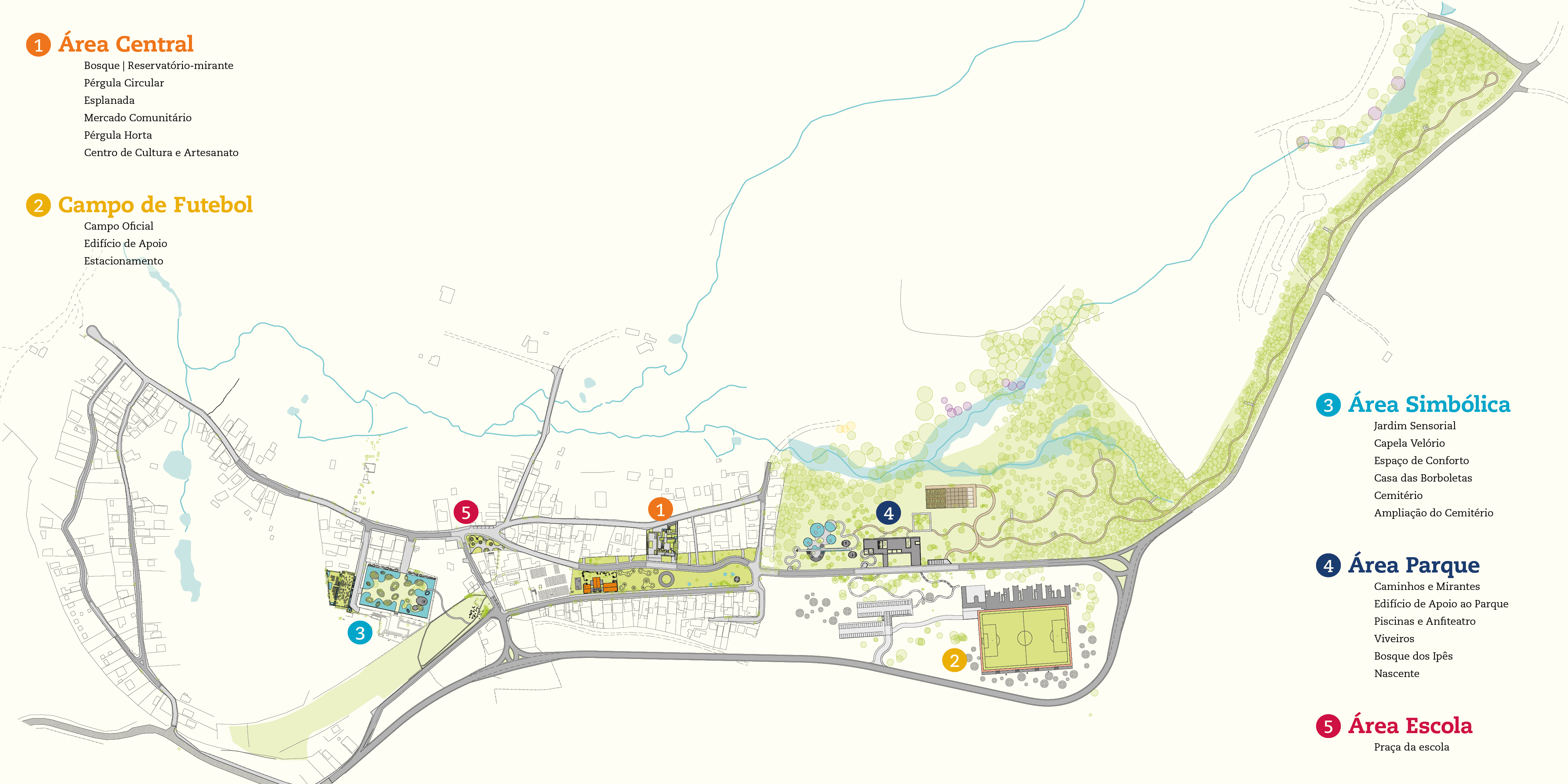
Phase 1 (Central Area), completed in 2023, delivered: Praça 25 de Janeiro with regional gardens and the Mirante Três Coqueiros lookout; Centro de Cultura e Artesanato Laudelina Marcondes, with a library, workshops and multipurpose rooms; and Mercado Central Ipê Amarelo, community-managed, with a bakery, confectionery, pizzeria and community kitchen. Phase 2 (Football Field) is under implementation. Phases 3 to 5 include a memorial area (chapel-funeral home, Jardim 4 Estações), comprehensive sanitation using constructed wetlands, and an Ecological Park with agroforestry and public pools.
Measurable results include: 27 local businesses and collectives supported and active; 84% revenue growth since the Economia em Rede (Networked Economy) programme was created in partnership with Instituto Rede Terra in 2022; community members trained in construction and landscaping; renovated homes; and the Producers' Association assuming management of community facilities. The transformative potential lies in integrating ecological infrastructure, community-based production and local governance as a replicable model for hundreds of mining communities across Brazil.
The Território-Parque project was born from the historic demands of the Córrego do Feijão community, reasserted by residents after the dam collapse in January 2019. Three years before the disaster, Instituto Kairós was already working in the community, building bonds of trust that proved fundamental to conducting the participatory process.
The transdisciplinary team — architects (MACh and Connatural), landscape designers (FLP), sustainability specialists (Inovativo), visual identity and signage (Hardy Design), lighting design (Atiaîa), restoration (Lire) and management (Facury) — translated community demands into technical solutions, always submitted to residents for validation.
In 2019, Kairós initiated a broad community listening process using the Affective Cartography methodology, which mapped residents' memories, meanings and aspirations regarding the territory. Thematic Groups were organised — Streets and Landscaping; Nature and Sustainability; Income Generation and Culture; Health and Quality of Life; Education and Solidarity — with direct participation of residents. Simultaneously, 12 Local Development Agents were trained to articulate community demands.
The Feira Território-Parque (December 2019), an open participatory event, brought the entire community together to validate the demand synthesis infographics and learn about the architectural and urban design concept. Interactive activities — memory games, conversation circles, photography, cooking and planting workshops — ensured the inclusion of different age groups.
The implementation of Phase 1 (2021–2023) involved local workforce qualification: community members trained in construction and landscaping participated directly in the works. Upon completion, Instituto Rede Terra took on strengthening community autonomy for facility management, resulting in the effective appropriation of the Market, Square and Cultural Centre by the Producers' Association.
Nature-based infrastructure
Community co-governance
Post-disaster re-signification
Social inclusion
Participatory design
Território-Parque adopts sustainability as a structuring principle, integrating nature-based solutions, ecological infrastructure and environmental regeneration across all its phases.
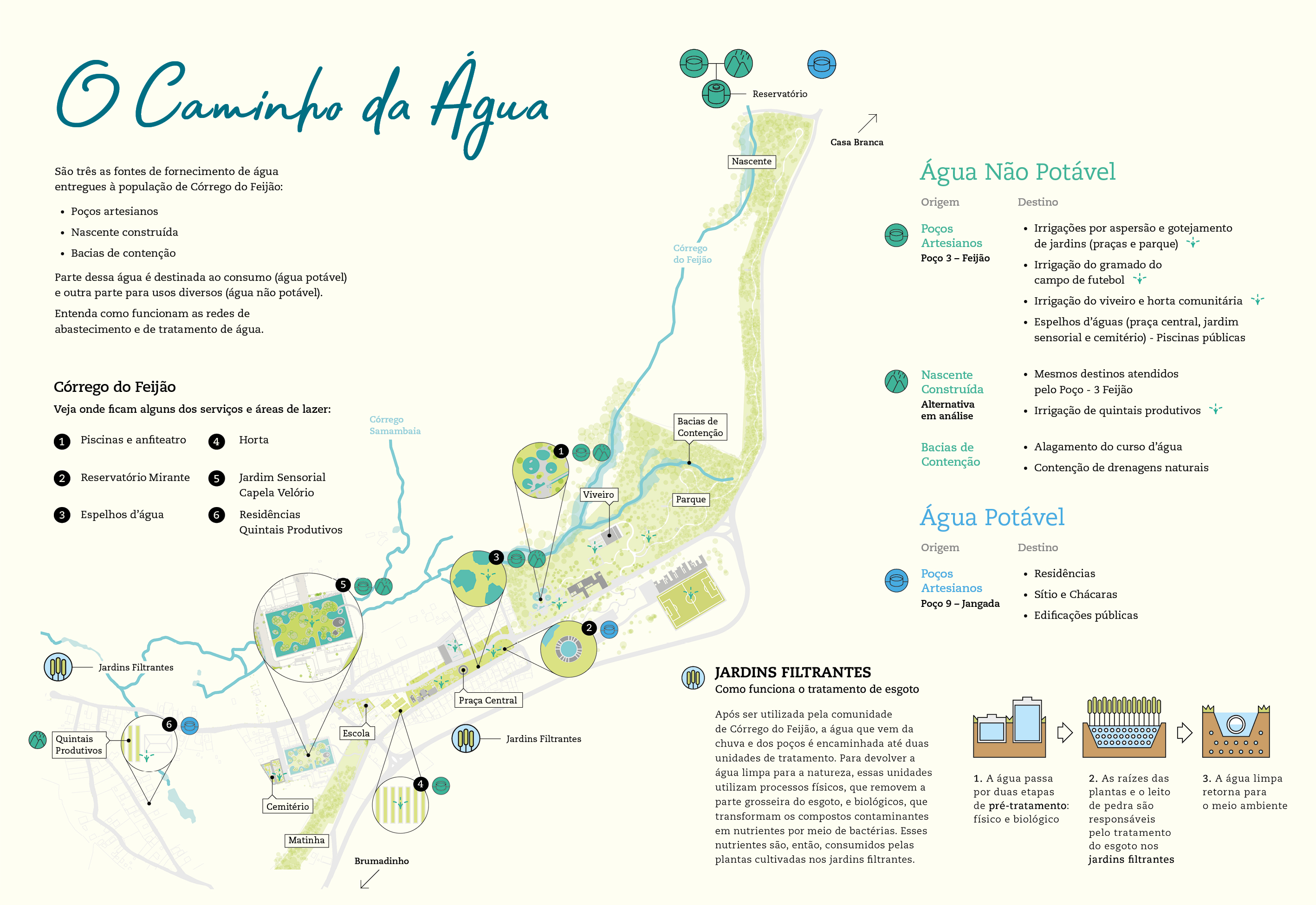
The core sustainability objective is the universalisation of basic sanitation — historically non-existent in the community — through environmentally efficient technologies. The project proposes the implementation of sewage collection networks and treatment through constructed wetlands, compensatory devices inspired by natural marshlands that promote pollutant removal, aquifer recharge and sediment retention. Additionally, bioswales positioned along streets function as pre-treatment devices, retaining suspended solids before runoff reaches vegetated detention basins.
Water is the central element of the re-signification strategy: water mirrors, irrigation channels and landscape water features increase air humidity, irrigate gardens and vegetable plots, and create symbolic and leisure spaces, contributing to increased green cover and the reduction of particulate matter — a chronic issue in communities near iron ore mining operations.
The Ecological Park (Phase 5) envisions forest regeneration at different successional stages, productive agroforestry with 2 hectares already under implementation and native species nurseries, promoting biodiversity and carbon sequestration. The Horta Comunitária Cheiro Verde (community garden) and 15 Quintais Produtivos (productive home gardens) strengthen local food security through agroecological practices.
The exemplary character lies in the systemic articulation of sanitation, sustainable drainage, agroecological production and forest regeneration as integrated ecological infrastructure, capable of transforming the relationship between a mining community and its natural environment — a model applicable to dozens of mining-dependent settlements in Brazil, particularly in the Quadrilátero Ferrífero region.
Território-Parque recognises that the beauty of public spaces is an instrument of dignity, belonging and collective healing. In a community historically marked by exposed soil, absence of squares and urban precariousness, the project proposes aesthetic enhancement rooted in local culture and landscape.
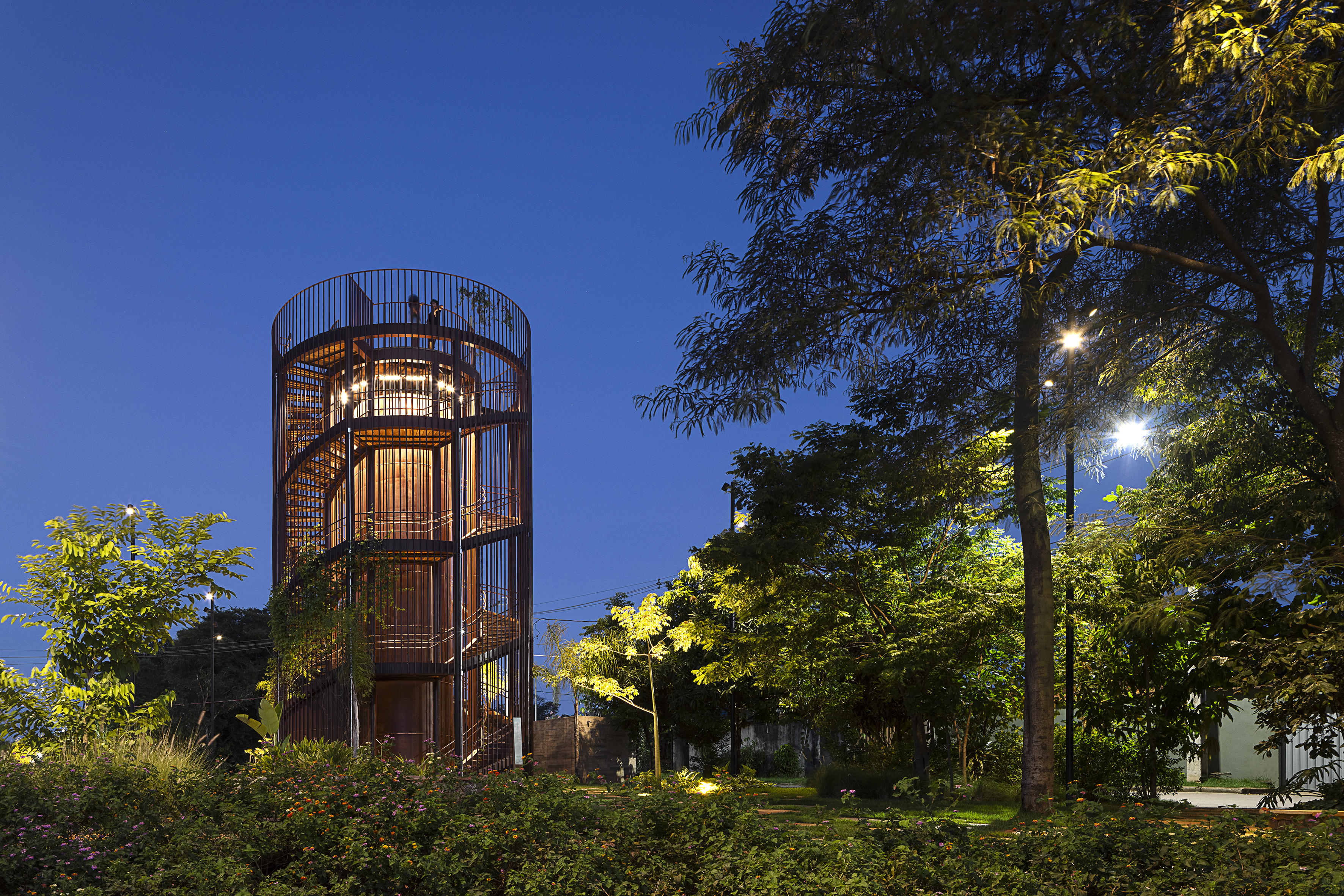
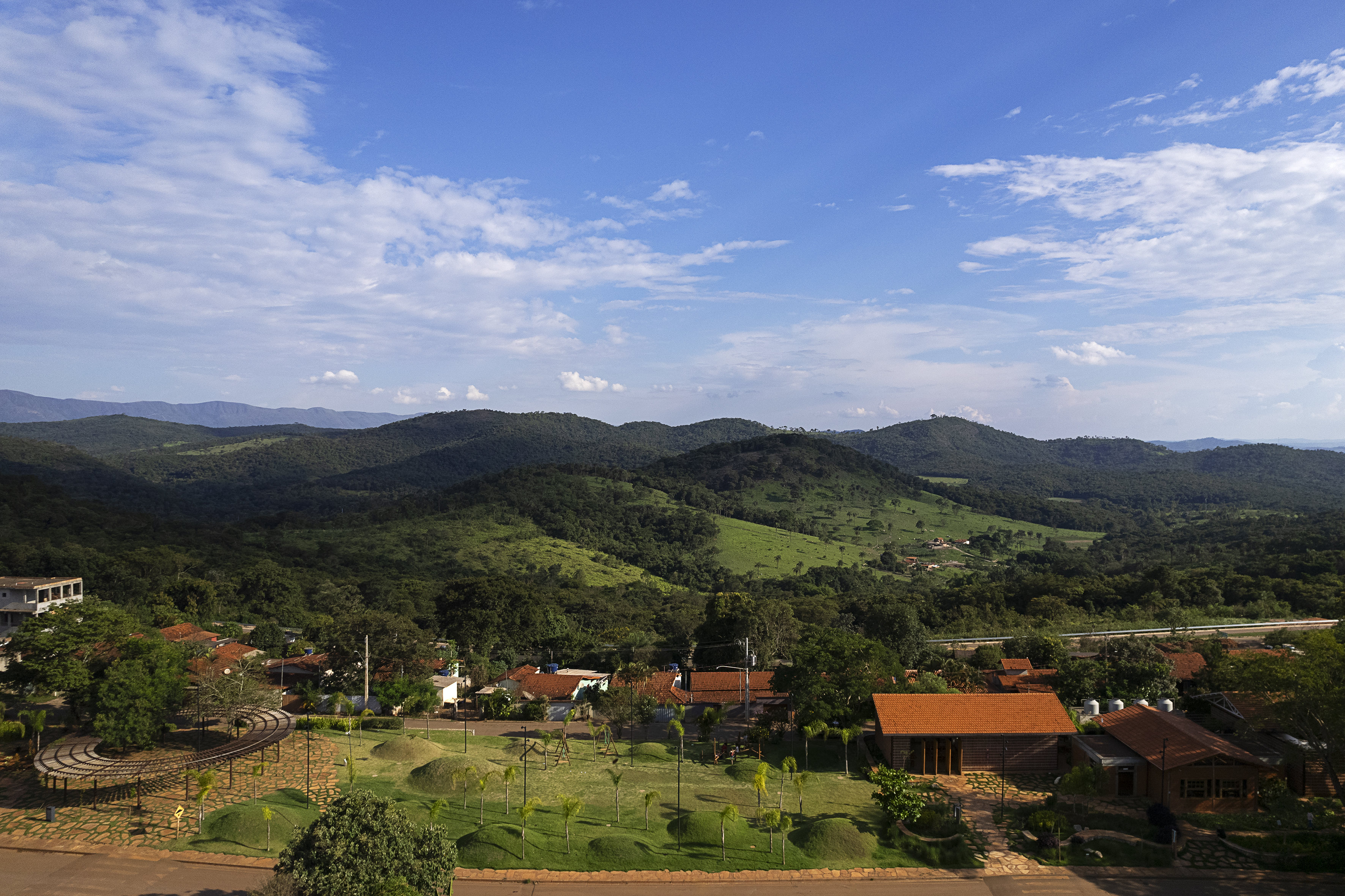
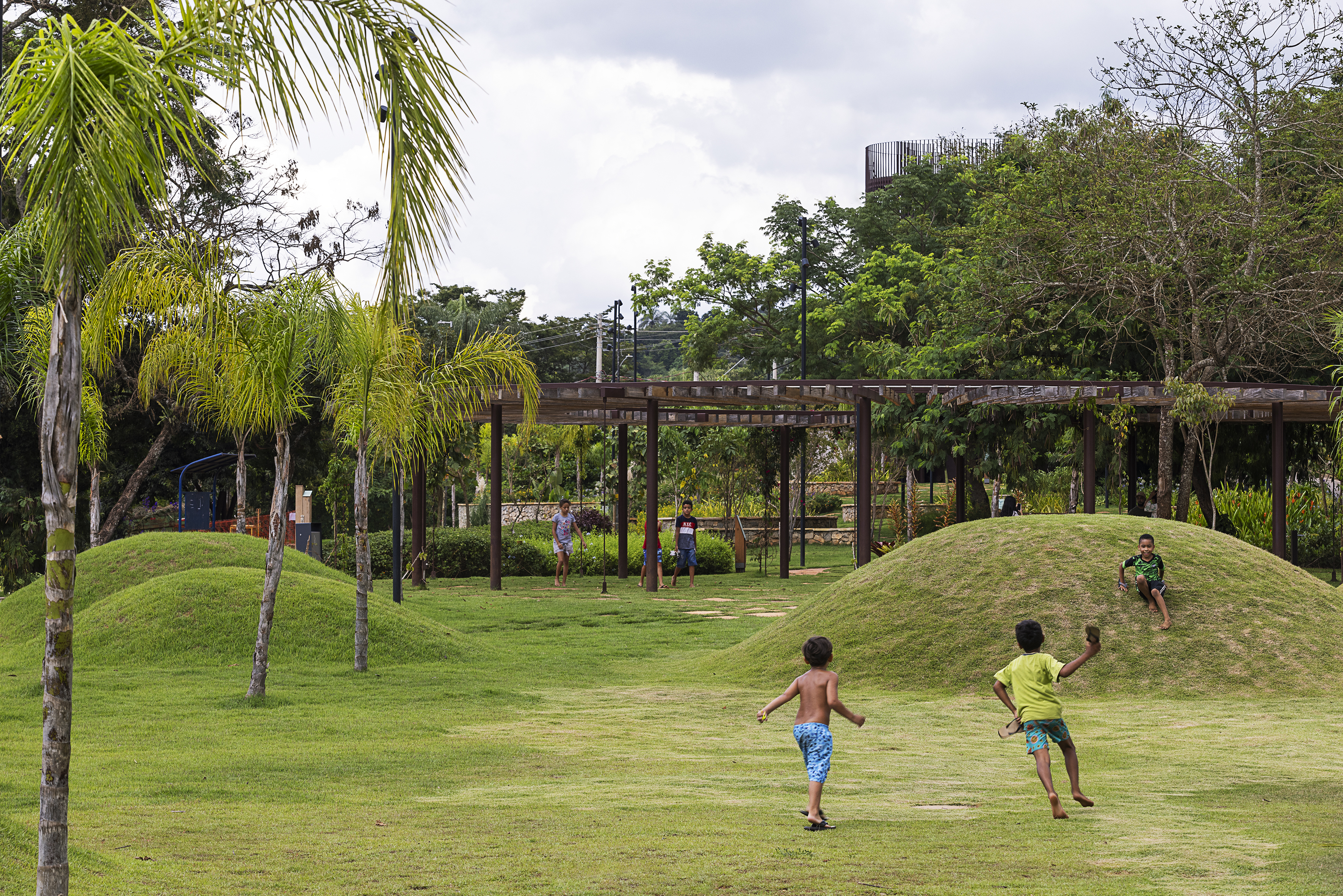
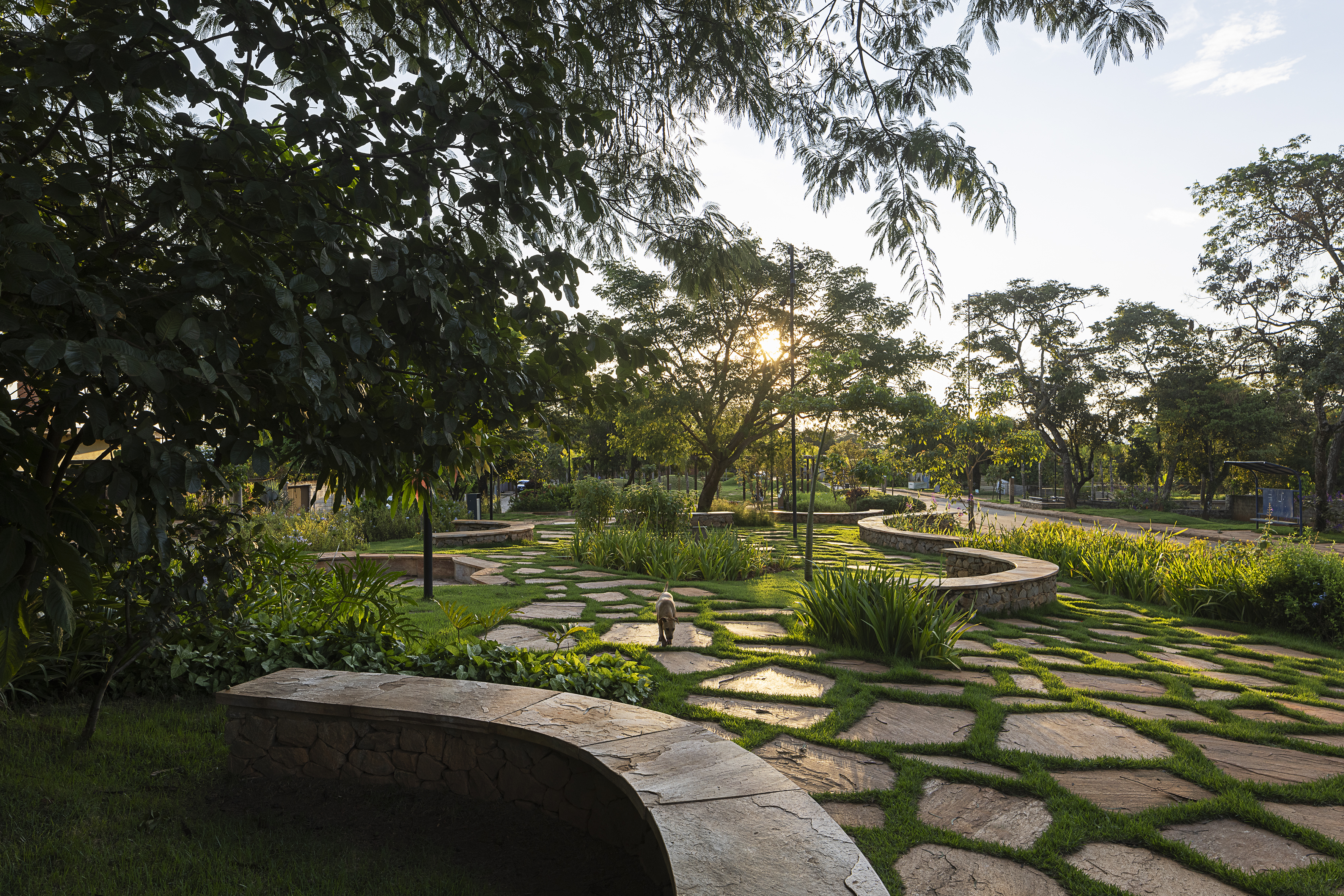
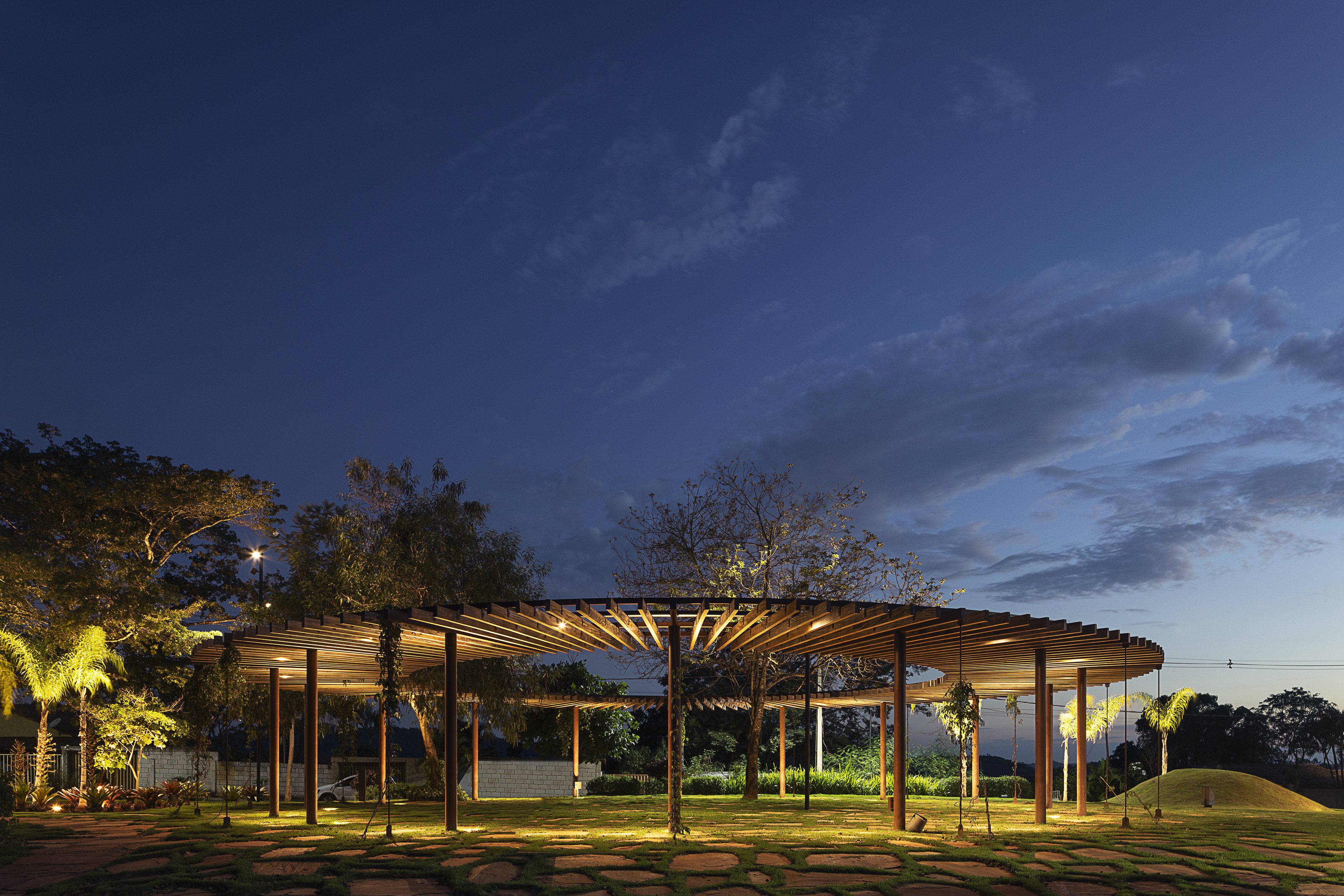
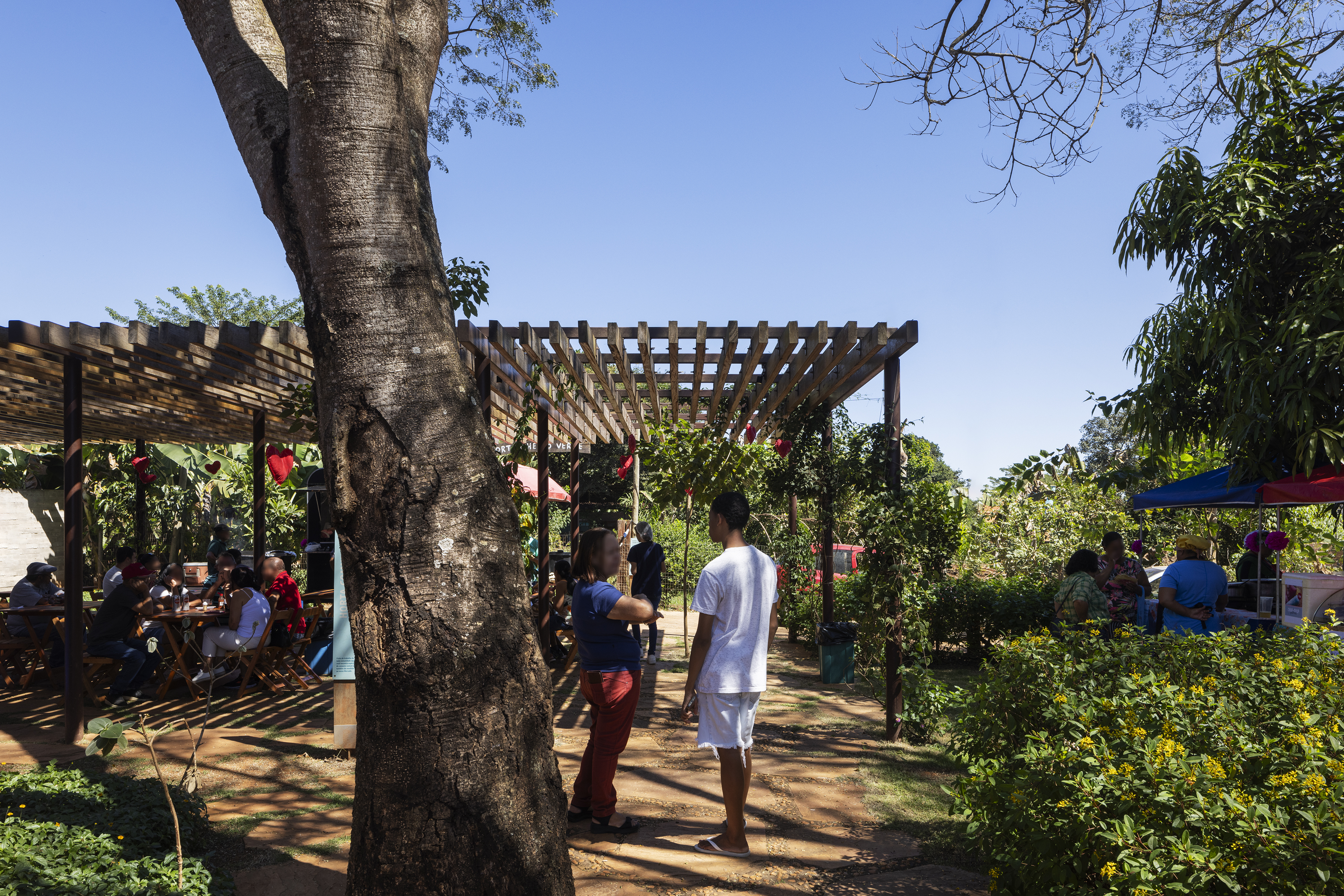
Praça 25 de Janeiro exemplifies this approach: gardens with medicinal and ornamental species formerly found in residents' home gardens, lawns with gentle hillocks, water mirrors and winding paths create a landscape that dialogues with the surroundings and the community's affective memory. Mirante Três Coqueiros, a helical structure atop the water reservoir, transforms infrastructure into sensory experience, offering a panoramic view of the territory. The lighting design (Atiaîa) enhances the night-time experience of the spaces.
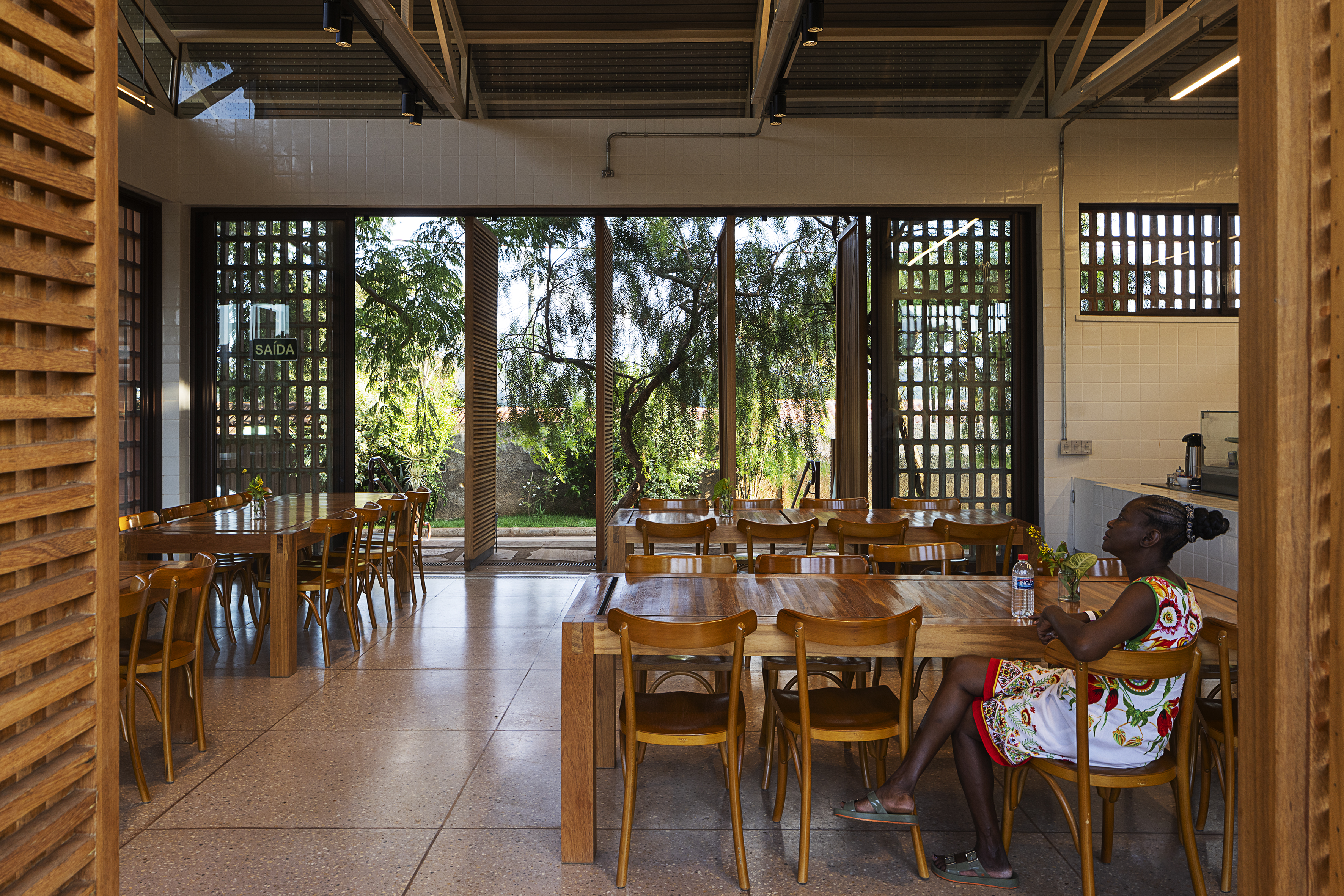
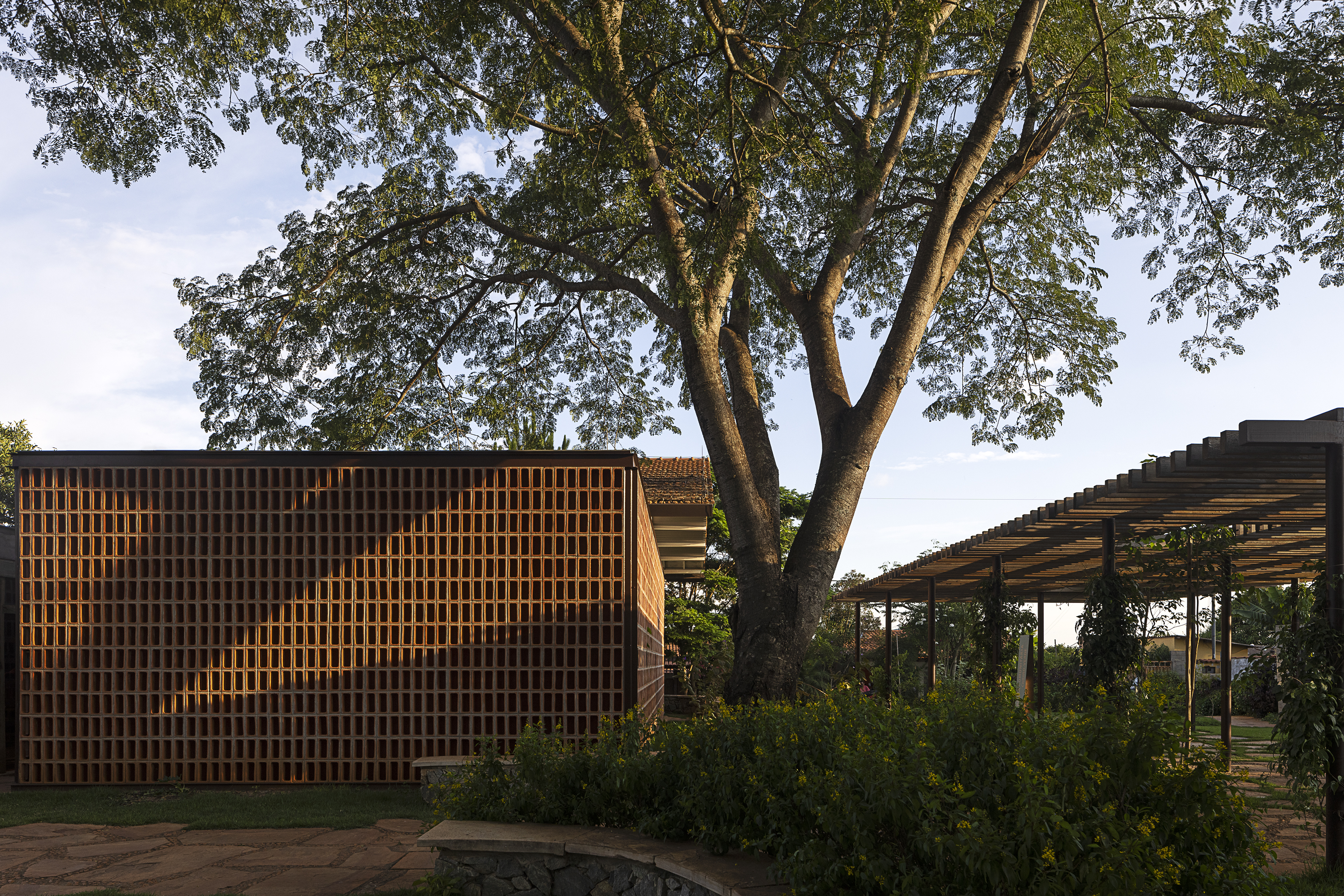
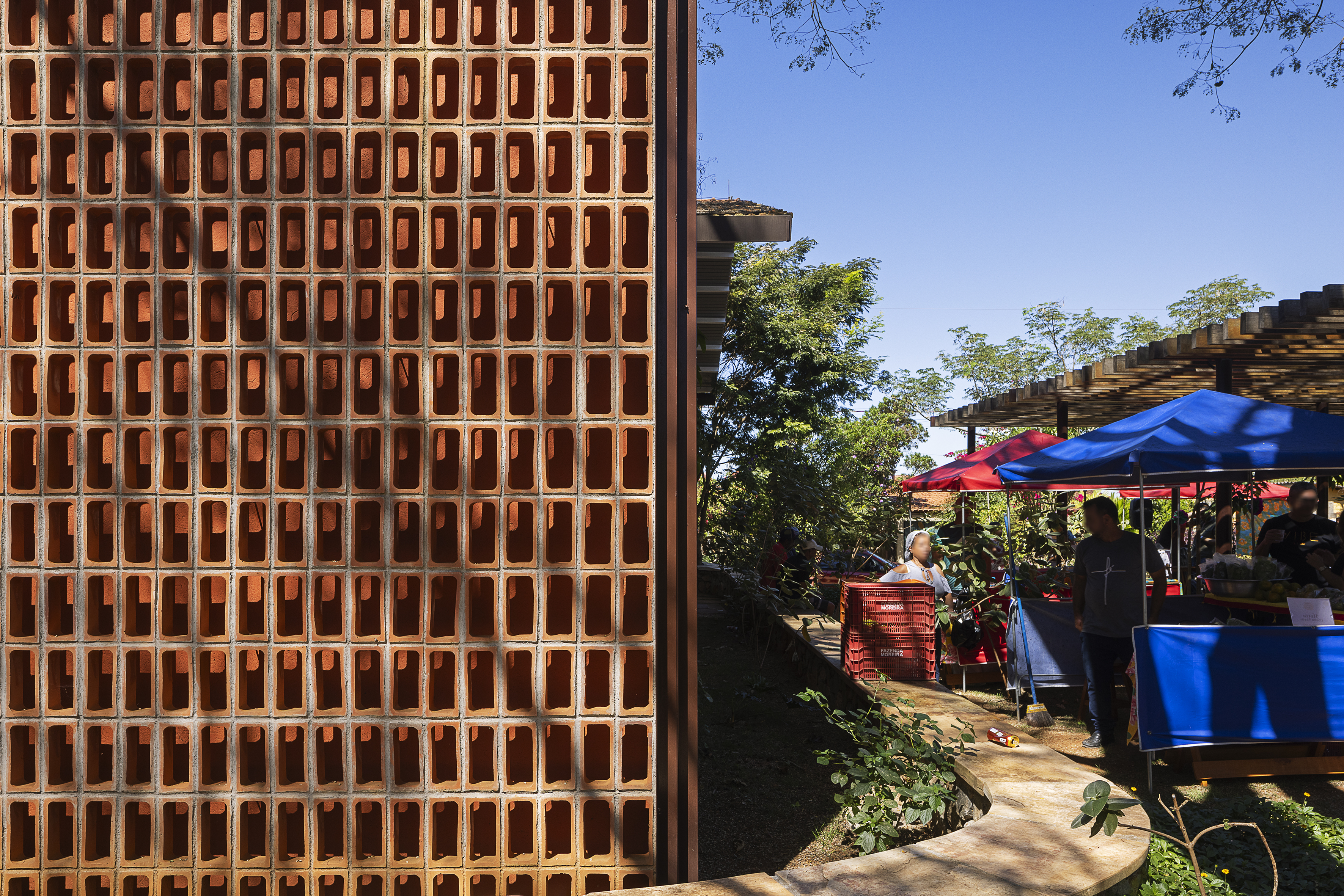
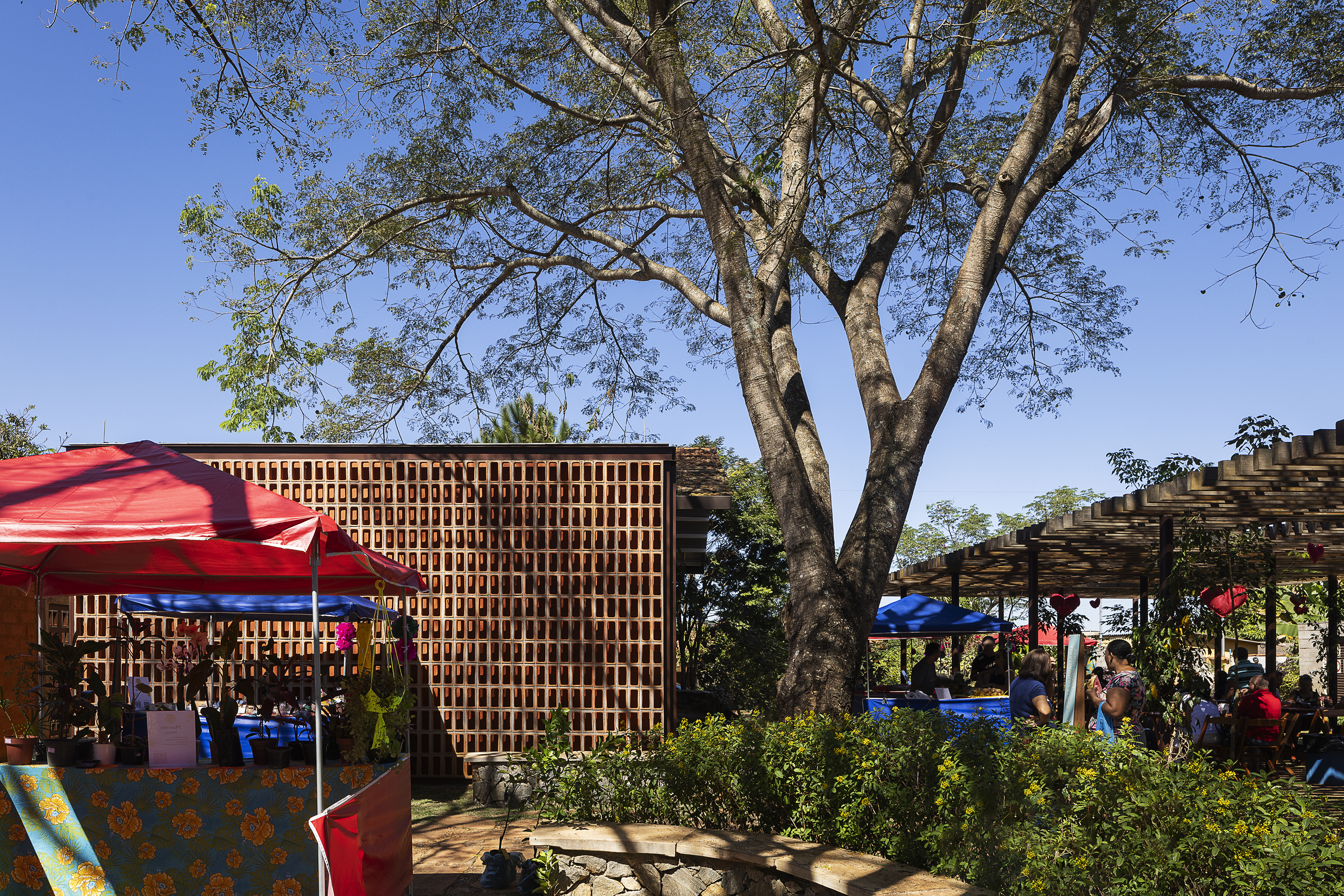
Centro de Cultura e Artesanato Laudelina Marcondes integrates architecture and nature: terraces at different levels host open-air activities in the shade of preserved trees, such as the avocado tree that became an affective landmark. Mercado Central Ipê Amarelo, enclosed with ceramic cobogós — a hallmark of iconic markets in Minas Gerais — and tamboril trees with their generous shade create an atmosphere of refuge and serve as reference for the project's visual identity (Hardy Design).
The Memorial Area (Phase 3) expresses the most sensitive aesthetic commitment: Jardim 4 Estações, a sensory garden with aromas, textures and sounds evoking nature's cycles, surrounds a water mirror tracing the outline of the former football field used during victim rescue operations. The chapel-funeral home resting over water and Casa das Borboletas — preserving the form of the rescue building, replaced by vegetation attracting butterflies — translate memory and mourning into a landscape experience of contemplation and care.
The project integrates design, arts, craftsmanship and local culture, transforming daily life into an experience of beauty and dignity.
Território-Parque places inclusion at the core of its design, responding to a community historically excluded from the benefits of surrounding mining activity and profoundly affected by the 2019 disaster.
Social inclusion is materialised through the participatory process: Affective Cartography and Thematic Groups (Kairós) ensured a voice for all segments — women, the elderly, young people, children — in defining demands. The training of 12 Local Development Agents strengthened community leaders to represent collective interests. Workshops reached different age groups through adapted activities.
Economic inclusion is structural: the Economia em Rede (Networked Economy) programme supported 27 businesses and collectives (154 people, 64% women), all still active, with over 4,000 hours of training and mentoring, resulting in 54% growth in enterprise maturity and 84% revenue increase since inception. Initiatives such as Aromas da Serra (soap-making), Horta Comunitária Cheiro Verde and the Feito por Nós bakery generate local income. Seven young people were integrated, promoting permanence in the territory.
Spatial inclusion and accessibility are reflected in quality public spaces — square, market, cultural centre, football field — designed for universal use. Training residents in construction and landscaping enabled community labour in the works.
Housing inclusion is promoted through two fronts. The first consists of properties acquired by Vale: 13 allocated to vulnerable families and 3 for logistical support to enterprises. The second is land regularisation, provided for in the Reparation Agreement, guaranteeing legal security for families' permanence in their territories.
The exemplary character lies in the community management model: the Producers' Association assumed management of the Market and Cultural Centre, with revenues allocated to social projects — a model of self-governance and inclusion that transcends one-off reparation.
Community participation is the founding principle of Território-Parque. The project was conceived not merely for the community, but with it and from it, across all phases.
In the listening phase (2019), Instituto Kairós — present since before the disaster — conducted a comprehensive participatory process: Affective Cartography mapped residents' memories and aspirations; five Thematic Groups (Landscaping; Nature and Sustainability; Income and Culture; Health; Education and Solidarity) brought residents together to formulate demands; and 12 Local Development Agents were trained as community articulators.
In the validation phase, meetings with community representatives aligned project proposals, culminating in Feira Território-Parque (December 2019), when demand synthesis infographics and the architectural plan were presented through talks, memory games, conversation circles, workshops and interactive exhibitions including children, young people, adults and the elderly. Community input was documented and incorporated into the project.
During Central Area implementation (2021–2023), participation was physical: residents were trained and worked on construction and landscaping; homes were renovated with beneficiary involvement; and gardens were planted by residents themselves.
In the ongoing appropriation and management phase, Instituto Rede Terra strengthens community autonomy. The Producers' Association has assumed management of the Central Market and Cultural Centre. Open assemblies, with representatives from the Residents' and Producers' Associations, approve initiatives and ensure accountability. The teaching kitchen operates as a training and community production space.
Community involvement has been decisive: solutions reflect aspirations mapped through Affective Cartography — the football field, chapel-funeral home, vegetable garden, craft spaces — and community management ensures lasting sustainability and belonging.
Território-Parque articulates actors across multiple levels of governance, from the community sphere to the national institutional context.
At the local level, the community participates through the Residents' Association and the Producers' Association, which form the Management Committee responsible for approving initiatives and ensuring accountability. Instituto Kairós (community listening and articulation) and Instituto Rede Terra (strengthening autonomy and management) act, at different stages, as mediators between the community and other stakeholders.
Córrego do Feijão is located within the Urban, Economic and Environmental Requalification Macrozone of the municipality of Brumadinho. At the municipal level, the Municipality of Brumadinho is involved in land regularisation and the integration of the project with urban planning.
Vale, as the party responsible for reparation, finances the implementation and coordinates with different institutional levels. Furthermore, it operates through various divisions such as the Reparation/Social Value Directorate and Engineering.
The added value of this multi-level governance lies in the combination of corporate reparation funding, institutional legitimacy, social organisation mediation and community protagonism in management.
Território-Parque is intrinsically transdisciplinary: the complexity of post-disaster re-signification demanded the integration of multiple disciplines and forms of knowledge, including the community's non-formal knowledge.
The disciplines involved include: architecture and urbanism (MACh Arquitetos and Connatural Arquitectura y Paisaje); landscape design (FLP); environmental sustainability, biology and sanitation (Inovativo); lighting design (Atiaîa); architectural restoration (Lire); graphic design (Hardy Design); management (Facury); social sciences and community development (Instituto Kairós and Instituto Rede Terra); and various engineering specialities (structural, installations, drainage, waterproofing, geotechnical survey). Vale participates through different departments, including: economic development, heritage, engineering, urban licensing, biotic environment, archaeology, hydrology and environmental education.
Collaboration was organised around integrating axes. The concept of ecological infrastructure required sanitary engineers, landscape designers and architects to work jointly on the design of constructed wetlands and bioswales — devices that simultaneously serve as sanitation infrastructure, landscape and public space.
Community knowledge was treated as equally valuable: Affective Cartography translated residents' memories and aspirations into design guidelines; Local Development Agents acted as a bridge between technical knowledge and local needs; and residents participated in construction works after training.
The main benefit is systemic coherence: each solution simultaneously addresses social, environmental, economic and cultural demands. Transdisciplinarity produced solutions no single discipline could conceive, imbuing different parts of the territory — residential, communal, sports, cultural or symbolic — with the sense of inhabiting a park landscape.
Território-Parque's primary funding source is the reparation commitment of mining company Vale S.A., arising from the Córrego do Feijão dam collapse in 2019. This funding is now framed within the Comprehensive Reparation Agreement signed between Vale, the State Government of Minas Gerais, the Public Prosecutor's Office and the Municipality of Brumadinho, granting it legal and institutional solidity.
Long-term financial sustainability is structured around the Economia em Rede (Networked Economy) model, which strengthens the community's own revenue-generating capacity. Currently, Mercado Central Ipê Amarelo commercialises products from 29 local enterprises; the café operates with production from the community bakery, confectionery and pizzeria; the teaching kitchen generates revenue through events and training; and the Cultural Centre is rented for corporate events. Eleven cultural events have been held through the Rouanet Law (Brazil's federal cultural incentive legislation), expanding audiences and income.
The Producers' Association has assumed management of the Market and Cultural Centre, and all rental income from the 16 properties allocated by Vale is reinvested in social projects. The Agroforestry System (2 hectares) and the Horta Comunitária Cheiro Verde (community garden) generate marketable produce.
Equipment maintenance costs are covered by generated revenues and community management, with a Promotion and Sustainability Programme planned to consolidate financial autonomy.
The disruptive innovation potential lies in the ecological infrastructure model as a low operational cost alternative to conventional sanitation: constructed wetlands and bioswales require simplified maintenance, executable by the community itself, reducing dependence on centralised systems and operational costs — a scalable model for mining-dependent urban settlements across Brazil.
Território-Parque was conceived as a replicable model, generating solutions that can inspire hundreds of Brazilian communities in similar situations — living on the margins of mining operations, with urban precariousness and unbalanced socioeconomic relations.
The most transferable elements are: (1) the participatory methodology — Affective Cartography and Thematic Groups developed by Instituto Kairós constitute a replicable protocol for community listening and mobilisation; (2) nature-based solutions for sanitation — constructed wetlands, bioswales and vegetated detention basins are low-cost, simplified-maintenance technologies applicable to settlements lacking conventional sanitation; (3) the Economia em Rede (Networked Economy) model — a support structure for local enterprises, training and community management of facilities adaptable to different contexts.
Replication requires specific partnerships: qualified social mediation, a transdisciplinary technical team and compatible funding. However, the low cost of nature-based solutions and the community management model significantly reduce barriers to entry.
What would need to be adapted is the funding scale and legal framework, given that the situation of Córrego do Feijão is very particular in light of the disaster that occurred. Yet the 19 mining municipalities of the Quadrilátero Ferrífero and hundreds of others across Brazil have access to CFEM resources (Financial Compensation for Mineral Exploitation) that could be directed towards similar initiatives. Território-Parque demonstrates that ecological infrastructure, community participation and local economy constitute a viable path for territorial transformation.
- https://www.fernandomaculan.com/arquitetura/2022/9/9/2022crrego-do-feijo-projeto-territrio-parque
- https://revistaprojeto.com.br/acervo/mach-arquitetos-connatural-arquitectura-y-paisaje-area-central-do-projeto-territorio-parque-brumadinho-mg/
- https://www.archdaily.com.br/br/1031974/territorio-parque-mach-arquitetos-plus-connatural