Sant’Antonio Cultural Hub
A former convent reopened to the community: how cultural heritage can reshape the Alpine urban life.
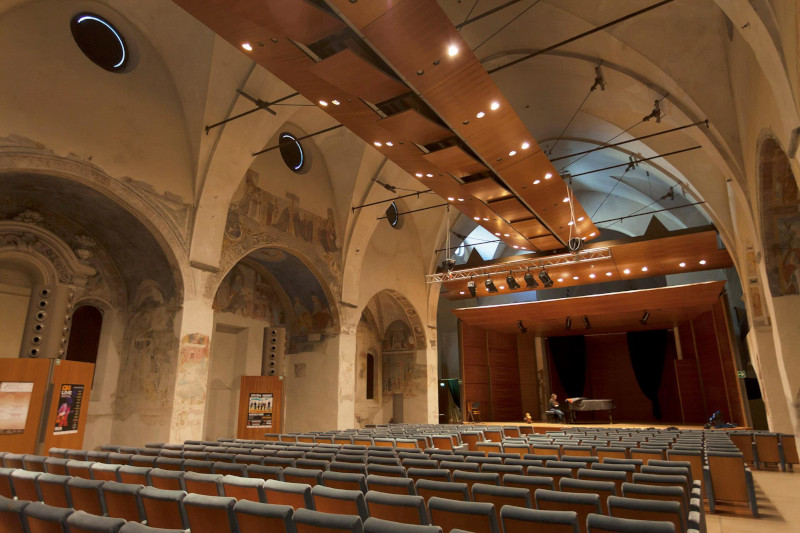
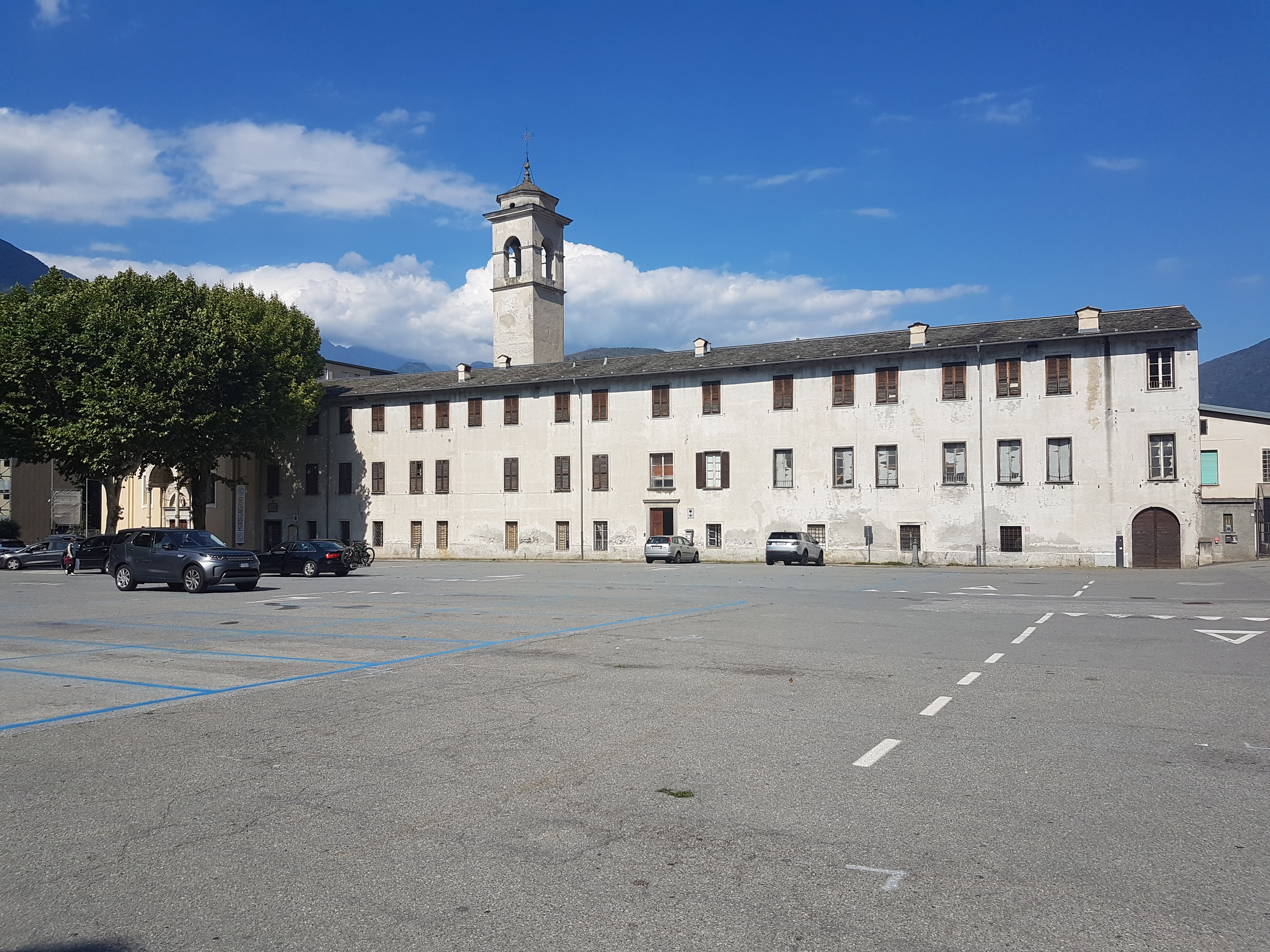
The Sant’Antonio complex, in the heart of Morbegno, is a key landmark. Restored in 2024, it has been brought back to life: the church is now an auditorium, while the cloister and convent spaces host conferences, exhibitions and cultural events. It has become a hub for mountain culture and local knowledge, welcoming community initiatives and offering an immersive experience of Alpine urban life, including festivals such as Morbegno Alps Festival, Sano Festival and Greening Italy.
Italy
Morbegno in provincia di Sondrio - Italy
Prototype level
Yes
Yes
Yes
No
No
14045: Morbegno (IT)
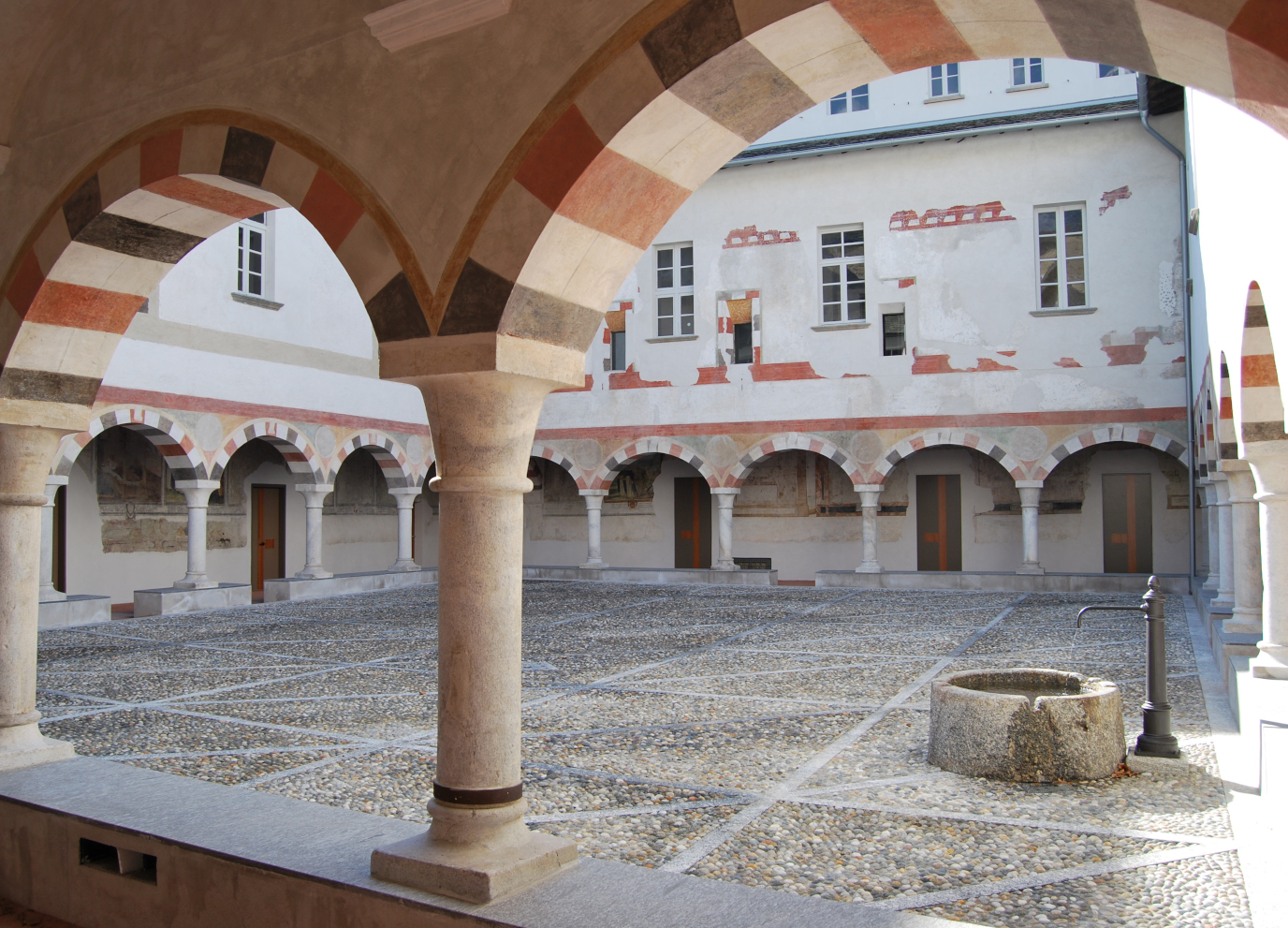
The Sant’Antonio complex, comprising the Church of Sant’Antonio Abate and the adjacent Dominican convent dedicated to San Pietro Martire, has been returned to the community following careful restoration and now serves as a socio-cultural hub in the historic centre.
The church functions as an auditorium for concerts and meetings, the convent rooms host conferences and exhibitions, and the cloister is dedicated to temporary shows and events, alongside accommodation facilities. Since reopening, the hub has promoted initiatives exploring the relationship between mountain territories, local culture and communities, fostering citizen participation and enhancing Alpine knowledge.
Activities include festivals focused on Alpine living, such as:
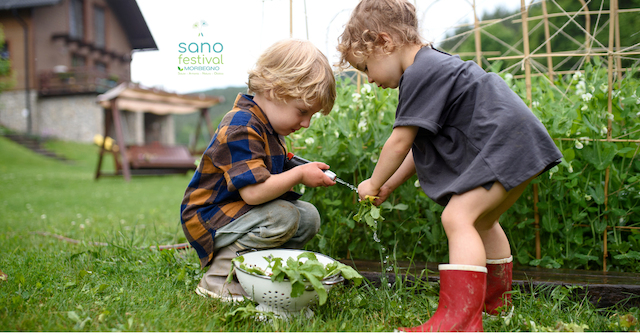
- the Festival delle Alpi in December and the spring Sano Festival on wellbeing and sustainability;
- programmes promoting mountain culture, like the “Vivi la Città Alpina” series with talks by authors, mountaineers, economists and cultural and sporting figures;
- Temporary exhibitions and artistic programmes showcasing local artists;
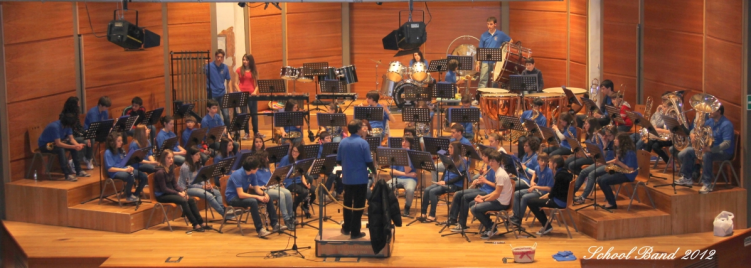
- Events organised by associations, schools and local organisations, including concerts by philharmonic bands and valley choirs;
- Participatory initiatives, such as Greening Italy (2026).
These initiatives form a unique programme for citizens, young people, schools, cultural associations and local stakeholders, aiming to strengthen the sense of belonging to the community, enhance cultural and artistic identity as well as natural and intangible Alpine heritage, and increase active participation by transforming audiences into co-creators of the initiatives.
The hub embodies and promotes the NEB values turning an ancient building into a space where local knowledge and culture are woven into the rhythms of slow mountain life. It fosters multilevel engagement by networking institutions, associations, schools, artists, researchers and citizens, creating a collaborative cultural ecosystem.
Alpine culture
sustainability
community participation
mountain identity
cultural heritage
The project combines cultural programming with the sustainable regeneration of the historic Sant’Antonio complex, transforming an existing space into a contemporary cultural infrastructure capable of generating environmental, social and cultural value. The project fully aligns with Ambition I of the NEB Compass, promoting a sustainable approach based on the reuse and enhancement of existing heritage to reduce environmental impact and the use of new resources.
Through the functional recovery of the ancient church and convent spaces, the project avoids new construction while promoting the durability and adaptability of historic environments. The Municipality of Morbegno is also planning the introduction of energy-efficient, low-impact technological equipment and infrastructure to improve the audiovisual performance of cultural activities. This process extends the building’s lifecycle and transforms it into a flexible, sustainable space capable of hosting events, meetings and activities throughout the year.
At the same time, the initiative contributes to achieving Ambition II of the NEB Compass by promoting an increasingly circular approach to the management of cultural activities and the involvement of local actors. The project encourages collaboration among institutions, associations, cultural professionals, schools and citizens, creating a network of participants engaged in the design, production and enjoyment of activities.
The project fully aligns with the value of beauty, responding directly to Ambition I of the NEB Compass, to activate. The historic Sant’Antonio complex provides a setting of significant aesthetic and cultural value, greatly enhancing the quality of the experience for its visitors. By hosting events linked to local traditions, the complex becomes a vibrant space where historical heritage, Alpine culture and contemporary creativity intersect. Through the valorisation of historic assets, the Alpine landscape and local cultural traditions, the initiative fosters greater awareness of the place and its cultural legacy, transforming the space into a living context where aesthetics, culture and identity converge.
The project also addresses Ambition II, to connect, by creating new forms of interaction between citizens, stakeholders and the territory. Cultural activities foster connections and a sense of belonging, promoting openness, mutual care, and attention to the Alpine natural environment. Focusing specifically on the mountain context, the project further contributes to Ambition III, to transform, anticipating potential future changes and gradually fostering collective thinking that strengthens the bond between people, heritage and the Alpine landscape.
Historical, artistic and cultural heritage is intertwined with the intangible knowledge of mountain life: through shared events and gatherings, a truly collective experience is created, where the aesthetic dimension encompasses not only the quality of the spaces but also the quality of relationships between people and with the natural environment.
The initiative aims to strengthen social and cultural inclusion through the regeneration of the historic Sant’Antonio complex and the development of accessible and participatory cultural programming. In this sense, the project aligns with Ambition I of the NEB Compass, promoting the accessibility and usability of cultural spaces for a broad and diverse audience.
The renovation of the convent and its annexed spaces is designed to create a more physically accessible and community-oriented environment, improving the functionality and flexibility of the areas, as well as enabling co-programming in response to the needs of local associations and organisations previously mentioned. This will allow a wider range of cultural, educational and social activities to be hosted throughout the year. The aim is to transform the complex into a shared space capable of welcoming citizens, associations, schools and visitors, fostering interaction between different generations and communities.
The Cultural Hub also seeks to make Alpine knowledge more accessible by hosting events where experts, artists, researchers and mountain professionals can engage in dialogue with a broad audience, including students, families and citizens. In this way, experiences and knowledge that are often confined to specialist contexts become a shared community asset.
In the current year, the Cultural Hub intends to promote increasingly participatory events that allow the community to play an active role. This includes the Greening Italy event (selected as a Satellite Event), where citizens will be invited to actively contribute to cultural programming, participating in the design of content and local “re-greening” activities. This further reinforces the inclusive dimension of the project and aligns it with Ambition II of the NEB Compass, promoting a cultural model in which people also become co-creators and curators of the territory’s cultural experiences.
The Sant’Antonio Cultural Hub is built on strong engagement with the local community and civil society, adopting a place-based approach that horizontally connects informal networks, associations and local institutions, positively influencing the cultural and social environment of the area.
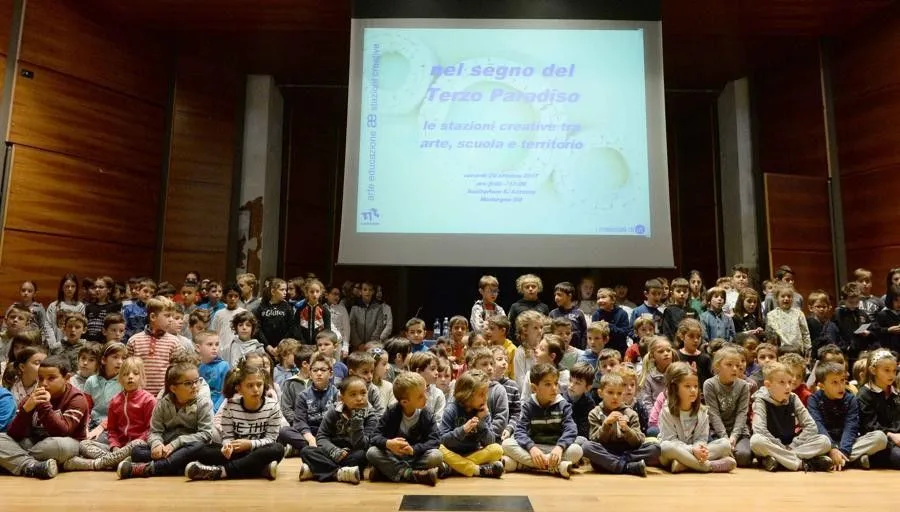
Residents, cultural associations, Alpine groups, sports organisations, schools and volunteers actively participate in the design, organisation and delivery of activities. This involvement ensures that the programme is firmly rooted in the needs and aspirations of the community, fostering a shared and participatory culture. Special attention is given to younger generations, who are engaged through workshops, educational activities and cultural pathways focused on the mountains, sustainability and local identity. Schools collaborate closely with organisers, developing initiatives that encourage students to take part, explore environmental themes, and contribute to the city’s cultural life.
Citizens also participate as volunteers and co-creators, making a tangible contribution to the planning and management of cultural experiences. This approach generates a strong sense of belonging, reinforcing the community dimension of the event cycle and consolidating the connection between people, heritage and territory.
The Cultural Hub aims to further embrace participatory approaches by opening decision-making to the community. In line with the NEB Compass, the project responds to Ambition I under the participation priority, informing and involving citizens and fostering open dialogue with experts and local stakeholders. With the introduction of the satellite event Greening Italy, the cycle of activities also aligns with Ambition II – co-develop – enabling citizens to actively contribute to the development of the cultural programme, rather than merely experiencing it, transforming the Sant’Antonio complex into a shared and participatory cultural laboratory.
The initiative engages stakeholders at multiple levels to build a collaborative governance model and enhance the cultural and territorial impact of the project.
At the local level, the Municipality of Morbegno provides coordination and strategic guidance, working closely with cultural associations, schools, volunteer groups, tourism operators and community organisations. These actors participate in activity planning, support event organisation and foster citizen engagement, ensuring that the cultural programme is rooted in the needs and aspirations of the local community.
At the regional level, collaboration with cultural institutions, tourism networks and mountain-related organisations helps to promote initiatives and strengthen connections with the wider Alpine context. These partners support the dissemination of activities, broaden the audience and encourage synergies with other cultural and territorial initiatives.
At the national level, experts, researchers, cultural professionals and mountain operators take part in conferences, meetings and public debates, bringing expertise and perspectives on topics such as environmental sustainability, Alpine area development and cultural heritage enhancement. Their contribution enriches the quality of content and fosters dialogue between scientific knowledge and the community.
Finally, the project seeks to strengthen links with European networks focused on mountain territories, culture and sustainability, promoting the exchange of ideas, experiences and best practices.
This multilevel stakeholder engagement represents a fundamental added value: it increases the quality and diversity of the cultural programme, enhances the initiative’s relevance, and expands its visibility beyond the local context, contributing to the development of the Sant’Antonio complex as a cultural hub and a collaborative space for the Alpine territory.
The Cultural Hub of the Sant’Antonio complex is founded on a strongly interdisciplinary approach, bringing together multiple fields of knowledge to address the challenges and opportunities of mountain territories. The design and implementation of the initiative draw on contributions from diverse areas, including environmental studies, Alpine research, cultural heritage, architecture, tourism studies, social sciences and cultural production. These are complemented by practical skills and local knowledge provided by mountain operators, local associations and community members.
Researchers, mountain professionals, mountaineers, cultural operators, artists and local experts actively participate in conferences, public meetings, exhibitions and discussion sessions, creating spaces where scientific expertise, cultural expression and first-hand territorial experience converge. The interaction among these diverse actors allows complementary perspectives to be connected and fosters a broader understanding of the relationship between people, landscapes and Alpine communities.
Following the principles of the New European Bauhaus, the initiative adopts a beyond-disciplinary approach that integrates formal and non-formal knowledge. Experts from political, social and economic fields engage with community members, artists and cultural professionals, promoting exchange between scientific knowledge, traditional expertise and local cultural values. In this way, the knowledge associated with mountain life enriches and informs academic reflection, generating new narratives and shared visions for the future of Alpine territories.
Within this framework, the Cultural Hub functions as a meeting point between local knowledge and specialist expertise, bridging the gaps between cultural tradition, artistic practice and scientific research.
The Cultural Hub of Morbegno introduces an innovative approach compared to traditional cultural festivals by combining cultural programming with the long-term regeneration and enhancement of a historic public space: the Sant’Antonio Complex. The project transforms this site into a multifunctional cultural hub, equipped with sustainable technological facilities that improve accessibility, usability and environmental performance.
Unlike many festivals, which are often limited to short-term events concentrated over a few days, the initiative is conceived as a permanent cultural platform, capable of animating the complex throughout the year with a diverse programme of cultural, artistic and participatory activities.
Another element of innovation lies in the integration of mountain culture, sustainability and community participation. Cultural activities become opportunities for dialogue and reflection on the future of Alpine territories, environmental challenges and sustainable development models in mountain areas.
By combining historic heritage regeneration, cultural production and active community involvement, the initiative goes beyond the traditional “cultural event” model and establishes a lasting cultural ecosystem, capable of promoting social and cultural innovation in mountain territories, in line with the values of the New European Bauhaus.
The initiative is based on a participatory and interdisciplinary methodology, combining cultural programming, community engagement and heritage enhancement. The approach involves close collaboration between the Municipality, local associations, schools, cultural institutions and experts from diverse disciplines. Festivals hosted at the Sant’Antonio complex serve as open cultural platforms, where conferences, exhibitions, artistic events, educational activities and public debates promote interaction among citizens, researchers, artists, mountain professionals and visitors. Special attention is given to engaging young people and local communities, encouraging participation in workshops, educational initiatives and cultural activities related to sustainability, mountain culture and local identity.
At the same time, the initiative integrates heritage regeneration and technological upgrading, through the acquisition of sustainable equipment that will allow the complex to host cultural activities throughout the year.
With the support of a local design agency, in 2026 the complex intends to experiment with concrete participatory dimensions, including: surveys to identify community “cultural desires,” co-creation initiatives, and self-construction of green installations to support scheduled events. A participatory open platform (e.g., Padlet) will also be introduced to co-design the events calendar in a bottom-up approach, allowing schools and local associations — e.g. philharmonic orchestras, choirs, music school classes, theatre companies and dance schools — to propose activities. These groups normally use the Sant’Antonio Cultural Hub as a venue for initiatives open to the community. The Greening IT Festival it will be fully co-created.
These supportive tools create a dynamic environment where cultural production, knowledge exchange and community participation reinforce one another, contributing to the development of a vibrant cultural hub for the territory.
The initiative demonstrates strong potential for transferability and replicability, particularly in small and medium-sized towns and mountain regions across Europe that face similar challenges regarding cultural infrastructure, community engagement and sustainable development.
One of the most replicable elements is the model of activating historic or underused public spaces through cultural festivals that evolve into year-round cultural hubs. This approach enables communities to revitalise heritage sites while simultaneously strengthening local cultural ecosystems. The use of sustainable technological equipment to improve the functionality and accessibility of cultural spaces also represents a practical and scalable solution that can be implemented in other heritage sites.
Another transferable aspect is the integration of cultural programming, environmental awareness and discussions on territorial sustainability, which can be applied in diverse regional contexts while maintaining a strong connection to local identity.
By combining cultural events, heritage regeneration and community participation, the initiative offers a replicable model for sustainable cultural development in small communities and mountain areas across Europe.
The Municipality of Morbegno has demonstrated a strong commitment to establishing the Sant’Antonio complex as a cultural hub. This commitment was first reflected in the completion of the complex’s restoration works and, in the following years, in the organisation of various initiatives that have brought life to the site. The next phase of the project focuses on the enhancement and regeneration of the Sant’Antonio complex, through the acquisition of sustainable, energy-efficient equipment that will improve the functionality, accessibility and environmental performance of the spaces. This investment will enable the complex to host a broader range of cultural, educational and community activities throughout the year.
Furthermore, the project aims to make the space more accessible not only in structural terms but also in an inclusive way, by implementing appropriate signage that includes Augmentative and Alternative Communication (AAC) as well as other light infrastructure (e.g., Braille labels), making culture increasingly accessible to a wider audience.
The Cultural Hub also seeks to become an increasingly participatory initiative, engaging not only local stakeholders and associations but also private citizens in the management of spaces and the co-creation of cultural activities.
These structural interventions, combined with a participatory approach, will contribute to expanding the annual cultural programme and strengthening collaborations with cultural, educational and research organisations at the local level.