Caminho da Escola
Caminho da Escola – Green Stops and Safe Mobility for Youth
Caminho da Escola – Green Stops and Safe Mobility for Youth aims to transform school commutes by creating green, sustainable bus stops that promote safe mobility for students, while also serving as a resting and gathering space. By providing comfortable shelters as well as encouraging walking and public transport, this initiative reduces car dependency, traffic congestion, and environmental impact, but also empowers the next generation to adopt healthier, more sustainable transportation habits.
Portugal
It is being developed in the municipality of Alcanena
Early initiative
Yes
Yes
Yes
No
No
140211: União das freguesias de Alcanena e Vila Moreira (PT)
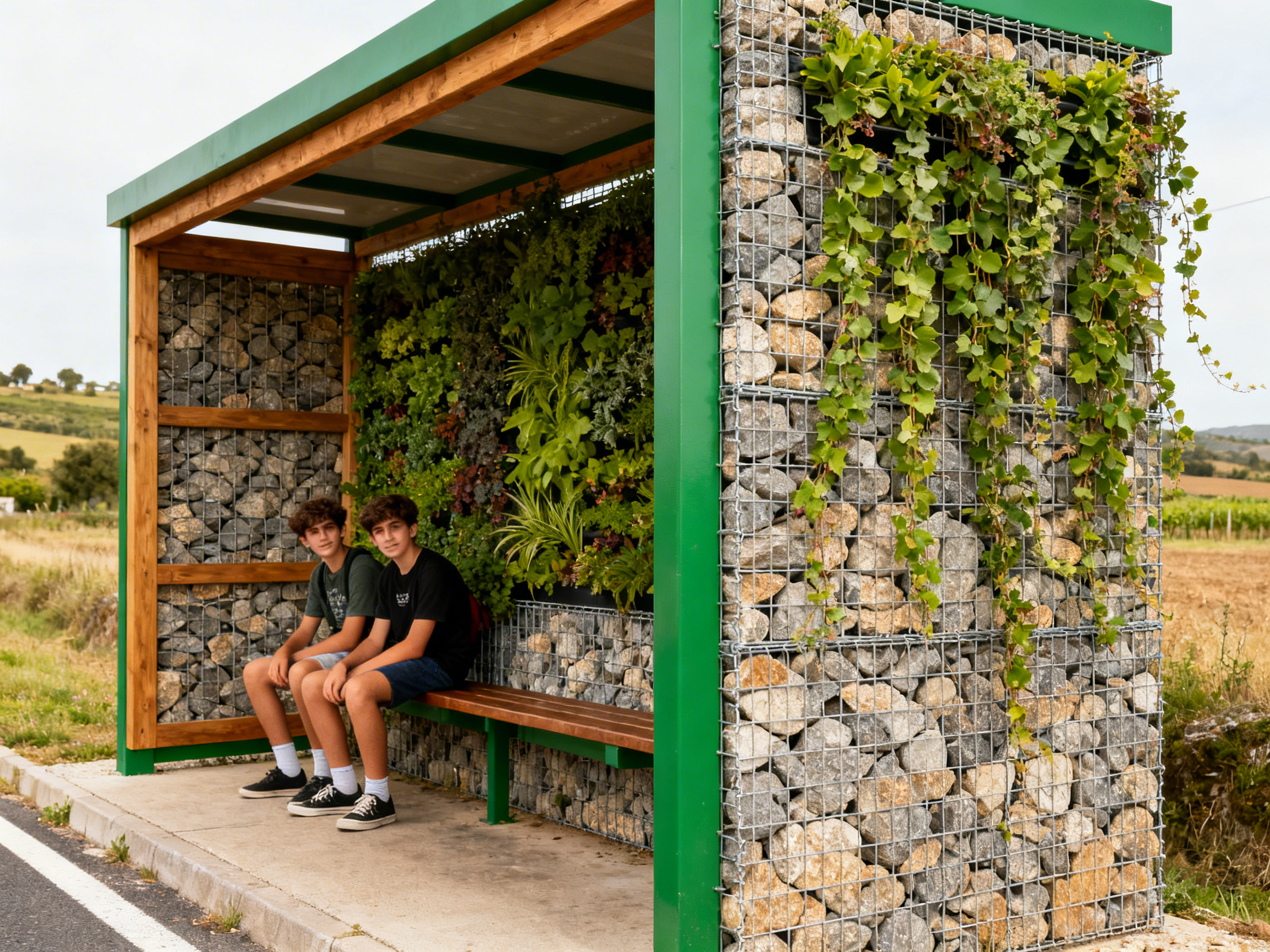
Caminho da Escola – Green Stops and Safe Mobility for Youth aims to create a network of sustainable, green stops and improve the home – school commute, encouraging students to walk or use public transport, whilst promoting safer environments. This initiative focuses on fostering sustainable mobility within the daily lives of children while enhancing their autonomy in accessing schools. The project seeks to reduce car dependency, traffic congestion, noise, and emissions around school areas, integrating solutions like vertical gardens, natural shade, and permeable materials to improve the local microclimate
The primary target group for this initiative is the school community, including students, families, and local authorities. The project directly addresses challenges such as intense traffic congestion, a lack of autonomy for children, high emissions in sensitive areas, and underdeveloped bus stop infrastructure. It will create intelligent green shelters that provide comfortable waiting areas while promoting healthier transportation habits. In addition, it will introduce educational signage, pedestrian path markings, and minor traffic calming measures, making school routes safer and more accessible
In addition to its primary function, considering the facts of being a shaded space in a place vulnerable to heat waves and other climate phenomena, the bus stops also bear the potential to provide resting and gathering spaces for students and the community, fostering social interaction and a sense of belonging in a safe, welcoming environment.
By engaging families, schools, and local transportation services, the project ensures a participatory and community-centred approach. It is designed to be modular and replicable, starting with a pilot phase and its expected outcomes include improved safety for students, reduced car traffic around schools, increased use of public transport, and a higher quality of life for residents through more sustainable and safer urban mobility
Sustainable Mobility
Green Shelters
Climate Action
Youth Participation
Community Engagement
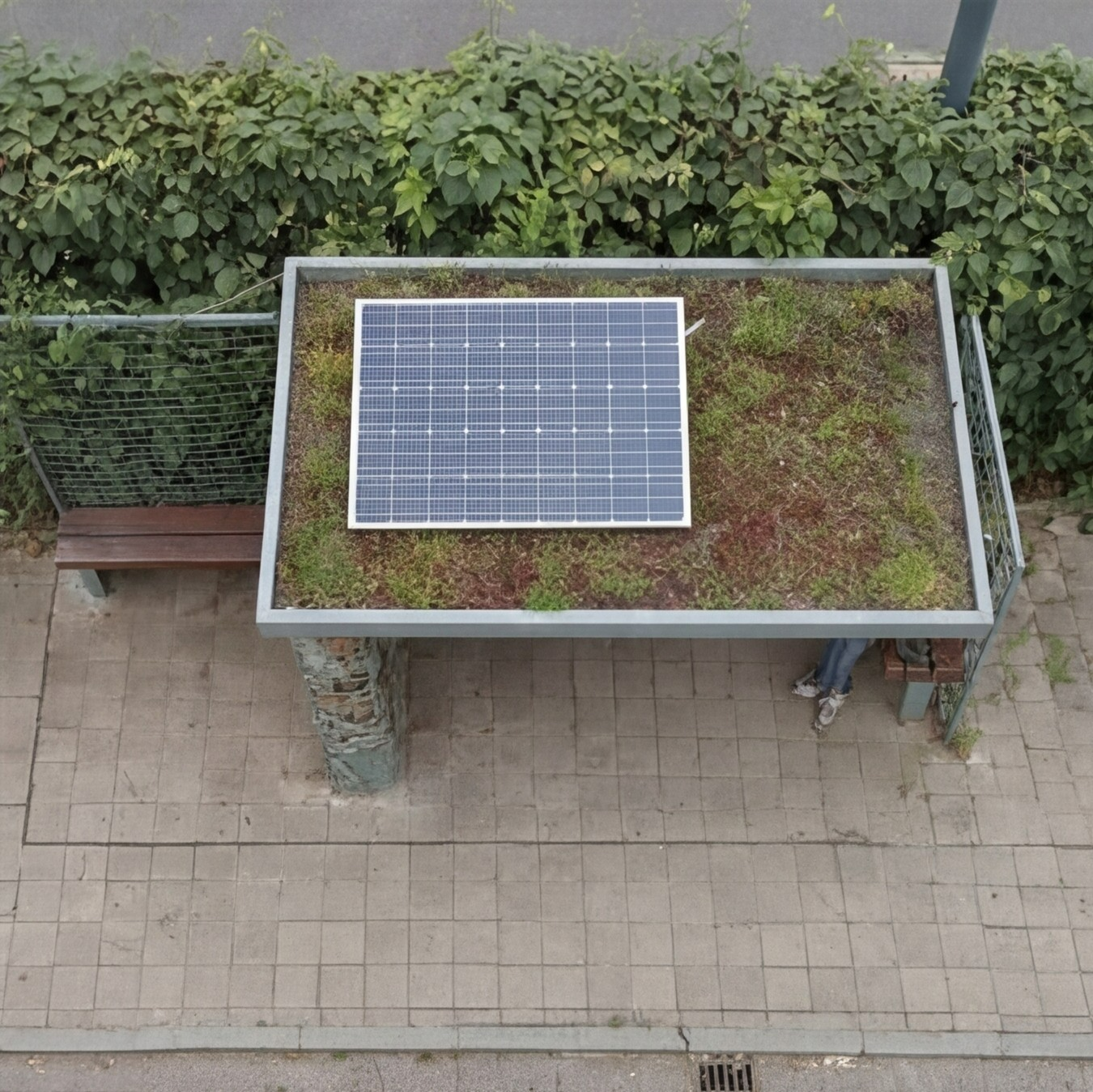
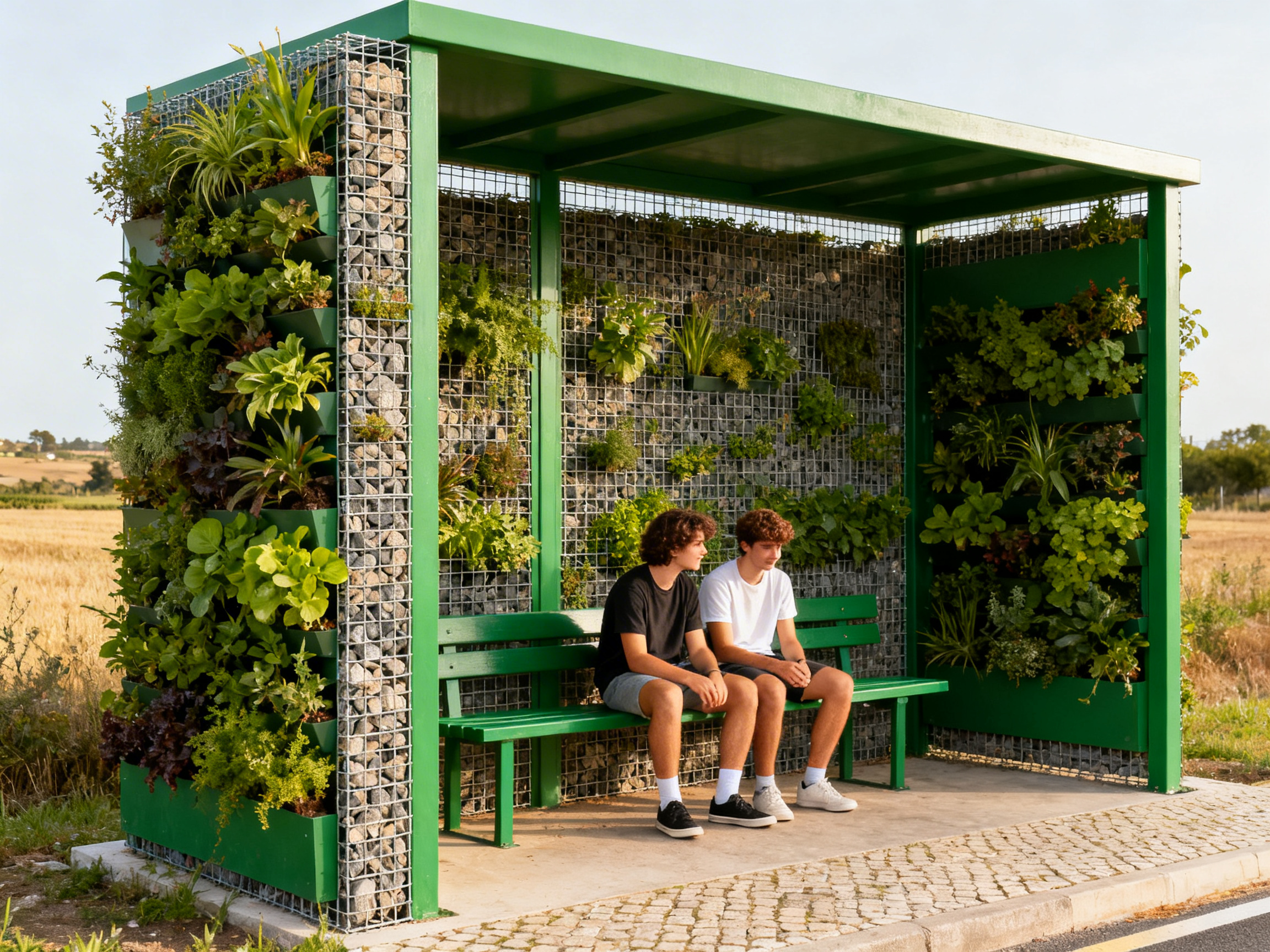
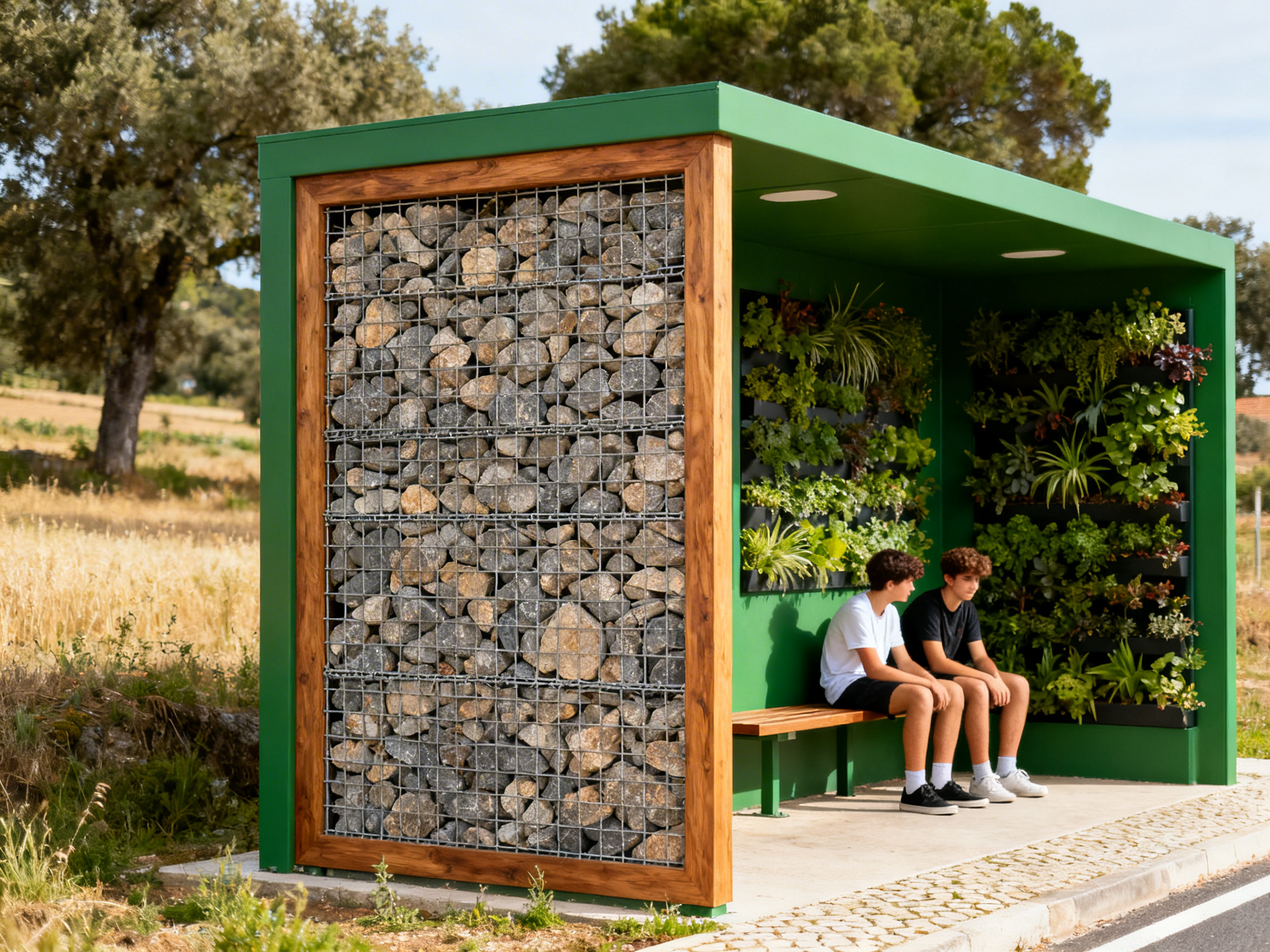
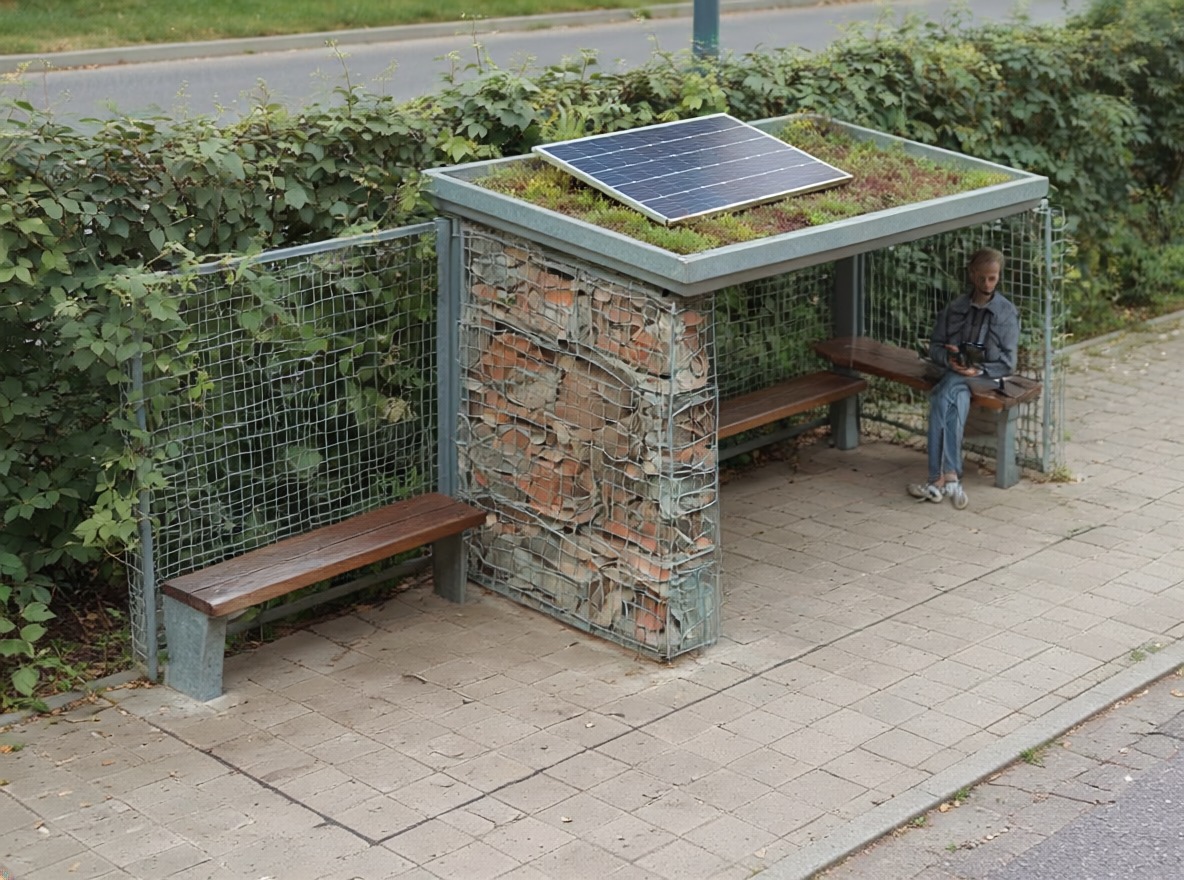
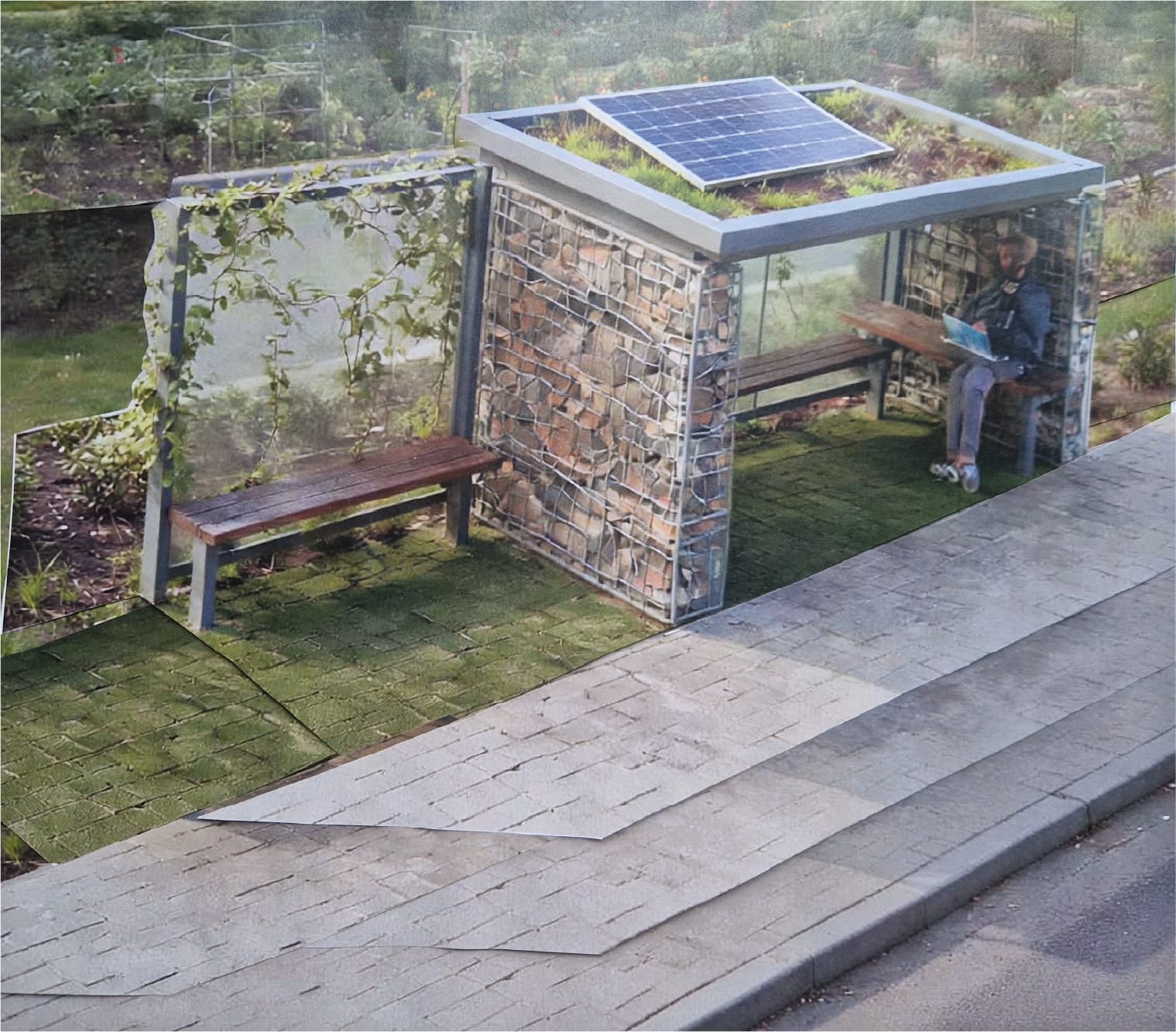
The Caminho da Escola – Green Stops and Safe Mobility for Youth project embeds sustainability at its core by addressing environmental, social, and mobility challenges through an integrated, community centred approach. It aims to reduce reliance on private cars for school travel, thereby lowering traffic congestion, noise, air pollution, and CO₂ emissions in sensitive urban areas. By promoting walking and public transport, the project contributes to healthier, low carbon mobility behaviours among students and families, aligning with broader climate goals and sustainable urban development principles. The installation of green, eco designed bus stops with vertical gardens, natural shade, permeable surfaces, and solar powered lighting instantly improves the quality level of public space and demonstrates how simple, small scale urban interventions can have positive environmental impacts.
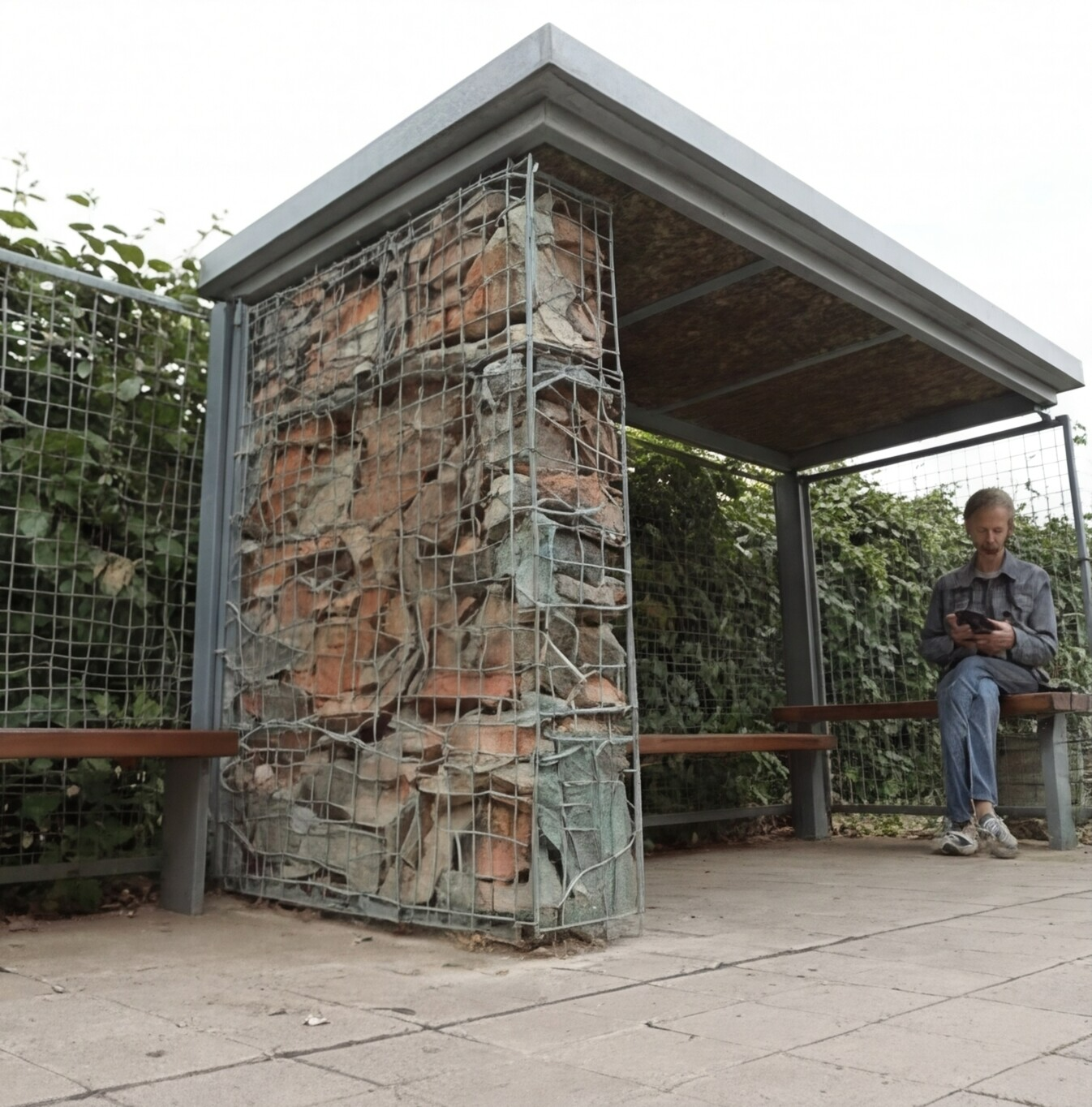
The initiative also prioritises circularity and resource reuse by incorporating recycling materials such gabions made from ceramic residues sourced from demolitions within the housing rehabilitation project in the municipality. Through participatory processes involving students, families, schools, and local stakeholders, the project fosters environmental awareness and shared responsibility for sustainable practices. This inclusive engagement ensures that sustainability is not only a design principle but a lived experience for the community.
This project bridges different forms of sustainability, from mobility to recycling to climate action. By combining ecological, social, and educational outcomes, the project embodies what the New European Bauhaus describes as sustainable solutions that are environmentally responsible, socially empowering, and capable of improving the built environment in a meaningful way.
This project prioritizes aesthetics and quality of experience by designing green, welcoming spaces that not only provide functional transportation infrastructure but also enrich the community’s daily life. The project aims to transform everyday bus stops into vibrant, eco-friendly spaces that promote environmental consciousness and cultural appreciation.
The design of these green shelters is a direct response to the need for functional urban spaces that also contribute to the beauty of the local environment. The shelters are visually pleasing, with natural elements like greenery and open spaces that encourage users to connect with nature in an urban setting. The greenery within these spaces is composed primarily of autochthonous species, ensuring that the design respects local biodiversity and contributes to the regional ecosystem. These elements are aesthetically enriching, offering a visual connection to the surrounding environment.
The cultural benefits are also significant: the initiative reflects local values by incorporating materials like ceramic waste from the municipality’s rehabilitation projects, thus linking the modern design to the area’s heritage and demonstrating sustainable practices. This approach invites people to recognize the cultural significance of reusing local materials while fostering a sense of pride and ownership.
Furthermore, the project is designed with a focus on user experience, aiming to create spaces that are not just functional but also comfortable and engaging. The shelters provide a place for rest, social interaction, and refuge from the elements, transforming what are often overlooked spaces into areas where all can gather, socialize, and feel safe. The integration of these features enhances the overall quality of life and the daily experience of individuals who interact with the space, whether they are waiting for a bus or simply enjoying a moment of respite.
Caminho da Escola – Green Stops and Safe Mobility for Youth is built on the principle that sustainable development must be inclusive and accessible for all. The initiative creates a supportive environment addressing mobility challenges faced by students, families, and the community. It ensures that everyone, regardless of age, ability, or socioeconomic background, can equally benefit from improvements in public space and mobility infrastructure.
Accessibility and Affordability: The project enhances accessibility by ensuring all students, including those with mobility challenges, can easily access safe routes to school. Bus stops are designed with universal accessibility, featuring smooth surfaces and clear signage. It also prioritizes affordability by promoting walking and public transport, ensuring these sustainable options are accessible, especially for families in vulnerable situations.
Inclusive Design and Governance: Inclusive design principles are central, with the community playing a role in planning and decision-making. Participatory workshops, feedback loops, and co-creation ensure that local needs, desires, and concerns are incorporated into the project. This participatory approach guarantees that the design serves all, especially those overlooked in traditional planning.
Social Equity and Participation: The project addresses social equity by focusing on underserved areas with heavy traffic and a lack of green spaces. It prioritizes these communities, ensuring they benefit first. Green bus stops include seating, shaded areas, and spaces for social interaction, fostering well-being in areas with underutilized public spaces.
Empowerment and Education: The project empowers youth by involving them in the design process, allowing them to take responsibility for their community. It promotes sustainable practices, active transport, and environmental stewardship, fostering a sense of autonomy and responsibility that will extend beyond their school years.
The Caminho da Escola – Green Stops and Safe Mobility for Youth project places significant emphasis on citizen and civil society involvement, recognizing that true sustainability and success come from engaging those who will be impacted by the initiative. From the outset, the project has focused on creating a participatory process, ensuring that citizens, particularly students, families, and local community members, are actively involved in shaping the project and its outcomes.
Role and Level of Involvement: Citizens have been involved at every stage of the project, beginning with co-creation workshops and consultations. The project integrates with the Eco-Schools initiative, engaging students in environmental education and the creation of green spaces and sustainable transport solutions. This involvement fosters values of environmental stewardship. Additionally, it aligns with the Municipal School Mobility Plan, collaborating with local authorities and schools to address specific mobility needs and contribute to a broader strategy for sustainable transport and public space improvement in the region.
Students, parents, teachers, and residents have had opportunities to contribute their thoughts, concerns, and ideas about the design and features of the green bus stops and the school routes. These participatory workshops were designed to ensure that the project reflected the needs, aspirations, and values of the community, not just the technical or administrative goals.
Impact of Citizen Involvement: The involvement of citizens has had a profound impact on the initiative. By ensuring that the design meets the real needs of the community, the project fosters a sense of ownership and belonging, encouraging active participation in promoting sustainable mobility and green practices. This has led to a higher level of engagement, with families and students acting as advocates for its goals.
The project has been designed and implemented through active engagement with various stakeholders at the local, regional, and national levels, ensuring the initiative is well-aligned with both community needs and broader sustainable mobility strategies.
At the local level, schools, students, parents, and other elements of the broader community have played a central role. Students have been actively involved by providing feedback and contributing to the design of the green bus stops and safe routes, while parents advocate for their children’s safety, promoting the project's focus on reducing traffic and enhancing well-being. Community members have also been consulted, ensuring the project addresses local concerns and integrates seamlessly into the neighbourhood.
Within the Municipality, multiple departments, including urban planning, transportation, and environmental sustainability, have collaborated to integrate the project into the Municipal School Mobility Plan. This alignment ensures that the green bus stops and mobility solutions directly contribute to the municipality’s broader strategy for improving school transport and public spaces.
At the regional level, the Intermunicipal Community of Médio Tejo, which serves as the regional transport authority, has endorsed the project and is closely involved in coordinating with local stakeholders. Their expertise ensures that the new infrastructure fits within regional transport operations and contributes to the overarching mobility strategy for the region, and that the project will be scalable, operational, and effective in integrating with the broader regional transport network.
On the national level, academic institutions and research entities specializing in architecture, engineering, and urban planning are providing technical expertise in the design and implementation of the project, ensuring that the project follows best practices.
The project brings together several key disciplines to ensure that the initiative is well-rounded and impactful during its planning and pilot stages
Urban planners engage in the early stages, assessing the best locations for the green bus stops and safe school routes. They focus on areas with high pedestrian traffic and a need for safer routes, ensuring these spaces are well-integrated into the existing infrastructure
Environmental experts provide guidance on selecting sustainable materials and incorporating native plant species for green spaces. They advise on eco-friendly features such as solar-powered lighting and permeable surfaces, ensuring that the project minimizes its environmental impact while enhancing local biodiversity
Architects and engineers will join the project in the pilot phase to focus on designing and constructing durable, functional shelters. Their role is to ensure that the structures meet the project’s aesthetic and environmental goals while providing safety and comfort for users
Transportation engineers collaborate with the municipality to assess traffic patterns and ensure that the new bus stops and routes are well-connected to the public transport system. They will identify the safest routes for students and ensure the infrastructure aligns with the broader goals of improving sustainable mobility
Local stakeholders, including students, parents, and teachers, have been engaged in consultations to ensure their needs and concerns are reflected in the project. The initiative also ties in with the Eco-Schools program, incorporating environmental education and encouraging sustainable mobility habits among the school community
These disciplines will collaborate throughout the pilot phase, ensuring the project integrates urban planning, environmental sustainability, and community needs. The collaboration adds value by ensuring the project is both technically sound and socially relevant, laying a strong foundation for scaling the initiative
The Caminho da Escola – Green Stops and Safe Mobility for Youth project stands out for its innovative approach to combining sustainable mobility, community engagement, and climate resilience in a single initiative. Unlike conventional school transportation projects that focus solely on improving mobility or infrastructure, this initiative integrates green spaces with public transport solutions, creating eco-friendly bus stops that not only serve as transportation hubs but also enhance the local environment.
The project incorporates native plant species, solar-powered lighting, and permeable surfaces, turning the bus stops into sustainable, multifunctional spaces that improve the urban microclimate and reduce heat in areas vulnerable to climate change. By blending green infrastructure with transportation, it offers a unique solution to both mobility and environmental sustainability.
What makes this initiative particularly innovative is its bottom-up participatory design process. Students, parents, and local residents have been involved from the outset, ensuring the project is shaped by the needs of those it serves. This community-led approach is achieved through co-creation workshops and consultations, allowing the community to actively contribute to the project’s development. This level of community involvement fosters a sense of ownership and responsibility among participants, making the project more meaningful and effective.
The project also prioritizes youth empowerment, focusing on encouraging students to embrace sustainable mobility and fostering environmental stewardship. In addition, by incorporating traffic calming measures and promoting safe walking routes, it directly addresses safety alongside mobility, ensuring a safer journey to school.
Through its comprehensive, innovative approach, the project sets a new standard for integrating sustainability, mobility, and community-led projects in urban planning.
This initiative follows a phased, participatory methodology combining community engagement, pilot testing, monitoring, and gradual expansion.
I. Community Engagement: The initiative began with a bottom-up, community-led engagement process involving schools, students, parents, teachers, residents, and municipal services. Through consultations, workshops, and activities linked to school environmental programmes, participants identified mobility challenges around schools, such as unsafe waiting areas, excessive car traffic, and lack of shaded spaces. This stage allowed the project to gather local knowledge, map critical school routes, and define the needs and expectations of users, ensuring the proposed solutions respond directly to real community conditions.
II. Pilot Stage: The next phase consists of implementing a pilot set of green stops near selected school areas where mobility challenges are most evident. These pilot interventions will introduce small-scale infrastructure improvements such as shaded shelters, green elements using native vegetation, comfortable waiting areas, and safer pedestrian connections. The pilot stage allows testing the concept in real conditions while ensuring the design remains adaptable and feasible for future replication.
III. Monitoring and Evaluation: Following implementation, the pilot phase will be monitored through observation, feedback from users (students, families, and schools), and coordination with municipal and transport stakeholders. This stage aims to evaluate aspects such as usability, safety improvements, user satisfaction, and potential changes in mobility behaviour. The feedback gathered will inform adjustments to the design and operational aspects of the initiative.
IV. Expansion Phase: Based on the results of the pilot, the initiative is designed to be gradually expanded to additional stops within the municipality and potentially replicated across other municipalities within the Intermunicipal Community.
Caminho da Escola presents an opportunity for rural regeneration, offering a model that can be adapted to revitalise rural areas. By incorporating green infrastructure [such as sustainable bus stops, green spaces, and safe walking routes] it enhances public spaces, fosters community cohesion, and contributes to sustainable rural development. The initiative’s community-led approach ensures that solutions are tailored to the specific needs of rural communities, where local involvement is key.
Several elements of the initiative are replicable across both rural and urban contexts. The community-led methodology involving students, parents, teachers, and residents ensures the project addresses real needs. This participatory approach guarantees relevance in different areas. The integration of environmental education engages youth, empowering them to become environmental stewards, particularly in rural areas where youth involvement can drive long-term sustainable change.
The green bus stop design, which includes sustainable materials, native plant species, and solar-powered features, is another replicable element. The modular design of these bus stops allows them to be expanded or adapted to different environments, creating eco-friendly spaces that serve both as transportation hubs and community focal points. This approach can easily be applied in both rural and urban settings, where green spaces and environmentally friendly solutions are increasingly sought after.
Additionally, the focus on safe, accessible routes for students, incorporating traffic calming measures and pedestrian infrastructure, makes this initiative highly adaptable. In rural areas, where transport options are limited, these solutions ensure that children and families have safer, more reliable access to schools and public services. The project’s modular and scalable model makes it easy to expand and replicate, allowing for gradual implementation in different regions with varying needs.
Caminho da Escola provides a response to each of the NEB Core Values and Working Principles throughout every phase of the project:
Community Engagement
• Core Values: Together, ensuring inclusivity, involving students, parents, teachers, and residents in co-designing the project; Beautiful, ensuring the green bus stops are aesthetically pleasing and meaningful to the community reflects the NEB value of beauty.
• Working Principles: Participatory Process, by actively engaging all stakeholders in the design process, aligning with NEB’s emphasis on co-creation; Multi-Level Engagement, collaborating with local and regional stakeholders ensures the solutions meet diverse needs and align with broader goals.
Pilot Stage
• Core Values: Sustainable, focusing on eco-friendly solutions, including green bus stops and solar-powered features, which align with NEB’s core value of sustainability.
• Working Principles: Transdisciplinary Approach, involving experts from urban planning, engineering, and sustainability ensures a holistic solution, in line with NEB’s principle of collaboration across disciplines.
Monitoring and Evaluation
• Core Values: Beautiful, monitoring the aesthetic quality of the green bus stops ensures they remain pleasing and meaningful to users; Sustainable, evaluating the environmental benefits of the initiative ensures it meets long-term sustainability goals.
• Working Principles: Participatory Process: involving community during monitoring ensures the initiative is responsive to evolving needs.
Expansion Phase
• Core Values: Together, expanding the initiative and ensuring accessibility and inclusivity for more communities; Sustainable, using scalable solutions used in the pilot phase contribute to broader environmental goals.
• Working Principles: Multi-Level Engagement, expanding the project involves cooperation across governance levels, ensuring alignment with local policies and strategies.