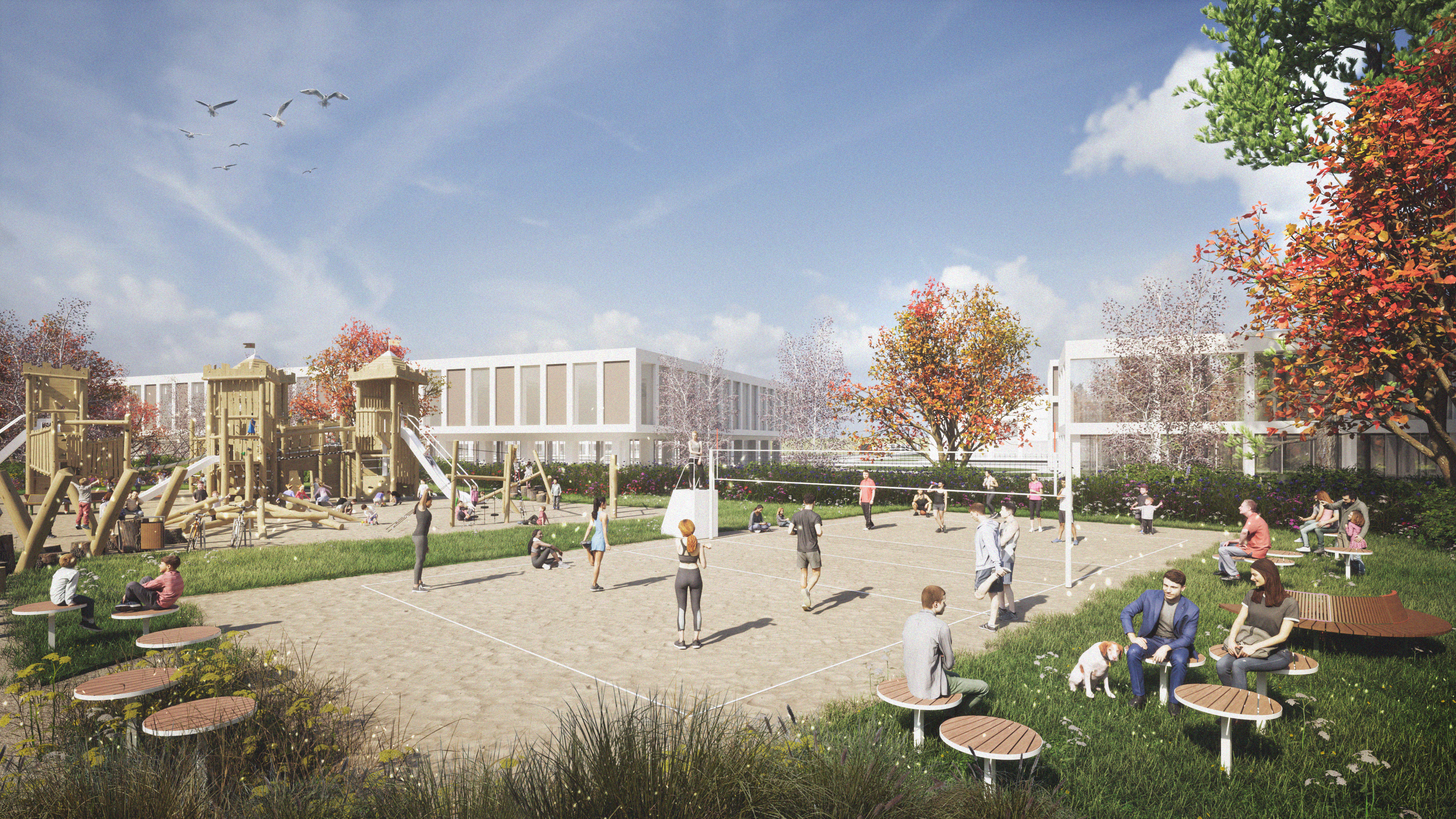
Urban Garden Transylvania
Urban Garden Transylvania: From an empty field to a vibrant community and botanical space
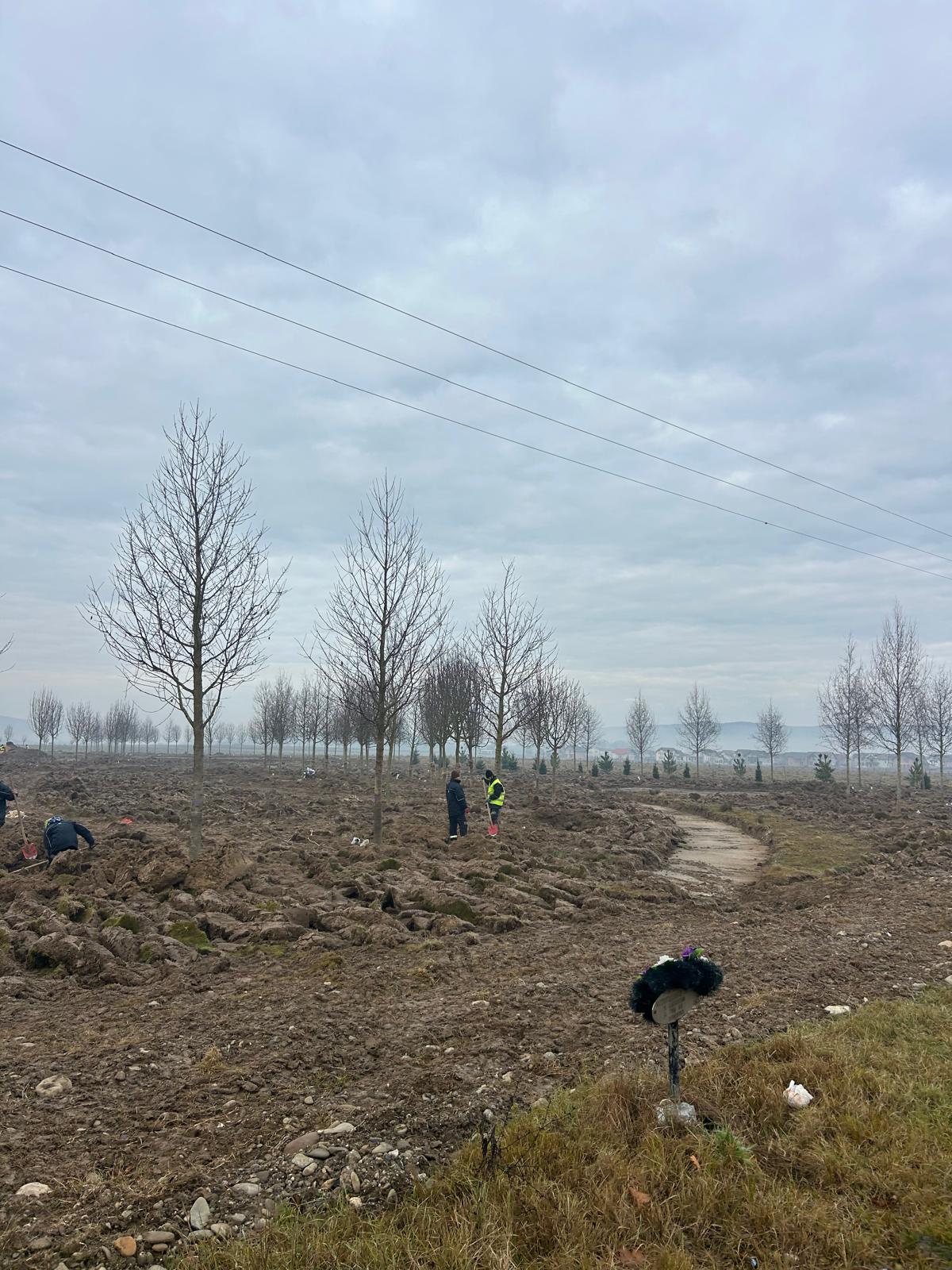
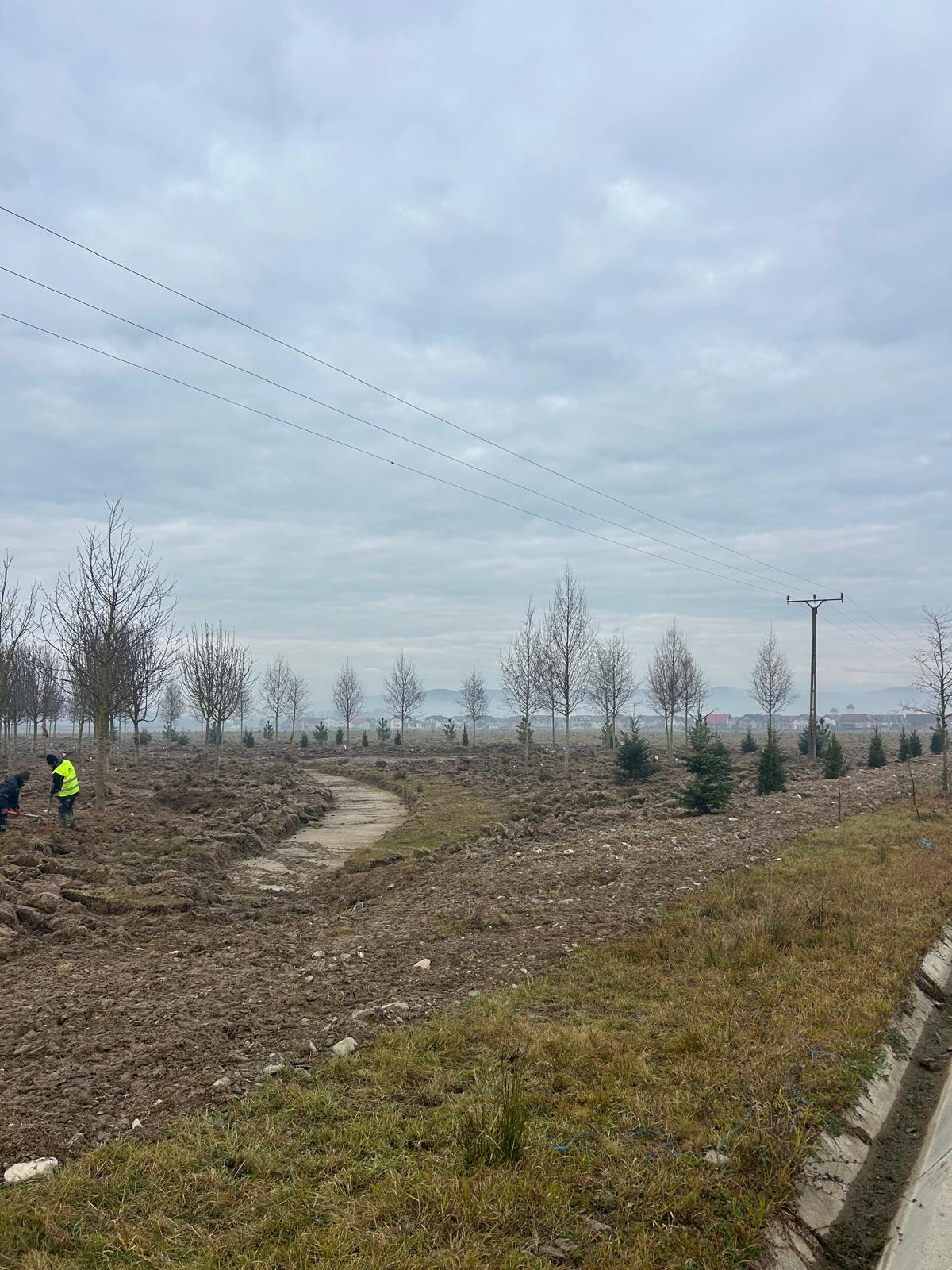
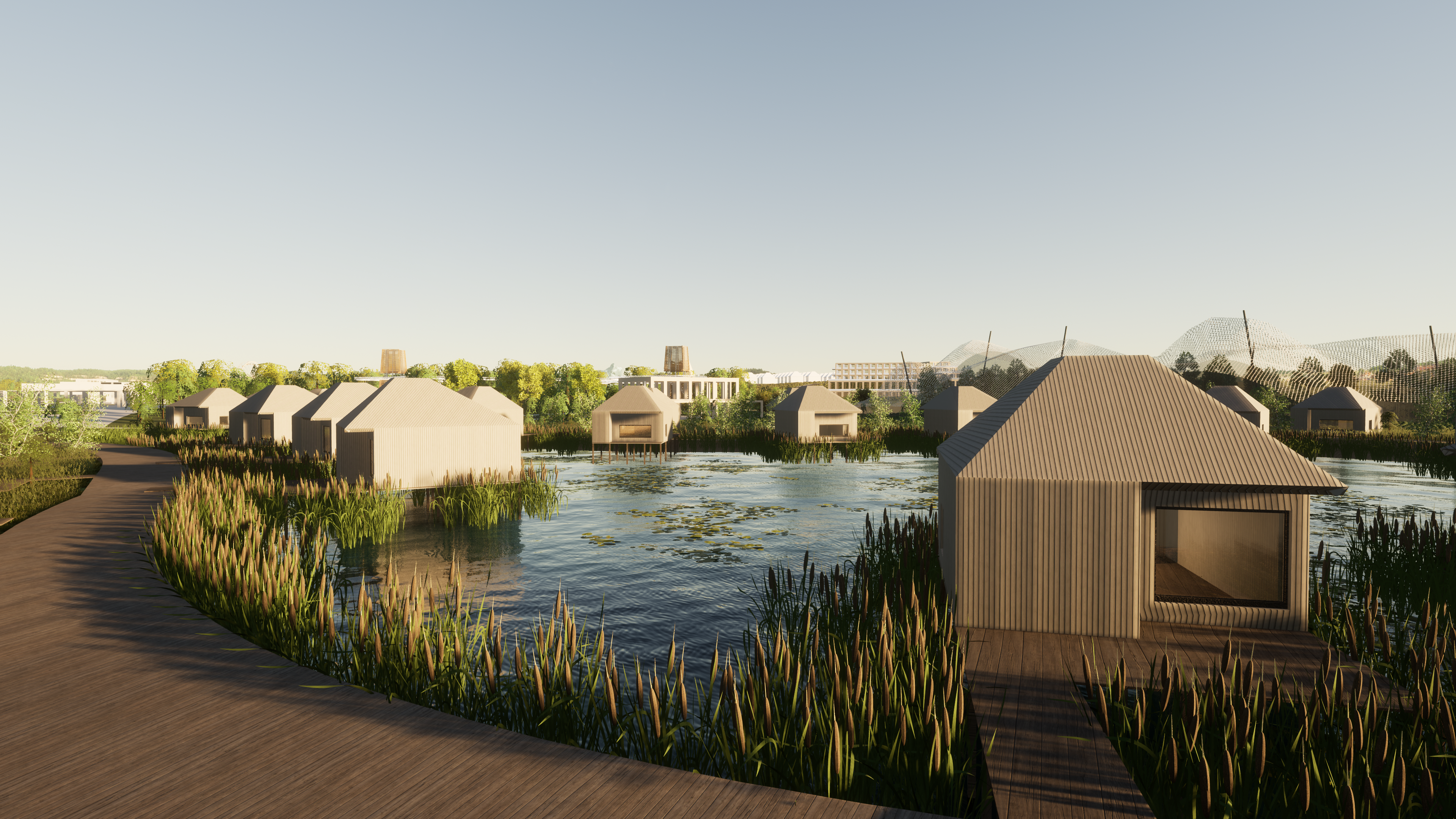
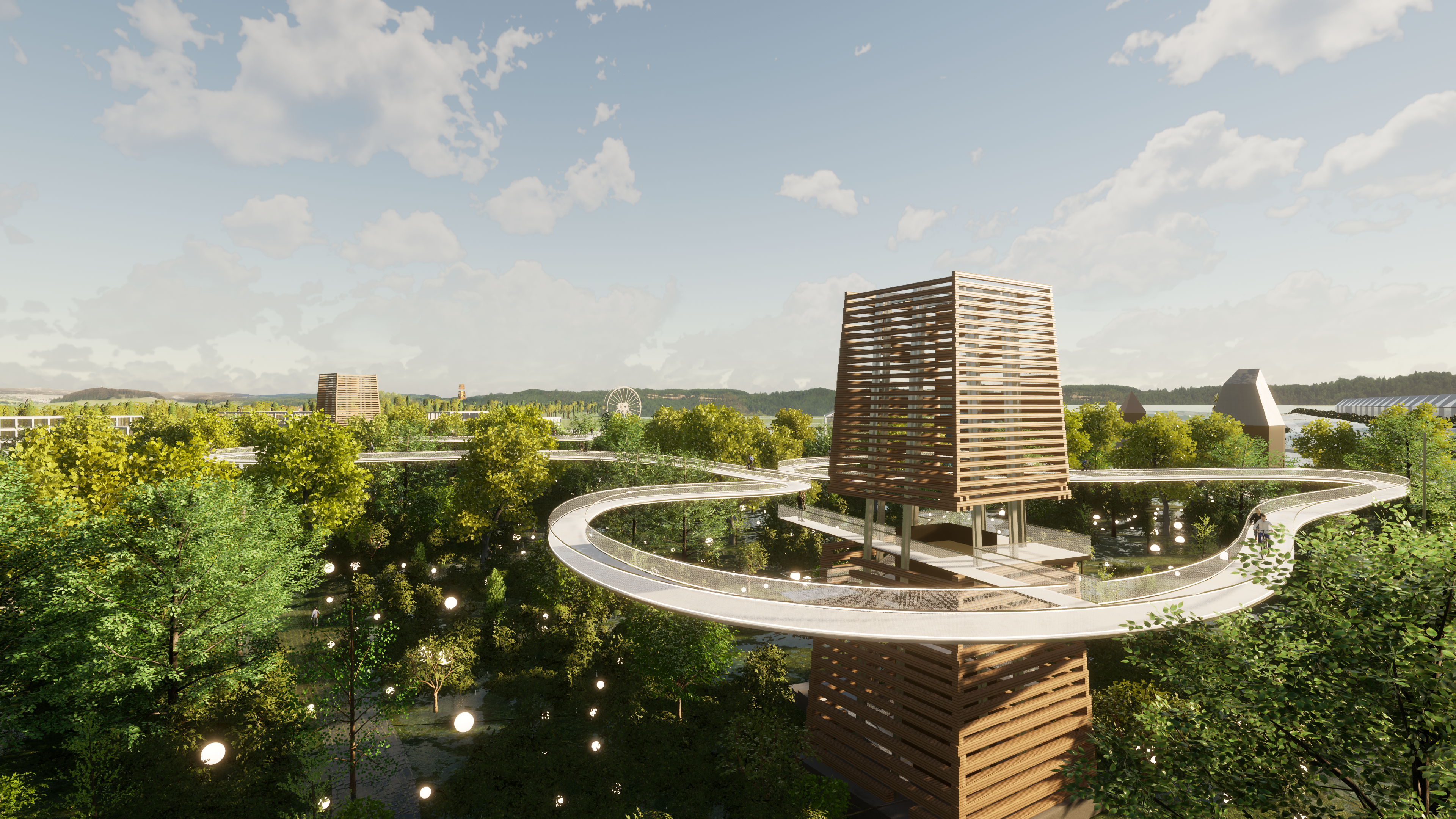
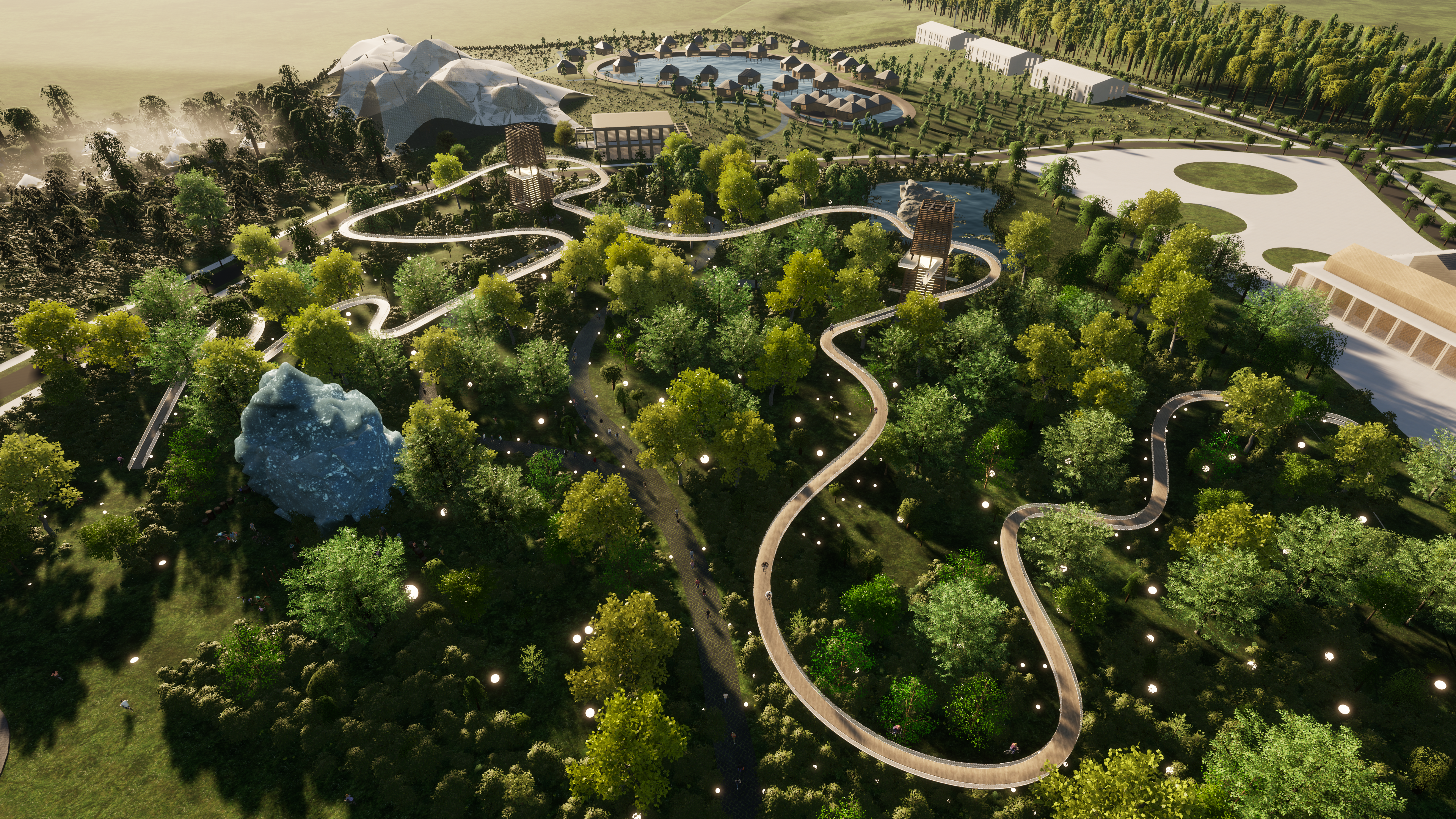
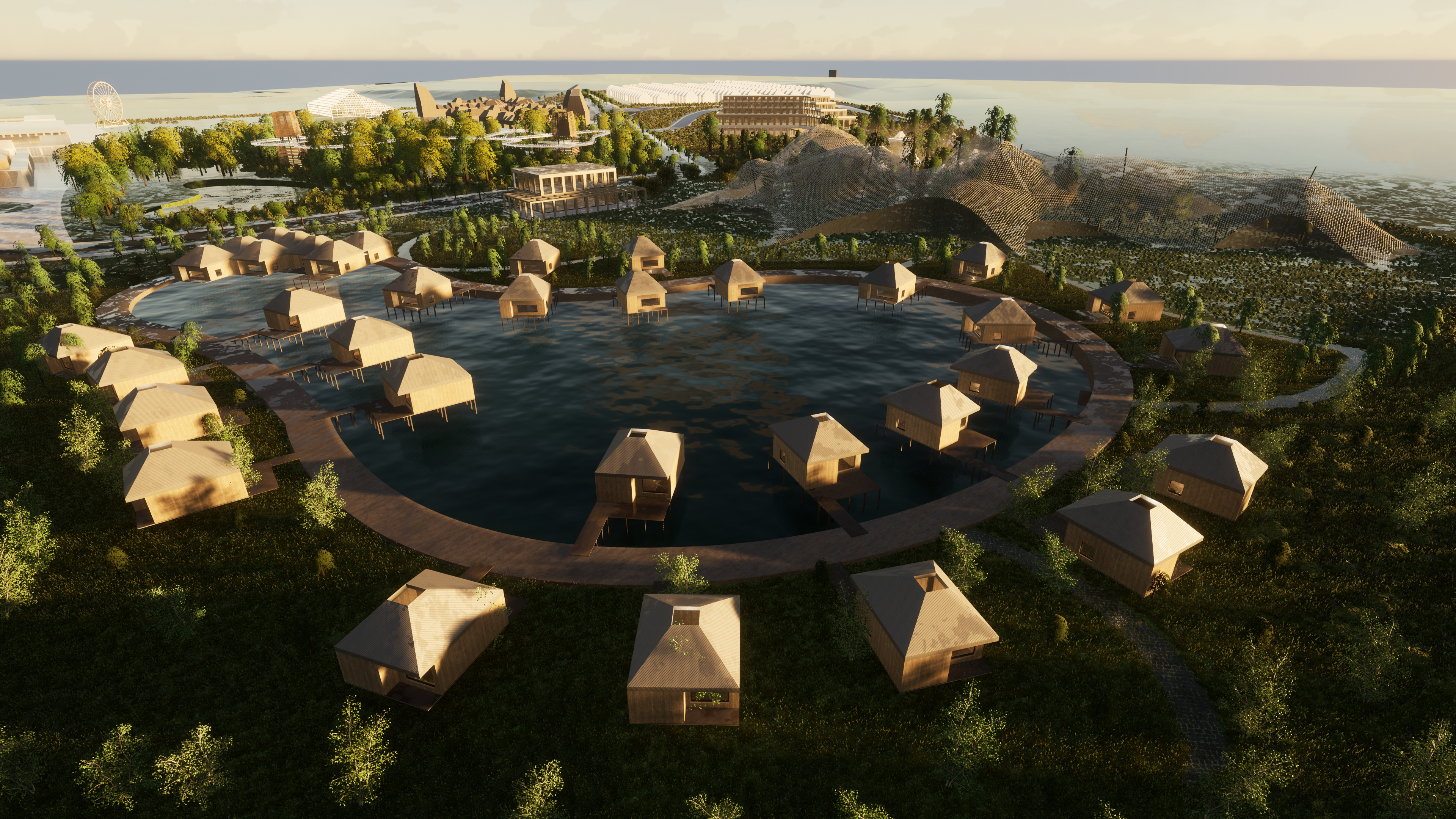
Urban Garden Transylvania: Once an empty field, this initiative in Beclean is transforming into a vibrant, multifunctional space. With a growing botanical park at its core, the project integrates tourism, education and community life through eco-accommodation, a lake with bungalows, promenades, sports areas, a suspended bike lane and future learning hubs. It redefines urban living in a small town and supports the European vision of the “right to stay”.
Romania
The initiative is being developed and implemented in the town of Beclean, in the North-West region of Romania, in close proximity to the Băile Figa leisure and wellness area.
Near Băile Figa, Beclean, Bistrița-Năsăud County, Transylvania, Romania
Near Băile Figa, Beclean, Bistrița-Năsăud County, Transylvania, Romania
Prototype level
Yes
Yes
Yes
Yes
ERDF : European Regional Development Fund
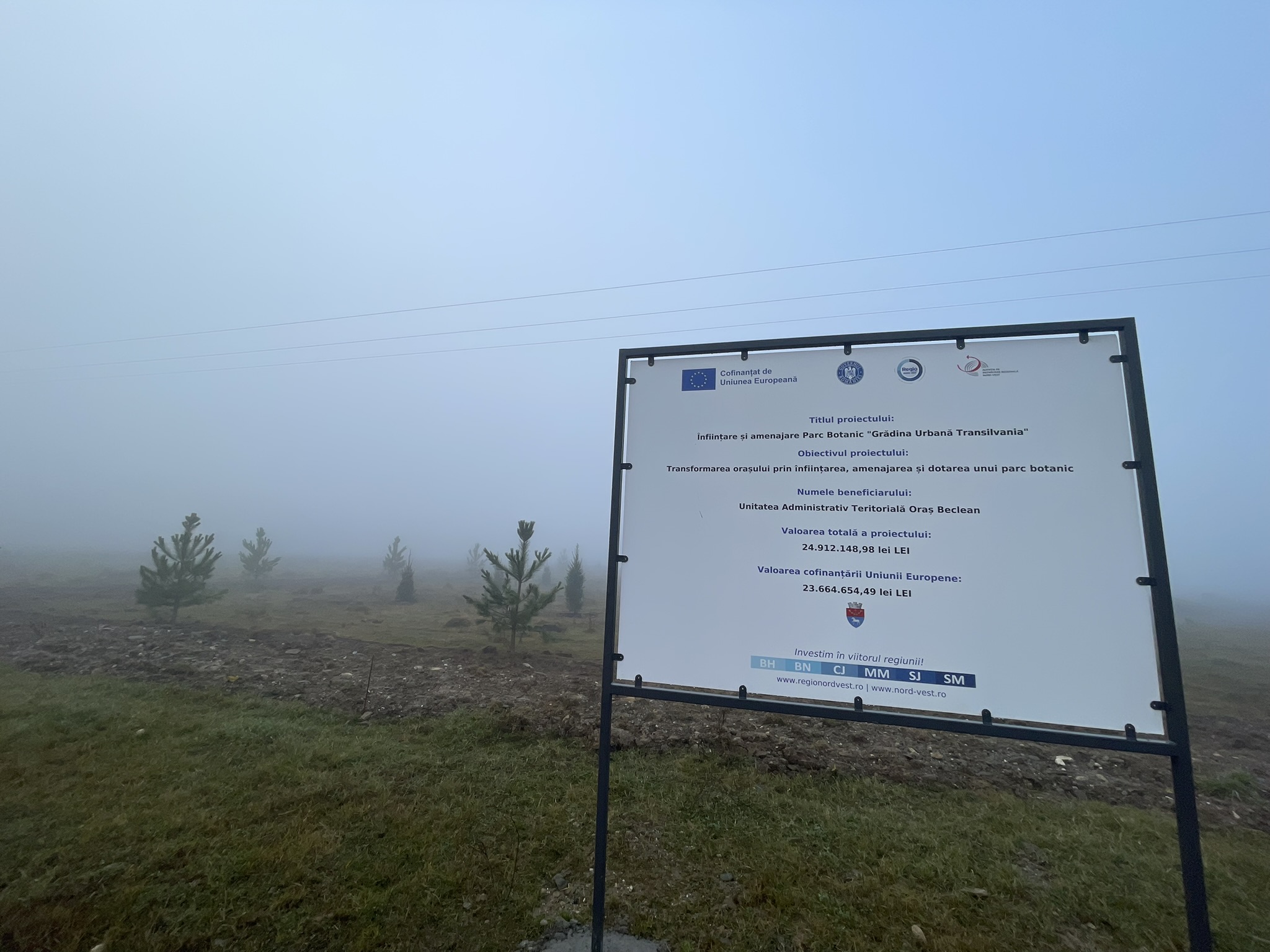
The initiative is funded under the Regional Programme North-West 2021–2027, managed by the North-West Regional Development Agency, through the European Regional Development Fund (ERDF).
No
32483: Oras Beclean (RO)
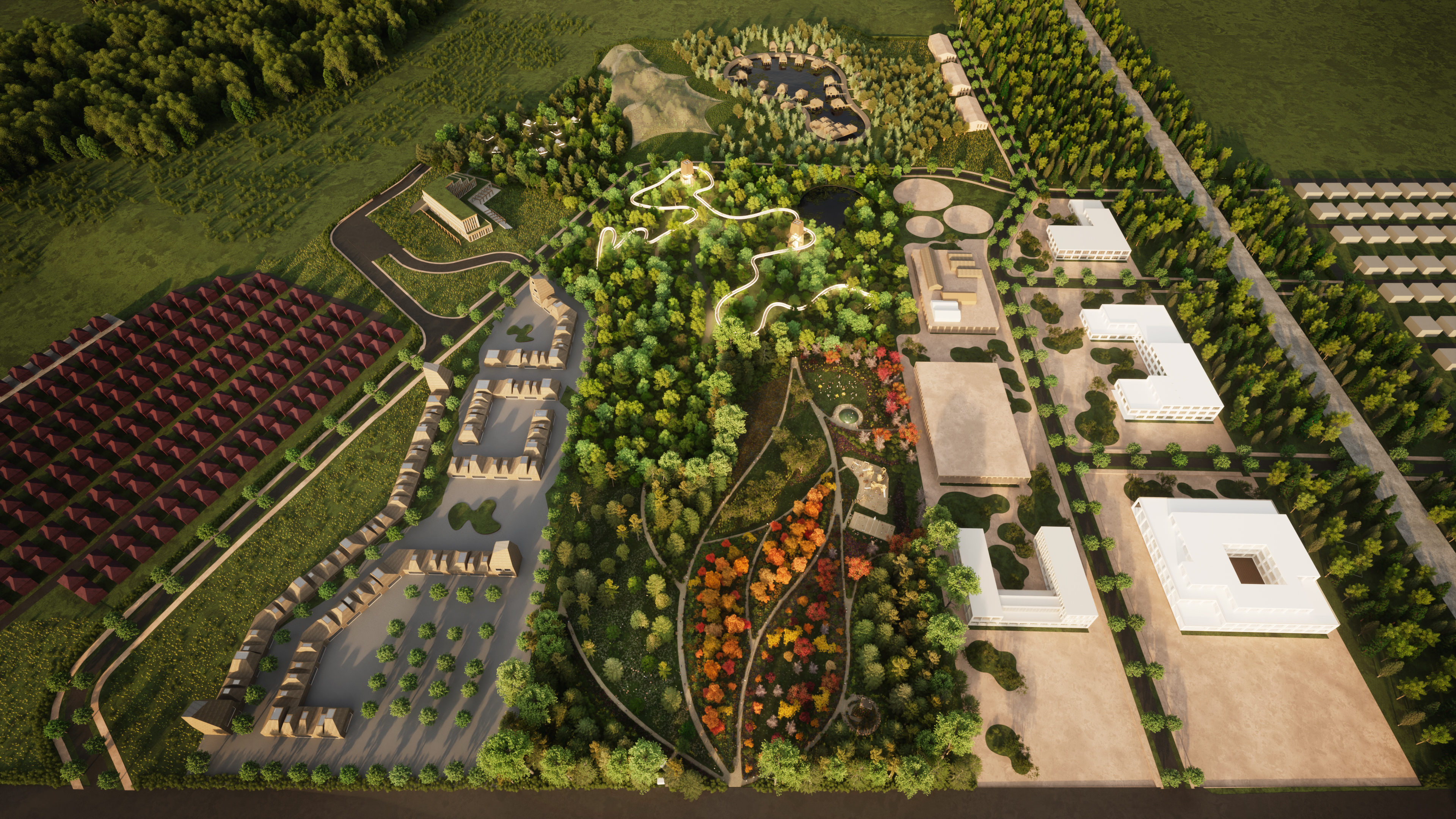
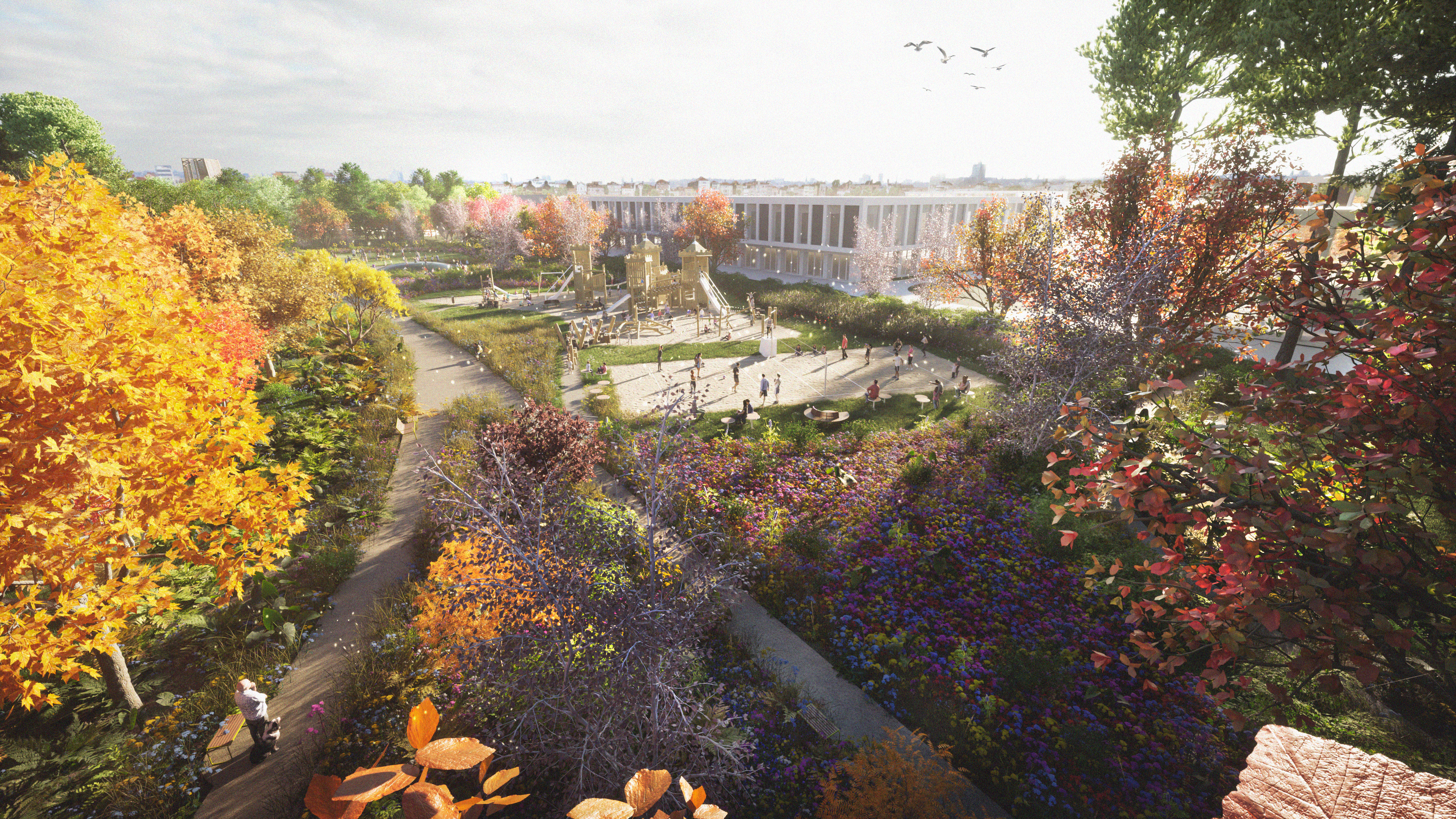
Urban Garden Transylvania is a transformative initiative in Beclean that reimagines an unused field as a vibrant, multifunctional public space. What was once an empty green plot with no clear public use is now becoming a living botanical park and a new urban anchor for the town. Its aim is to improve quality of life in a small municipality by creating a place where nature, community and innovation meet. The initiative targets residents of all ages, future generations, visitors and small entrepreneurs, offering a shared space for social interaction, education, recreation and sustainable tourism. At its core, the project is taking shape as a botanical park, with the first trees already planted. In its broader vision, it integrates eco-accommodation, a lake with bungalows, promenades, sports facilities, a suspended bike lane, educational spaces linked to the agricultural high school, a future robotics hub and early childhood infrastructure. Together, these elements create a living ecosystem supporting both community life and local economic development. The expected outcomes include increased social cohesion, improved access to quality public space, attraction of new residents and visitors, and strengthening local identity. The initiative contributes to reversing rural-urban disparities and supports the European principle of the “right to stay”. Urban Garden Transylvania embodies New European Bauhaus values by combining sustainability, aesthetics and inclusion. Nature is placed at the centre through the botanical park and green infrastructure. The design prioritises human scale, accessibility and beauty. A strong participatory approach underpins the initiative. From early stages, the project has engaged the community through strong local administration leadership and openness to partnerships, ensuring that the space evolves with and for its people. The initiative is not only about building a place, but about building confidence, attachment and a shared sense of future.
Sustainability
Community
Nature
Innovation
Inclusion
Urban Garden Transylvania demonstrates a strong commitment to sustainability by transforming an underused site into a nature-based, regenerative environment that prioritises ecological balance, resource efficiency and long-term resilience.
At its core, the initiative promotes green infrastructure through the development of a botanical park with a high percentage of planted areas, contributing to biodiversity enhancement, microclimate regulation and improved air quality. The project restores and mimics natural ecosystems, reintroducing native and climate-adapted species while creating opportunities for environmental education.
Sustainable design principles are embedded in all components of the project. The use of permeable materials such as compacted gravel and stabilised soil ensures water infiltration and reduces heat island effects, while limiting the use of energy-intensive construction solutions. The development of the lake integrates natural filtration systems, minimising environmental impact.
The initiative also supports sustainable mobility by incorporating pedestrian promenades and a suspended bike lane, encouraging low-carbon movement and reducing reliance on cars.
Beyond environmental aspects, sustainability is addressed through long-term social and economic viability. By integrating tourism, education and local entrepreneurship, the project creates a balanced ecosystem that supports local jobs, attracts visitors and strengthens the local economy without compromising environmental values.
Urban Garden Transylvania is exemplary because it demonstrates how a small municipality can implement nature-based solutions at scale, combining ecological restoration with community use and economic development. It offers a replicable model for other small towns seeking to transition towards greener, more resilient and people-centred environments.
Urban Garden Transylvania places aesthetics and quality of experience at the centre of its design, transforming a previously unused space into a meaningful, attractive and human-scaled environment. The initiative aims to create not only a functional public space, but a place that inspires, invites and connects people.
The design is guided by the integration of nature and landscape, using vegetation, natural materials and spatial diversity to create a visually rich and immersive environment. The botanical park, forested areas and lake are conceived as living landscapes, offering seasonal change, sensory experiences and a strong connection to local identity.
Public spaces such as promenades, viewpoints and the suspended bike lane are designed to encourage exploration and discovery, providing unique perspectives over the site and creating memorable experiences for visitors of all ages. The use of soft, permeable materials and organic forms ensures a harmonious integration into the natural context.
Cultural and educational elements further enhance the experience. The project creates opportunities for learning, interaction and community activities, linking nature with knowledge and everyday life. The proximity to the Băile Figa area strengthens the connection between leisure, culture and public space.
The initiative is exemplary because it demonstrates how high-quality design can be achieved in a small municipality, creating spaces that are not only accessible and inclusive, but also beautiful and emotionally engaging. It shows that aesthetics is not a luxury, but a key component of well-being, identity and belonging in contemporary communities.
Urban Garden Transylvania is designed as an inclusive public space that is accessible, welcoming and relevant to all members of the community, regardless of age, background or socio-economic status. The initiative aims to create a shared environment where people feel a sense of belonging and ownership. Accessibility is a core principle of the design. The project prioritises pedestrian-friendly spaces, open access to green areas and the use of inclusive design solutions that allow people of all abilities to experience and enjoy the space. The layout encourages safe and easy movement, while the diversity of functions ensures that different user groups can find meaningful ways to engage with the environment. Affordability is also central to the initiative. The main public spaces, including the botanical park and promenades, are freely accessible, ensuring that high-quality environments are not limited to those with financial means. At the same time, the project supports local entrepreneurship through small-scale commercial opportunities, creating inclusive economic participation. Inclusion is further strengthened through education and community-oriented functions. The integration of spaces for learning, such as greenhouses and partnerships with the agricultural high school, as well as future facilities like a robotics hub and early childhood infrastructure, ensures that the project responds to the needs of different generations. A participatory approach underpins the initiative, with the local administration actively engaging citizens, stakeholders and future users in shaping the project. This contributes to a more inclusive governance model, where decisions are informed by real community needs. The project is exemplary because it demonstrates how a small municipality can create inclusive spaces that combine accessibility, affordability and participation. It offers a model for building communities where people are not only users of space, but active contributors.
Urban Garden Transylvania is grounded in a participatory approach that places citizens and local stakeholders at the centre of the initiative, ensuring that the space is shaped with and for the community.
From early stages, the project has been communicated and discussed within the community, allowing residents to understand its purpose and long-term vision. Citizens, local organisations and institutional partners have been involved through public engagement efforts, contributing to the development of a shared understanding of the project and its benefits.
The initiative actively encourages a sense of ownership among residents. By transforming a previously unused space into a common asset, the project invites people to become not only users, but active participants in the life of the place. This approach strengthens trust in public initiatives and supports a more collaborative relationship between the local administration and the community.
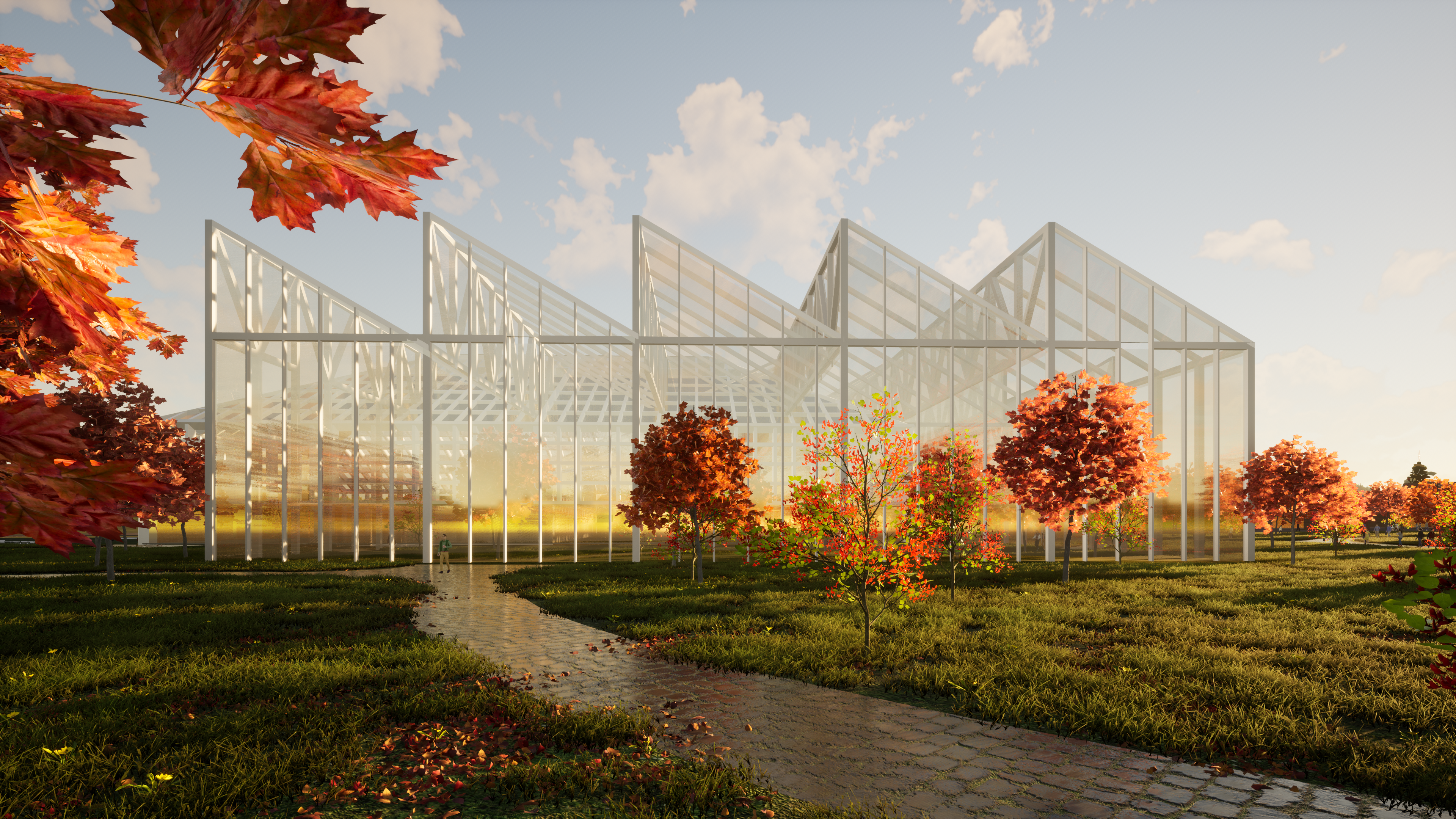
Educational and community-oriented components further deepen this involvement. The integration of learning spaces, partnerships with educational institutions and future facilities such as greenhouses and a robotics hub create opportunities for continuous engagement, especially for young people. These elements ensure that the initiative evolves as a living platform for participation, learning and interaction.
The impact of this participatory approach is visible in the growing acceptance and support of the project, as well as in the shift in perception from a neglected area to a shared, valued space. It contributes to building social cohesion, strengthening local identity and fostering a culture of involvement.
Urban Garden Transylvania is exemplary because it demonstrates how meaningful participation can transform not only a place, but also the relationship between people and their environment, creating a lasting foundation for inclusive and community-driven development.
Urban Garden Transylvania engages stakeholders at multiple levels—local, regional and European—ensuring a coherent and well-supported implementation process.
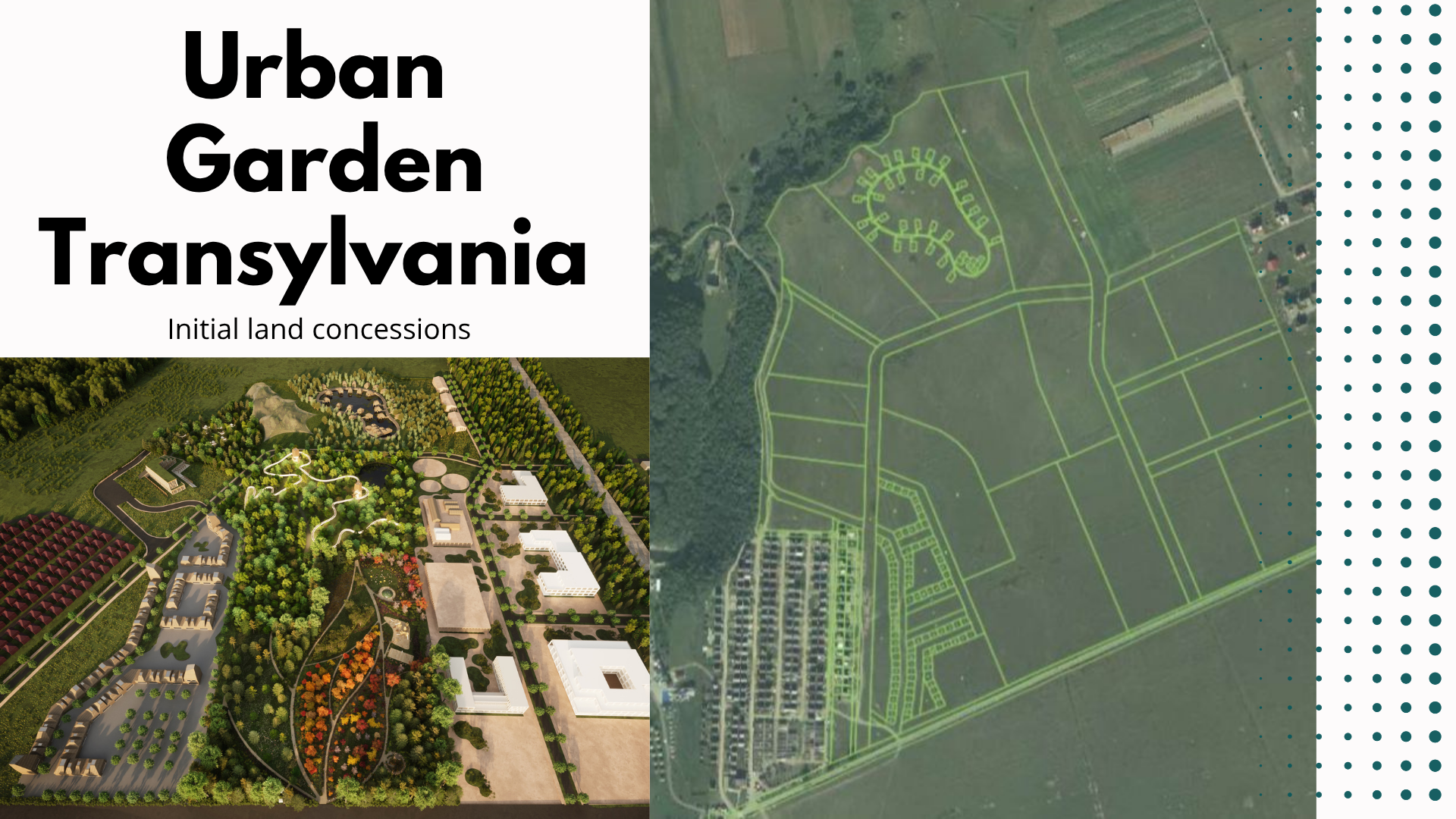
At local level, the initiative is led by the municipality of Beclean, which coordinates planning, funding and implementation. Citizens, local organisations and entrepreneurs are actively involved through public consultations and engagement processes, including a dedicated public debate where the project was presented and opportunities for land concessions were discussed. Their role is essential in shaping the project and fostering a sense of ownership.
At regional level, the project is supported through the Regional Programme North-West 2021–2027, managed by the regional development authority. This level ensures access to funding, strategic alignment and technical guidance, strengthening the project’s feasibility and long-term impact.
At European level, the initiative has gained visibility and validation through its presentation at the European Week of Regions and Cities in 2023. This exposure facilitated knowledge exchange and positioned the project within a broader European context of sustainable urban development.
The interaction between these levels creates significant added value. Local engagement ensures relevance and community support, regional involvement provides resources and strategic coherence, while European exposure enhances visibility, learning and potential for replication.
Urban Garden Transylvania demonstrates how multi-level governance can contribute to more effective, inclusive and resilient urban transformation, especially in small municipalities.
Urban Garden Transylvania is the result of a multidisciplinary approach that brings together expertise from urban planning, landscape architecture, environmental science, education, economics and public administration. This integration ensures a vision that responds to environmental, social and economic challenges simultaneously. Urban planning and landscape architecture have shaped the spatial organization of the site, transforming it into a coherent and accessible environment that integrates green infrastructure, public spaces and functional areas. Environmental expertise has guided the use of nature-based solutions, biodiversity enhancement and sustainable material choices. Educational and innovation perspectives are reflected in the integration of learning spaces, partnerships with the agricultural high school and the planned development of a robotics hub. These elements connect the project to future-oriented knowledge and skills, ensuring long-term relevance. Economic and entrepreneurial dimensions are embedded through the inclusion of commercial areas, eco-accommodation and opportunities for local businesses, supporting a balanced local development model. Public administration plays a key role in coordinating these different fields, ensuring alignment between strategic planning, funding and community needs. The interaction between these disciplines has been collaborative and iterative, allowing different perspectives to inform and refine the project over time. This process has led to more integrated and adaptable solutions, avoiding fragmented development and ensuring coherence. The added value of this multidisciplinary approach lies in its ability to create a complex yet balanced ecosystem, where environmental sustainability, social inclusion, economic development and innovation reinforce each other. This project demonstrates how cross-sector collaboration can generate more resilient, meaningful and future-oriented urban spaces in small municipalities.
Urban Garden Transylvania stands out as an innovative initiative by moving beyond conventional urban development practices and proposing an integrated, nature-based and community-driven model tailored to a small municipality. Unlike mainstream approaches that often treat green spaces, tourism, education and economic development as separate interventions, this initiative brings them together into a single, coherent ecosystem. The project combines a botanical park, leisure and tourism functions, educational infrastructure and innovation spaces within one interconnected framework, allowing each component to reinforce the others. A key innovative aspect lies in the transformation of an unused field into a multifunctional landscape that blends ecological restoration with social and economic activation. Instead of relying on traditional, resource-intensive construction, the project prioritises nature-based solutions, permeable materials and regenerative design principles. The initiative also introduces new spatial experiences, such as the suspended bike lane integrated into a forested environment, offering both mobility and unique perspectives. The integration of a lake ecosystem with natural filtration systems and eco-accommodation further reflects a shift towards sustainable and immersive tourism models. Another innovative dimension is the active involvement of the community not only as users, but as future contributors. Through public consultation and the planned concession of plots for local businesses and accommodation, the project creates a participatory development model that supports local entrepreneurship and shared ownership. This project is innovative because it demonstrates how a small town can implement a complex, forward-looking vision that integrates environment, economy and community life. It challenges the perception that innovation is limited to large cities, offering a replicable model for sustainable and inclusive transformation in small urban areas.
Urban Garden Transylvania is developed through an integrated, phased and participatory methodology that combines strategic planning, nature-based design and continuous community engagement. The initiative is grounded in a masterplan that provides a long-term vision for the area, ensuring coherence between spatial development, environmental objectives and socio-economic functions. This strategic framework allows the project to evolve in clearly defined phases, adapting to available resources and community needs. A key component of the approach is the use of nature-based solutions. The design prioritizes ecological restoration, biodiversity enhancement and the use of permeable, low-impact materials, ensuring that environmental considerations guide all stages of implementation. The methodology also relies on a multidisciplinary process, bringing together expertise from urban planning, landscape architecture, environmental sciences, education and public administration. This collaborative approach ensures that decisions are informed by diverse perspectives and lead to balanced, sustainable outcomes. Community involvement is embedded throughout the process. Public communication, consultation and engagement activities, including a dedicated public debate on the initiative, have allowed citizens and local stakeholders to understand, contribute to and shape the project. This participatory model supports transparency, trust and long-term ownership. Implementation follows a step-by-step approach, starting with the botanical park and expanding towards complementary functions such as tourism, education and innovation. Secured funding under the Regional Programme North-West 2021–2027 ensures continuity and feasibility. This methodology enables Urban Garden Transylvania to remain flexible, adaptive and responsive, while maintaining a clear long-term direction. It offers a structured yet dynamic approach that can be replicated by other small municipalities.
Our project has a high potential for transferability and replicability, particularly for small municipalities seeking integrated and sustainable development models. One of the most transferable elements is the phased development approach, which allows projects to start with manageable interventions, such as the creation of a botanical park, and gradually expand into more complex functions, including tourism, education and economic activities. This step-by-step methodology makes the initiative adaptable to different financial capacities and local contexts. The use of nature-based solutions is another key aspect that can be replicated. By prioritising biodiversity, ecological restoration and low-impact materials, the project demonstrates how environmental objectives can be achieved in a cost-effective and scalable manner. The integration of multiple functions within a single coherent framework—combining green infrastructure, public space, education, tourism and local entrepreneurship—offers a model for breaking down traditional sectoral silos. This approach can be adapted to different territorial contexts, depending on local needs and resources. Equally important is the participatory governance model. The involvement of citizens, stakeholders and local entrepreneurs, including through public consultation and opportunities such as land concessions, can be applied in other communities to foster ownership, trust and long-term engagement. The initiative also highlights how small municipalities can leverage existing assets, such as proximity to a local attraction like the Băile Figa area, to create synergies between public space development and tourism. Urban Garden Transylvania is replicable because it does not rely on unique or inaccessible resources, but on a clear vision, strategic planning, community involvement and the intelligent use of available funding. It provides a flexible model that can be scaled, adapted and implemented in diverse European contexts.
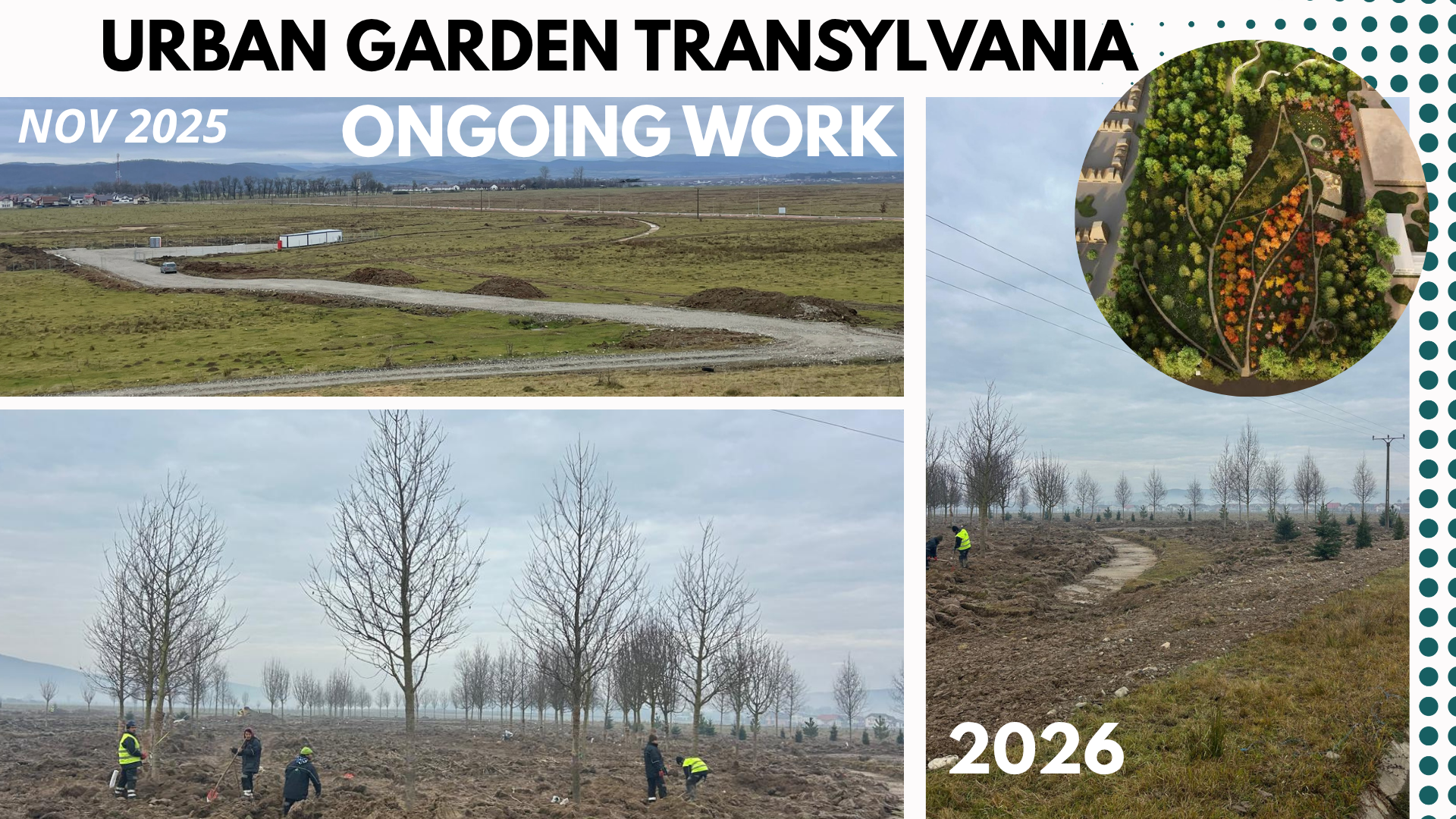
Urban Garden Transylvania demonstrates a strong commitment to implementation through a structured development process, secured funding and integration of New European Bauhaus values and principles. The initiative is already in the implementation phase, with initial activities including site preparation, tree planting and the development of the botanical park. These steps reflect the project’s focus on sustainability, by prioritizing green infrastructure and nature-based solutions, as well as its commitment to creating accessible and high-quality public spaces. The initiative has also gained European visibility, being selected in 2023 to be presented at the European Week of Regions and Cities, where it was showcased to a wide european audience.This recognition confirms the relevance and potential impact of the project. Further development activities are planned in successive phases, including the expansion of promenades and public spaces, the creation of sports and recreational facilities, and the integration of sustainable mobility elements such as the suspended bike lane. In parallel, the project will develop tourism and economic components, including eco-accommodation, a lake ecosystem and opportunities for local entrepreneurship. Educational and innovation dimensions will be strengthened through the creation of learning spaces, greenhouses and a future robotics hub, ensuring long-term relevance. The implementation process is guided by NEB values at every stage. Sustainability is ensured through ecological design; aesthetics through human-centred design; and inclusion through accessible public spaces and a participatory approach. Key next steps include continued phased development, strengthening partnerships, expanding community engagement and ensuring long-term operation and maintenance. Urban Garden Transylvania is committed not only to delivering a project, but to building a lasting model of sustainable, inclusive and high-quality urban development in Beclean.