Sustainable Swimming Pool of Grevena
Transformation of the Grevena Swimming Pool into a sustainable and energy-autonomous public facility
The Grevena Indoor Swimming Pool is being transformed into a modern, sustainable and energy-efficient public facility through an innovative combination of geothermal energy and renewable sources, reducing environmental impact while ensuring continuous operation and providing citizens with a high-quality, healthy and inclusive space for sports, wellbeing and community life.
Greece
37, 13th October Street, 51100 Grevena, Greece
Prototype level
Yes
Yes
Yes
Yes
ERDF : European Regional Development Fund
The project “Energy Upgrade of the Grevena Indoor Swimming Pool” is implemented by the Municipality of Grevena and is supported through a combination of European, national and regional funding instruments. It was initially included in the Operational Programme “Transport Infrastructure, Environment and Sustainable Development” (ERDF) and further supported through the Regional Public Investment Programme (PIP) of Western Macedonia, complemented by municipal resources. The project was approved in 2020 and is currently under implementation, reflecting a strong institutional and financial commitment. It falls under actions promoting energy efficiency, renewable energy integration and the sustainable upgrade of public infrastructure, contributing to climate-neutral local development.
No
15010101: Municipal Commune of Grevena (EL)
The initiative concerns the transformation of the Municipal Swimming Pool of Grevena into a sustainable, energy-efficient and fully operational public facility, addressing both environmental challenges and critical community needs.
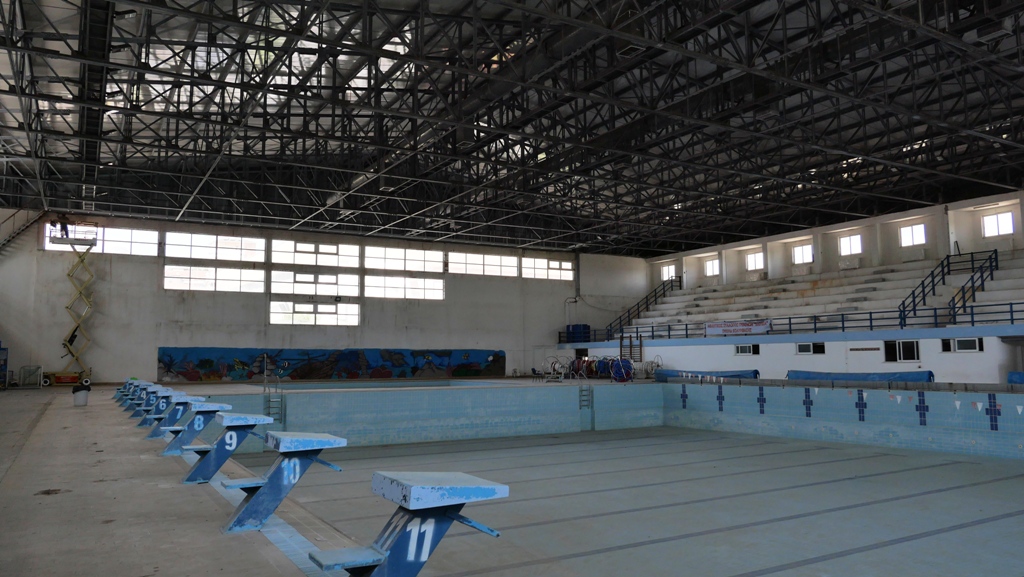
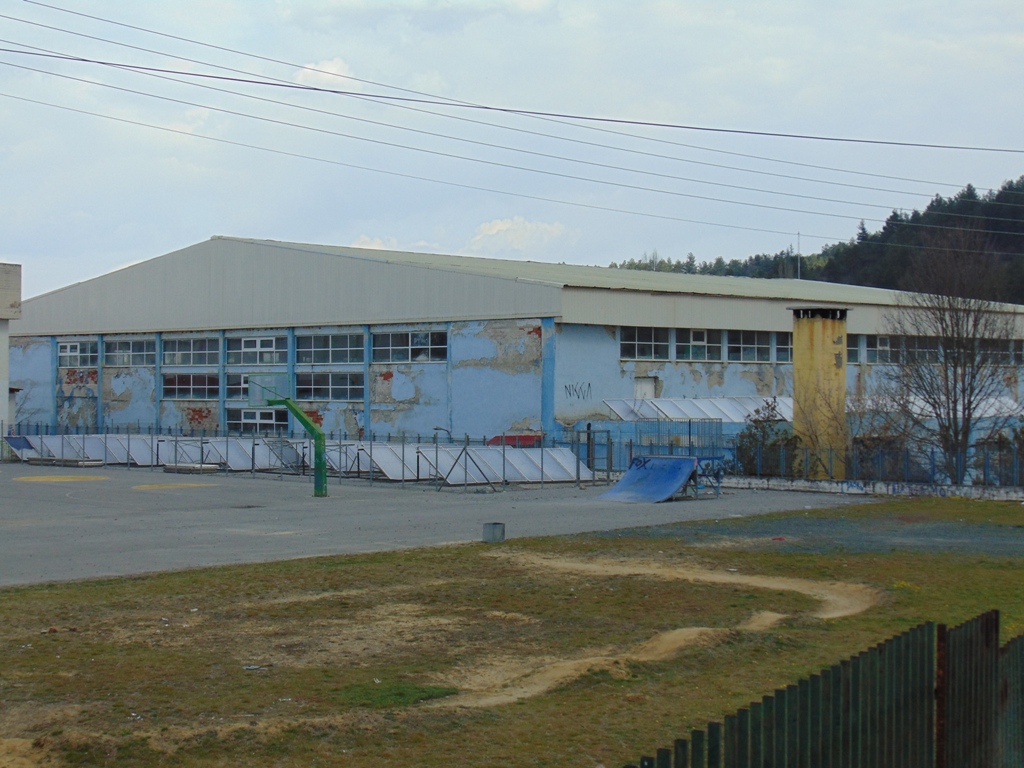
The project responds to the deterioration and prolonged inactivity of a key municipal infrastructure, which had faced significant technical and operational challenges, including high energy consumption, excessive humidity levels and infrastructure degradation. These conditions made its operation unsustainable and led to interruptions in its use, depriving the local community of an essential public space.
The overall aim of the initiative is the sustainable reactivation of the swimming pool through a comprehensive energy and functional upgrade, based on the use of renewable energy systems, with geothermal energy as the main source.
The primary target groups include local residents, children and youth, families and sports clubs, who rely on the facility for sports, recreation and social interaction.
The specific objectives are to reduce energy consumption and operational costs, improve indoor environmental conditions, restore access to the facility and support the transition towards climate-neutral public infrastructure.
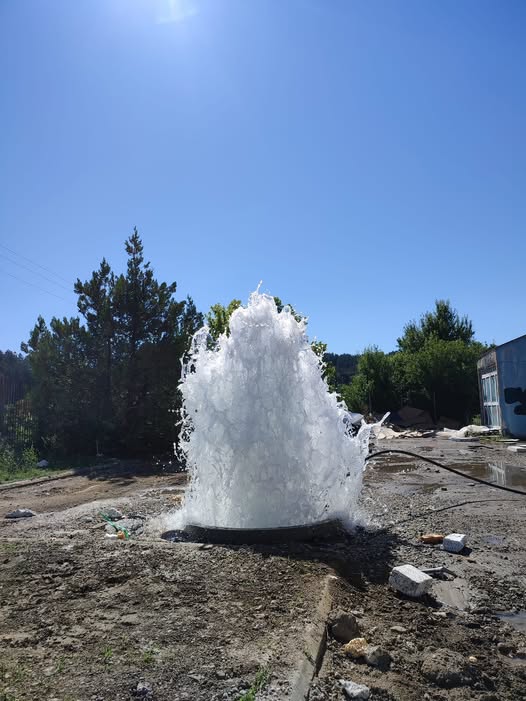
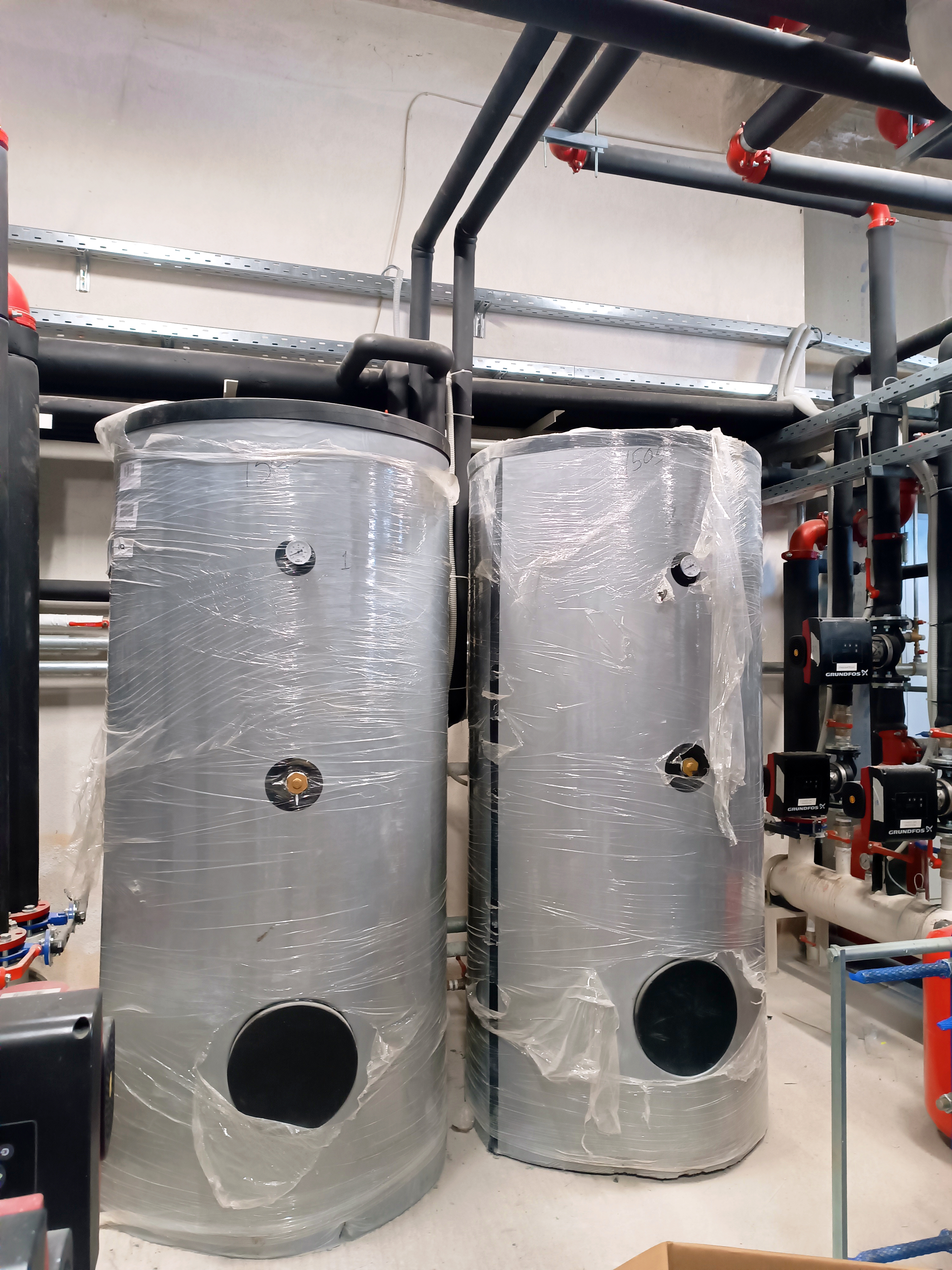
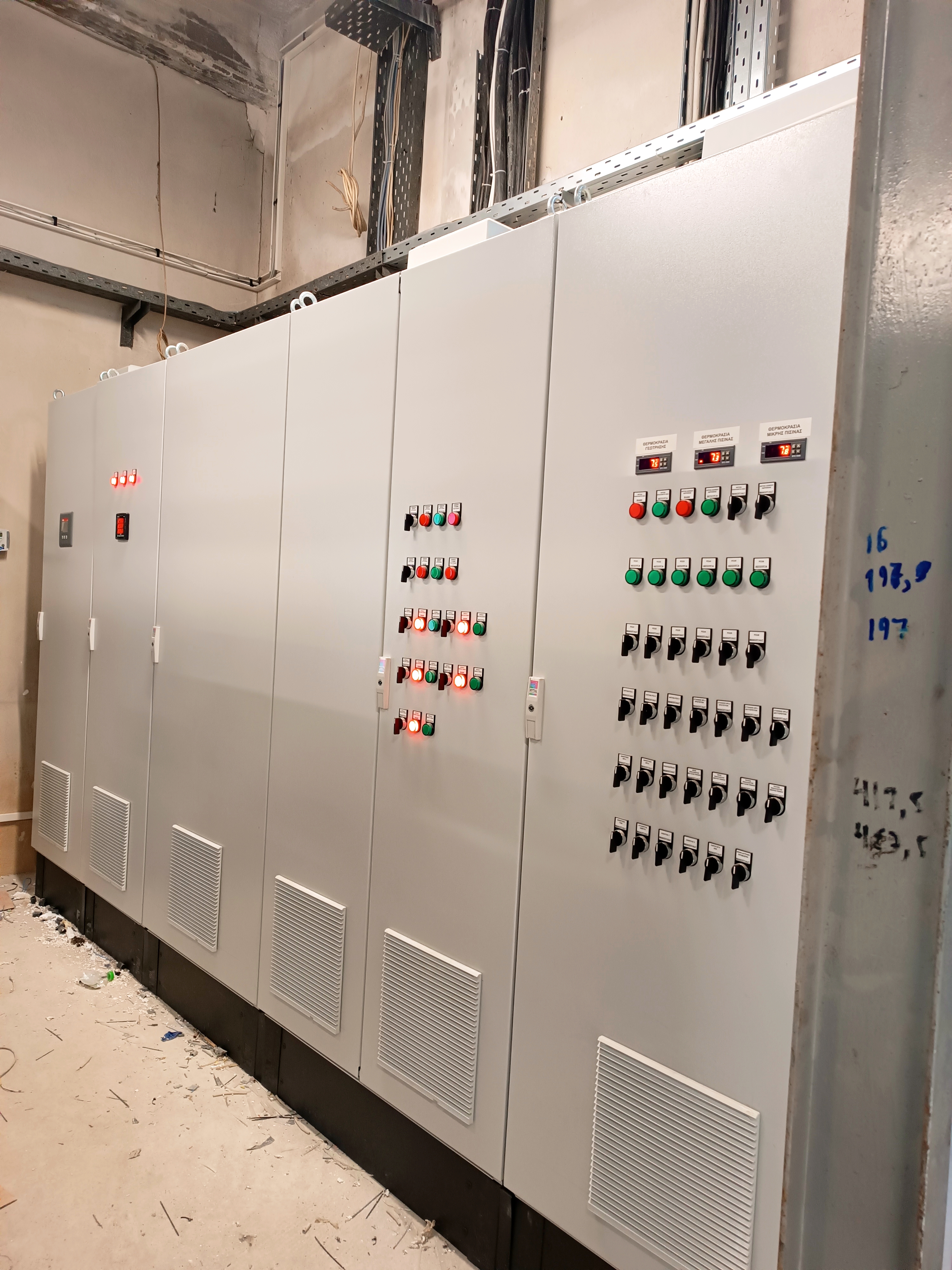
The project incorporates advanced solutions, including a high-capacity geothermal system (580 kW) and innovative dehumidification systems.
The expected outcomes include the reopening of a modern, sustainable and accessible facility, improved quality of life, reduced environmental impact and long-term operational viability, while serving as a replicable model for energy-intensive public buildings.
Sustainability
Geothermal Energy
Citizen Engagement
Replicable Model
Climate Neutrality
The initiative aims to transform an outdated, energy-intensive and non-operational public swimming pool into a sustainable, resilient and future-proof infrastructure, aligned with the core values of the New European Bauhaus.
A primary objective is the substantial reduction of energy consumption and environmental impact through the integration of renewable energy systems, with geothermal energy (580 kW) as the main source, combined with advanced energy-efficient technologies and improvements to the building envelope. At the same time, the project addresses critical technical deficiencies, including severe humidity and indoor air quality issues, through the installation of innovative dehumidification and ventilation systems, ensuring healthy and high-quality indoor conditions.
The intervention adopts a holistic approach to sustainability, extending beyond energy performance to include the complete functional and structural rehabilitation of the facility. This ensures long-term durability, reduced operational costs and the sustainable reactivation of a highly demanding public building that previously remained closed due to technical and energy-related limitations.
The project fosters systemic transformation at local level by demonstrating how obsolete and problematic infrastructures can be converted into efficient, climate-conscious and operational public assets. It contributes to climate neutrality goals while improving the quality, safety and usability of public space for citizens.
The initiative is exemplary as it combines environmental performance, technical innovation and social impact within a single integrated intervention. It provides a concrete and replicable model for other municipalities facing similar challenges, particularly in the energy transition of public sports facilities and the sustainable rehabilitation of aging infrastructure.
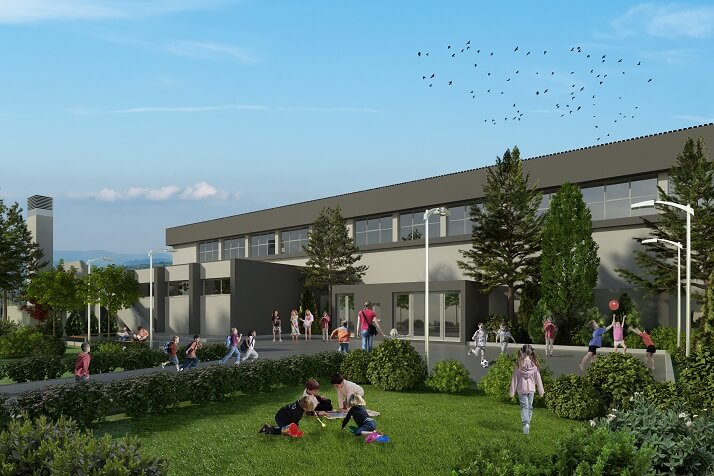
The initiative aims to redefine the quality of experience of a key public facility by transforming an outdated and deteriorated building into a welcoming, functional and user-oriented space. The redesign focuses on improving comfort, usability and spatial quality, ensuring that the swimming pool becomes an attractive and enjoyable environment for all users.
A central objective is the enhancement of indoor environmental conditions, addressing long-standing issues such as excessive humidity, poor air quality and thermal discomfort. Through advanced dehumidification, ventilation and climate control systems, the project ensures a healthy, safe and comfortable indoor atmosphere, significantly improving user experience.
The functional upgrade includes the renovation and reorganization of key areas such as pools, changing rooms, seating areas and circulation spaces. Emphasis is placed on accessibility and ease of use, creating an inclusive environment suitable for all age groups.
Improved lighting, spatial clarity and upgraded materials contribute to a more pleasant and uplifting environment, strengthening the relationship between users and the space. The facility is redesigned not only as a sports infrastructure but also as a community space that promotes well-being and social interaction.
Beyond its physical transformation, the project restores an important public asset that had remained inactive, reinforcing local identity and collective use.
The initiative is exemplary as it combines technical rehabilitation with qualitative spatial improvement, offering a replicable approach for enhancing both the aesthetic and social value of public infrastructure.
The initiative aims to ensure inclusive access to a key public facility by restoring and upgrading the municipal swimming pool as a safe, accessible and affordable space for all citizens.
A primary objective is to guarantee physical accessibility through the removal of barriers and the integration of inclusive design principles. The project includes the improvement of circulation areas, upgraded changing rooms and the installation of accessibility infrastructure, enabling use by people with reduced mobility, children and elderly users.
At the same time, the initiative promotes social inclusion by reactivating a public space that had remained inaccessible to the community for a prolonged period. Its reopening restores equal access to sports, recreation and well-being services, particularly benefiting groups that rely on public infrastructure, such as youth, families and local sports clubs.
Affordability and long-term accessibility are also key objectives. By significantly reducing operational costs through energy-efficient systems, the project supports the sustainable and continuous operation of the facility, ensuring that it remains financially accessible for citizens and does not risk future closure due to high energy costs.
The initiative is grounded in a community-oriented approach. The strong and continuous interest expressed by citizens, users and local stakeholders has shaped the prioritization and development of the project, reinforcing its social relevance and ensuring that it responds to real needs.
The project is exemplary as it demonstrates how inclusive design, affordability and community engagement can be integrated into the transformation of a public facility. It offers a replicable model for other municipalities, showing how infrastructure can be reactivated in a way that promotes equal access, social cohesion and long-term public value.
The initiative follows a community-oriented and bottom-up approach, ensuring that citizens, end-users and local stakeholders play an active role in shaping and supporting the project.
The reactivation of the Municipal Swimming Pool directly responds to a clearly expressed and long-standing demand of the local community. Citizens, families, young people and sports clubs have consistently highlighted the importance of restoring access to the facility, which had remained closed due to technical and operational challenges. This collective demand was a key driver in prioritising the project and defining its objectives.
Stakeholder involvement goes beyond passive consultation. Local users and organisations contributed to identifying key needs, particularly in relation to accessibility, functionality and quality of use. Their input helped shape the project’s priorities, ensuring that the intervention responds to real needs.
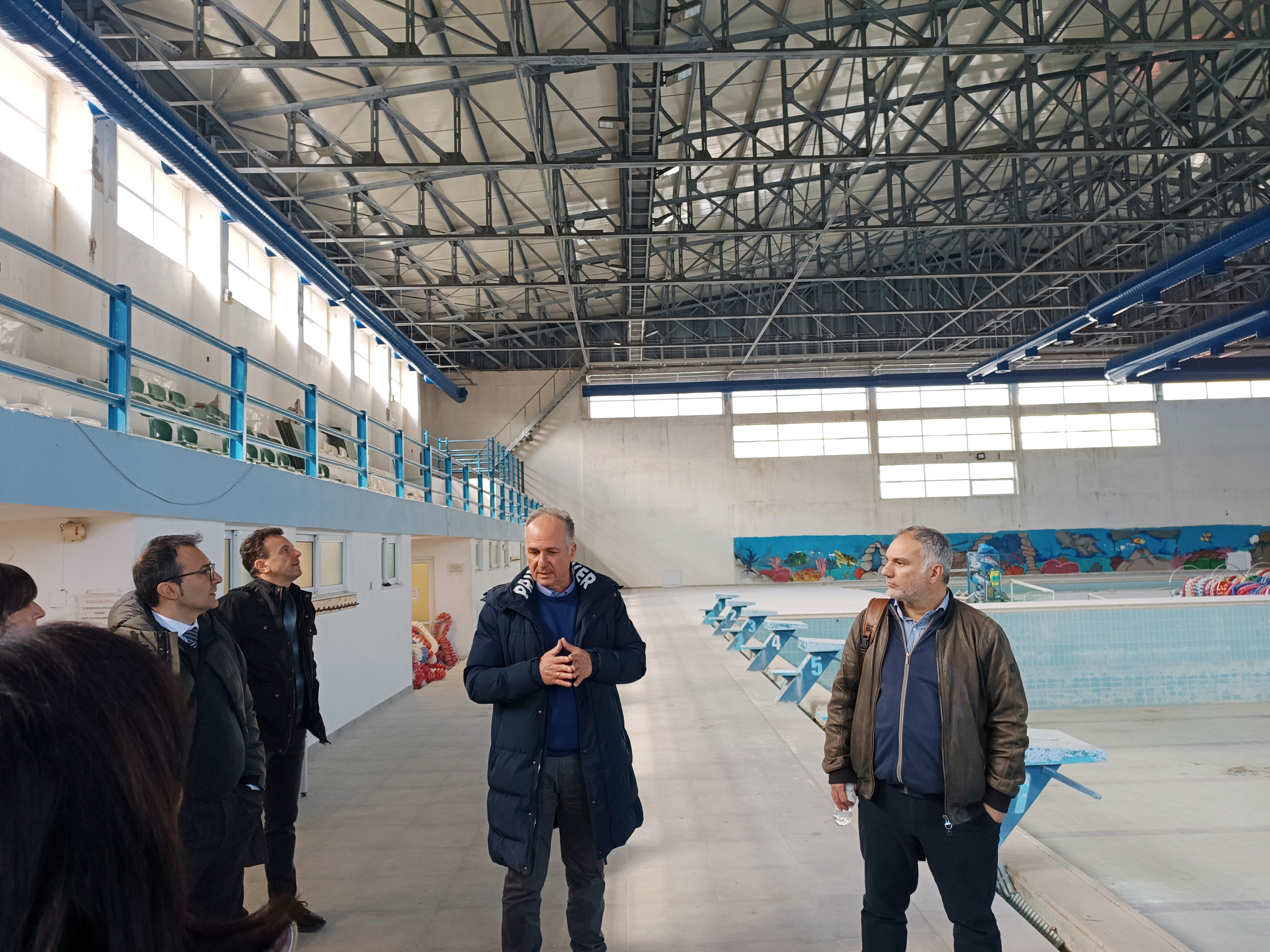
The Municipality also supported multi-level engagement through collaboration with technical experts and institutional partners, including knowledge exchange activities and inter-municipal cooperation. These processes enriched the project with additional expertise and strengthened its implementation.
The initiative reflects a transdisciplinary approach, combining technical knowledge, public administration and community input.
The impact of this participatory approach is reflected in the strong sense of ownership and acceptance by the community. The project is perceived as a shared effort that responds to collective needs.
Furthermore, the project has already attracted interest from other municipalities, highlighting its potential for knowledge transfer and replication in similar contexts.
It is exemplary as it demonstrates how participatory processes can be effectively integrated into the transformation of public infrastructure, enhancing social value, local engagement and long-term sustainability.
The initiative is based on a multi-level governance approach, involving stakeholders at local, regional, national and European levels, ensuring both technical quality and social relevance.
At local level, the Municipality of Grevena acts as the main coordinator, supported by its technical services, contractors and local stakeholders. Citizens, sports clubs and end-users played a key role by expressing the need for the reopening of the facility and contributing to identifying priorities related to accessibility, functionality and quality of use. This active involvement ensured that the project responds to real community needs, while strengthening local ownership and acceptance.
At regional level, the Region of Western Macedonia supports the project through funding and alignment with regional development and energy strategies, which has been essential for its implementation and coherence with broader territorial priorities.
At national level, the project is aligned with national policies and regulatory frameworks related to energy efficiency and sustainable public infrastructure, providing guidance for its design and implementation.
At European level, the initiative benefits from knowledge exchange and cooperation activities, including participation in projects such as meetMED. Through inter-municipal exchanges and stakeholder visits, the project integrates best practices and strengthens its innovative and transferable character.
The added value of this multi-level engagement lies in combining local knowledge, technical expertise, institutional support and international experience, enhancing the overall quality, feasibility and impact of the project.
The initiative is exemplary as it demonstrates how coordinated action across governance levels can enable the sustainable and inclusive transformation of complex public infrastructure, while increasing its potential for replication in other municipalities.
The initiative reflects a transdisciplinary approach, integrating multiple fields of knowledge in both its design and implementation, ensuring a comprehensive and effective transformation of the facility.
Key disciplines include engineering and energy systems, architecture and building design, environmental sustainability, public administration, and social and community-oriented planning. Engineers developed advanced systems such as geothermal energy and dehumidification, addressing the high energy demand and technical challenges of the facility. Architectural teams focused on improving spatial quality, accessibility and functionality, ensuring an inclusive and user-oriented environment.
Environmental expertise supported the reduction of energy consumption and environmental impact, aligning the project with climate neutrality objectives. At the same time, municipal services ensured coordination, regulatory compliance and effective implementation.
Local knowledge also played an important role. Citizens, sports clubs and end-users provided input on functionality, accessibility and everyday use, ensuring the project responds to real needs.
The interaction between these disciplines was continuous and complementary. Technical solutions were informed by user needs, while administrative coordination ensured feasibility. This integrated process aligned technical performance with social value.
The added value of this approach lies in creating a project that is both technically efficient and socially relevant. It enhances usability, sustainability and long-term impact.
The initiative is exemplary as it demonstrates how collaboration between diverse fields can lead to innovative and replicable solutions for public infrastructure. It also promotes knowledge transfer and strengthens local capacity, supporting long-term adaptation and future sustainable interventions.
The initiative demonstrates a strong innovative character compared to mainstream practices by transforming a typically energy-intensive and technically challenging public facility into a sustainable, efficient and resilient infrastructure through an integrated and holistic approach.
Conventional swimming pool facilities are usually based on outdated systems relying heavily on fossil fuels, with high operational costs and limited environmental performance. In contrast, this project introduces a multi-layered energy strategy that combines a high-capacity geothermal system (580 kW) with advanced dehumidification technologies and energy-efficient infrastructure, significantly reducing energy consumption and environmental impact.
A key innovative element lies in the use of geothermal energy as the primary energy source, supported by systems that recover and reuse thermal energy, optimizing overall performance. In addition, the implementation of modern dehumidification units ensures both energy efficiency and high indoor air quality, addressing a critical and often underestimated challenge in such facilities.
The innovation of the initiative is not limited to technology, but extends to its systemic approach. Instead of isolated technical upgrades, the project integrates energy performance, environmental quality, user experience and long-term operational sustainability into a single intervention.
Furthermore, the project introduces a shift from reactive maintenance to proactive and sustainable infrastructure management, ensuring long-term functionality and resilience.
This approach positions the initiative as a forward-looking and replicable model for the transformation of energy-intensive public buildings, demonstrating how municipalities can move beyond conventional practices towards integrated, climate-conscious and future-proof solutions.
The methodology of the initiative is based on an integrated, step-by-step approach that combines technical planning, community-oriented priorities and multi-level coordination, ensuring both feasibility and long-term sustainability.
The process began with the identification of the main challenges affecting the facility, including high energy consumption, operational inefficiencies and technical deterioration, particularly related to humidity and indoor conditions. This initial assessment phase allowed the Municipality to define clear priorities and objectives for the intervention.
The second phase focused on the development of a comprehensive technical design, integrating energy-efficient solutions and renewable energy systems, with geothermal energy as the core element. This stage involved close collaboration between engineers, technical services and project stakeholders to ensure that all proposed solutions were both technically viable and aligned with sustainability goals.
At the same time, the methodology incorporated a user-oriented perspective, taking into account the needs and expectations of citizens and end-users. Their input helped define functional aspects such as accessibility, usability and quality of experience.
The implementation phase follows a structured and monitored process, including continuous supervision, evaluation of progress and adjustments where necessary. This ensures that the project remains aligned with its objectives and maintains high quality standards.
A key feature of the methodology is the integration of different disciplines and governance levels, combining technical expertise, administrative coordination and stakeholder engagement.
Overall, the approach is both systematic and adaptive, allowing the project to address complex challenges while ensuring practical, sustainable and user-oriented outcomes.
The initiative demonstrates a high potential for transferability and replicability, as it combines advanced technical solutions with a structured methodology and a community-oriented approach that can be adapted to different contexts.
A key replicable element is the transformation of one of the most energy-intensive building types—public swimming pools—into sustainable and efficient infrastructures. Most existing facilities rely on outdated systems based on fossil fuels, resulting in high operational costs and, in many cases, temporary closure due to the energy crisis. This project offers a viable alternative model.
The integration of a multi-source energy system is particularly transferable. The combination of geothermal energy (580 kW), solar thermal systems and energy recovery mechanisms creates a flexible and scalable solution that can be adapted to different climatic and technical conditions. The use of advanced dehumidification units with heat recovery further enhances efficiency, addressing a critical and common issue in such facilities.
Equally important is the replicability of the project’s methodology. The step-by-step approach, from problem identification to integrated design and monitored implementation, provides a clear framework applicable to other municipalities.
The participatory dimension is also transferable, as the involvement of citizens and stakeholders ensures relevance and acceptance in different contexts.
Furthermore, the project already functions as a reference case, attracting interest from other municipalities and promoting knowledge exchange.
Overall, the initiative offers a holistic and scalable model for the sustainable transformation of energy-intensive public infrastructure across Europe.
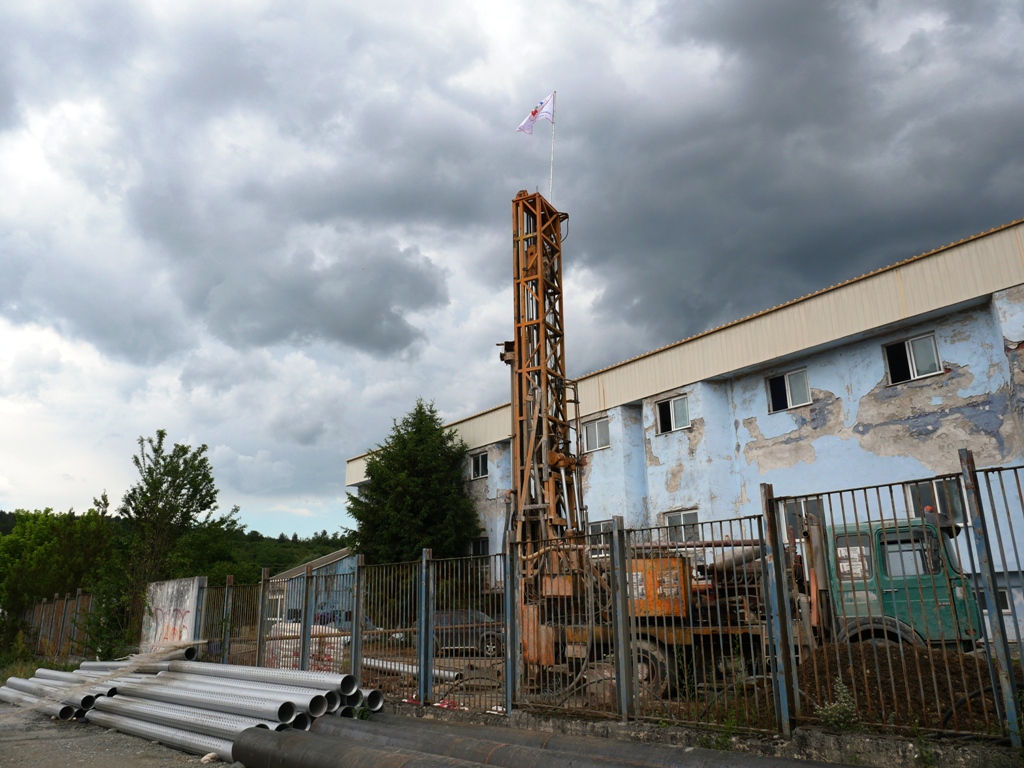
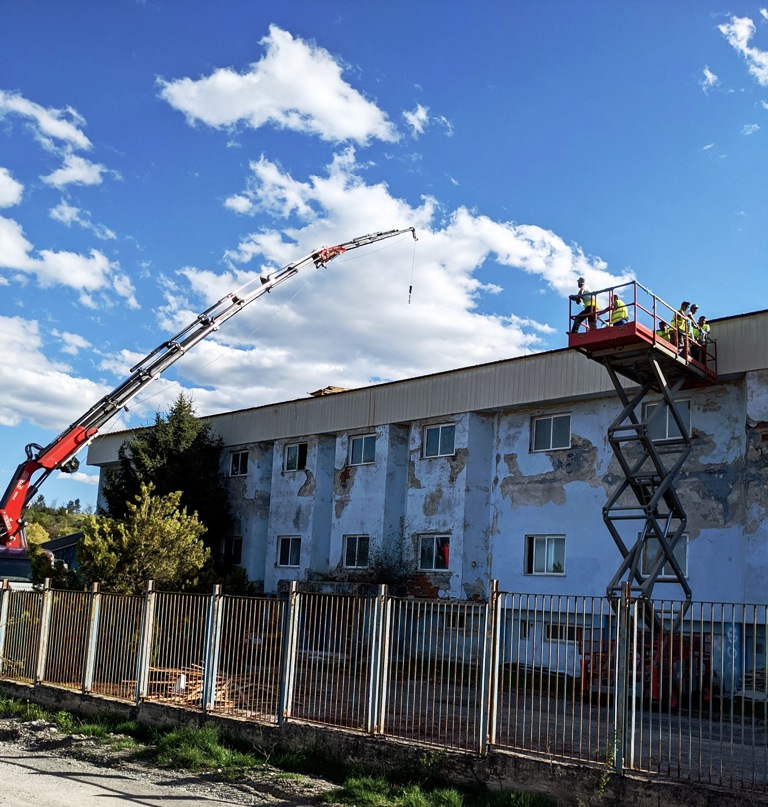
The initiative demonstrates a strong commitment to implementation, as it is already in an advanced stage of execution, with key technical interventions completed and the remaining works progressing according to a structured plan.
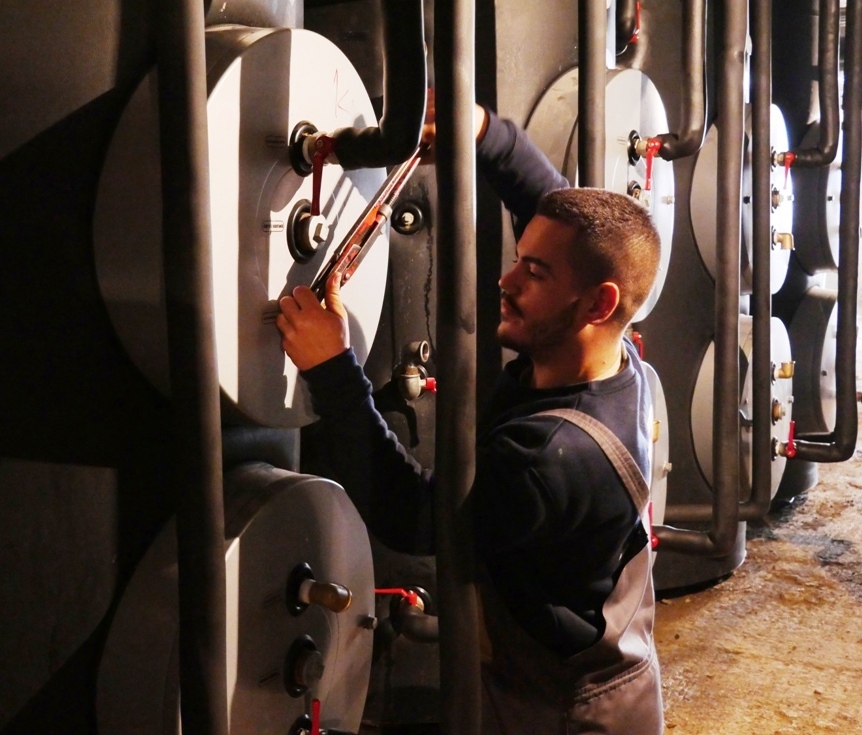
The project has followed a clear development path, beginning with the identification of technical and operational challenges, followed by the design of an integrated solution and the securing of funding. Currently, the implementation phase includes the completion of construction works, installation and optimization of energy systems and final testing procedures prior to full operation.
The New European Bauhaus values have been incorporated throughout the process. Sustainability is ensured through the use of renewable energy systems and energy-efficient technologies. Inclusion is addressed by improving accessibility and restoring equal access to a key public facility. Quality of experience is enhanced through improved indoor conditions and upgraded spaces.
The working principles of the NEB are also reflected in the methodology. The project integrates a participatory approach, responding to the expressed needs of citizens and end-users, as well as a multi-level governance structure involving local, regional and European stakeholders. A transdisciplinary approach has been applied through the collaboration of engineers, technical services and community actors.
The next steps include the completion of all technical works, system optimization, commissioning and reopening of the facility. Following this, continuous monitoring of energy performance and user experience will ensure long-term sustainability.
Overall, the initiative demonstrates a clear, feasible and ongoing pathway towards full implementation, aligned with NEB values and principles.