Arts, Culture, and Heritage as Drivers of Change
A Dog’s Best Friend
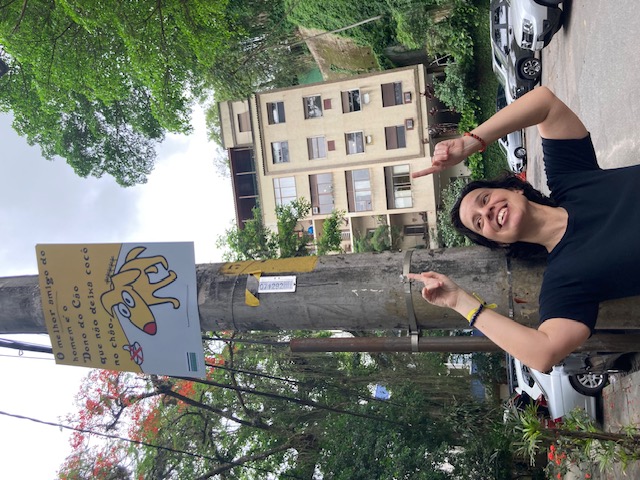
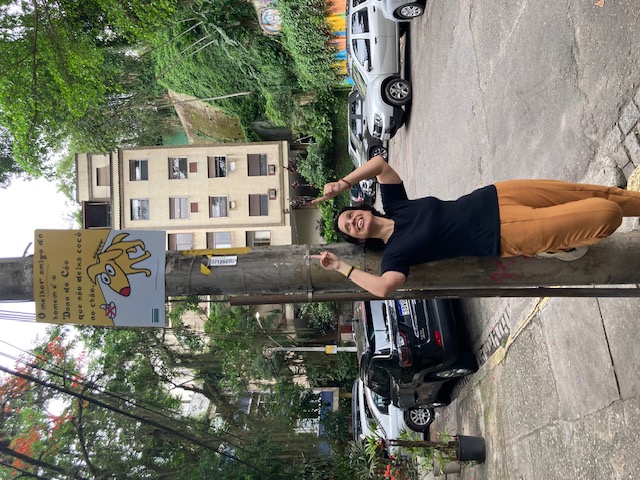
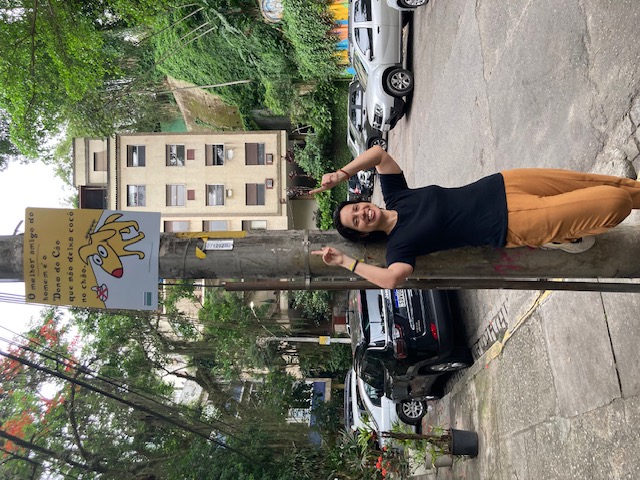
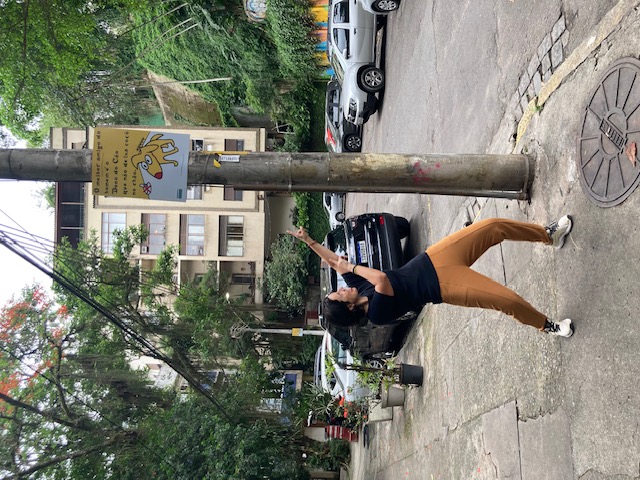
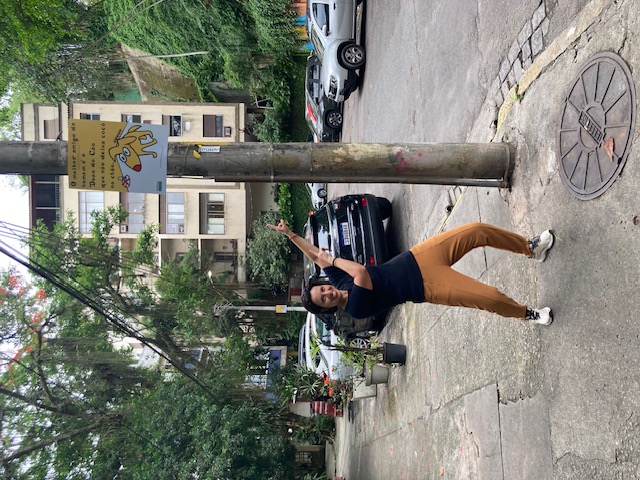
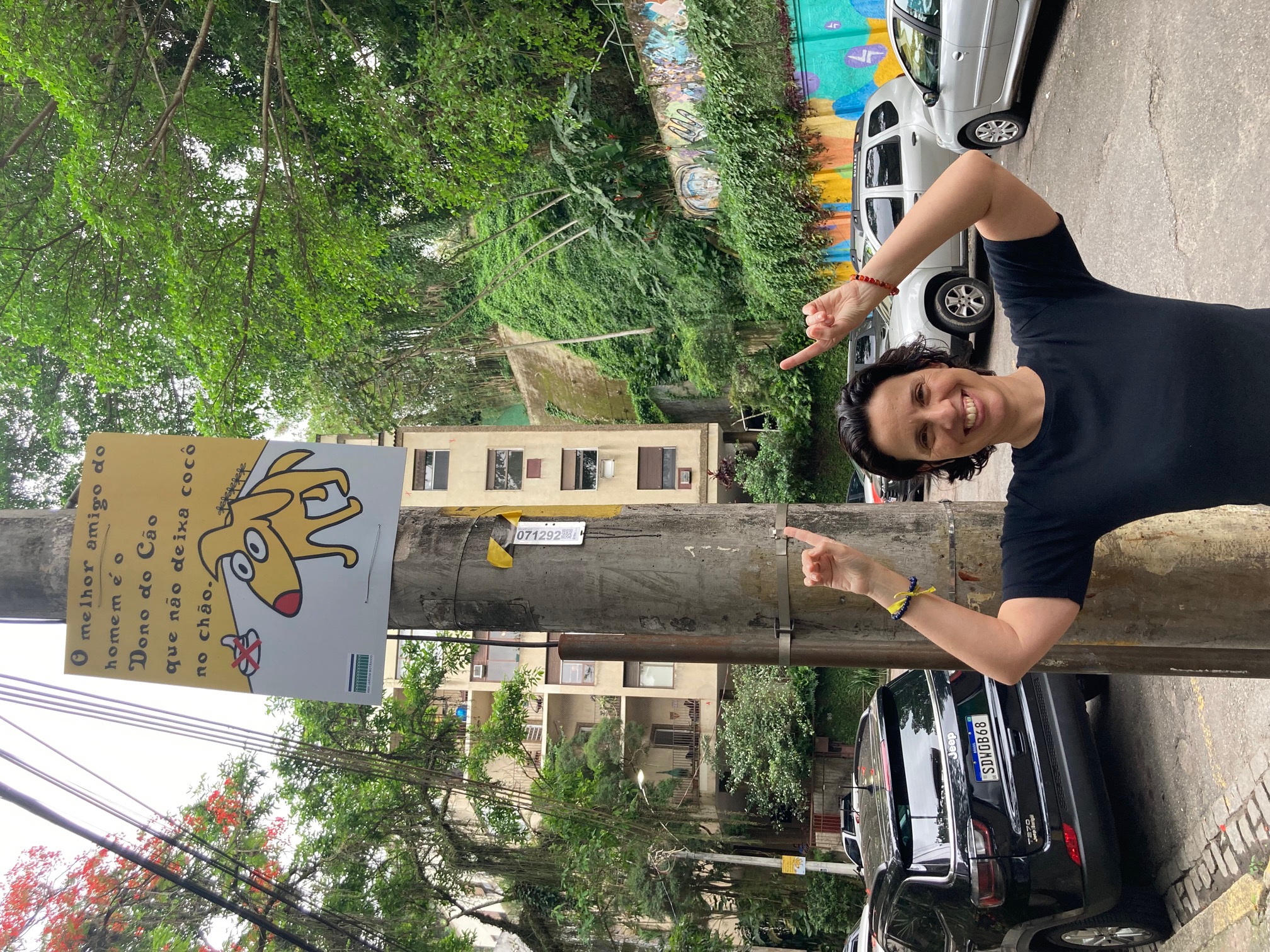
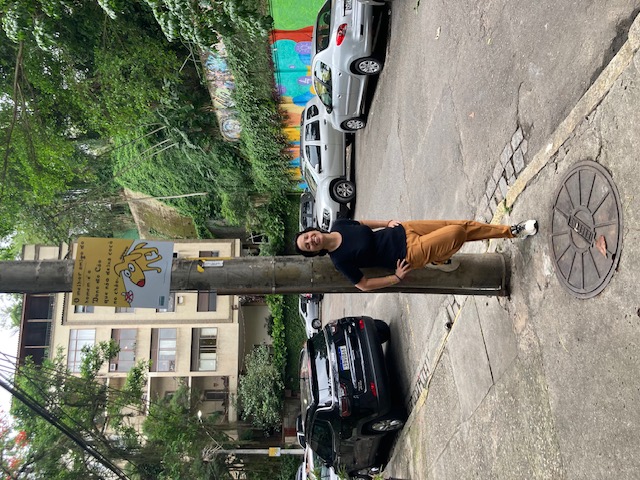
"A dog’s best friend is the owner who leaves no waste on the ground."
Created in 2004 in Rio, this campaign uses communication design to replace aggressive signs with an "aesthetics of care." Through the iconic "Yellow Dog" and playful rhymes, it inspires pet owners to spontaneously keep streets clean. After 20 years, the community self-funded its 2023 rescue, proving that human-centered design can become affective heritage. It’s a low-cost, scalable model that unites residents and authorities to build kinder, resilient urban spaces.
Brazil
Local
The Jardim Botânico neighborhood in the city of Rio de Janeiro.
Mainly urban
It involves other types of transformations (soft investment)
Yes
2023-10-30
No
No
No
Individual
"O Melhor Amigo do Cão" (A Dog’s Best Friend) is a social innovation project created in Jardim Botânico, Rio de Janeiro, that utilizes communication design to address urban hygiene and collective coexistence. Its primary goal is to sensitize pet owners about proper waste disposal, transforming public space conflicts into opportunities for community engagement. The target group includes residents, pedestrians, the local neighborhood association (AMA-JB), and public cleaning institutions (Comlurb).
The project’s core objective was to replace aggressive, punitive signage with an "aesthetics of care" and empathy, developing a high-memorability visual identity that triggers spontaneous behavioral change. The achieved outcomes demonstrate exceptional resilience and longevity, rare in ephemeral design. After two decades, the community itself rescued and self-funded the reproduction of the pieces in 2023, proving that the work transcended functional signaling to become an "affective heritage" of the neighborhood.
Evidence of its success includes significant improvements in sidewalk cleanliness and positive feedback from residents and authorities. The historical partnership with municipal bodies ensured the campaign's integration into urban furniture, consolidating the "Yellow Dog" as a recognized icon of citizenship. The project’s transformative potential lies in treating design as a tool for "social repair" and neighborly mediation. By prioritizing a playful, minimalist approach over strictly technological or fiscal solutions, it proves that human-centered visual identities can survive time and regenerate organically. It is a low-cost, high-impact, replicable model that demonstrates how collaboration between designers and local communities can build gentler, more resilient, and future-oriented cities.
The project originated in 2004 from a direct collaboration between the designer (a local resident) and the Jardim Botânico Residents' Association (AMA-JB). The idea was born from the need to solve a persistent urban friction: dog waste on sidewalks. Rather than following the traditional path of requesting more restrictive municipal laws, the community opted for a creative, design-led intervention.
The implementation followed three main phases. First, the Co-Design phase, where the association provided the empathetic slogan ("A dog’s best friend is the owner who leaves no waste on the ground") and the designer created the "Yellow Dog" mascot—a minimalist, non-confrontational figure. Second, the Implementation phase, organized as a multi-level governance effort: AMA-JB financed the production, while the City Hall and Comlurb (the municipal cleaning company) provided the political support and technical expertise to install the banners on street posts, ensuring they were not removed as "illegal advertising."
The third and most remarkable phase was the Organic Regeneration in 2023. After years of wear, the community noticed the absence of the signs and a subsequent decline in sidewalk hygiene. Without top-down intervention, residents mobilized to find the original designer, requested the rights to the artwork, and crowdfunded a new production run. This "citizen-led guardianship" transformed a 20-year-old campaign into a living method of urban zeladoria (caretaking). The project proves that when design is rooted in local identity and shared responsibility, it creates a self-sustaining cycle of care that bypasses the need for permanent government enforcement.
1. Aesthetics of Care
2. Affective Heritage
3. Social Innovation
4. Community-led Governance
5. Urban Resilience
Focus: Urban Ecosystem Health and Behavioral Regeneration
Sustainability in the "A Dog’s Best Friend" project is addressed through the lens of public health and the environmental balance of the urban ecosystem. Improper disposal of canine waste is a biological pollution challenge that affects soil quality, rainwater runoff, and local biodiversity in forested neighborhoods like Jardim Botânico. The campaign acts in the direct prevention of this impact, promoting the environmental integrity of sidewalks and green corridors.
The approach is grounded in "social permaculture" and urban waste life-cycle thinking. By educating pet owners on immediate waste removal, the project prevents pathogens from entering the city's drainage system and reaching rivers and lagoons. Furthermore, the proposal encourages a regenerative vision of the relationship between domestic animals and urban flora, protecting tree roots and the green spaces that serve as vital micro-habitats.
The campaign's longevity—spanning two decades—demonstrates a rare form of "temporal sustainability" in design. Instead of high-energy-consumption technological solutions or disposable devices, the project focuses on lasting cultural change. The resilience of the visual resource, organically rescued by the community in 2023, proves that design focused on simple and effective ecological principles possesses an extended life cycle, reducing the need for new interventions and material resources over time. The project transforms "cleaning" into an act of preserving the neighborhood's natural heritage.
Focus: The Aesthetics of Care and Affective Heritage
The aesthetic dimension of the "A Dog’s Best Friend" project transcends mere informative function to create an educational proposal for daily urban life. Through minimalist, charismatic, and high-impact illustration, the project introduces the concept of the "Aesthetics of Care" to the Jardim Botânico neighborhood. By replacing traditional prohibition signs—often aggressive and punitive—with a gentle mascot and a poetic, rhymed message, the design lowers the viewer's defenses and invites collaboration through playfulness and empathy. The project directly enhances the quality of life by ensuring cleaner, safer, and more hygienic sidewalks for pedestrians.
The "clean" and friendly aesthetic of the yellow mascot harmonizes with the neighborhood’s landscape, reducing visual pollution and transforming a hygiene problem into a design element that generates smiles and identification. This quality of experience is what allowed the project to become "affective heritage": the beauty of the work creates a desire for preservation, explaining why the community decided to rescue and restore it 20 years later.
The campaign proves that excellence in design can mediate social tensions, promoting a sense of belonging and pride in shared spaces. By raising the aesthetic standard of public signage, the project demonstrates that beauty, when allied with a clear social purpose, is a powerful force for transforming human behavior and creating urban environments that are more poetic, gentle, and memorable.
Focus: The Sidewalk as Democratic Territory and Universal Accessibility
The "A Dog’s Best Friend" campaign views the sidewalk as the primary territory for democracy and accessibility. Urban cleanliness and sanitation are indispensable conditions for the mobility of vulnerable groups, including the elderly with reduced mobility, wheelchair users, and children who explore urban spaces at ground level. By reducing the presence of waste, the design promotes a safe, inclusive, and dignified environment for all citizens, combating the spatial segregation generated by urban degradation.
Regarding inclusive governance, the project is an example of "Design for All" and bottom-up innovation. The initiative was not authoritatively imposed by the State; rather, it was born from a real community need and maintained through collective mobilization. In 2023, the campaign’s resurgence was led by neighbors who self-organized to produce and install the pieces, demonstrating a process of community empowerment and intergenerational interaction.
The playful and easily understood visual communication eliminates language barriers, making the message accessible across different literacy levels and age groups. The campaign celebrates harmonious coexistence between residents (both pet owners and non-owners), transforming a point of social conflict into a space for dialogue and cooperation. By supporting the right to leisure and safe transit in public areas, the project reinforces the New European Bauhaus's commitment to cities that "leave no one behind," ensuring that common spaces are welcoming and accessible to all human diversity.
Stakeholders and Governance The project is the result of a direct collaboration between the designer (author and resident) and the Jardim Botânico Residents’ Association (AMA-JB). The process engaged a network of local citizens, pet owners, civil associations, and public authorities (Comlurb), creating an ecosystem of shared responsibility over the urban space.
Stages and Level of Involvement Participation occurred transversally across two fundamental time cycles:
1. Conception and Implementation (2004): AMA-JB acted as the technical proponent, identifying urban cleaning bottlenecks and providing the educational motto. The designer worked on co-creation, transforming the demand into a playful visual solution. Decisions regarding the final layout and the strategic mapping for sign placement were made jointly, ensuring the intervention was effective without creating visual pollution, respecting the residents' aesthetic sensitivity.
2. Evaluation and Resurgence (2023): The level of involvement peaked when, after 20 years, the residents themselves—the project’s end-users—identified the need to rescue the campaign. In this phase, the community took a leadership role: they initiated the feedback process, requested the copyright license, and self-organized to fund and reproduce the pieces, exercising decentralized governance.
Impact of Participation on Quality Direct community involvement elevated the project from simple signage to the neighborhood’s "intangible heritage." The citizens' influence on implementation decisions ensured a language that "speaks the local tongue," generating empathy rather than resistance. The deepest impact is resilience: the project survived for two decades only because civil society took ownership of it, becoming the guardians of the message. This "citizen-led caretaking" (zeladoria) replaced the need for punitive state enforcement with a coexistence pact based on trust and the pride of belonging to a space cared for by everyone.
The "A Dog’s Best Friend" campaign demonstrates a multilevel governance model that organically articulates civil society and municipal public institutions. At the local level, the Jardim Botânico Residents’ Association (AMA-JB) acted as the core of management and funding, responsible for commissioning the design and financing the production of materials. At the municipal level, a strategic cooperation was established with the Rio de Janeiro City Hall and Comlurb (the Municipal Urban Cleaning Company).
The City Hall's role was to provide political support and institutional legitimacy for the intervention in public space. Meanwhile, Comlurb provided the necessary technical support and authorization to install the banners on urban furniture, formally integrating them into the city’s landscape. This cooperation was organized so that the association’s playful campaign operated in synergy with Comlurb’s existing educational programs, such as the renowned "Chegando de Surpresa" street sweepers' performance group and the public actions of the iconic "Gari Renato Sorriso."
The added value of this multilevel involvement lies in the construction of shared legitimacy: the civil society’s design gained the weight of an official campaign, while public urban cleaning policies found an empathetic visual language with high popular adherence. This articulation ensured the project’s scalability and alignment with urban cleaning laws (such as the "Zero Waste" Program). It proves that collaboration between residents and public authorities can transform maintenance challenges into collective pacts of citizenship, moving beyond top-down enforcement toward a culture of shared urban stewardship.
The transdisciplinary nature of the "A Dog’s Best Friend" campaign is manifested in the synergistic integration of Communication Design, Social Sciences, and Urban Waste Management. The collaboration was structured through a continuous dialogue between the designer’s vision, the neighborhood association’s (AMA-JB) territorial knowledge, and the municipal cleaning authority’s (Comlurb) technical expertise.
Different perspectives were combined into shared decision-making processes, where the rigor of visual semiotics was applied to resolve a pragmatic public health issue and a neighborhood conflict. By avoiding isolated "siloed" approaches, representatives from these diverse fields interacted to replace conventional punitive signage with a playful and empathetic solution. The direct benefit of this approach was the creation of a communication device that functions simultaneously as a pedagogical tool and a symbol of local identity.
The added value lies in the behavioral effectiveness and the project's resilience: transdisciplinarity ensured the campaign was not perceived as an imposed warning, but as an affective heritage that educates through the "Aesthetics of Care." This fusion of knowledge allowed a graphic intervention to generate a profound socio-environmental impact, proven by the community's spontaneous rescue of the campaign two decades after its creation. It demonstrates that the union between design, public management, and community engagement is the key to resilient, future-oriented urban solutions.
Current Funding and Revenue The initial implementation and the recent project rescue were fully funded by the Jardim Botânico Residents’ Association (AMA-JB), utilizing a local investment model based on membership fees. Currently, the project operates as a non-profit social impact initiative, generating no direct revenue for the designer, who granted the licensing for community use. Current costs are strictly limited to graphic production and installation, borne by the association.
Revenue Potential and Continuity The project has a planned 3-year validity cycle, with high potential for future revenue generation through an intellectual property licensing model and social design service provision. The financial flow will benefit the designer (copyright and coordination), local graphic suppliers, and emerging artists. Continuity costs—including maintenance and impact monitoring—will be absorbed by a hybrid model of public funding and private sponsorship from companies aligned with ESG (Environmental, Social, and Governance) practices.
Scalability and Disruptive Innovation The model’s scalability is based on replicating the methodology in other neighborhoods through strategic partnerships with the Rio de Janeiro City Hall and Comlurb. The business model envisions the creation of an "Activist Design Platform," allowing for the inclusion of other artists and urban muralists to diversify interventions while maintaining a unified educational message.
The disruptive innovation lies in transforming waste management into "Design as a Service" (DaaS): instead of reactive spending on cleaning, the city invests in aesthetic and cultural prevention. This reduces public operational costs by engaging citizens emotionally, proving that high-quality design is an economic asset capable of regenerating both urban space and the local creative economy.
The campaign offers effective communication with low execution costs, ideal for scaling across neighborhoods and cities. Production using rigid PVC boards or high-resistance materials allows for replication throughout Rio de Janeiro’s South Zone. With A2 dimensions, the signs are easily adaptable to street lighting poles or large trees using simple wire fixings. Expansion to new locations is based on strategic cooperation with the Rio de Janeiro City Hall and Comlurb, ensuring the maintenance of pieces within urban furniture so the message fulfills its educational role directly on the street. Neighborhood associations are fundamental to capillary the campaign through local channels, leveraging their proximity and trust with residents.
Inspiration and Transferability The project serves as a replicable model demonstrating that complex sanitation issues can be resolved with low costs and high emotional impact. The most transferable element is the Empathetic Communication Methodology, which replaces authoritarian signage with an "Aesthetics of Care." This system—minimalist illustration, rhymed messaging, and urban furniture application—can be transposed to any geography, using a universal visual language that communicates collective stewardship.
Partnerships and Local Adaptation Successful replication requires a validated triad: the designer’s talent, civil society engagement, and institutional support from public cleaning authorities. These alliances are essential to guarantee legitimacy and prevent the removal of materials. The specific skill required is social design curatorship: adapting art so it is perceived as an icon of citizenship rather than advertising. For global export, while the icon is universal, slogans can be adapted to local dialects. The platform also invites local artists to reinterpret the mascot using regional styles (graffiti, woodblock), ensuring the project strengthens the sense of belonging in any global context.