Historical memory center
Historical memory center - for the community and visitors
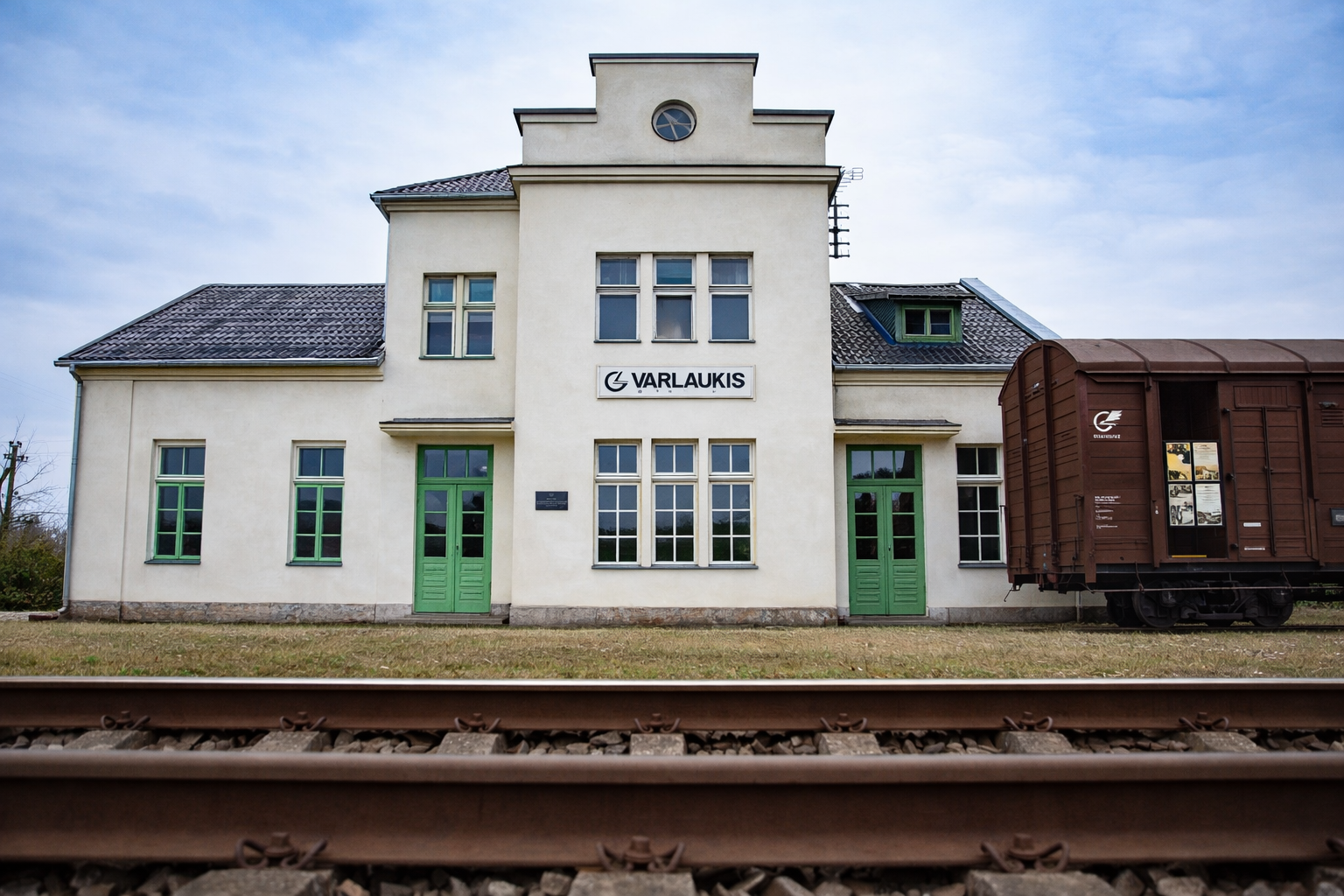
The project aims to transform the former abandoned Varlaukis railway station in Lybiškiai into a dynamic Historical Memory Center that preserves, interprets, and communicates the complex history of the region within a broader European context. Authentic 20th-century railway station, closely tied to the daily lives of local people, serves as a powerful symbolic site where personal stories intersect with major historical events: the Holocaust, the fate of “wolf children,” and partisan resistance.
Lithuania
Stoties street 1, Lybiškiai, Jurbarkas municipality, Lithuania
Prototype level
Yes
Yes
Yes
Yes
ERDF : European Regional Development Fund
Period: July 2024 – December 2026
Project: “Adaptation of Natural and Cultural Sites for Visitors in the Jurbarkas District Municipality”
The project’s objective is to adapt natural and cultural sites for visitors in the Jurbarkas District Municipality. As part of the project in Lybiškiai, on Stoties Street, it is planned to install a sidewalk, parking spaces, and street lighting.
No
94: Jurbarko rajono savivaldybė (LT)
The project aims to transform the former abandoned Varlaukis railway station in Lybiškiai into a dynamic Historical Memory Center that preserves, interprets, and communicates the complex history of the region within a broader European context. This authentic early 20th-century railway station, closely tied to the daily lives of local people, serves as a powerful symbolic site where personal stories intersect with major historical events, including deportations, the Holocaust, the fate of “wolf children,” and partisan resistance.
Rooted in a strong community-driven approach, the project brings together local residents, historians, cultural professionals, educators, and public institutions, including Jurbarkas District Municipality. The initiative builds on existing grassroots engagement—where volunteers, local craftsmen, farmers, and community organizations actively contribute to the restoration and revitalization of the site—ensuring both authenticity and long-term sustainability. The restored station will host permanent and temporary exhibitions, interactive educational activities, community events, and international exchanges. Innovative interpretive methods, including digital tools and participatory storytelling, will engage diverse audiences, particularly young people, fostering critical thinking, empathy, and historical awareness.
The restored station will host exhibitions, interactive educational activities, community events, and international exchanges. Innovative interpretive methods, including digital tools and participatory storytelling, will engage diverse audiences, particularly young people, fostering critical thinking, empathy, and historical awareness. Beyond its local impact, the project addresses key global challenges such as the preservation of historical memory, resilience against disinformation, and the strengthening of democratic values.
The initiative promotes sustainable regional development, enhance tourism and creates a community space.
Community
Inclusion
Education
History
Heritage
The demographic situation in the small Lithuanian municipalities is shrinking due to inhabitants moving to capital cities. As a result the upkeep of large number of railway lines that were used for passenger commuting is not financially viable any more. Because of that, the passenger train lines are being dismantled. Infrastructure that remains (train stations, railroad worker’s houses, utility buildings) are often left to decay, which isn’t sustainable: demolishing such buildings is harmful to the environment, produces waste and is not an efficient use of state funds. Moreover derelict buildings are obstructing the natural landscape. These buildings are often valuable architectural heritage sites that should be preserved. Main objectives of this project aims to both preserve local cultural heritage and to reuse existing infrastructure in a sustainable, as well as nature-friendly way. Producing new buildings for local communal needs uses additional resources and produces unnecessary waste. Meanwhile restoration of an existing object and it’s longevity saves both material and potential pollution resulting from the manufacturing process.
Modernist architecture is one of the most important styles that resulted from the shaping of the modern Lithuanian nation. Modernist style is one of the symbols of the Lithuanian national revival in the 1920s and 1930s. It’s widespread use in the country is unique in the European context. In the more local scale, the modernist Lybiškiai train station building is becoming a symbol of the local idetity itself. By providing the infrastucture to the local residents to gather, organise events, meetings and commemorations of important events, the sense of community will be fostered. This in turn will have the effect of reinventing a sense of purpose to the area as a whole. Moreover, a heritage is being restored by the help of craftsmen, small businesses and the civil society organisations of Jurbarkas municupality.
Remote villages in small Lithuanian manicupalites are often neglected in terms of cultural facilities, since those are usually concentrated in the municipal centers and the capital city. By providing the means to excersise and the ability to create their own cultural field, Lybiškiai village community is given sense of belonging being to a broader national Lithuanian society. A large part of the Lybiškiai village population consists of elderly citizens, which is a vulnerable social group by itself. It is difficult for them to access cultural events in the municipal city. That‘s why we aim to provide accessible cultural and communal spaces to all members of the local community.
The project to establish a historical memory center at the Varlaukis railway station in Lybiškiai will bring long-term and multifaceted benefits to the community. This site is not only an architecturally significant structure but also a historical space that has been closely intertwined with the life of the local community since its construction. For a long time, the station served as a vital hub for transportation and social life—it was where people worked, traveled, and gathered. The site is also marked by painful historical events: it was from here that local residents were deported to Siberia, giving it special emotional and historical significance.
The project will significantly contribute to the preservation, revitalization, and dissemination of historical memory. In an authentic setting, visitors will be able to learn about the experiences of 20th-century Lithuanian history—deportations, the Holocaust, the fates of the “wolf children,” Jewish rescuers, and the partisan struggle. Such an experience will foster a deeper understanding of history, strengthen civic awareness, and promote respect for the struggles for freedom.
Many people in this region still connect their lives with the railway today. They hold responsible and managerial positions in the Lithuanian railway sector, plan train routes, and contribute to the development of the country’s infrastructure. This demonstrates an unbroken connection between local history and the present, which the project will meaningfully reveal. Even now, under current conditions, the station’s space is vibrant—it hosts events, meetings, exhibitions, and educational activities. Once the historical memory center is established, these activities will be expanded and strengthened. Even better conditions will be created for people of all ages to learn through experience, develop critical thinking, empathy, and historical awareness.Initiative encourages community engagement and strengthen a sense of identity.
The implementation of the project is based on the active and consistent involvement of stakeholders at every stage—from the development of the idea to the implementation of activities and ensuring their sustainability. One of the most important partners is the Jurbarkas District Municipality, which not only took over the station building but also endorsed the idea of establishing a historical memory center and contributes to the project’s development, strategic planning, and publicity.
The local community also plays an important role—residents of the village of Lybiškiai actively participate in the project’s development process, offer suggestions, share their family histories, and contribute to the organization of events, commemorations, and educational activities. This ensures that the project addresses the community’s real needs and strengthens local identity.
The project also involves former deportees and their relatives, as well as eyewitnesses to history, who help shape authentic content, participate in meetings and discussions, and contribute to the preservation of living memory. We collaborate with the Jurbarkas Regional Museum, which curates exhibitions, organizes displays, and develops educational programs. The project is open to a wider range of partners—educational institutions, cultural organizations, historians, researchers, and representatives of the railway sector are all involved in its activities. Joint activities, educational programs, and events are organized to promote dialogue and the dissemination of knowledge.
In this way, the project becomes a collaboration-based initiative in which every stakeholder has the opportunity to contribute, be heard, and create a shared outcome that is meaningful to society.
The project stands out for its interdisciplinary nature and the integration of various fields of knowledge, which allows for a comprehensive exploration of the theme of historical memory and ensures high-quality implementation. The initiative brings together specialists from different fields/; historians, museum professionals, educators, cultural project managers, architecture and heritage specialists, as well as community representatives with practical skills and local knowledge who collaborate harmoniously.
The project brings together the humanities (history, cultural studies, memory studies), the social sciences (community engagement, civic education), education (non-formal education, experiential learning), and the fields of heritage conservation and architecture.
The involvement of the local community is particularly important to the project, as it has become an integral part of knowledge creation and transfer. Practical work is carried out by drawing on the expertise of local craftsmen - for example, the roofing work on the station building was performed by local craftsmen. Local farmers provide material support for the project, while volunteer organizations actively contribute by raising funds and using their own resources to maintain and adapt existing spaces. These practical, community-based activities complement academic and professional knowledge, lending the project authenticity and sustainability.
The project also reflects a strong model of social partnership that brings together formal institutions and informal initiatives. The strong involvement of the people of the Jurbarkas region and their desire to revitalize this historically significant site demonstrate a high level of civic engagement and a strong sense of local identity.
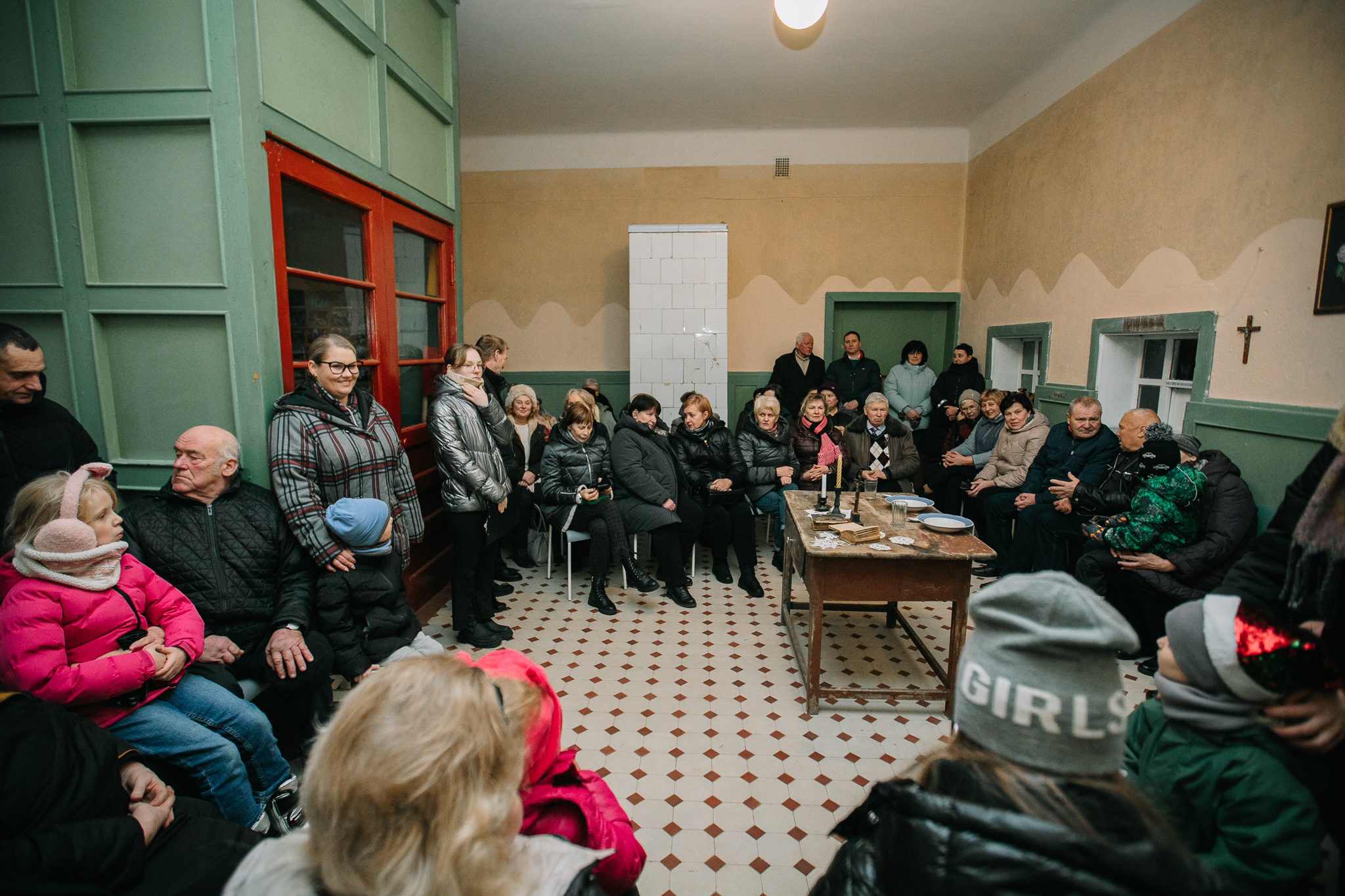
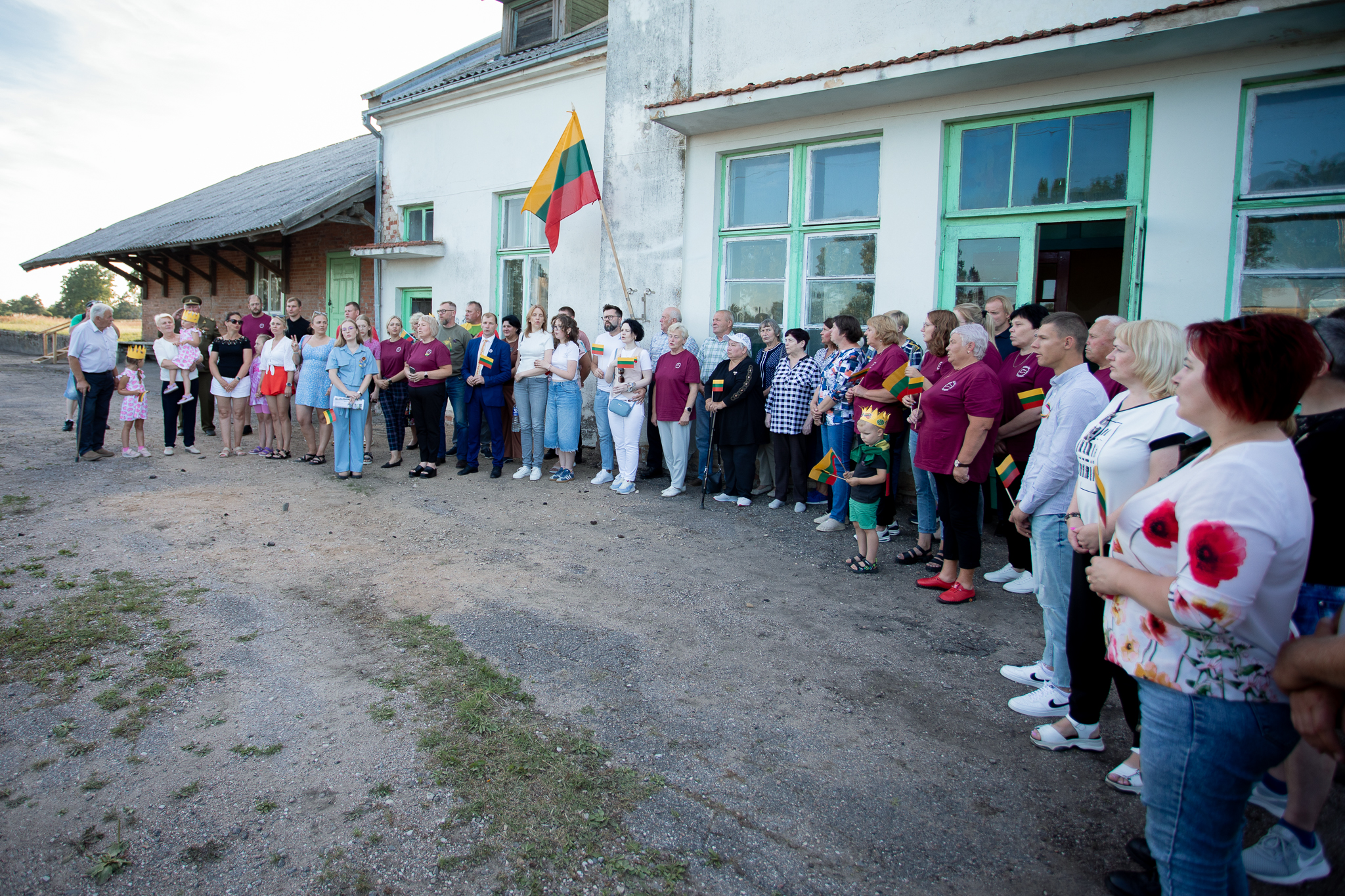
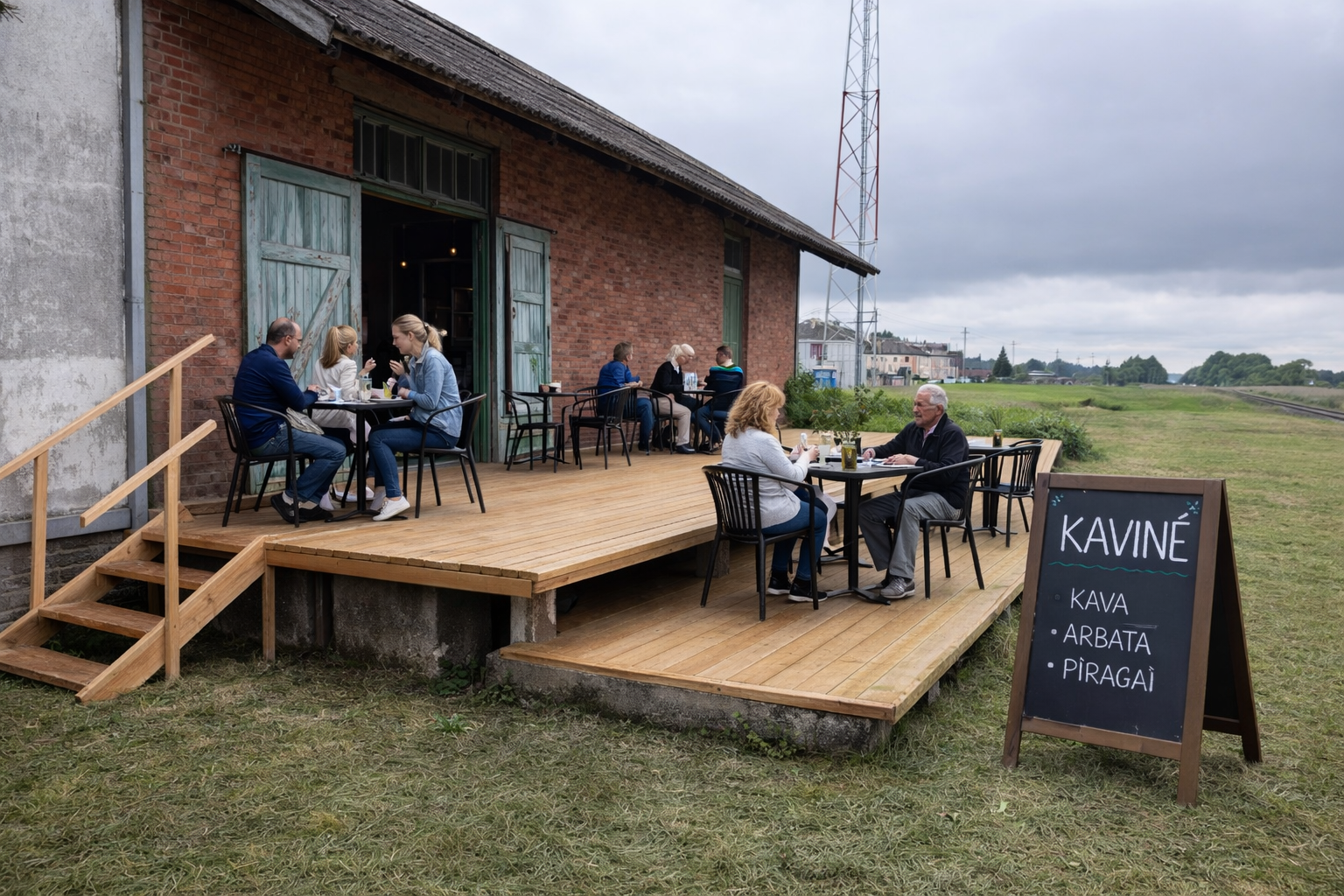
The co-operation between state institution and the community is usually reserved to the down looking perpective, where state institution provides the citizens with their perceived needs. In some cases the society is being consulted and that shapes the final outcome to some extent. Out aproach to the execution of this project is based on the participatory co-creation approach where community not only influences the result, but actively and physically participates in shaping it‘s creation proccess and the outcome. For example, the local community takes care of the landscape, community volunteers cleaned up the enviroment and participated in the construction works, a local teritorial defense unit took part in the restoration effort and clean up of rubble in the warehouse of the train station, as the result, they were given the space which now holds the name of the unit.
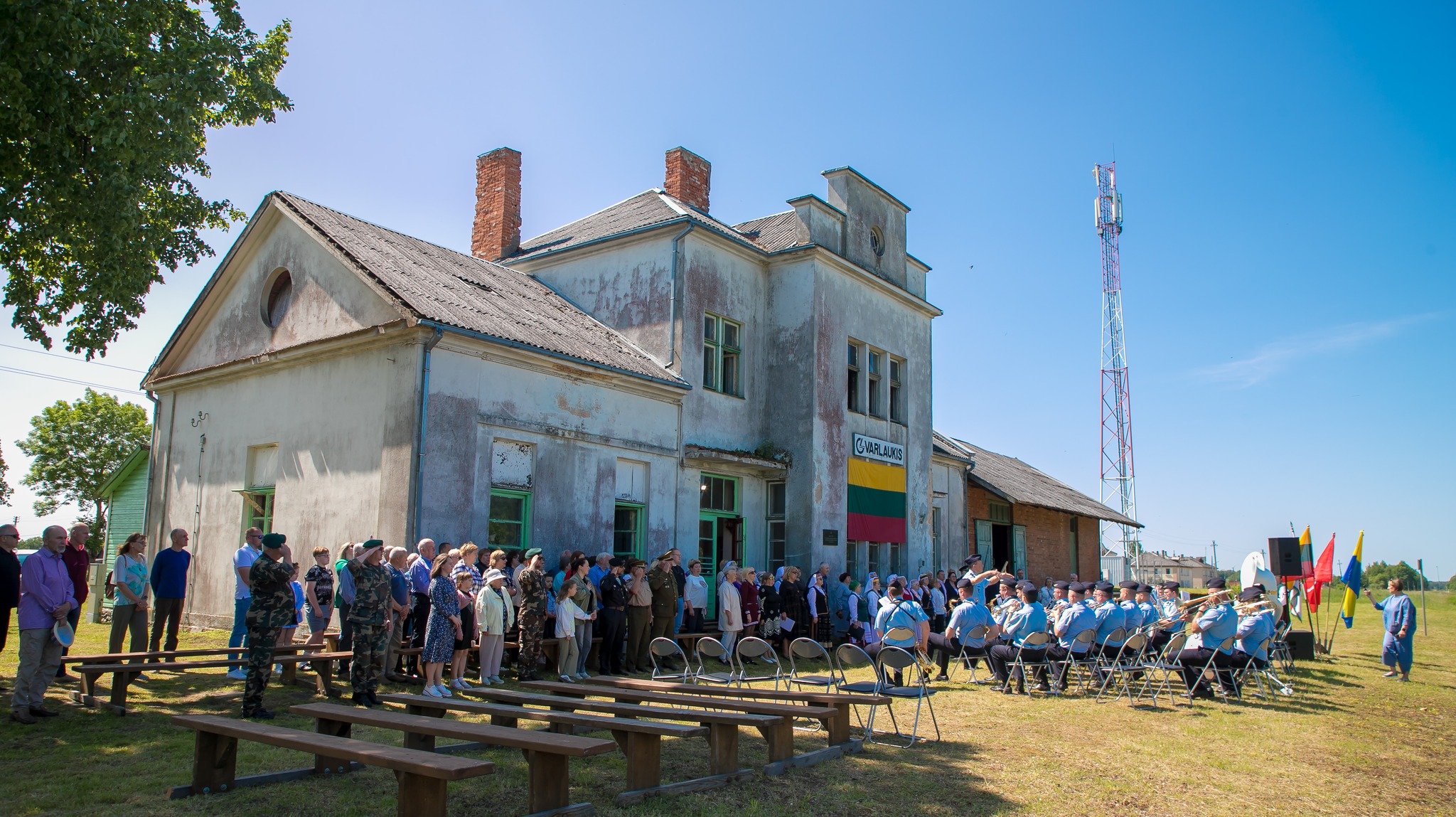
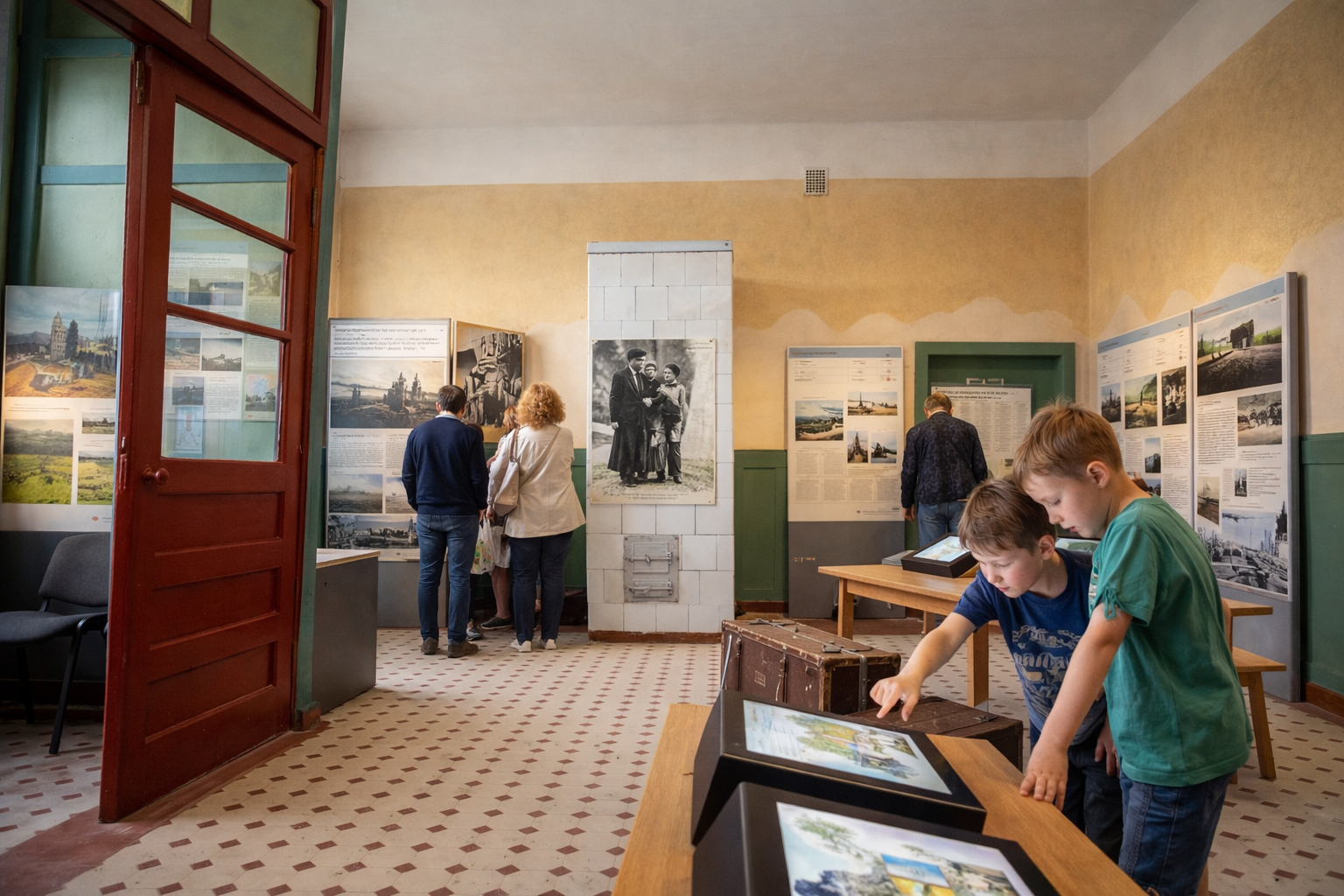
The station, named after Varlaukis, was built in 1933. It remained in operation until 2001. Inside, the original stoves, the waiting room with the ticket office, and the floors with their distinctive tiles have been preserved.
In 2018, the Jurbarkas District Municipality took over the station building from the joint-stock company “Lietuvos geležinkeliai.” Since then, the community has been discussing ways to revitalize the building and prevent it from falling into disrepair.
In 2020, the Jurbarkas District Municipality approved the Lybiškiai village community’s idea to establish a historical memory center in the former railway station, which would preserve the building and educate the public.
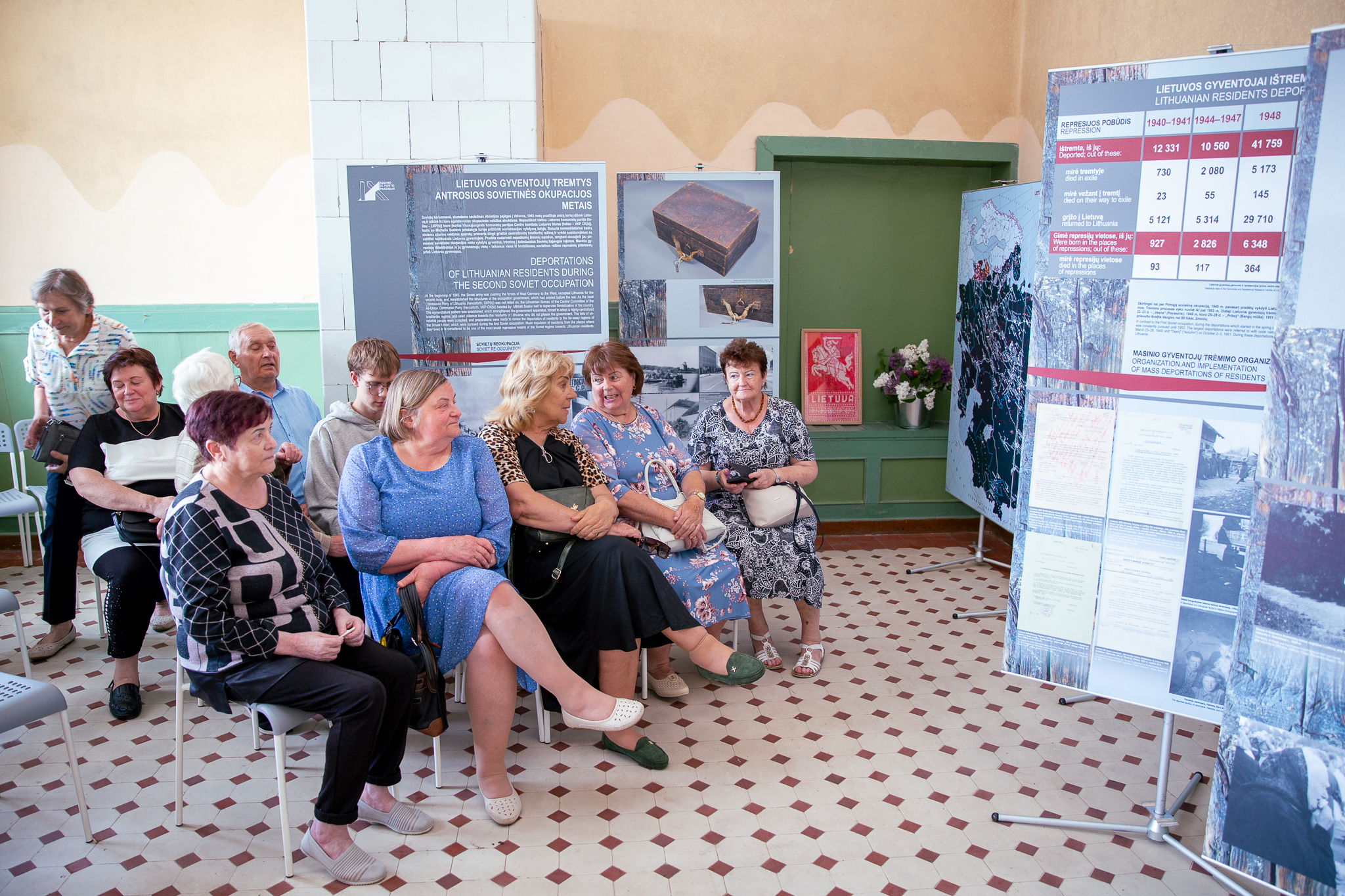
In 2024, the Varlaukis Railway Station in Lybiškiai becomes a branch of the Jurbarkas Regional Museum. That year, the first exhibitions are presented, events are organized, and the community gathers at the building.
Although the path to revitalizing the building is long, from the very first day of its takeover, the Jurbarkas Regional Museum has been bringing the community together and striving to prevent the building from falling into disrepair. When developing the concept of what the museum could be, a broad range of stakeholders was involved—specialists from other museums, historians, government representatives, community members, teachers, and heads of educational institutions, among others. At that time, possibilities, historical themes, and the intended uses of the premises were discussed.
Since then, the museum has been holding regular meetings with the residents of the village of Lybiškiai. We all agree that a renovation is highly needed. We listen to each other’s needs and create joint activities and activity plans.
The experience and knowledge gained during the project regarding the creation of historical memory centers, community engagement practices, and the organization of educational programs can be successfully shared with other partners at both the local and international levels. For example, the Lybiškiai Varlaukis railway stations Historical memory center could serve as a model for other communities seeking to preserve and promote their regional history, involve local residents in cultural projects, and foster historical awareness.
The project ensures the transfer of knowledge through various formats: training sessions, seminars, international conferences, virtual meetings, and collaboration platforms are organized. Educational materials, methodological guidelines, documentation of historical events, and exhibition concepts can be shared with other museum institutions, educational institutions, and cultural organizations abroad. This allows the project to be adapted to different cultural and geographical contexts, in line with changing objectives and the needs of participants.
In an international context, the project’s results can be integrated into European or global networks of memory and culture, and best practices can be shared regarding community engagement strategies, the preservation of historic sites, and the organization of educational programs. Through joint exhibitions, virtual displays, or international exchanges, other countries can directly observe how education grounded in authentic historical spaces fosters citizenship, historical understanding, and a sense of community. Participants can also adapt these methodologies in their own countries, developing similar initiatives and enhancing the quality of historical education programs.
The adaptation of the station building for educational and exhibition purposes will be completed, while preserving authentic interior details. We're gradually repairing the walls and floors as we can.
International educational programs, training sessions, and seminars will be organized for schoolchildren, students, and specialists in culture and history. The experience gained during the project will be shared with other countries and institutions, promoting the exchange of best practices and cooperation at the European and international levels.
We will work closely with the Jurbarkas District Municipality, the Lybiškiai community, international partners, and educational and cultural institutions. The community will participate in events, meetings, and educational activities, and the project will serve as an example of how local history can be used to engage an international audience.
Publications, and digital content will be created for use by other institutions. This will ensure that the project’s results are accessible internationally and will promote historical awareness and dialogue beyond Lithuania’s borders.
Periodic international events, exhibitions, conferences, and educational programs will be organized to enhance the center’s international visibility and integration into European and global historical networks.
In this way, the Varlaukis railway station will become a vibrant international space for historical memory, combining education, community activities, international cooperation, and cultural tourism, while the knowledge and experience gained will be shared with other partners.
In the closest future we will repair the building’s unique exterior doors (4 sets) and carry out interior and exterior renovation work.