Eco-Garden Rasinari
Eco-Garden Rasinari
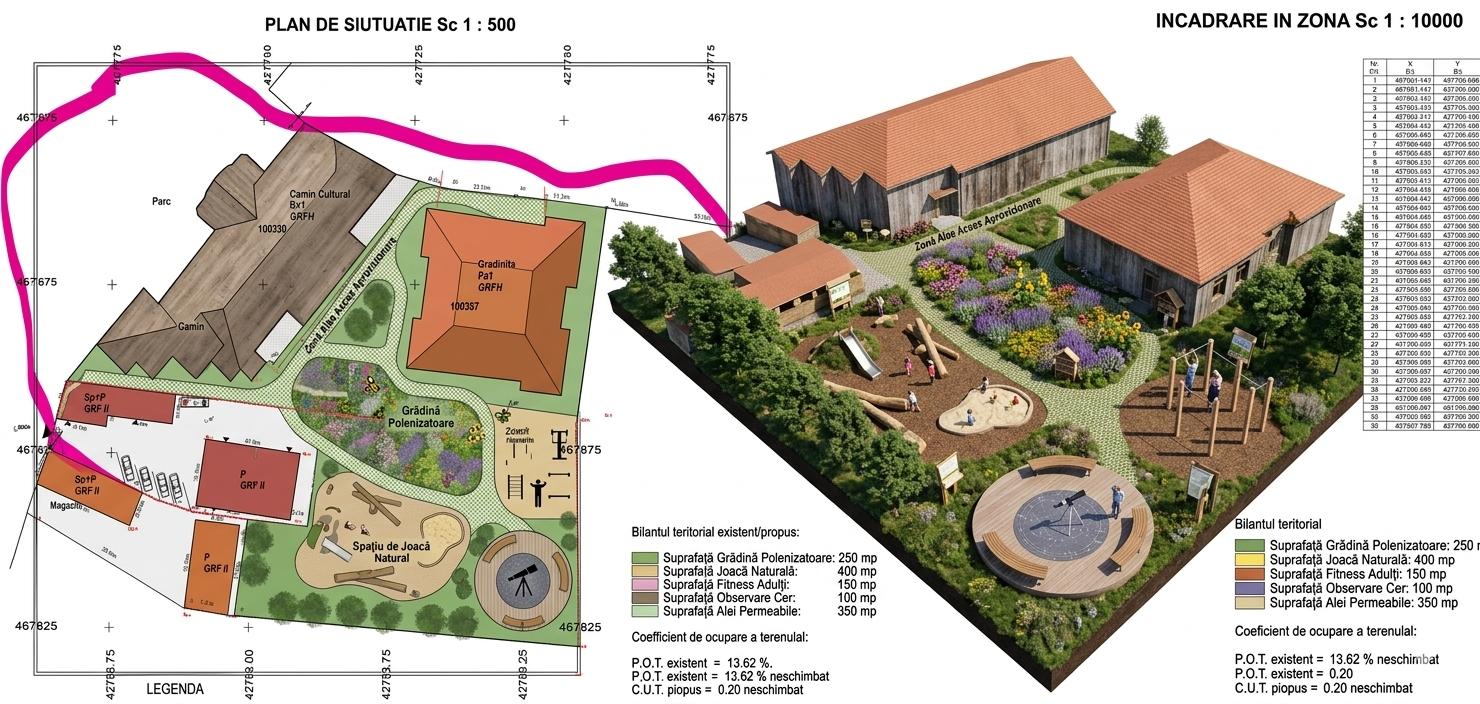
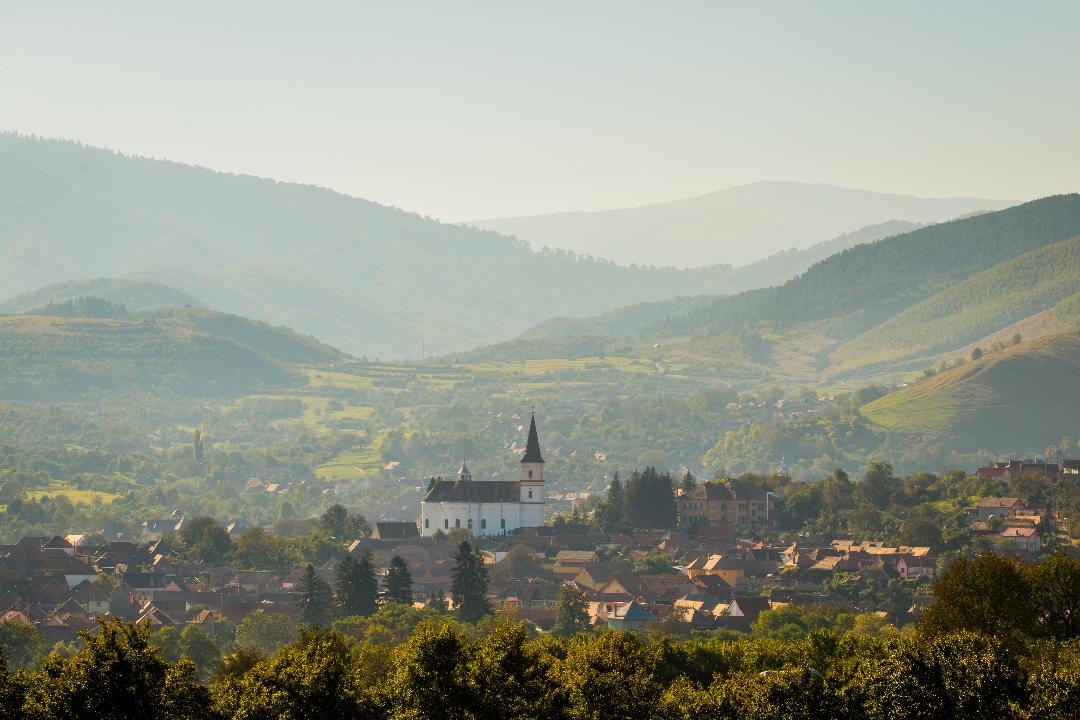
Eco Garden Rasinari is a project that aims to transform of an underutilized public space in the heart of the village Rasinari into a multifunctional ecological garden and community cultural hub. The main pillars of the project are sustainable landscape using native species to enhance pollinators and biodiversity; renovation and adaptive reuse of existing structure using locally sourced materials and inclusive community programming encompassing outdoor learning workshops for children.
Romania
Rasinari , str. Octavina Goga nr. 1521, Sibiu 557200, Romania
Early initiative
Yes
Yes
Yes
No
No
143520: Rasinari (RO)
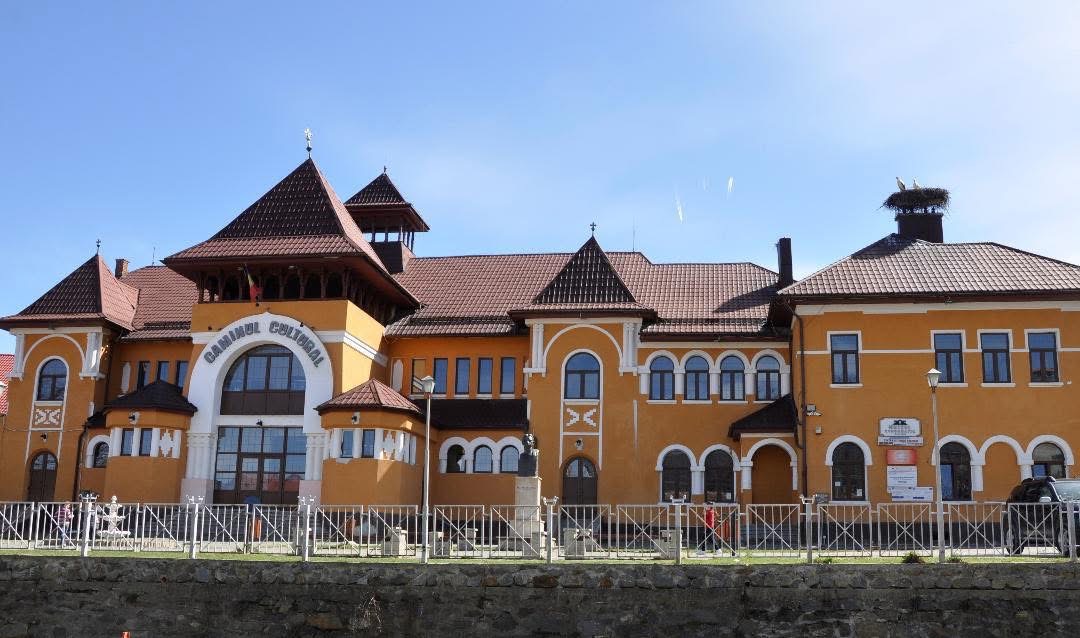
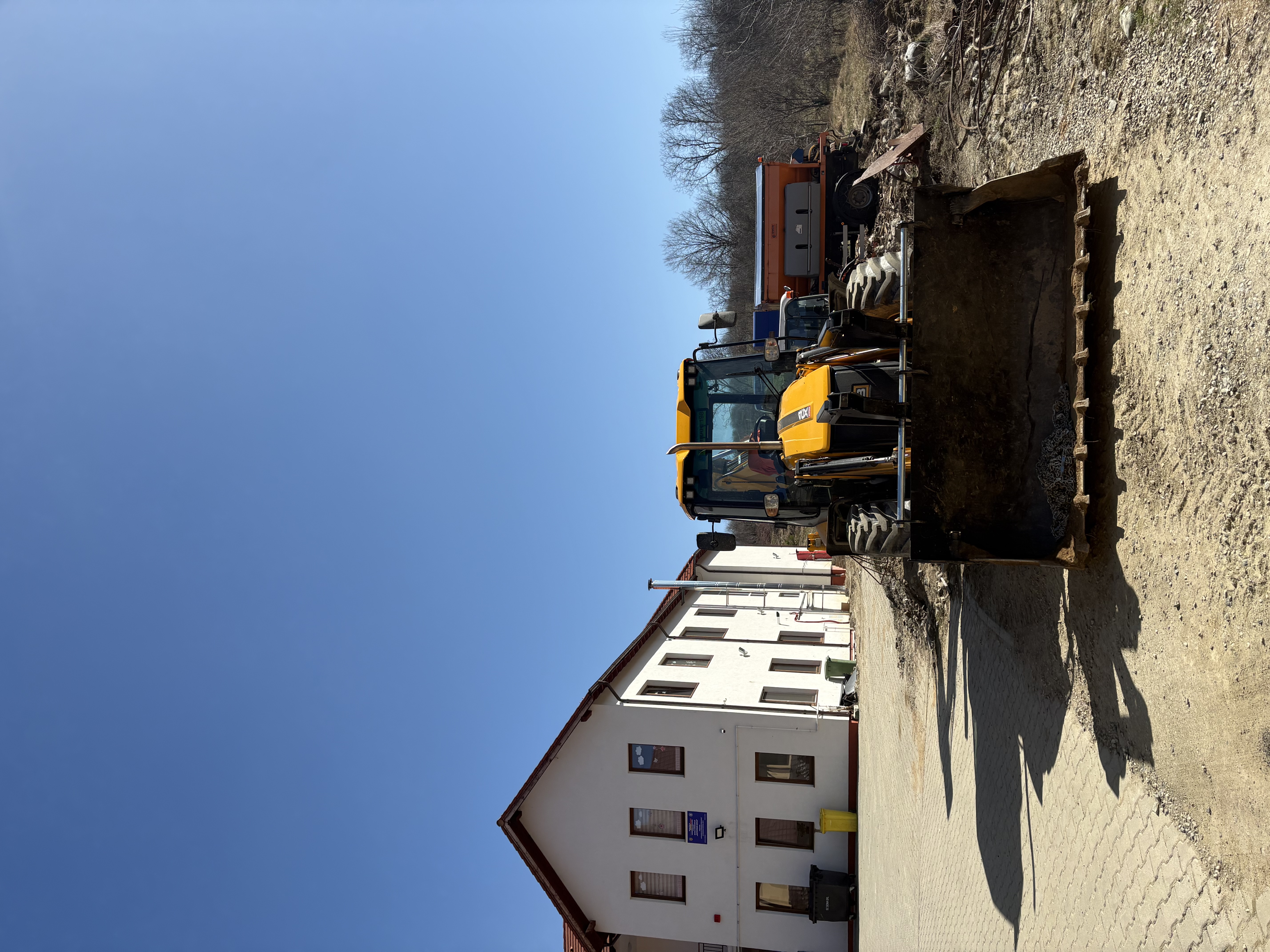
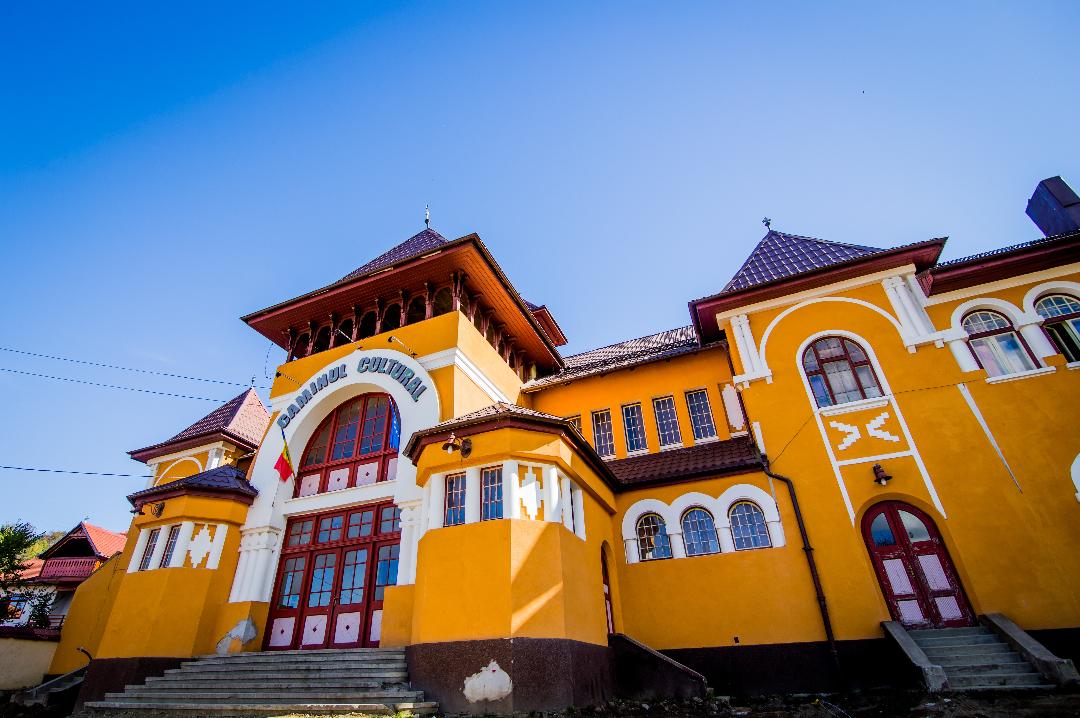
The Eco Garden Project in Rasinari aims to transform an underutilized public space in the center of the commune into a multifunctional ecological garden and community hub. In terms of sustainability, the key objective is to create a learning garden. The ecological garden will be created using native plant specifies for pollinators in order to enhance local biodiversity and minimize environmental impact. The key objective in terms of aesthetics is to create an uniform green space that connects the Cultural House, The Ethnographic Museum and the Kindergarten, ensuring that the garden is a legible Rasinari place and not an generic urban garden. The key objective of the project in terms of inclusivity is to creat an outdoor learning space that will connect young people with the elders of the village. Direct beneficiaries are those whose daily life is most directly improved by the project — include the families and children of the adjacent kindergarten, who gain a safe, free outdoor learning environment immediately accessible from their building; elderly residents, who gain an accessible outdoor space and a formal role in its stewardship that recognizes their knowledge and extends their active participation in village life; and residents of the immediate neighborhood, who gain a public green space where none currently exists. The expected outcome is a community led public space development.
Biodiversity
Nature Base Solutions
Outdoor Learning garden
Regeneration of rural space
Community hub
The Eco Garden Project in Rasinari aims to transform an underutilized public space in the center of the commune into a multifunctional ecological garden and community hub. In terms of sustainability, the key objective is to create a learning garden. The ecological garden will be created using native plant specifies for pollinators in order to enhance local biodiversity and minimize environmental impact. A special attention will be given to the night lighting in the garden. The light bulbs will be designed in such a way not to disturbe the night pollinators/insects. The eco garden will have information boards about native plants and pollinators insects, a special attention will be given to night pollinators. The space created will represent a great opportunity for the children at the kindergarten nearby to engage in this open outdoor learning space. This outdoor learning space will be organized in such a way that will become attractive also for youth or elderly people. The learning garden idea was co-designed within the Eco Cartier initiative organized in Rasinari. Rasinari village is part of the Eco Cartier network in Romania, an initiative developed by the Ministry of Public Works in collaboration with the French Embassy in Romania. The learning space is designed to perpetuate ecological knowledge across generations, with the kindergarten as its primary user, ensuring the project's impact outlasts its construction phase. The outdoor learning garden is developed in the vicinity of the Ethnographic museum, a cultural hub of the village.
The Eco garden in Rasinari represents a great example on how co-creation and participatory approach in developing a community outdoor learning garden can be realized.
The new designed space in Rasinari is sustainable in its reliance on ecological design that embeds biodiversity themes, community participation, circular and local materials flows and carbon neutral constructions techniques specific to Transylvanian architecture.
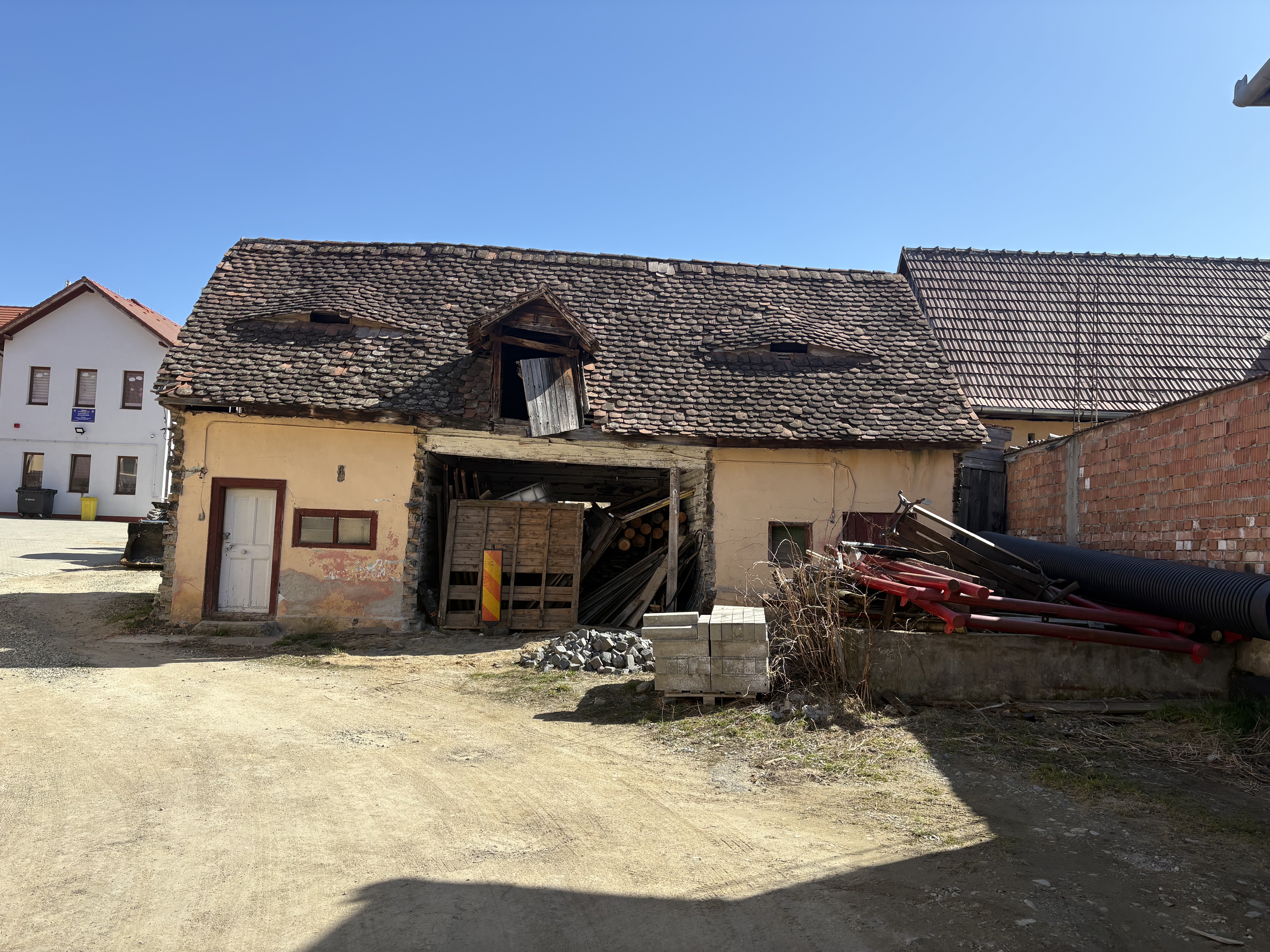
The Eco Garden Rasinari project proposed to create an aesthetic meaningful public space by transforming an underutilized space in the center of the village into a location that embeds Rasinari's rich cultural and natural heritage. The key objective in terms of aesthetics is to create an uniform green space that connects the Cultural House, The Ethnographic Museum and the Kindergarten, ensuring that the garden is a legible Rasinari place and not an generic urban garden. The municipality of Rasinari secured budget for relocating the Ethnographic Museum next to the outdoor learning garden. An old traditional barn will be transformed into a village museum facility. The design focuses on preserving the traditional architecture of Rasinari using local materials and transform the place into a community cultural hub. The New European Bauhaus Boost for Small Municipalities represents a unique opportunity for communities like Rasinari - small in scale, but rich in potential- to demonstrate that meaningful people center transformation of the built environment can take place in rural areas and serv as inspiration of broader European communities.
The Eco Garden project Rasinari embodies the founding values of the New European Bauhaus in an integrated manner. The project is inclusive in its commitment to serving people of all age groups, with particular attention to children. Inclusion is not optional. The key objective of the project in terms of inclusivity is to creat an outdoor learning space that will connect young people with the elders of the village. The Eco Cartier initiative already took in consideration different age cohorts for the project. The outdoor garden is planned to become a meeting point for elders that will be able to transfer and share their knowledge on traditional land / native herbs/ native plant species to the younger generation. The learning space is designed to perpetuate ecological knowledge across generations, with the kindergarten as its primary user, ensuring the project's impact outlasts its construction phase.
For the Eco Garden project a very important role occupies the involvement of the citizens. The idea of an outdoor learning garden was designed and discussed within the help of the Eco Cartier group.
Eco Cartier is a group organisation active in Rășinari with an established track record of identifying ecological and sustainability subjects. The group is composed of local authority representatives, teacher, local arhitect, biologist and NGOs representative. Eco Cartier knowledge and stake are very relevant to each phase of the process and ensures the involvement of the citizens. With the help of the local Eco Cartier group involvement of the elders that hold traditional knowledge on gardening or craftspeople still practicing traditional building techniques is possible.
The local Eco Cartier initiative is qualitatively different from that of a consulted stakeholder or a delivery partner. It is a structural co-author of the process itself.
Co-design level — Eco Cartier initiative, kindergarten educators, elder residents, local craftspeople. These groups held genuine influence over project decisions. The examples are specific and verifiable: the spatial arrangement of the garden zones was decided in workshops facilitated by Eco Cartier, not by the project team.
Different groups in the Eco Garden Rasinari project operate at different levels, such as:
1. Co-design level — Eco Cartier initiative, kindergarten educators, elder residents.
2. Active participation level — museum staff, local NGOs, local architect. Museum staff contributed the ethnobotanical and heritage knowledge that connected the ecological planting to the cultural memory of the village. Local environmental associations and local arhitect connected through Eco Cartier initiative, contributed to the final plan.
The ECO GARDEN RĂȘINARI project is not a designed space accompanied by a participation narrative. It is a project whose design, ecological content, material character, governance structure, and long-term viability are all constitutively dependent on civil involvement through the ECo Cartier initiative. Museum staff contributed the ethnobotanical and heritage knowledge that connected the ecological planting to the cultural memory of the village. Local environmental associations and local arhitect connected through Eco Cartier initiative, contributed to the final plan. The local authority representatives secured budget and afirme full support in the development of the green outdoor learning garden.
Small rural municipalities are among the communities least served by urban-centered sustainability infrastructure, least visible in European design discourse, and most dependent on local social capital to implement change. The ECO GARDEN RĂȘINARI project demonstrates that the highest standards of ecological design, participatory process, and cultural rootedness are not the exclusive property of well-resourced cities. They are achievable by a village of 5,000 people in the Transylvanian foothills, when the conditions of genuine community ownership and transdisciplinary collaboration are in place. The outdoor learning garden is the European Green Deal at human scale. And it looks like Rășinari.
To identify what is innovative, it is necessary to be honest about what is standard. In mainstream public space development in Romanian municipalities — and more broadly across EU-funded local infrastructure programmes — the typical sequence runs as follows. A technical team, usually composed of landscape architects or civil engineers, is commissioned to produce a design based on a brief written by the municipality.
The most fundamental methodological innovation in this project is the reversal of the conventional relationship between design and community engagement. In ECO GARDEN RĂȘINARI, engagement precedes design with the help of the Eco Cartier initiative and stakeholders group. More, the integration of ethnobotanical knowledge into the ecological design of the project represents a specific and replicable methodological innovation.
The most fundamental methodological innovation in this project is the reversal of the conventional relationship between design and community engagement. In ECO GARDEN RĂȘINARI, engagement precedes design with the help of the Eco Cartier initiative and stakeholders group. More, the integration of ethnobotanical knowledge into the ecological design of the project represents a specific and replicable methodological innovation.
The learning space is designed to perpetuate ecological knowledge across generations, with the kindergarten as its primary user, ensuring the project's impact outlasts its construction phase. The outdoor learning garden is developed in the vicinity of the Ethnographic museum, a cultural hub of the village. The Eco garden in Rasinari represents a great example on how co-creation and participatory approach in developing a community outdoor learning garden can be realized.
More, the ECO GARDEN RĂȘINARI project demonstrates that the highest standards of ecological design, participatory process, and cultural rootedness are not the exclusive property of well-resourced cities. They are achievable by a rural area, by a village of 5,000 people in the Transylvanian foothills, when the conditions of genuine community ownership and transdisciplinary collaboration are in place. This community led public space development can be transferred and replicate to other place in Europe because it demonstrates that meaningful people center transformation of the built environment can take place in rural areas.
More, the ECO GARDEN RĂȘINARI project demonstrates that the highest standards of ecological design, participatory process, and cultural rootedness are not the exclusive property of well-resourced cities. They are achievable by a rural area, by a village of 5,000 people in the Transylvanian foothills, when the conditions of genuine community ownership and transdisciplinary collaboration are in place. This community led public space development can be transferred and replicate to other place in Europe because it demonstrates that meaningful people center transformation of the built environment can take place in rural areas.
The Municipality of Rasinari affirms its full institutional, financial and administrative commitment to the Eco Garden Rasinari project. The local authority allocated budget in 2025 for renovation of the the public space. Thus part of the budget is being secured. The NEB values were taken in account in designing the outdoor learning space. The expected key steps to be implemented are:
1. The ecological mapping. The ecological survey is conducted by a specialist ecologist in collaboration with the Eco Cartier initiative, examining the existing conditions, current species presence, native plant species, pollinators.
2. The cultural heritage mapping involves structured walking interviews with elderly residents, facilitated by Eco Cartier, to document traditional plant use, seasonal land management practices
3. Co design process. The co-design workshops to generate the core of the project.
4. Material procurement and construction. For instance, the insect hotel structures are built in an after-school session with the school's environment club, guided by the project ecologist. The learning pavilion, which requires structural expertise, is built by a local contractor but with community members involved in the finishing.
5. Opening. The garden opening is not a ceremonial event organised by the municipality but a community-designed activation that marks the beginning of the garden's programme rather than the conclusion of the project. It is organised in partnership with the Eco Cartier initiative and the village museum as a seasonal celebration connected to the local heritage calendar — timed to coincide with an existing village festival.
The New European Bauhaus Boost for Small Municipalities represents a unique opportunity for communities like Rasinari to demonstrate that high standard ecological design and people center transformation of the built environment can take place in small rural areas and serv as inspiration for broader European communities.