CoMemory
CoMemory. Folhadal Biocultural Memory House
The CoMemory Project transforms a former village school in rural Portugal into an intergenerational hub for memory, food knowledge, heritage and local resilience. Co-created with residents, it gives new life to an unused public building, creating an inclusive, sustainable and inclusive space for learning, care and community connection, while offering a replicable model for rural regeneration across Europe.
Portugal
Rua do Foral, Folhadal, Nelas
Completed
Yes
Yes
Yes
Yes
NextGenerationEU (Recovery and Resilience Plan)
No
180903: Nelas (PT)
CoMemory aims to transform a former school in Folhadal, an inland village in Portugal, into an intergenerational hub for memory, heritage, food knowledge and local resilience. Through a participatory, community-led approach, the initiative will reactivate an unused public building and turn it into a space for learning, care, exchange and community connection.The initiative places special emphasis on women as key custodians of ancestral knowledge, food practices, agricultural know-how and local heritage. In many rural contexts, women have played a central yet often undervalued role in preserving traditions, sustaining families and communities, and passing knowledge on to younger generations. CoMemory seeks to make this contribution visible, recognised and shared. The main target groups are local residents, especially older women as holders of memory and traditional knowledge, young people, children and families. Its objectives are to: rehabilitate and reuse the former school as an inclusive community space; preserve and transmit local memory, food traditions, agricultural knowledge and practical know-how across generations, with special attention to women’s experiences; promote agroecological practices and the valorisation of local products; strengthen social cohesion and intergenerational ties through co-creation; encourage ethical and responsible tourism rooted in local culture and heritage, using the travel cost method to better understand the initiative’s social and territorial value; and develop a sustainable and transferable model, informed by Doughnut Economics, that is socially inclusive, environmentally responsible and applicable to other rural territories. Expected outcomes include the social reactivation of a disused public building, stronger community ties, greater recognition of women’s role in safeguarding heritage, and regeneration of the local economy through youth entrepreneurship and rural resilience, helping to address depopulation and ageing.
Gender Equality
Rural Regeneration
Cultural Heritage
Social Innovation
Agroecology
CoMemory approaches sustainability as a social, environmental and economic process rooted in community participation and long-term local value creation. Its key objective is to regenerate an unused public building in Folhadal and transform it into a shared community asset that strengthens local resilience while avoiding new construction and resource-intensive infrastructure. From a social perspective, it aims to strengthen intergenerational ties, reduce isolation, and create an inclusive space where local memory, food knowledge, agricultural practices and cultural heritage are shared and valued. A central element is the recognition of women as custodians of ancestral knowledge and everyday rural practices, whose contribution often remains invisible. By making this knowledge visible and transferable to younger generations, the initiative supports social cohesion, care, belonging and continuity. From an environmental perspective, CoMemory promotes agroecological practices, the valorisation of local products, and ethical, responsible tourism rooted in local culture and territorial identity. It also draws on Doughnut Economics to shape a model that is socially just and environmentally responsible, ensuring that development takes place within ecological limits while meeting local needs. From an economic perspective, it seeks to regenerate the local economy by creating conditions for youth entrepreneurship, community-based initiatives and new forms of local employment linked to heritage, sustainable tourism, local products and knowledge-based activities. The travel cost method will help assess the initiative’s social and territorial value and its contribution to responsible local development. These objectives are being met through a participatory, community-led process involving residents in the co-creation of the space and its activities, ensuring local ownership, relevance and continuity.
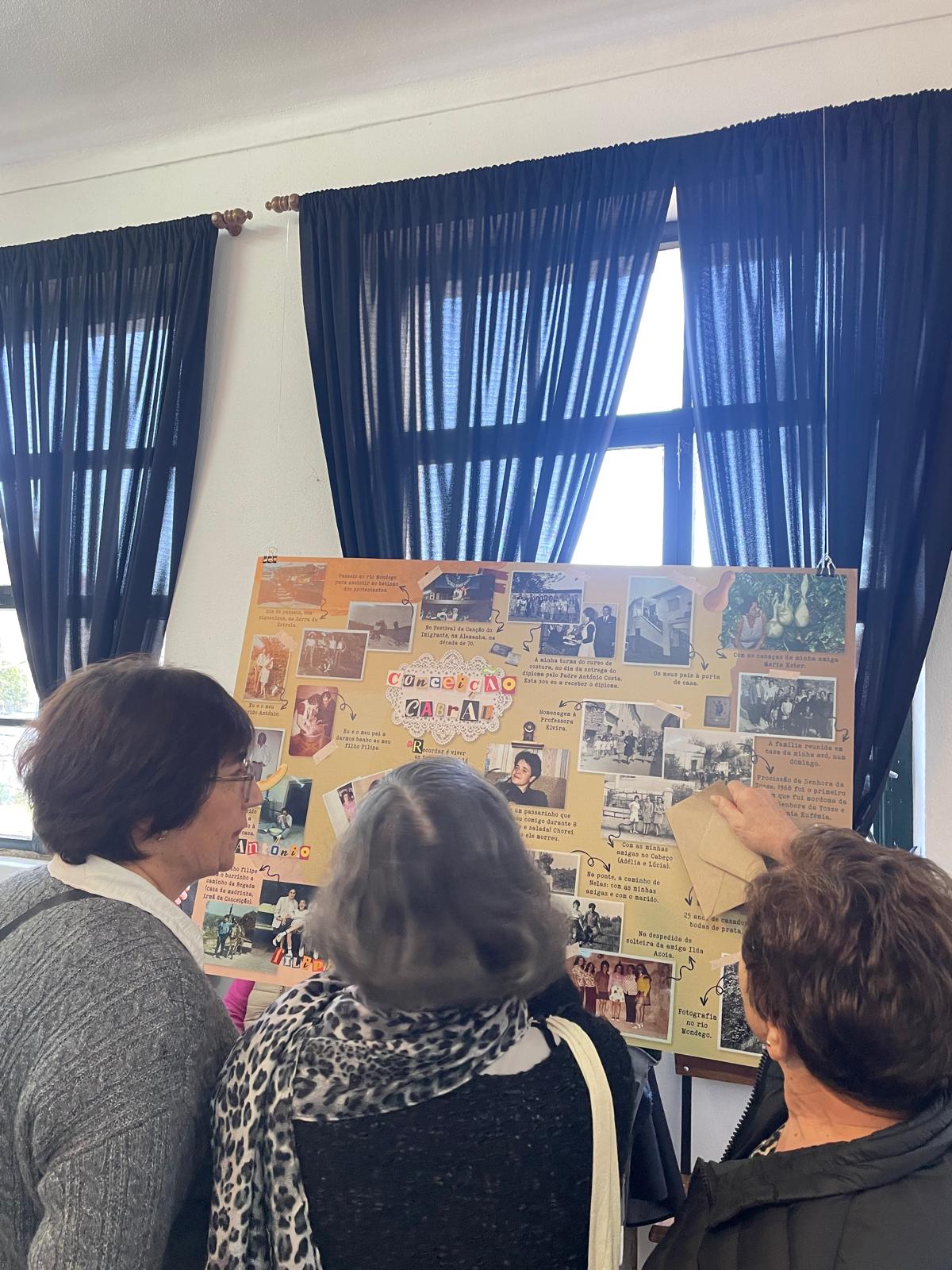
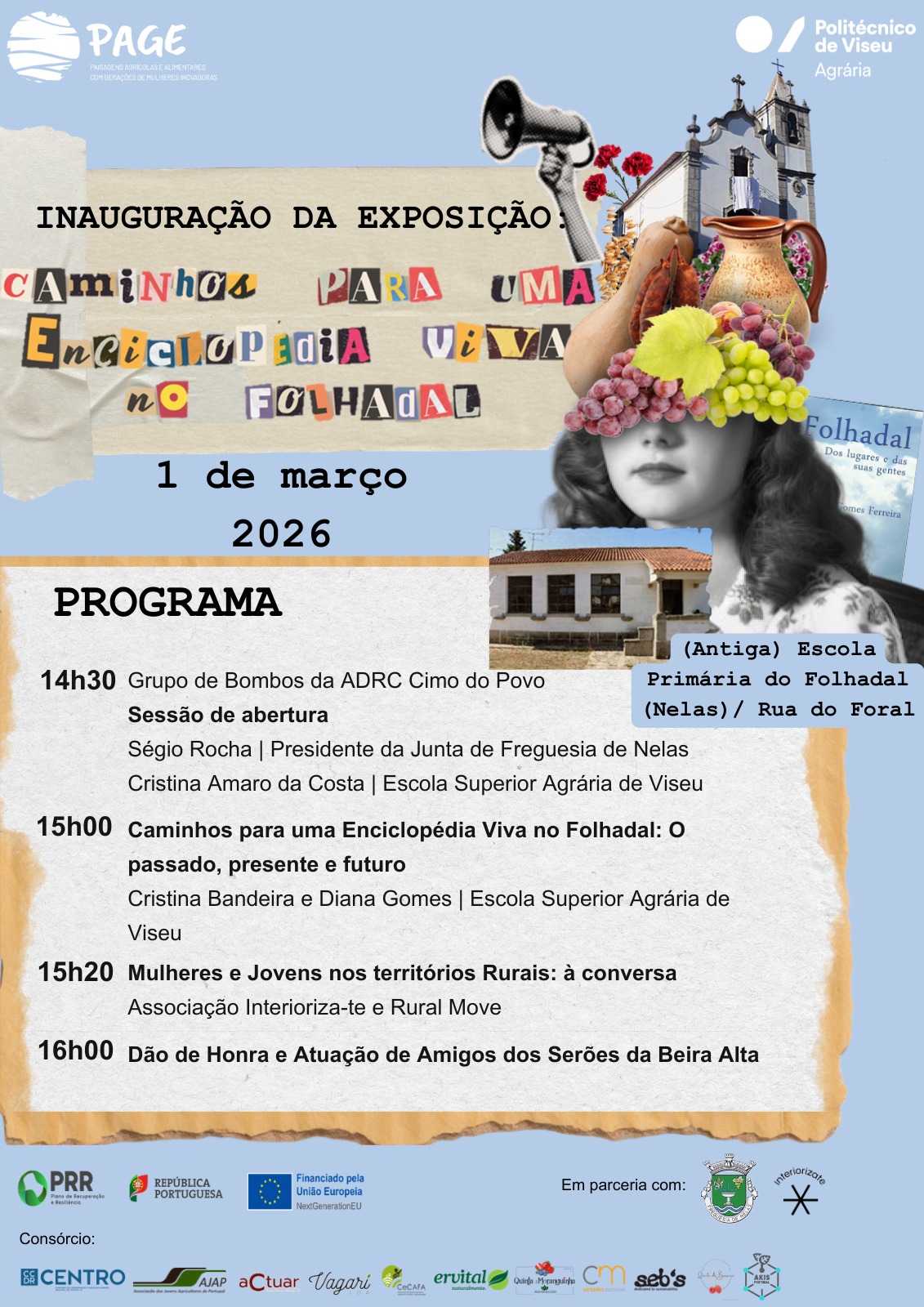
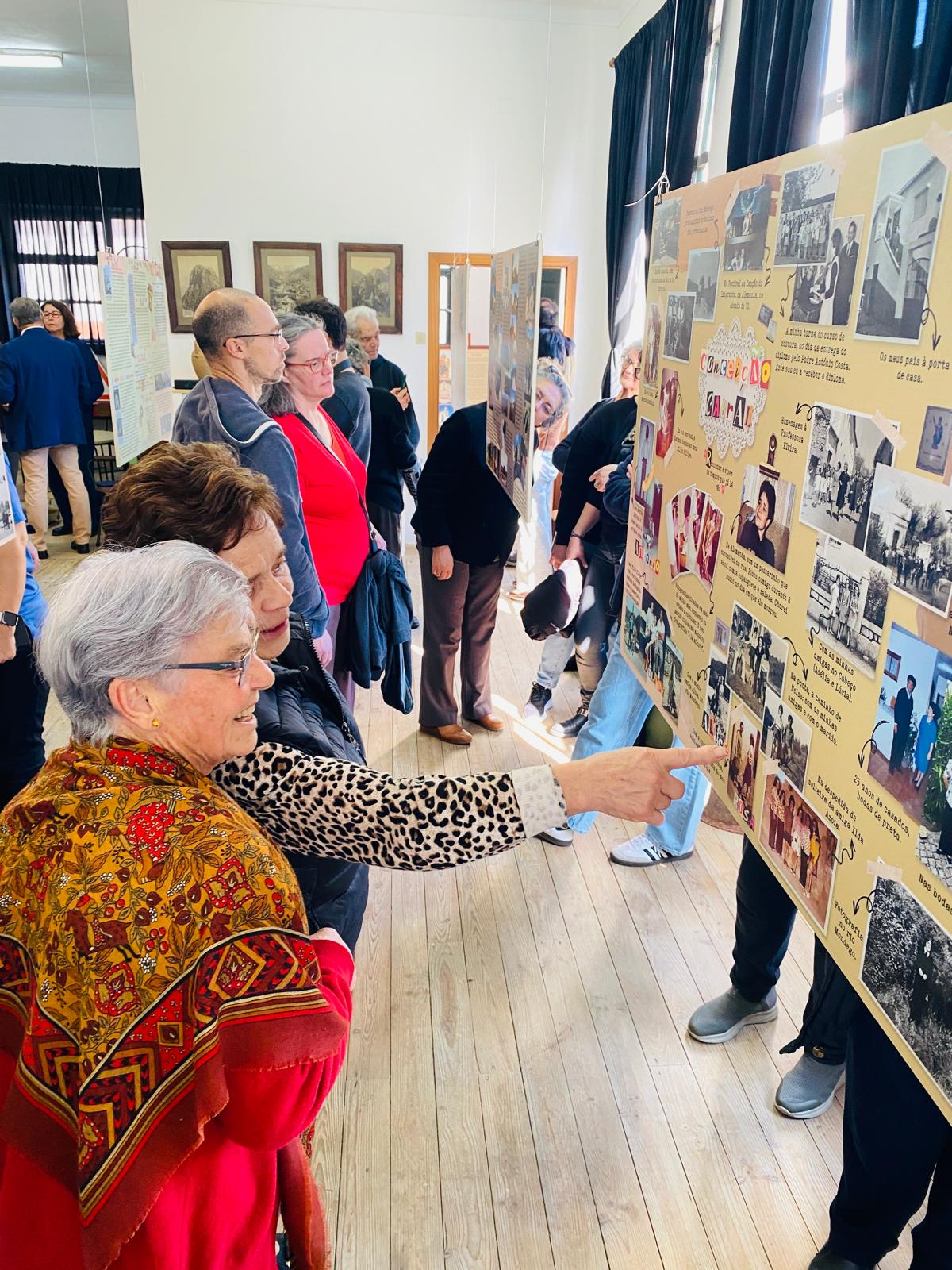
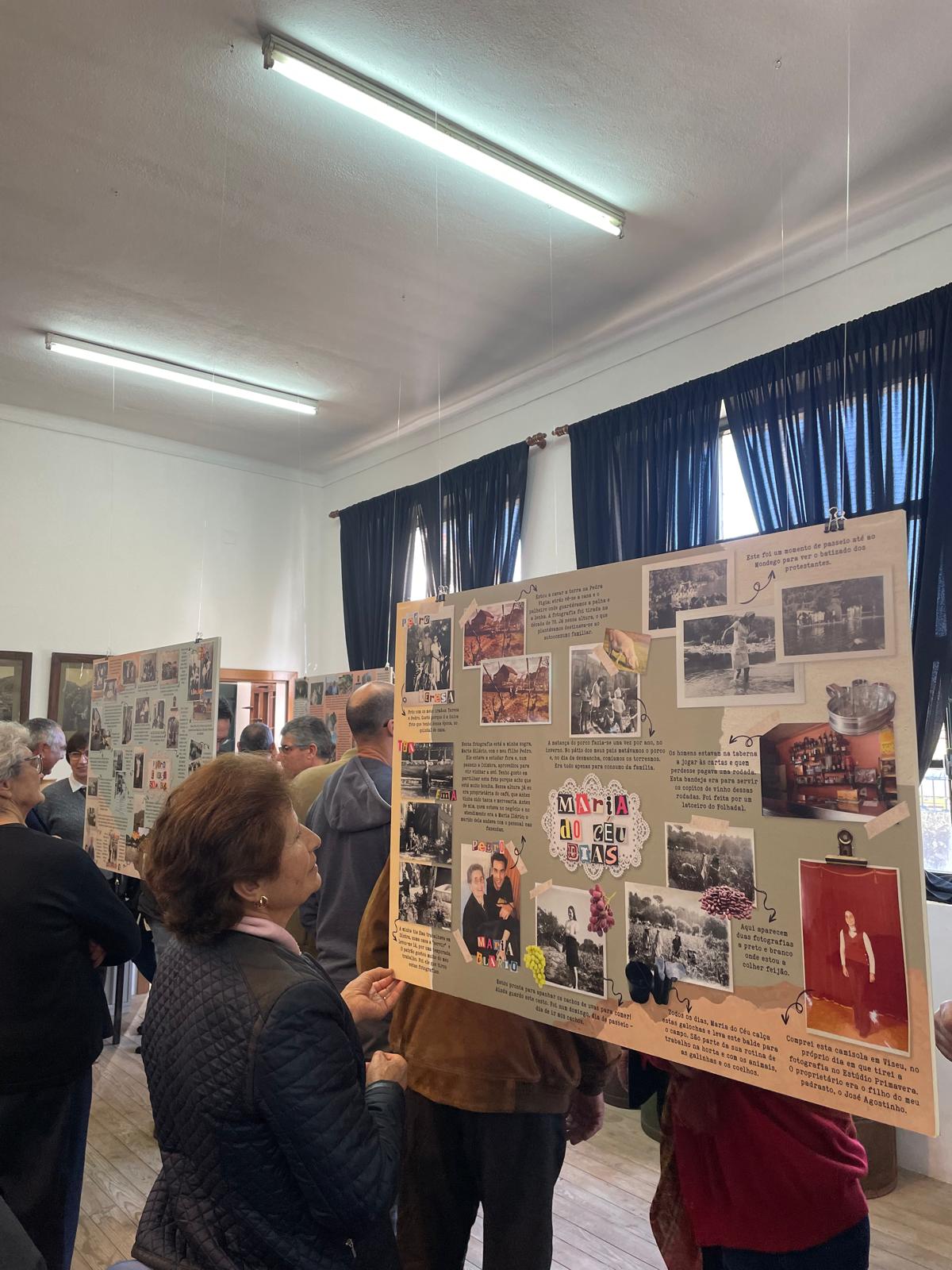
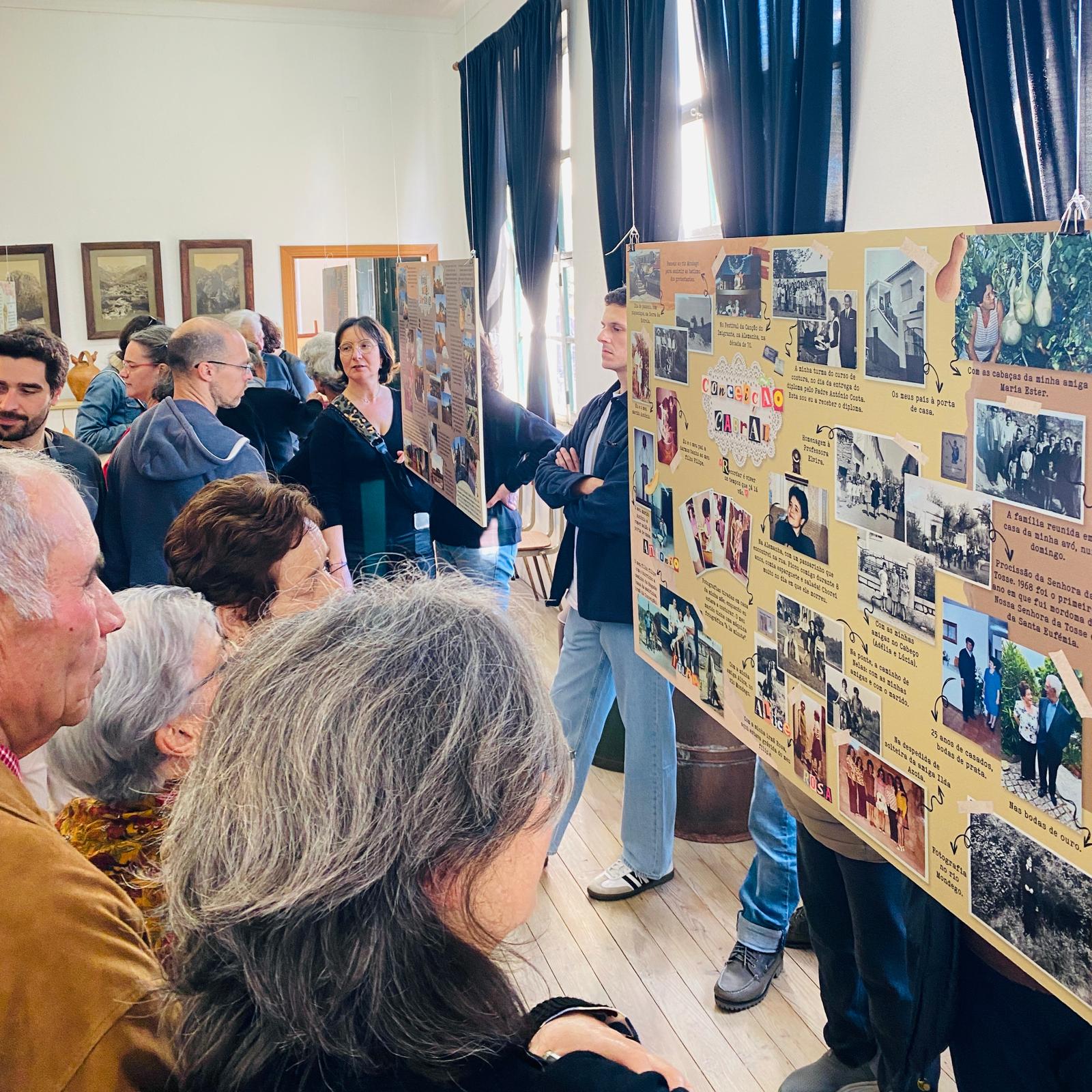
A key objective is to create an environment that reflects the identity of Folhadal and enhances people’s sensory, cultural and social experience. This is being pursued through a community-led process in which residents help shape the space, its uses, stories, symbols and atmosphere. Design is understood not as an external intervention, but as a cultural and relational process rooted in local knowledge and everyday life. A central example is the gourd (cabaça), used as a symbol of biocultural memory. In the local context, it is a seed, a food, a decorative object, a container and a representation of care, continuity and resourcefulness. CoMemory will promote initiatives that connect design with new interpretations and uses of such objects, linking tradition with creativity and contemporary approaches. The initiative will also include the exhibition “Paths for a Living Encyclopaedia” in Folhadal, based on photographs collected through photo-elicitation using residents’ personal archives. This process will valorise everyday memory, family histories and local heritage while creating a shared cultural experience rooted in community visual narratives. CoMemory enhances quality of experience through intergenerational learning, storytelling, food-related practices and cultural activities that make the space inclusive and memorable. It is exemplary in showing that rural regeneration is not only about infrastructure, but also about culture, care and belonging. By combining adaptive reuse, participatory design, visual memory and biocultural symbols, it offers a replicable model rooted in local identity and creative reinterpretation.
CoMemory approaches inclusion as a practical, social and cultural principle. Its key objective is to transform a former school in Folhadal into an accessible, welcoming and affordable community space where different generations, especially those often excluded from decision-making, can participate, share knowledge and feel represented. The initiative is particularly attentive to older women as guardians of local memory and everyday knowledge, while also engaging young people, children and families in intergenerational exchange. A central inclusion objective already being met is the creation of a community-led governance model, in which local residents are not passive beneficiaries but active contributors to the shaping of the space, its uses and its cultural meaning. Through participatory activities, storytelling, photo-elicitation and the curation of objects, memories and personal archives, the initiative values different voices, lived experiences and forms of knowledge that are often overlooked in formal development processes. Inclusion is also being addressed through the adaptive reuse of a public building that will remain rooted in community use, helping to ensure affordability and local accessibility. The project promotes a space that is open, familiar and meaningful for residents, rather than dependent on external or exclusive cultural formats. Its design principles are based on simplicity, shared use, care, intergenerational participation and cultural relevance, aligning with a “design for all” perspective grounded in everyday life. Looking ahead, CoMemory will continue to strengthen inclusive governance, broaden participation in decision-making, and develop activities that make heritage, food knowledge and cultural memory accessible to different age groups and social profiles. This initiative proposes a new societal model for rural regeneration: one based on care, shared ownership, intergenerational and the recognitions local knowledge especially women’s.
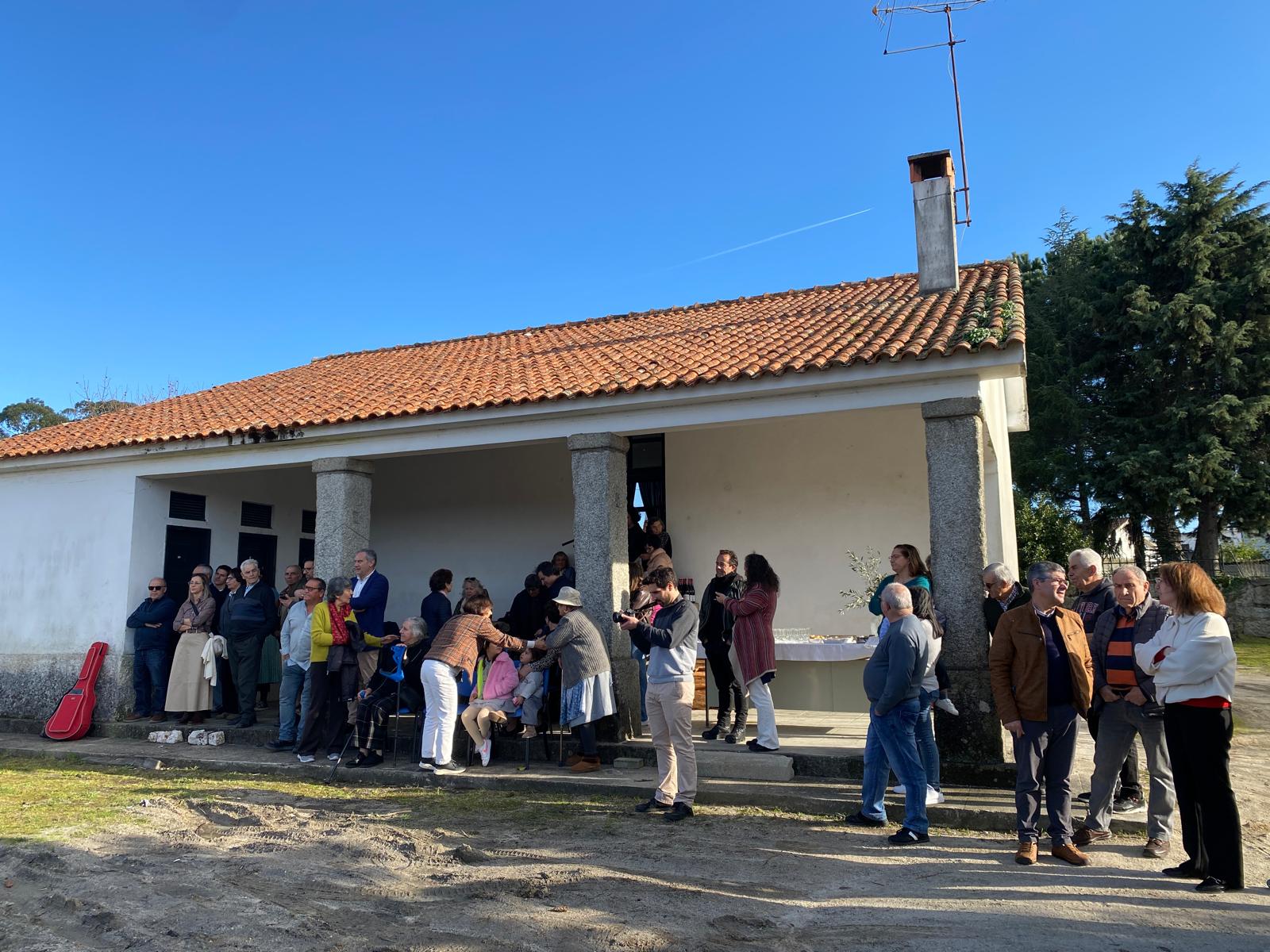
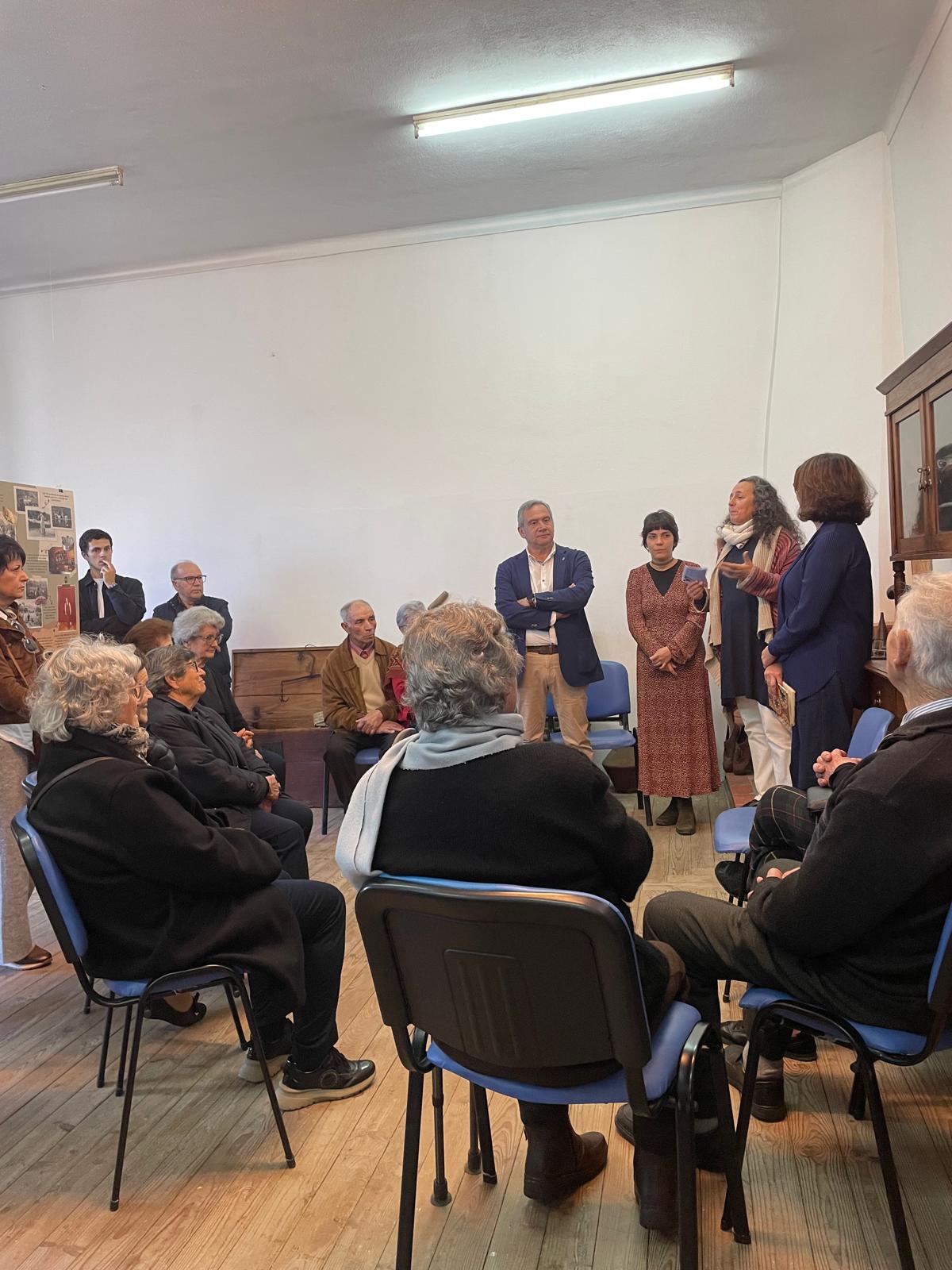
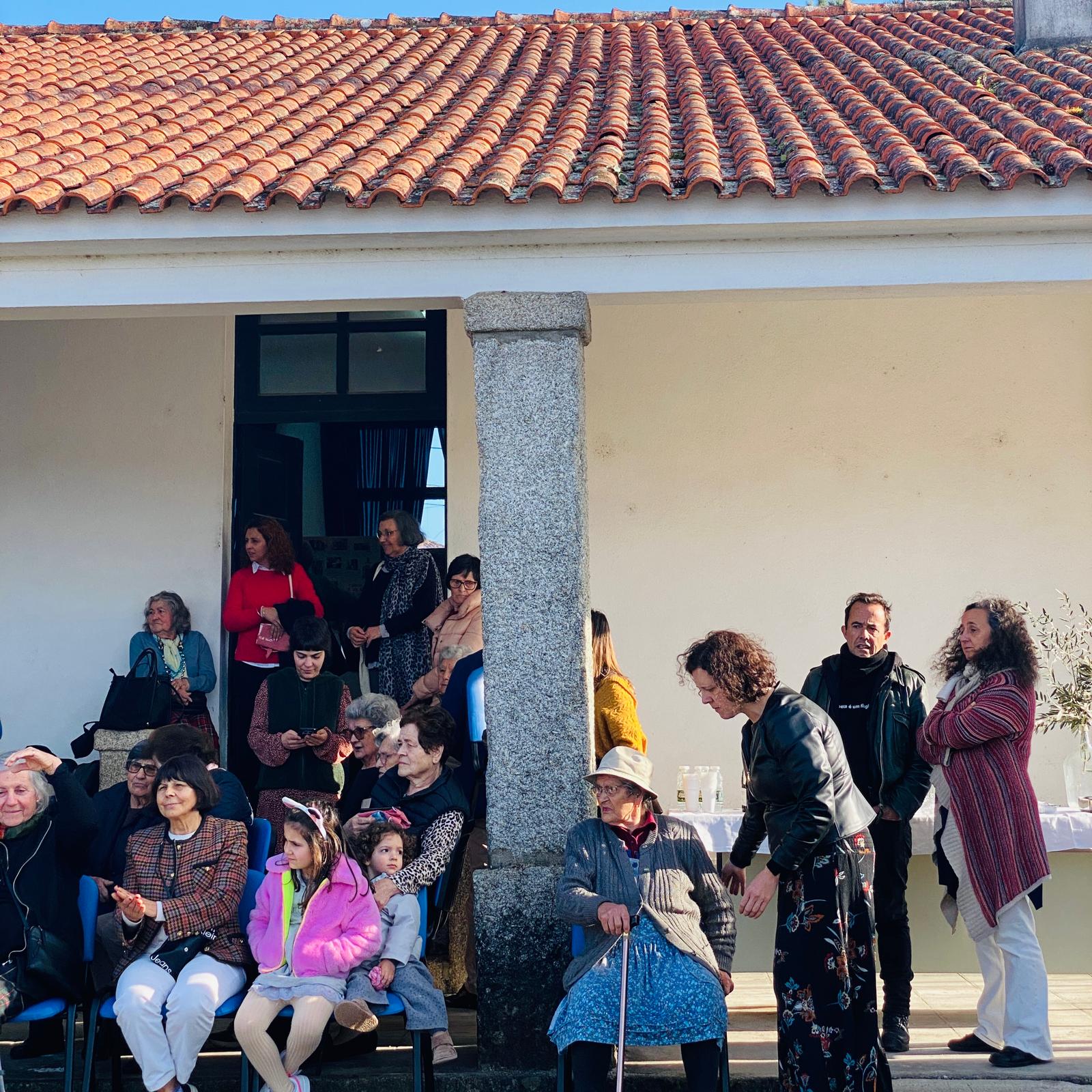
CoMemory is being developed through a participatory approach in which citizens and civil society are not only beneficiaries, but active contributors. Local residents, especially women, older people, young people, children and families, have been involved through dialogue, storytelling, photo-elicitation, the sharing of personal archives, and the collective interpretation of objects, memories and local practices. Their involvement helps shape both the meaning of the space and the activities it will host. A key dimension has been the promotion of women’s participation in spaces of voice and recognition, making visible forms of knowledge often undervalued in rural contexts. This includes lace-making, Arraiolos-style embroidery, food practices, care knowledge, and the use of traditional and sustainable materials. The initiative has also encouraged intergenerational exchange, helping older and younger people share knowledge, strengthen social ties and combat isolation. It supports intergenerational education and reconnects younger generations with environmental values, local food knowledge and agricultural landscapes. Activities such as composting, water management and other sustainable practices are part of this process. CoMemory also promotes inclusion through cultural and educational actions, including a library corner created in the school to encourage reading, learning and informal gathering. It values local heritage as a whole, from crafts and domestic objects to food traditions and the wider agricultural and food landscapes. Civil society actors, including local associations and community networks, help mobilise participation, connect resources and support continuity. Their involvement strengthens the project’s ability to reach new publics, open new markets and create visibility linked to heritage, culture and responsible tourism.
CoMemory is being developed through the engagement of stakeholders at local, regional, national and European levels, each contributing to the initiative’s design, implementation and future transferability.
At the local level, the main actors are residents of Folhadal, especially older women as holders of memory and traditional knowledge, as well as young people, children, families and local associations. They play a high-level role as co-creators of the initiative, helping define the meaning of the space, identify priorities, share stories, photographs, objects and practices, and shape activities linked to heritage, learning and community life. The Parish Council plays a key operational role by supporting the use of the former school building, logistics and local coordination. Their engagement ensures local ownership, legitimacy and relevance. At the regional level, schools, civil society organisations, researchers and other territorial actors contribute to participatory activities, educational actions and the connection between community knowledge, culture, sustainability and rural development. Their role is to support implementation, strengthen intergenerational learning and widen the initiative’s social and territorial impact. The added value of their involvement lies in building bridges between local experience and wider regional strategies. At the national level, the initiative connects with broader debates on rural regeneration, gender equality, heritage, sustainability and community participation. Academic and civil society partners help frame the project within wider knowledge and policy discussions, strengthening its methodological basis and visibility. Their involvement supports credibility, dissemination and the possibility of influencing other territories. At the European level, CoMemory aligns with New European Bauhaus values and offers a replicable model for rural areas facing depopulation, ageing and heritage loss.
At the local level, the main actors are residents of Folhadal, especially older women as holders of memory and traditional knowledge, as well as young people, children, families and local associations. They play a high-level role as co-creators of the initiative, helping define the meaning of the space, identify priorities, share stories, photographs, objects and practices, and shape activities linked to heritage, learning and community life. The Parish Council plays a key operational role by supporting the use of the former school building, logistics and local coordination. Their engagement ensures local ownership, legitimacy and relevance. At the regional level, schools, civil society organisations, researchers and other territorial actors contribute to participatory activities, educational actions and the connection between community knowledge, culture, sustainability and rural development. Their role is to support implementation, strengthen intergenerational learning and widen the initiative’s social and territorial impact. The added value of their involvement lies in building bridges between local experience and wider regional strategies. At the national level, the initiative connects with broader debates on rural regeneration, gender equality, heritage, sustainability and community participation. Academic and civil society partners help frame the project within wider knowledge and policy discussions, strengthening its methodological basis and visibility. Their involvement supports credibility, dissemination and the possibility of influencing other territories. At the European level, CoMemory aligns with New European Bauhaus values and offers a replicable model for rural areas facing depopulation, ageing and heritage loss.
CoMemory is informed by an interdisciplinary approach that brings together sociology, agronomy, biology, nutrition, cultural heritage, community development and environmental education. A key contribution comes from the multidisciplinary team of the Viseu Agricultural School, whose expertise helps connect social research, agroecological knowledge, food practices, biodiversity and rural sustainability in the design and implementation of the initiative. This dialogue between disciplines has been strengthened through agroecological field schools, which brought academic knowledge into direct interaction with the experiential knowledge of local farmers. These activities created a space where scientific and local knowledge could be exchanged on equal terms, especially around agricultural practices, food systems, sustainability and rural livelihoods. This has been particularly important for recognising the value of farmers’ knowledge, including women’s knowledge, as a central resource for the initiative. The Folhadal Cultural Association also plays an important role by contributing its associative experience, local collective memory and documentary archives, and by making its space available for activities. Its participation strengthens the link between the initiative and the community’s cultural and organisational history, while supporting local mobilisation and continuity. Local political actors are also involved, particularly through the dissemination of activities and support for community engagement. They are expected to play a further role by promoting the project within the local educational community, including school clusters, helping to connect CoMemory with younger generations and formal learning contexts. The added value of this interdisciplinary process lies in its ability to combine academic, technical, cultural, civic and local knowledge in one shared initiative.
CoMemory is innovative because it goes beyond mainstream rural regeneration approaches that often focus on physical renovation, service delivery or heritage preservation in isolation. It also goes beyond the concept of a static museum, creating instead a living space in constant renewal, co-creation and future-making. The initiative combines adaptive reuse, community participation, gender-sensitive heritage work, agroecological knowledge, cultural activation and local development within one integrated model.
A distinctive feature of the project is that it treats a former school not simply as a building to be reused, but as an intergenerational space for learning, care, memory and community connection. Its innovation also lies in making visible the often overlooked knowledge of older women as custodians of food practices, care, agricultural know-how and biocultural memory.
Unlike more conventional actions, CoMemory does not approach heritage as a static asset or tourism as a purely economic tool. It promotes participatory curation, storytelling, photo-elicitation, personal archives, and the reinterpretation of everyday objects and symbols, such as the gourd, to create cultural value, belonging and new forms of engagement. Its innovative character therefore lies in proposing a low-cost, participatory, gender-aware and environmentally responsible model for rural regeneration, rooted in local culture and designed to remain alive.
A distinctive feature of the project is that it treats a former school not simply as a building to be reused, but as an intergenerational space for learning, care, memory and community connection. Its innovation also lies in making visible the often overlooked knowledge of older women as custodians of food practices, care, agricultural know-how and biocultural memory.
Unlike more conventional actions, CoMemory does not approach heritage as a static asset or tourism as a purely economic tool. It promotes participatory curation, storytelling, photo-elicitation, personal archives, and the reinterpretation of everyday objects and symbols, such as the gourd, to create cultural value, belonging and new forms of engagement. Its innovative character therefore lies in proposing a low-cost, participatory, gender-aware and environmentally responsible model for rural regeneration, rooted in local culture and designed to remain alive.
CoMemory is grounded in a participatory and community-based methodology inspired by Paulo Freire’s dialogical pedagogy, especially as developed in Pedagogy of the Oppressed (English edition, 1970), where knowledge is built through dialogue, critical reflection and the active role of learners. In this perspective, the community is not treated as a passive recipient, but as a producer of knowledge. This is particularly important for valuing the voices of women, older people and other groups whose everyday knowledge is often overlooked. The initiative also draws on Rogério Roque Amaro’s approach to community development, which frames development as an integrated process combining social, cultural, economic, environmental and political dimensions rather than a purely economic one. This perspective is reflected in Amaro’s work from 2003 and in Desenvolvimento Comunitário: Das Teorias às Práticas (2009). In CoMemory, this means mobilising local resources, relationships, spaces, memories and collective capacities to create sustainable and inclusive local development. A third key reference is the concept of biocultural memory, developed by Víctor M. Toledo and Narciso Barrera-Bassols in La memoria biocultural (2008). This concept highlights the deep relationship between culture, biodiversity, memory and traditional knowledge, and is especially relevant for understanding how food practices, agricultural knowledge, landscapes, objects and everyday care are part of a living heritage. In practice, these references are reflected in dialogue-based activities, storytelling, photo-elicitation, personal archives, participatory curation of objects and memories, and intergenerational learning. This approach combines critical pedagogy, community development and biocultural heritage into one methodology rooted in participation, local knowledge and shared responsibility.
CoMemory has already completed an important first phase centred on trust-building and community process. A participatory relationship with residents and local actors has been established, creating the social basis for the initiative and ensuring that the project is rooted in local needs, memories and expectations. This community process already reflects the NEB working principles of participatory process, multi-level engagement and a transdisciplinary approach.
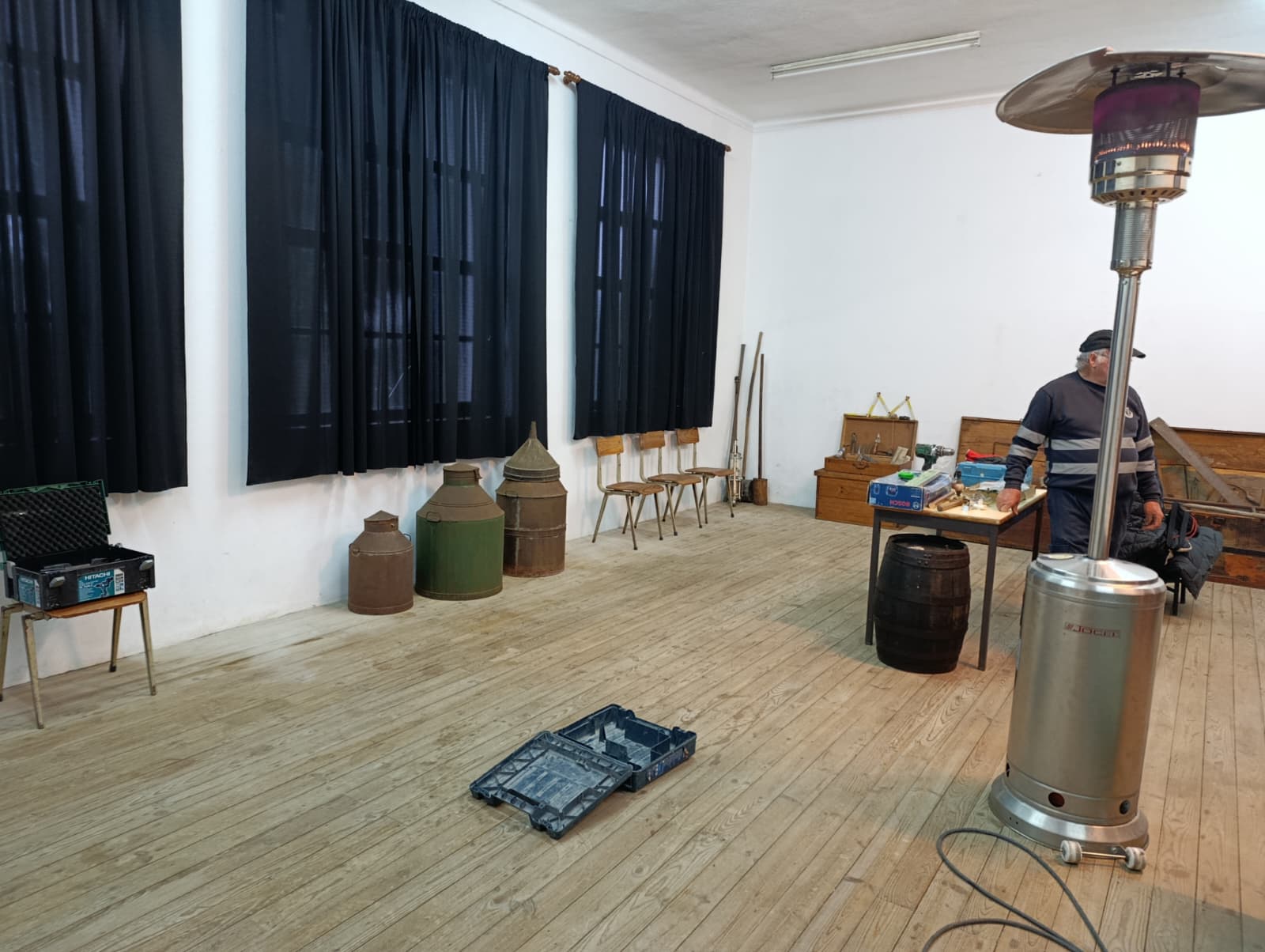
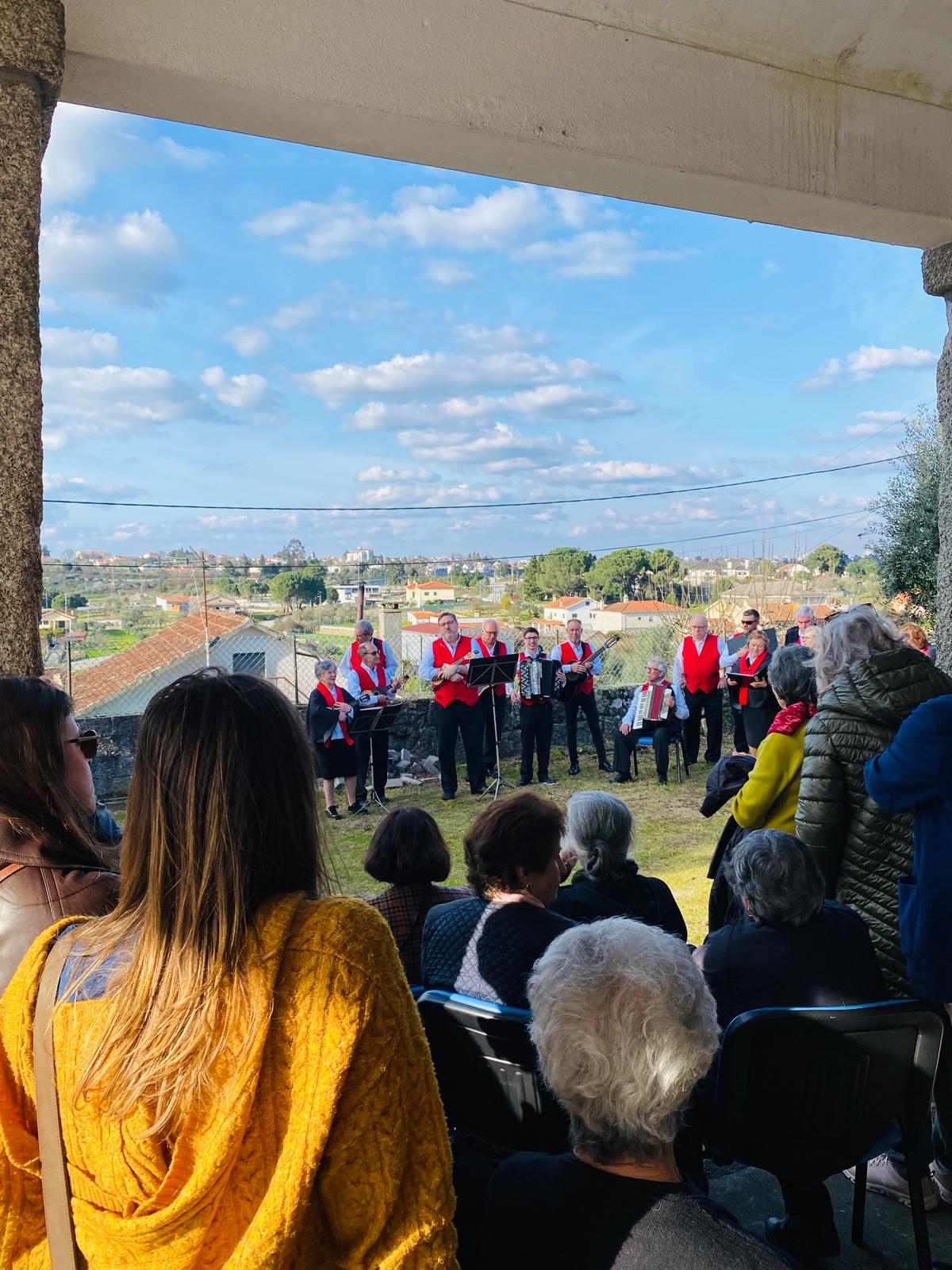
Building on this foundation, several actions have already been carried out: participatory curation of the former school; small-scale spatial improvements using reuse and local materials; intergenerational activities on memory, food knowledge, crafts and reading; the exhibition “Paths for a Living Encyclopaedia” based on photo-elicitation and personal archives; agroecological learning activities; and community events linking heritage, care, environmental awareness and local identity. These actions already embody the NEB core values of beautiful, sustainable and together by improving quality of experience, reusing an existing building and strengthening collective belonging.
The next phase will focus on consolidating and expanding what has already been initiated. The key steps are: (1) strengthen participatory governance of the space; (2) further improve accessibility, comfort and quality of experience through low-cost design solutions; (3) expand cultural, educational and agroecological programming; (4) deepen collaboration with schools, associations and local authorities; and (5) document methods, tools and lessons learned to support transferability. This follows the NEB ambition to connect sustainability, inclusion and beauty in concrete local transformations.
Building on this foundation, several actions have already been carried out: participatory curation of the former school; small-scale spatial improvements using reuse and local materials; intergenerational activities on memory, food knowledge, crafts and reading; the exhibition “Paths for a Living Encyclopaedia” based on photo-elicitation and personal archives; agroecological learning activities; and community events linking heritage, care, environmental awareness and local identity. These actions already embody the NEB core values of beautiful, sustainable and together by improving quality of experience, reusing an existing building and strengthening collective belonging.
The next phase will focus on consolidating and expanding what has already been initiated. The key steps are: (1) strengthen participatory governance of the space; (2) further improve accessibility, comfort and quality of experience through low-cost design solutions; (3) expand cultural, educational and agroecological programming; (4) deepen collaboration with schools, associations and local authorities; and (5) document methods, tools and lessons learned to support transferability. This follows the NEB ambition to connect sustainability, inclusion and beauty in concrete local transformations.
CoMemory is already grounded in a real local process, with a defined space, community involvement and institutional support. The next phase will focus on practical implementation: improving the space, organising a regular programme of cultural, educational and agroecological activities, strengthening collaboration with schools, associations and local authorities, and documenting the process for transfer to other rural areas.
So far, the initiative has incorporated the NEB values in practice: beauty through attention to identity, memory and quality of experience; sustainability through the reuse of an existing building and the use of local resources; and togetherness through shared participation and intergenerational involvement. It also reflects the NEB working principles of participatory process, multi-level engagement and transdisciplinary collaboration.
The key next steps are to: (1) strengthen participatory governance; (2) improve accessibility, comfort and usability of the space; (3) expand activities and partnerships; and (4) ensure continuity through local ownership and clear documentation. This will allow CoMemory to develop as a durable, inclusive and transferable rural initiative aligned with NEB values.
So far, the initiative has incorporated the NEB values in practice: beauty through attention to identity, memory and quality of experience; sustainability through the reuse of an existing building and the use of local resources; and togetherness through shared participation and intergenerational involvement. It also reflects the NEB working principles of participatory process, multi-level engagement and transdisciplinary collaboration.
The key next steps are to: (1) strengthen participatory governance; (2) improve accessibility, comfort and usability of the space; (3) expand activities and partnerships; and (4) ensure continuity through local ownership and clear documentation. This will allow CoMemory to develop as a durable, inclusive and transferable rural initiative aligned with NEB values.