Arts, Culture, and Heritage as Drivers of Change
Giant Micro Plastic
Giant Micro Plastic at Chiba City Arts Triennale 2025
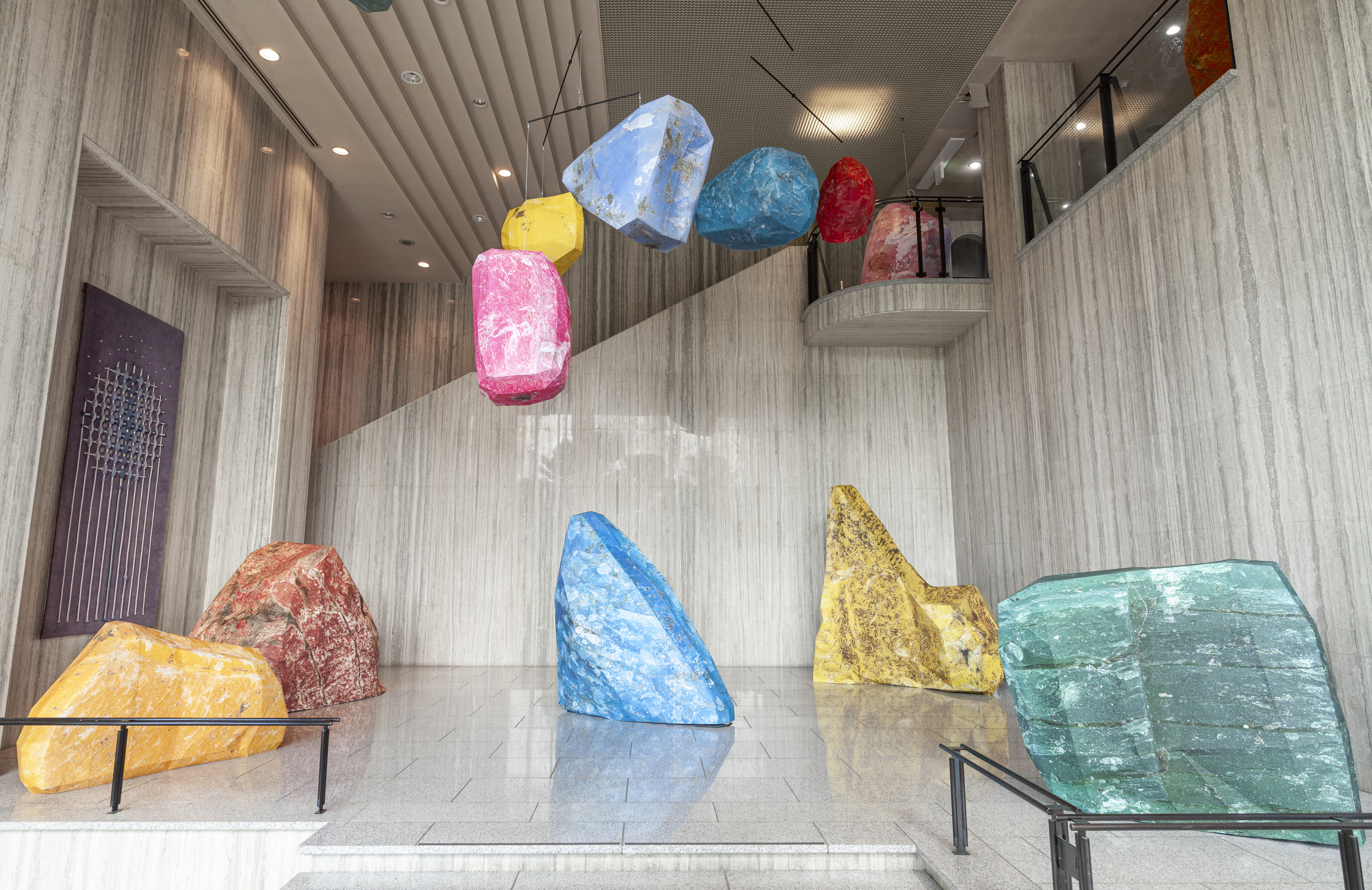
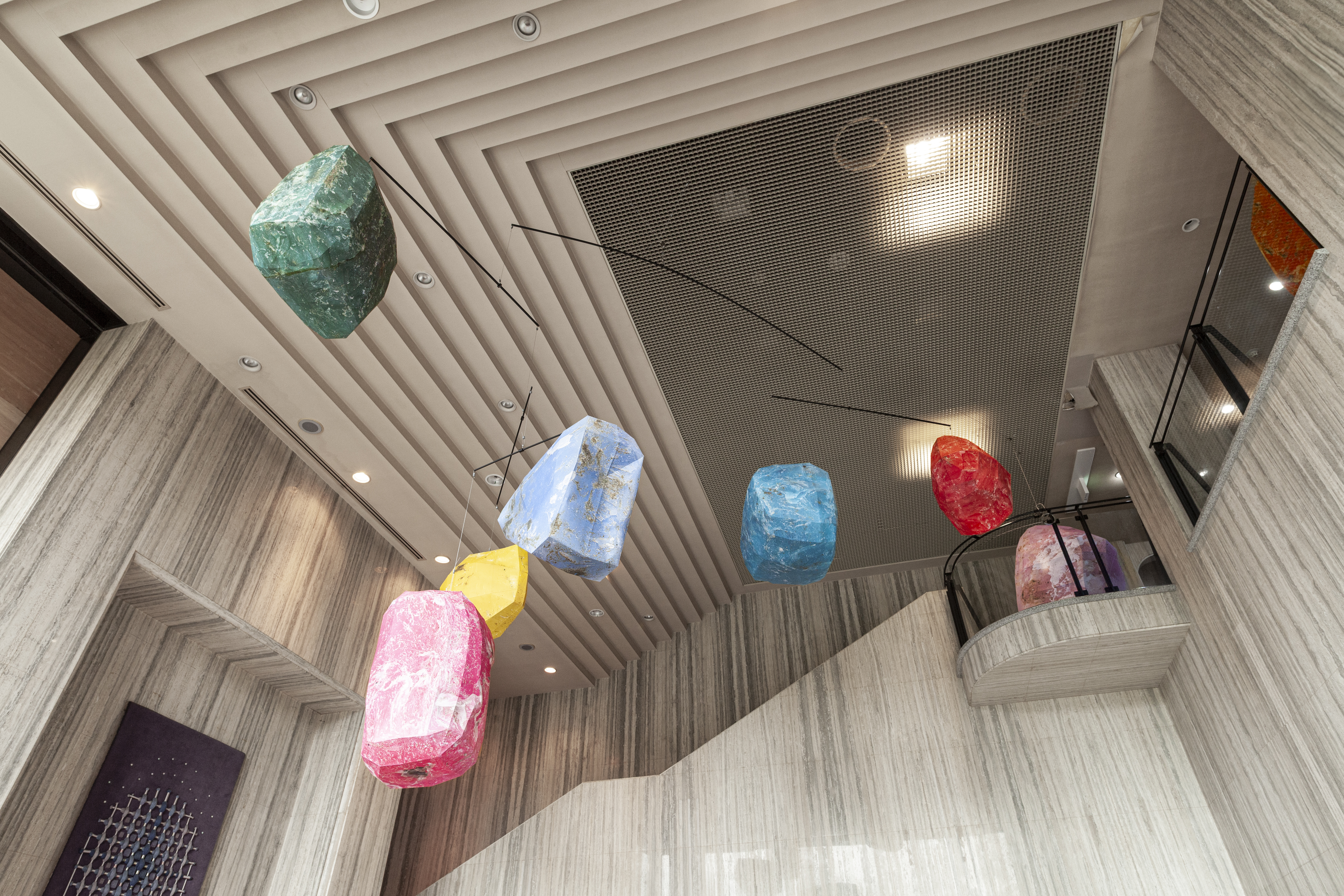
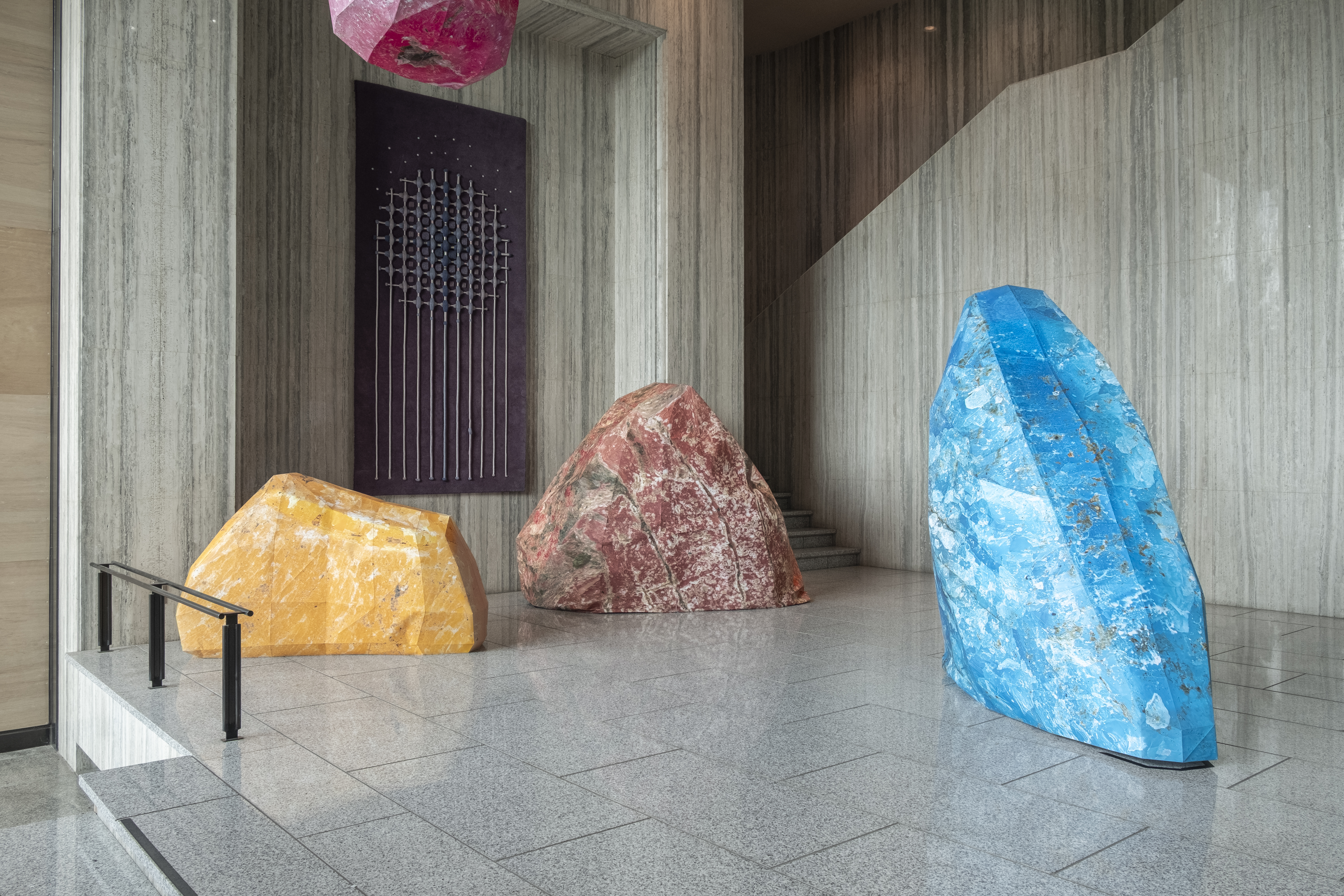
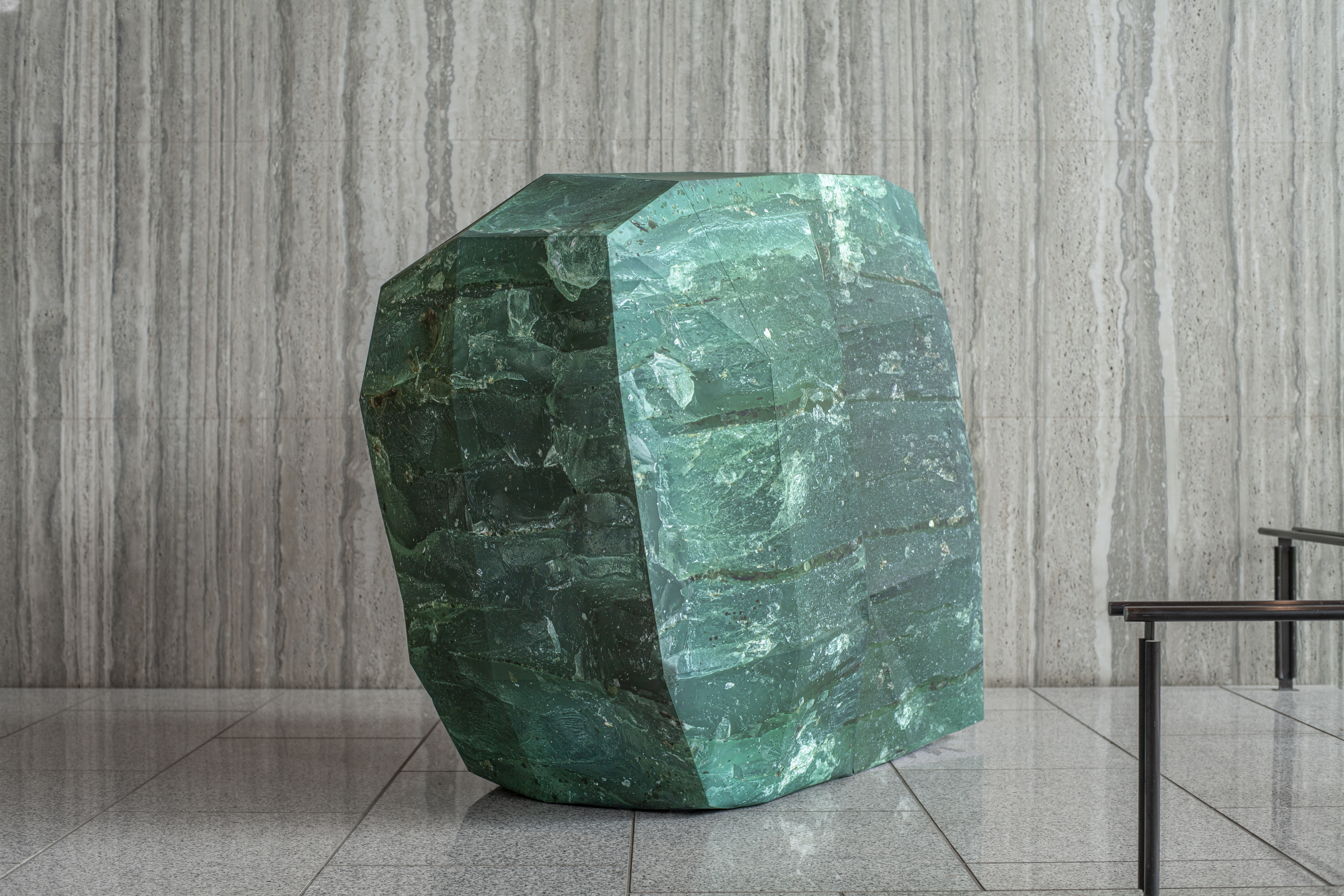
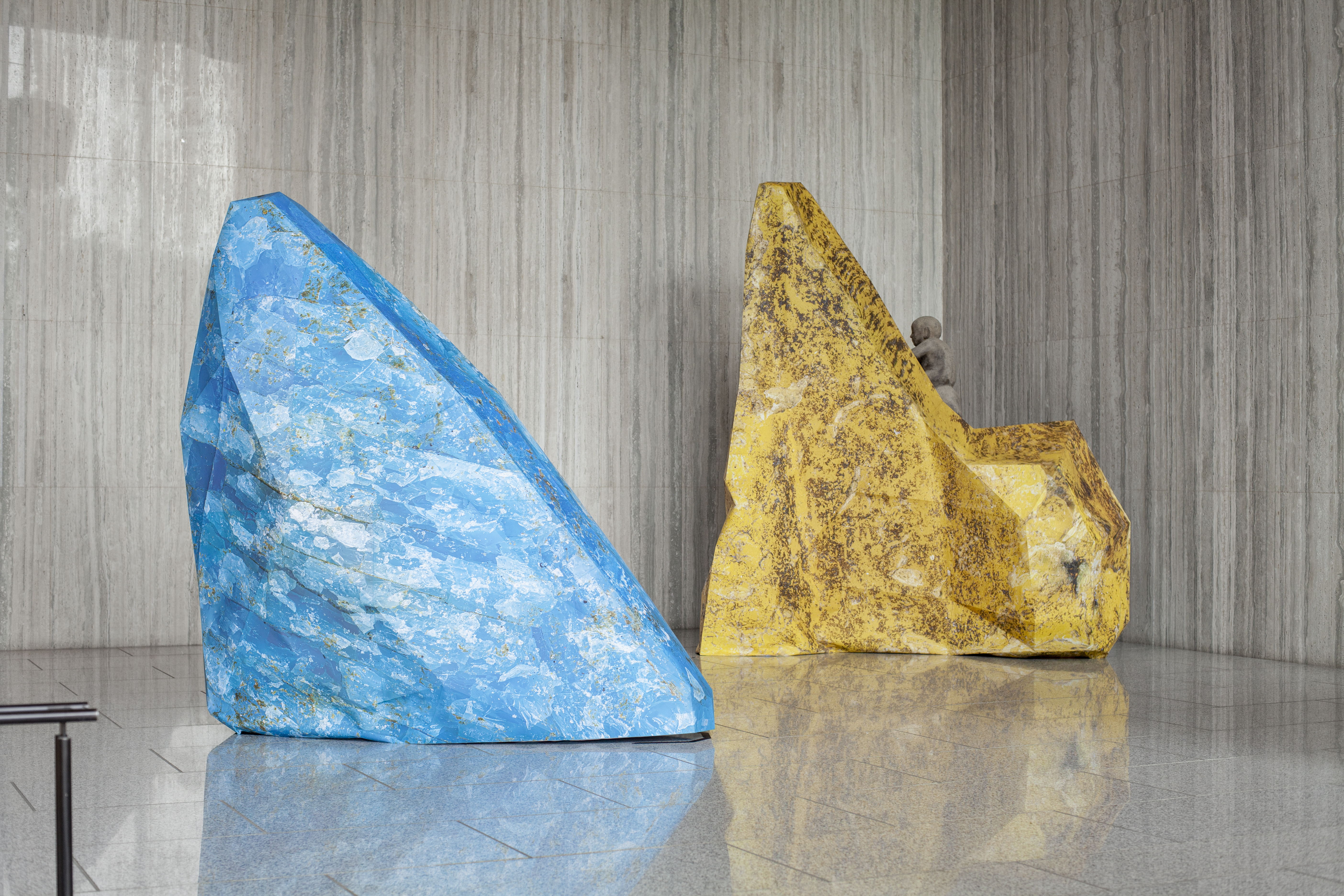
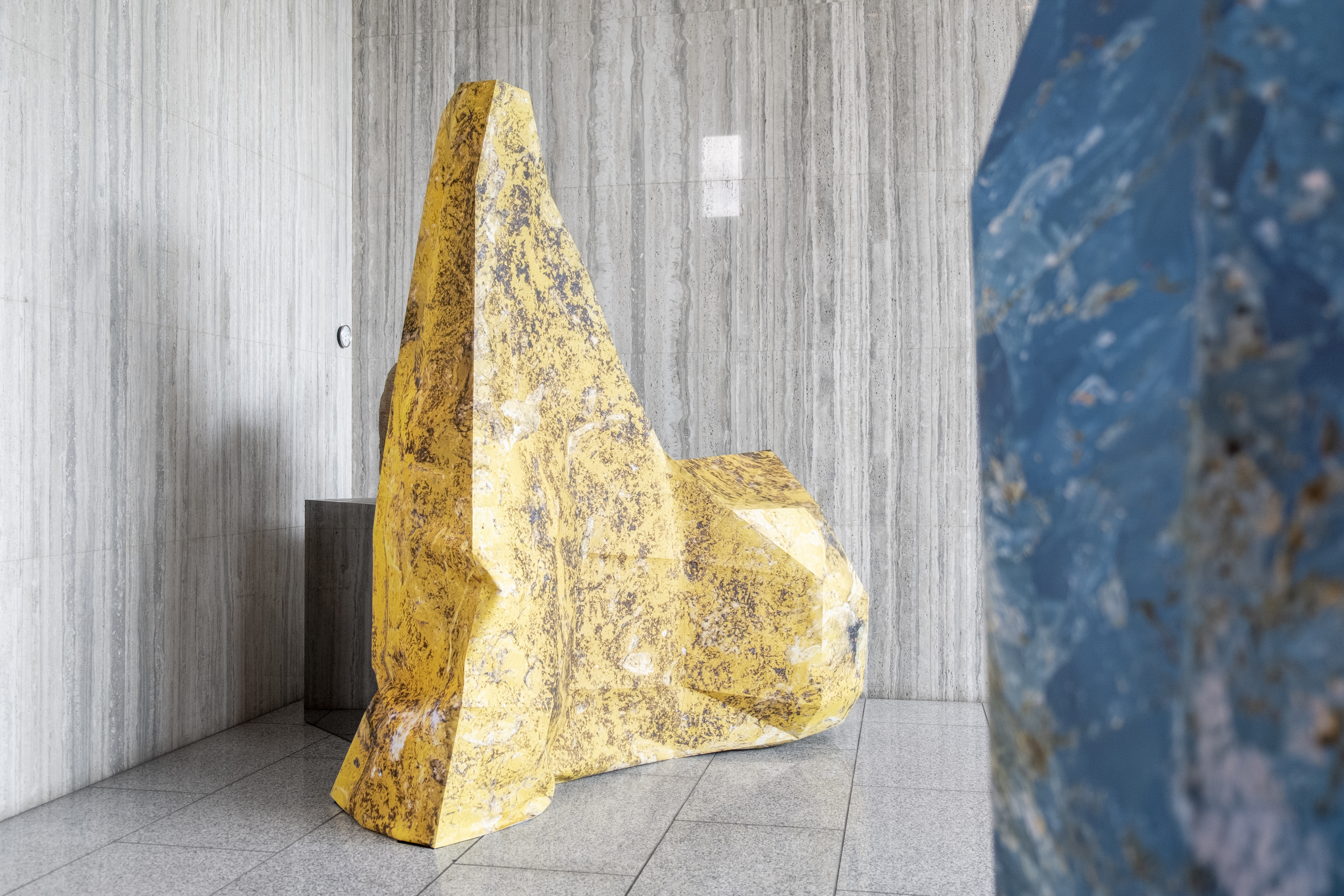
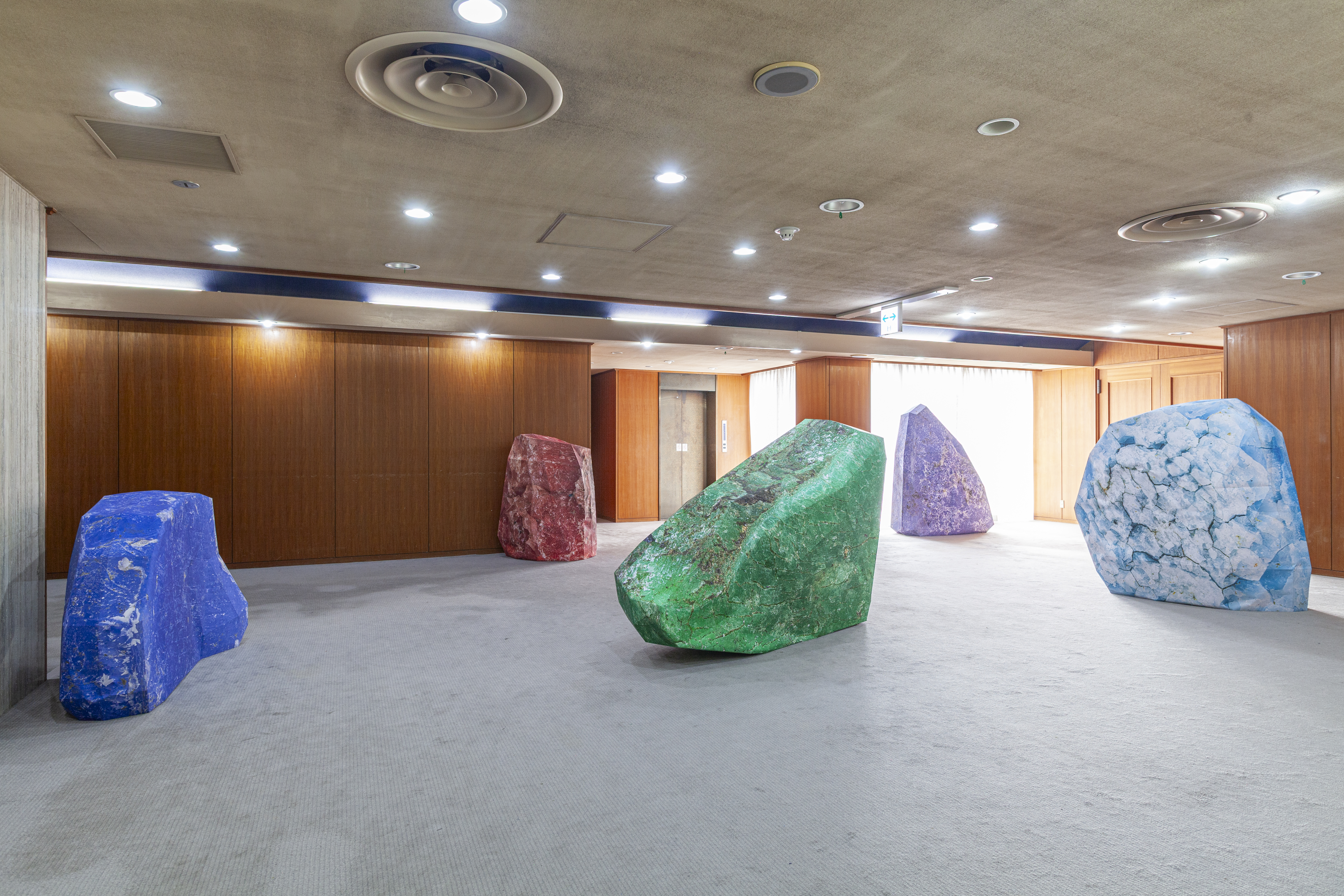
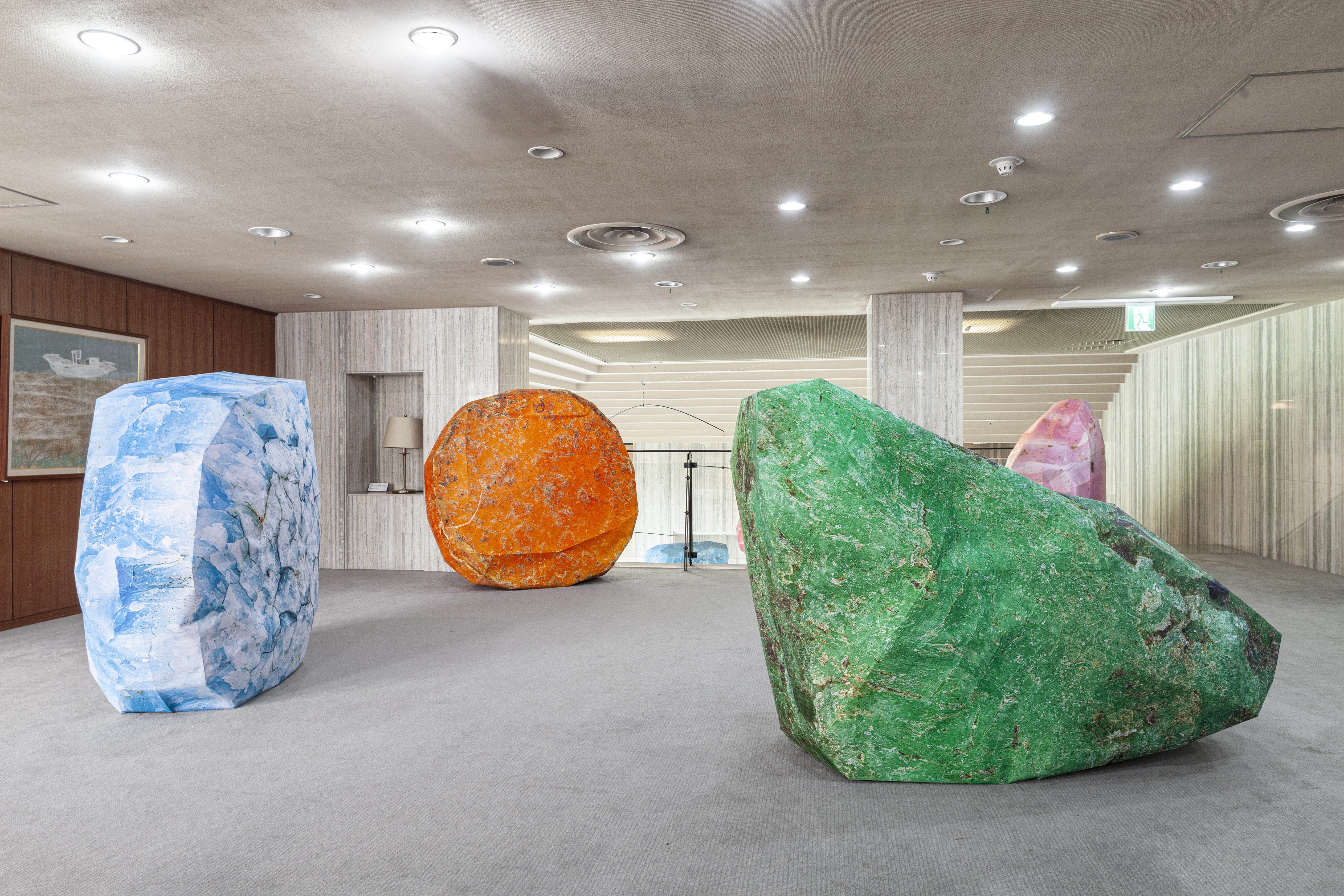
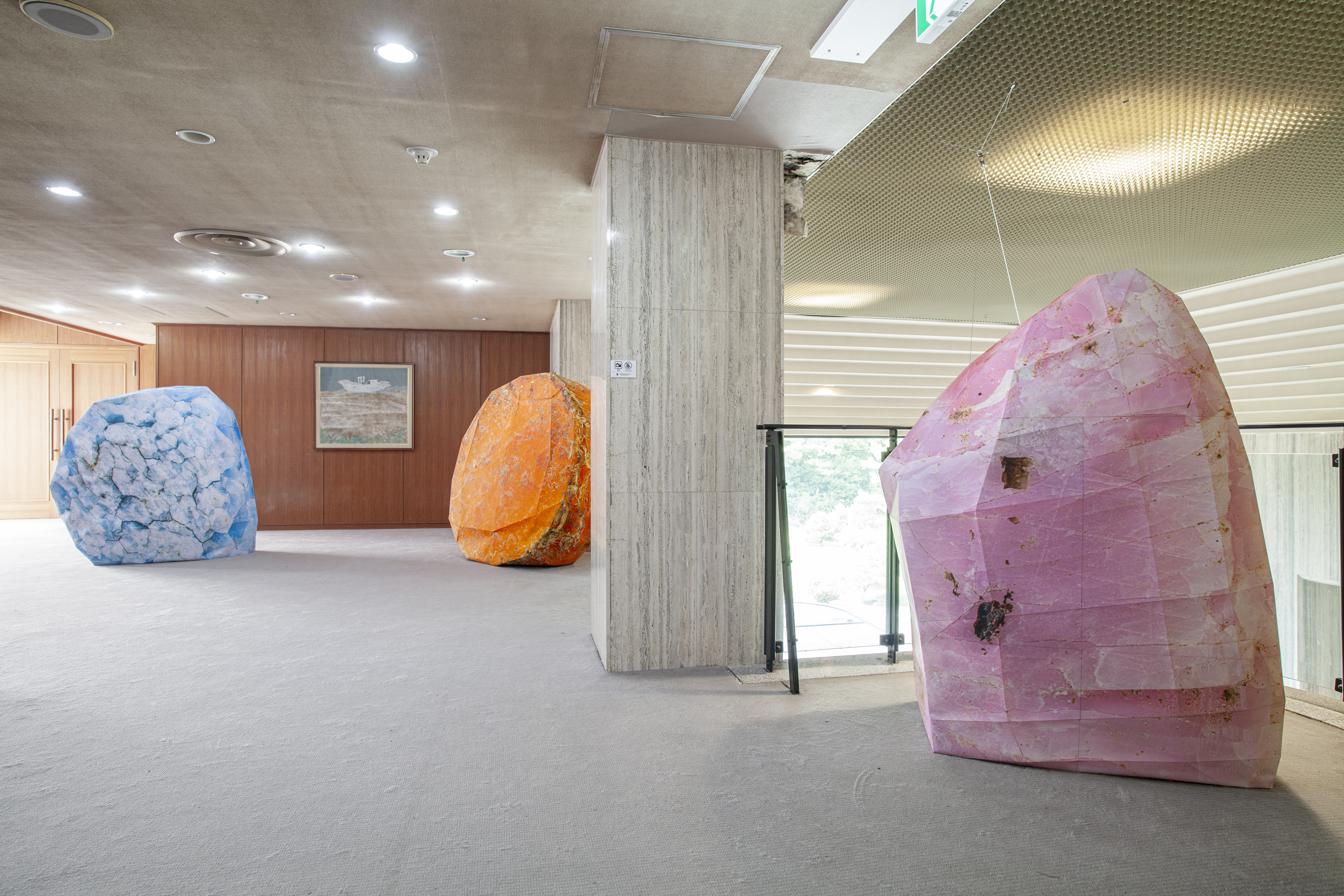
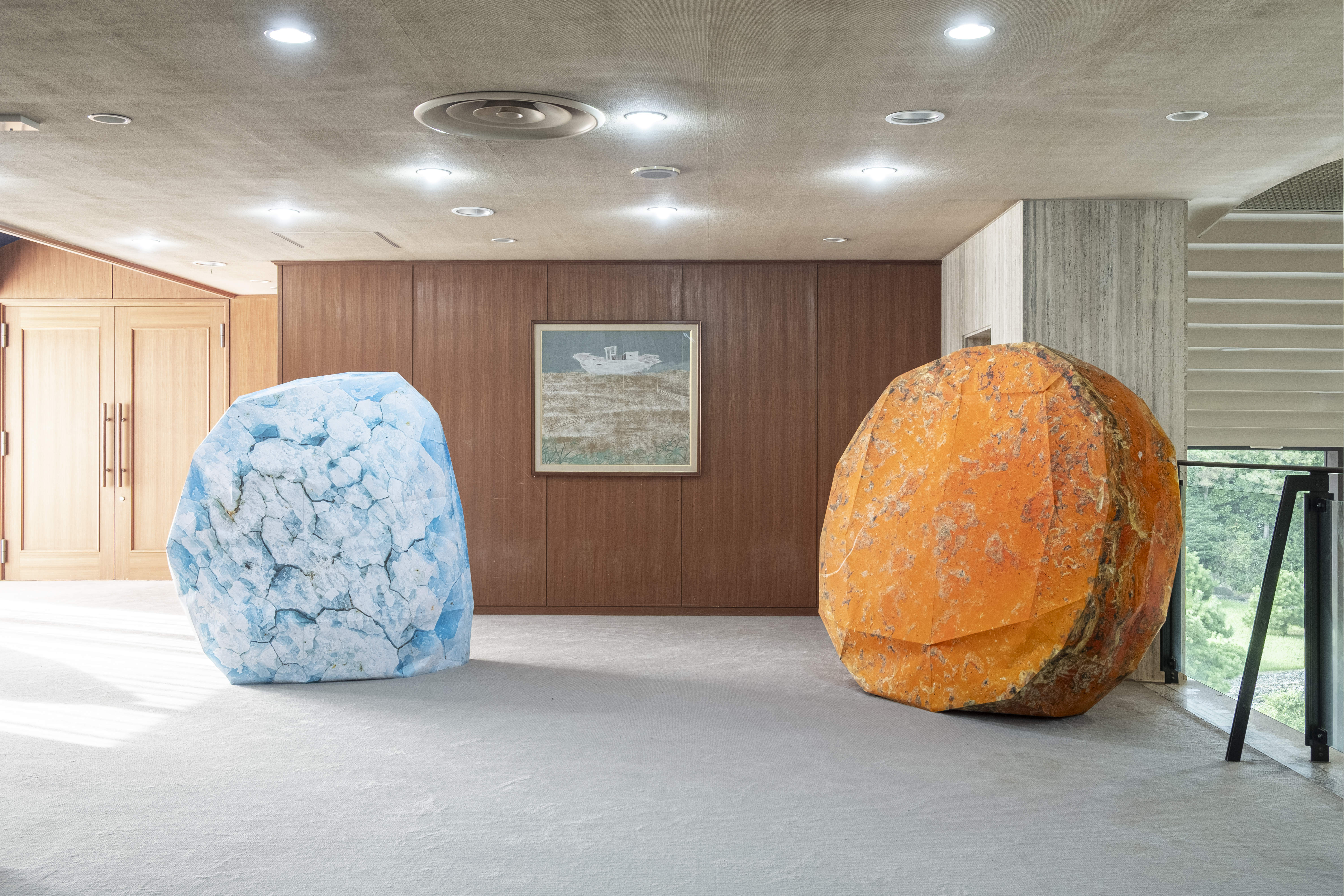
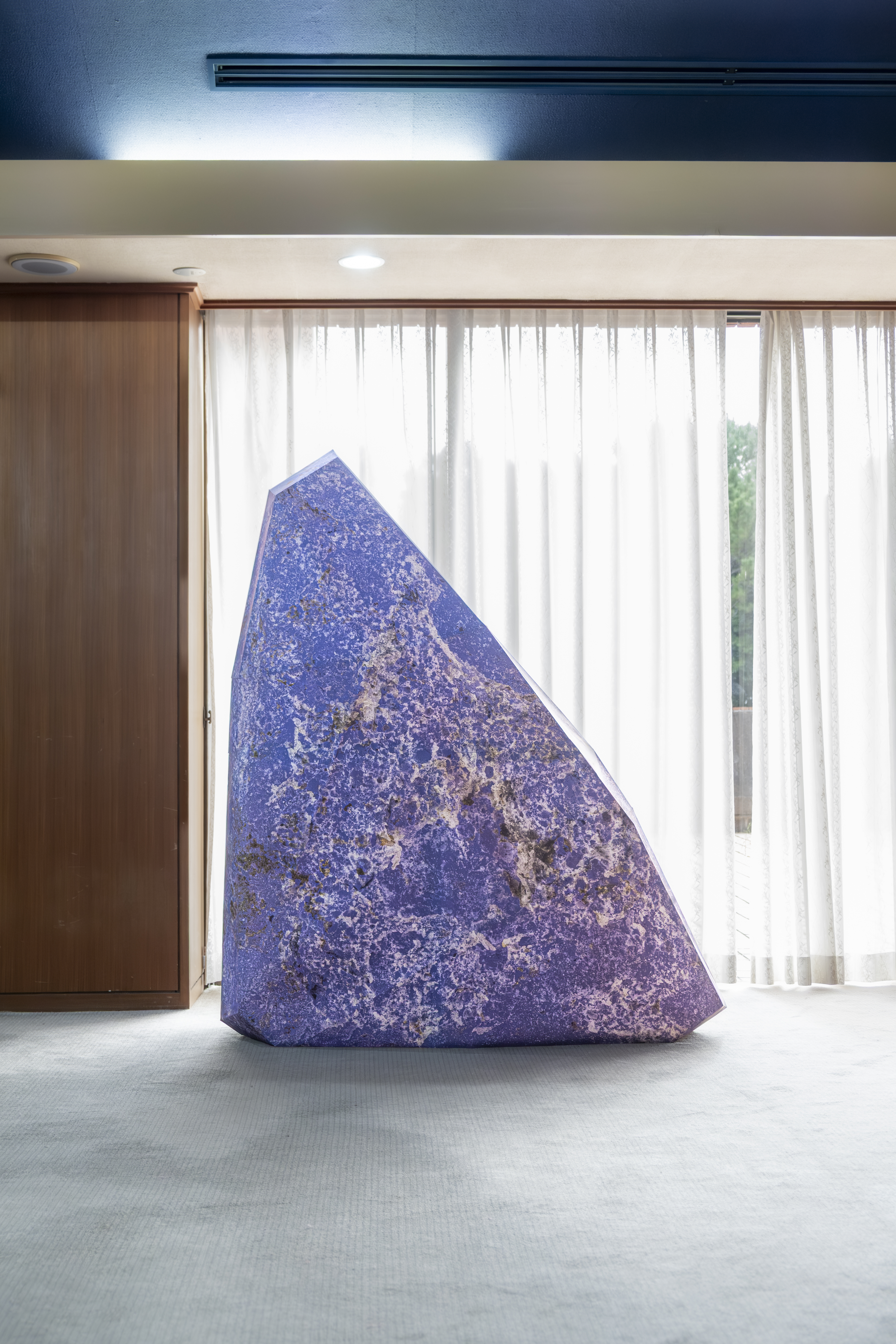
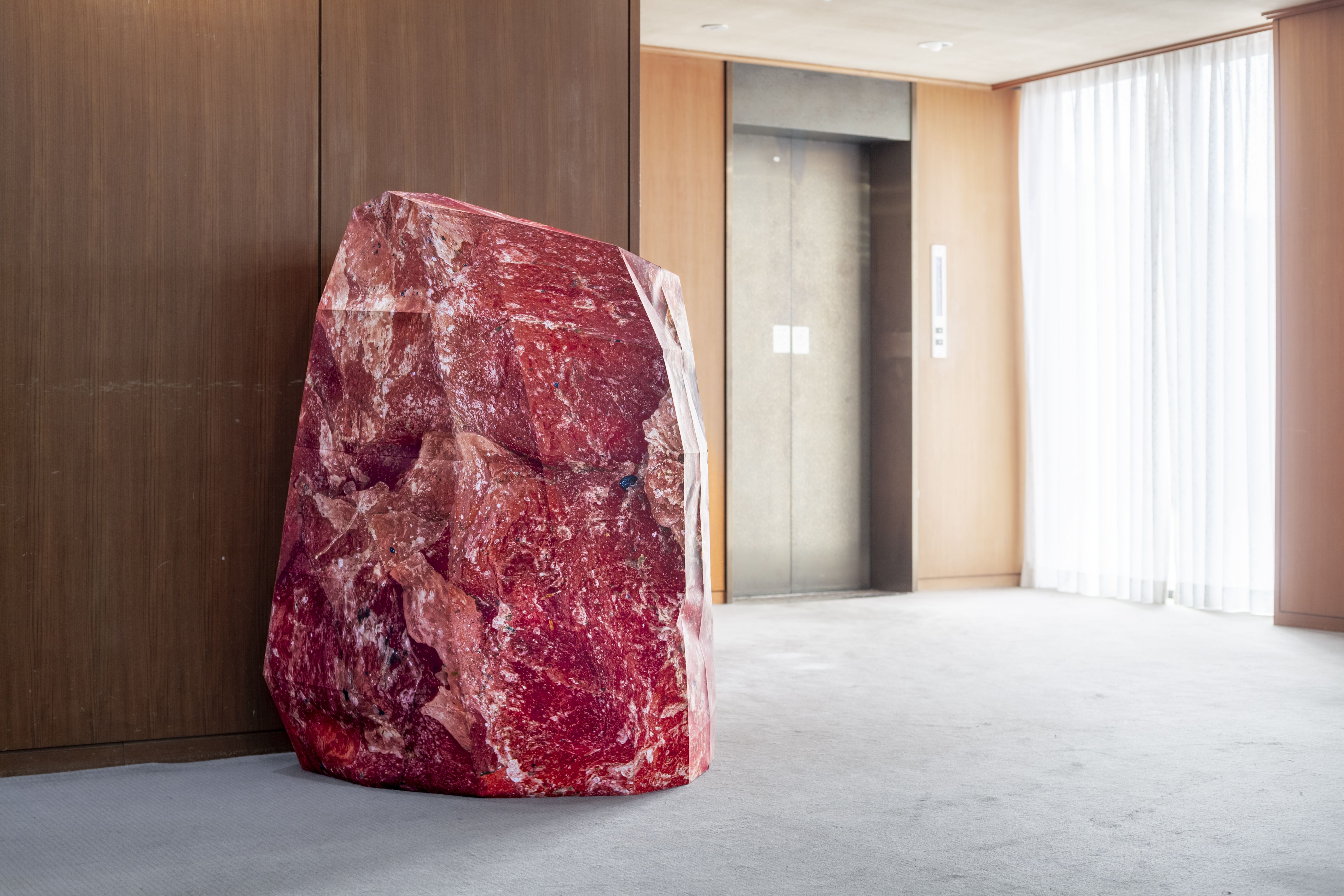
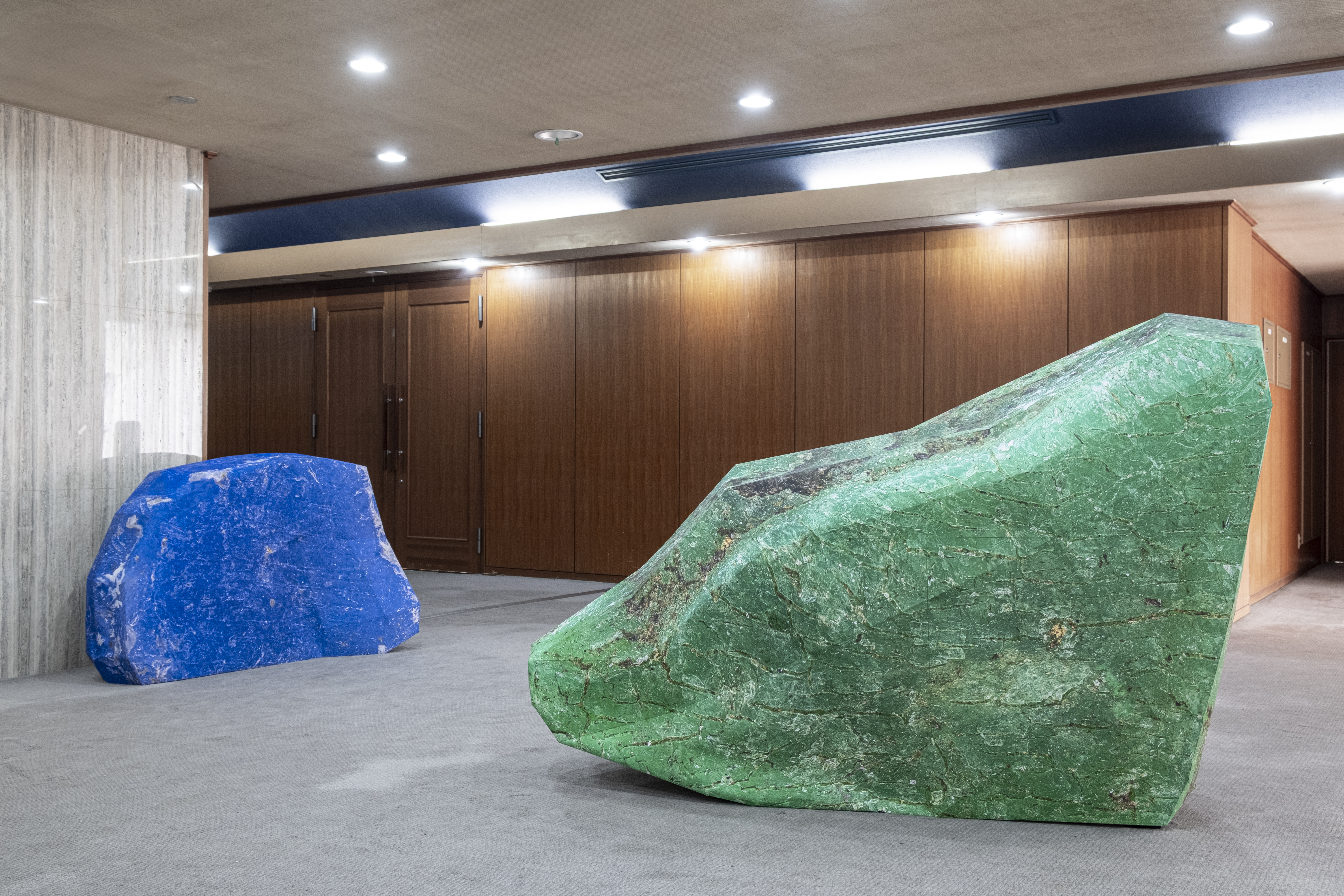
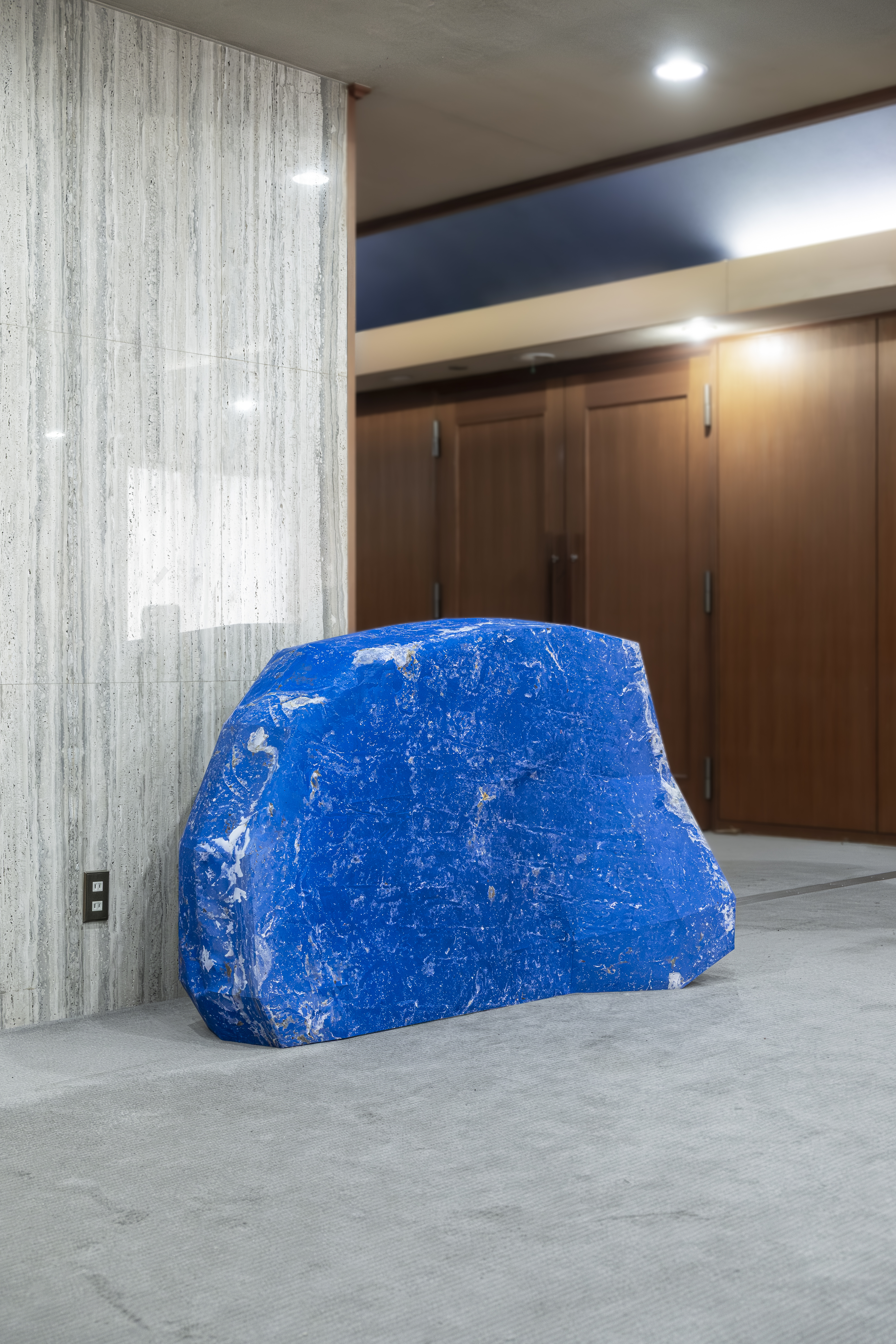
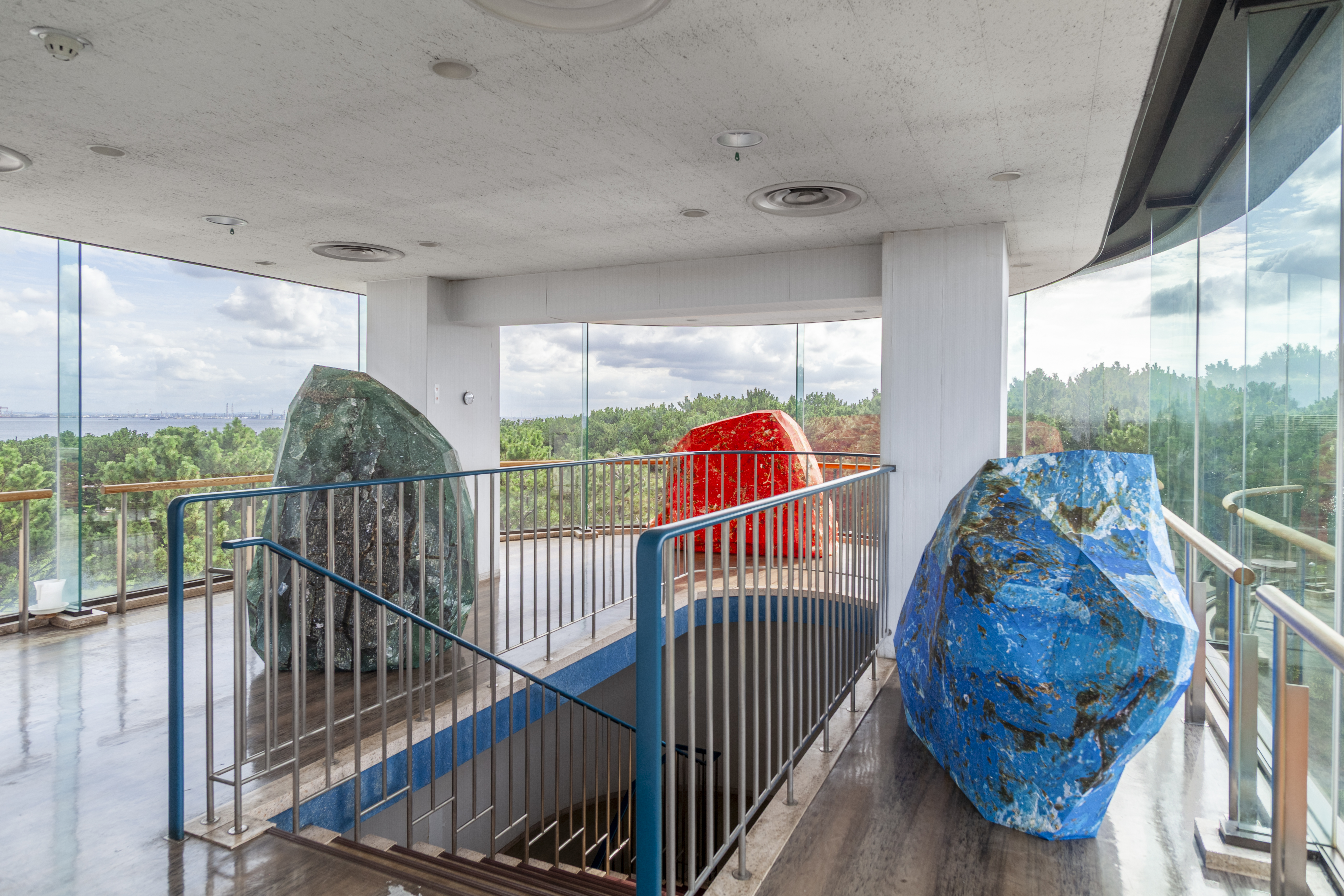
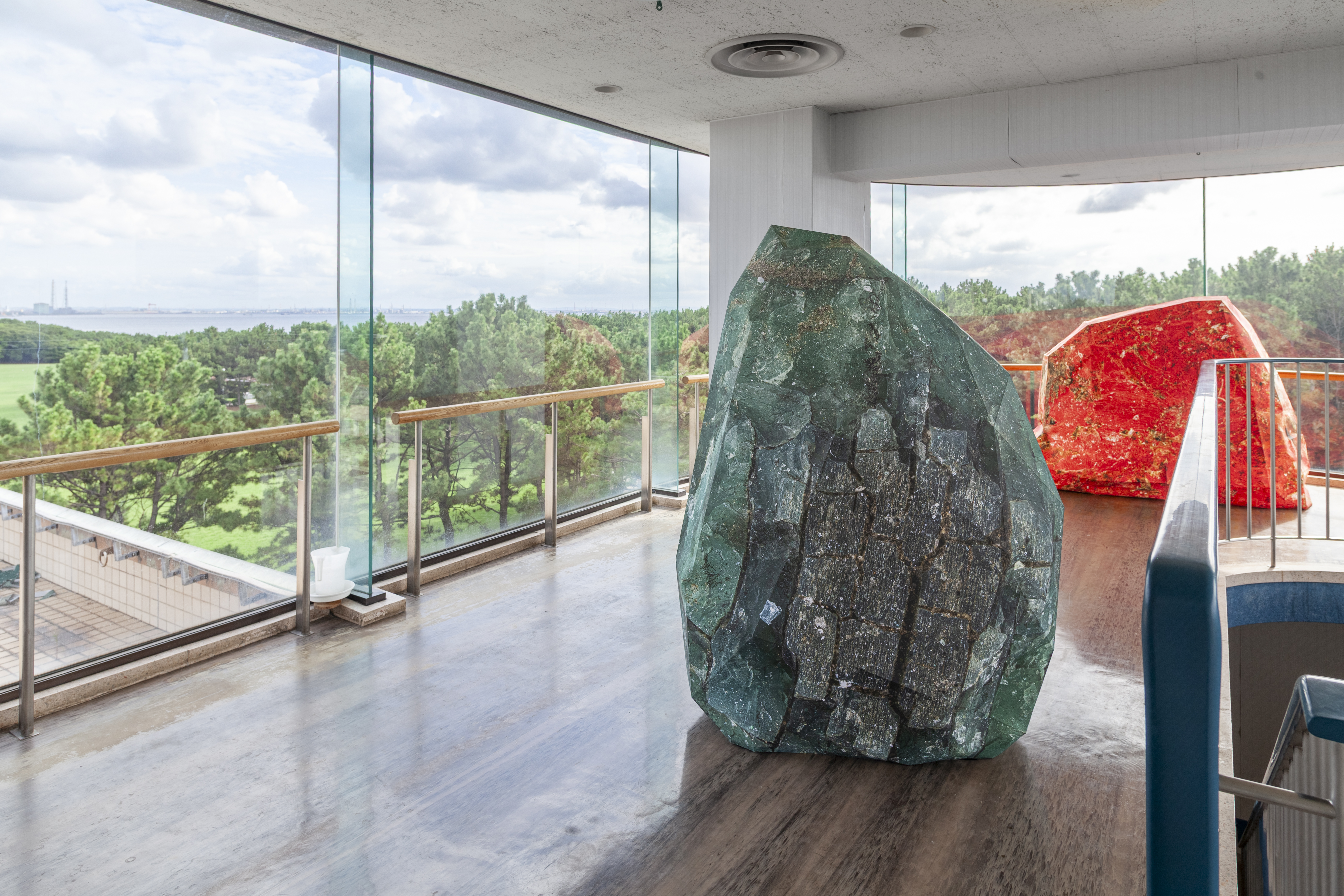
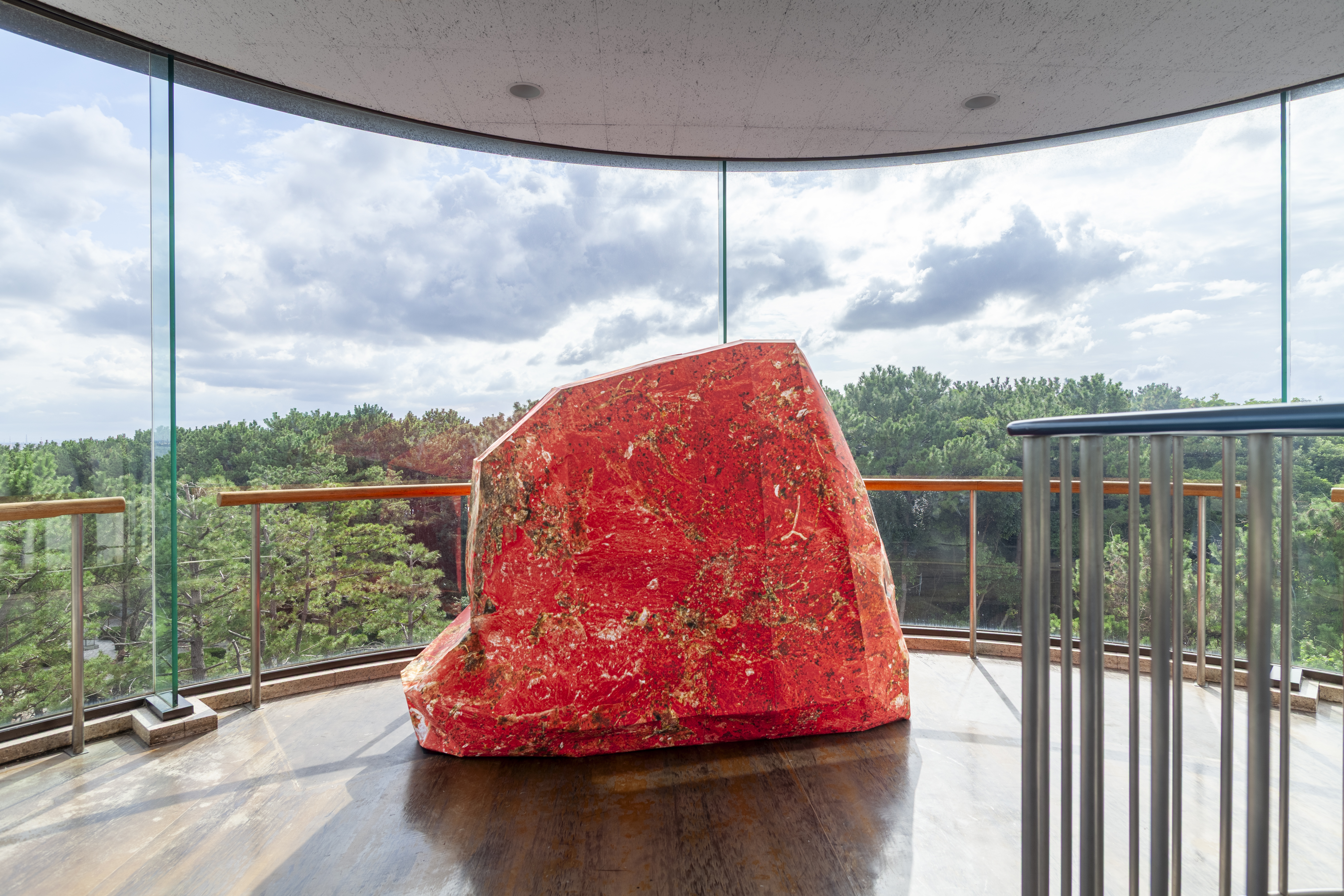
Giant Micro Plastic transforms microplastics collected on Chiba’s shore into large-scale sculptures. 3D-scanned, photographed in macro, and rebuilt in papercraft, these nearly invisible fragments appear both artificial and mineral-like. By turning microplastic pollution into monumental forms, the project makes visible hidden traces of everyday life. The project also included workshops in which children collected microplastics, observed them under magnification, and created kaleidoscopes.
Japan
Local
Chiba City
Mainly urban
It involves other types of transformations (soft investment)
Yes
2025-11-24
No
No
No
Individual
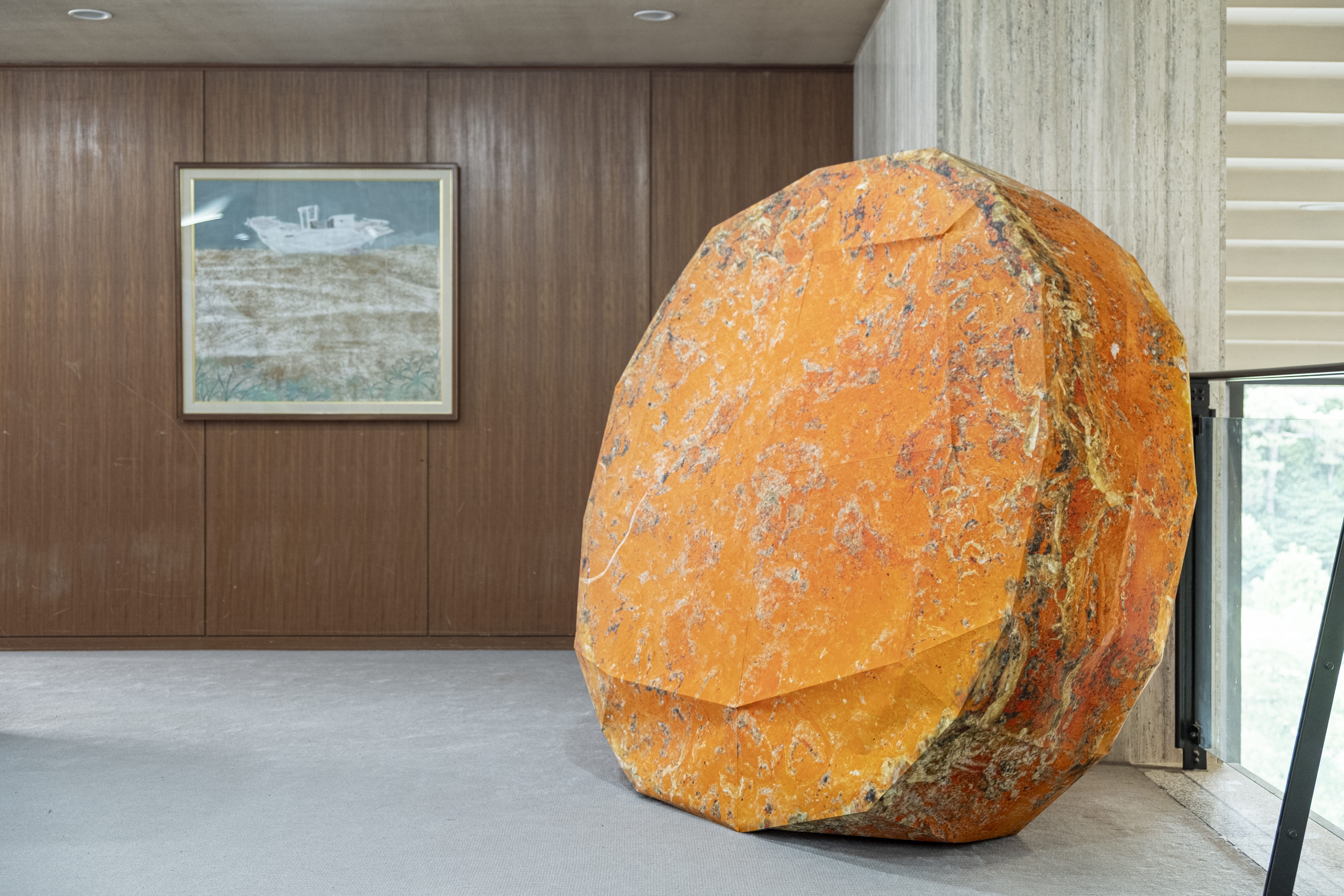
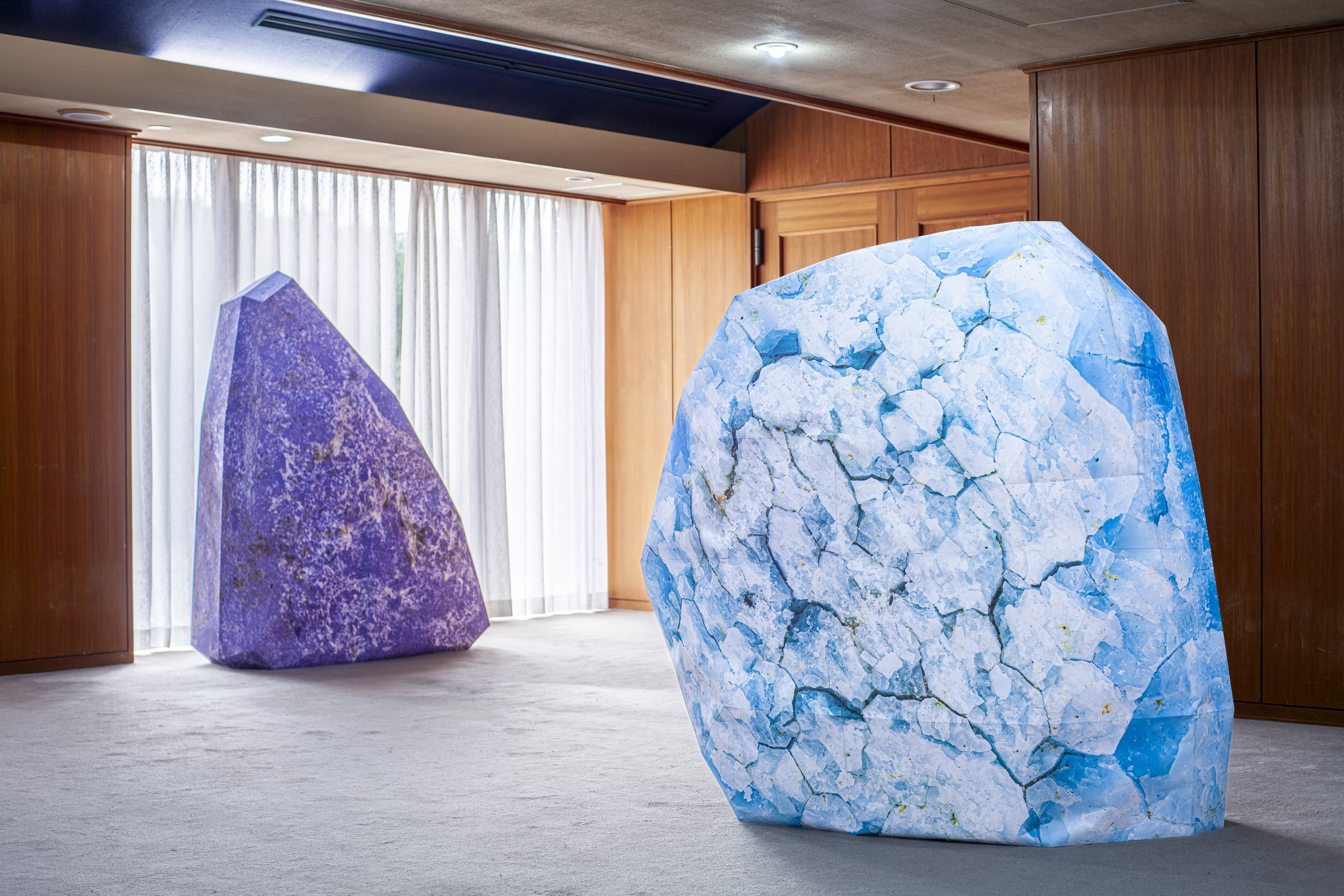
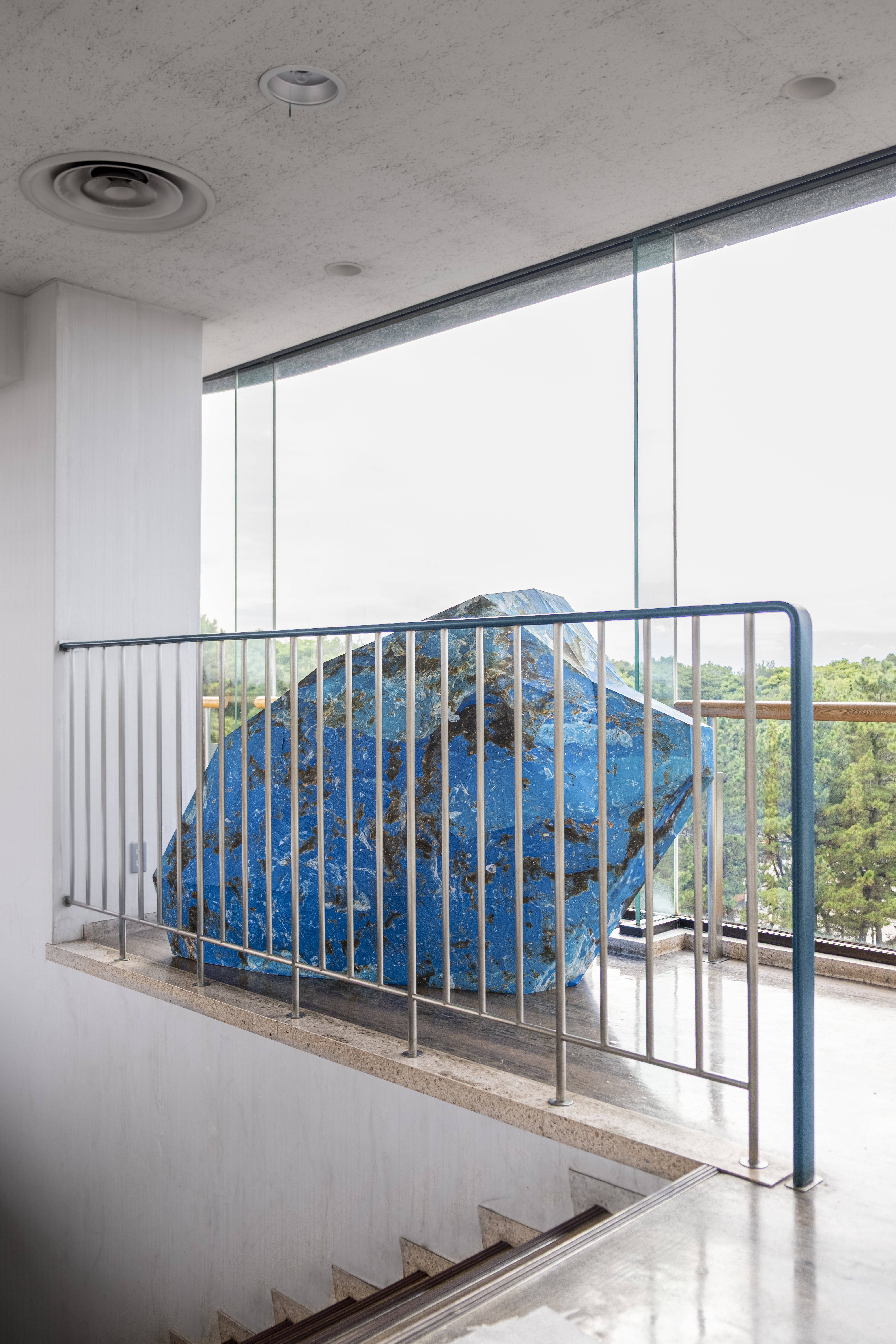
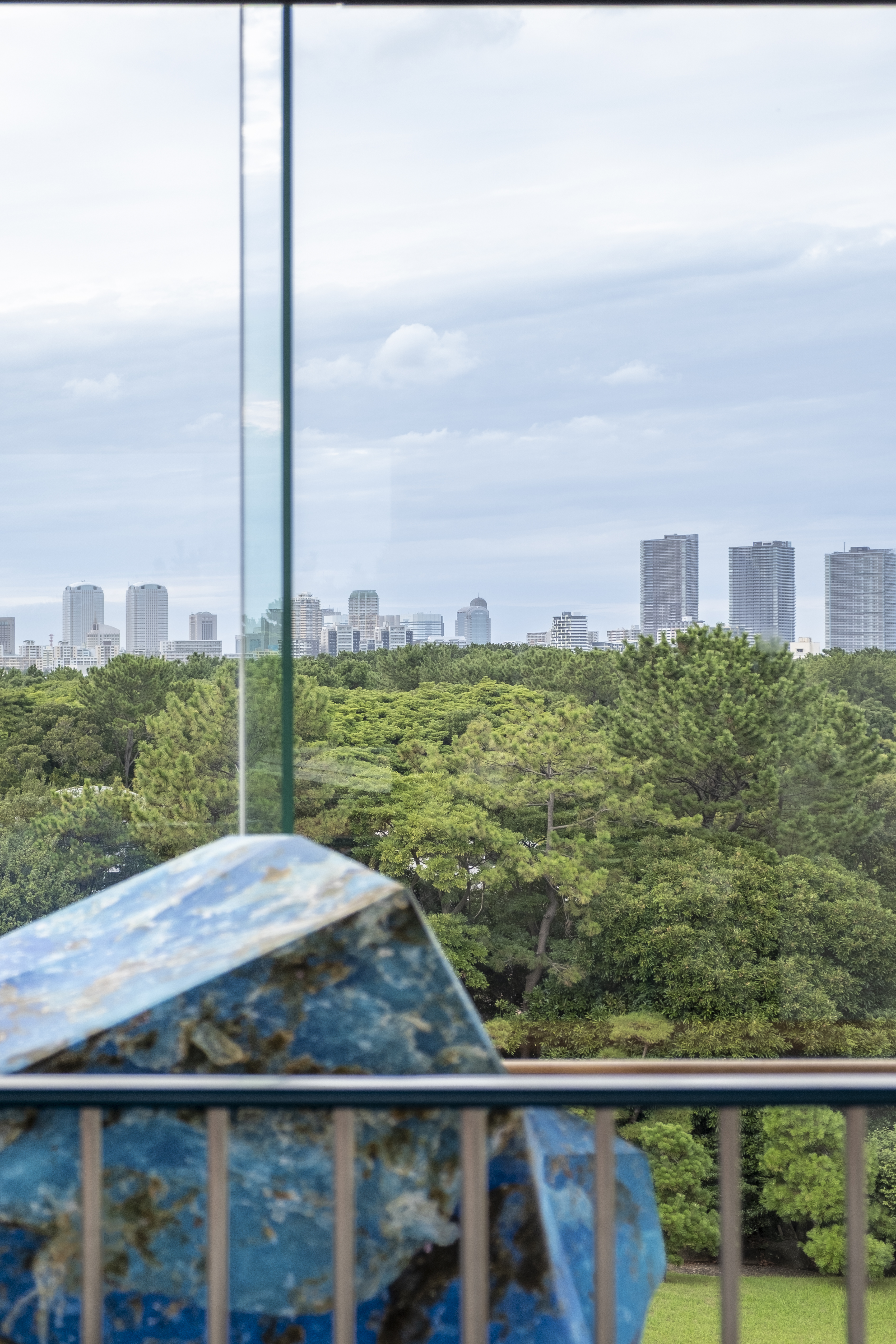
Giant Micro Plastic was an art project that combined photography and sculpture. The project transformed fragments of microplastics collected from Chiba's shorelines into large-scale works of art. For the Chiba City Arts Triennale in 2025, microplastics collected from Inage Beach were 3D-scanned, photographed with an extreme macro lens, and reproduced as human-sized papercraft sculptures. The project took normally imperceptible microplastics and rendered them perceptible at a human scale, allowing viewers to encounter these fragments not only as sources of pollution but also as material evidence of daily life, convenience, and consumption.
Through exhibition and public engagement, Giant Micro Plastic was designed to instill awareness and contemplation in viewers. The exhibition presented enlarged versions of microplastics that made them appear simultaneously artificial and mineral-like, creating a sense of both beauty and otherness. This aesthetic shift created an opportunity for individuals to reflect on how desires for convenience and plastic products have impacted the environment.
In addition to the exhibition, Giant Micro Plastic included a workshop for children and youth participants in which they collected microplastics, examined them using magnification equipment, and created kaleidoscopes from the microplastic pieces. Participants also heard from a local beach clean-up leader, who spoke about beach-cleaning activities in the area and the presence of microplastics in Chiba’s coastal environment.
The outcomes of Giant Micro Plastic included an exhibition that was free and open to the public; a workshop in which participants collaborated with members of their community as well as local organizations and environmental groups; and collaboration with local environmental actors. Through these activities, the project created opportunities for participants and audiences alike to engage directly with the issue of microplastics in their own community.
The concept for this project grew out of my fascination with plastic and with the arbitrary relationship between form and purpose. In earlier works, I made kinetic sculptures by combining everyday objects with motors, taking familiar forms out of their intended uses and using motion to free them. Because many of those works were made with plastic, my interest gradually shifted from the behaviour of objects to plastic itself: a material shaped by convenience, mass production, and human desire.
This shift in my thinking led me to marine debris. I began using plastic waste found on coastlines as material for sculptural and installation works, which made me think about what happens after an object no longer fulfills the purpose for which it was created. Plastic remains. It drifts, breaks apart, and continues to exist. This led me to microplastics. Their contradiction fascinated me: while a plastic product is useful, standardised, and human-designed, microplastics are useless, singular, and shaped by chance. In that sense, they began to look to me like accidental sculptures.
From there, Giant Micro Plastic emerged from my desire to treat microplastics not only as scientific matter, but also as forms that could be perceived directly at a human scale. For the Chiba City Arts Triennale 2025, I worked with fragments collected from Inage Beach in Chiba. They were 3D-scanned, photographed with an extreme macro lens, and transformed into human-sized papercraft sculptures, allowing their surfaces, scratches, and irregular shapes to become visible.
The project took shape through both exhibition and public engagement. Alongside the exhibition, a workshop invited children and youth participants to collect microplastics from the beach, observe them using magnification equipment, and make kaleidoscopes from the fragments. Together, these activities connected artistic research, local environmental awareness, and direct experience in the coastal context of Chiba.
microplastics
public engagement
environmental awareness
site-specific art
environmental education
Giant Micro Plastic addressed sustainability by showing what microplastic pollution looks like in a specific coastal environment. Microplastics are widespread, and once they are created, they persist in the environment for a long time. At the same time, they are often almost invisible in everyday life. This invisibility is part of the problem. Even though microplastics are already present in our environment, they are easy to overlook because they are so small and difficult to see.
This project approached sustainability not as a technological solution, but as a way of paying closer attention to the environment through cultural and social practice. Microplastics collected from Inage Beach were recreated as human-sized sculptures through 3D scanning, extreme macro photography, and papercraft reconstruction. By presenting them as sculptures rather than simply as trash, the project allowed viewers to look at them more carefully and from a different perspective. It made it possible to recognize them not only as waste, but also as long-lasting traces of consumption and everyday life.
The exemplary aspect of the project lay in the way it connected environmental awareness to a specific place and brought the public into contact with that place. The work was grounded in the coast of Chiba, where the microplastic material was collected, and it was developed through both exhibition and workshop activities. By enlarging these fragments to a human scale, the project made a normally overlooked environmental issue visible and discussable. In this way, sustainability was addressed through local observation, public engagement, and a form of awareness that can continue beyond the exhibition itself.
Giant Micro Plastic approached aesthetics by altering how microplastics could be seen and encountered. Material normally too small to catch the eye was enlarged to a human scale and presented as sculpture. This shift allowed the fragments to appear at once artificial and mineral-like. They no longer seemed like inconsequential litter, but existed between waste, object, and something almost natural.
What mattered in this process was that I did not impose a subjective interpretation on the forms. The transformation was based on a minimal process of copying: 3D scanning, extreme macro photography, and reconstruction in papercraft. Rather than redesigning the fragments, I reproduced them as faithfully as possible at a different scale. The beauty that appeared in the work did not come from aesthetic decoration, but from the fragments themselves.
This was important because the project did not aim to beautify pollution. Instead, it revealed that microplastics can appear strangely beautiful when made perceptible at a human scale, while still remaining harmful materials. That contradiction was central to the work. Viewers were encouraged to slow down and look closely at details they would otherwise ignore—scratches, colour, irregular edges, and worn surfaces—so that each fragment could be recognized as singular.
Through this experience, the project created a different relationship to plastic: not only as a useful product or a piece of waste, but as a material that persists and changes beyond its intended use. At the same time, it grounded this experience in the coastal environment of Chiba.
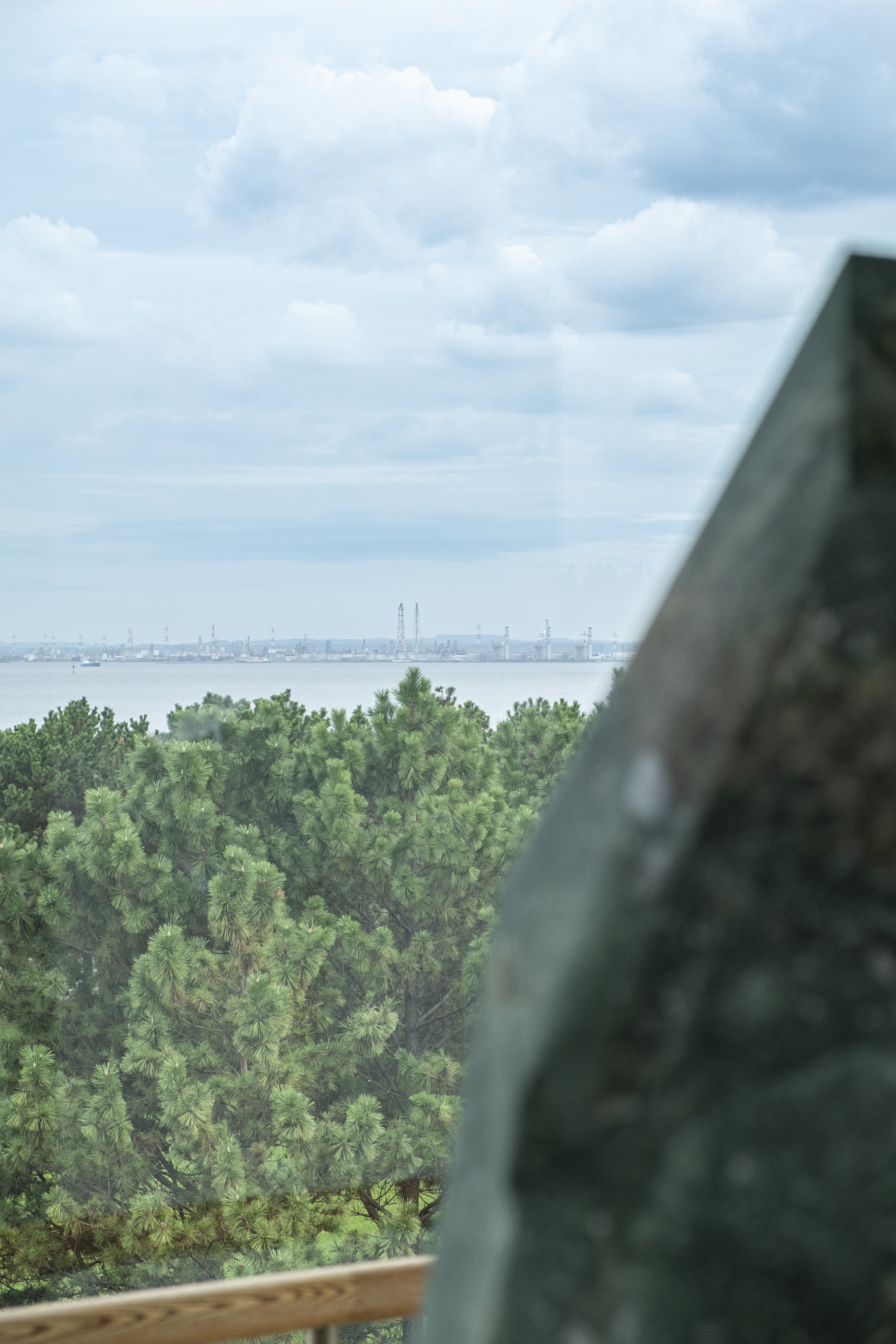
The fragments used in the installation were collected from Inage Beach in Chiba, giving the work a local context. The project was not about an abstract environmental issue, but about a specific shoreline. It invited viewers to look again at the coast as part of their environment, and to notice that even what seems negligible or invisible is already part of the landscape.
Microplastics are difficult to see. They exist at a scale that remains outside ordinary perception, and they are often understood only through scientific knowledge or data provided by others. Giant Micro Plastic began from a simple question: what happens when something so small is made physically unavoidable?
One response was to enlarge the fragments into human-sized papercraft sculptures. The problem itself did not change, but the relation to it did. Viewers could look at the form, move around it, and attend to its surface. This kind of encounter did not replace scientific knowledge, but it made another kind of access possible without depending on expertise alone.
The exhibition was free and open. This mattered. It also mattered that the work was not introduced primarily through text or statistics. It first presented something that could be looked at directly, and this created a different point of entry for non-specialist audiences, including local residents, children, and visitors.
The workshop extended this approach further. Children collected microplastic fragments directly from the beach, observed them through magnification, and made kaleidoscopes from what they found. The same material that appeared enlarged in the exhibition was encountered in their hands at the shoreline. No prior knowledge of art or environmental science was needed. What was needed was the site, the fragments, and the act of looking closely.
What this approach suggests is that inclusion can begin not with explanation, but with perception. Inclusion was not added to the project as a separate function. It emerged from the decision to make microplastics available to direct encounter rather than to specialist knowledge alone. In this sense, the project was exemplary in the way it created a low-threshold public format through which different people could enter from different positions, and through which the issue became less abstract, even if only temporarily.
The workshop was simple in structure. Children came to Inage Yacht Harbor and the nearby beach, collected microplastics from the shore, looked at them through magnification equipment, and made kaleidoscopes from what they found. That was it. But each of those steps involved a different kind of attention — picking something up, looking at it closely, turning it into something else.
What made this different from simply being an audience member was that the participants were doing something with the same material the project was made from. The fragments in the gallery and the fragments in their hands came from the same coastline. That continuity was not incidental. It meant the project did not have to explain the connection between art and an environmental issue — the connection was already there in the material itself.
A local beach-cleaning organizer also contributed to the project, bringing knowledge that could not have come from anywhere else. Not research, but the kind of understanding that comes from repeatedly walking the same stretch of coast and knowing what accumulates there. That presence kept the workshop from floating free of the actual place.
What I keep coming back to is how little distance there was between the participants and the subject. They were not being shown a problem from outside. They were already inside it — living near the coast, going to the beach, finding the fragments themselves. The participation did not create that relationship. It only made it visible, and gave it a form people could hold in their hands.
Giant Micro Plastic did not have a formal organizational structure. What supported it were relationships, and the most important of them were local.
At Inage Beach, the project was already situated within the place it addressed. Children collected microplastics from the shore, observed them through magnification, and made kaleidoscopes from the fragments they found. A local beach-cleaning organizer, who knew the coastline not through research but through repeated experience of walking it and paying attention to what arrived there, contributed a form of knowledge that could not be replaced by information alone. Their involvement helped keep the project grounded in the actual site rather than in an abstract idea of it.
The Chiba City Arts Triennale added another dimension. Without that framework, the project might have remained local in a narrower sense, visible only to those already close to the site. Within the context of the triennale, however, it became possible to open the same project to a wider public across the city while still remaining rooted in the same coastline from which it began.
What is more difficult to describe is the space between these two levels. The local participants were not simply absorbed into an art context, and the triennale did not reduce the local activity to a single narrative. They remained different structures operating at different scales, and the project took shape somewhere in the friction between them. That friction was not something to be resolved. Rather, it was one of the conditions that made the work possible: the specific and the public pulling against one another without either being fully overcome.
Giant Micro Plastic developed through the meeting of several fields, even though it began as an art project. Art alone does not fully describe it, because its design and implementation also depended on photography, digital technologies, environmental observation, education, and local civic knowledge.
One starting point was the decision to treat microplastics not simply as evidence of an environmental problem, but as forms of matter that could be looked at closely. Enlarging microplastics to a human scale changed the duration and quality of the encounter between viewer and material. Before this shift in scale, such fragments usually remained outside ordinary perception and were mostly encountered through scientific methods. Close-up photography made it possible to record surface, colour, scratches, and irregular form. In this sense, scaling and photography became two ways of making the same material available to attention.
3D scanning introduced another translation. Fragments collected from Inage Beach were scanned and reconstructed through papercraft at a different scale. The point was not to redesign the original fragment, but to reproduce it as faithfully as possible. This raised another question: what remains when a fragment is translated across scale, material, and method, and what does not?
The project could not be separated from the coastal condition from which it emerged. The fragments came from the shoreline of Chiba and were shaped by a specific local environment. Education entered through the workshop, where children collected microplastics, observed them through magnification, and made kaleidoscopes from them. Local civic knowledge entered through the contribution of a beach-cleaning organizer, whose familiarity with the coastline grounded the project in lived experience. What mattered was that these fields did not collapse into one another. The project took shape by letting them remain distinct while working on the same material and place.
Giant Micro Plastic does not operate through a single model. It exists in three connected formats: exhibition, workshop, and site-specific project. Each of these can be reconfigured in relation to different coastlines, participants, and fragments.
At the same time, the project keeps a consistent basic structure. Microplastics are collected from a local beach, closely observed, enlarged into sculptural form, and connected to people who live near that coastline. What changes from one iteration to another is the scale of the project, the available budget, and the institutional context that supports it. This flexibility allows the project to remain recognisable while adapting to different local conditions rather than being fixed to one formula.
Because of this structure, the project can be supported from several directions. Museums, festivals, schools, and cultural organisations can each find a point of entry through exhibition, workshop, talk, or educational programming, depending on what they are able to support. The project therefore does not require one continuous source of funding. It can be sustained through a combination of different partnerships, invitations, and project-based forms of support.
There is also a technical development dimension to the project. In 2026, a grant from the Harmonic Ito Foundation supported experimentation with production methods related to Giant Micro Plastic. This funding was not for the Chiba City Arts Triennale project itself, but for technical research and testing that will strengthen future iterations of the project. In that sense, the long-term sustainability of Giant Micro Plastic comes not only from exhibition and public programming, but also from the continued development of its methods and means of production.
What transfers from Giant Micro Plastic is not an object. It is a method, and behind that, an idea: that microplastics collected from a specific shoreline can be closely observed, enlarged into sculptural form, and opened to public experience. That sequence can take place in many locations and produce different results each time.
The scale can adjust according to context. In one case, the project may take the form of a workshop or educational programme; in another, an exhibition or public installation. What remains consistent is the order — local collection, close observation, enlargement, and public experience — rather than the final form that emerges from it. The work follows from the process. It does not repeat a previous version of itself.
The technical processes also travel with the project. 3D scanning, extreme macro photography, and papercraft reconstruction are not specific to Chiba. They can be used with fragments collected elsewhere and adapted to different institutions, production conditions, and budgets. What changes is the material, and the material determines the form. Each place generates its own version through the same method.
The same applies to local involvement. In Chiba, the project was grounded through the coastline and through people already engaged in beach-cleaning activities there. In another place, that might mean different people entirely — teachers, community groups, environmental volunteers, or local cultural organisations. The specific partners change. The structure does not: the project takes shape through a relationship with the site and with people who already have one.
Giant Micro Plastic does not replicate as a finished thing. It replicates as a way of working — site-specific every time, and transferable because of that rather than despite it.