Dromolaxia-Meneou Municipal Library
Dromolaxia-Meneou Municipal Library: A Community Hub of Culture and Learning
Transforming an abandoned building into a vibrant community library, the Dromolaxia-Meneou initiative creates an inclusive space for learning, culture, and connection—bringing people together through knowledge, creativity, and shared experiences.
Cyprus
{Empty}
Prototype level
Yes
Yes
Yes
No
No
4014: Dromolaxia - Meneou (CY)
The New Municipal Library of Dromolaxia-Meneou aims to create a modern, multifunctional public space for learning, culture, and community participation, serving all residents of the new regional municipality formed by merging Kiti, Pervolia, and Tersefanou. The main target groups include citizens of all ages, with particular focus on students, families, vulnerable social groups, and local educational and cultural organizations.
The project’s specific objectives are: revitalizing an abandoned building with cultural and historical significance, providing accessible, functional, and aesthetically upgraded library services, fostering community engagement through book donations, activities, and participatory workshops, and creating a space for educational and cultural programs. The library is designed to serve as a hub of knowledge and culture, promoting lifelong learning, social cohesion, and community empowerment.
Expected outcomes include increased access to knowledge and culture, active citizen participation in library activities, improved public space, strengthened local identity, and the creation of a sustainable, safe, and welcoming environment for all ages. The initiative embodies the New European Bauhaus values, combining sustainability, inclusion, and aesthetics, and represents an example of adaptive reuse of public buildings with social, cultural, and educational impact.
Inclusive Participation
Cultural Creativity
Adaptive Reuse
Community Engagement
Sustainability
The primary sustainability objective of the New Municipal Library of Dromolaxia-Meneou is the adaptive reuse of an abandoned building, minimizing the need for new construction materials and reducing the environmental footprint of the project. Choosing the former Dromolaxia Cooperative Credit Society building integrates cultural preservation and cost-efficiency with environmentally responsible practices.
During renovation and interior design, eco-friendly materials are used, and energy-efficient lighting and heating/cooling systems have been implemented, contributing to lower energy consumption and reduced CO₂ emissions. The spatial layout maximizes natural daylight and ventilation, reducing the need for artificial lighting and air conditioning.
The library also integrates digital solutions for service provision (e.g., e-library, interactive platforms), decreasing paper use and supporting sustainable access to knowledge. Community participation in donating books and preparing spaces encourages reuse and circularity of resources.
The project serves as an exemplary model of sustainable practice at a small scale, demonstrating how adaptive reuse of abandoned public buildings can deliver social, cultural, and educational benefits without environmental compromise. By combining cultural preservation, energy efficiency, and participatory community engagement, the library stands as a best-practice initiative that can inspire other municipalities to adopt similar sustainable approaches in public spaces.
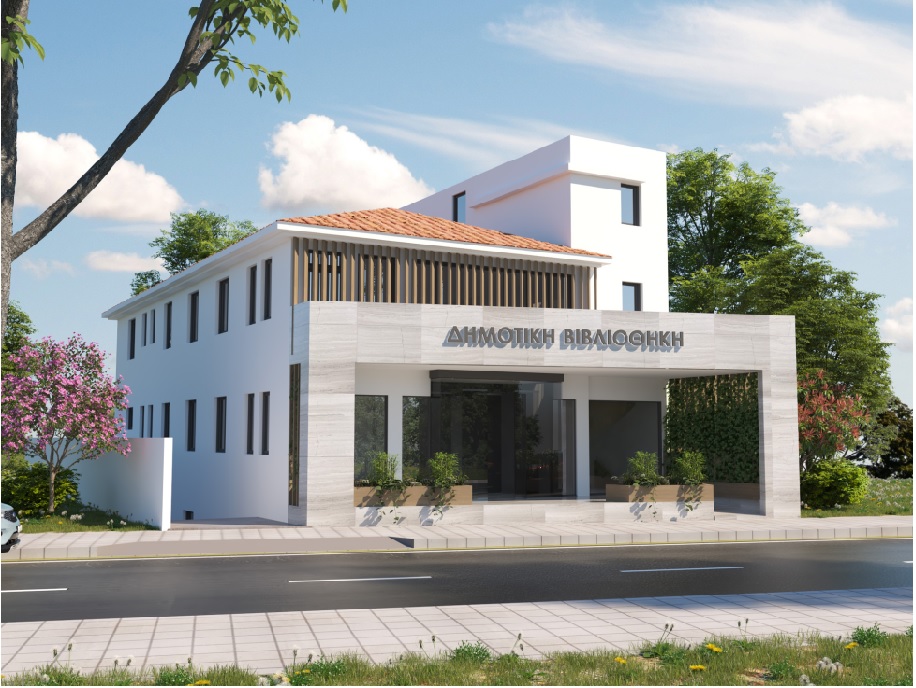
The New Municipal Library of Dromolaxia-Meneou aims to create a space that delivers a high-quality experience for all citizens, combining functionality, aesthetic enhancement, and cultural value. The renovation of the abandoned former Dromolaxia Cooperative Credit Society building transforms a neglected space into a modern, welcoming, and attractive environment that meets the needs of diverse age groups and communities.
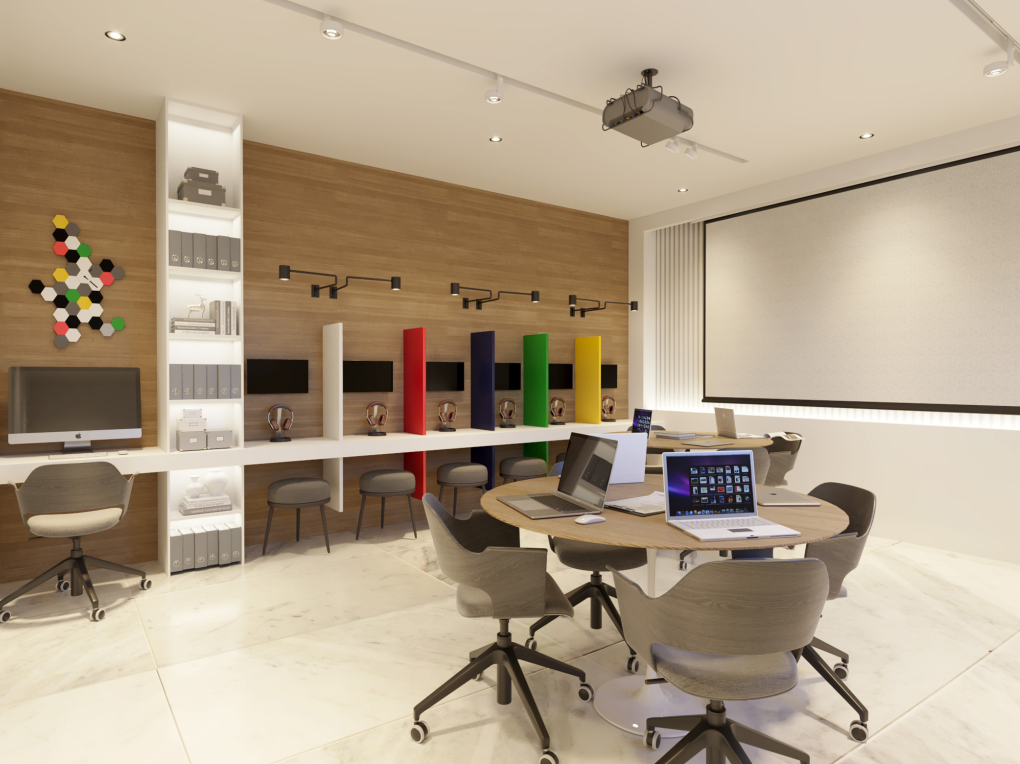
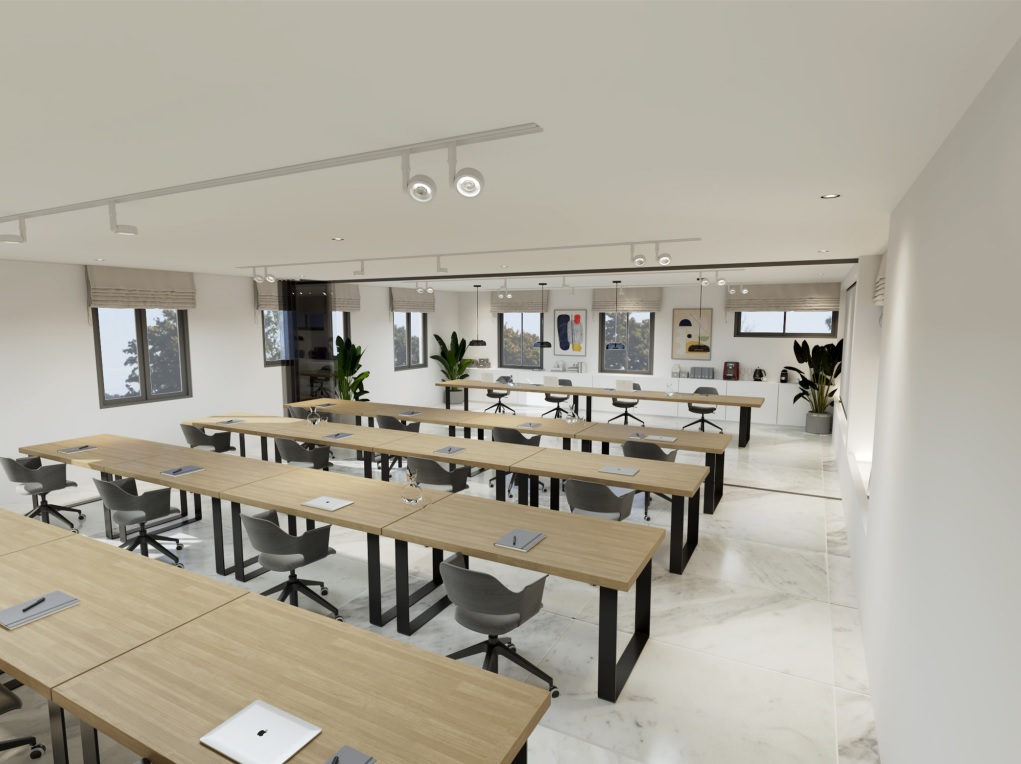
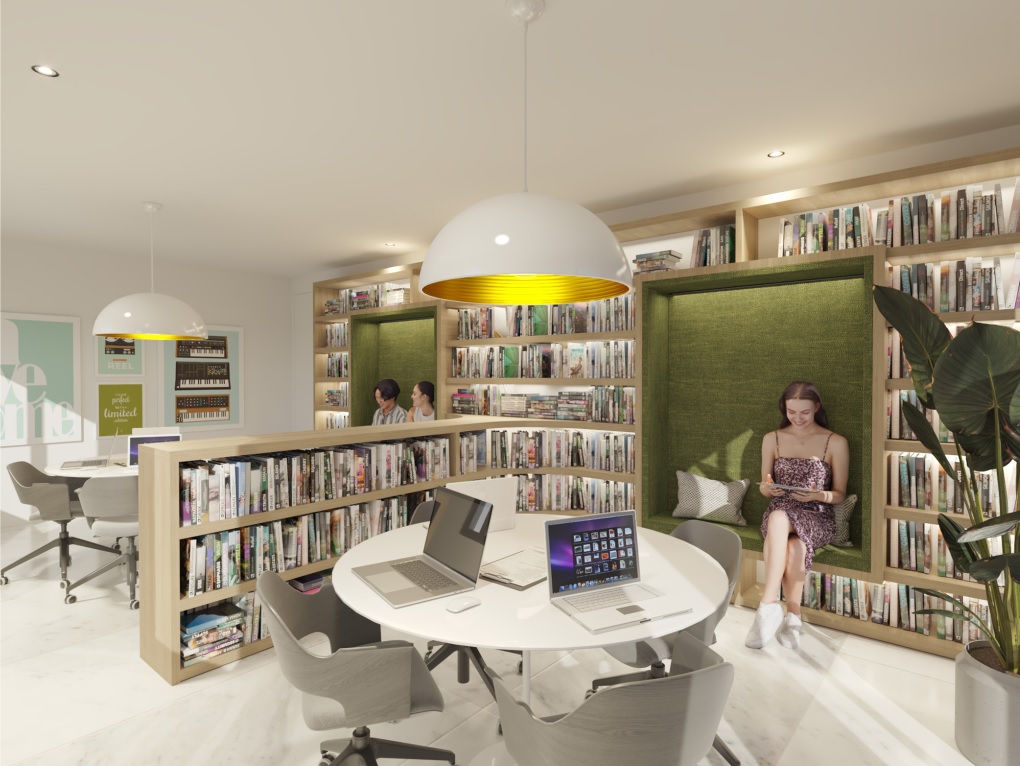
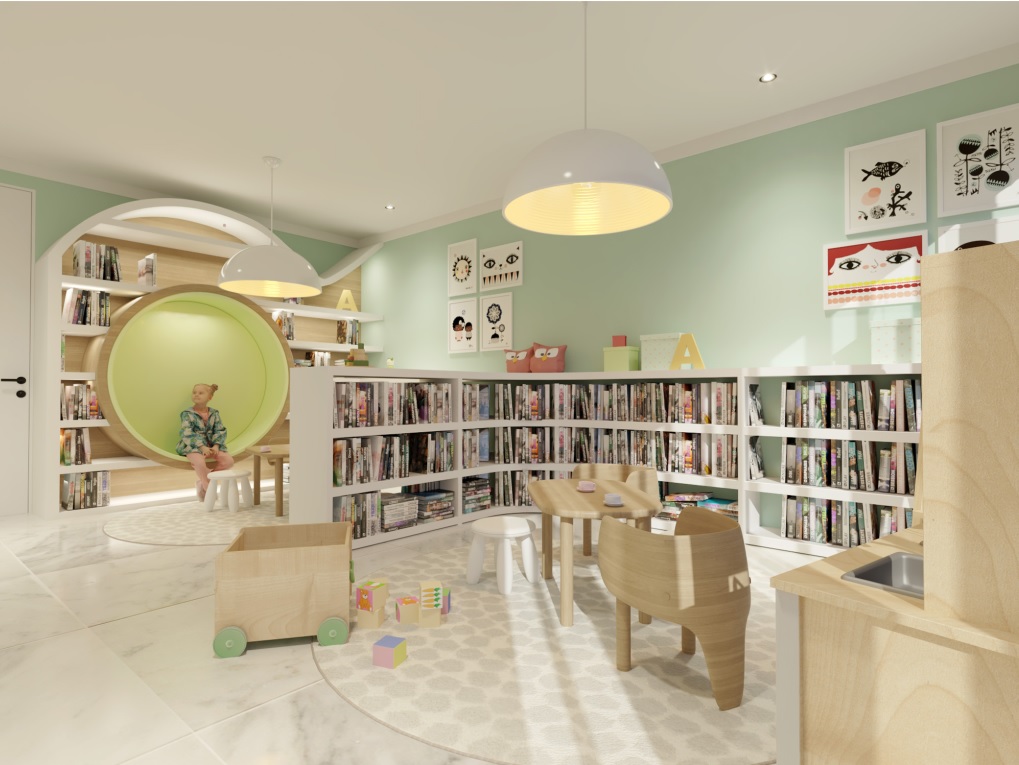
The spatial design integrates architectural elements that respect the traditional character of the area while promoting open, flexible, and functional layouts for reading, study, workshops, and cultural activities. Children’s and teens’ areas encourage creativity and imagination, while multipurpose halls allow lectures, educational workshops, and social events, fostering interaction and community engagement.
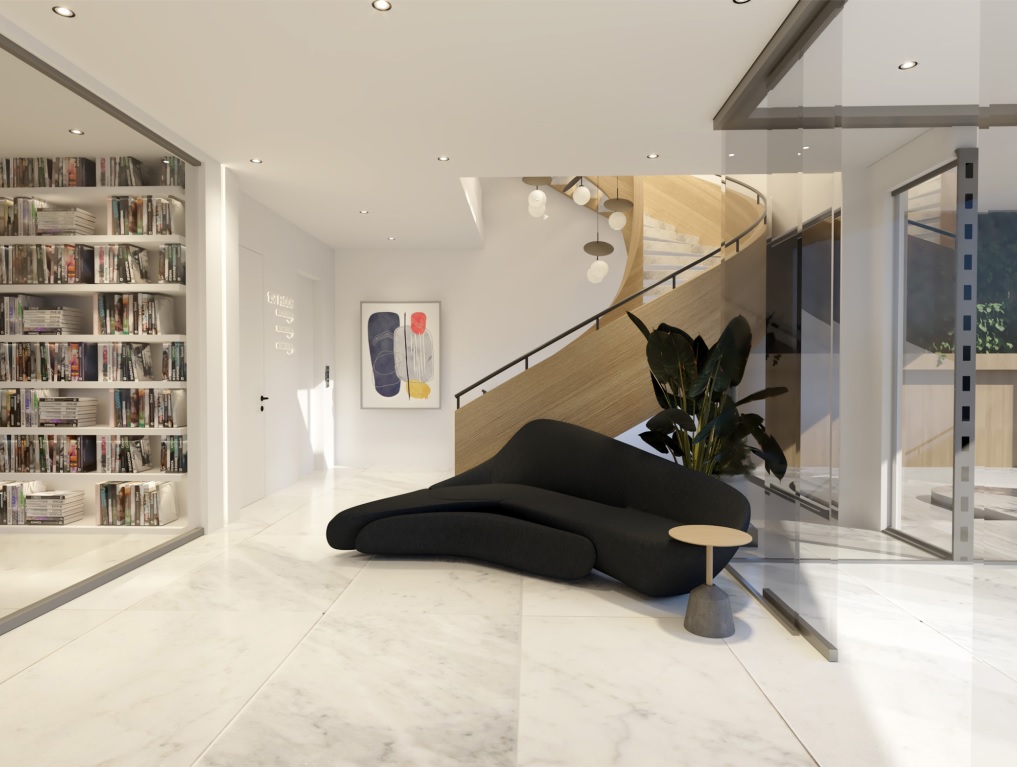
The library exemplifies the integration of cultural heritage with contemporary design, offering an aesthetically pleasing experience that strengthens the sense of belonging in the community. Attention to universal accessibility and user comfort ensures equitable participation for all citizens, while the use of natural light, thoughtfully designed lighting fixtures, and modern furniture creates a welcoming and enjoyable environment.
As an initiative, the library can be considered an exemplary practice for enhancing the user experience in public spaces, combining aesthetic improvement, cultural benefits, and participatory engagement, providing a model for small municipalities seeking to revitalize public infrastructure with quality and meaningful impact for the community.
The New Municipal Library of Dromolaxia-Meneou aims to ensure full participation and accessibility for all citizens, regardless of age, social or economic background, education level, or physical ability. The library is designed following Design for All principles, featuring spaces accessible to persons with disabilities, wide corridors, appropriate lighting, clear signage, and technological equipment that facilitates knowledge access for everyone.
The library will provide accessible and free services, including book lending, access to digital platforms, and educational and cultural programs, supporting equal participation in learning, cultural life, and lifelong education.
Participation through book donations or engagement in educational and cultural activities strengthens a sense of community and collective ownership while promoting social cohesion. The library serves as a model for inclusive public spaces, combining accessibility, participation, social empowerment, and equal opportunities for all, and can inspire replication in other small municipalities.
Thus, the New Municipal Library of Dromolaxia-Meneou embeds inclusion in a meaningful and sustainable way, fostering equality, active participation, and community cohesion, providing a best-practice example for public spaces serving the entire community.
The New Municipal Library of Dromolaxia-Meneou has been developed with active involvement from the local community and civil society organizations. Citizens, schools, cultural associations, and other local groups have contributed to shaping the library’s functions, services, and programs.
Specifically, the community participated in defining spaces and functions, contributing book donations, and providing input for educational and cultural programs. Participants were able to identify their needs, suggest thematic areas, and help design areas for children, teens, and adults.
This involvement has a direct impact on the quality and functionality of the initiative, ensuring that library services meet users’ real needs, fostering a sense of collective ownership, and creating opportunities for active engagement in educational and cultural activities. The participatory approach also strengthens social cohesion, encourages interaction between diverse groups, and ensures that the library functions as an open, democratic, and accessible space for all.
Overall, citizens and civil society actors are not merely recipients of services but active co-creators of the initiative, making the library a dynamic, living, and sustainable social and cultural hub. Their involvement enhances the project’s adaptability, sustainability, and long-term value, serving as a best-practice example for other municipal initiatives.
The New Municipal Library of Dromolaxia-Meneou integrates a multi-level stakeholder engagement approach, involving actors at local, regional, national, and European levels, ensuring that the project develops with a holistic perspective and maximum added value for the community.
At the local level, residents, schools, cultural associations, and community groups contributed materials and ideas for the various workshops, donated books, and helped plan educational and cultural activities. Their input ensures that the library services meet real user needs and fosters a sense of collective ownership.
At the regional level, relevant authorities and cultural organizations provided guidance and coordination for integrating best practices in sustainability, accessibility, and safety, supporting collaborations between communities and schools.
At the national level, cooperation with the Ministry of Education and Culture ensured legal and financial support for the renovation and equipping of the library, as well as compliance with accessibility and safety standards.
At the European level, the project aligns with the New European Bauhaus values, leveraging principles of sustainability, inclusion, and aesthetics. Participation in European networks and knowledge-sharing platforms allows for exchange of experiences and best practices with other libraries and small municipalities, adding value to the project’s design and implementation.
This multi-level engagement enhances transparency, efficiency, and social cohesion, ensuring that the library functions as a central hub for learning, culture, and participatory development in the local community, while providing a model that can be replicated in other regions.
The design and implementation of the Municipal Library of Dromolaxia – Meneou were based on the combination of different fields of expertise, with the aim of creating a functional, modern and genuinely useful space for the community.
Architecture and interior design played a key role, as the project involves the transformation of an existing building into a library. The goal was to preserve the character of the building while creating a comfortable and welcoming environment for users.
At the same time, sustainability principles were taken into account, as the project is based on the reuse of an existing structure rather than new construction, contributing to the revitalisation of the traditional core of the community.
The design was also influenced by dialogue and interactions with the local community and relevant stakeholders, aiming to shape a space that responds to real needs and everyday uses.
In addition, emphasis was placed on education and culture, through the creation of spaces for study, events, workshops and activities for all age groups. Modern technologies, such as computers and digital tools, are also integrated, allowing the library to respond to contemporary needs for access to knowledge.
Particular importance was given to accessibility, ensuring that the space can be used by everyone, without exclusions.
The result is not just a library, but a lively space for learning, creativity and social interaction, offering real value to everyday community life.
The New Municipal Library of Dromolaxia-Meneou stands out for its innovative approach compared to traditional libraries and public facilities. Unlike conventional models, which often focus solely on book lending and storage, this initiative combines multifunctionality, participatory design, and modern technology, creating a space for learning, culture, and social engagement.
Innovation is expressed on several levels:
Space and function: An abandoned public building is repurposed to host not only a library but also digital platforms, multimedia spaces, workshops, lectures, and cultural events, creating a truly dynamic and socially integrated hub.
Participatory design: Citizens, schools, cultural associations, and local organizations have been actively involved. Contributions include book donations and suggestions for educational activities, reflecting practical participation.
Transdisciplinary approach: Collaboration among architects, engineers, librarians, educators, and accessibility specialists ensures functionality, aesthetics, sustainability, and social impact, creating a project that goes beyond conventional practices.
Technological integration: The library will feature computers, interactive media, digital platforms, and modern management systems, providing innovative access to knowledge for all citizens.
The New Municipal Library of Dromolaxia-Meneou serves as a model of pioneering public infrastructure, combining community engagement, sustainability, aesthetics, and technological innovation. It sets new standards for small municipalities and public cultural spaces, demonstrating that even limited-size or budget spaces can be transformed into dynamic centers for learning and social empowerment.
The New Municipal Library of Dromolaxia-Meneou follows a participatory, multi-level, and transdisciplinary methodology, integrating design, implementation, and operation with active involvement from the local community and experts from multiple fields.
This assessment identified a long-standing need of the community for a modern, accessible, and multifunctional library, and the results of this phase guided the design of spaces, services, and cultural programs.
Simultaneously, transdisciplinary collaboration ensured the project meets technical, social, and cultural requirements. Architects, engineers, librarians, educators, and accessibility specialists worked together at all stages, incorporating best practices for functionality, sustainability, and aesthetics.
Citizen participation continues during the implementation phase through book donations, suggestions for educational and cultural programs, and involvement in consultations regarding space layout. Citizens are not merely recipients of services, but active co-creators of the library’s content and operations.
Finally, the approach integrates technological and sustainability processes, such as digital platforms, interactive media, modern management systems, and energy-efficient solutions, ensuring the library functions as a modern, accessible, and multifunctional hub for learning and culture.
This methodology combines community-driven design, transdisciplinary collaboration, citizen participation, and innovation, resulting in infrastructure that is sustainable, accessible, aesthetically high-quality, socially embedded, and replicable as a model for other small municipalities.
The New Municipal Library of Dromolaxia-Meneou represents a project with high potential for replication and transferability to other regions, communities, and contexts. Key elements that can be applied to other public facilities include methodology, participatory processes, transdisciplinary collaboration, technological integration, and innovative operational practices.
The participatory design methodology – needs assessment, public consultations, workshops, and active involvement of schools, associations, and citizens – can be replicated in other municipalities to develop public spaces that genuinely respond to community needs. Incorporating residents’ suggestions into the design of services, spaces, and activities provides a transferable example of effective co-creation.
Transdisciplinary collaboration among architects, engineers, librarians, educators, and accessibility specialists can be replicated in other projects, ensuring that public infrastructure is functional, sustainable, aesthetically appealing, and socially embedded.
Technological integration – digital platforms, interactive media, computers, and management systems – can be applied in other libraries or educational/cultural centers, enhancing access to knowledge and user engagement.
Furthermore, the library serves as a multifunctional hub for learning, culture, and community engagement, combining library services with workshops, lectures, and cultural activities. This model can be adopted by other small or medium-sized communities seeking to transform public or abandoned buildings into vibrant, socially integrated spaces.
Overall, the experience of the New Municipal Library of Dromolaxia-Meneou provides practical tools, methodologies, and best practices that can be applied to other locations and social contexts, promoting innovation, sustainability, and participation in public infrastructure.
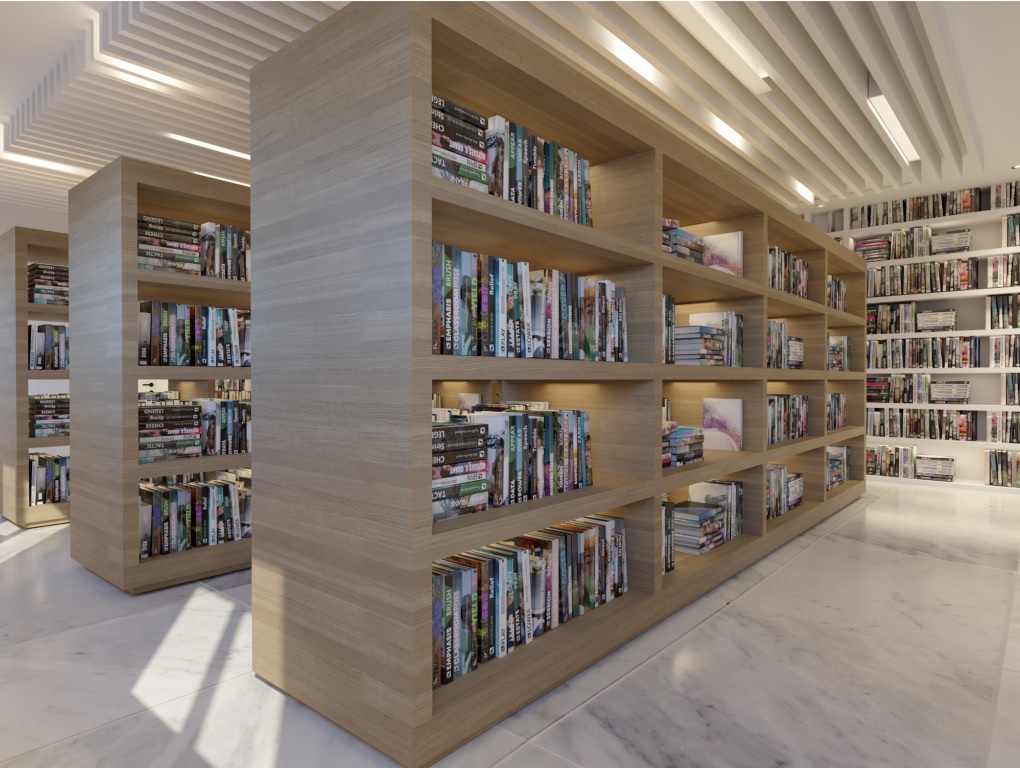
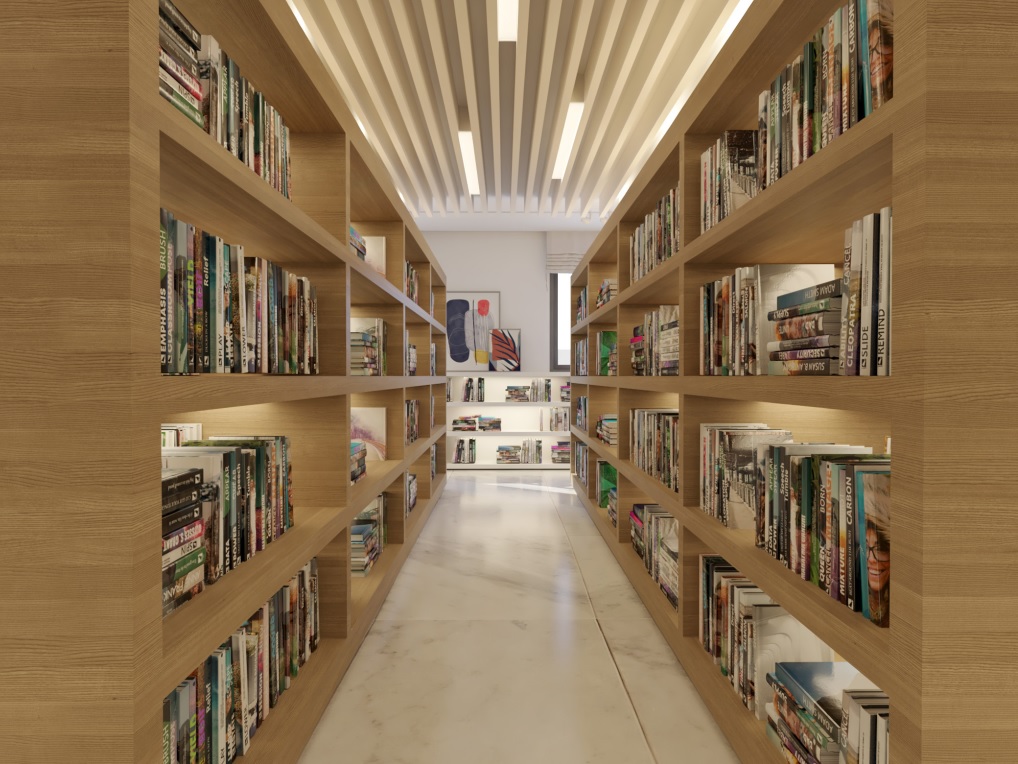
The further development and completion of the New Municipal Library of Dromolaxia-Meneou focuses on final outfitting, digital resource installation, and operational preparation. Key activities include: furnishing spaces with bookshelves, study and reading furniture, children’s and teen corners, interactive and electronic tools, and energy-efficient lighting; deploying computers, digital platforms, and interactive media to enhance access to literature and educational programs; and designing workflows, programming cultural and educational activities, and training staff to support diverse visitors.
The initiative already incorporates NEB values: Sustainability through adaptive reuse of the building and environmentally friendly materials; Inclusion via full accessibility, services for all age and social groups, and participatory processes; and Aesthetics and quality of experience by transforming a previously abandoned building into a functional, welcoming, and culturally enriching space.
The library follows NEB working principles: a participatory process involving citizens and stakeholders in co-designing activities and selecting resources; multi-level engagement through collaboration with schools, cultural organizations, and other municipalities to exchange experiences and best practices; and a transdisciplinary approach where architects, engineers, librarians, educators, and accessibility specialists collaborate to ensure sustainability, functionality, and social integration.
Next key steps include completing interior outfitting, opening the library to the public, launching programs for children, youth, and adults, and continuing participatory evaluation to adapt services. By combining community-driven design, transdisciplinary collaboration, and technological innovation, the library will serve as a replicable model public infrastructure demonstrating sustainability, inclusion, and aesthetic quality in line with NEB principles.