Arts, Culture, and Heritage as Drivers of Change
Immersive Christmas Experience
Immersive Christmas Experience: Urban Sensory Installation
An immersive Christmas installation designed to transform a commercial urban space into a sensorial and affective environment. Through scenography, lighting, and spatial storytelling, the project creates a shared experience that encourages presence, interaction, and emotional connection. By reconfiguring everyday space, it promotes cultural engagement and temporarily redefines how people relate to the city.
Brazil
Local
Aracaju
Mainly urban
It involves other types of transformations (soft investment)
Yes
2021-11-11
No
No
No
Organisation
Conceived in 2020 during the COVID-19 pandemic, the project emerged as a response to the interruption of collective urban life and restricted access to cultural experiences.
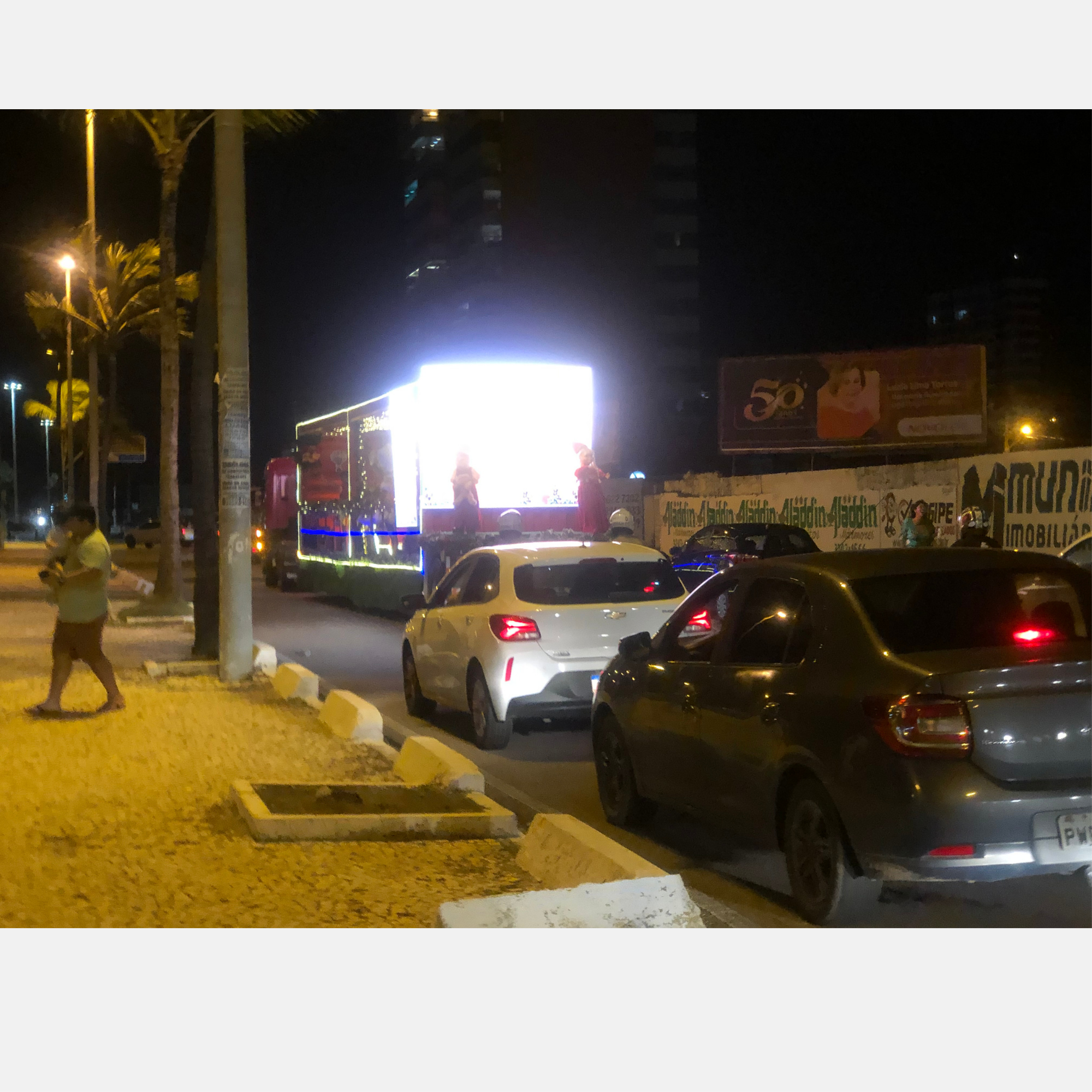
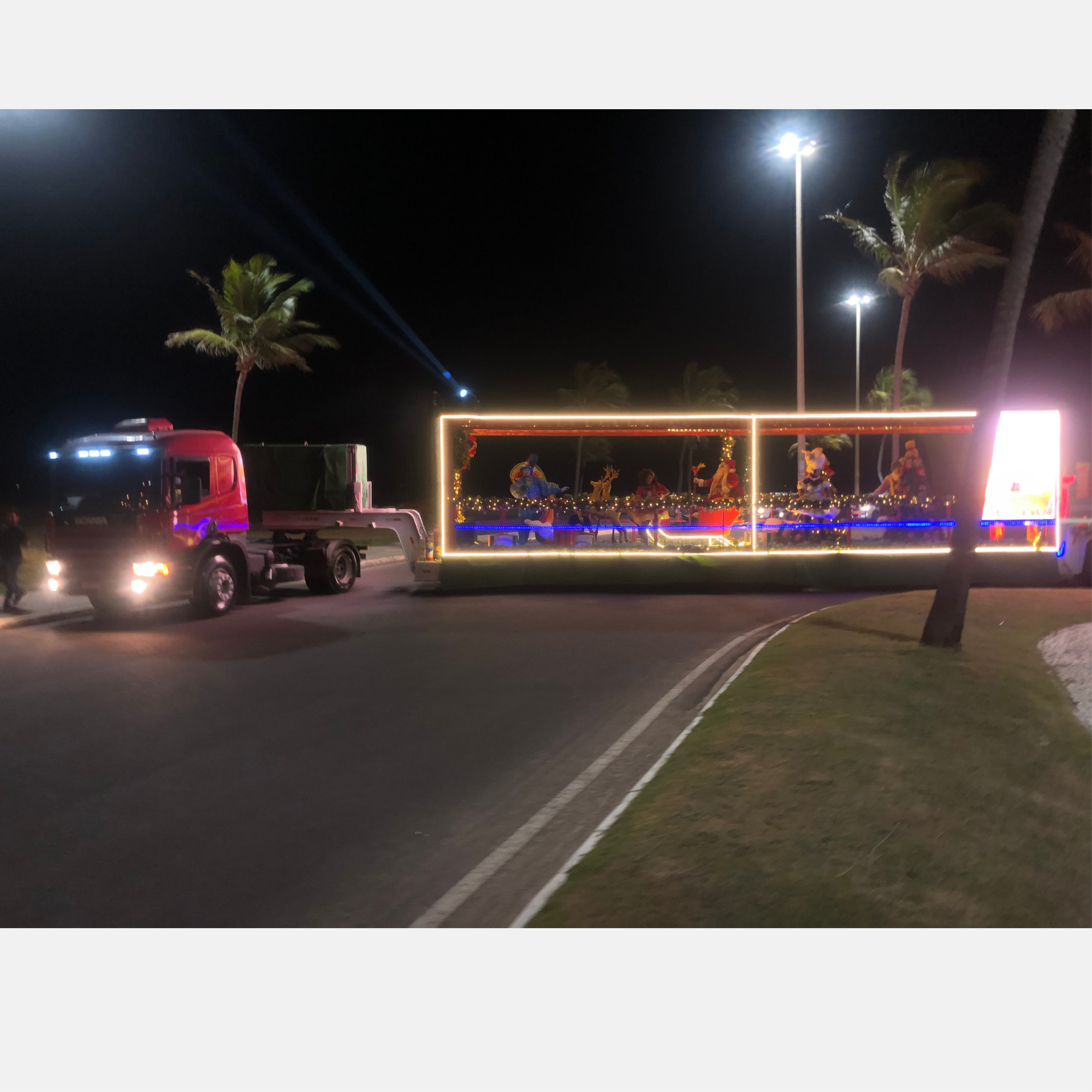
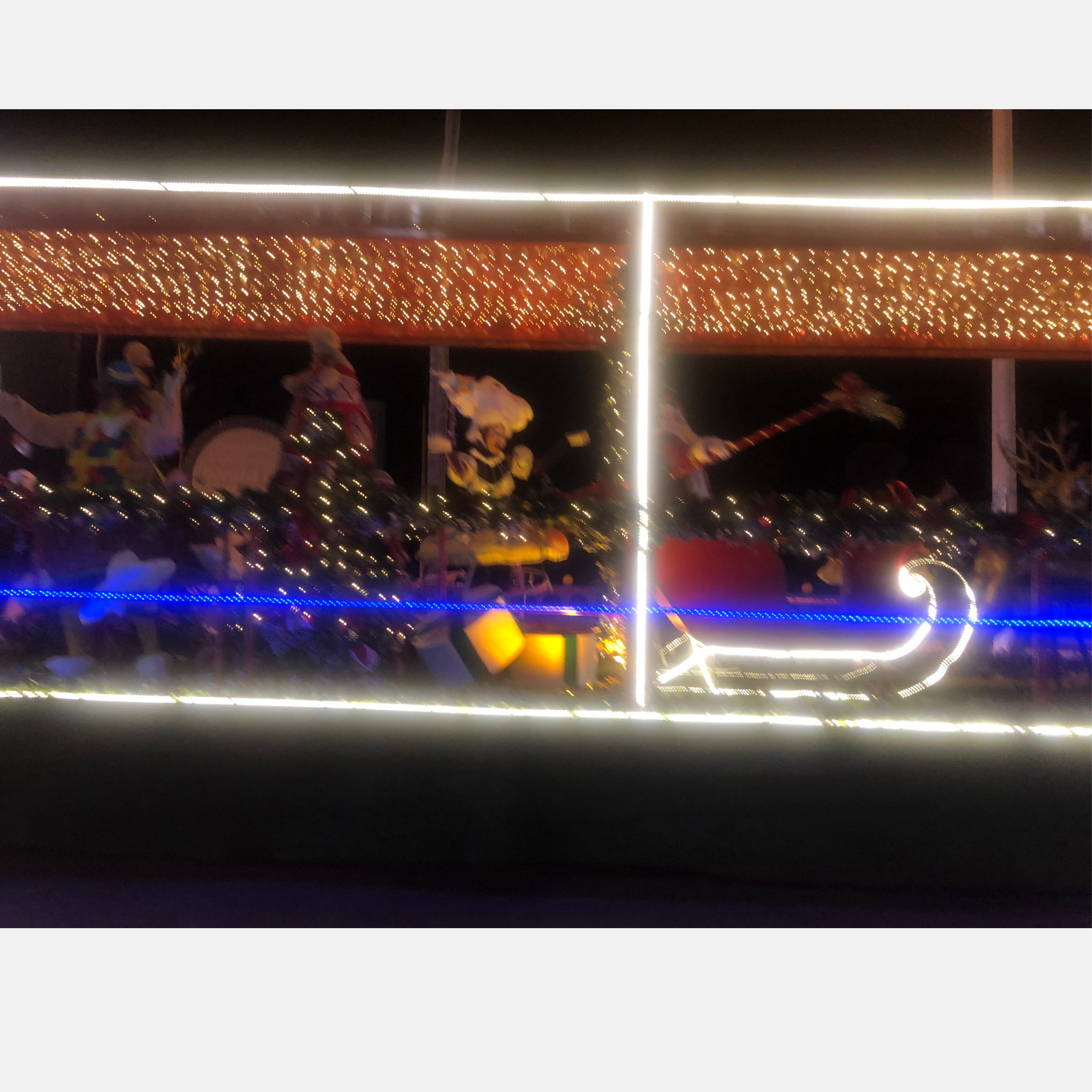
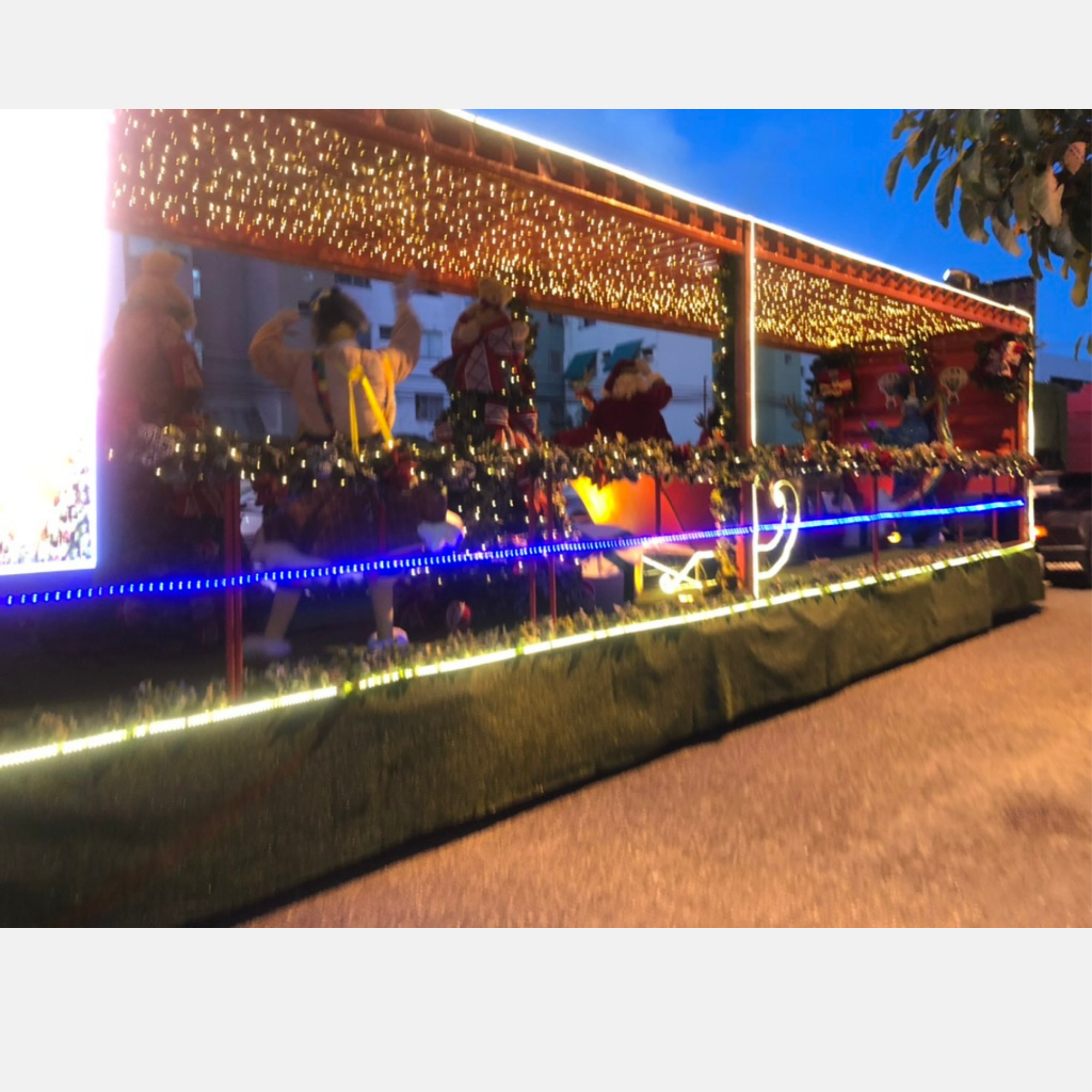
It operates as a mobile cultural intervention that transforms the city into a distributed stage. A scenographic structure circulates through different neighborhoods, enabling encounters within everyday urban environments rather than concentrating audiences in fixed locations.
Initially developed as a 6-meter installation, the project allowed safe engagement from homes, sidewalks, and local surroundings, reactivating shared symbolic experiences during a period of isolation. Its immediate public response demonstrated strong emotional and social resonance, as families reconnected with a collective festive imaginary.
In 2021, the project expanded into an 11-meter mobile structure, increasing its visual impact, technical capacity, and territorial reach. Operating through defined routes and urban coordination, it activated multiple areas of the city simultaneously, transforming circulation into experience.
Already implemented, the project demonstrates how mobility, scenography, and narrative can sustain cultural life under constraint. Its long-term impact lies in proposing a scalable and replicable model for cultural activation—expanding access, strengthening urban connection, and rethinking how collective experiences can take place across distributed urban space.
The project emerged in 2020, at the height of the COVID-19 pandemic, when restrictions on public circulation suspended cultural activities and fragmented everyday urban life. In this context, the project was conceived as a way to restore the possibility of encounter without requiring physical gathering.
The initial version consisted of a 6-meter mobile scenographic structure designed to circulate through the city. Instead of concentrating people, the project invited the population to encounter the experience as it moved along its route, creating moments of connection within the constraints of isolation.
Its implementation combined scenography, lighting, sound, and live performance, forming a traveling immersive environment. As it passed through different neighborhoods, families engaged from windows, sidewalks, and doorsteps, reconnecting with a shared festive atmosphere.
The emotional impact of the first edition led to the expansion of the project in 2021, when it was redeveloped into an 11-meter structure with greater scenographic complexity and urban reach. Operating through defined routes and in coordination with public authorities, the project circulated across the city, activating streets and residential areas.
By bringing the experience directly to the population, the project enabled a form of collective encounter that respected restrictions while overcoming isolation. It revealed new possibilities for cultural action in urban space, demonstrating that even under constrained conditions, the city can remain a place of imagination, presence, and shared meaning.
Mobile cultural intervention
Urban public space activation
Social inclusion and access to culture
Immersive scenography
Community engagement
The project addresses sustainability by reconfiguring how cultural experiences are produced and accessed in the city. Instead of concentrating audiences in fixed venues, it operates through a mobile and decentralized model that distributes cultural activation across multiple urban areas.
This approach reduces the need for large-scale infrastructure, avoids permanent construction, and uses existing urban space as a platform, minimizing physical and environmental impact. By bringing the experience directly into neighborhoods, it also reduces audience displacement and associated urban pressure.
Socially, the project expands access by reaching populations that are often excluded from centralized cultural circuits. It enables participation from homes, sidewalks, and local public spaces, lowering economic and geographic barriers. During its implementation, this model proved particularly relevant in contexts of restricted mobility, reconnecting communities through shared symbolic experiences.
Economically, the project activates local creative networks, engaging artists, technicians, and cultural workers in a flexible production model that can adapt to different scales and contexts.
The project can be considered exemplary in sustainability for proposing a replicable cultural model based on mobility, low physical impact, and distributed access. Its structure allows adaptation to different cities and conditions, offering an alternative to traditional event formats by prioritizing accessibility, flexibility, and urban integration.
The project contributes to making everyday urban life more beautiful by transforming the city into a moving stage of imagination and encounter. Through immersive scenography, lighting, and performative elements, it introduces moments of wonder into ordinary streets, reaching people within their daily environments rather than requiring displacement to cultural venues.
Its aesthetic approach is grounded in accessibility and emotional resonance. By circulating through diverse neighborhoods, the project distributes visual and symbolic experiences across the city, allowing different communities to share the same narrative. This creates a sense of belonging not through a fixed place, but through a shared moment that connects residents across territories.
As the installation moves, it temporarily redefines urban space: streets shift from routes of transit to spaces of attention, pause, and collective perception. Residents gather at windows, sidewalks, and doorways, activating a form of presence that transforms familiar environments into sites of encounter. This contributes to a renewed sense of care, as people re-engage with their surroundings through aesthetic experience.
In exemplary terms, the project demonstrates how aesthetics can operate beyond institutional spaces, becoming mobile, inclusive, and embedded in everyday urban life. By combining scenography, movement, and public space, it proposes a model in which beauty is not centralized or exclusive, but distributed and accessible—capable of generating connection, memory, and urban belonging at scale.
The project addresses accessibility and inclusion by rethinking how cultural experiences are distributed across the city. Instead of requiring audiences to travel to centralized or privileged locations, it brings the experience directly into diverse neighborhoods, reaching populations often excluded from traditional cultural circuits due to mobility, economic, or spatial barriers.
It is inherently free and open, removing financial barriers and ensuring that access does not depend on purchasing power. By operating within everyday urban routes, the project creates spontaneous encounters with culture, allowing individuals of different ages, social backgrounds, and conditions to participate equally.
The mobile format aligns with design-for-all principles by reducing the need for displacement and enabling access within close proximity to people’s homes. This is particularly relevant for individuals with limited mobility, restricted access to transportation, or reduced availability of time and resources.
Rather than concentrating cultural infrastructure, the project redistributes it across the city, promoting a more democratic and territorially balanced access to cultural life. This decentralized model also suggests an alternative form of cultural governance, in which access is not determined by location or institutional boundaries, but by movement and urban reach.
During the COVID-19 pandemic, this approach enabled safe forms of collective experience, reconnecting communities while respecting public health constraints.
The project can be considered exemplary in inclusion for proposing a scalable and replicable model based on mobility, openness, and territorial distribution—ensuring that cultural access is not exceptional, but integrated into everyday urban life.
The project was developed through collaboration between public, private, and creative sector stakeholders, combining institutional support with cultural production expertise. Local authorities and urban stakeholders enabled the project’s circulation across the city, ensuring safe routes, accessibility, and integration within existing urban dynamics.
At the operational level, a multidisciplinary creative team was responsible for the design and execution of the mobile scenographic structure, working in coordination with logistical and municipal actors. The private sector contributed to production support, allowing the project to scale from its initial version to a more complex and expanded format.
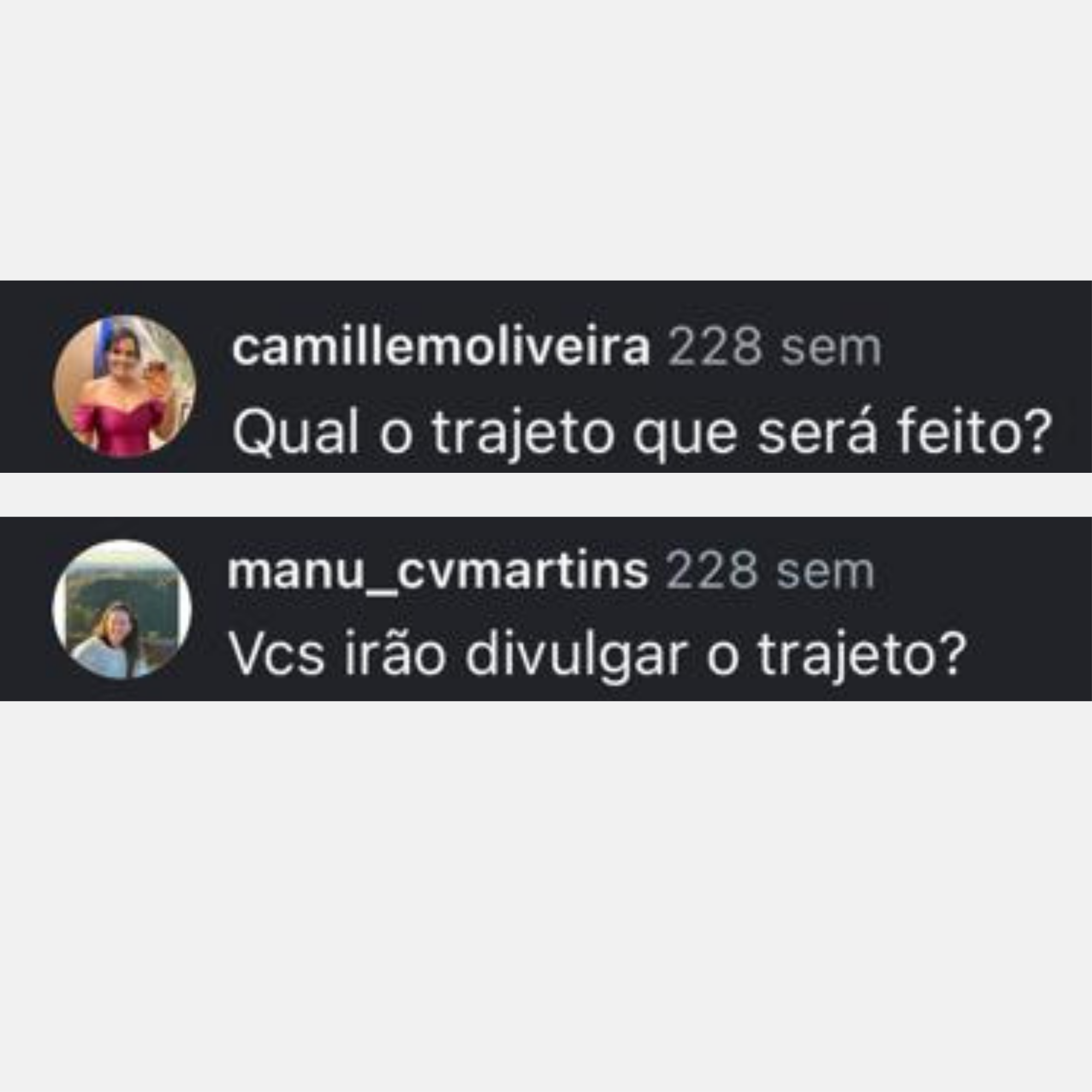
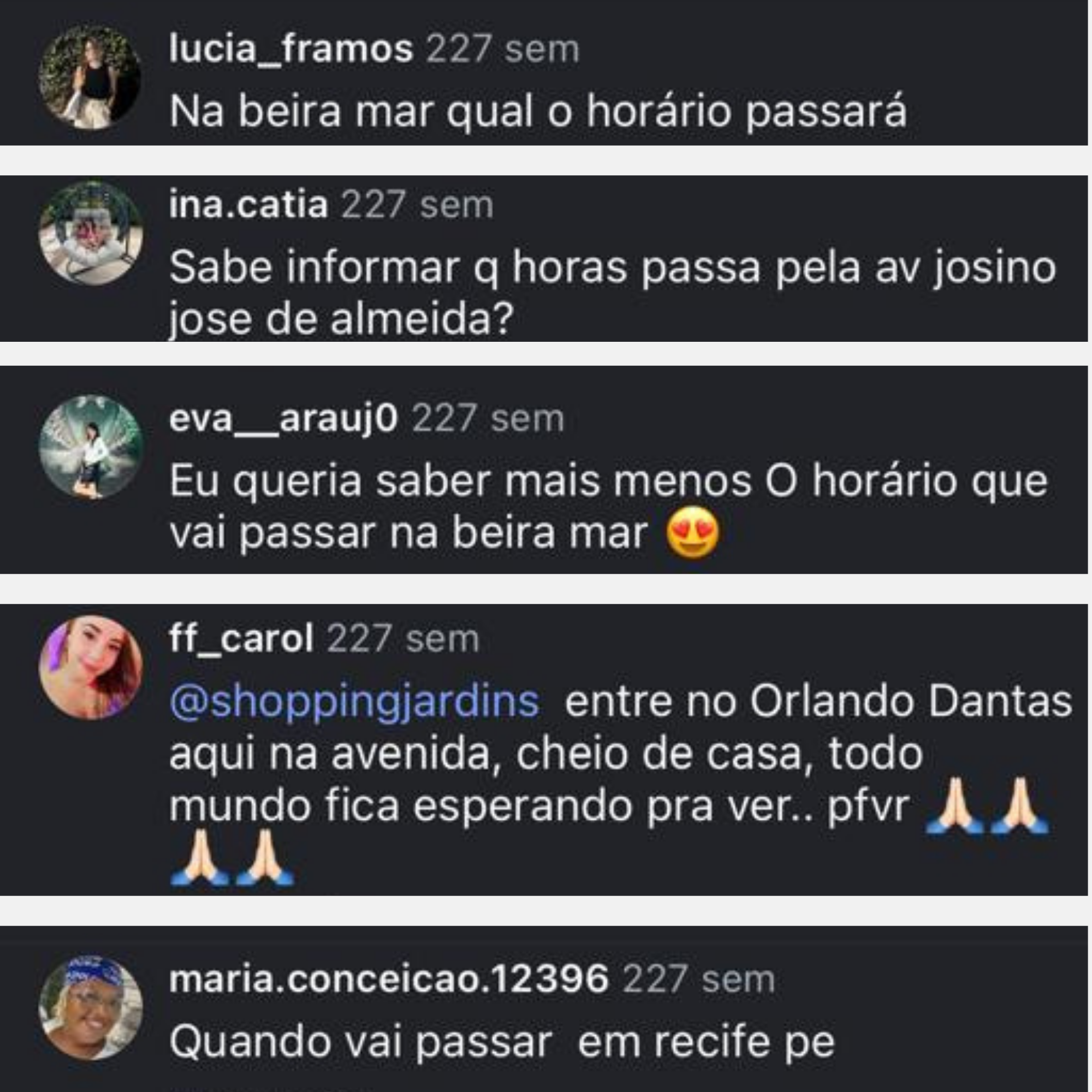
Participation, however, extends beyond institutional collaboration. At the community level, citizens played an active role in shaping the project’s presence in the city. Through real-time engagement—both in physical space and on digital platforms—residents influenced routes, expressed demand for the project to reach specific neighborhoods, and interacted directly with the experience as it unfolded.
This form of distributed participation transformed audiences into agents of the project’s expansion, as their responses informed visibility, circulation, and future iterations. Rather than a fixed or pre-defined experience, the project adapted to the city through continuous interaction with its inhabitants.
The impact of this involvement lies in the creation of a shared sense of ownership and anticipation. Communities did not simply receive the project; they engaged with it, followed it, and contributed to its presence across the urban territory.
The project can be considered exemplary in participatory terms for proposing a model in which engagement is not limited to co-creation workshops or formal processes, but emerges through open, accessible, and real-time interaction embedded in everyday urban life.
The project operates through a multilevel governance model that integrates local stakeholders, institutional actors, and private sector support into a coordinated framework for cultural activation in urban space.
At the local level, the project was conceived and implemented by a cultural production team responsible for the development of the concept, scenographic design, and operational execution. This level ensured proximity to the urban context and responsiveness to local dynamics.
Municipal authorities and local public structures played a key enabling role by supporting route planning, circulation logistics, and public safety measures. Their involvement allowed the project to operate within the city’s regulatory and infrastructural framework, ensuring accessibility across multiple neighborhoods.
The private sector contributed through production support and resource allocation, enabling the scaling of the project from its initial format to a more complex and higher-impact mobile structure. This partnership ensured continuity and technical development across editions.
At the community level, residents engaged with the project both physically and digitally, influencing its visibility, circulation, and territorial reach. Their responses informed how the project connected with different areas of the city, reinforcing a bottom-up dimension within the governance structure.
While primarily implemented at the local level, the project proposes a transferable model that can be adapted to different urban contexts, offering potential for replication at regional and international scales.
The added value of this multilevel governance lies in the articulation between institutional support, creative direction, and community interaction. This integration enables a flexible, scalable, and context-responsive model, in which cultural production is embedded within urban systems and aligned with social needs.
The project is inherently transdisciplinary, integrating knowledge from arts, design, urbanism, engineering, and social sciences in both its conception and implementation.
From an artistic perspective, the project combines scenography, performance, and visual narrative to create an immersive and emotionally engaging experience. These elements are not isolated, but articulated as part of a coherent aesthetic language designed to operate in motion.
Design and architecture contribute to the development of the mobile structure, requiring spatial planning, material adaptation, and structural solutions that allow the installation to function safely and effectively within urban circulation. Engineering and technical disciplines support this process through lighting systems, sound integration, and mobility logistics.
At the same time, the project is informed by social sciences and urban studies, particularly in its understanding of how people experience the city, how public space can be activated, and how cultural access can be expanded through spatial distribution. This perspective guides decisions related to routes, audience interaction, and territorial reach.
Digital technologies also play a role in extending the project’s presence beyond physical space, enabling real-time engagement, visibility, and feedback through social media platforms.
The integration of these disciplines results in a project that operates simultaneously as an artistic intervention, a design system, and an urban strategy. Rather than functioning within a single field, it demonstrates how transdisciplinary approaches can generate more adaptive, responsive, and impactful forms of cultural production in contemporary cities.
The project operates through a hybrid business model that combines commissioned cultural production, private sector investment, and institutional partnerships. It is primarily financed through contracts with municipalities, commercial centers, and private organizations seeking to activate urban space and engage communities through cultural experiences.
Rather than relying on ticket sales, the project is designed as a free public intervention. Its financial sustainability is based on a value exchange model, in which partners invest in the project in return for social impact, public visibility, and meaningful engagement with local communities.
The project functions as a scalable cultural service, with a modular structure that allows adaptation to different contexts, budgets, and urban environments. Variations in size, duration, and technical complexity enable its implementation across a wide range of clients and territories, ensuring economic flexibility and resilience.
Additional value is generated through its capacity to integrate communication, urban activation, and cultural production into a single platform. This makes the project attractive not only as an artistic initiative, but also as a strategic tool for place-making, branding, and community engagement.
Over time, the project has demonstrated financial sustainability through repeated implementation, expansion in scale, and continued demand from partners.
Its long-term viability lies in its adaptability, low dependency on fixed infrastructure, and its ability to operate across sectors. As a replicable and transferable model, it offers a sustainable framework for cultural activation that aligns economic viability with public accessibility.
The project presents high potential for transferability and scalability due to its modular design, adaptable methodology, and low dependency on fixed infrastructure.
At its core, the project operates as a replicable framework for distributed cultural activation, based on mobility, scenography, and localized narrative adaptation. Rather than a fixed format, it functions as a flexible system that can be adjusted to different urban, cultural, and institutional contexts.
Its transferability is supported by four key components:
1. Mobile infrastructure system
A transportable scenic structure that can be adapted in scale, technical complexity, and design according to local conditions and resources.
2. Narrative and scenographic framework
A flexible storytelling approach that allows integration of local cultural references, traditions, and symbolic elements, ensuring contextual relevance in different geographies.
3. Decentralized engagement model
A methodology that shifts cultural experiences from centralized venues to distributed urban routes, enabling direct access to diverse communities and reducing spatial barriers.
4. Operational and logistical protocol
A structured production model that integrates route planning, urban coordination, technical setup, and stakeholder collaboration, allowing efficient implementation across different cities.
The project can operate at multiple scales—from small localized interventions to large urban activations—adapting to varying budgets, governance structures, and urban densities.
Its low reliance on permanent infrastructure and its capacity to integrate into existing urban dynamics make it particularly suitable for replication in cities with different levels of resources.
As a result, the project offers a transferable cultural model that can be implemented across diverse geographies while maintaining its core principles of accessibility, mobility, and distributed public engagement.