Enhancing Circularity, Sustainability, and Innovation
Sensora — Smart City IoT Platform
Sensora: Crisis-Proven IoT Platform for Flood Warning, Water & Smart City Resilience
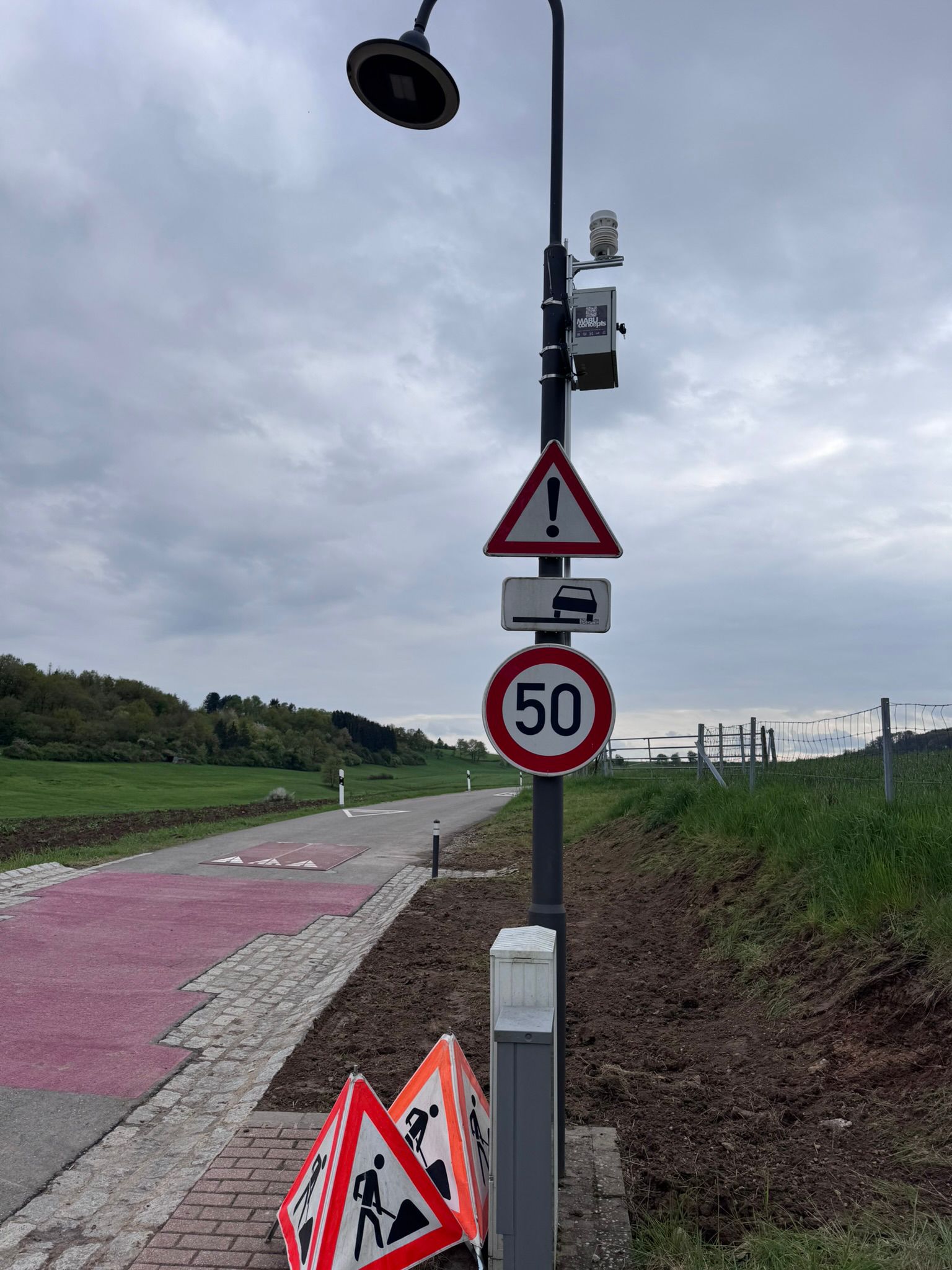
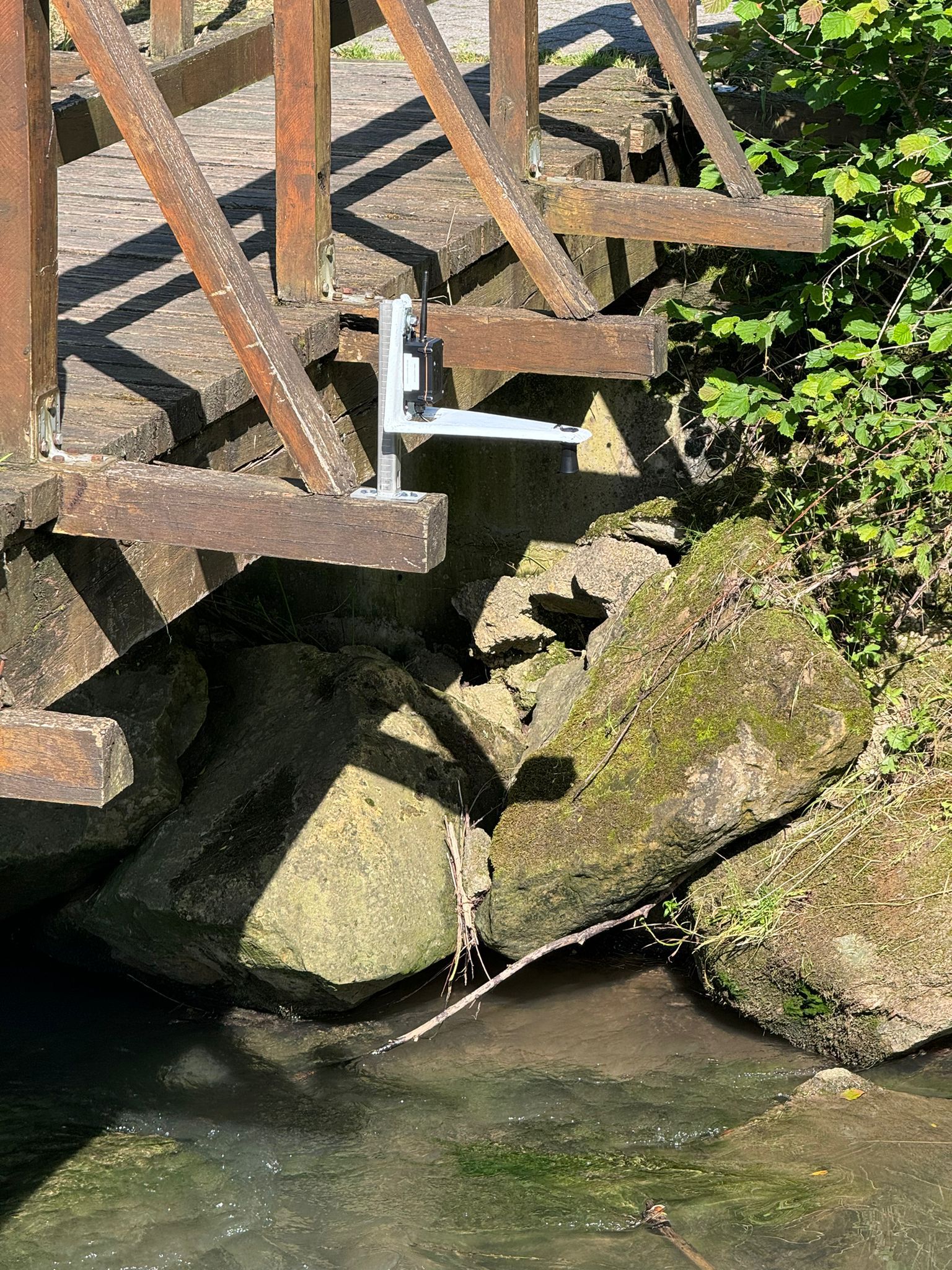
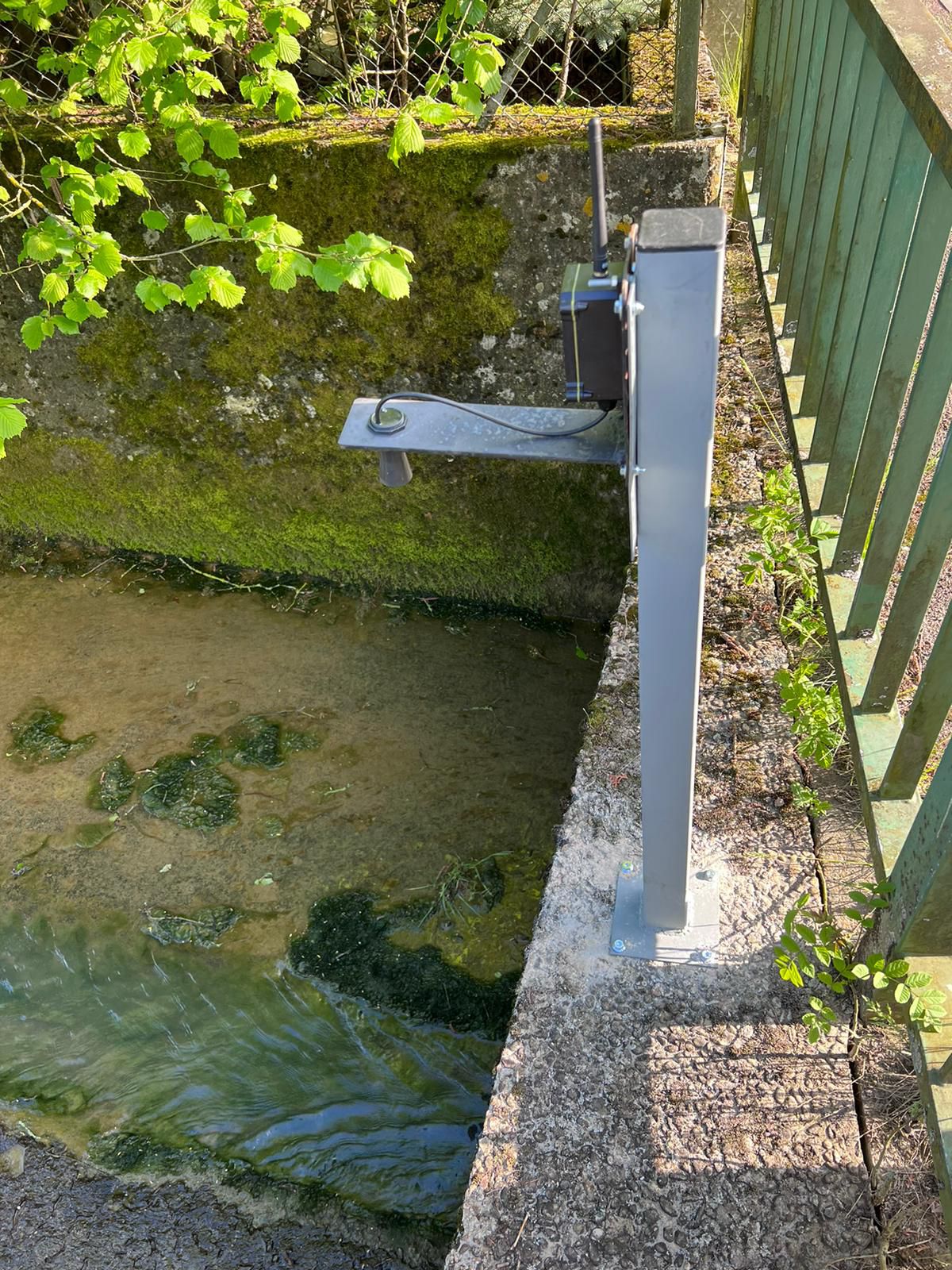
Sensora protects Luxembourg communities through real-time flood warning, water leak detection, energy monitoring, and smart building automation — all in one platform. In May 2024, Sensora's sensors triggered the only flood alert at 2am at Hesperange bridge, giving authorities critical response time. Deployed across 20+ municipalities via affordable LoRaWAN networks, Sensora delivers sustainable, inclusive smart city infrastructure for communities of every size.
Luxembourg
Regional
Hesperange, Schengen, Stadtbredimus, Mondercange — Grand Duchy of Luxembourg
It addresses urban-rural linkages
It involves other types of transformations (soft investment)
Yes
2026-01-01
No
No
Yes
Organisation
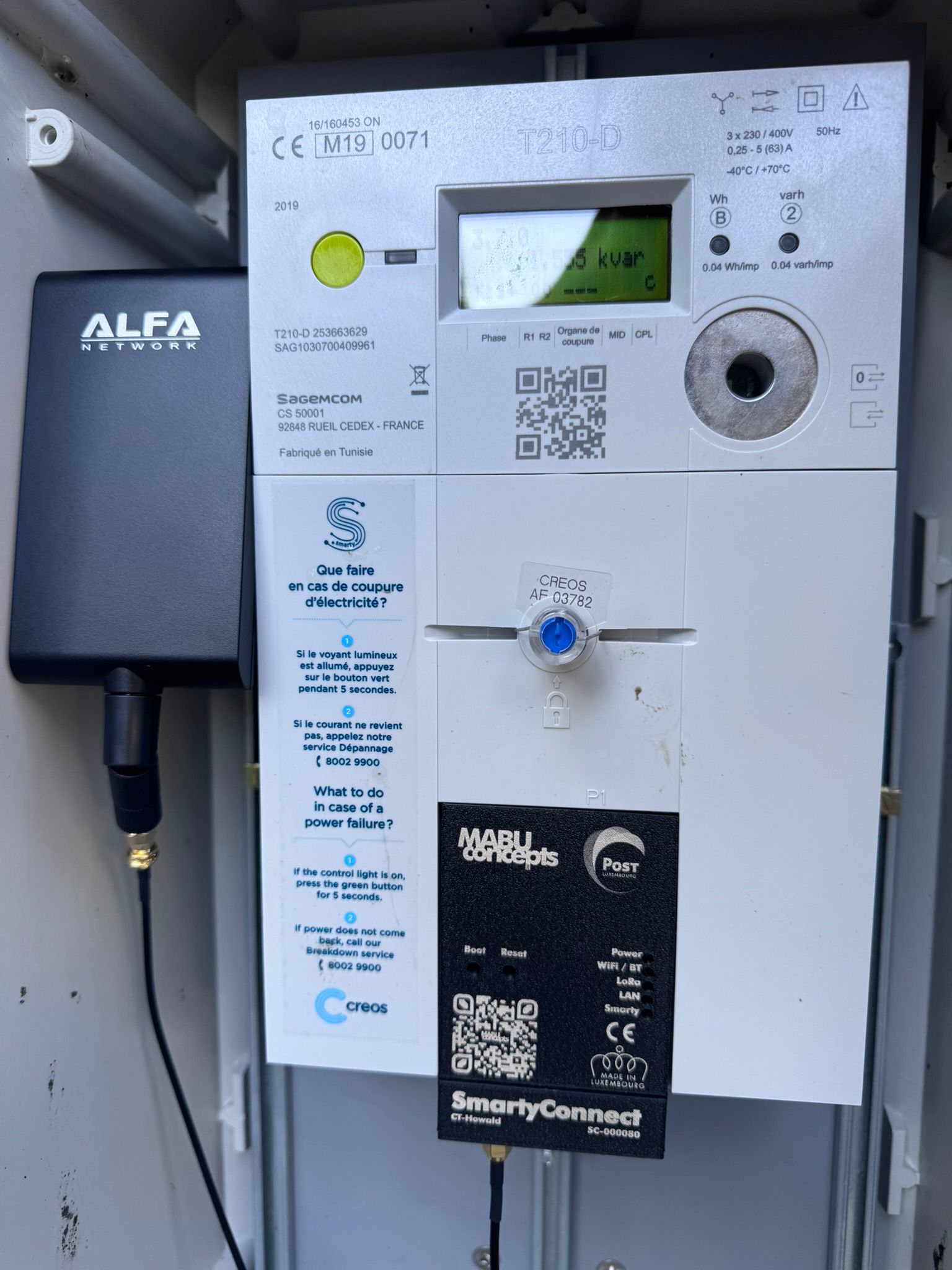
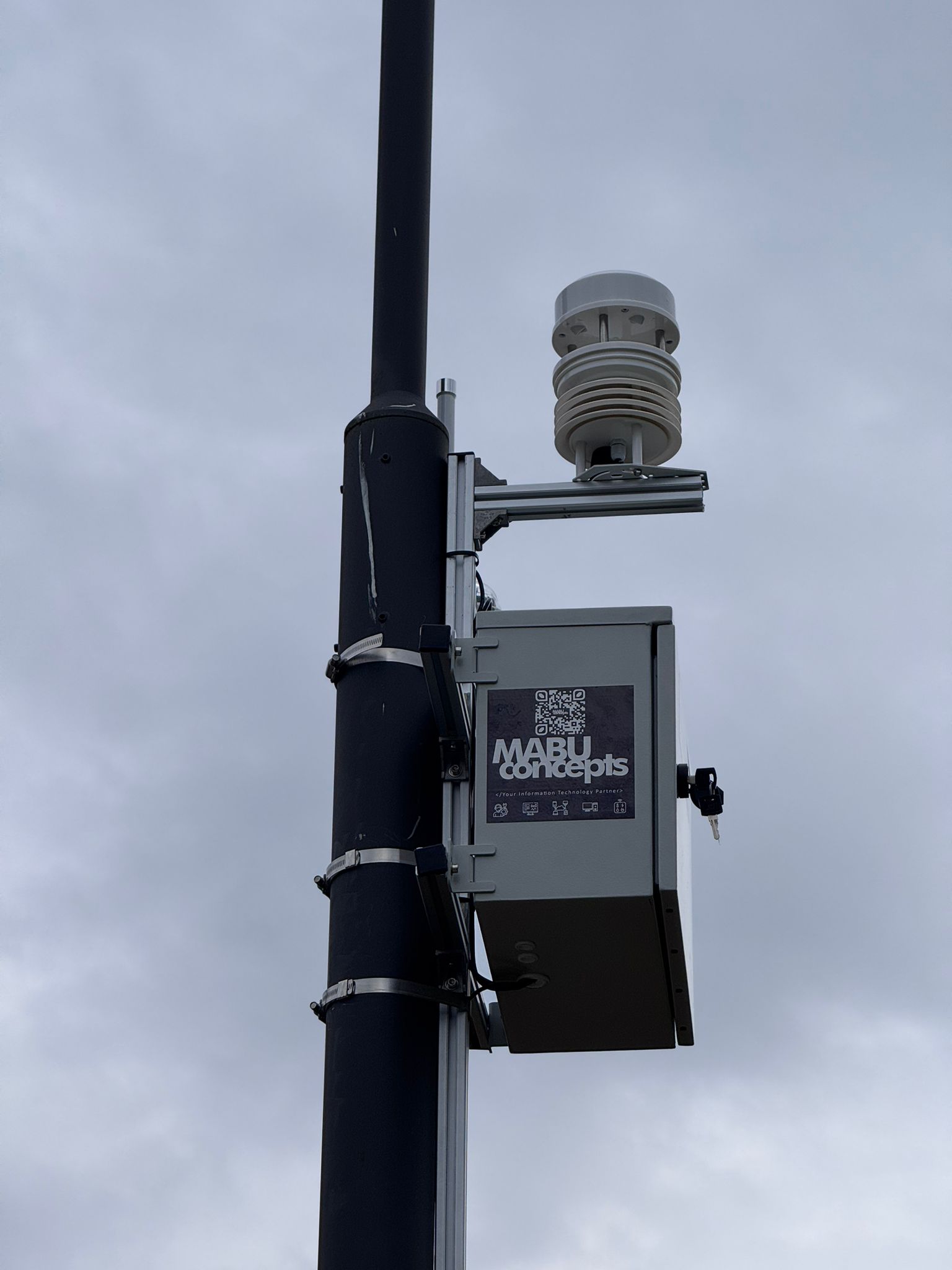
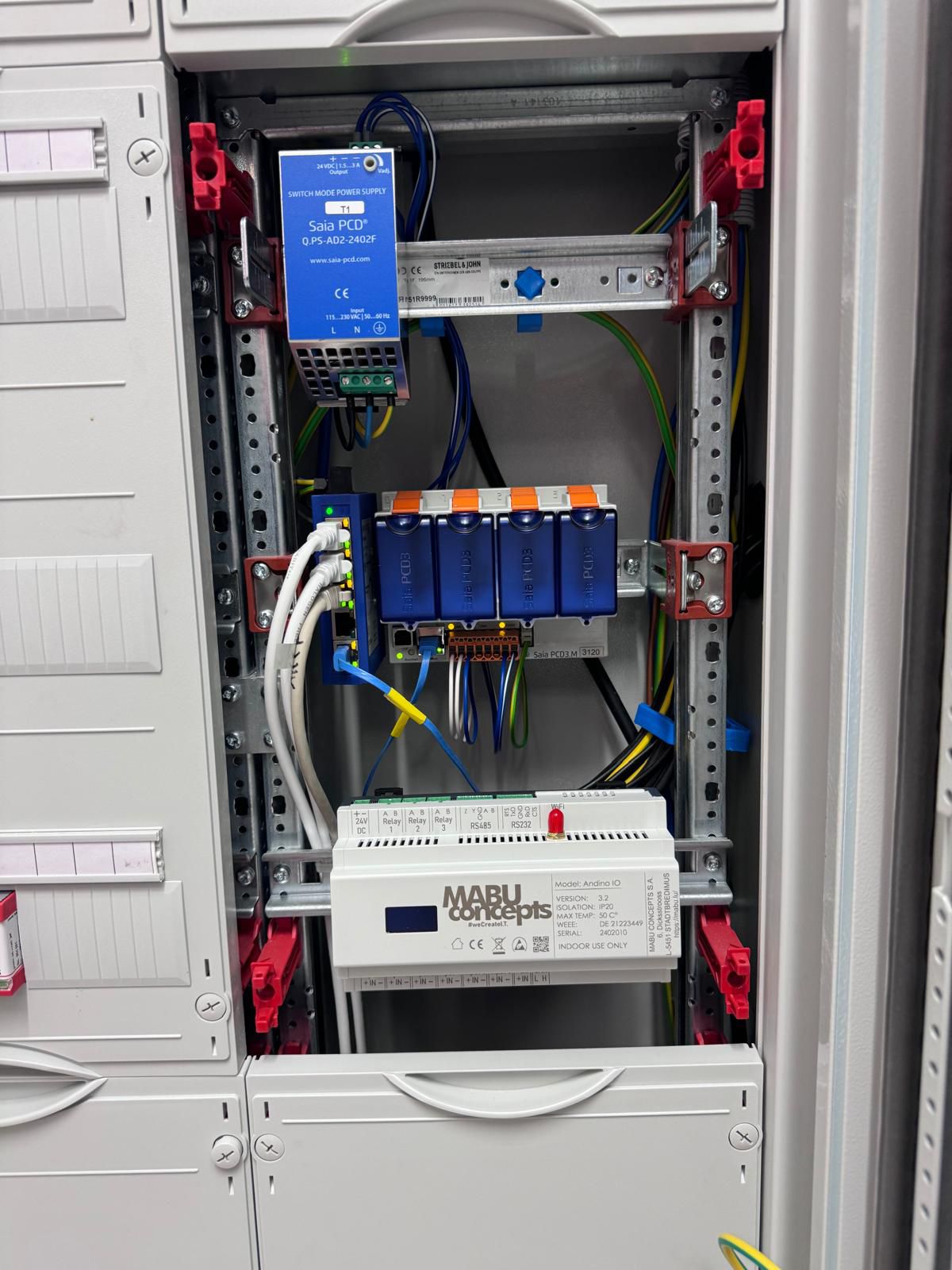
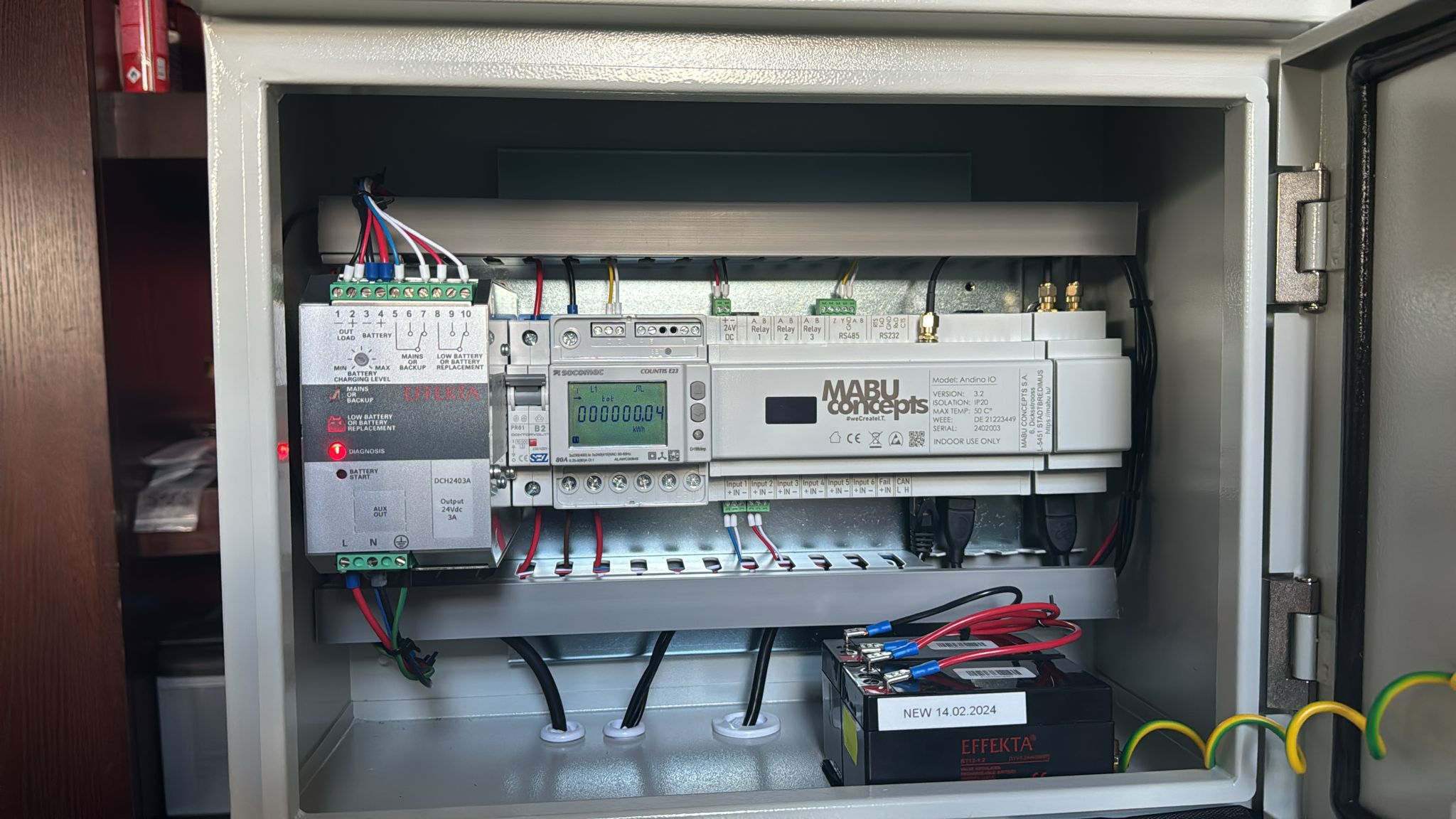
Sensora is a unified IoT platform developed by MABU Concepts S.A. (Luxembourg) that protects communities through real-time flood early warning, water leak detection, smart building automation, and environmental monitoring — all accessible through a single dashboard.Deployed across 20+ Luxembourg municipalities since 2021, Sensora connects hundreds of LoRaWAN sensors covering flood levels, rainfall, energy consumption, air quality, temperature, fire detection, and water leaks. The platform sends automated multi-channel alerts (SMS, email, push) and gives municipal staff live visibility over their entire infrastructure.Its most critical result: in May 2024, Sensora's ultrasonic sensors at the Hesper bridge in Hesperange triggered flood alerts at 2am — the only system to warn authorities before the flood reached critical levels. Without Sensora, no alert would have reached emergency responders that night. This crisis-proven moment demonstrates that Sensora is not a prototype — it is operational, resilient infrastructure that saves response time when lives are at stake.Beyond flood warning, Sensora monitors 60+ municipal buildings in Schengen alone, optimises heating and energy systems, detects water leaks before they cause damage, and enables data-driven decisions for mayors and technical staff. World Smart City Awards 2025 Finalist (Enabling Technologies category), Sensora is recognised internationally as a replicable model for affordable smart city resilience.
Sensora was born from a simple frustration: Luxembourg municipalities were managing critical infrastructure — rivers, buildings, energy systems, water networks — completely blind. No real-time data, no early warnings, no unified view.Steven Macedo, CEO of MABU Concepts S.A. and a certified IoT engineer based in Stadtbredimus, began in 2021 by installing the first LoRaWAN flood monitoring network in Hesperange — a commune on the Alzette river historically vulnerable to flooding. The sensors were developed in direct co-creation with municipal technical staff, who defined the alert thresholds, the escalation protocols, and the dashboard views they actually needed.From that first deployment, the system grew organically. Schengen — home of the famous European treaty — asked for weather stations, flood sensors along the Moselle, and smart building monitoring for its community halls. Mondercange migrated its entire water meter network to Sensora after years on a proprietary system. Hesperange expanded to energy monitoring, fire detection, and air quality.Each new municipality shaped the platform. Pit Gloden, security officer of Schengen, co-designed the alert logic. Technical teams in Hesperange and Stadtbredimus tested sensors in the field and reported back on what worked. This bottom-up, co-created approach meant Sensora was never built in a lab — it was built in the field, with the people who use it daily.The May 2024 flood was the ultimate test. At 2am, while the city slept, Sensora's sensors at the Hesper bridge detected rising water levels and automatically triggered alerts to emergency services. It was the only system that did. That night proved what four years of community co-creation had built: infrastructure that works when it matters most.
Flood early warning
Water resilience
Smart city IoT
Municipal infrastructure
Climate adaptation
Sensora directly addresses the most urgent environmental challenge facing European municipalities: climate-driven water crises. Flooding, drought, water waste, and energy inefficiency are no longer future risks — they are present realities for Luxembourg's 102 communes.Sensora tackles these challenges across three dimensions:1. FLOOD RESILIENCE: Ultrasonic water level sensors and pluviometers monitor rivers and drainage systems in real time. Automated alerts give emergency services critical advance warning. The May 2024 flood event at Hesperange demonstrated this concretely: Sensora was the only system to alert authorities at 2am, before flood waters reached dangerous levels. Without this warning, response time would have been reduced by critical minutes.2. WATER EFFICIENCY: Through AquaGuard-integrated leak detection, Sensora identifies abnormal water consumption patterns in municipal buildings and pipe networks. Leaks are flagged automatically before they become visible damage, reducing water waste and repair costs. In Schengen, roughly half of the commune's 60 buildings are now monitored, with consumption anomalies detected within hours rather than weeks.3. ENERGY & CARBON REDUCTION: Smart building monitoring tracks heating, electricity, and gas in real time. Sensora's energy management module has helped municipalities reduce unnecessary consumption by automating heating schedules, detecting inefficient equipment, and providing data for informed procurement decisions.All sensors run on low-power LoRaWAN networks with battery lives of 5-10 years, minimising hardware waste and energy consumption of the monitoring infrastructure itself. The platform is hardware-agnostic, extending the life of existing sensors and avoiding unnecessary replacement.Sensora embodies the NEB sustainability ambition by closing the loop between data and action transforming invisible infrastructure problems into visible, actionable intelligence for communities working toward climate neutral
Beauty, in the context of Sensora, is not found in visual design alone — it is found in the quality of life that safe, well-managed infrastructure creates for communities. Sensora makes the invisible visible, and in doing so, transforms how people experience and trust their living environment.When the streets of Hesperange no longer flood without warning, residents sleep more soundly. When the Augustinushaus in Schengen — a heritage community hall used for local celebrations and meetings — is monitored for energy, fire, and air quality, it becomes a safer, more welcoming space for every generation. When a mayor can see in real time that a heating system in a public school is failing at midnight, and send a technician before the children arrive — that is a form of care for place that residents feel, even if they never see the dashboard.Sensora also contributes directly to the aesthetic quality of public spaces by enabling preventive infrastructure management. Water leaks repaired before they damage facades. Flooded underpasses avoided through early alerts. Streets gritted precisely when ground temperature drops, not according to a fixed schedule. These are small but meaningful improvements to everyday urban and rural experience.The platform's interface was co-designed with municipal technical staff to be legible and actionable — not a complex engineering tool, but a clear visual language that any elected official or technician can read at a glance. Custom dashboards, colour-coded alert systems, and map-based views of sensor locations create a shared spatial understanding of the commune's health.In Schengen — a village globally known as a symbol of European openness — Sensora has become part of how the community tells its story of modernity and care: a place that honours its heritage while protecting its future through intelligent, human-centred technology.
Sensora was designed from the outset to be accessible and affordable for municipalities of all sizes — from villages of 3,000 residents to suburban communes of 20,000. This commitment to inclusion operates at multiple levels.AFFORDABILITY: Traditional smart city systems require proprietary hardware, expensive licences, and specialist integrators. Sensora uses open LoRaWAN standards, commodity sensors, and a SaaS model with monthly fees starting at €49. This makes professional-grade infrastructure monitoring financially viable for small rural communes that would otherwise be excluded from the smart city transition. AGE (Administration de la Gestion de l'Eau) co-funding further reduces barriers for water-related deployments.ACCESSIBILITY FOR ALL CITIZENS: Flood warnings are sent via SMS, email, and push notification simultaneously — ensuring that elderly residents, non-digital users, and emergency services all receive alerts through the channel that works for them. Alert thresholds and recipient lists are managed directly by municipal staff, without requiring technical expertise.INCLUSIVE GOVERNANCE: Sensora puts data in the hands of elected officials and frontline workers, not just IT departments. Mayors, building managers, and civil protection officers all have role-based access to dashboards relevant to their responsibilities. In Schengen, the security officer co-designed the alert logic. In Hesperange, the technical department owns and operates the system autonomously. This decentralisation of data access strengthens local democratic capacity.VULNERABLE COMMUNITIES: Flood early warning systems disproportionately benefit the most vulnerable — elderly residents, people with mobility challenges, and those living in flood-prone low-income areas who cannot easily evacuate without advance notice. The May 2024 alert at 2am gave exactly these communities the time they needed.
Sensora was not built for municipalities — it was built with them. From the first deployment in Hesperange in 2021 to the most recent installation in Schengen in 2025, every feature of the platform reflects direct input from the communities that use it daily.
The co-creation process begins before any sensor is installed. MABU Concepts conducts on-site workshops with municipal technical staff, security officers, and elected representatives to map the infrastructure, define the risk scenarios, and agree on alert thresholds and escalation protocols. This ensures that the system reflects local knowledge — the specific flood behaviour of the Alzette in Hesperange, the Moselle dynamics in Schengen, the heating patterns of heritage buildings in Stadtbredimus.
Pit Gloden, security officer of Schengen, worked directly with the MABU team to design the nine flood sensor locations along the Moselle, define the temperature thresholds for road gritting alerts, and determine which municipal staff should receive which alerts. His practical knowledge of the commune's geography was irreplaceable. The resulting system is one that his team owns and operates autonomously.
In Hesperange, the technical department has been an active partner since 2021 — the longest-running Sensora deployment. Their continuous feedback shaped the energy monitoring module, the fire alarm integration, and the multi-building dashboard that now covers the commune's key public buildings.
In Mondercange, the commune was previously a customer of a competing platform (Zenner Elements IoT). The migration to Sensora was a joint technical project, with municipal engineers actively involved in data migration, sensor reconfiguration, and testing.
This participatory model means that Sensora's roadmap is driven by real operational needs, not product assumptions. It also means that municipalities feel genuine ownership over their systems — a prerequisite for long-term adoption and sustainable infrastructure management
Sensora operates across multiple governance levels simultaneously, creating vertical and horizontal connections that amplify its impact far beyond individual municipal deployments.
LOCAL LEVEL: Each municipality operates its own Sensora instance, with full data sovereignty and role-based access for mayors, technical staff, and civil protection services. Local knowledge drives configuration; local staff own operations.
NATIONAL LEVEL: Sensora's flood warning systems are integrated into Luxembourg's national water management framework. The Administration de la Gestion de l'Eau (AGE) co-funds AquaGuard water monitoring deployments through national investment programmes, recognising Sensora as a compliant and recommended solution for municipal water resilience. This national endorsement has accelerated adoption across Luxembourg's 102 communes.
INTER-MUNICIPAL LEVEL: The consortium approach — demonstrated through the MER SMART project bringing together Schengen, Mondercange, and Hesperange — shows how municipalities can collaborate to share infrastructure, reduce costs, and create regional monitoring networks. The Moselle river flood data from Schengen sensors benefits downstream communes in real time.
EU LEVEL: Sensora's recognition as a World Smart City Awards 2025 Finalist (Enabling Technologies) — the only EU company in the final three — brought the project to the attention of EU institutions and the international smart city community. Minister of Economy Lex Delles visited the Sensora stand at Smart City Expo World Congress in Barcelona, signalling national-level political endorsement.
PRIVATE SECTOR PARTNERSHIPS: Collaboration with POST Luxembourg (NB-IoT connectivity), Datacake (data visualisation), and DEEP (network infrastructure) demonstrates that Sensora operates as a connector between public authorities, technology providers, and civil society — embodying the transdisciplinary, multi-actor model that NEB champions.
Sensora sits at the intersection of multiple disciplines, and its success depends on their integration. No single field of knowledge could have produced it alone.
ENGINEERING & IoT TECHNOLOGY: The hardware layer — ultrasonic water level sensors, pluviometers, weather stations, energy meters, fire detectors — requires deep expertise in electronics, LoRaWAN radio protocols, sensor calibration, and edge computing. MABU Concepts holds CompTIA Security+, CEH Master, and Cisco CCNA certifications, bringing cybersecurity and network engineering into the design from day one.
ENVIRONMENTAL SCIENCE: Flood modelling, water level interpretation, and rainfall correlation require understanding of hydrology. Sensora's alert thresholds were developed in collaboration with municipal engineers and water management authorities (AGE), integrating environmental science into operational decision-making.
URBAN PLANNING & ARCHITECTURE: Smart building monitoring requires understanding of building physics — thermal inertia, ventilation dynamics, occupancy patterns. The Augustinushaus in Schengen and the public buildings of Hesperange were analysed as architectural and social spaces, not just technical systems.
SOCIAL SCIENCES & GOVERNANCE: The participatory design process drew on community engagement methodologies. Understanding how mayors make decisions, how technical staff communicate risk, and how residents receive emergency information required social and organisational knowledge as much as technical expertise.
DATA SCIENCE & VISUALISATION: TimescaleDB, Grafana, and custom dashboard development translate raw sensor data into actionable intelligence. The visual language of the dashboard — colour coding, map overlays, historical trend charts — was designed to be readable by non-technical users.
DIGITAL HUMANITIES: In Schengen, a commune with deep European symbolic significance, the integration of smart city technology into community life required sensitivity to local identity.
Sensora operates on a financially sustainable SaaS (Software as a Service) model designed specifically for the public sector, combining affordable recurring revenues with scalable infrastructure.
REVENUE STREAMS:
1. Monthly SaaS subscriptions: Municipalities pay a recurring fee starting at €49/month for platform access, dashboard hosting, alert management, and technical support. Fees scale with the number of sensors and buildings monitored.
2. Hardware deployment: MABU Concepts supplies and installs sensors, gateways, and LoRaWAN infrastructure. One-time hardware revenue is complemented by multi-year service agreements.
3. Integration services: Custom integrations with existing municipal systems (building management, alarm systems, meter reading) generate project-based revenues.
4. Public funding leverage: AGE (Administration de la Gestion de l'Eau) co-funds water monitoring deployments, reducing municipal upfront costs and accelerating adoption. The 2025 Luxembourg Smart City Fund (€5 million, Ministry of Economy) further supports municipal IoT investments.
FINANCIAL SUSTAINABILITY:
Sensora's SaaS model creates predictable, recurring revenue that grows with each new municipal deployment. With 20+ active municipalities and growing pipeline interest, the platform has reached operational sustainability. Low marginal cost of adding new municipalities — the core platform, LoRaWAN network, and support infrastructure are already in place — means each new customer is highly profitable.
The hardware-agnostic architecture avoids vendor lock-in for municipalities and reduces MABU's dependency on any single hardware supplier, improving resilience across the value chain.
MABU Concepts reinvests platform revenues into R&D developing new sensor types, AI-driven anomaly detection, and expanded coverage. The company's mission is explicitly to make professional infrastructure monitoring affordable for small communes that global smart city vendors ignores
Sensora was designed to be replicated from day one. Its architecture, business model, and deployment methodology are all transferable to other geographies, governance contexts, and infrastructure sectors.
TECHNICAL REPLICABILITY:
Sensora is built on open standards — LoRaWAN (LPWAN), MQTT, REST APIs, and TimescaleDB. Any municipality with basic connectivity can deploy it. The platform is hardware-agnostic, meaning existing sensors from any manufacturer can be integrated without replacement. This dramatically reduces the cost and complexity of replication.
GEOGRAPHIC TRANSFERABILITY:
Within Luxembourg, Sensora is actively expanding to new communes. The MER SMART consortium (Schengen, Mondercange, Hesperange) has created a documented replication blueprint — technical specifications, procurement templates, and operational protocols that any Luxembourg commune can adopt.
Internationally, MABU Concepts has received interest from Ruuris Innovations (India) for integration with command and control centres serving Indian municipal councils. A partnership with an operator in Portugal is under development for AquaGuard water monitoring. These pilot partnerships demonstrate that Sensora's model travels beyond its home context.
SECTORALTRANSFERABILITY:
While Sensora began in municipal public administration, the same platform architecture applies to: social housing operators managing large building portfolios; hospital and school facility managers; heritage building conservators monitoring humidity and temperature; agricultural cooperatives tracking soil moisture and irrigation.
KNOWLEDGETRANSFER
Sensora's deployment methodology the co-creation workshops, alert threshold design process, and staff training protocols has been documented and is shared with partner municipalities. MABU Concepts has presented at national conferences and provided technical training to municipal engineers, creating a growing community of practice around open smart city infrastructure in Lux.
- https://www.lessentiel.lu/fr/story/luxembourg-intrusion-panne-inondation-une-societe-du-pays-vise-le-graal-103436380
- https://www.lessentiel.lu/de/story/luxemburg-schengen-vernetzt-sich-zur-smart-city-103465984
- https://today.rtl.lu/news/luxembourg/world-smart-city-awards-luxembourg-entrepreneur-among-final-three-in-barcelona-2352512