Enhancing Circularity, Sustainability, and Innovation
Living Heritage- Sustainable Futures
Regenerating Rural Heritage through Sustainable Tourism and Living Traditions in Moldova
"The Present- The chance of the future" NGO revitalizes rural Moldova through Poarta Neamului project, where heritage becomes a living, sustainable experience. Visitors can see how the 104 years old house is kept, explore marked eco-trails to Moldova’s highest hill and engage with local gastronomy, crafts, and traditions. Blending innovation with authenticity, the project supports communities, protects landscapes, and reconnects people with nature and culture.
Moldova
Regional
villages from 3 districts: Calarasi, Nisporeni and Ungheni districts
Mainly rural
It involves other types of transformations (soft investment)
Yes
2025-06-22
No
No
No
Individual
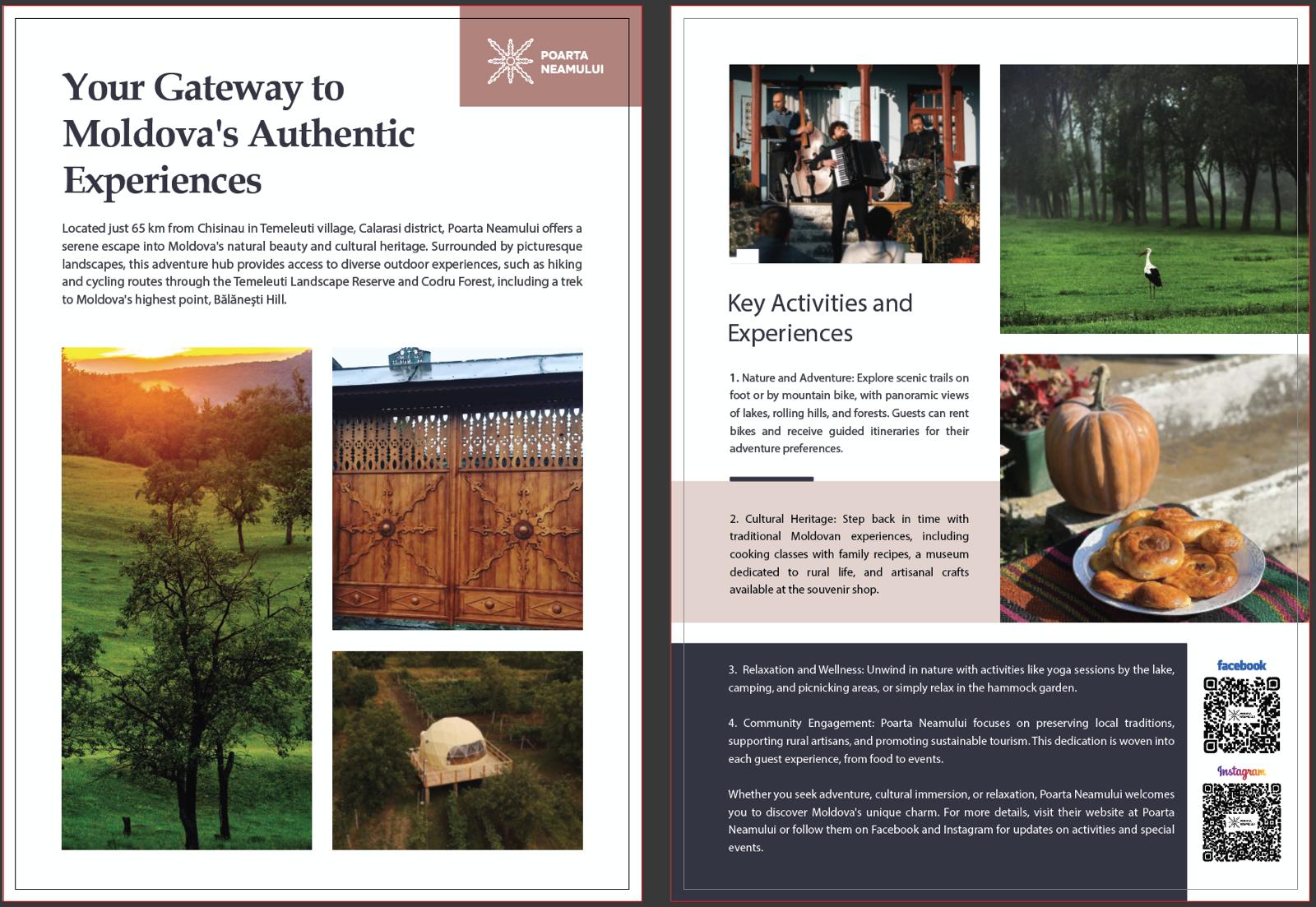
Poarta Neamului is a rural regeneration initiative in Temeleuți, Republic of Moldova, transforming a traditional household built in 1922 into a living heritage hub. The project introduces an innovative model of community-based tourism that integrates sustainability, culture, and local entrepreneurship into a cohesive rural ecosystem.
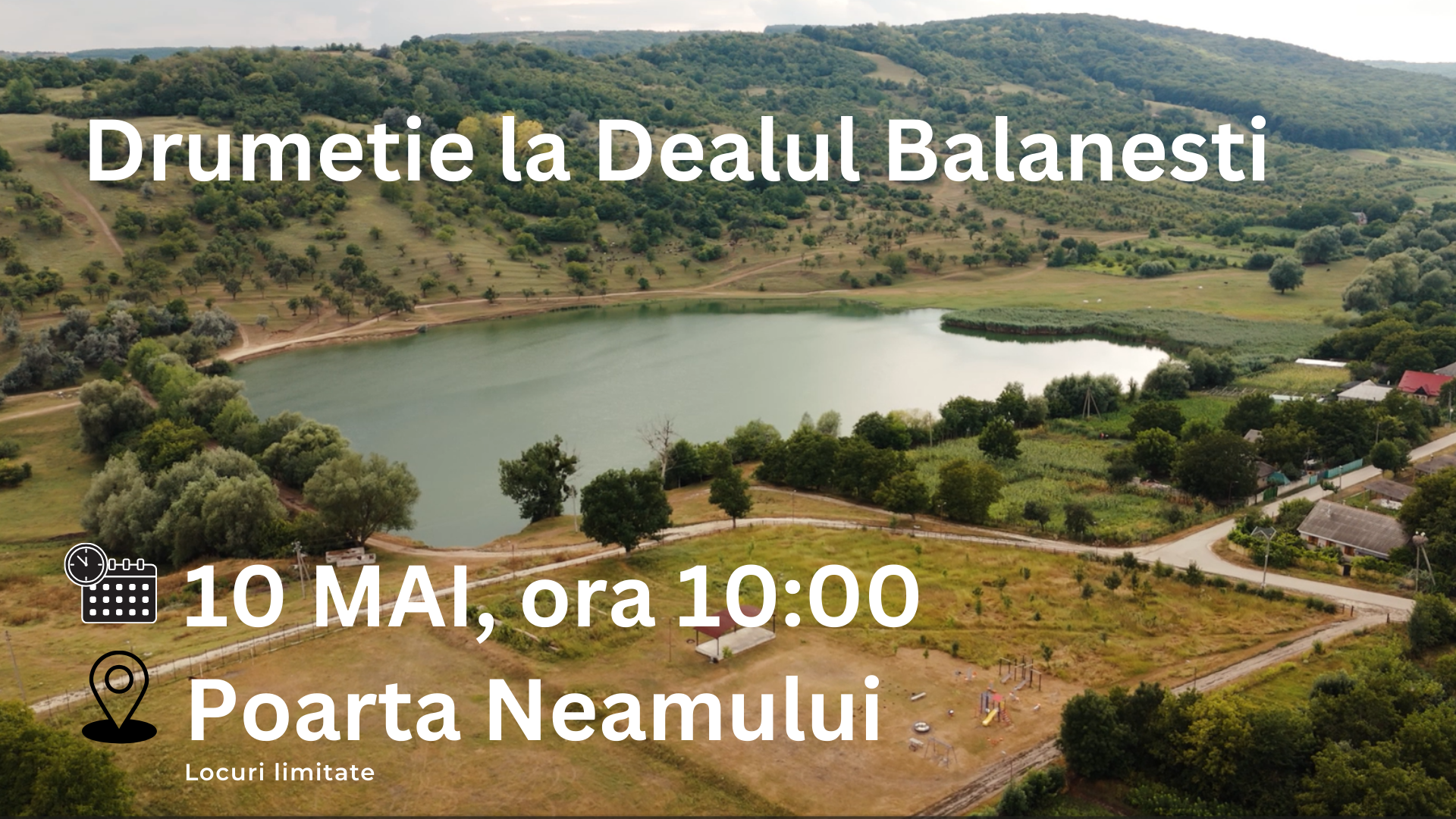
At its core, Poarta Neamului combines nature-based solutions with experiential tourism design. Marked eco-trails leading to Bălănești Hill, the highest point in Moldova, encourage slow mobility and direct interaction with the landscape, while immersive experiences in gastronomy, crafts, and storytelling create meaningful connections between visitors and local life.
The project’s innovation lies in rethinking heritage as an active economic and social resource. It connects tourism with agriculture, culture, and education through short value chains, local sourcing, and participatory experiences. By integrating elements such as permaculture practices, eco-accommodation concepts, and curated cultural narratives, Poarta Neamului creates a low-impact, high-value tourism model tailored to rural contexts.
Already achieved results include the activation of local producers and artisans within the tourism value chain, the diversification of rural incomes, and the positioning of the area as an emerging ecotourism destination. The project has strengthened community engagement, particularly among women and youth, and has contributed to preserving both tangible and intangible heritage.
In the long term, Poarta Neamului serves as a scalable and replicable model for rural innovation in Eastern Europe. It demonstrates how sustainability-driven design, rooted in local identity, can generate economic resilience, protect cultural landscapes, and inspire new forms of inclusive and regenerative tourism aligned with the New European Bauhaus values.
Poarta Neamului was born from a personal story and a deep connection to place. The project started with the restoration of a traditional family house built in 1922, inherited from previous generations, with the intention of preserving not only the building, but also the memories, values, and way of life it represents. What began as a personal initiative gradually evolved into a wider vision: transforming heritage into a living resource for the future.
The idea developed in response to the challenges faced by rural Moldova—depopulation, loss of traditions, and limited economic opportunities. Instead of allowing these processes to continue, Poarta Neamului was designed as a space where local identity could be preserved and reactivated through sustainable tourism.
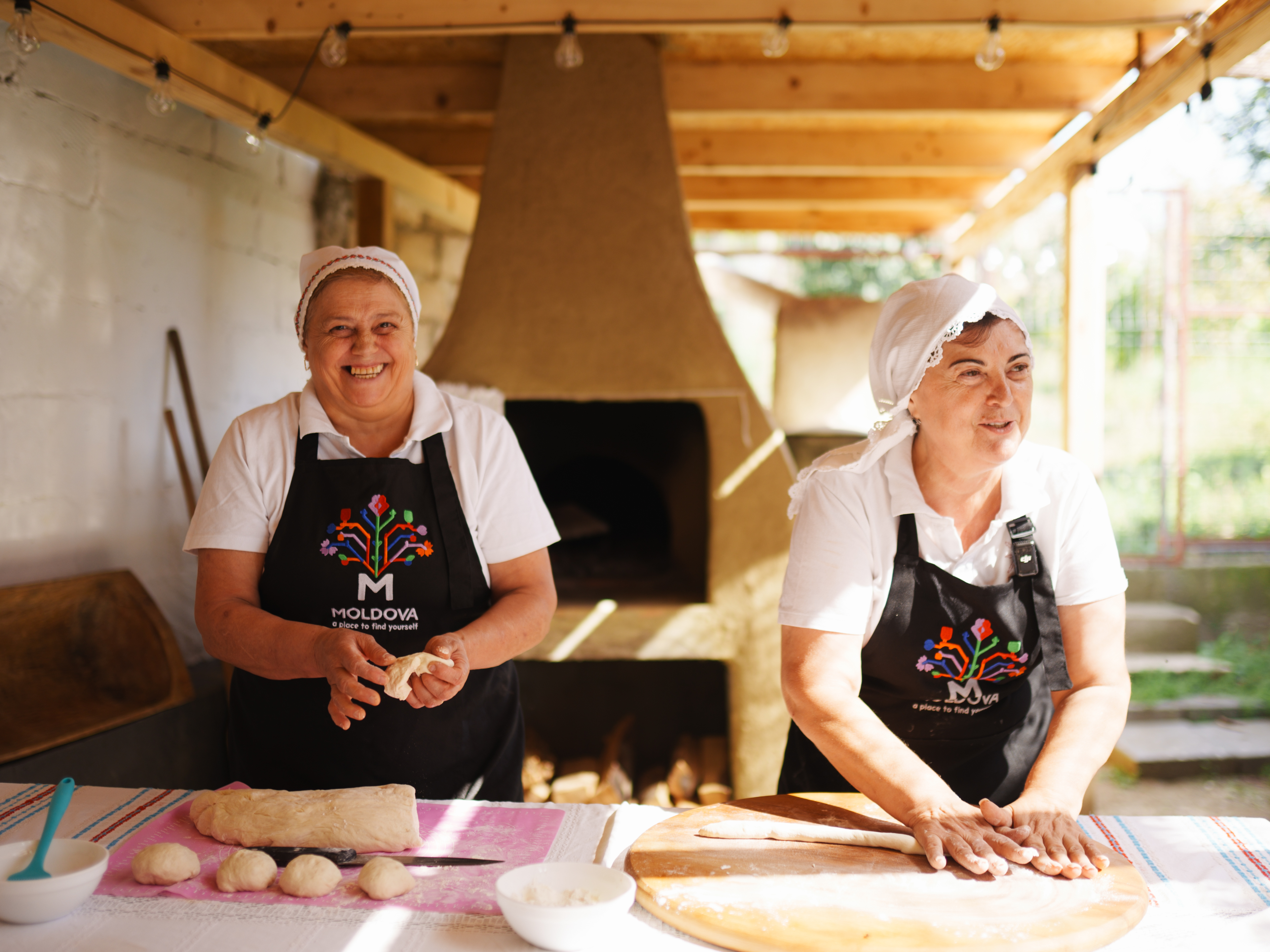
Implementation was carried out step by step, using local knowledge, materials, and skills. The house was restored while maintaining its authenticity, and experiences were co-created together with local families, artisans, and producers. Traditional gastronomy, crafts, and storytelling became central elements of the visitor experience, ensuring that benefits remain within the community.
At the same time, marked eco-trails were developed to connect the village with Bălănești Hill, encouraging visitors to explore the landscape in a slow and responsible way. These interventions required collaboration with local authorities, community members, and tourism stakeholders, creating a shared sense of ownership.
Through an iterative and participatory approach, Poarta Neamului has grown organically into a functional model of rural innovation—where tradition meets sustainability, and where local communities actively shape their own future.
regenerative tourism
circular rural economy
cultural landscape preservation
nature-based solutions
community co-creation
Poarta Neamului addresses sustainability through an integrated approach that connects environmental protection, social inclusion, cultural preservation, and local economic resilience. The project responds directly to key rural challenges in Moldova, including depopulation, loss of traditions, and underutilization of natural and cultural resources.
From an environmental perspective, the initiative promotes low-impact tourism based on nature-based solutions. Marked eco-trails to Bălănești Hill encourage slow mobility and responsible interaction with the landscape, while the use of local materials, traditional building techniques, and permaculture practices reduces environmental footprint and supports biodiversity awareness.
Socially, Poarta Neamului is built on community co-creation. Local families, artisans, and producers are actively involved in designing and delivering experiences, ensuring that benefits remain within the community. The project creates opportunities for women and youth, contributing to social cohesion, skills development, and local empowerment.
Culturally, it safeguards both tangible and intangible heritage by revitalizing traditional gastronomy, crafts, and storytelling, transforming them into living practices rather than static displays. This approach strengthens local identity and ensures the transmission of knowledge across generations.
Economically, the project promotes a circular rural economy by shortening value chains and prioritizing local sourcing. Tourism revenues directly support local households, creating diversified income streams and increasing resilience in a vulnerable rural area.
Poarta Neamului is exemplary in its holistic and regenerative approach, demonstrating how sustainability can be embedded in everyday practices and experiences. It offers a scalable model where environmental responsibility, cultural authenticity, and community well-being are not separate objectives, but interconnected one.
Poarta Neamului contributes to aesthetics by restoring and reinterpreting the beauty of rural life as a lived, meaningful experience. Rather than creating artificial or staged environments, the project reveals the intrinsic aesthetic value of authentic architecture, cultural landscapes, and everyday traditions. The traditional house, built in 1922, has been carefully preserved using local materials and techniques, maintaining its original character while adapting it for contemporary use.
Aesthetics at Poarta Neamului is not limited to visual appearance—it is experiential and emotional. Visitors engage with the rhythm of village life through shared meals, handcrafted objects, storytelling, and direct contact with nature. The marked eco-trails leading to Bălănești Hill frame the landscape as a space of contemplation, where natural beauty is experienced slowly and respectfully.
The project creates a strong sense of belonging by reconnecting people—both locals and visitors—with the place and its identity. For the local community, it reinforces pride in their heritage and encourages care for their surroundings. For visitors, it offers an authentic connection that fosters respect and emotional attachment to the landscape and culture.
In the long term, Poarta Neamului contributes to preserving the aesthetic integrity of the rural environment by promoting development that is sensitive to scale, materials, and traditions. It demonstrates that beauty can emerge from authenticity, simplicity, and care, rather than from standardization or overdevelopment.
The project is exemplary in its ability to translate cultural and natural heritage into a contemporary aesthetic experience that enhances everyday life, strengthens identity, and inspires a deeper relationship between people and place—fully aligned with the New European Bauhaus vision of beauty, sustainability, and inclusion.
Poarta Neamului promotes inclusion by placing local people at the center of both design and implementation, creating a participatory and community-driven model of rural development. The project responds to structural challenges in rural Moldova—limited economic opportunities, social fragmentation, and migration—by offering accessible ways for local residents to engage, contribute, and benefit.
In terms of accessibility and affordability, the initiative is designed as an open and flexible space, where experiences can be adapted to different groups, including families, youth, and international visitors with diverse budgets. By relying on local resources and short supply chains, costs are kept accessible while ensuring that value remains within the community.
The project operates through community co-creation, involving local families, artisans, and producers in shaping and delivering the experiences. This inclusive governance approach empowers stakeholders who are often underrepresented in formal economic structures, particularly women and elderly knowledge holders, whose skills and traditions become valuable assets.
Poarta Neamului also creates opportunities for youth engagement through cultural and educational activities, fostering a renewed sense of belonging and encouraging them to remain connected to their roots. The project promotes intergenerational dialogue, ensuring that knowledge is shared and preserved.
As a new societal model, it demonstrates how rural communities can transition from passive beneficiaries to active creators of value. By combining inclusion with sustainability and cultural identity, Poarta Neamului builds social cohesion and resilience.
The project is exemplary in its ability to make participation, culture, and economic opportunity accessible to all, while fostering dignity, ownership, and shared responsibility—fully aligned with the inclusive vision of the New European Bauhaus.
Poarta Neamului has been developed through a participatory, community-driven approach, where local people are not only beneficiaries but active co-creators of the project. From the early stages, the initiative engaged family members, neighbours, local producers, artisans, and tourism stakeholders in shaping the concept and defining the experiences offered.
Community members contributed their knowledge, skills, and resources to co-design activities rooted in local traditions—such as gastronomy, crafts, storytelling, and agricultural practices. This ensured that the project reflects authentic local identity rather than an externally imposed model. Local authorities and partners were also involved in supporting the development of marked eco-trails and in facilitating connections within the wider tourism ecosystem.
The level of involvement goes beyond consultation: participants actively deliver experiences, host visitors, and are integrated into the local value chain. This shared ownership model strengthens trust, responsibility, and long-term commitment. Civil society actors and tourism organisations have contributed with expertise, visibility, and networking opportunities, helping position the initiative within national and international contexts.
The impact of this participatory approach is visible in increased community engagement, stronger social cohesion, and a renewed sense of pride and ownership over local heritage. It has empowered individuals—especially women and elderly knowledge holders—to transform their skills into economic opportunities. At the same time, it has created a collaborative local ecosystem where stakeholders work together towards a shared vision of sustainable development.
Poarta Neamului demonstrates that meaningful participation leads to more resilient, inclusive, and authentic outcomes, fully aligned with the New European Bauhaus principle of co-creation.
Poarta Neamului has been developed through a multilevel governance approach, bringing together stakeholders from local, regional, national, and European levels to co-create and support the initiative. This layered collaboration has been essential for ensuring both local relevance and broader strategic alignment.
At the local level, community members—including families, artisans, and producers—play a central role in designing and delivering experiences, forming the foundation of the project. The local public authorities have contributed by supporting access, visibility, and the development of marked eco-trails connecting the village to Bălănești Hill.
At the regional and national levels, tourism institutions, experts, and development programmes have supported the project through capacity building, promotion, and integration into wider tourism strategies. This includes alignment with national priorities on sustainable tourism, rural development, and destination branding, helping position the initiative as part of Moldova’s emerging ecotourism offer.
At the European level, the project benefits from knowledge exchange, partnerships, and visibility through networks and programmes focused on cultural routes, sustainable tourism, and rural innovation. These connections provide access to good practices, expertise, and international audiences, strengthening the quality and impact of the initiative.
The added value of this multilevel governance lies in the combination of bottom-up and top-down approaches: local ownership is reinforced by strategic support and international perspectives. This creates a coherent ecosystem where policies, resources, and community initiatives are aligned, increasing effectiveness, scalability, and long-term sustainability.
Poarta Neamului demonstrates how collaboration across governance levels can transform a local initiative into a model with national relevance and European resonance.
Poarta Neamului is inherently transdisciplinary, combining multiple fields of knowledge to create an integrated model of sustainable rural development. The project brings together architecture, environmental sciences, social sciences, cultural studies, tourism development, and education, translating them into a cohesive and practical initiative.
Architecture and design play a key role in the restoration of the traditional house built in 1922, where local materials and vernacular techniques are preserved while adapting the space for contemporary use. This is complemented by elements of sustainable design, including low-impact infrastructure and eco-accommodation concepts.
Environmental sciences inform the development of nature-based solutions, such as marked eco-trails to Bălănești Hill and the integration of permaculture practices, promoting biodiversity awareness and responsible interaction with the landscape.
Social sciences and community development approaches underpin the participatory model, ensuring that local stakeholders are actively involved in co-creation, governance, and benefit-sharing. This is closely linked with economic and tourism expertise, shaping a viable model of community-based and regenerative tourism.
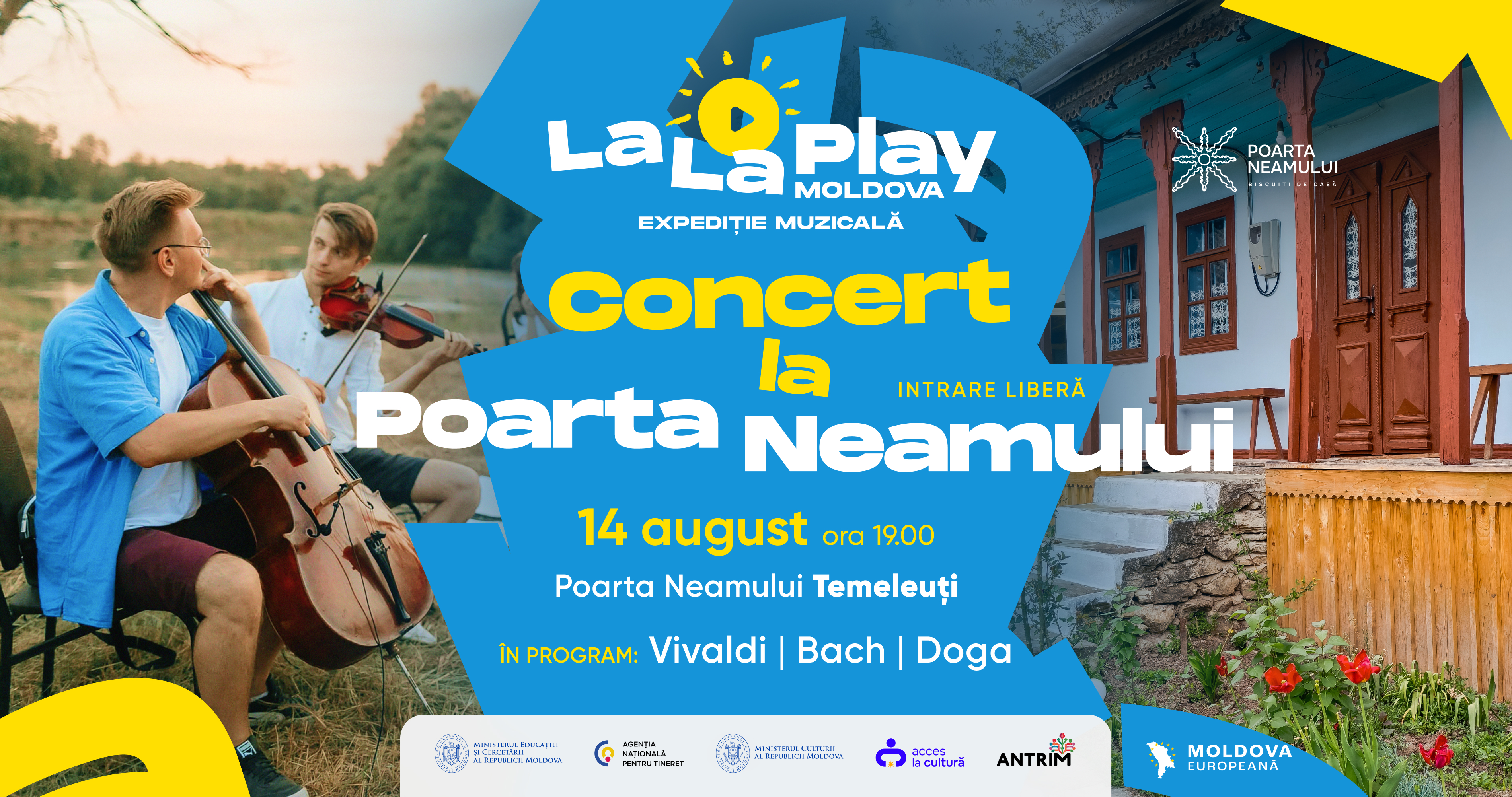
Cultural studies and the arts are central to preserving and interpreting intangible heritage, including gastronomy, crafts, storytelling, and local rituals, transforming them into meaningful visitor experiences. At the same time, educational components foster intergenerational learning and awareness among both locals and visitors.
Digital tools and communication strategies support visibility, storytelling, and connection with wider audiences, linking the local initiative to national and European networks.
By bridging disciplines and translating them into real-life solutions, Poarta Neamului demonstrates how transdisciplinary collaboration can generate innovative, resilient, and context-sensitive outcomes.
Poarta Neamului operates through a hybrid and diversified business model that combines revenue-generating activities with partnerships and project-based funding, ensuring long-term financial sustainability while preserving its community-driven character.
The core revenue streams are based on experiential tourism services, including traditional gastronomy experiences, cultural workshops, guided visits, and nature-based activities such as eco-trails to Bălănești Hill. These experiences are designed as small-scale, high-value offers that prioritize quality, authenticity, and low environmental impact over mass tourism.
Additional income is generated through the sale of local products and crafts, developed in collaboration with local producers and artisans, reinforcing a circular rural economy and creating shared economic benefits. Seasonal accommodation concepts, such as eco-friendly structures, further diversify revenues while maintaining alignment with sustainability principles.
The project also benefits from strategic partnerships with national and international organisations in the fields of tourism development, cultural heritage, and sustainability. These collaborations provide access to project-based funding, capacity building, and visibility, supporting innovation and scaling without compromising the local identity of the initiative.
Importantly, the model relies on short value chains and local sourcing, reducing costs and maximizing value retention within the community. This approach strengthens economic resilience and ensures that financial benefits directly support local households and stakeholders involved in the project.
In the long term, Poarta Neamului aims to expand its financial sustainability through the development of new experiential products, educational programmes, and partnerships at regional and European levels.
The project is exemplary in demonstrating how a small-scale, community-based initiative can achieve financial viability
Poarta Neamului has been designed as a flexible and replicable model of rural regeneration, where key elements can be adapted and transferred to other communities and contexts, particularly in Eastern Europe and the wider EU rural space.
At the core of its scalability is the methodology of transforming local heritage into a living economic and social resource. This includes the adaptive reuse of traditional households, the integration of local producers and artisans into tourism value chains, and the creation of authentic, experience-based offers rooted in local identity. These principles can be applied in any rural area with cultural and natural assets.
The development of marked eco-trails as low-cost, high-impact infrastructure is another transferable element. This approach connects communities with their surrounding landscapes, encourages sustainable mobility, and enhances the attractiveness of lesser-known destinations without requiring significant investment.
The project’s participatory model—based on community co-creation, shared ownership, and inclusive governance—represents a key learning that can be replicated to ensure long-term sustainability and local engagement. The use of short value chains and circular economy principles further strengthens its adaptability to different economic contexts.
In addition, Poarta Neamului offers a transferable framework for combining tourism, culture, agriculture, and education into a cohesive local ecosystem. This integrated approach can be scaled through networks, partnerships, and capacity-building programmes, including collaboration with European cultural routes and sustainable tourism initiatives.
The added value lies in its simplicity, affordability, and reliance on local resources, making it accessible for small communities with limited financial means.