Arts, Culture, and Heritage as Drivers of Change
KosovArt: Heritage, Culture & Tourism
KosovArt- A Bilingual Cultural Guide Promoting Heritage, Identity and Sustainable Tourism in Kosovo
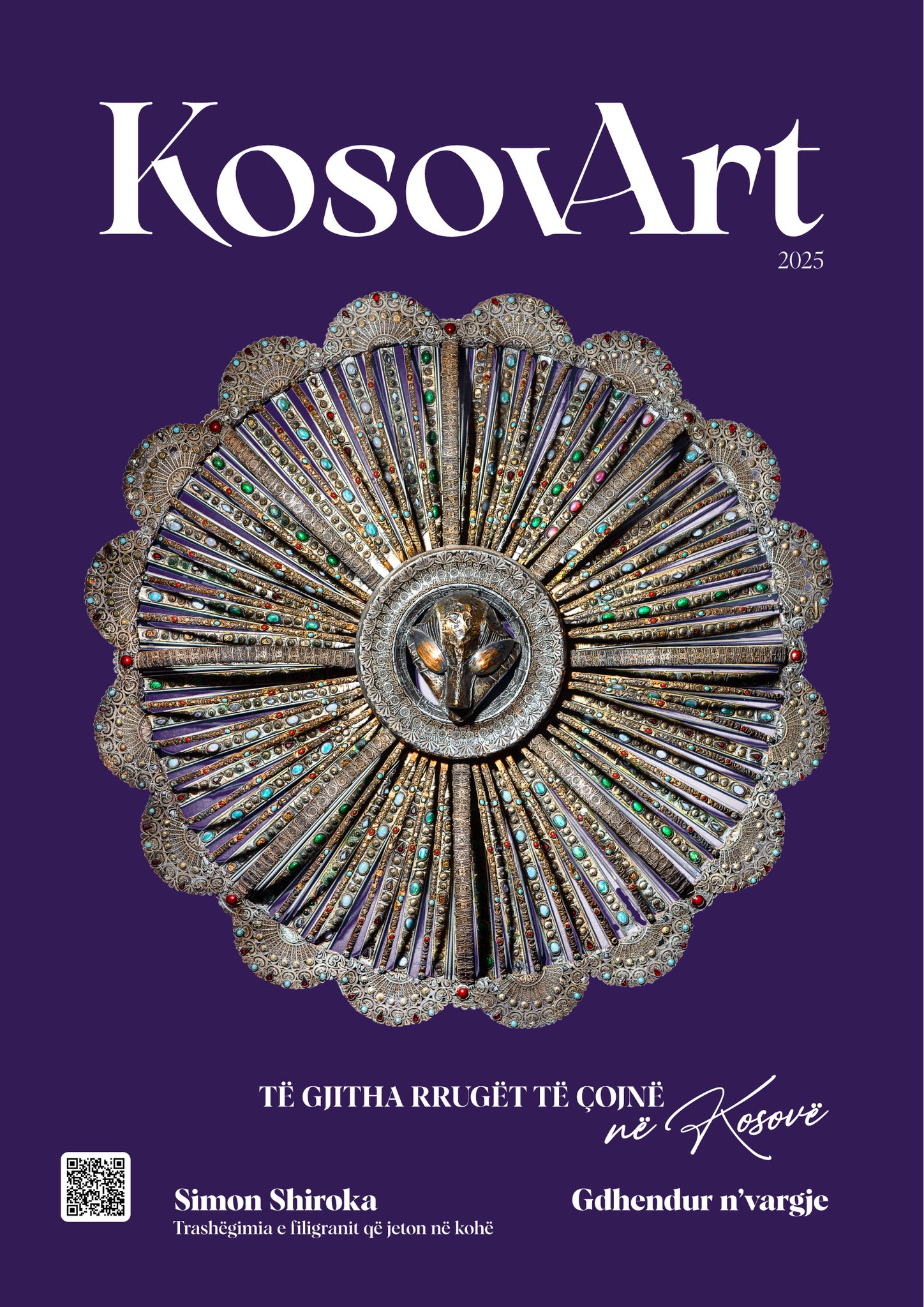
KosovArt is a bilingual (Albanian–English) cultural publication and digital platform developed in Kosovo, designed as a comprehensive guide to the country’s cultural heritage, archaeology, gastronomy, and contemporary creative scene.
The project was created to make Kosovo’s rich cultural identity more accessible to both local and international audiences. By combining print and digital formats, KosovArt serves as a bridge between tradition and modern storytelling, offering a curated and visually
The project was created to make Kosovo’s rich cultural identity more accessible to both local and international audiences. By combining print and digital formats, KosovArt serves as a bridge between tradition and modern storytelling, offering a curated and visually
Kosovo
National
It addresses urban-rural linkages
It involves other types of transformations (soft investment)
Yes
2025-05-11
No
No
No
Organisation
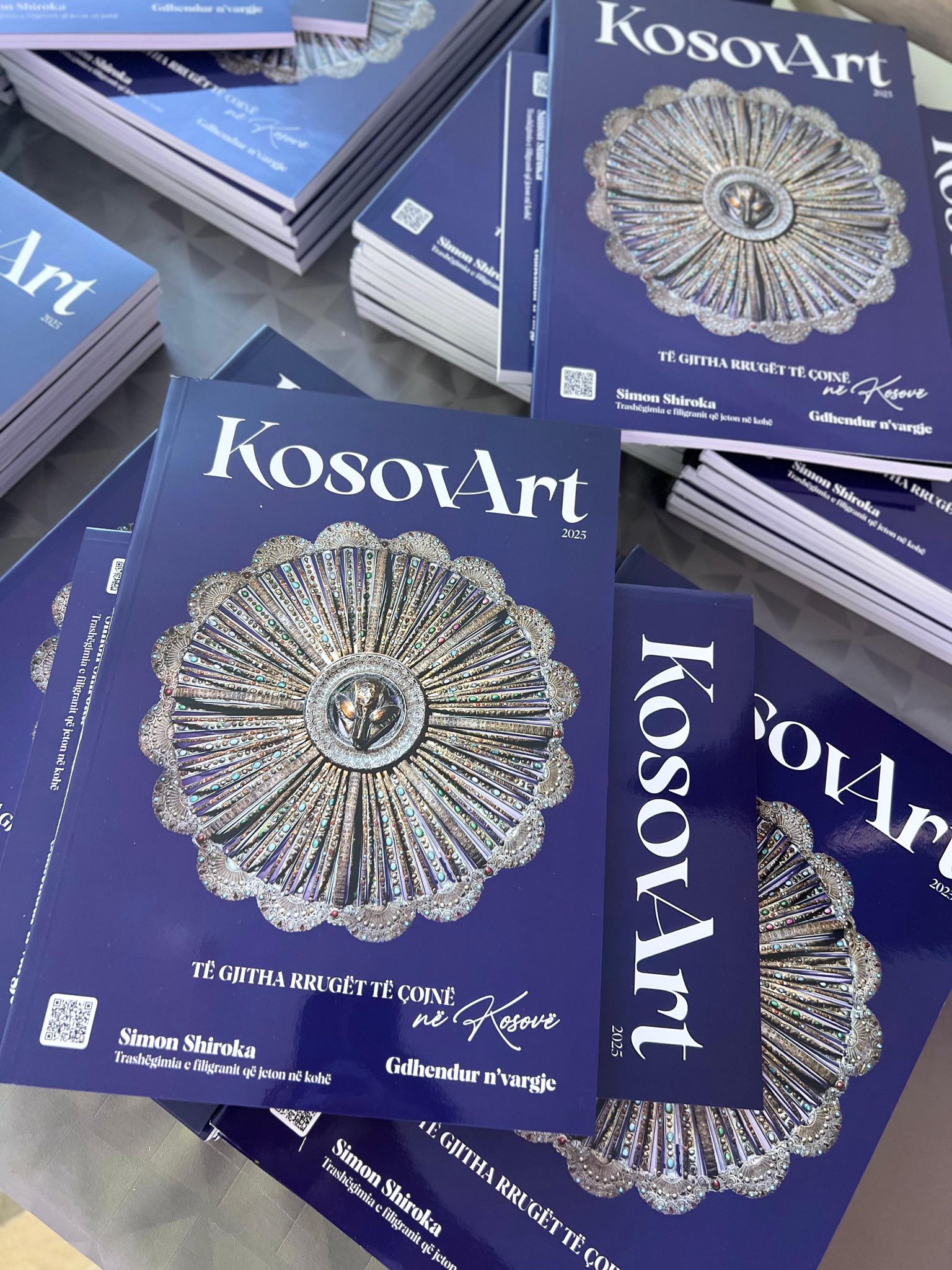
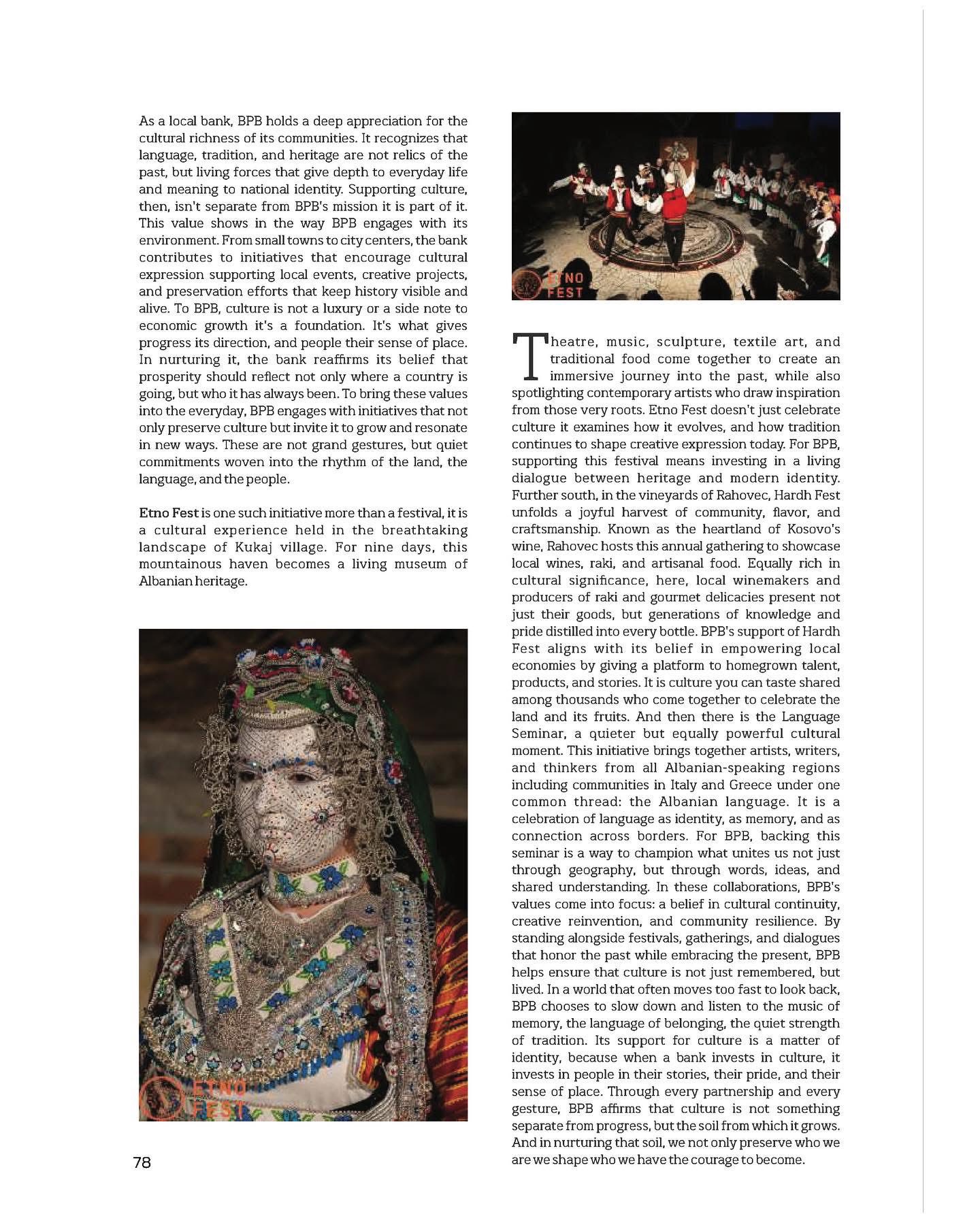
KosovArt is a cultural publication dedicated to promoting Kosovo’s heritage, archaeology, gastronomy, and contemporary cultural identity through an accessible and visually engaging format. The project has been developed as a bilingual magazine that combines high-quality photography, editorial design, and storytelling to present cultural content in a way that is both informative and aesthetically appealing.
The project strongly reflects the three core values of the New European Bauhaus:
Sustainability: Kosovart promotes sustainable cultural tourism by encouraging responsible exploration of cultural and archaeological sites, while also highlighting local gastronomy and traditional practices. By raising awareness of cultural heritage, the publication contributes to its preservation and long-term appreciation.
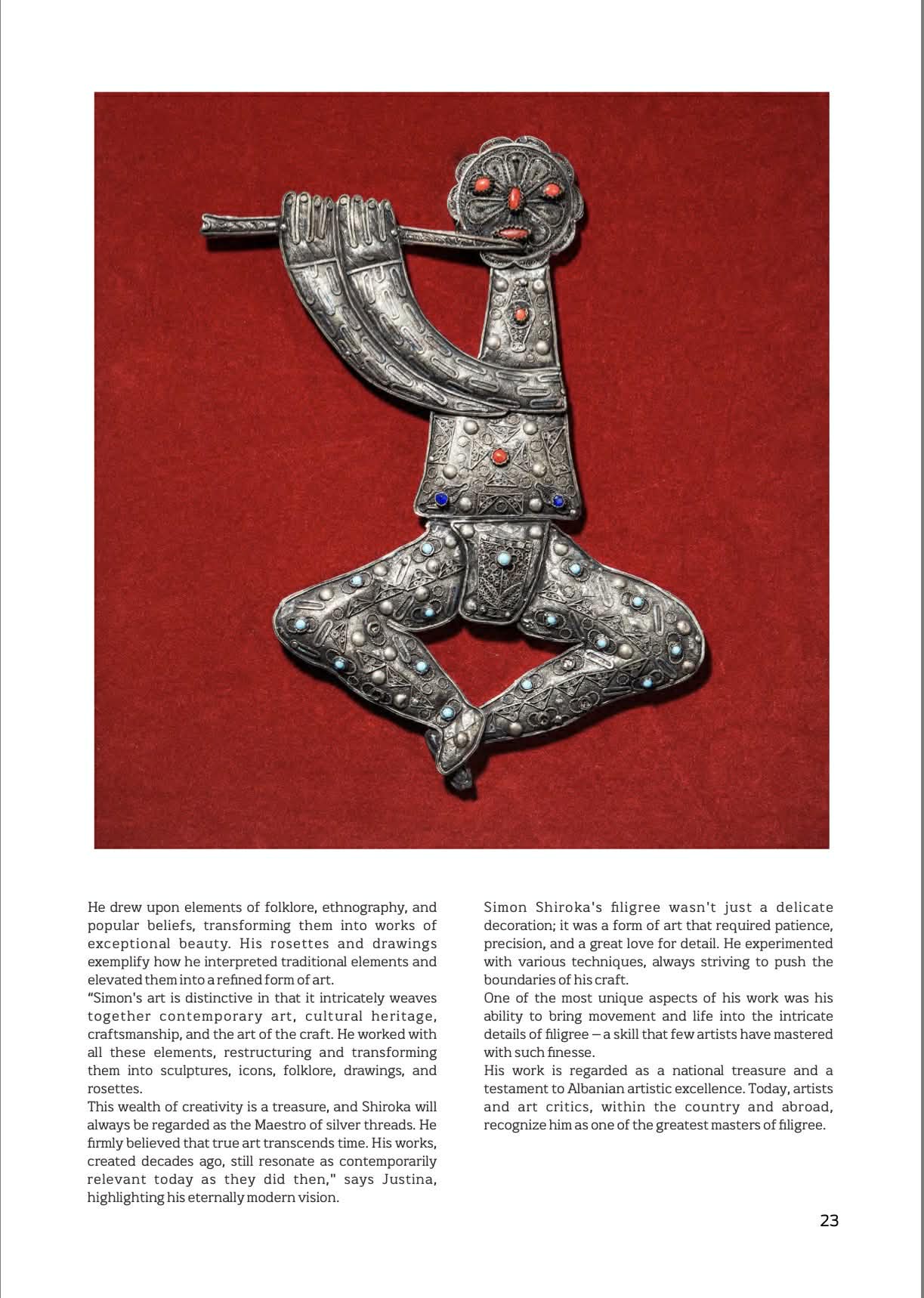
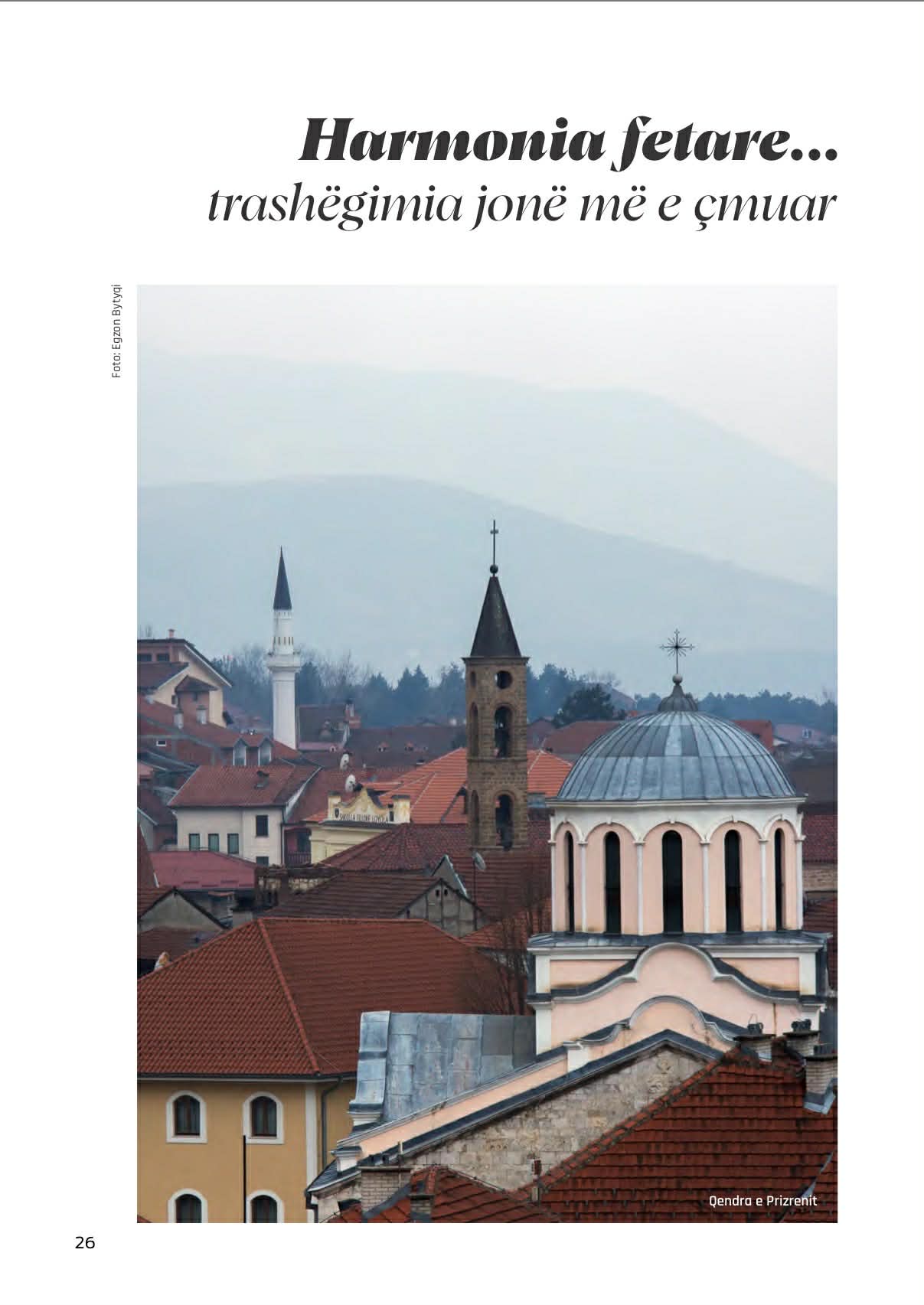
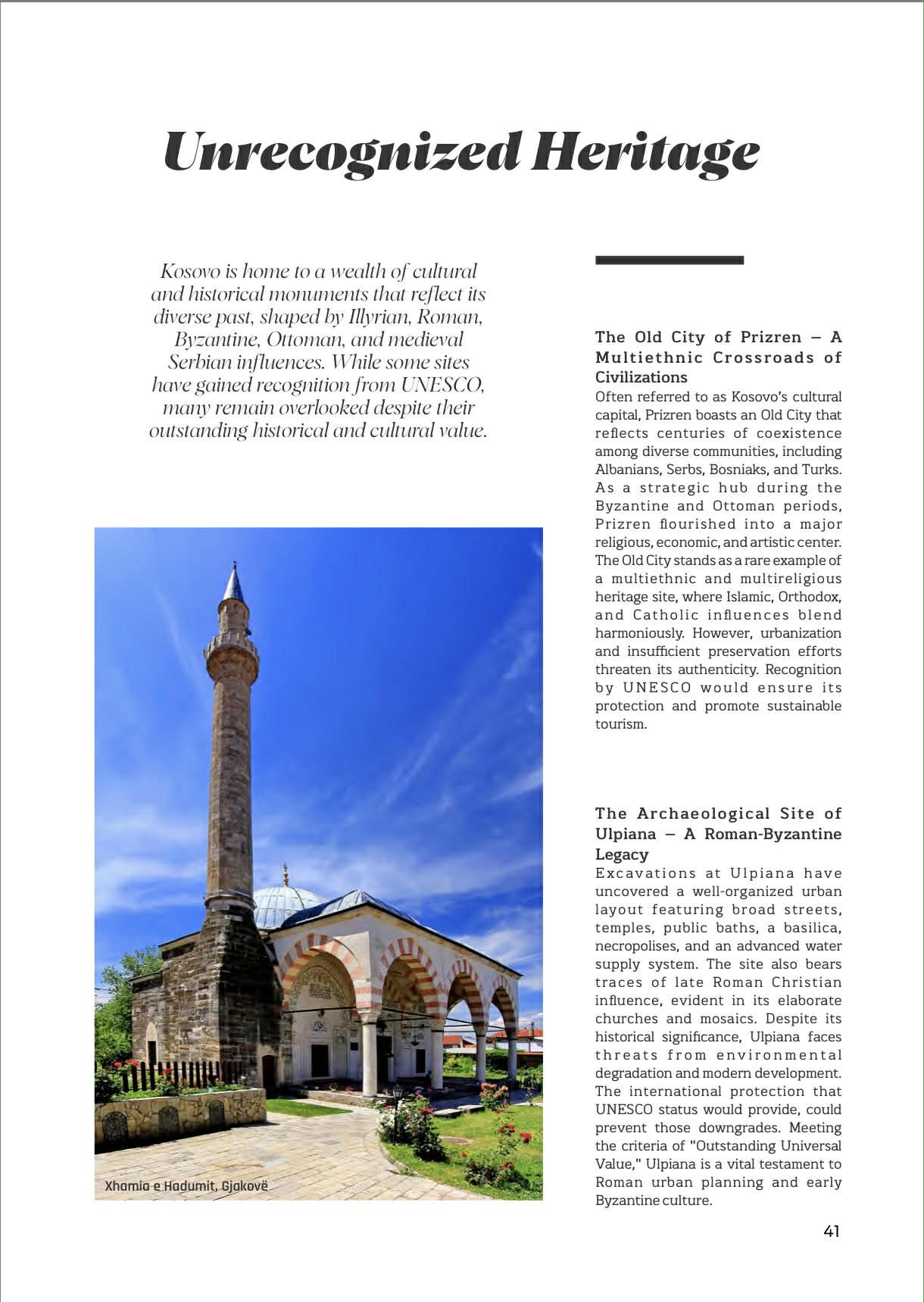
Aesthetics: A key feature of KosovArt is its strong visual identity. The publication integrates professional photography, thoughtful layout, and narrative-driven content to transform cultural information into an engaging visual experience that resonates with a wide audience.
Inclusion: KosovArt is published in a bilingual format and distributed freely, ensuring accessibility for both local communities and international visitors. It supports inclusive cultural representation and broadens access to knowledge about Kosovo’s cultural assets.
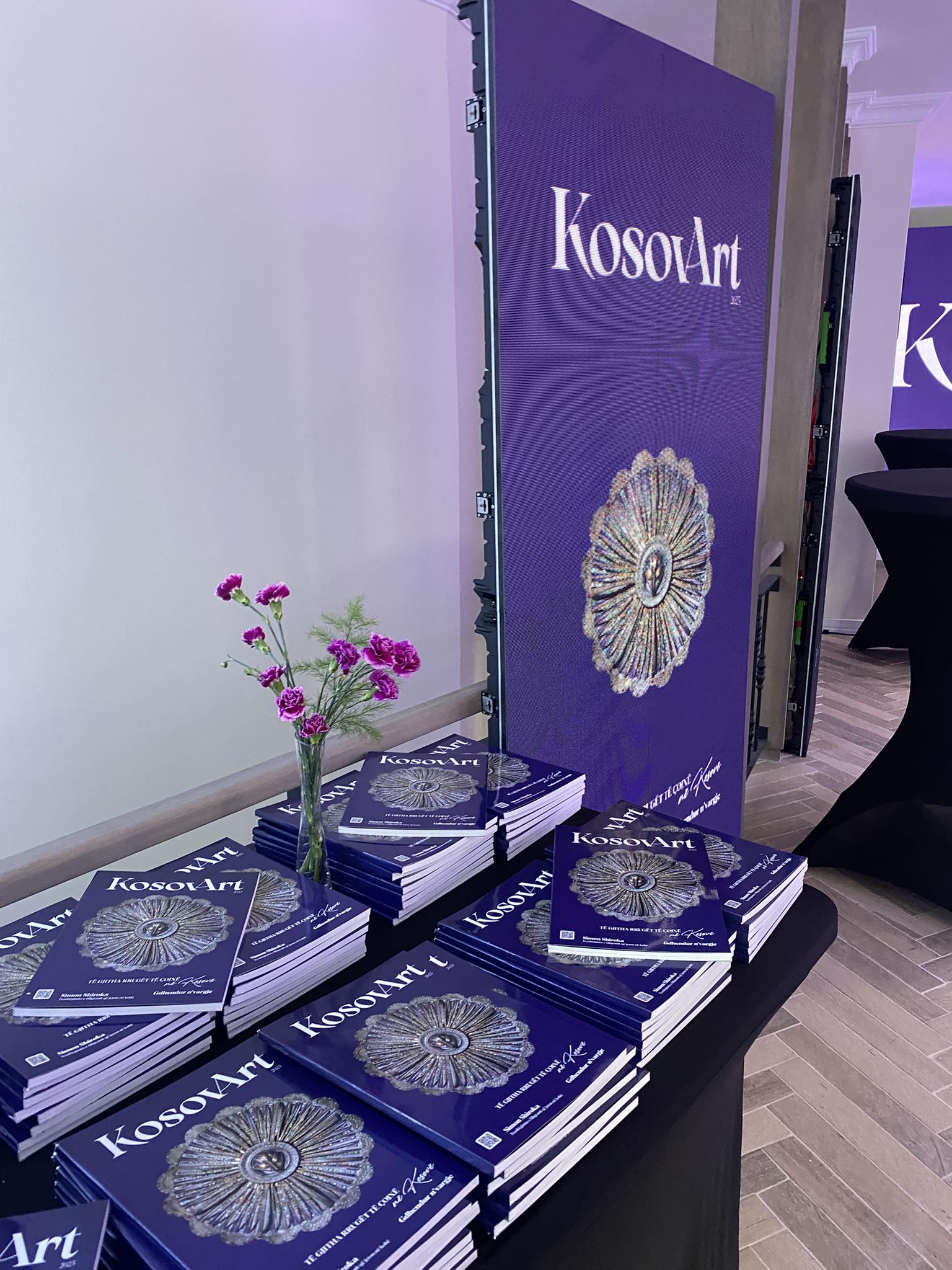
In terms of results, KosovArt has had a tangible cultural and social impact. A total of 3,000 free copies have been distributed across public spaces, cultural institutions, and partner venues, increasing the visibility of Kosovo’s heritage and creative industries. The project has contributed to strengthening collaboration with public institutions, including the Ministry of Culture, Youth and Sports, and has supported the positioning of Kosovo as an emerging cultural tourism destination.
Overall, KosovArt functions as a practical guide and cultural platform that influences how both locals and visitors perceive, explore, and e
KosovArt was conceived in response to the absence of printed cultural publications in Kosovo for many years. This gap highlighted the need for a tangible, accessible medium that could connect citizens and visitors with the country’s cultural identity in a more direct and engaging way. The project was therefore initiated to create a physical publication, complemented by a digital presence, that brings together the most significant aspects of Kosovo’s cultural heritage, traditions, archaeology, and gastronomy into a single, coherent platform.
Driven by a strong personal motivation to contribute something meaningful to the country, Kosovart aims to present Kosovo in a more comprehensive and authentic way, while fostering a deeper understanding of its cultural landscape among both local communities and international audiences.
The implementation of the project began with extensive field research, including the collection of interviews, data, and cultural insights across different municipalities. Close collaboration with local institutions enabled the development of a structured cultural guide covering key cities and regions. The gathered material was then processed through editorial refinement, translation into a bilingual format, and professional design and layout development.
On the ground, the project benefited from strong institutional cooperation, particularly with municipalities and the Ministry of Culture, Youth and Sports, which supported its development and validation. KosovArt was produced as a high-quality printed magazine and distributed free of charge in public institutions, cultural spaces, hotels, cafes, and other accessible venues, ensuring broad reach and inclusivity.
Despite financial constraints being a primary challenge, the project was successfully implemented through commitment, collaboration, and effective coordination with institutional partners. KosovArt ultimately functions not only as a publication, but as a cultural bridge that enhances v
Cultural heritage preservation
Inclusive access
Creative storytelling
Sustainable tourism
Community engagement
KosovArt addresses sustainability by contributing to the preservation and promotion of cultural heritage while encouraging responsible cultural tourism. Through its content, the project raises awareness about the importance of protecting archaeological sites, traditions, and local gastronomy, supporting their long-term appreciation.
Socially, KosovArt promotes inclusivity by providing free access to information in a bilingual format, making cultural content accessible to both local communities and international visitors. This helps foster a shared understanding of Kosovo’s cultural identity.
Economically, the project supports local value chains by highlighting local gastronomy, traditions, and cultural destinations, indirectly contributing to the promotion of cultural tourism.
Overall, KosovArt is exemplary in sustainability as it combines cultural preservation, accessibility, and awareness, creating lasting impact while encouraging a more responsible and conscious engagement with cultural heritage.
KosovArt contributes to aesthetics by presenting cultural content through a strong visual identity that combines high-quality photography, thoughtful editorial design, and engaging storytelling. The publication transforms information about heritage, traditions, and gastronomy into a visually appealing and enjoyable experience, making cultural exploration more accessible and inspiring in everyday life.
By curating and visually highlighting the most significant aspects of Kosovo’s cultural landscape, the project enhances how people perceive and connect with their surroundings. It creates a sense of belonging by strengthening the emotional and visual connection between individuals, communities, and their cultural environment.
In the long term, KosovArt contributes to shaping a more positive and refined cultural image of places and communities, encouraging pride in local identity. It can be considered exemplary in terms of aesthetics as it successfully integrates content, design, and narrative into a cohesive and high-quality visual experience that is both functional and inspiring.
KosovArt promotes inclusion by ensuring free and wide accessibility of cultural content for all audiences. The magazine is distributed at no cost in public institutions, cultural spaces, and everyday environments such as hotels and cafes, removing financial barriers and enabling equal access to information about Kosovo’s cultural heritage.
The project is published in a bilingual format, making it accessible to both local communities and international visitors, and supporting broader cultural understanding across different language groups. In this way, KosovArt embraces the principle of design for all by presenting content in a clear, readable, and engaging format suitable for diverse audiences.
Through its content and distribution approach, the project also encourages inclusive cultural representation by bringing together different regions, traditions, and voices within a single platform. This contributes to a more participatory and shared cultural narrative.
Overall, KosovArt can be considered exemplary in terms of inclusion as it combines free access, bilingual communication, and wide physical distribution to ensure that cultural knowledge is available, understandable, and meaningful to as many people as possible.
KosovArt involved citizens, local communities, and civil society organisations throughout the development of the project, particularly during the research and content collection phase. Fieldwork included interviews and direct engagement with local stakeholders, cultural actors, and community members across different municipalities, ensuring that the content reflects authentic perspectives and lived experiences.
Local municipalities and institutional partners also played an important role by facilitating access to information, supporting the identification of relevant cultural sites, and contributing to the validation of content. This collaborative approach helped ensure accuracy, relevance, and inclusiveness in the representation of each region.
The involvement of communities had a direct impact on the quality and credibility of the project, as it enabled a bottom-up approach where local voices and knowledge were integrated into the final publication. It also strengthened a sense of ownership and connection among contributors and stakeholders, while enhancing the project’s relevance to both local audiences and visitors.
Overall, the participatory approach contributed to creating a more representative, grounded, and community-informed cultural publication.
KosovArt involved stakeholders across different levels of governance during both the design and implementation phases of the project. At the local level, municipalities across various cities contributed by facilitating access to information, cultural sites, and local stakeholders, which supported the development of city-based cultural content.
At the national level, collaboration with the Ministry of Culture, Youth and Sports provided institutional support, guidance, and validation of the project’s relevance within the broader cultural framework of Kosovo. This engagement ensured alignment with national cultural priorities and strengthened the credibility of the publication.
Although the project is primarily implemented at the national level, its bilingual format and accessible distribution approach also position it within a broader European context by making it relevant to international visitors and cultural audiences.
The involvement of stakeholders at multiple levels added significant value by improving coordination, ensuring the accuracy and relevance of content, and strengthening institutional support. It also enabled the project to benefit from both local insights and national-level endorsement, contributing to a more coherent and impactful implementation.
KosovArt integrates multiple disciplines and fields of knowledge in its design and implementation. The project combines cultural research and heritage studies with editorial work, graphic design, photography, and storytelling to create a cohesive cultural publication.
The development process involved contributions from cultural experts, writers, photographers, and designers, reflecting a strong intersection between the arts, humanities, and creative industries. In addition, collaboration with local institutions and stakeholders incorporated elements of social engagement and community knowledge, while field research in different municipalities drew on qualitative research methods.
The project also includes aspects of communication and cultural education, as it aims to translate complex cultural and historical information into an accessible and engaging format for a broad audience.
By integrating these different disciplines—ranging from cultural heritage and social sciences to visual arts and design—KosovArt adopts a transdisciplinary approach that enhances both the quality and the impact of the final publication.
The KosovArt project is primarily supported through a mixed funding model combining institutional support, partnerships, and in-kind contributions. Initial production costs have been partially covered through collaboration with public institutions, including the Ministry of Culture, Youth and Sports, as well as support from municipal partners.
The project also relies on strategic partnerships with stakeholders in the cultural and tourism sectors, including hotels, cafes, and cultural venues that benefit from the distribution of the magazine. These partnerships contribute to reducing distribution costs while increasing reach and visibility.
Kosovart is distributed free of charge to ensure accessibility; however, its long-term financial sustainability is supported through potential revenue streams such as sponsored content, partnerships with private sector actors, advertising opportunities, and collaborations with cultural and tourism-related organizations.
Additionally, the project is designed to be scalable, allowing for future editions and expansions that can attract further institutional funding, sponsorships, and collaborative funding models. This diversified approach helps ensure the continuity and sustainability of the project over time while maintaining its public-oriented and accessible nature.
The KosovArt project is highly scalable, as its core concept, methodology, and structure can be replicated and adapted to other geographic contexts or cultural settings. The project’s approach—combining field research, stakeholder collaboration, editorial development, bilingual content creation, and high-quality visual design—can be transferred to other cities, regions, or countries seeking to promote their cultural heritage in an accessible and engaging format.
The methodology of collecting local data through interviews and on-the-ground research, in collaboration with municipalities and cultural institutions, is a key element that can be replicated in different contexts. Similarly, the editorial and design process, which transforms cultural information into a visually compelling publication, can be adapted to different themes, target groups, or cultural narratives.
The distribution model, based on free access through public institutions and partner venues such as hotels and cafes, is also transferable and can be implemented in other locations to ensure wide reach and inclusivity.
Overall, the project’s flexible framework, combined with its focus on cultural storytelling and accessibility, allows it to be scaled, replicated, and adapted to other regions, making it a model that can be extended beyond its original context while maintaining its core values.