Arts, Culture, and Heritage as Drivers of Change
Punkura Magazine
Punkura Magazine: Building Youth-Focused Alternative Media in the Balkans
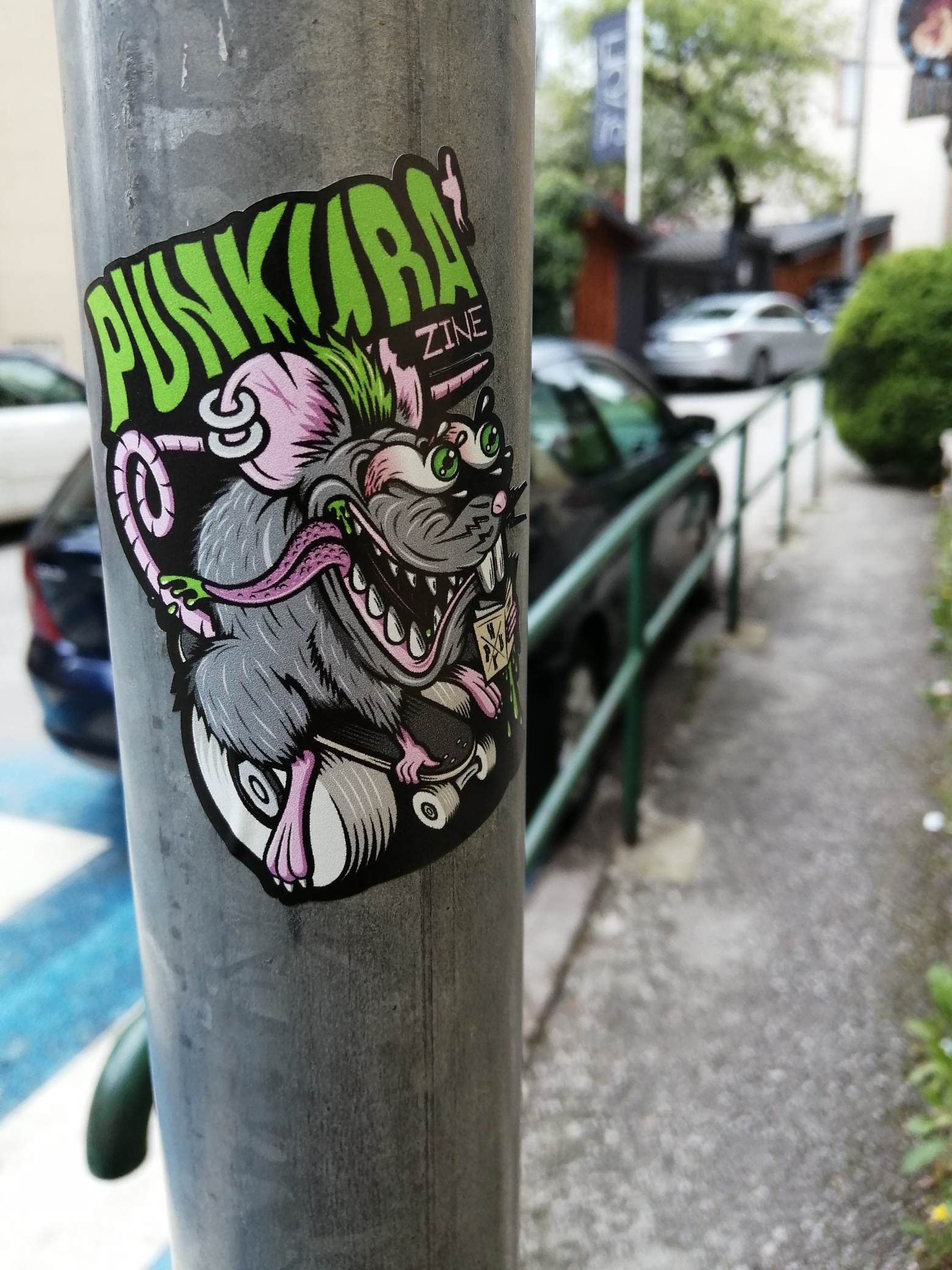
Punkura is an alternative arts, culture, and society magazine, published in physical format, from Sarajevo. It covers topics like street art, skate, and alternative music, as well as tackling issues related to public space, urban ecology, and issues faced by women and gender minorities. Using an innovative approach to distribution that focuses on reclaiming public space, and emphasizing the contributions of marginalized communities, Punkura has created a new form of youth media in Sarajevo.
Bosnia and Herzegovina
Regional
The project is based in Sarajevo, but has established connections with organizations based throughout Bosnia and Herzegovina and the wider Balkan region. The magazine is also distributed in multiple cities.
Mainly urban
It involves other types of transformations (soft investment)
Yes
2023-03-30
No
No
No
Individual
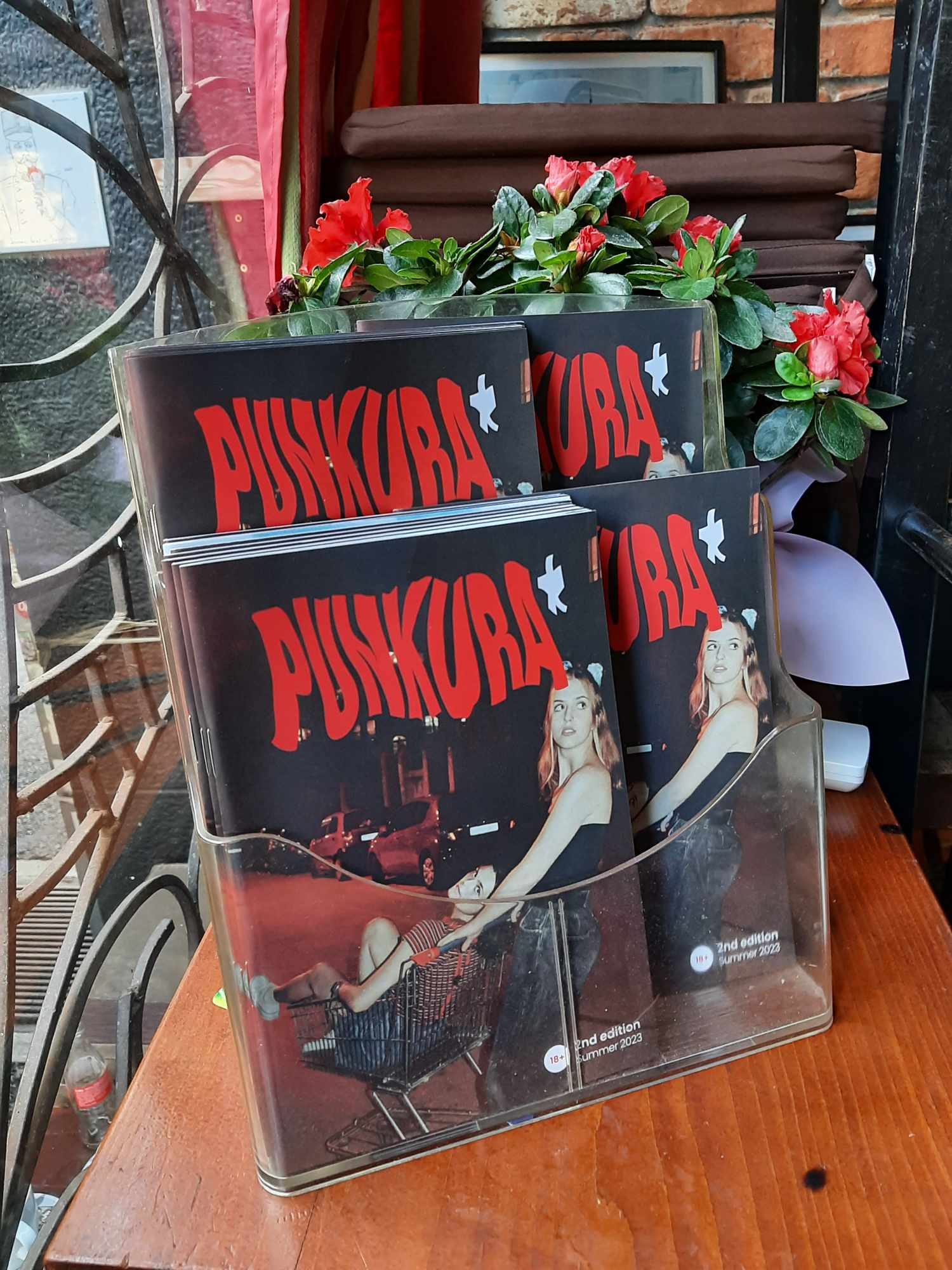
Based in Sarajevo, Bosnia and Herzegovina (BiH), Punkura Magazine is a youth-focused publication that covers alternative art, music, and culture, as well as topics like the importance of beautiful, functional, and accessible public space and the role that ecological principles must play in urban design. Over the course of 5 issues, published in print and online since 2022, the project has brought dozens of crucial issues to wider attention and provided dozens of young and marginalized artists and writers a platform to share their work and perspective.
The project was created to respond to a lack of youth-focused media in BiH, and to cover topics that have real importance to the lives of young, progressive people from their own perspective. A key pillar of Punkura's approach to this problem is offering the chance for youth and people from marginalized backgrounds (like Roma, rural youth, LGBT+ people) to publish their work and writing in the magazine. As such, members of these groups are not simply a target audience, but an active partner in creating a publication for their peers; thereby helping to address the lack of access to platforms for expression and advocacy that youth and marginalized populations face.
The publication is committed to promoting ecological respect, diversity, and social justice. Rather than making explicit arguments for the importance of environmentalism or LGBTQ+ rights, Punkura is created from a social-activistic perspective that assumes these values to be self-evident. In so doing, it provides a home for the many thousands of people in BiH and the Balkans for whom those ideas are in fact self-evident—despite the fact that many of these young, progressive people are separated from one another by national borders and/or isolated in small cities.
We believe that by fostering a space for dialogue and creative expression, we are contributing to a more inclusive, equitable, and ecological future for all young people in the region.
Punkura Magazine stems from a collaboration involving a number of members of Kolektiv Kreaktiva, a Sarajevan non-formal art collective. Kolektiv, for short, was founded by artists and cultural workers in 2009 to help young creatives share their work and ideas in public spaces—responding to a context where many traditional gallery spaces were closed to them.
During the pandemic, several members of Kolektiv began to acutely feel the consequences of the shrinking amount of public and accessible spaces in which they had become accustomed to holding events. This trend predated COVID, and was caused by a combination of factors including privatization, gentrification, and commercialization, but became especially obvious then.
One solution, we felt, lay in creating a different kind of space that could bring together a like-minded community even if people were separated—a physical magazine. Led by co-editors Adrian Pecotić, a Croatian-Canadian writer, and Nardina Zubanović, a Bosnian artist and cultural worker, and created in concert with several members of Kolektiv Kreaktiva who had expertise in fields such as creative direction, design, fine art production, and publishing, a pilot edition of Punkura Magazine was published in 2022.
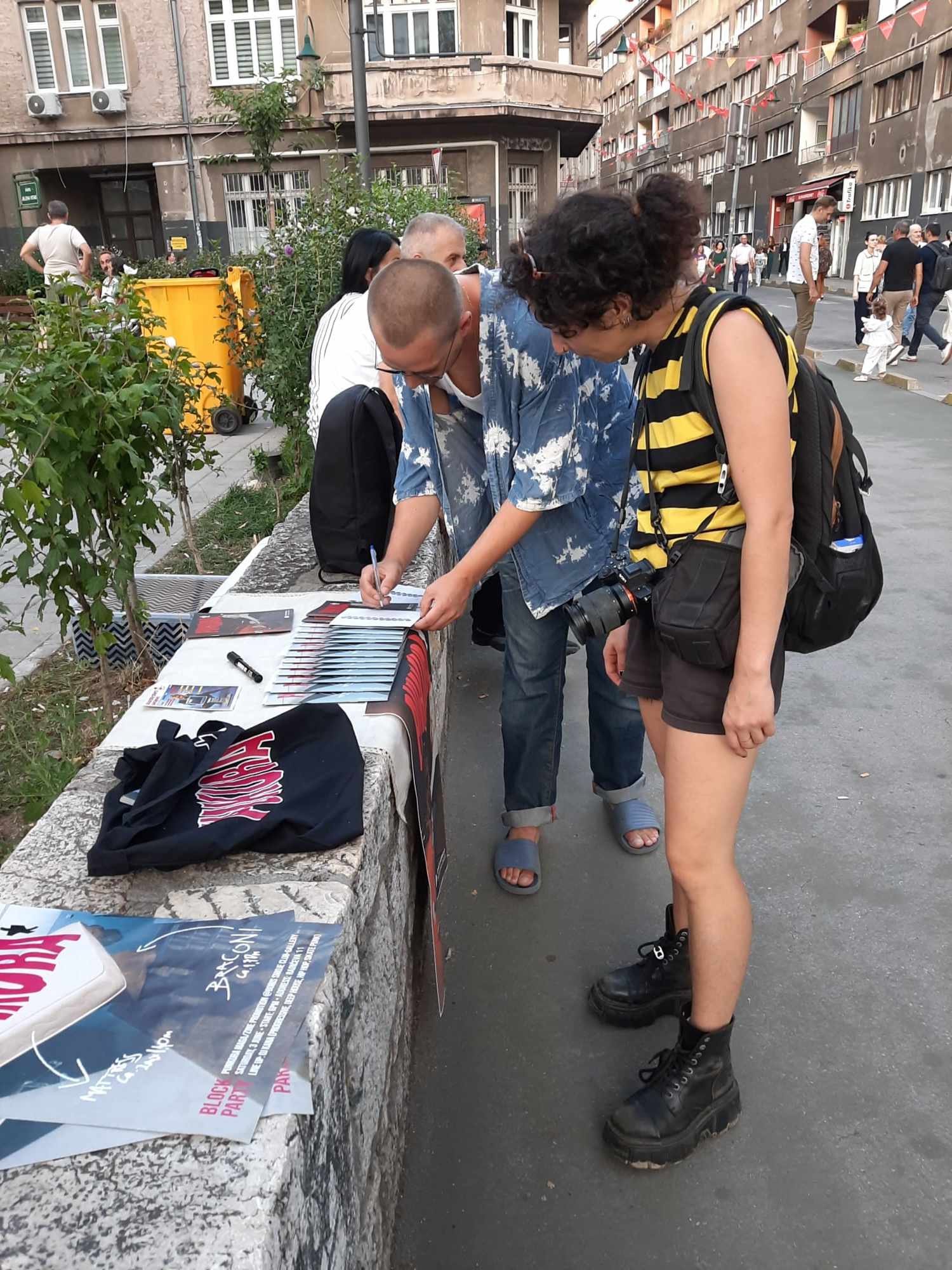
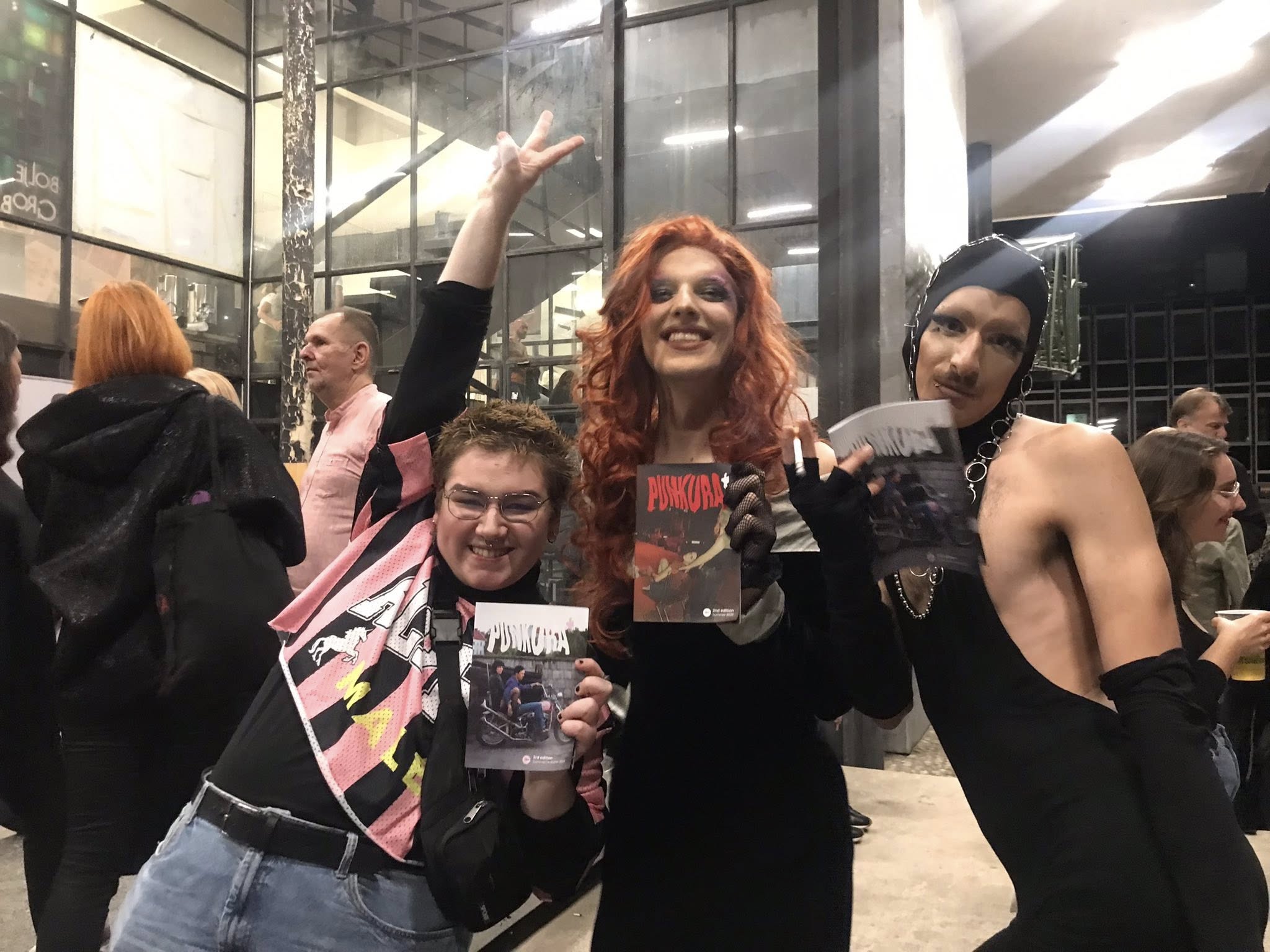
Using a pay-as-you-like model, Punkura was distributed both on the street and in public places like art galleries, cafes, and bars. We collected feedback on our approach through both informal and formal channels, using both in-person conversations and gathering comments online.
Some of the key adaptations to our approach we implemented were: online open calls that allowed a greater diversity of contributors to reach the magazine, distributing the magazine more widely, and holding more in-person events to help build community.
Using these principles, we've released four regular editions of the magazine and are working on the fifth, and have succeeded in creating an outlet for creative people from all backgrounds in BiH.
Youth-Focused Media
Inclusion of Contributors with Marginalized Identities
Urban Ecology
Reclamation of Public Space
Cultural Cooperation in the Balkans
The first way Punkura responds to the challenges listed above is through consistent advocacy and awareness-raising. Each edition of the magazine asks readers to imagine their lived-in environment as social-ecological systems.
This approach includes publishing texts explicitly about local environment problems, such as litter, water access, and air pollution, but also applying an ecological angle to stories about other topics. For example, an interview with a skateboarder takes up questions related to how the community's respect for their environment affects skaters, or a review of an artistic work asks about the sustainability of the materials used. These latter types of stories can powerfully affect the way that people walking around view their surroundings on a reflexive level, helping them see the manifold ways that ecological issues affect daily life.
Secondly, Punkura covers and supports activists who are engaged in the work of protecting natural environments across the country. Activists here have, for years, fought to preserve local environments from destruction (notably as part of campaigns to stop small dams), and Punkura is in communication with them and seeks to support their work using its platform.
Finally, Punkura Magazine, as a physical object, seeks question cycles of consumption-waste. It is an object that is meant to be collected and kept, not thrown away. The fact that it is free, with completely voluntary payment, further challenges the economic logic surrounding value and waste; as, for many, there's an assumption that what's free is almost necessarily trash to be tossed aside. By stepping outside that mold, the project gets people to take a second look at their prior beliefs.
In these ways, Punkura accomplishes its main goal of getting people to engage with the public spaces they move through differently, as well as supporting the concrete activism that leads to the protection and preservation of ecologically vital environments.
One of the most rewarding aspects of my involvement in Punkura has been the enthusiasm with which young people have greeted the appearance of an alternative and independent publication like ours.
For many young people, born into a post-war nation that has stagnated both economically and politically throughout their lifetimes, the possibility of a project like Punkura managing to exist is not taken as a given. We've received the comment from more than a few young people that the presence of a project like Punkura makes them want to stay in Sarajevo rather than emigrate for economic reasons as many of their peers are. Seeing the art and culture that others are producing in the pages of the magazine makes our city and region feel more vital and more beautiful than pessimistic narratives about the Balkans would suggest. The sense of possibility that each copy of the magazine carries with it certainly contributes to people feeling more emotionally invested in their surroundings and more care for them.
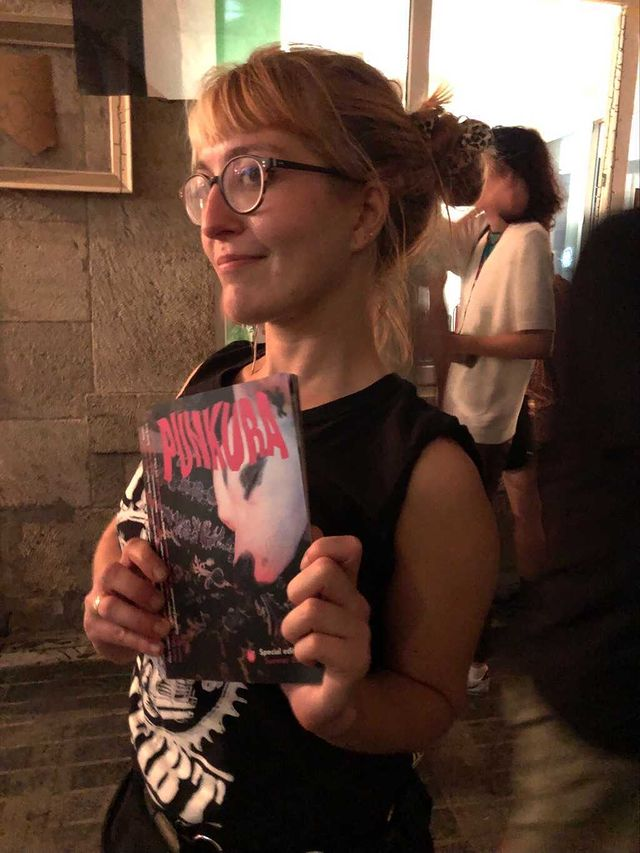
In purely aesthetic terms, Punkura magazine has combined the look and feel of fanzines with the content and editorial standards of an arts and culture magazine. The resulting style is bold and colorful, and immediately draws one's eyes and attention, while the carefully curated content rewards that attention. The fact that the innovative design is instantiated on a tactile, paper, product also contributes to the pleasure of engaging with the media in a sustained manner. Indeed, this type of sustained attention reinforces the benefits mentioned just above.
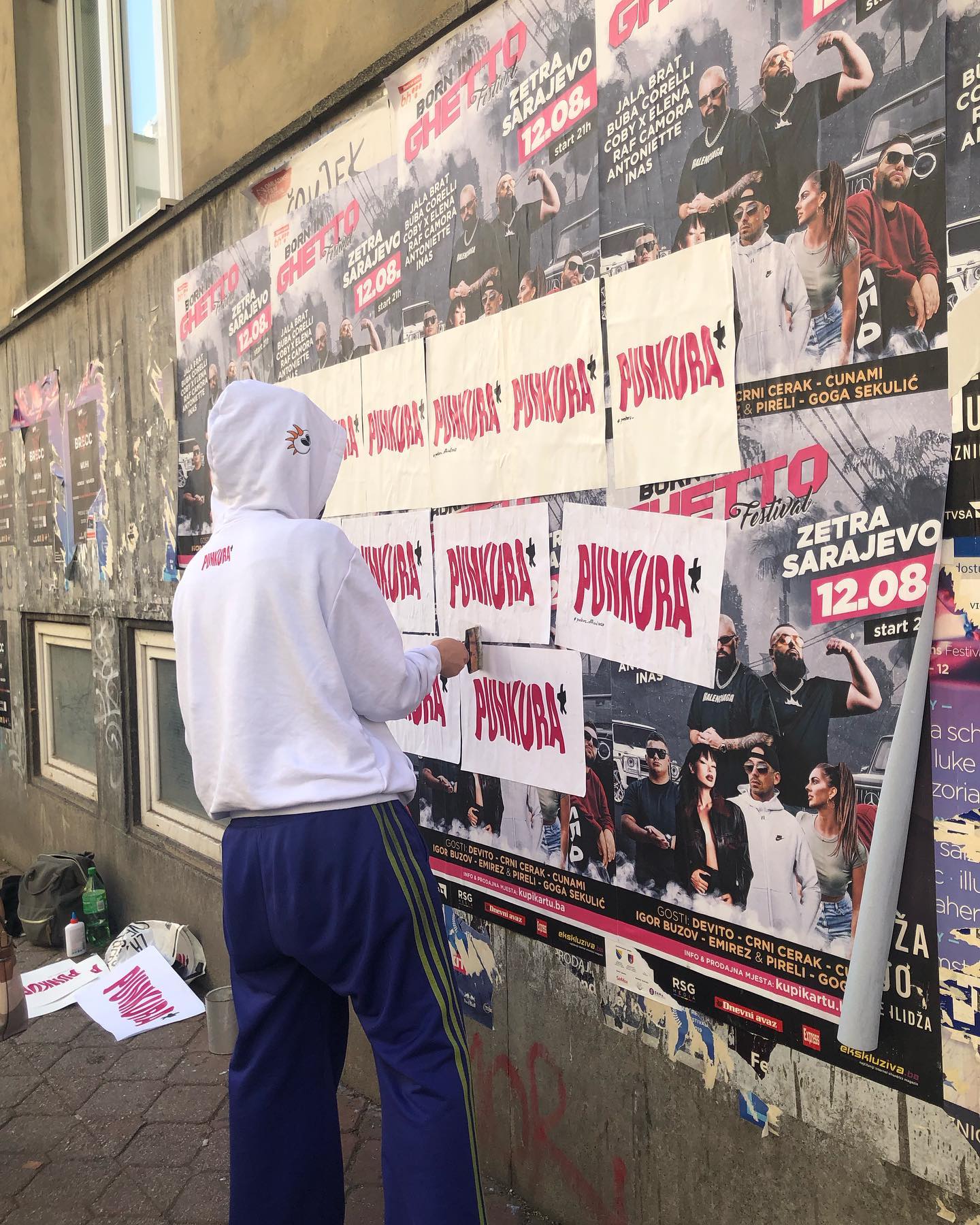
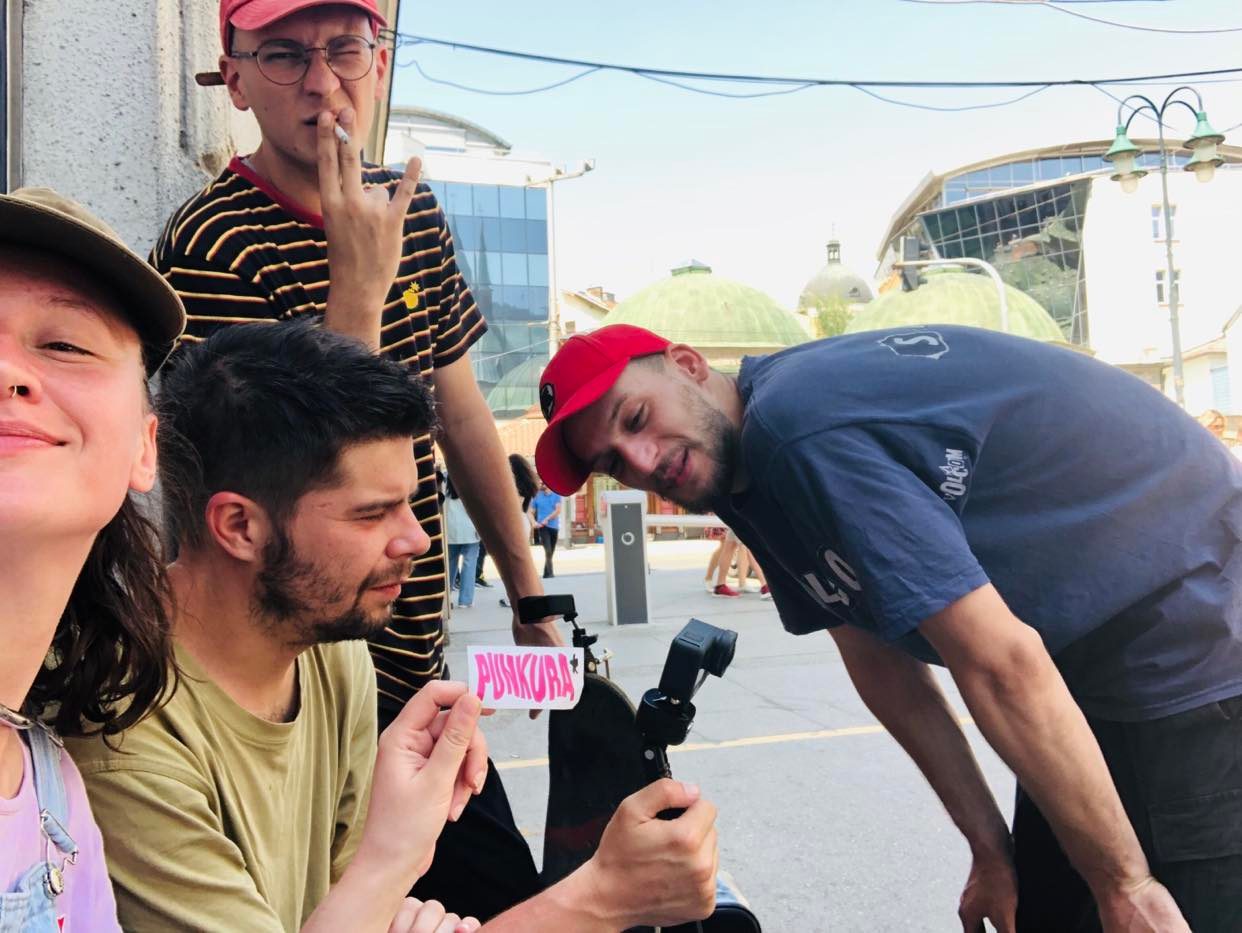
A final unique aspect of Punkura, as a media project, is its consistent presence in public space. The practice of distributing the magazine on the street after each release not only serves to make it accessible to the most diverse audience possible—i.e., everyone in public space—but also re-frames that space into a site of creativity and community engagement.
Affordability was always a key concern in this project, starting from the release of the pilot edition on a pay-as-you-like model. The fact that our key target audience, youth from school age to early adulthood, doesn't have access to much disposable income shaped that approach to pricing. We never wanted (and never have) refused to give a young person a copy of the magazine because they were unable to afford it. Those who are older and on more secure economic footing have always been happy to pay for the magazine, especially in the knowledge that their voluntary contributions are helping provide access to those who can't afford it.
We have consistently worked to make our submission process more accessible and welcoming to writers and artists from diverse backgrounds. A key aspect has been offering support to potential contributors at every stage of the editorial process, from defining and pitching an idea through to publication. We've found that contributors from marginalized backgrounds particularly benefit from this support, as they aren't necessarily familiar with how to interact with editors/publications and can lack confidence that they are qualified to contribute to a magazine—even though they have incredible ideas to offer. To further the goal of including contributors from diverse backgrounds, we've held open meetings to discuss potential story ideas and used detailed online forms to help guide submissions. As a result of these steps, we've published work by more than a dozen people from rural and/or disadvantaged backgrounds.
These contributions enrich Punkura's cultural contributions in two ways: for the contributors themselves, by helping them participate in the cultural conversation on their own terms in a supportive environment, and for our audience, who are able to engage with art and culture that's very different from what's usually available.
Simply put, our project would not exist without the input and support of our community.
Both presently and in the past, a shared principle of the practices employed by Kolektiv Kreaktiva's members is a concern with the openness and accessibility of their projects and a desire to impact the community widely. This approach is not only capable of reaching people who don't typically engage with art, culture, and progressive ideas, it also allows for the formal and informal gathering of ideas about the needs of the community from anyone who happens to walk by.
When an editor distributes copies of Punkura Magazine on the street or a pitch meeting is held in a cafe, interactions with the public take place in public space. As a result, we gain an incredible diversity of perspectives, because our interactions are free of the selection effects that come from requiring people to make a decision to enter a private space. We believe that the ability of local communities to directly engage with the organizers of initiatives that exist in their community is necessarily empowering.
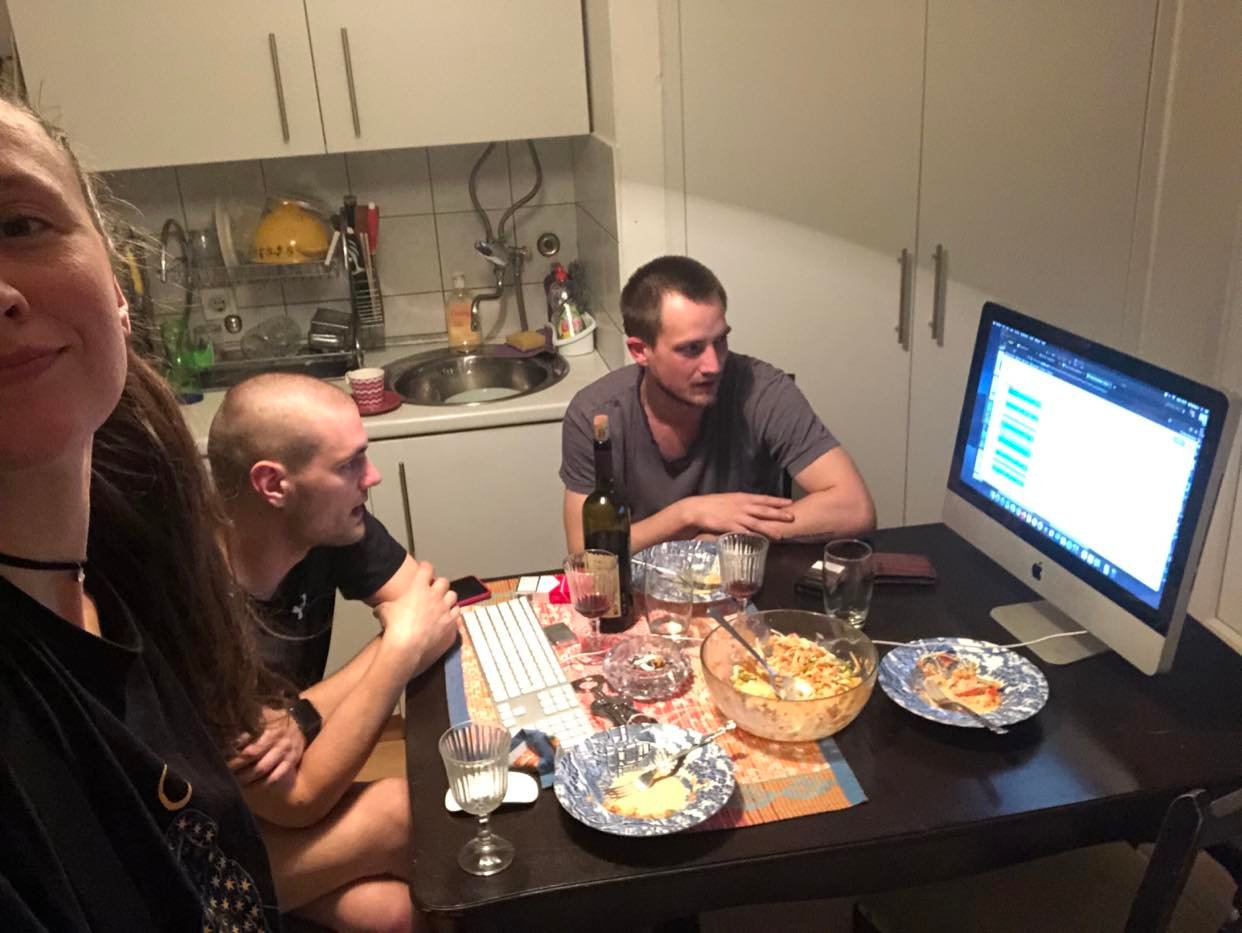
We always take careful note of what people say, and use the feedback to refine our approach in future activities. Project leadership convenes at a debrief meeting following the launch of each edition to pool feedback we've received and decide on appropriate next steps. A comment from someone who follows the project might alert us to a topic we haven't covered yet that's important to them, or it might lead us to believe that a better format of story might help us get our message across more clearly.
Furthermore, our community is the source of many of the stories and works of art that appear in the magazine. Through open calls, we provide a platform for anyone to shape the project by including their perspective in the magazine, whether they're a representative of a civil society organization or a young skater living in our neighborhood.
Many of the past activities of Punkura Magazine have functioned as bridges connecting the interests and initiatives of different stakeholders. We're well-suited for collaboration because our status as a 'cool', alternative project has led to consistent interest from youth and marginalized populations (such as people released from prison, at-risk youth, and Roma youth).
For example, a recent collaboration between the French Institute and Punkura Magazine led to a much greater exposure of their cultural offerings to new audiences. The Institute supported the printing of the magazine, and Punkura both featured their program of cultural events in the magazine and held a launch event in their space, which was well-attended by a diverse group of youth. Without the involvement of a mediating agent like Punkura Magazine, organizations like the French Institute (or the Austrian Cultural Forum, with which we also recently collaborated) can struggle to reach many of the marginalized groups who could benefit from exposure to their programming.
The value of Punkura bringing attention and interest to valuable initiatives from hard-to-reach groups is applicable to stakeholders at various levels. If the ideas and initiatives of actors are aligned with the values of our collective, we will provide space and opportunities to other citizens and organizations
Punkura has also collaborated with local and grassroots organizations in the region, such as DKC Incel in Banja Luka, Rezon in Mostar, and Matriarsija in Belgrade. These partnerships help us to widen the reach of Punkura Magazine, while also publicizing the work of organizations that share our values.
Finally, the wide group of contributors to Kolektiv Kreaktiva means that any of our members can propose and/or implement collaborations with aligned stakeholders. This greatly widens the network of our organization, and consequently also widens the amount of aligned organizations we have connections with.
The people involved in the initial ideation and design of Punkura Magazine held expertise in several fields, including journalism, design, conceptual art, and performance art. This group worked together to create the concept behind Punkura, with designers contributing to building the visual aesthetic of the magazine, journalists working on its viewpoint and perspective of the publication, and conceptual and performance artists establishing the way that the magazine would be appear in public space. All of these contributions were essential for setting the project's initial direction, but they are by no means the end of the story.
That's because Punkura Magazine is an evolving project that has continually refined its approach as each issue has been released. More people, from more knowledge fields have contributed to the project, and each has left their mark. As mentioned above, we've taken on expertise from environmental activists in order to improve our coverage of ecological issues, and we've received both contributions and feedback from professors in fields like Democracy and Human Rights, Urban Design, and Gender Studies.
These collaborations have led to refinements in how we approach difficult issues, and how we create, distribute, and present the magazine in general. The editorial and design leadership of the magazine will, at the close of each issue and the start of planning the next, discuss feedback received and lessons learned. We'll reach out to experts with follow up questions, when necessary, in order to ensure we fully understand how to take the right steps forward.
We've also learned a lot through collaborating with other organizations in the region, all of which are filled with accomplished and expert workers. For example, through contacts with DKC Incel in Banja Luka (who operate a social cultural space) and Matrijaršija (an arts collective from Belgrade), we've refined our approach to holding events and to how we make editorial decisions.
The center of Punkura Magazine's financial stability is a reader-support model that asks people who value the project to donate in order to ensure its continued existence. We gather donations in-person through distributing the magazine on the street as well as at events like concerts, festivals, and conventions, and also use platforms like Kofi and PayPal to enable online donations. Readers have supported the magazine consistently, starting with an IndieGoGo campaign we ran following the publication of the Pilot Edition and through to the present day.
We also generate revenue from traditional print advertising, offering space to local businesses that share our values, and merchandise sales. These streams of income help meet the costs associated with our work, such as printing costs, distribution costs, and paying contributors.
Finally, we've received a number of small grants (such as the Kreativni Elan fund for creative businesses and the Alert Fund for Youth) and also received direct support from both the French Institute of Sarajevo and the Austrian Cultural Fund in Sarajevo. This income has proven invaluable to sustaining the project.
Overall, our approach to financial sustainability leverages the best aspects of both for-profit and not-for-profit media organizations.
This hybrid approach provides stability through cultivating diverse income streams, such that we're not solely dependent on funding from grant-giving organizations, but can access those funds in order to make larger investments in the project and in capacity building. We believe that this type of approach can also be applied to initiatives outside the media space, such as social-cultural centers or non-formal education initiatives, so long as the project possesses clear social value.
Punkura Magazines provides a proof of the concept that a group of enthusiastic individuals can work together to create a sustainable and local arts and culture magazine.
Although such publications do already exist in large, international metropoles like Berlin and Paris, there are many smaller cities throughout Europe that could support a publication like Punkura Magazine but do not have anything similar. Cohorts of young, engaged, and creative people live in such cities, and they would benefit from having a publication that's tailored to their needs and interests (as well as one that encourages them to contribute their own work). That means that projects like Punkura could flourish in many different contexts.
There are a few unique ingredients, necessary to success, that have proven key in our experience. One is ensuring that publications are widely available and accessible through using a pay-as-you-like model and distributing the magazine where people already are. This ensures that the magazine reaches its target audience and that partners, whether NGOs or private businesses, can see that their message reaches a wide audience. Furthermore, the inclusion of diverse perspectives is a key aspect of what makes a publication interesting and different, and generates interest in it.
The exact viewpoint and the types of content included would need to be adapted for local concerns and taste, of course. Doing so successfully relies on a strong editorial vision, which does represent a skill set that's required in order to implement a project like this. However, the core of what's necessary is a willingness to experiment and listen to feedback, and there are many well-trained and experienced writers and editors who could take on such a project if they believed in its success.