Enablers for New European Bauhaus Transformation
Opera Butuceni Rural Cultural Renaissanc
Opera Butuceni: Transforming a Historical Village through Arts, Heritage, and Inclusive Tourism
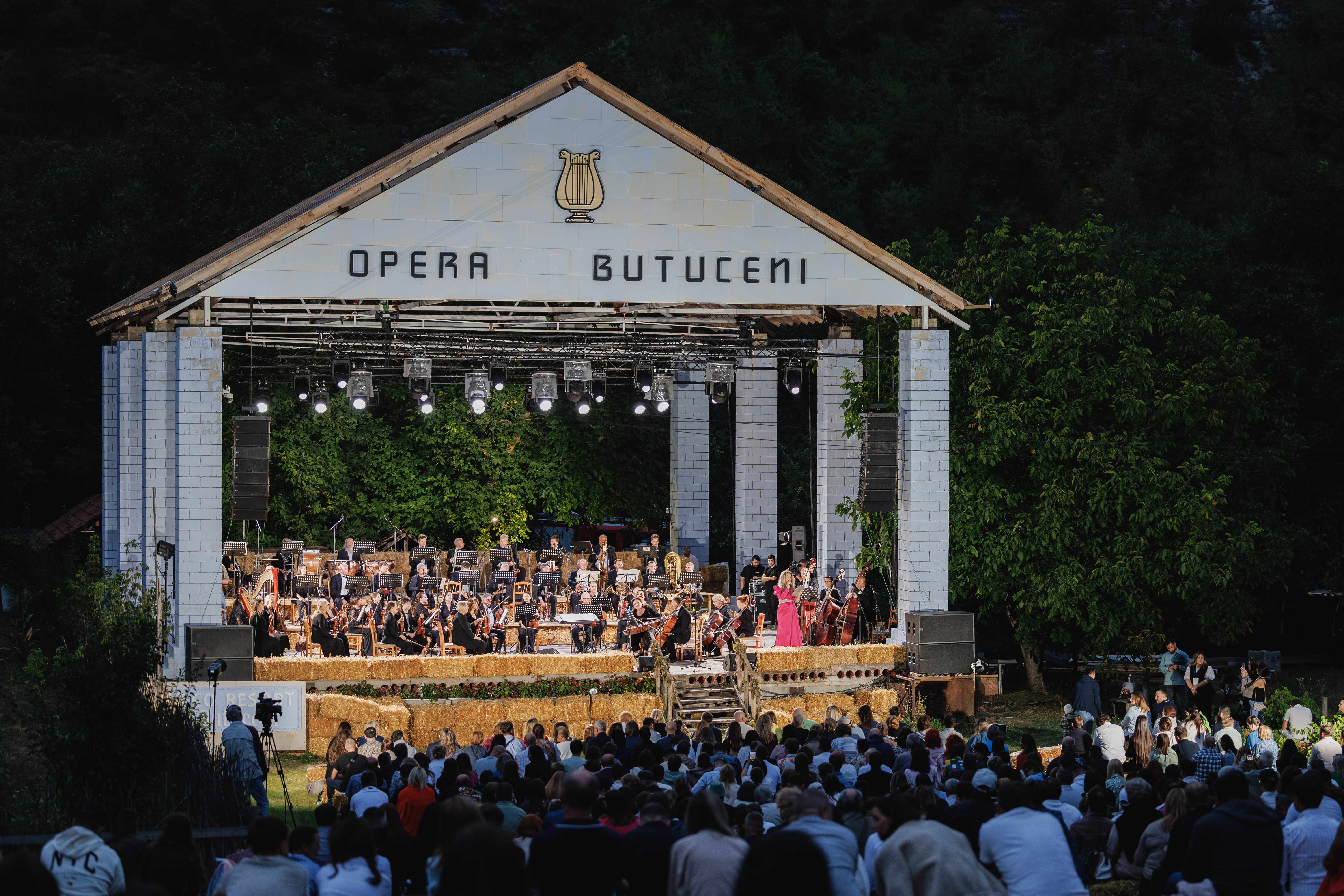
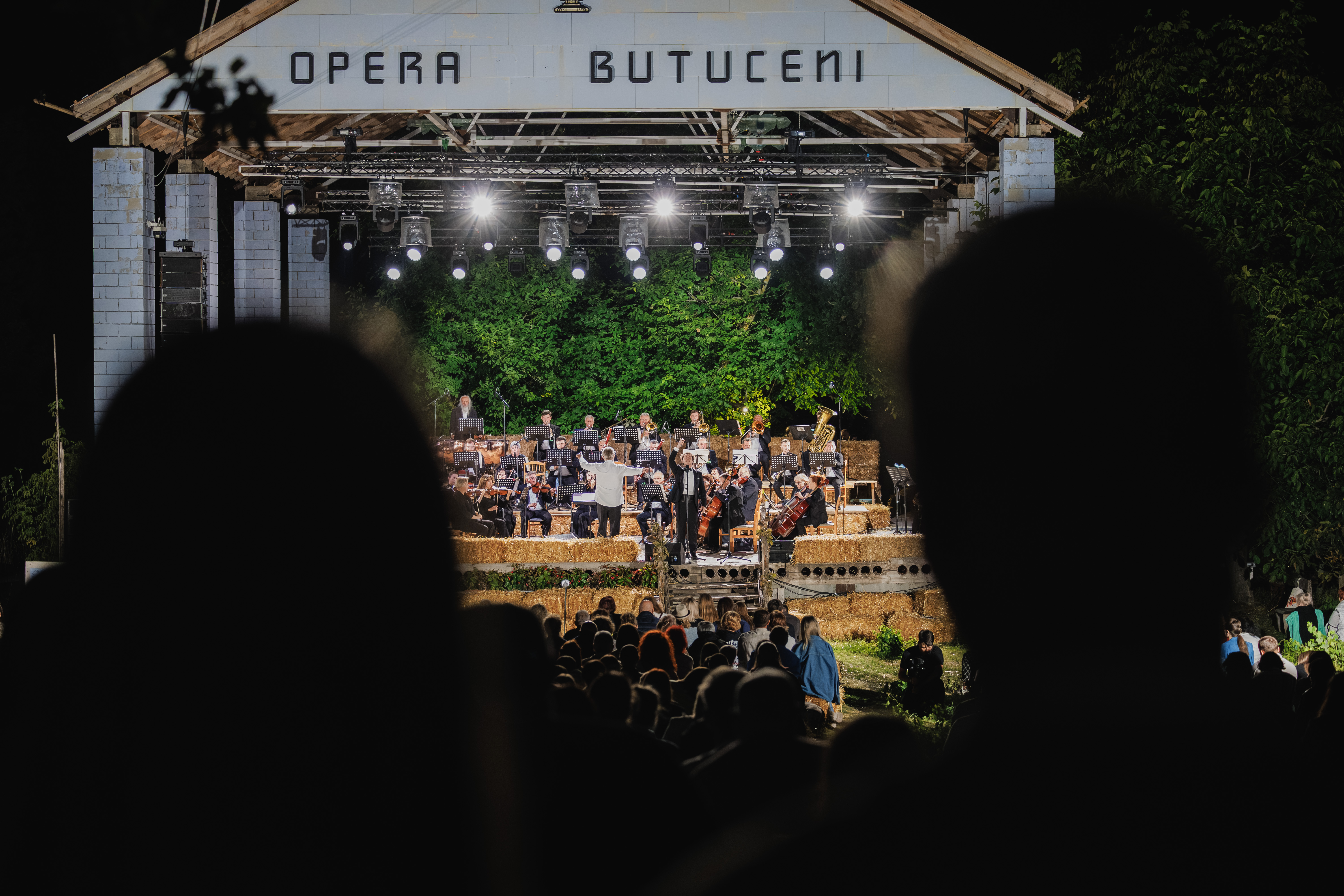
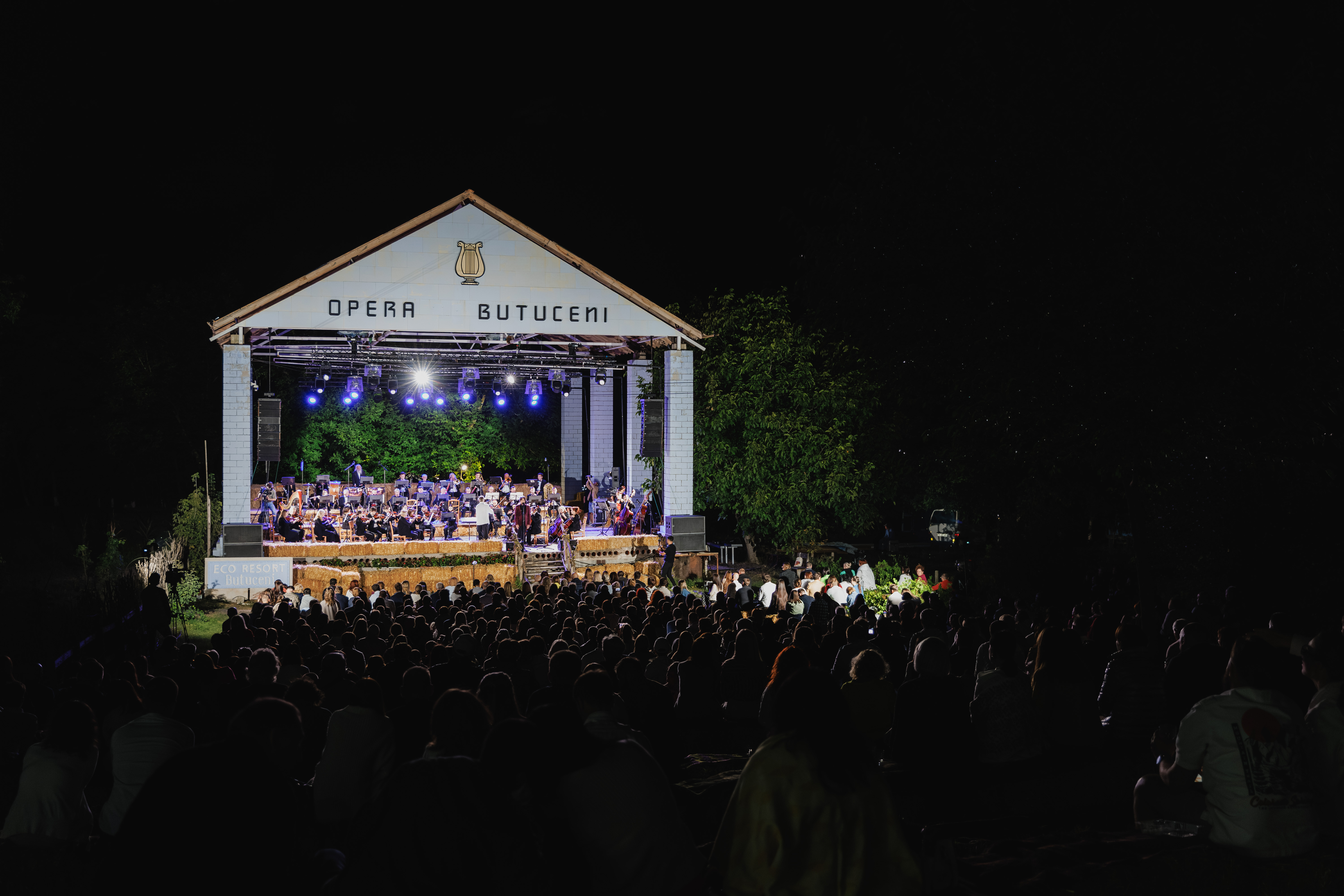
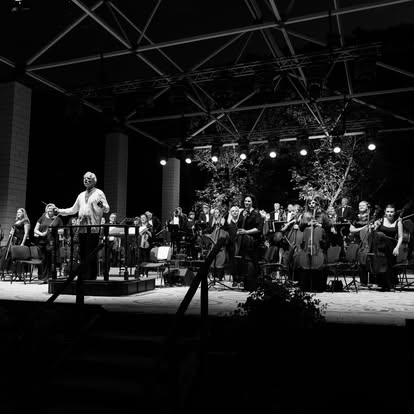
The only open-air theater in a village, Opera Butuceni transforms a national heritage site into a vibrant hub where classical music meets traditional rural life, fostering regional development through culture.
Moldova
National
It addresses urban-rural linkages
It involves other types of transformations (soft investment)
Yes
2024-08-15
No
No
No
Organisation
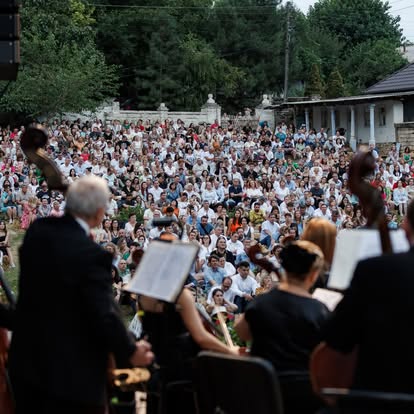
Opera Butuceni, led by ANTRIM and Eco Resort Butuceni, is a pioneering initiative that has turned a remote historical village into Moldova’s most significant open-air cultural stage. By activating the Orheiul Vechi Natural Reserve through site-specific performances, the project has successfully decentralized high-brow culture, bringing opera, theater, and interdisciplinary arts to a rural setting. Key Results: * Infrastructure: Established the only open-air theater in a village, built primarily with local resources and natural materials.
• Economic Impact: Boosted local tourism by 30%, creating direct benefits for rural entrepreneurs, guesthouses, and artisans.
• Heritage Activation: Transformed heritage from a static monument into a "living stage," reconnecting the community with their identity. Long-term Impact: The project is evolving into a permanent Creative Residency, bridging international artists with local professionals to develop innovative cultural formats. It serves as a national model for using "Cultures as an Instrument for Regional Development," driving social cohesion and economic resilience in the Moldovan countryside.
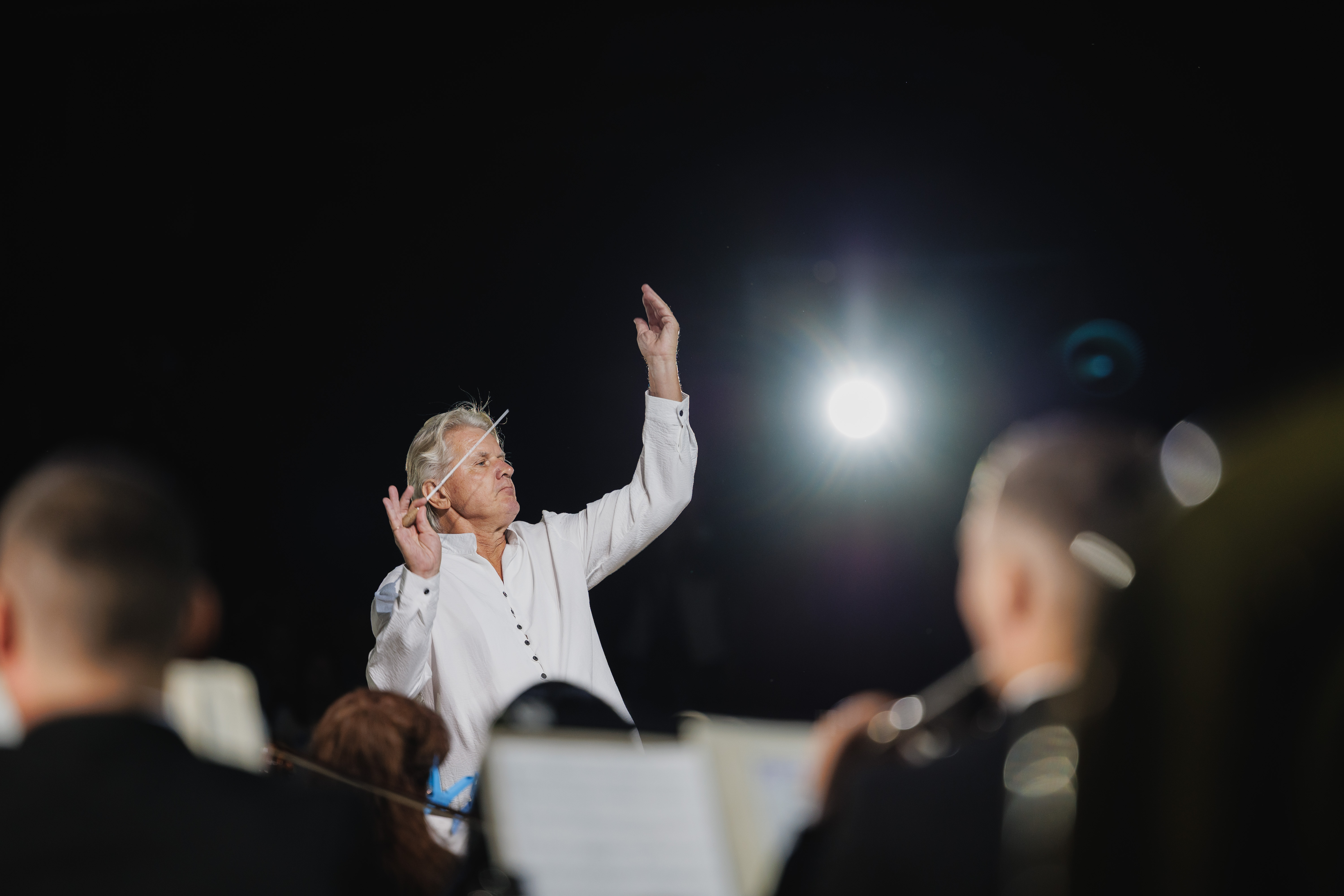
The project began in 2013 with a chance encounter between Viennese conductor Friedrich Pfeiffer and Anatolie Botnaru at a village guesthouse. Challenged to "make Opera" in the natural amphitheater of the village, Botnaru built the stage from his own resources, driven by a vision to turn the world toward rural culture. Since the first concert in 2015, the initiative has grown from a singular event into the "DescOpera" festival and a year-round creative platform. It proves that a small village can host world-class excellence when heritage, private initiative, and public support align to serve the community.
Cultural Heritage
Community integration
Rural Development
Experiential Tourism
Regenerative Tourism
We prioritize "green culture" by utilizing the natural landscape of the Orheiul Vechi reserve as our primary scenography, minimizing construction waste. The project promotes environmental stewardship through green travel recommendations for visitors and the use of locally sourced, recycled materials for residency activities. By integrating the village’s "farm-to-table" gastronomy, we support a circular rural economy that preserves the natural ecosystem while generating income for local producers.
Opera Butuceni creates an immersive "living stage" where the rugged beauty of limestone cliffs meets the elegance of classical music. This aesthetic harmony transforms the village into a space of belonging, where residents and tourists alike care for the heritage as a shared cultural treasure. The initiative elevates rural architecture and natural landscapes into high-art experiences
The project bridges the urban-rural cultural divide, ensuring that villagers have the same access to high-quality arts as city-dwellers. We involve local residents as active participants—from youth volunteers to elderly tradition-bearers. Our "inclusive tourism" strategy includes auditing site accessibility and training local staff to provide services for all, ensuring the residency and performances are welcoming to diverse audiences, including those with limited mobility.
The project is co-created with the community; local guesthouses provide hospitality, and residents participate in open rehearsals and workshops, ensuring the initiative is rooted in local pride.
We operate a "Quadruple Helix" model involving the private sector (Eco Resort), civil society (ANTRIM), the public sector (Ministry of Culture) and international partners (UMAEF, Creative Europe).
Our laboratoy blends music, architecture, environmental science, and digital technology to interpret heritage through contemporary art.
Our financial sustainability is based on a hybrid "Culture-Tourism" model. Revenue is generated through:
1. Cultural Packages: Integrated offers including tickets, accommodation at local guesthouses, and traditional dining.
2. Public-Private Partnerships: Strategic funding from the Ministry of Culture for national-impact programming.
3. International Grants: Support from Creative Europe and USAID for residency infrastructure and artist mobility. Profits are reinvested into maintaining the open-air theater and community programs, ensuring that the village remains a self-sustaining creative hub.
Opera Butuceni is a pilot for "Cultural Decentralization". Its methodology—activating heritage through private-led artistic intervention—is replicable across the Eastern Partnership and other European rural regions. We are already scaling this by partnering with the Literature Museum and other regional hubs to create a network of rural residencies, proving that culture is the most effective engine for transforming neglected regions into European centers of excellence.
- https://mc.gov.md/ro/content/opera-de-butuceni-un-spectacol-muzical-si-astral-de-exceptie-0
- https://newsmaker.md/ro/opera-de-butuceni-un-nou-capitol-in-istoria-culturala-a-moldovei?utm_source
- https://tvrmoldova.md/article/e9ad76b57b7a3822/opera-de-butuceni-revine-in-acest-weekend-o-experienta-cu-muzica-de-calitate.html?utm_source